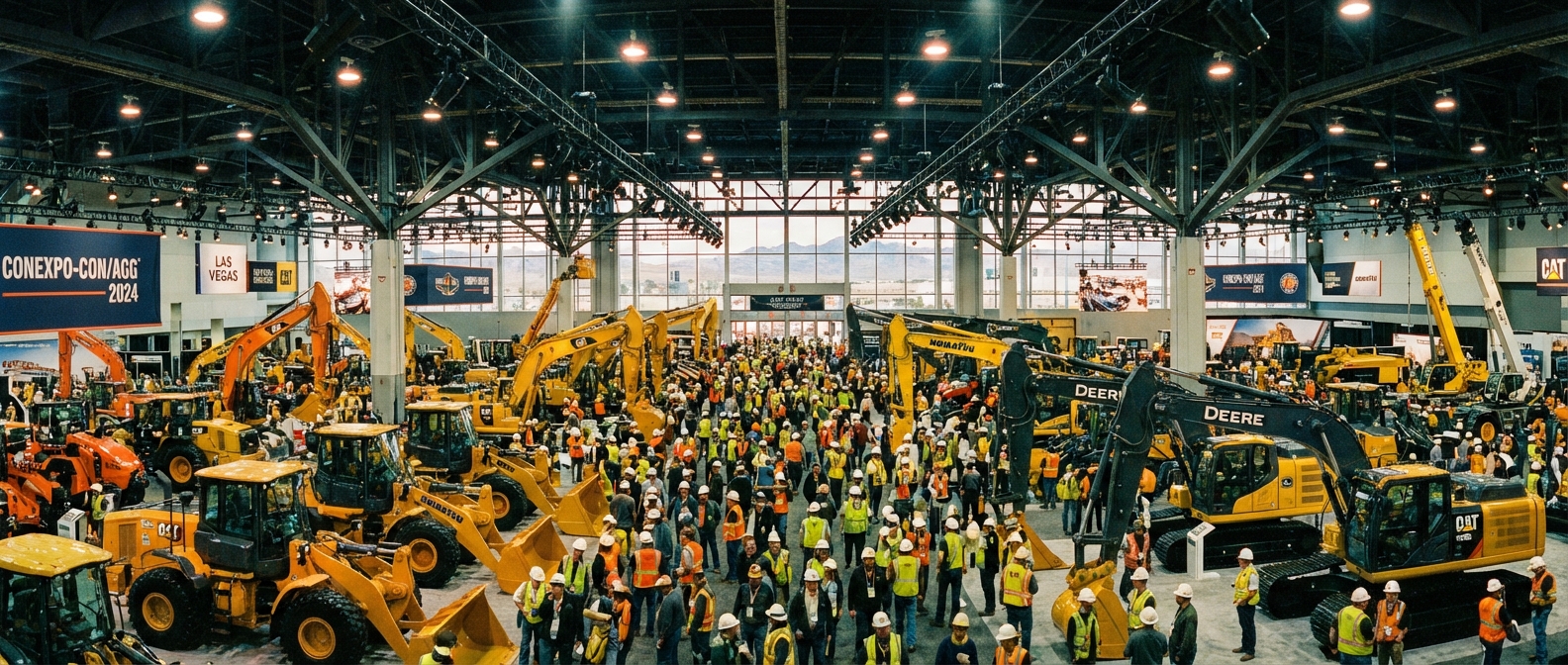
World of Concrete 2025 Recap: Key Innovations and Industry Trends
From advanced ready-mix technologies to robotic finishing systems and sustainable concrete alternatives, World of Concrete 2025 highlighted the innovations reshaping concrete construction.
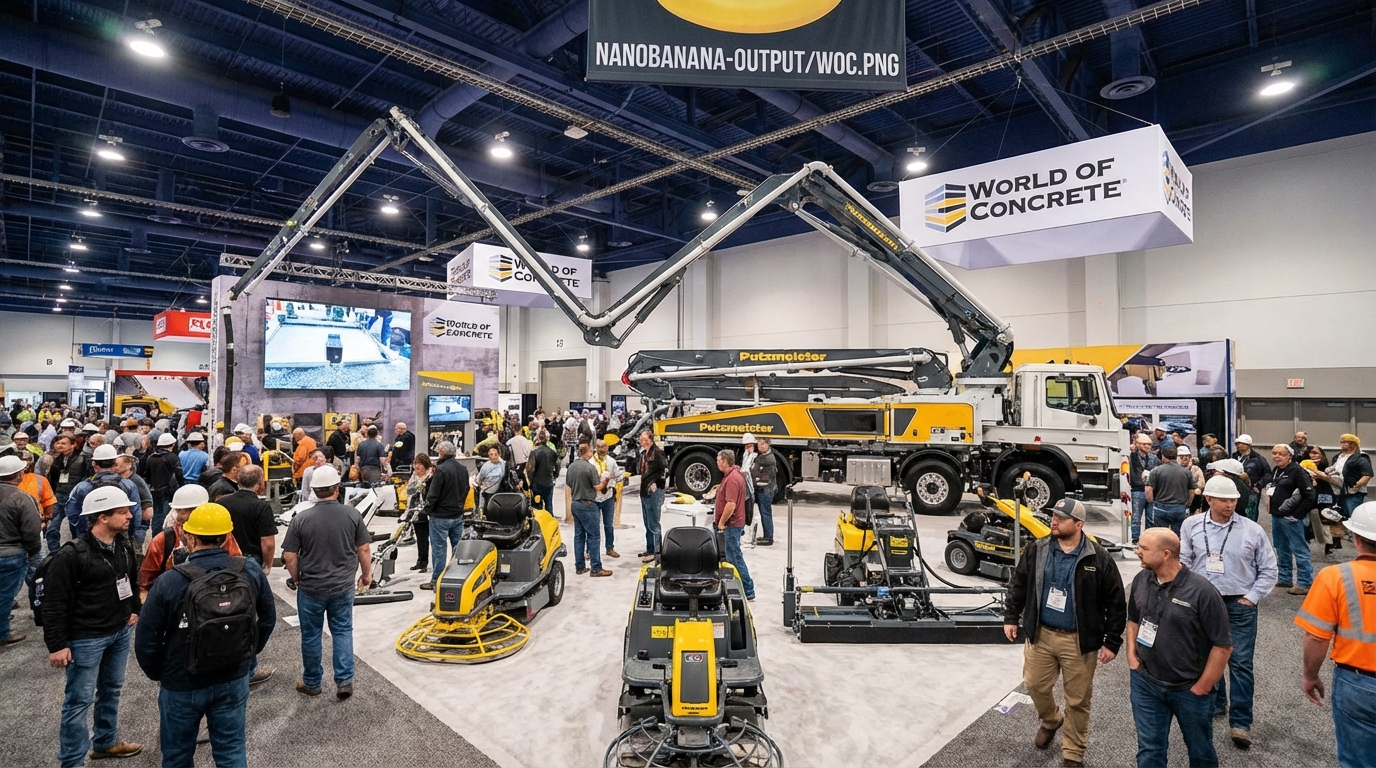
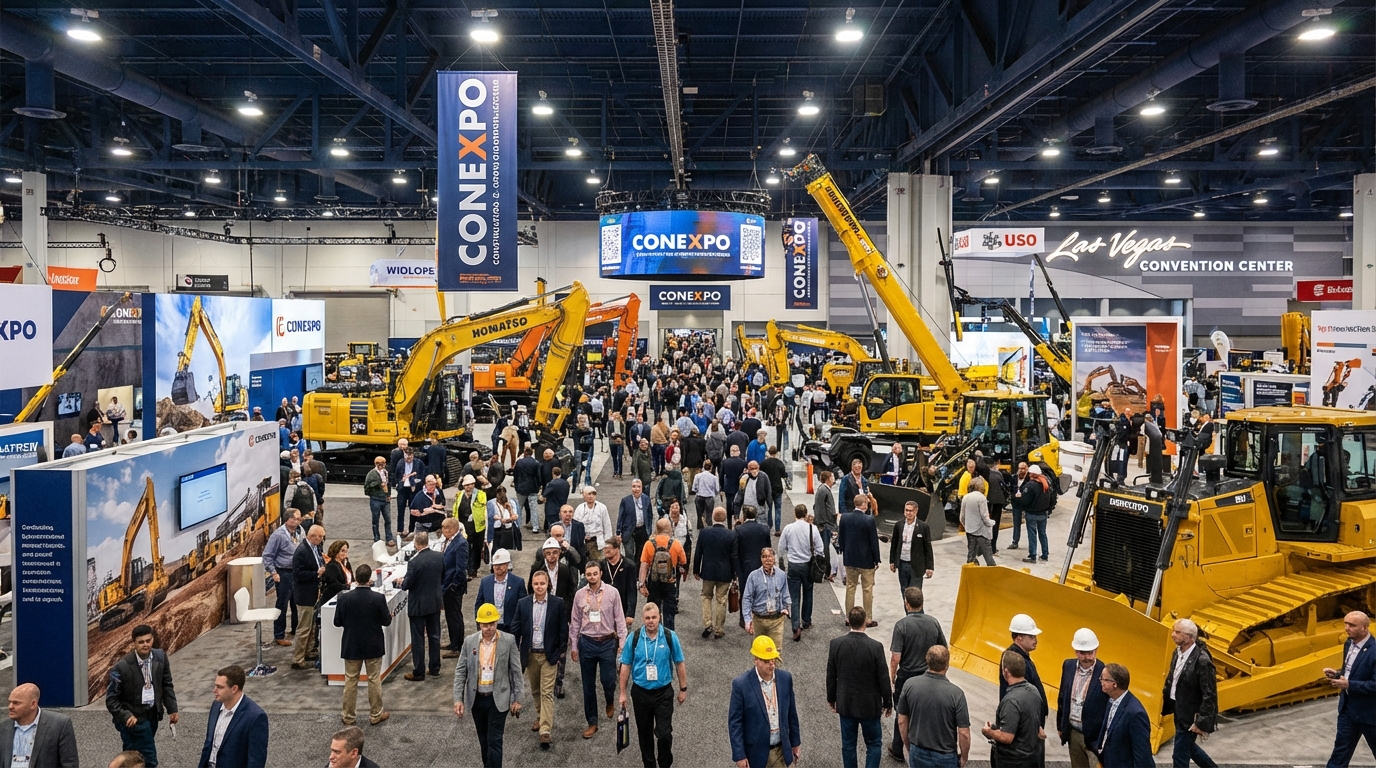
World of Concrete 2025, held January 21-24 at the Las Vegas Convention Center, brought together concrete and masonry professionals for four days of exhibits, demonstrations, and education. The event showcased equipment, materials, and technologies addressing the industry’s most pressing challenges: workforce shortages, sustainability requirements, and productivity demands.
This recap highlights the most significant innovations and trends from this year’s event.
Attendance and Scope
World of Concrete 2025 continued its post-pandemic recovery trajectory:
Attendance: Approximately 58,000 registered professionals attended, representing solid growth from the previous year.
Exhibitors: Over 1,400 exhibitors occupied the show floor, spanning indoor and outdoor demonstration areas.
International presence: Significant international attendance, particularly from Latin America, Canada, and Europe.
Educational sessions: Over 150 seminars and workshops covering technical, business, and safety topics.
Labor-Saving Technology Highlights
Workforce challenges dominated discussions, and exhibitors responded with labor-saving innovations:
Robotic Finishing Systems
Several manufacturers showcased robotic concrete finishing systems:
Automated power trowels: Robotic trowels operating autonomously to finish concrete slabs without constant operator attention. These systems use GPS and sensors to navigate floor areas and adjust finishing parameters automatically.
Laser-guided screeding: Enhanced laser screed systems with improved automation and self-leveling capabilities.
Remote operation: Systems allowing operators to control finishing equipment from comfortable, safe positions rather than walking on fresh concrete.
The common theme: reducing the physical demands of concrete finishing while maintaining quality standards.
Concrete Pumping Innovations
Pumping equipment manufacturers addressed labor constraints:
Automated pipeline cleaning: Systems reducing crew requirements for cleanup operations.
Enhanced boom controls: Improved controls reducing operator fatigue and training requirements.
Telematics integration: Real-time monitoring enabling proactive maintenance and optimization.
Form Work Systems
Formwork innovations focused on efficiency:
Quick-connect systems: Modular forms reducing assembly time and crew requirements.
Adjustable panel systems: Single form systems adapting to multiple configurations.
Lightweight materials: Composite forms reducing handling weight without sacrificing durability.
Sustainability Focus
Environmental considerations permeated the show:
Low-Carbon Concrete Materials
Materials manufacturers emphasized carbon reduction:
Supplementary cementite materials (SCMs): Expanded offerings of fly ash, slag, and other cement substitutes reducing embodied carbon.
Carbon capture integration: Concrete curing systems incorporating captured CO2 into the concrete matrix.
Alternative binders: Emerging binder technologies reducing or eliminating Portland cement requirements.
Performance validation: Testing and documentation supporting specification of low-carbon alternatives.
Electric and Low-Emission Equipment
Equipment manufacturers showcased cleaner power:
Battery-electric tools: Expanded ranges of cordless professional tools with contractor-grade durability.
Electric buggies and material handling: Zero-emission equipment for indoor and environmentally sensitive applications.
Tier 4 Final focus: Continued emphasis on latest emission standards for diesel equipment.
Water Reduction Technologies
Water conservation received attention:
Recycled water systems: Equipment for processing and reusing concrete washout water.
Reduced water-cement ratios: Admixtures enabling workability with less water.
Curing compounds: Advanced curing technologies reducing water requirements while improving surface quality.
Ready-Mix Technology
Ready-mix concrete producers found relevant innovations:
Quality Control Systems
Enhanced quality monitoring technologies:
Real-time slump monitoring: In-transit systems providing continuous workability data to dispatchers and contractors.
Temperature management: Improved temperature control systems for extreme weather conditions.
Automated testing: Laboratory equipment accelerating quality testing with improved accuracy.
Fleet Management
Ready-mix specific fleet technologies:
Drum maintenance monitoring: Sensors tracking drum condition and predicting maintenance needs.
Route optimization: Software optimizing delivery sequences and reducing turn times.
Driver assistance: Enhanced backing cameras and collision avoidance for mixer trucks.
Admixture Innovations
Chemical admixture manufacturers introduced:
Extended set control: Admixtures providing longer working windows without compromising early strength.
Self-healing admixtures: Materials promoting crack self-repair over time.
Performance admixtures: Enhanced strength, durability, and finish characteristics.
Decorative Concrete Trends
Decorative concrete applications gained attention:
Polished Concrete
Polished concrete technology advances:
Grinding and polishing equipment: More efficient systems with improved dust control.
Densifier and sealer systems: Enhanced protection and appearance products.
Color and pattern options: Expanded decorative options for polished surfaces.
Stamped and Textured Concrete
Stamped concrete innovations:
Lightweight stamps: Easier-to-handle stamping tools reducing applicator fatigue.
Color systems: Improved color hardeners and release agents with consistent results.
Pattern variety: New stamp patterns reflecting current design trends.
Safety Equipment and Training
Safety received substantial attention:
Personal Protective Equipment
PPE manufacturers showcased:
Knee protection: Improved knee pads for finishing work with better comfort and protection.
Hand protection: Concrete-specific gloves balancing protection with dexterity.
Respiratory protection: Silica-compliant respirators designed for concrete work comfort.
Training Technology
Training innovations included:
VR and simulation: Virtual reality training for equipment operation and safety scenarios.
Online certification: Expanded online training and certification programs.
Competency documentation: Systems for tracking and documenting worker training.
Masonry Innovations
Masonry products and equipment featured prominently:
Unit Masonry
Block and brick innovations:
Lightweight units: Reduced weight blocks maintaining structural capacity.
Insulated units: Enhanced thermal performance integrated into masonry units.
Large-format units: Bigger units reducing labor per square foot of wall.
Installation Equipment
Equipment simplifying masonry installation:
Material handling: Enhanced scaffolding and material positioning equipment.
Mortar mixing and pumping: Improved on-site mortar preparation systems.
Cutting and finishing: Precision cutting equipment with improved dust control.
Educational Highlights
Seminar programming addressed key topics:
Labor and workforce: Sessions on recruitment, training, and retention strategies.
Specification and standards: Updates on building codes and specification requirements.
Business management: Estimating, project management, and financial topics.
Sustainability: Carbon reduction strategies and specification responses.
Safety: OSHA compliance and best practices for concrete operations.
Several sessions specifically addressed the intersection of technology and workforce challenges, exploring how automation and improved equipment can help contractors remain productive despite labor constraints.
Dealer and Distribution Presence
Distribution channel activity was notable:
Dealer meetings: Several manufacturers held dealer conferences adjacent to the show.
New product training: Distributor personnel received hands-on training on new offerings.
Market discussions: Conversations about regional market conditions and opportunities.
Observations and Takeaways
Several themes emerged consistently across the show:
Labor remains the critical constraint: Nearly every innovation addressed, directly or indirectly, the challenge of accomplishing work with fewer workers.
Sustainability is becoming specification-driven: Environmental requirements are increasingly coming from project specifications, not just corporate commitments.
Technology adoption is accelerating: Tools and equipment that seemed futuristic a few years ago are now production-ready and entering mainstream use.
Integration matters: Standalone products are giving way to integrated systems that work together across equipment and processes.
Looking Ahead
World of Concrete continues serving as the concrete industry’s premier innovation showcase. The 2025 event demonstrated that manufacturers are responding seriously to industry challenges, investing in technologies that address real operational needs.
For contractors evaluating equipment and material decisions, the innovations shown at WOC 2025 provide a roadmap for near-term capability improvements. Many products demonstrated will be widely available during 2025, offering opportunities to enhance productivity, sustainability, and safety performance.
For related coverage, see our 2026 event calendar and analysis of concrete equipment technology.