AED Summit 2026: Dealer Perspectives on Industry Challenges and Opportunities
The AED Summit gathered equipment distributors from across North America to discuss workforce development, technology adoption, manufacturer relationships, and strategies for navigating an evolving competitive landscape.
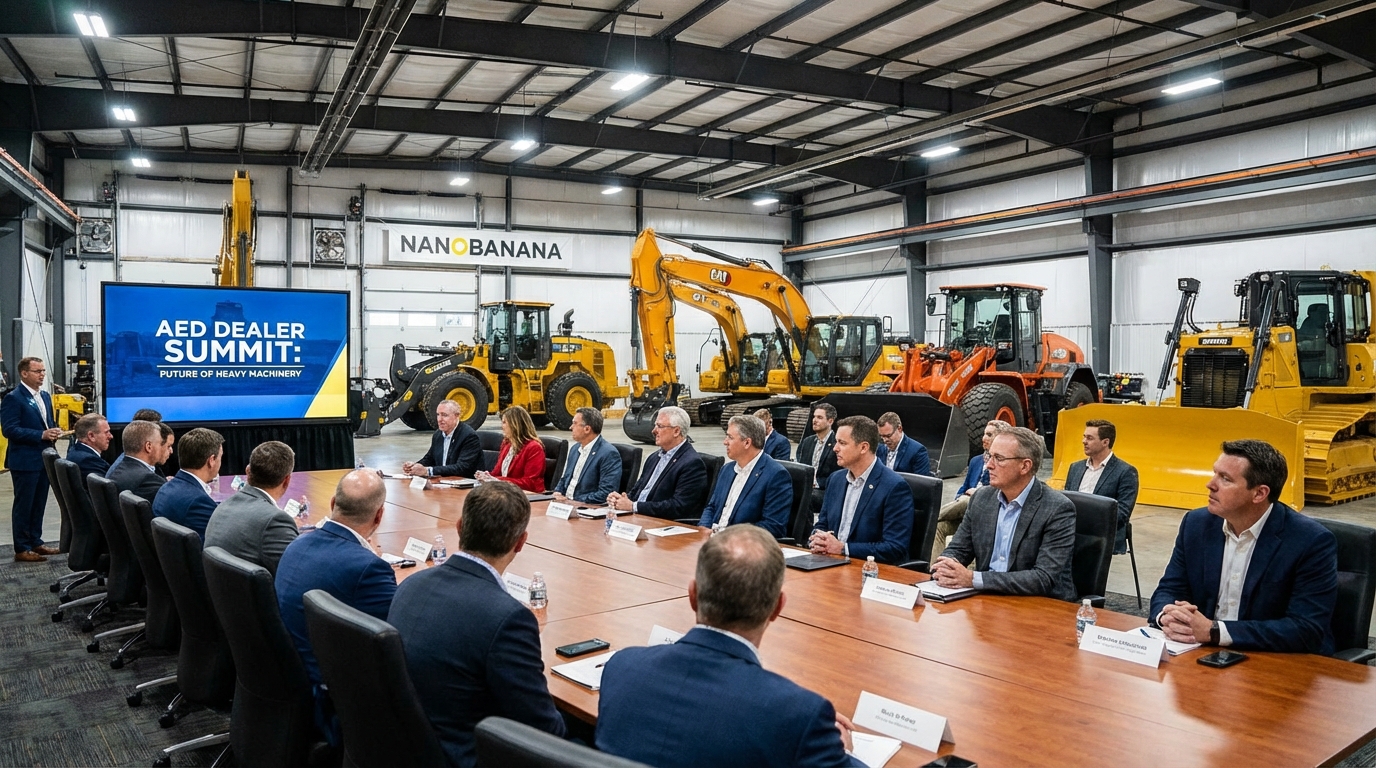
The Associated Equipment Distributors (AED) Summit 2026, held February 3-6 in Orlando, brought together equipment dealers, manufacturers, and industry partners for discussions addressing the distribution channel’s most pressing challenges. From workforce development to technology adoption and manufacturer relationship evolution, the conference provided insight into how dealers are navigating industry transformation.
For contractors, understanding dealer perspectives helps inform equipment sourcing, service, and relationship strategies.
Industry Context
The AED Summit occurred amid notable industry conditions:
Market conditions: Equipment demand remains solid, though growth rates have moderated from post-pandemic peaks.
Inventory normalization: After years of constrained supply, equipment availability has improved substantially, shifting competitive dynamics.
Technology pressure: Telematics, electric equipment, and digital tools require dealer capability investments.
Workforce challenges: Technician shortages continue constraining service capacity across the dealer network.
Keynote Themes
Opening sessions framed key industry themes:
Economic Outlook
Economic presentations addressed market trajectory:
Construction activity: Continued strength in infrastructure and industrial construction, with residential moderating.
Equipment investment: Customers generally healthy but more deliberate in purchasing decisions with improved availability.
Interest rate impacts: Higher financing costs affecting equipment acquisition calculations.
Regional variation: Geographic differences in activity levels and competitive intensity.
Industry Transformation
Transformation themes dominated discussions:
Technology adoption: Dealers must invest in capabilities for telematics, digital customer engagement, and electric equipment.
Customer expectations: Contractor expectations for service, information, and support continue rising.
Competitive dynamics: Manufacturer direct activities, rental company expansion, and new market entrants reshape competition.
Workforce evolution: Both dealer and contractor workforce challenges affect operational capacity.
Workforce Development Focus
Workforce was arguably the summit’s dominant theme:
Technician Shortage
Dealer technician challenges received extensive attention:
Scope of shortage: Dealer surveys indicate average technician vacancy rates exceeding 15% nationally.
Competitive dynamics: Technicians are actively recruited across dealers, manufacturers, and other industries.
Compensation pressure: Technician compensation has increased substantially, affecting service profitability.
Training requirements: Increasingly complex equipment requires enhanced technical training.
Development Strategies
Dealers shared workforce development approaches:
High school engagement: Partnerships with secondary schools introducing students to equipment careers.
Technical school relationships: Collaboration with community colleges and technical schools on curriculum and internships.
Apprenticeship programs: Structured apprenticeship programs developing technicians over multi-year progressions.
Military recruitment: Targeted recruitment of veterans with relevant mechanical experience.
Internal development: Programs advancing parts and service personnel into technical roles.
Retention Focus
Beyond recruitment, retention received attention:
Culture and environment: Workplace improvements increasing employee satisfaction and retention.
Career pathing: Clear advancement opportunities within dealer organizations.
Compensation structures: Evolving compensation models including retention incentives.
Work-life considerations: Flexibility and scheduling considerations particularly for younger workers.
Technology and Digital Transformation
Technology investment requirements featured prominently:
Telematics and Connectivity
Connected equipment creates dealer opportunities and challenges:
Data access: Navigating data access arrangements with manufacturers and customers.
Service integration: Using telematics data to enhance service operations and customer support.
Customer engagement: Digital tools for customer interaction around equipment performance.
Capability requirements: Systems and personnel needed to leverage equipment data effectively.
E-Commerce and Digital Engagement
Digital customer engagement continues evolving:
Parts e-commerce: Online parts ordering now expected by many customers.
Equipment search: Digital tools for equipment specification and availability.
Service scheduling: Online service scheduling and status tracking.
Information access: Customer expectations for real-time information on equipment and orders.
Electric Equipment Readiness
Electrification requires dealer preparation:
Sales capability: Understanding and selling electric equipment value propositions.
Service capability: Technical training and tooling for electric equipment service.
Infrastructure considerations: Charging capabilities at dealer locations and customer sites.
Safety requirements: High-voltage safety training and procedures.
Manufacturer Relationships
Dealer-manufacturer dynamics received candid discussion:
Evolving Relationship Models
Relationship evolution themes:
Territory and coverage: Manufacturer expectations for market coverage and customer reach.
Investment requirements: Capital and capability investments manufacturers expect from dealer partners.
Performance metrics: Increasingly detailed performance expectations and measurement.
Direct activities: Manufacturer direct sales and service activities in some segments.
Consolidation Dynamics
Dealer consolidation continues:
Acquisition activity: Private equity and strategic buyers continue dealer acquisitions.
Scale benefits: Larger dealers achieve operational efficiencies and investment capacity.
Independent future: Discussion of competitive positioning for independent and smaller regional dealers.
Multi-Line Strategies
Equipment line strategies featured:
Primary line priorities: Balancing primary manufacturer requirements with complementary lines.
Attachment and specialty equipment: Growth in attachment and specialty equipment distribution.
Manufacturer conflicts: Navigating overlapping manufacturer product ranges.
Rental Integration
Rental business models received attention:
Dealer Rental Operations
Rental within dealer businesses:
Rental growth: Many dealers expanding rental operations as customer preference for rental increases.
Integration challenges: Managing rental alongside sales and service operations.
Customer segmentation: Serving customers who shift between rental and purchase based on project needs.
National Rental Competition
Competitive dynamics with national rental companies:
Customer overlap: Competing for customers with flexible acquisition preferences.
Manufacturer relationships: National rental company relationships with manufacturers.
Service opportunities: Providing service support for rental fleets.
Parts and Service Emphasis
Aftermarket operations featured prominently:
Parts Business Evolution
Parts distribution developments:
E-commerce competition: Competition from online parts sources.
Inventory optimization: Technology-enabled inventory management for availability and efficiency.
Customer service levels: Response time and delivery expectations.
Service Capacity
Service operations received focus:
Capacity constraints: Technician shortages limiting service capacity.
Pricing strategies: Adjusting pricing to reflect technician compensation increases.
Field service: Investment in mobile service capabilities.
Customer support models: Evolving service agreements and support programs.
Product Liability and Risk
Legal and risk topics were addressed:
Product liability: Best practices for managing equipment liability exposure.
Cybersecurity: Protecting dealer systems and customer data.
Insurance considerations: Evolving insurance requirements and availability.
Networking and Peer Exchange
Beyond formal programming, peer exchange was valuable:
Dealer networking: Opportunities for dealers to connect with peers facing similar challenges.
Manufacturer meetings: Side meetings between dealers and manufacturer partners.
Industry relationships: Building relationships across the industry network.
Contractor Implications
For contractors, dealer perspectives have practical implications:
Service availability: Technician shortages may affect service response times; planning maintenance proactively becomes more important.
Technology expectations: Dealers are investing in digital capabilities and expect customer adoption.
Relationship value: Strong dealer relationships become more valuable as capacity constraints affect service allocation.
Equipment availability: Normalized inventory creates opportunities for well-positioned contractors.
Looking Ahead
The AED Summit reinforced that equipment distribution is in the midst of significant evolution. Technology, workforce, and competitive dynamics are reshaping how dealers operate and serve customers.
Successful dealers are investing in workforce development, technology capabilities, and customer relationship management. For contractors, understanding these dealer priorities helps in building productive relationships that ensure equipment and service access when needed.
For related coverage, see our analysis of dealer network trends and equipment financing.