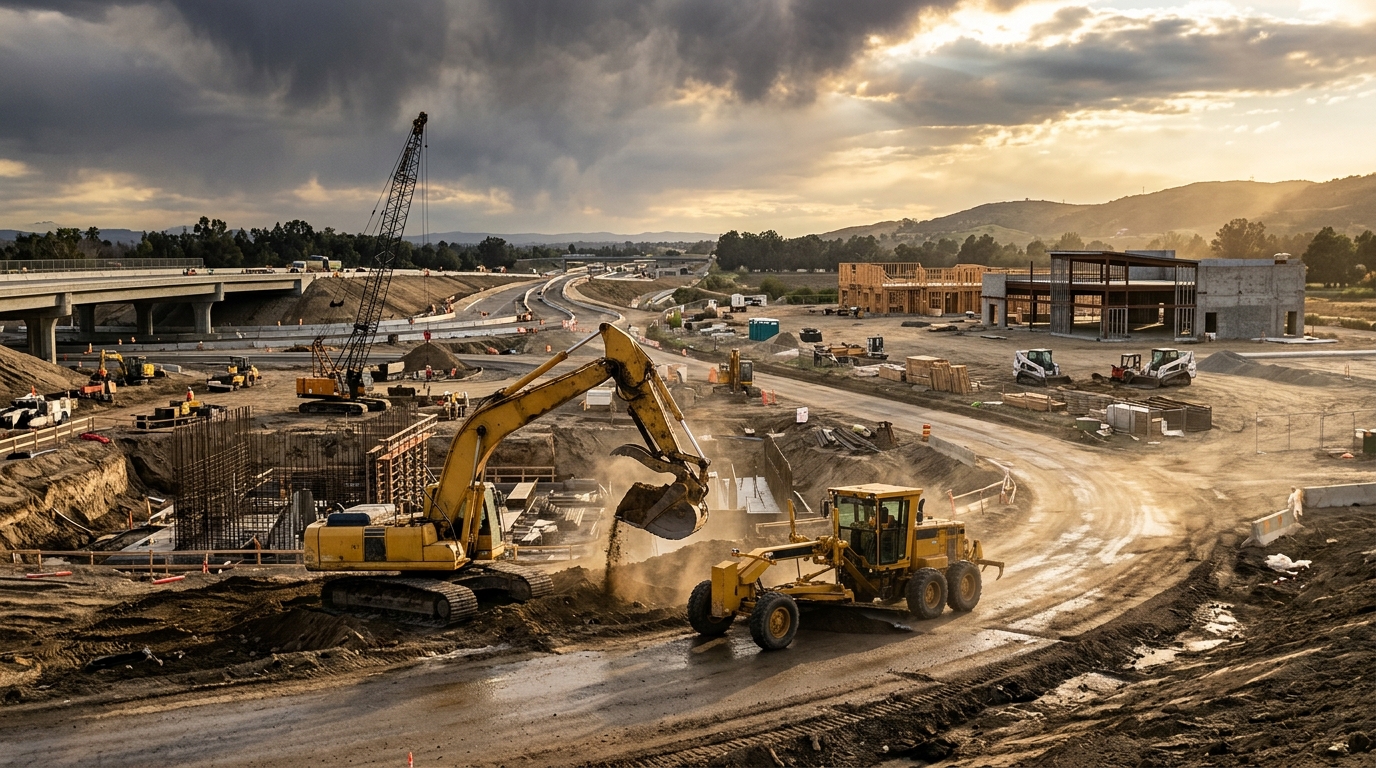
Construction Spending Is Sending a Split Signal to Equipment Owners
June 2026 construction data shows private and residential spending retreating while public work holds up. That split should change how contractors buy, rent, and position equipment.
59 articles
June 2026 construction data shows private and residential spending retreating while public work holds up. That split should change how contractors buy, rent, and position equipment.
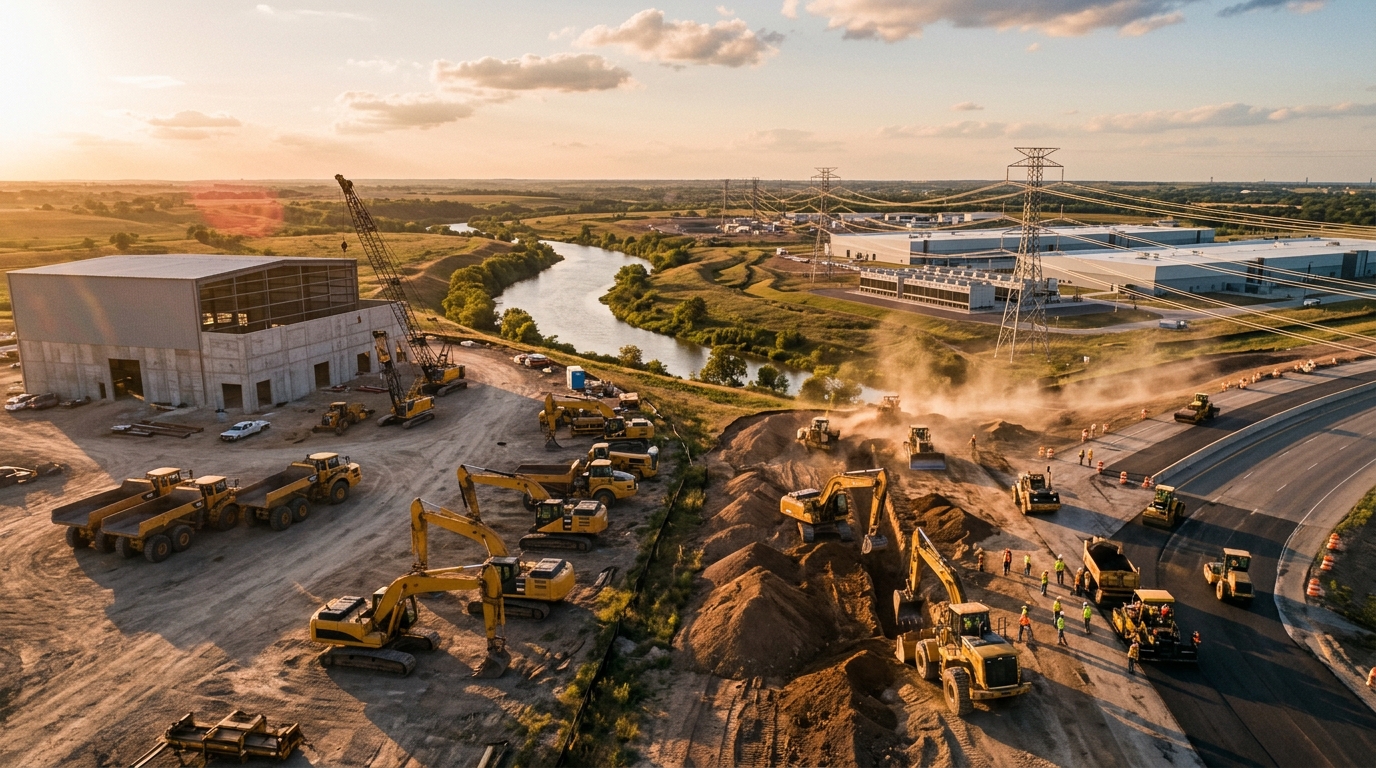
June construction data shows broad weakness beside real pockets of growth. Contractors should read the mix before buying, selling, or relocating equipment.
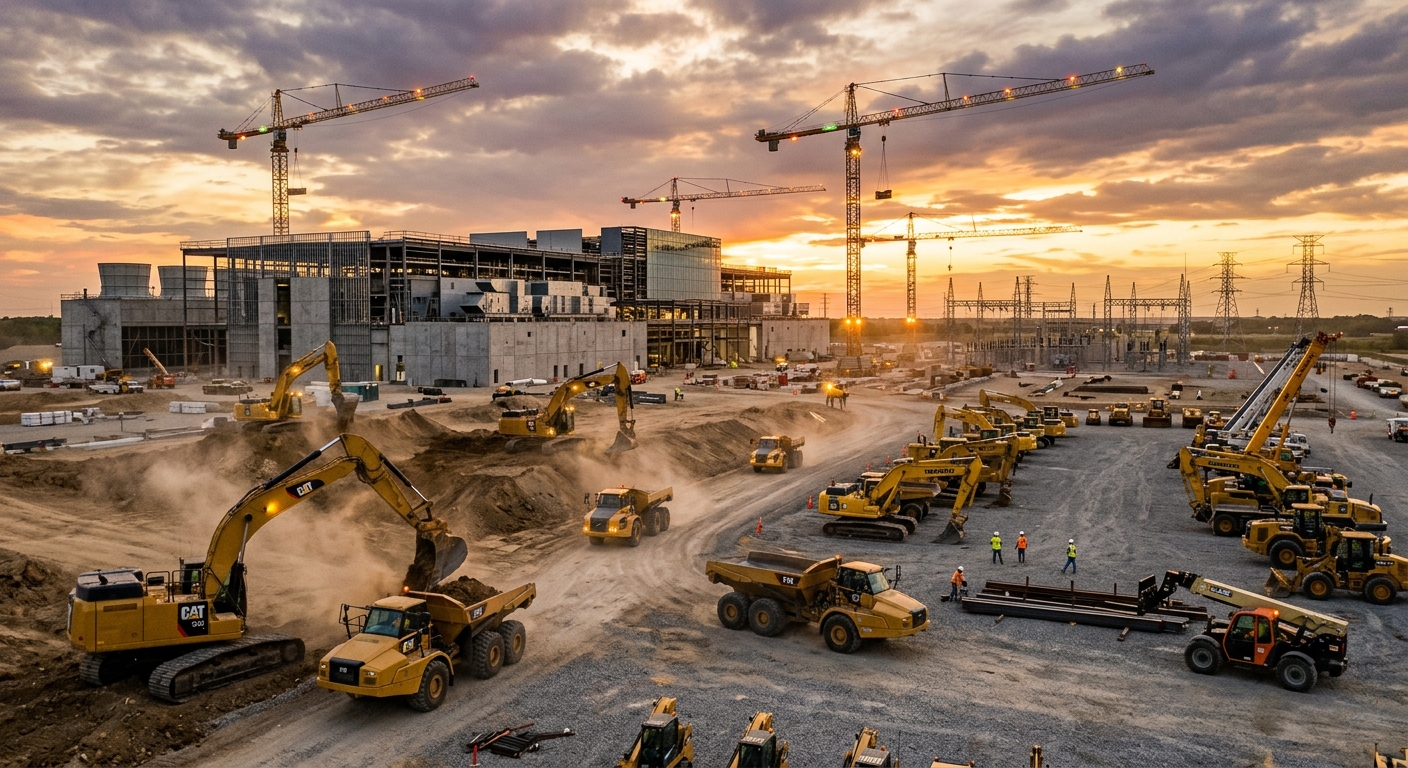
Data centers, utilities, and infrastructure work are still pulling heavy iron into busy regions, but softer design billings and flat private spending make fleet discipline more important than raw optimism.
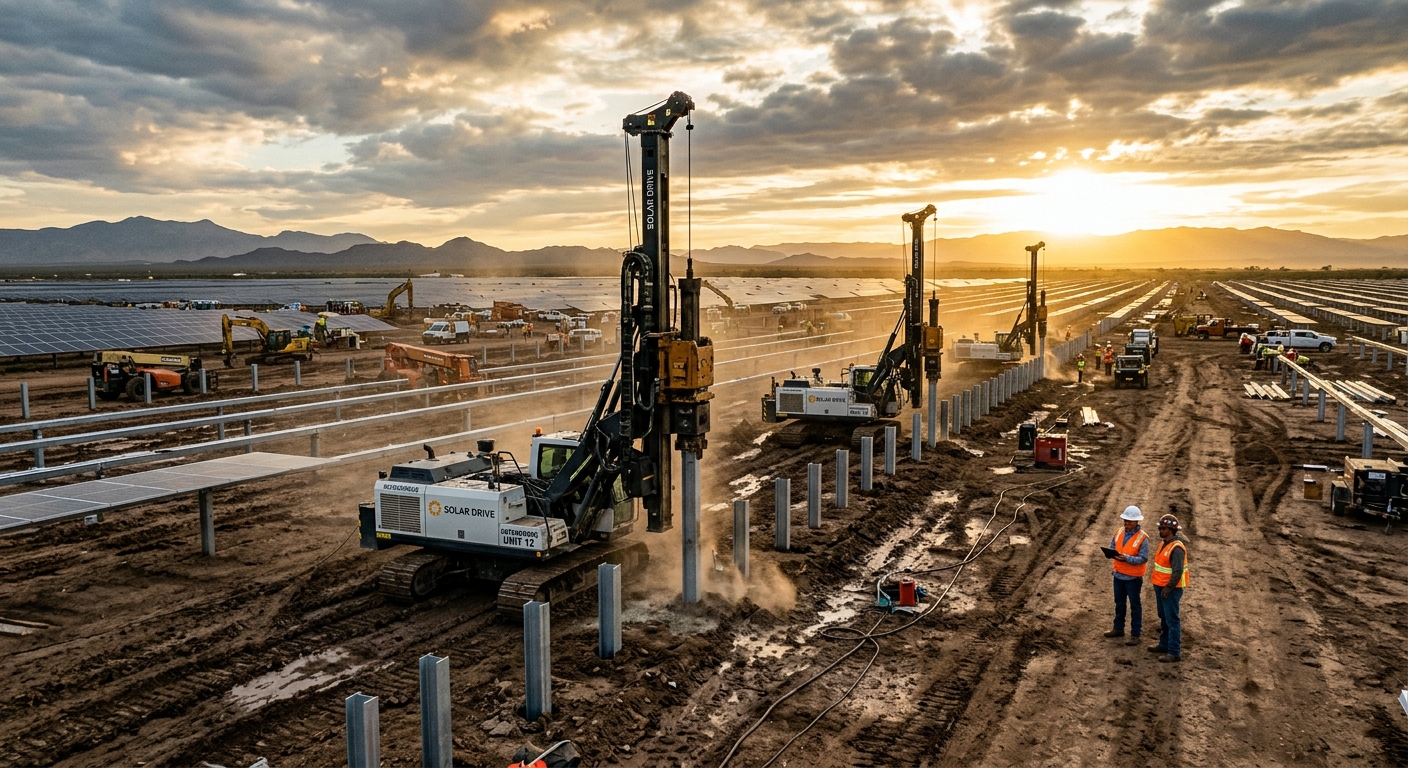
The early market for autonomous heavy equipment is not a fully robotic jobsite. It is repetitive, high-volume work like solar pile driving, where labor pressure and project scale make the math easier.
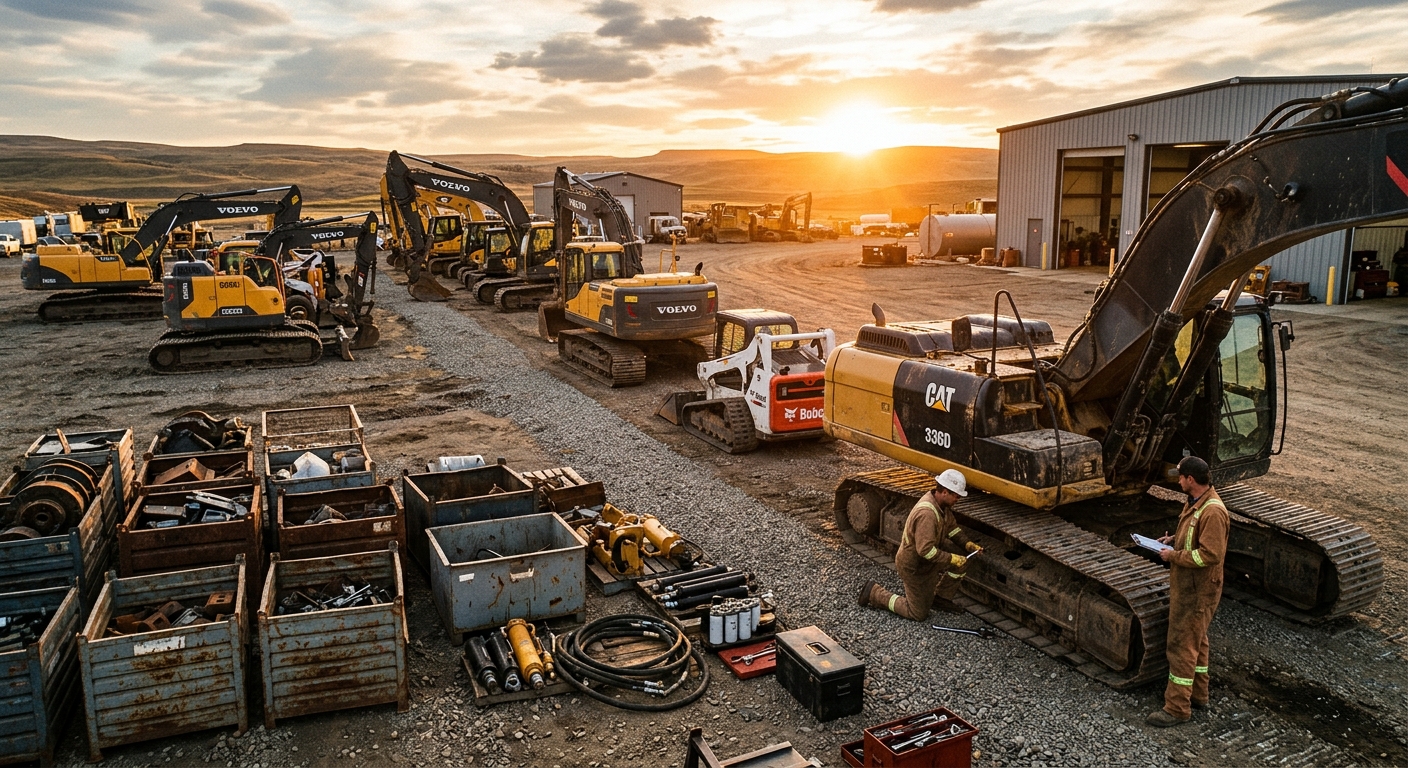
Some imported machinery may get temporary tariff relief, but parts, steel, financing, and repair capacity still make equipment ownership harder to justify without tight machine-level numbers.
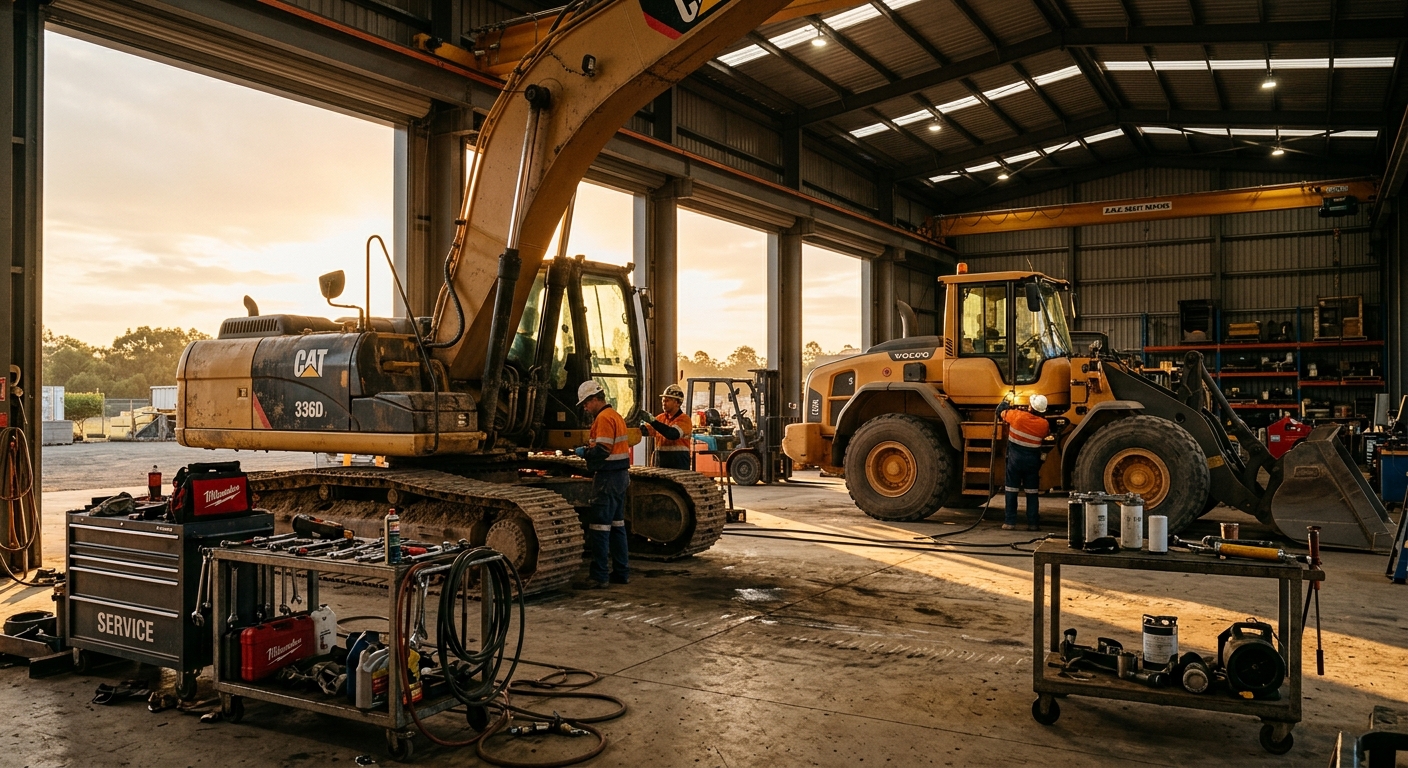
Fleets are running older machines, shops are charging more for labor, and technician supply is still tight. The next equipment constraint may be service capacity, not machine availability.
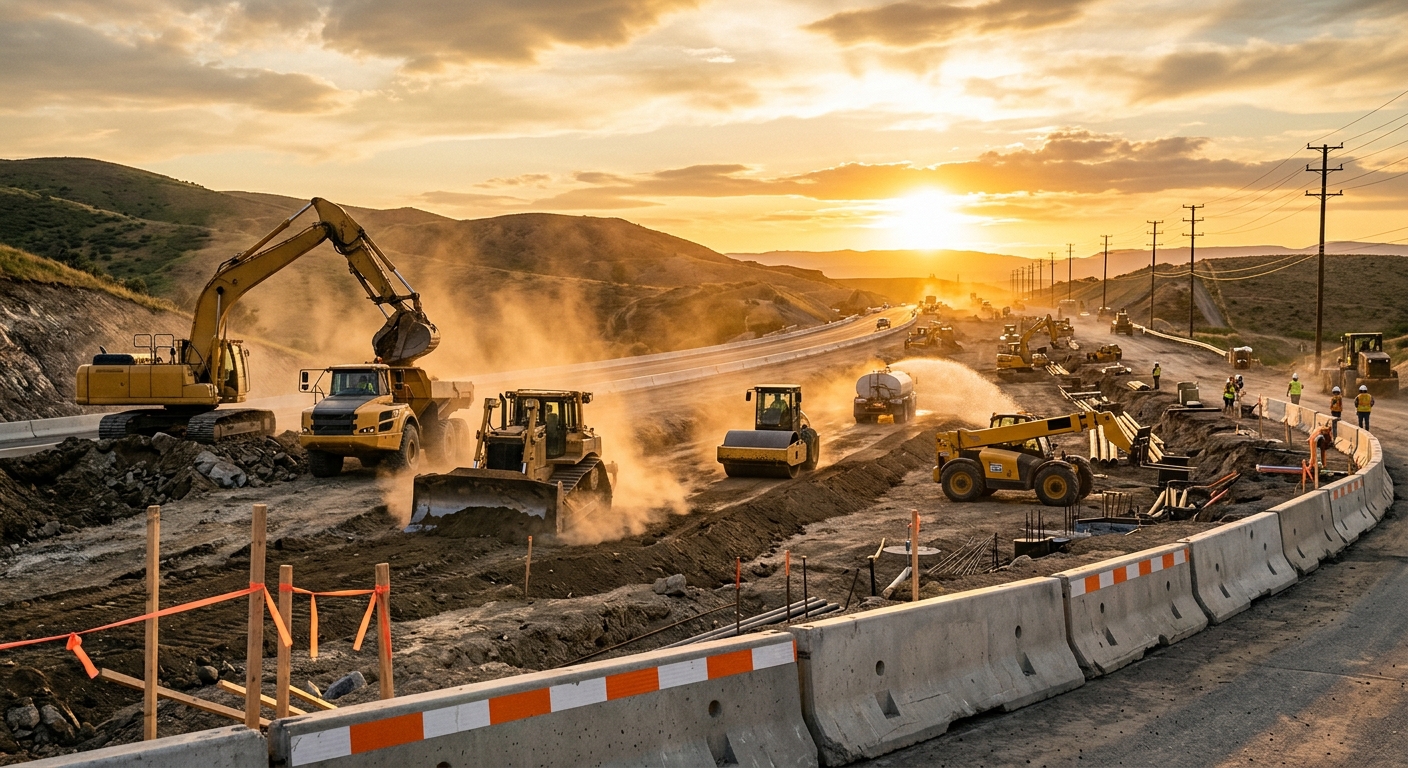
May construction spending barely moved, but starts data shows big public works, utilities, data centers, and manufacturing projects pulling demand away from weaker residential and warehouse work.
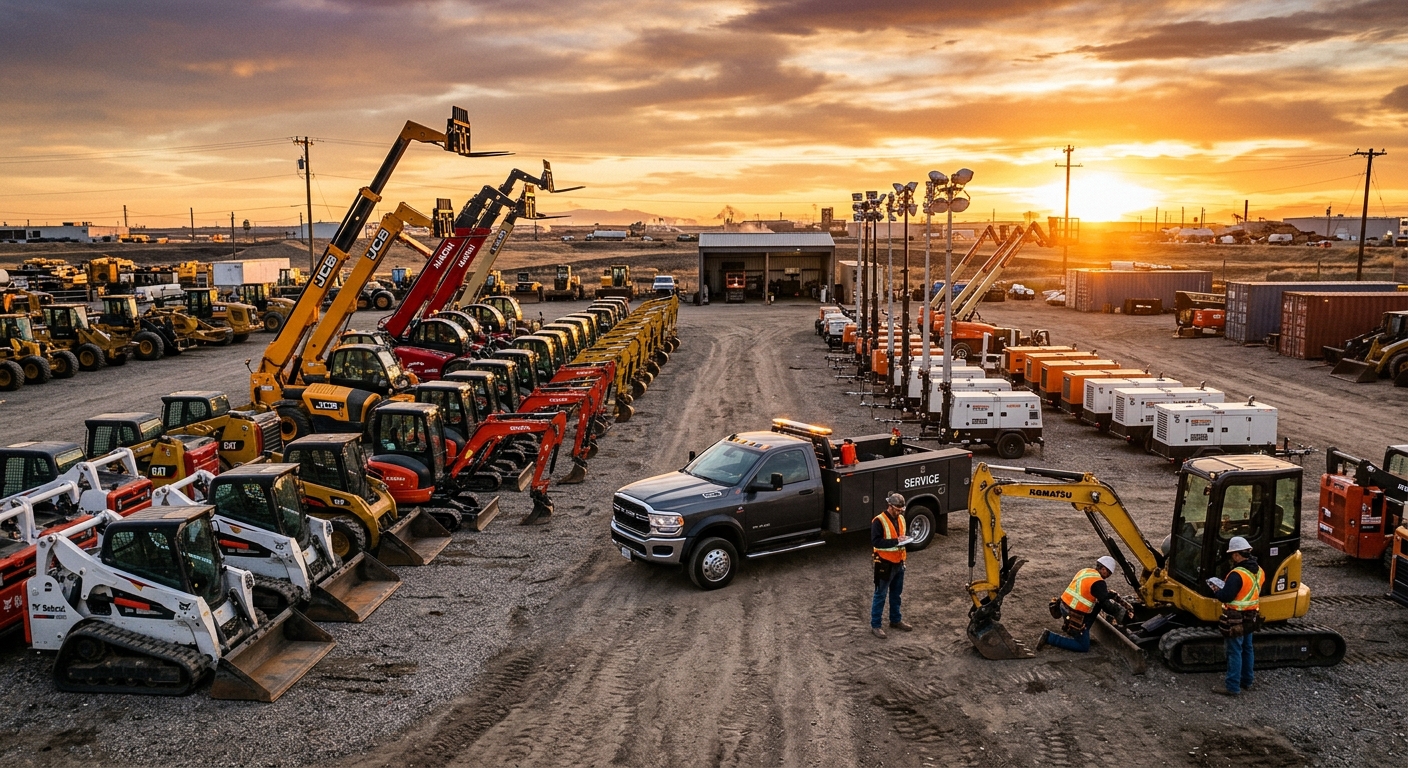
Rental demand is still growing in 2026, but the hard part is no longer proving customers want to rent. It is knowing which machines deserve replacement money and which ones are only staying busy on paper.
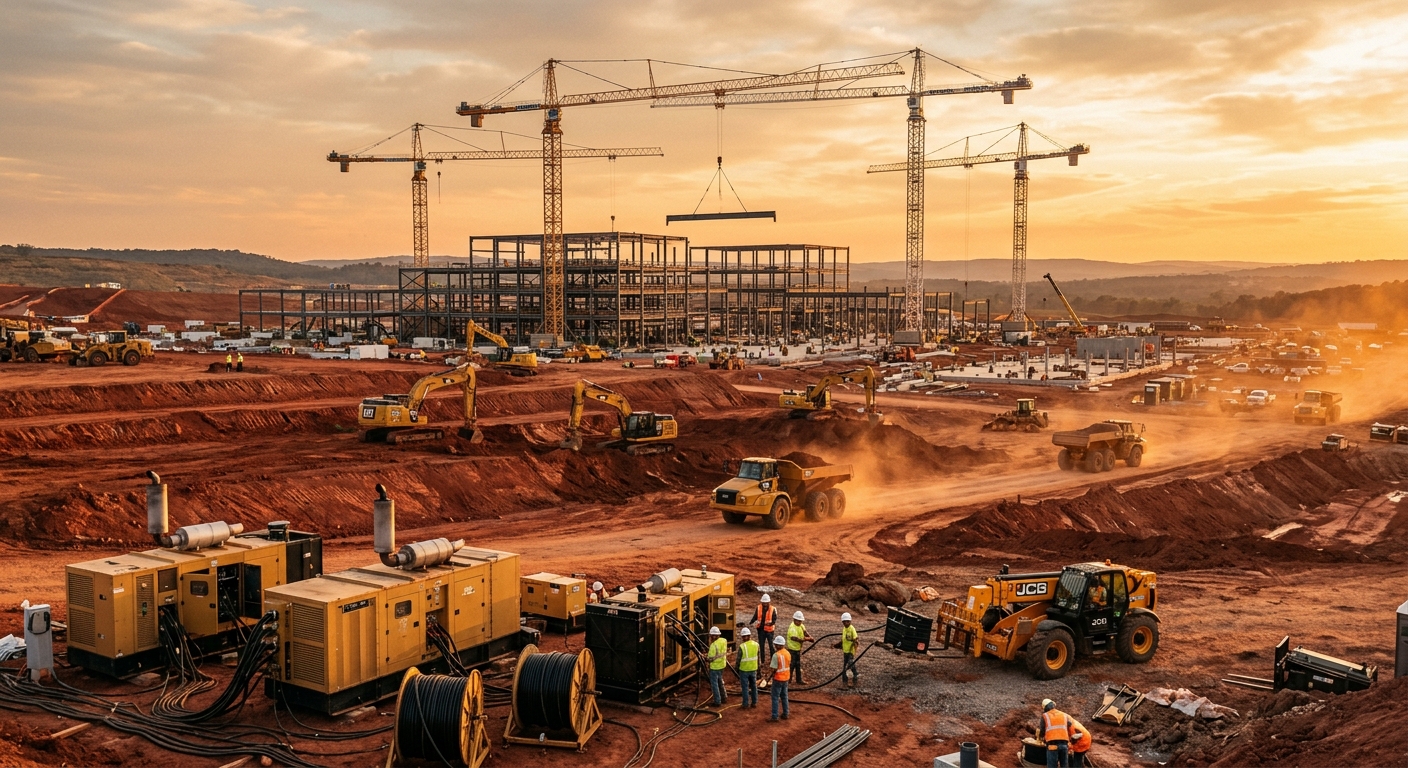
AI infrastructure is pulling more than electricians and concrete crews. It is changing demand for earthmoving, rental fleets, power generation, service capacity, and jobsite support equipment.
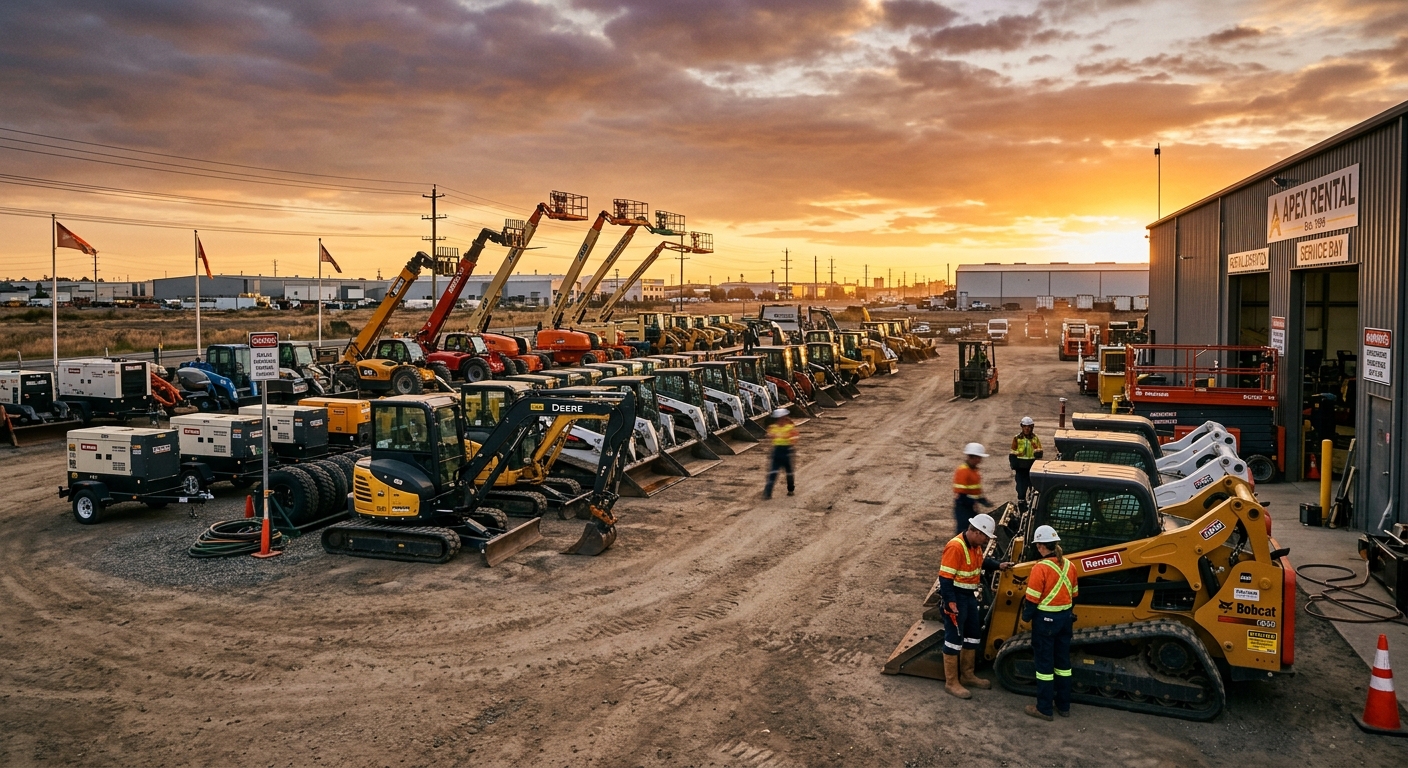
The 2026 rental forecast looks better than it did earlier this year. That does not mean rental yards can buy their way out of a mixed construction market.
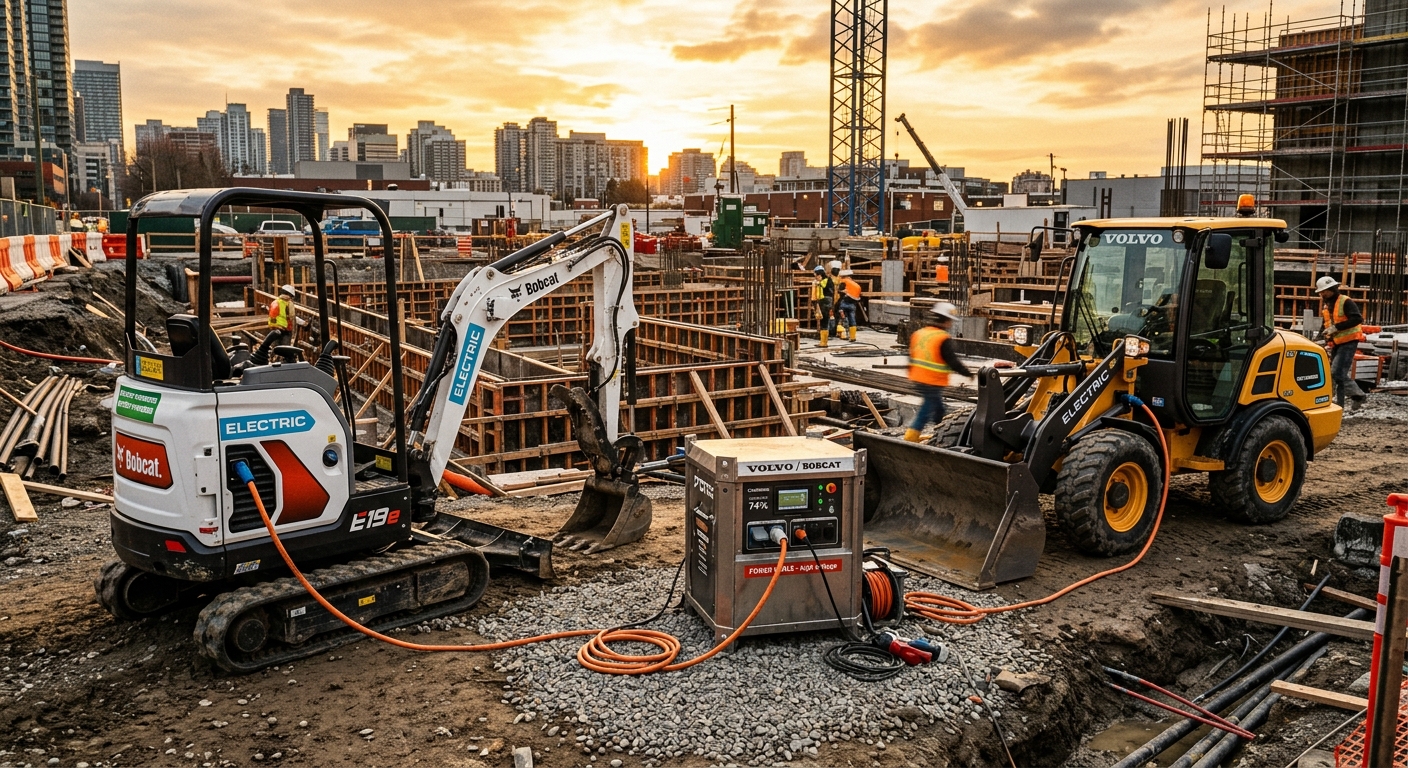
Battery-powered compact machines are getting better fast, but the real test is not whether contractors like them. It is whether the jobsite can keep them working.
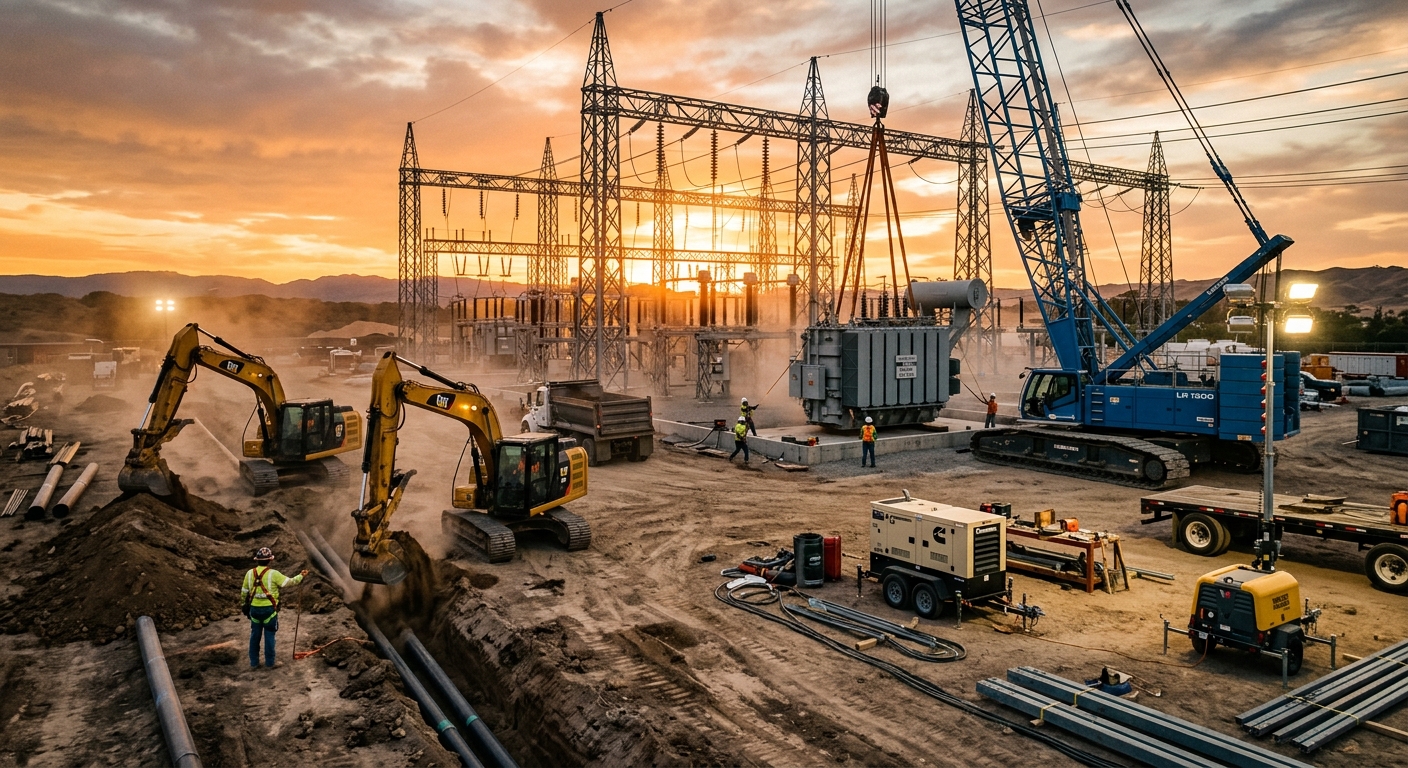
Data centers get the headlines, but the harder equipment story may be the substations, transmission work, temporary power, and utility crews needed to feed them.
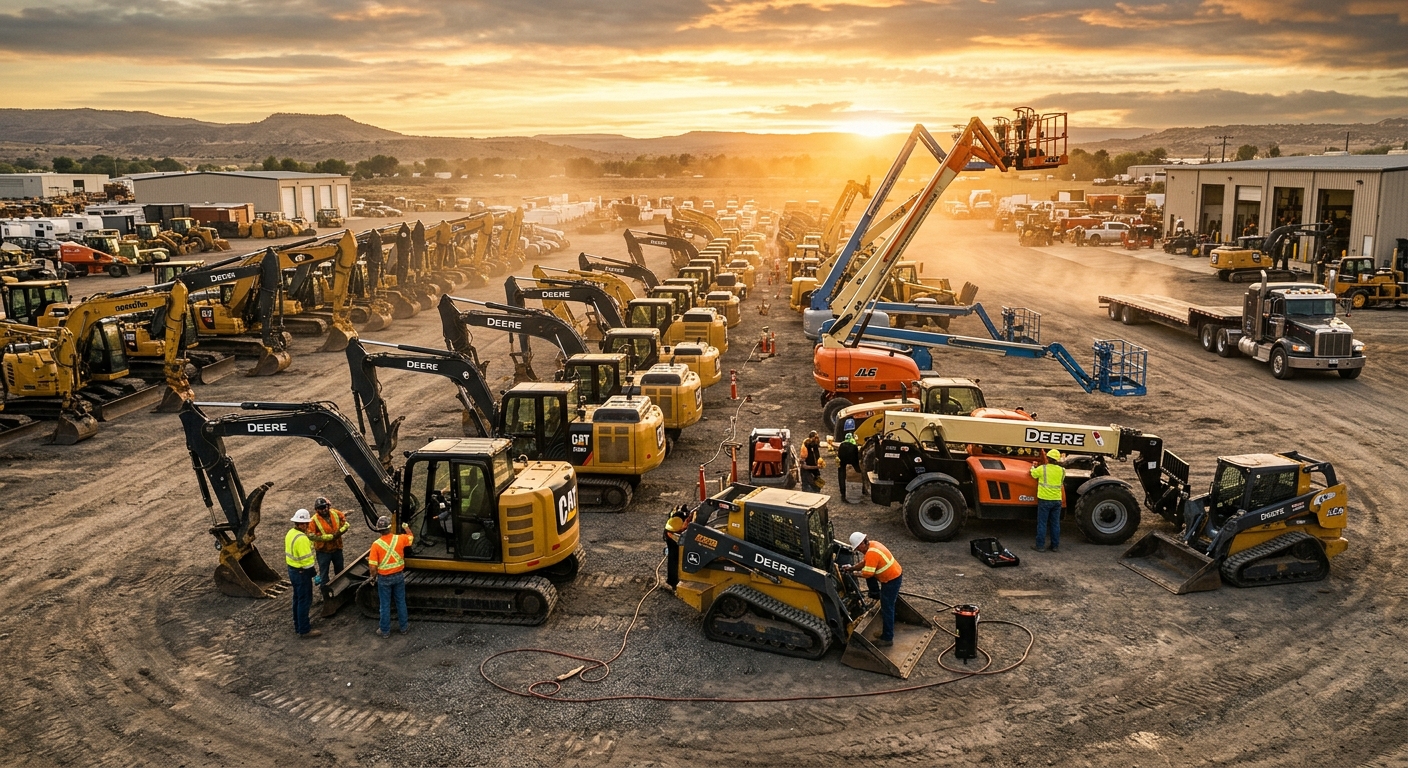
Rental demand is still moving higher in 2026, but contractors using rental as a rescue plan need to know whether they are buying flexibility or covering up weak fleet planning.
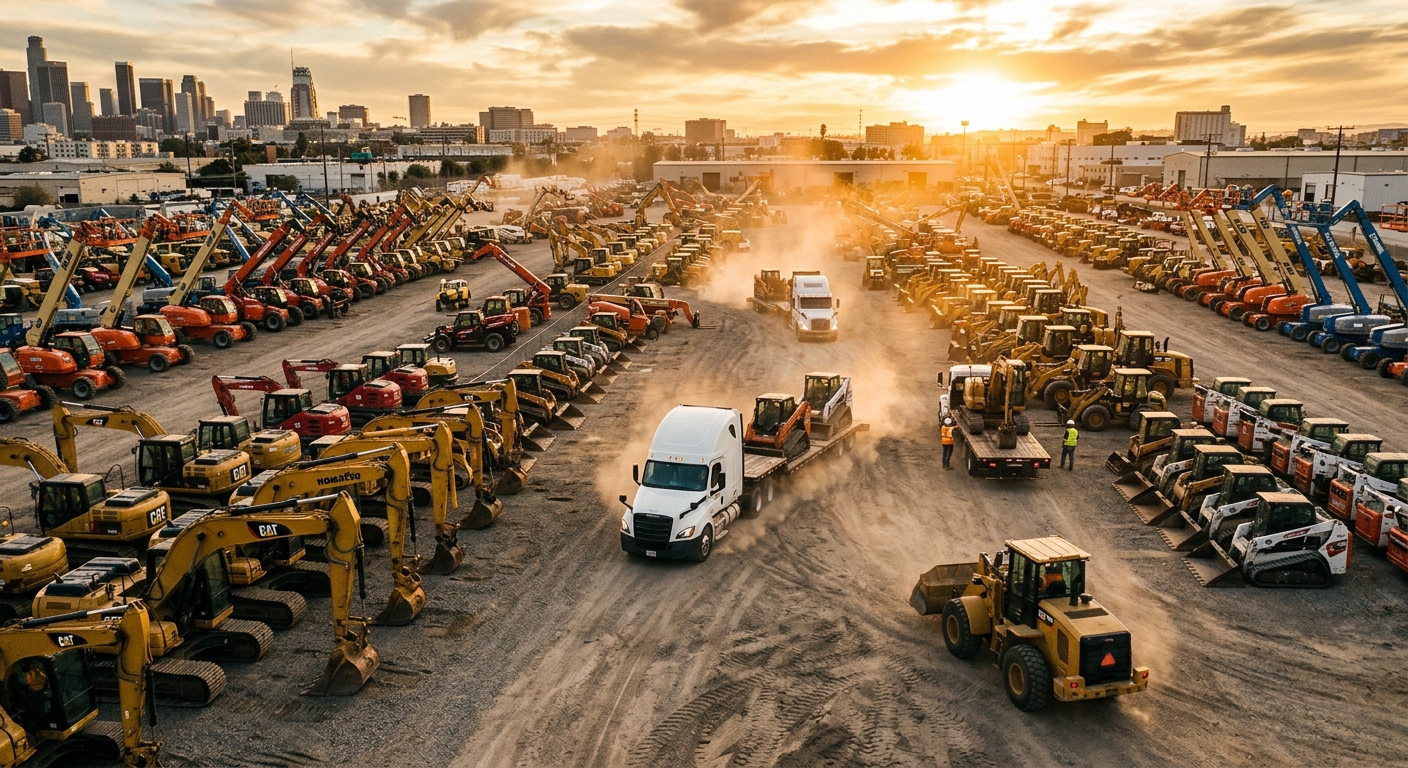
The rental market is still growing. The interesting part sits below the headline number: contractors are using rental as a hedge against uncertain backlogs, expensive machines, tighter service capacity, and faster-changing job requirements.
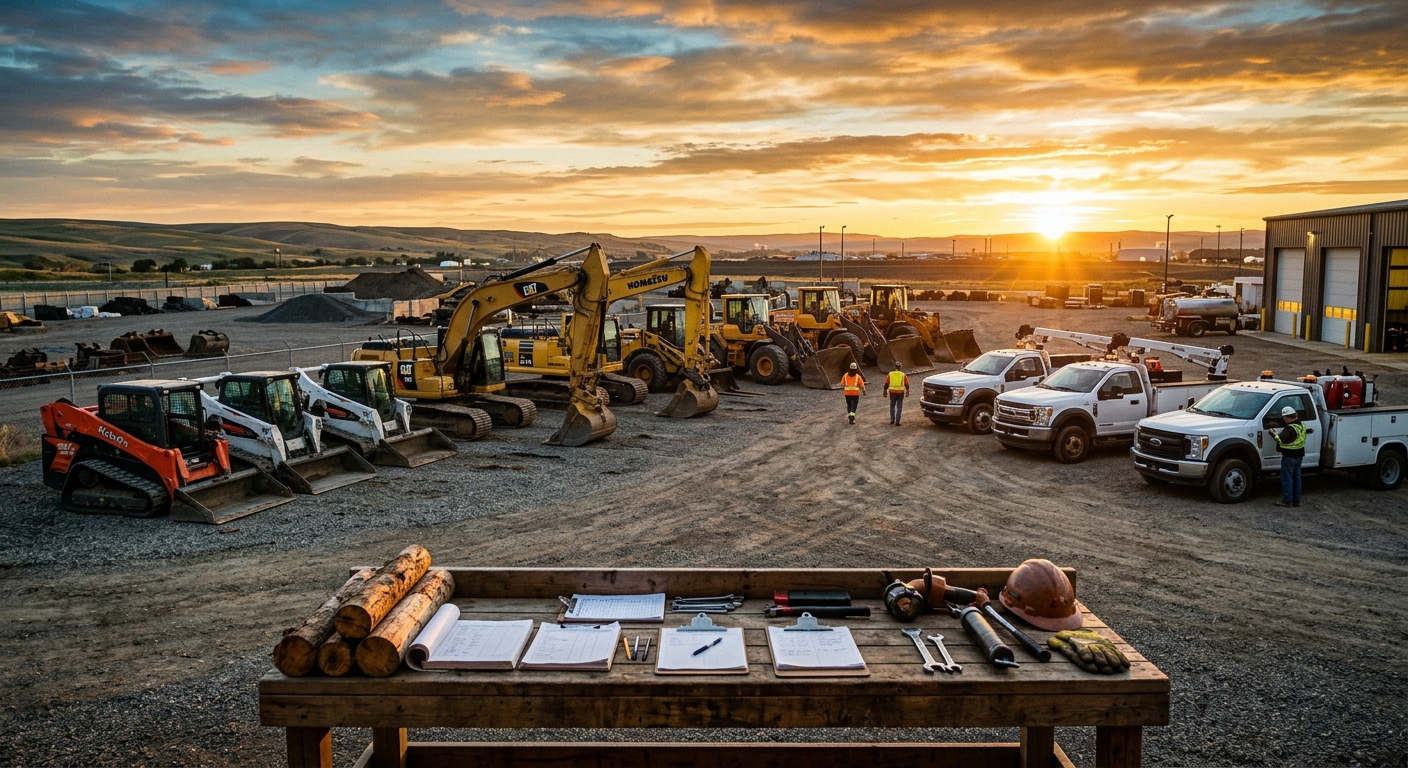
Equipment World's 2026 contractor survey shows most buyers are back in the market, but the real story is more cautious than the headline. Financing is still tight, replacement windows are longer, rental is absorbing risk, and in-house maintenance is now part of the buying decision.
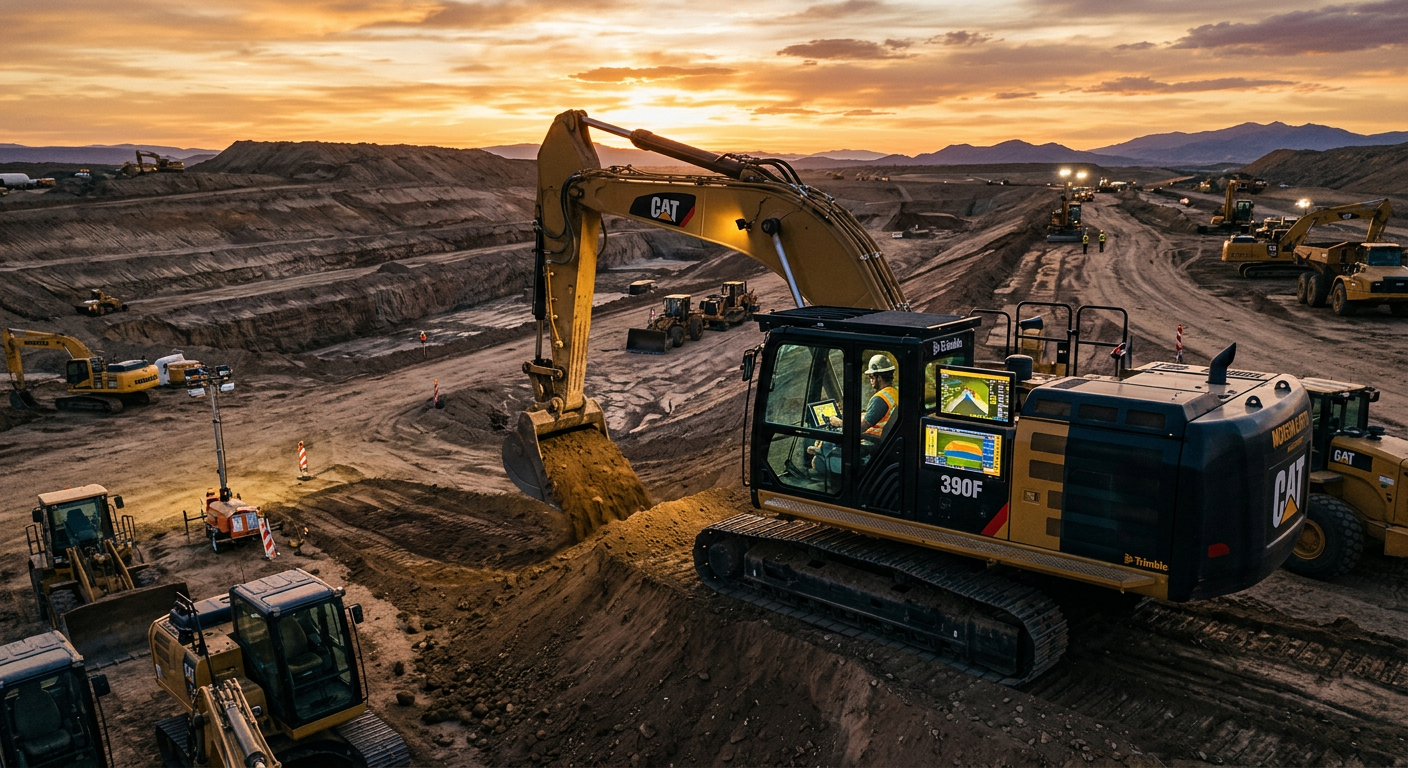
The construction industry needs nearly half a million new workers in 2026. It's not going to get them. Here's how that reality is reshaping what equipment manufacturers build and what contractors buy.
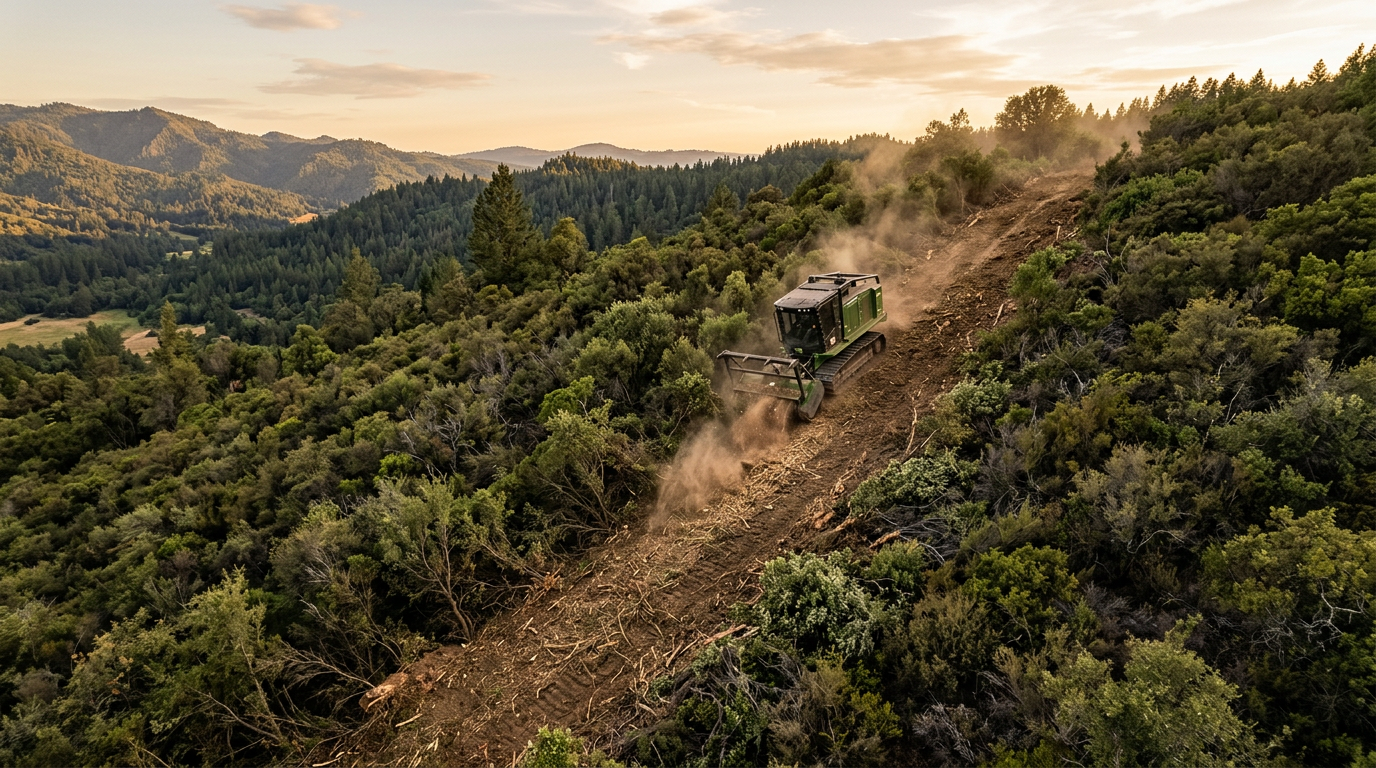
Forestry mulching is projected to hit $2.5 billion in 2025 with 7% annual growth through 2033. Here's what's driving the boom — and what it means for operators on the ground.
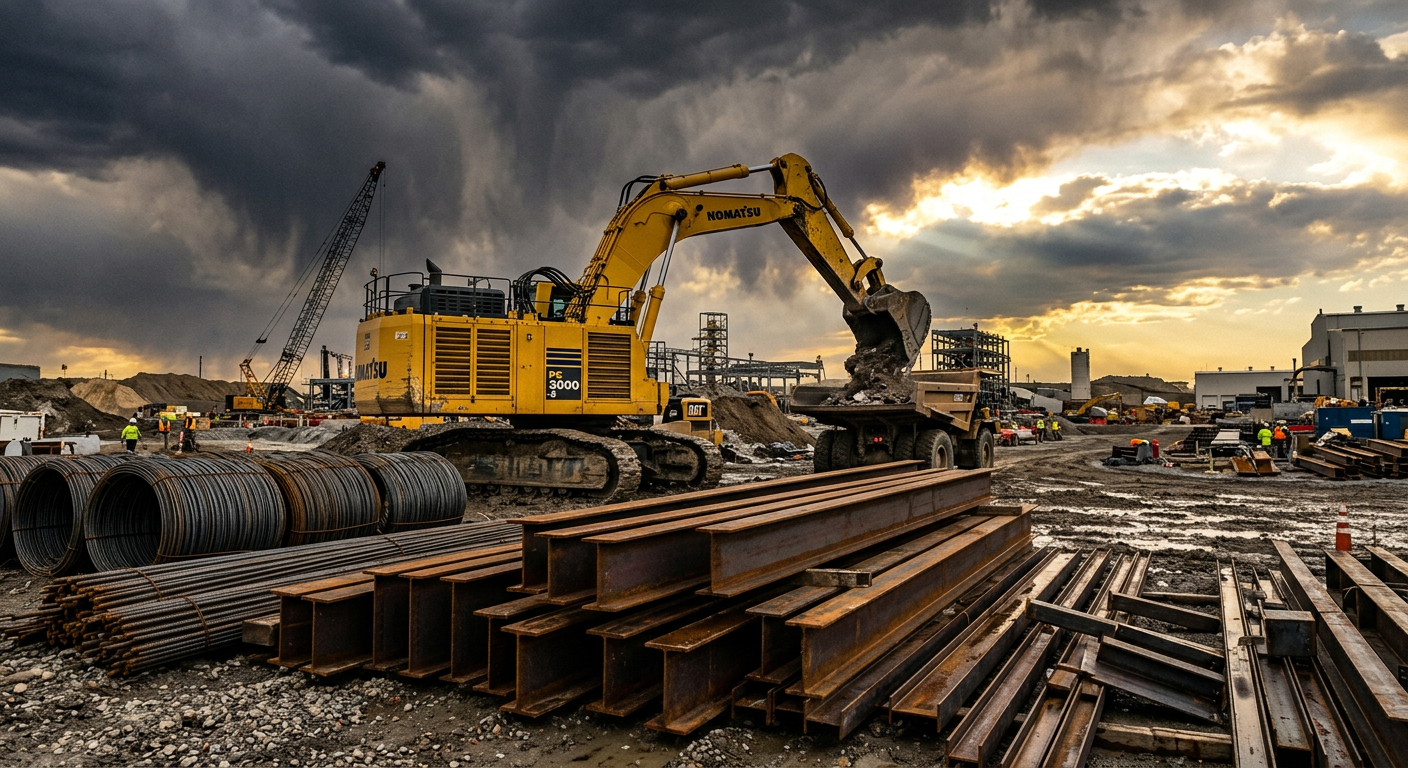
Steel tariffs hit 50% this year. We ran the numbers on what that means for the machines you buy, the parts you replace, and the bids you submit.
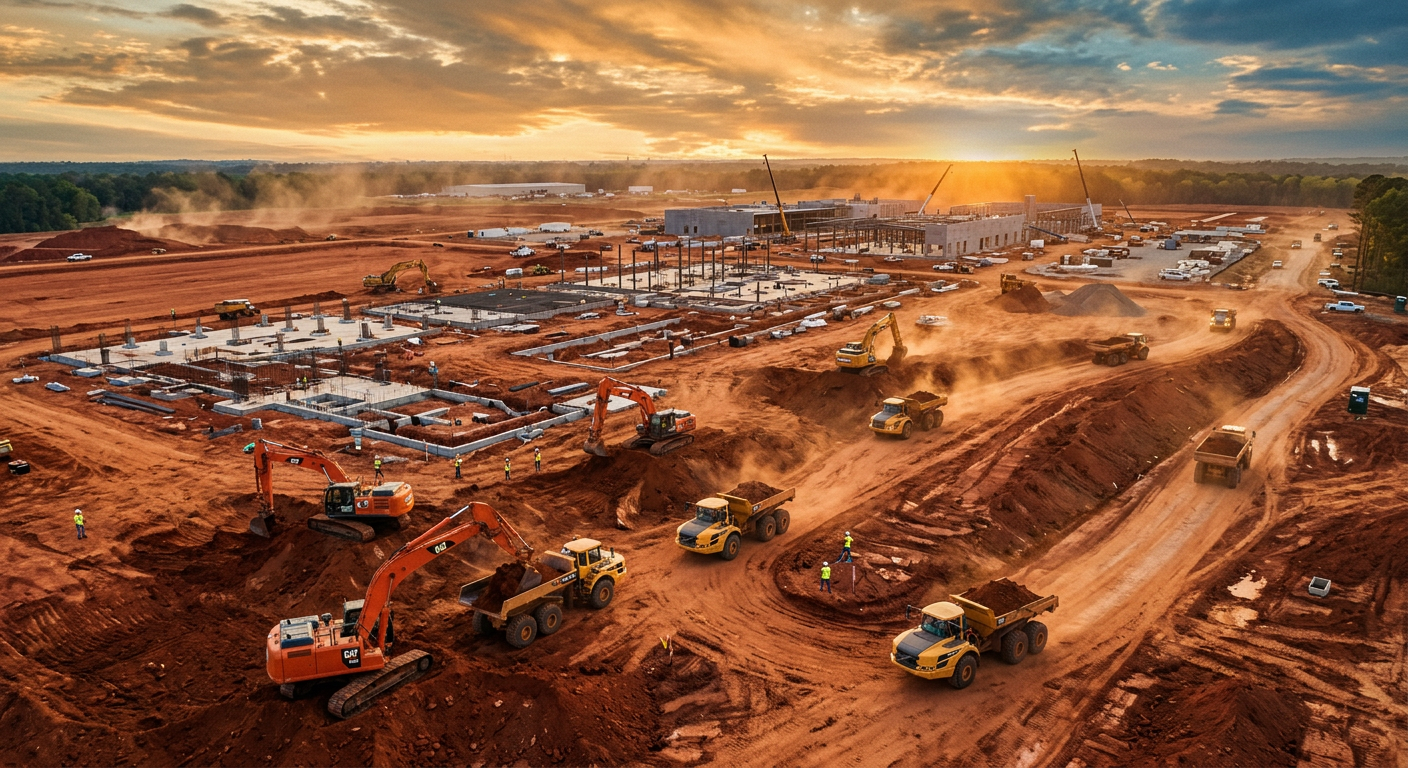
Hyperscalers are spending $600 billion this year on AI infrastructure. That money flows downhill to sitework contractors, excavation crews, and equipment operators. Here's what that means for you.
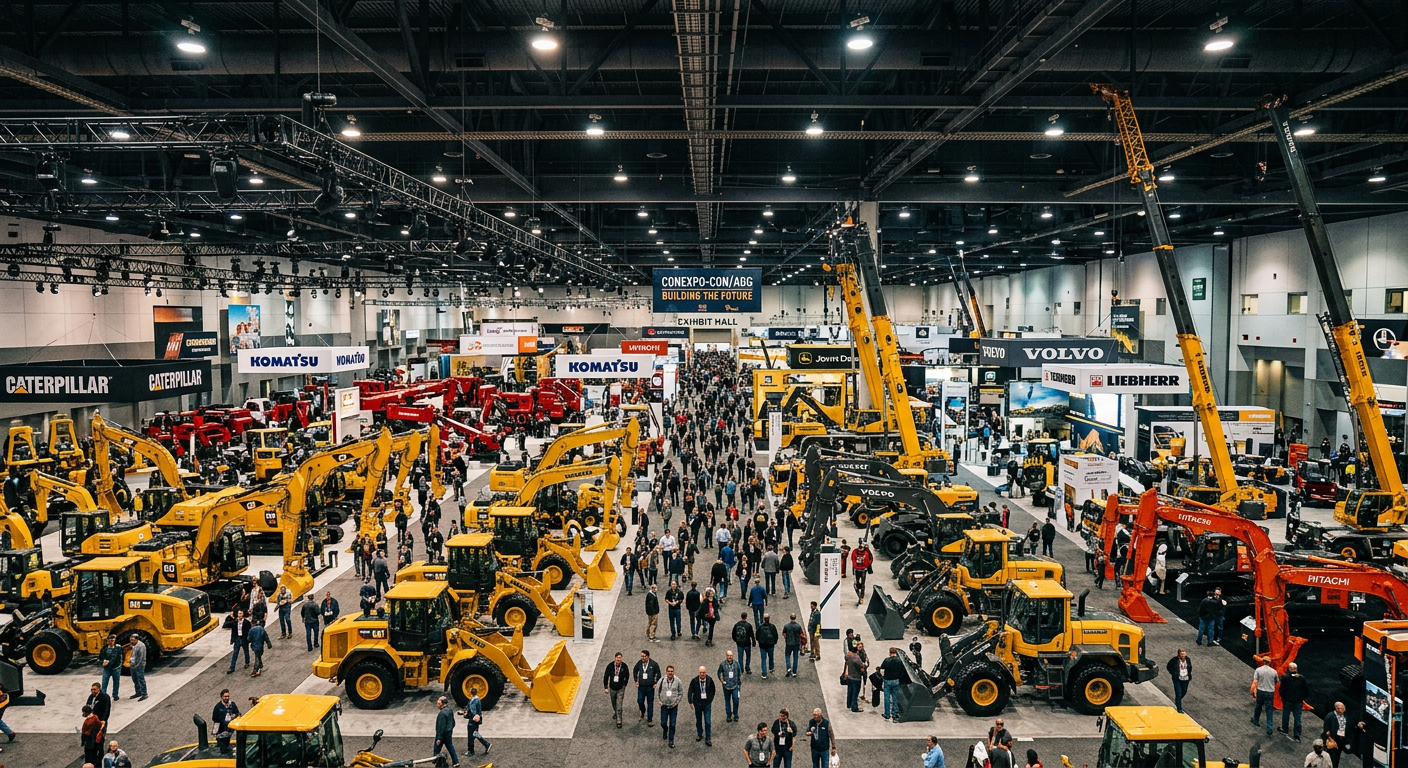
XCMG, SANY, and LiuGong brought their biggest North American lineups to CONEXPO 2026. With 140+ combined dealerships and machines built for this market, the 'cheap Chinese knockoff' era is over.
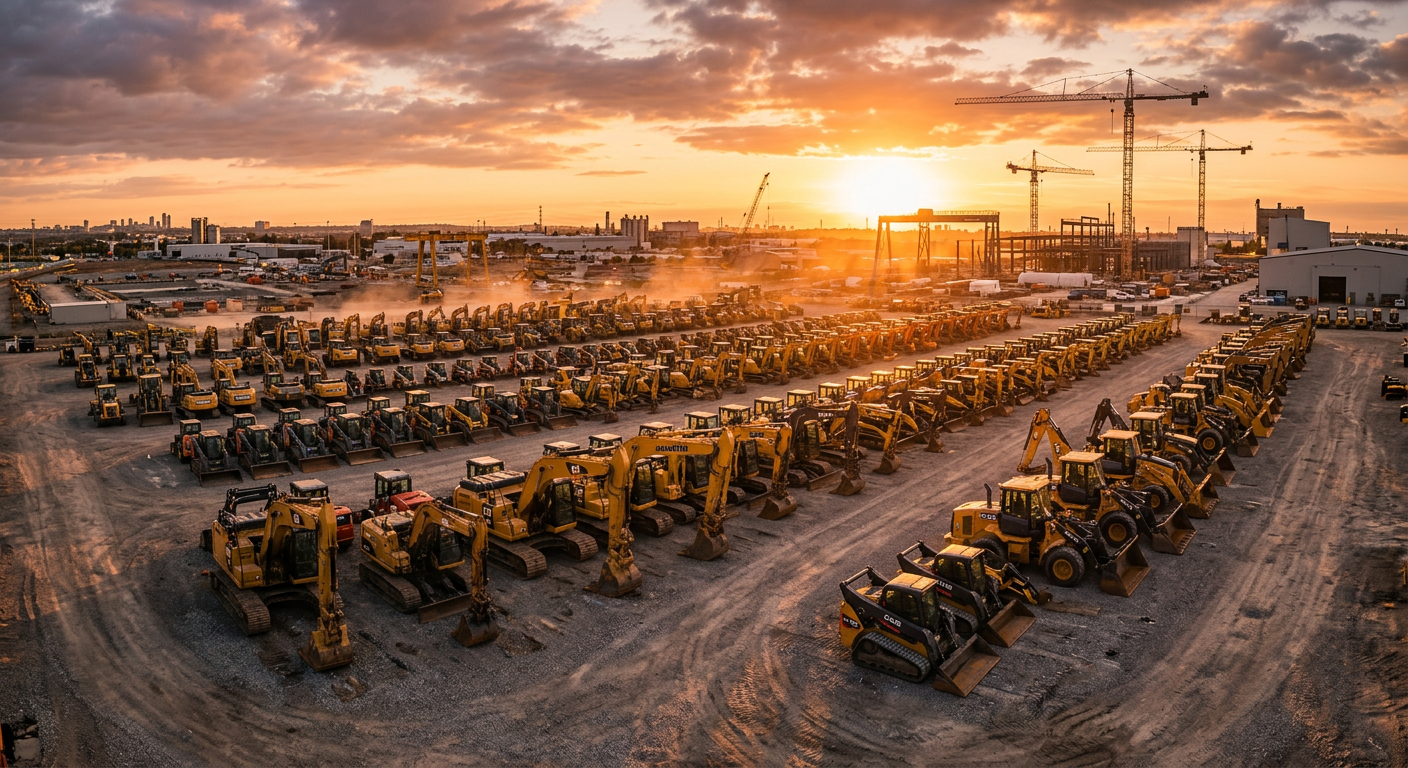
The equipment rental market is on track to hit $160 billion this year. That's not a blip — it's a structural shift in how contractors think about iron.

Vision 2030 has turned Saudi Arabia into the world's hungriest market for heavy equipment. With $500 billion in active infrastructure projects and a $1.9 billion equipment market growing fast, here's what operators and dealers need to know.
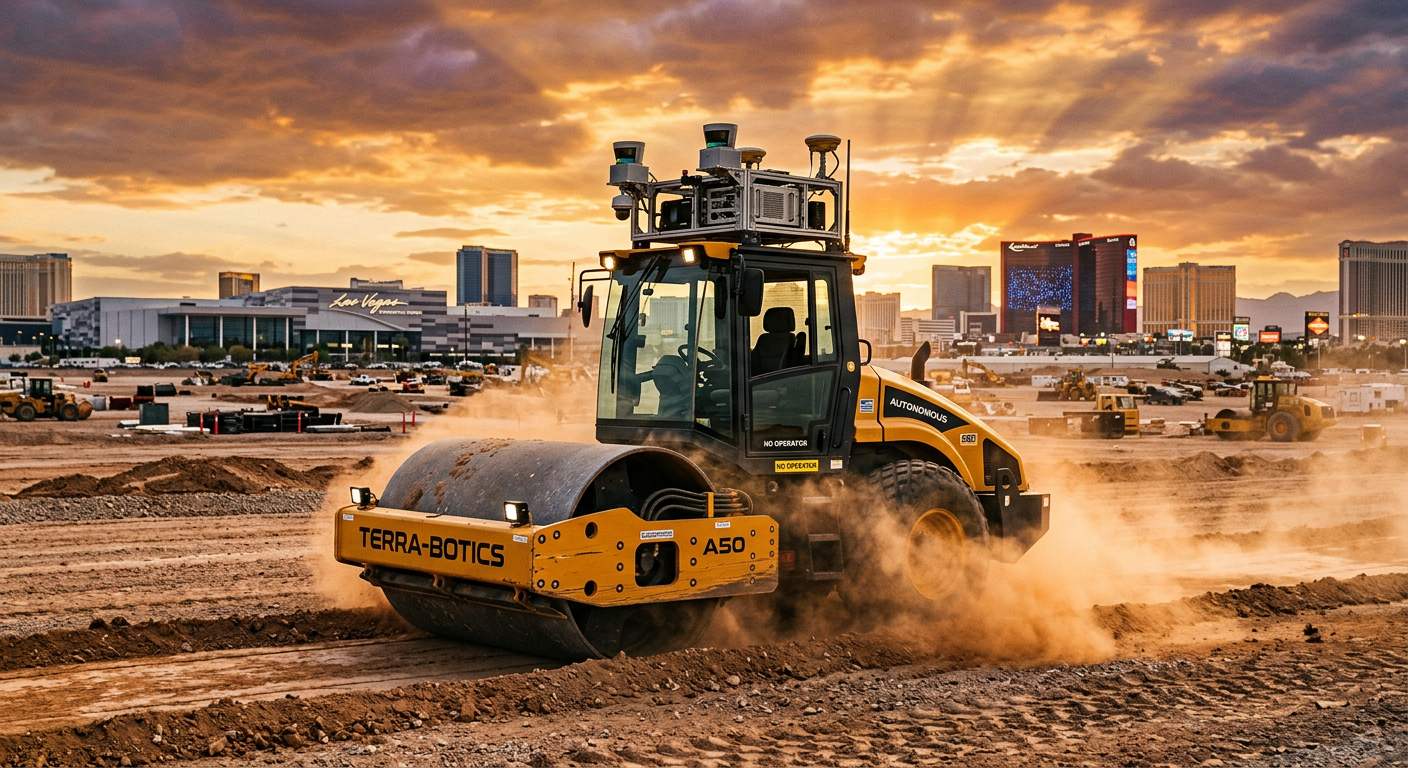
Caterpillar, Dynapac, Bobcat, and Hitachi are all bringing autonomous machines or AI-powered tools to Las Vegas this week. The technology gap between demo and deployment is closing fast.
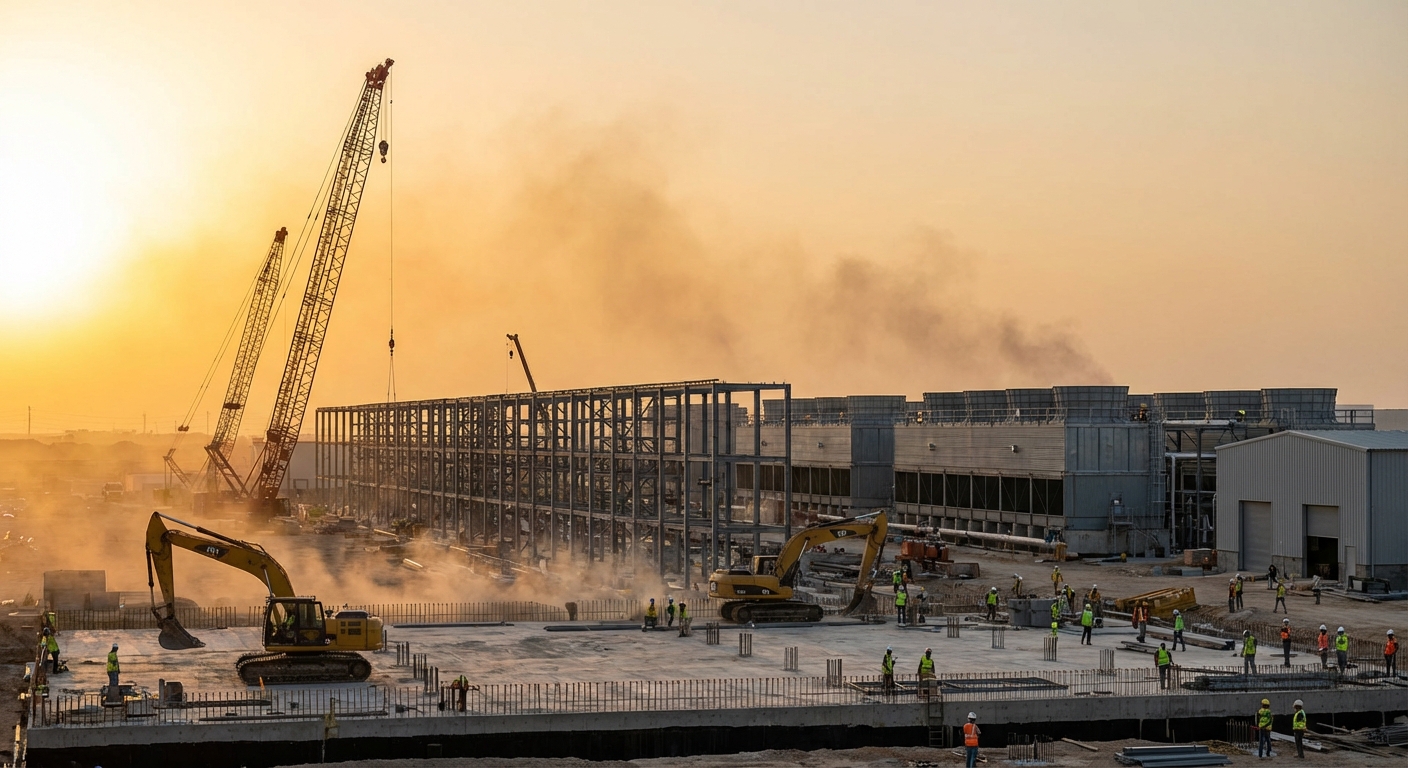
With $3 trillion in data center spending projected through 2030, heavy equipment demand is surging in ways most contractors didn't see coming.
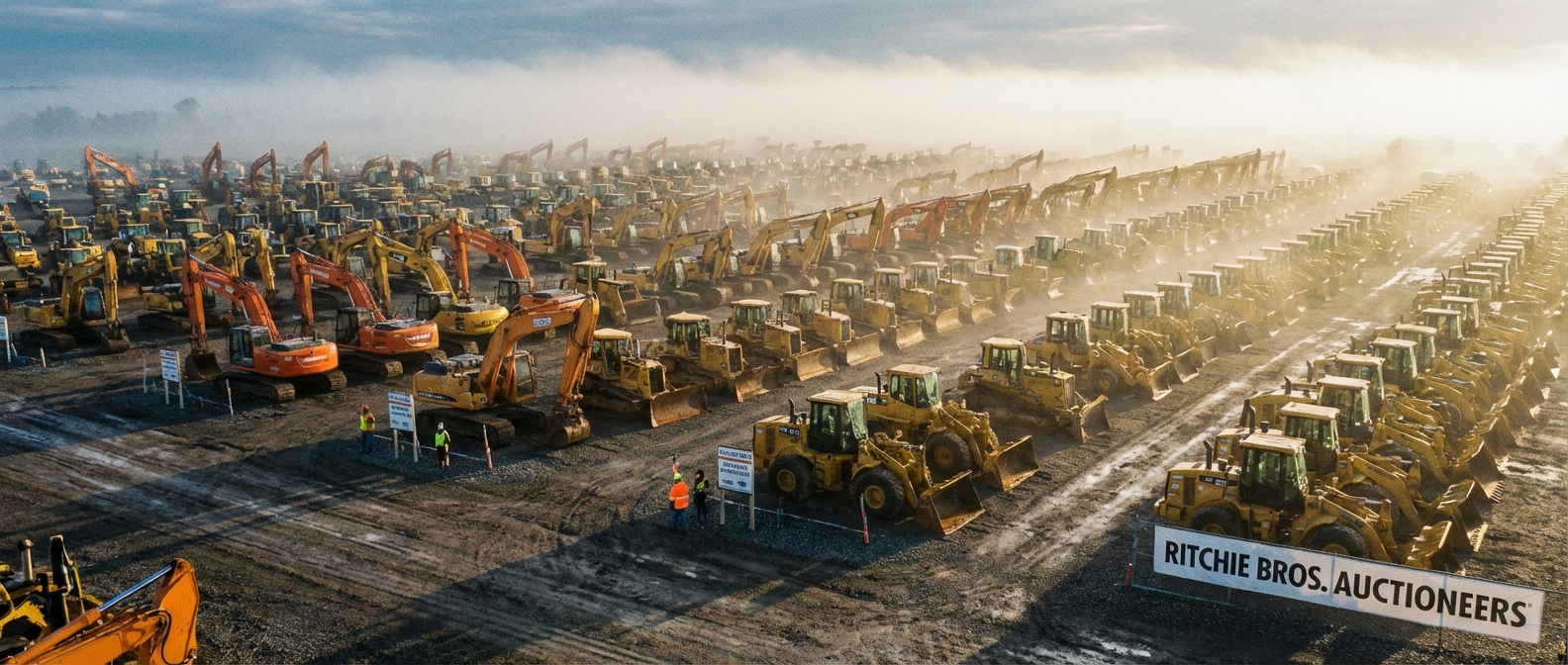
Used heavy equipment inventory dropped over 13% year-over-year while prices hold steady. For contractors shopping the secondary market, the window is closing.
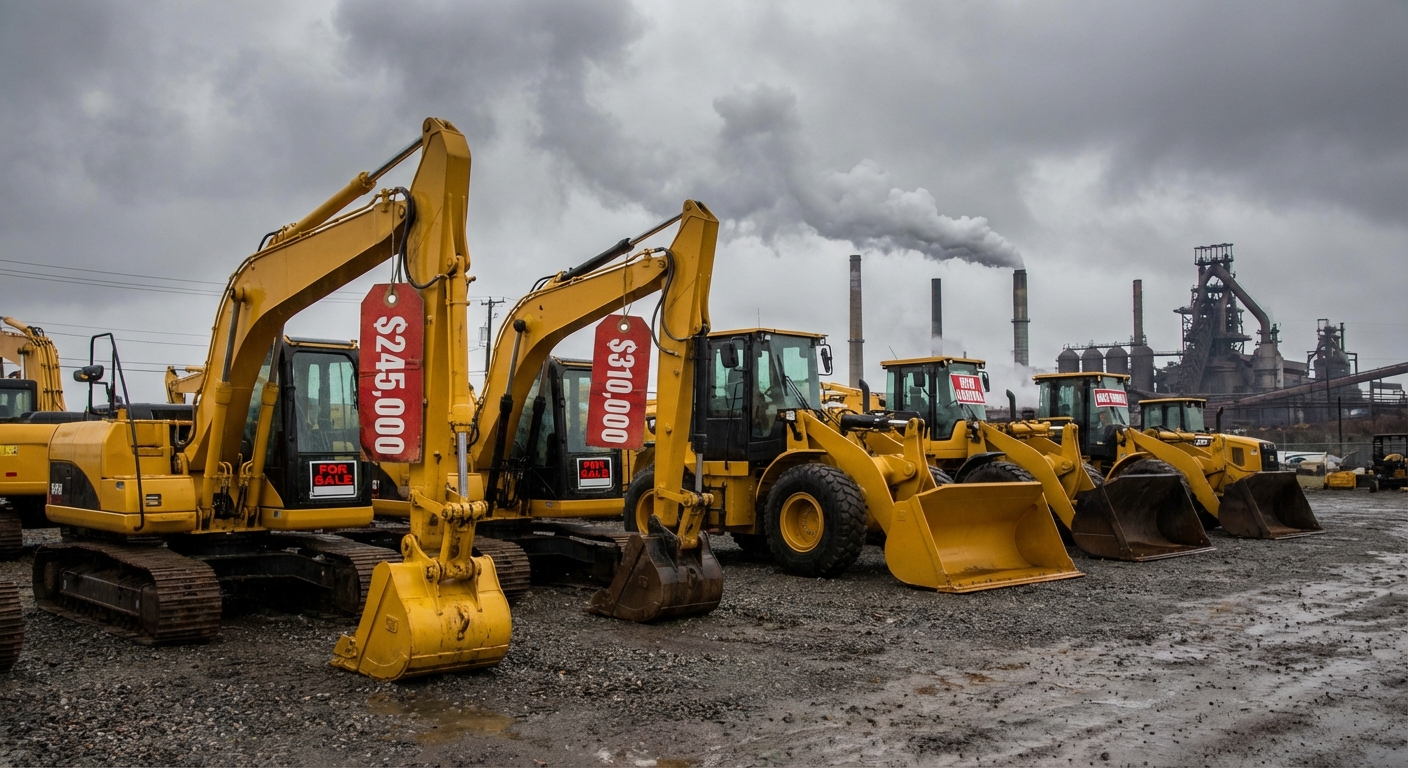
Section 232 tariffs doubled to 50% last summer. Six months later, the damage is showing up on every dealer invoice in the country.
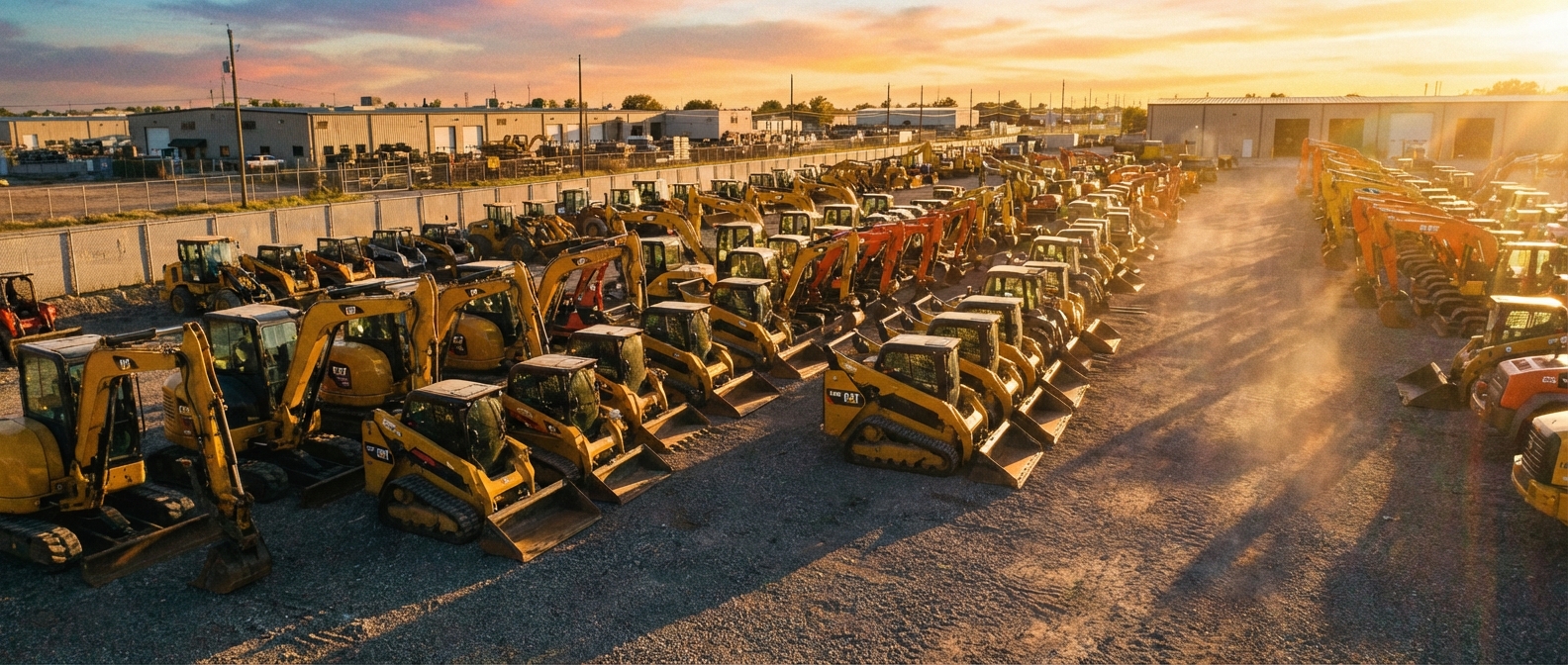
Equipment rental is projected to hit $159 billion globally this year. Rising machine prices, tighter credit, and better rental platforms are pushing contractors away from ownership faster than anyone expected.
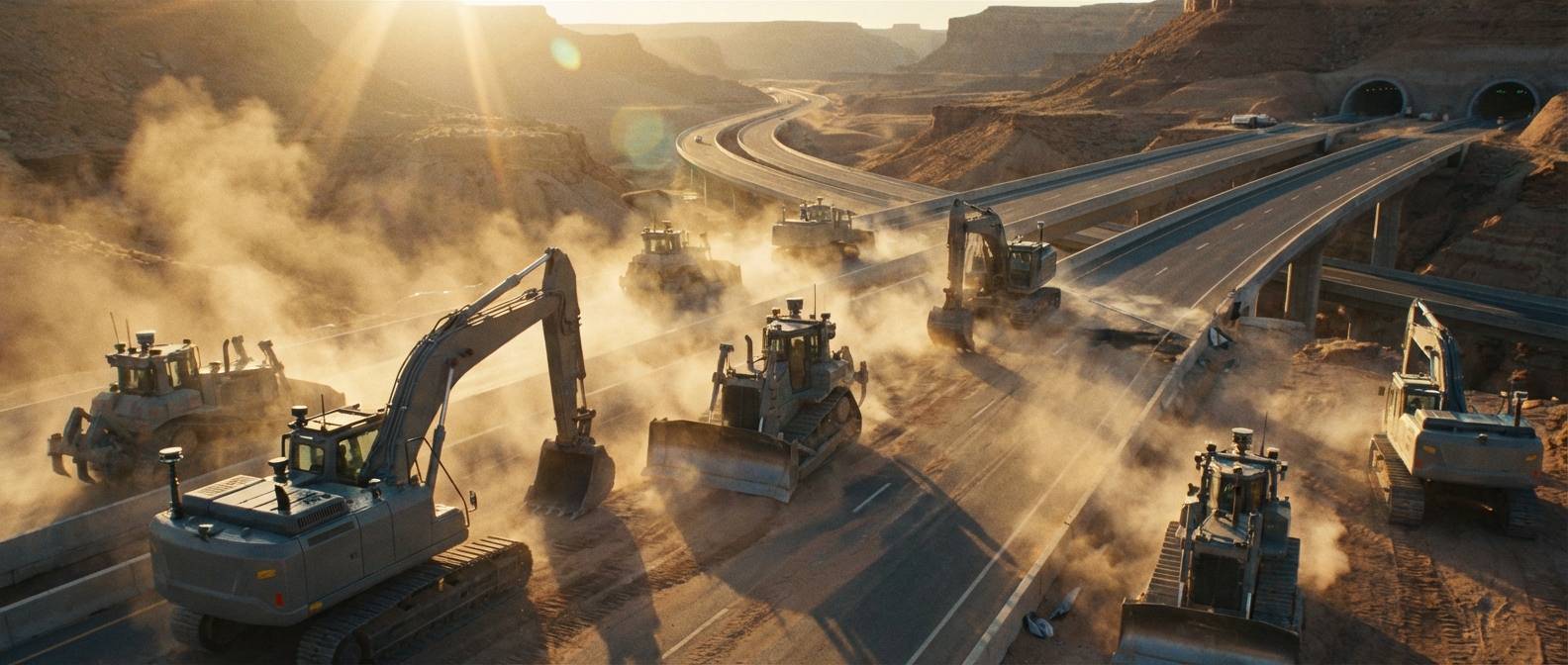
With the market projected to reach $18.16 billion this year and a 2.2 million worker shortage looming in North America, autonomous construction equipment is moving from experimental pilot programs to essential infrastructure.
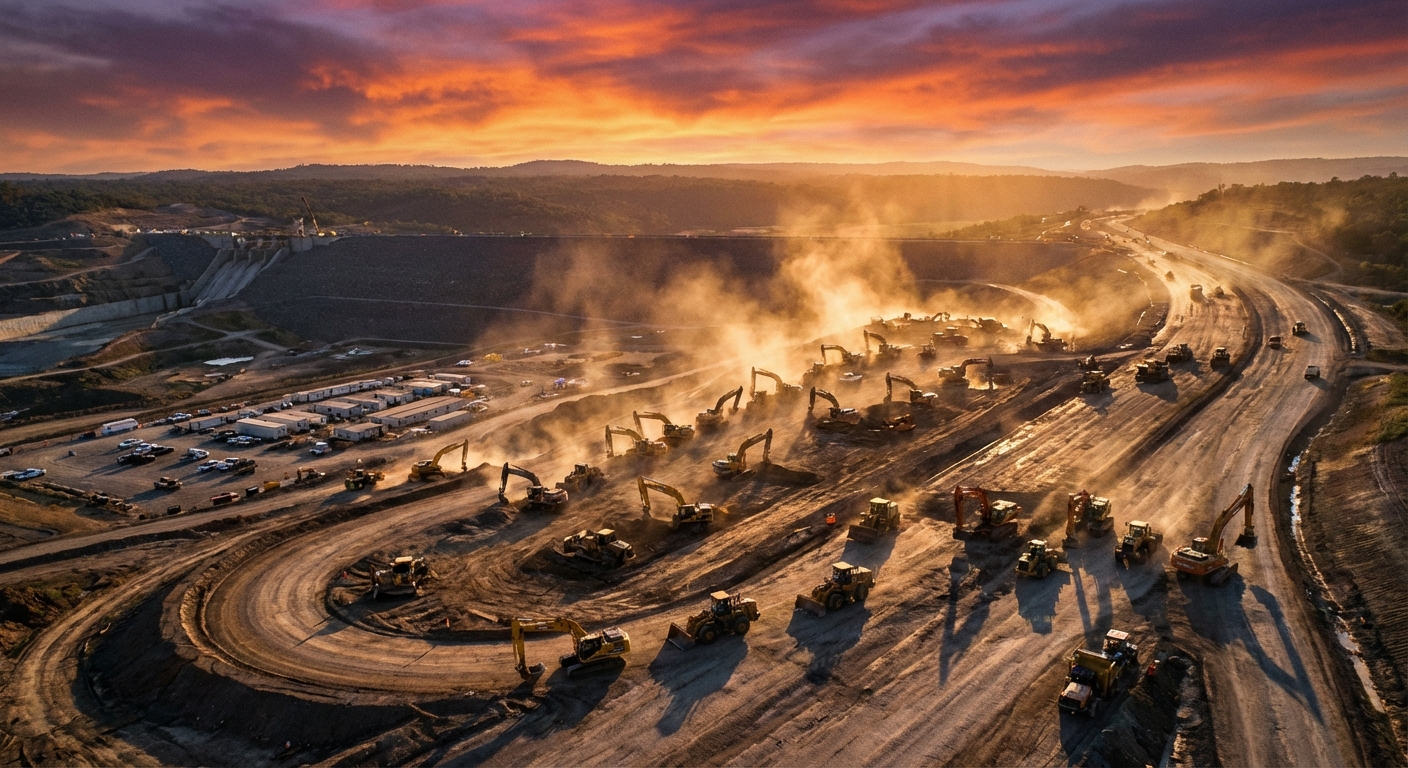
Fresh market analysis shows construction equipment industry on steady growth trajectory despite industry headwinds, with excavators leading the charge and electric equipment gaining ground.
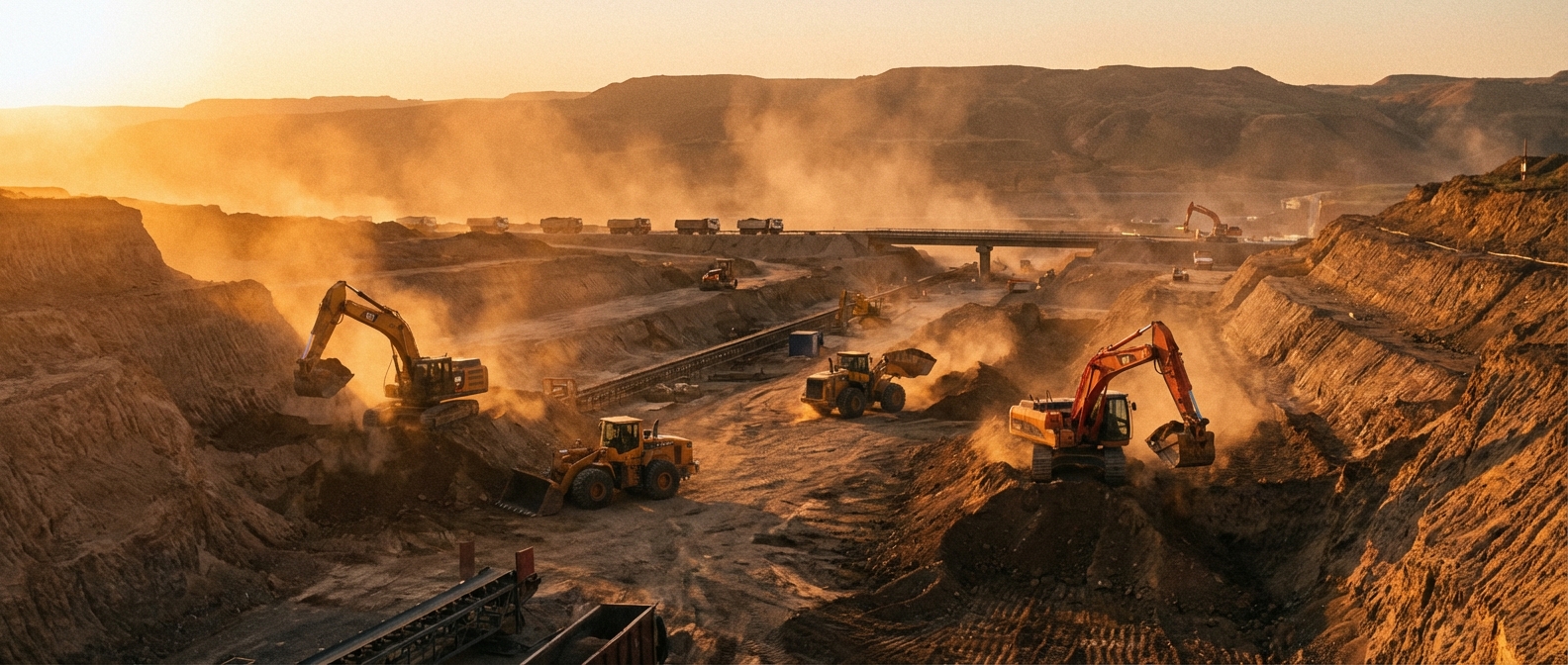
New market research reveals the global construction equipment industry will grow at 3.9% CAGR through 2030, driven by infrastructure spending, electrification, and Asia Pacific demand.
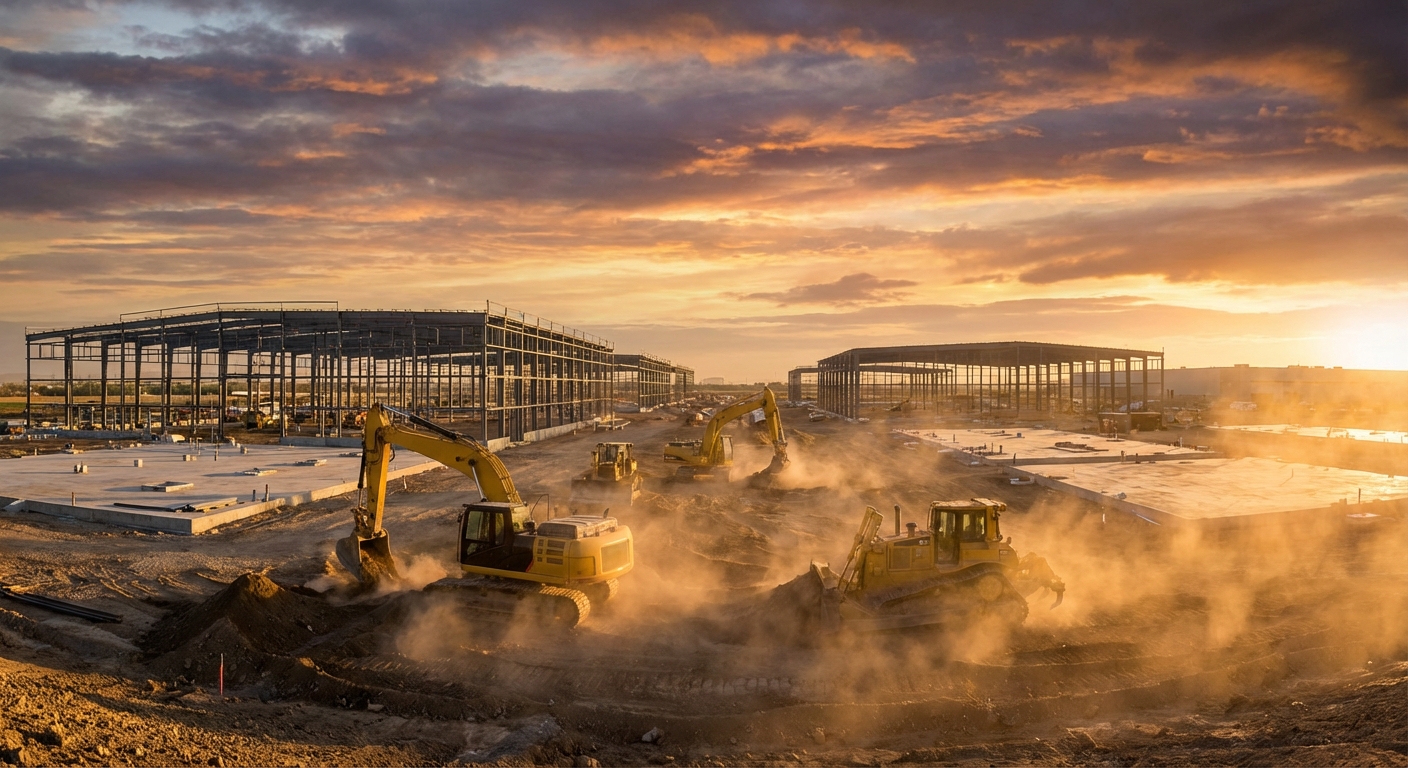
Fleet managers face a difficult choice in 2026: delay purchases amid tariff uncertainty or capitalize on the largest infrastructure investment cycle in a generation.
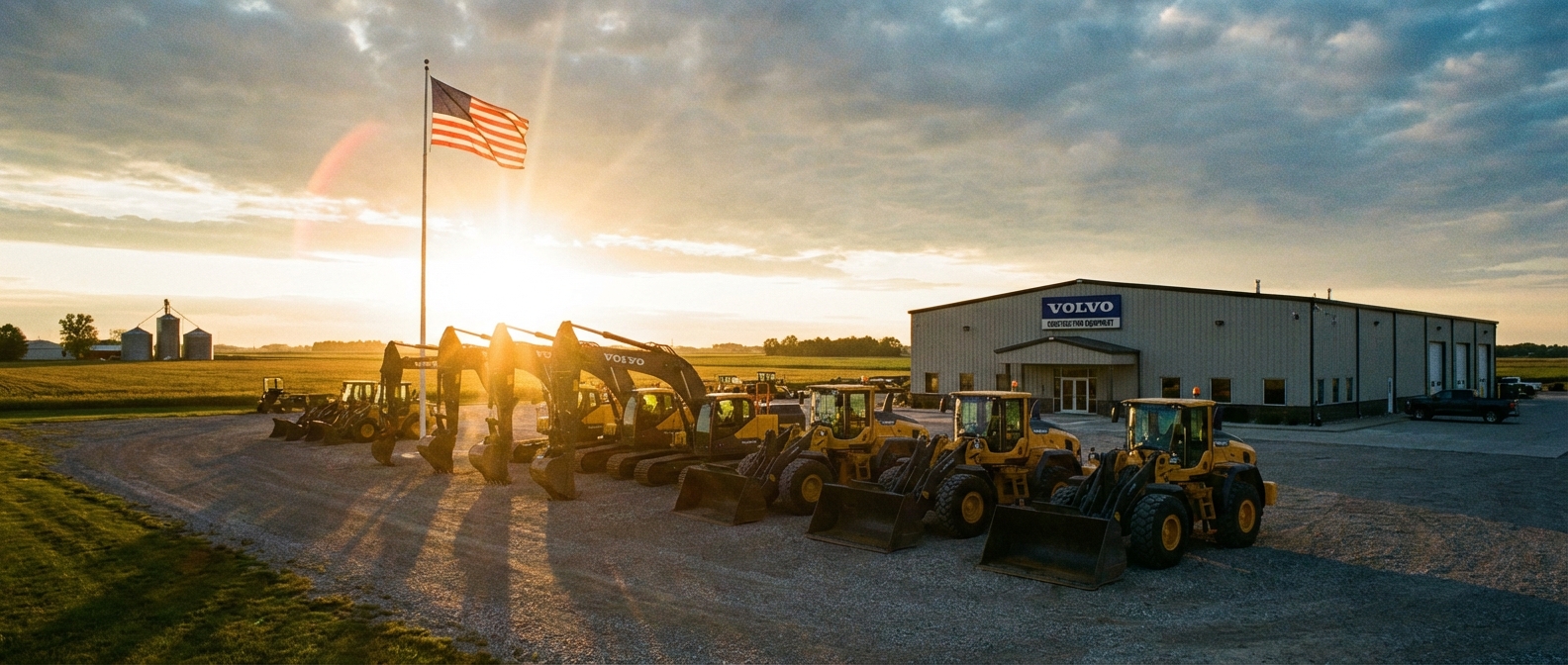
Swedish conglomerate Ferronordic's $17M Iowa acquisition signals accelerating consolidation in construction equipment distribution as regional dealers face a choice: grow or get acquired.
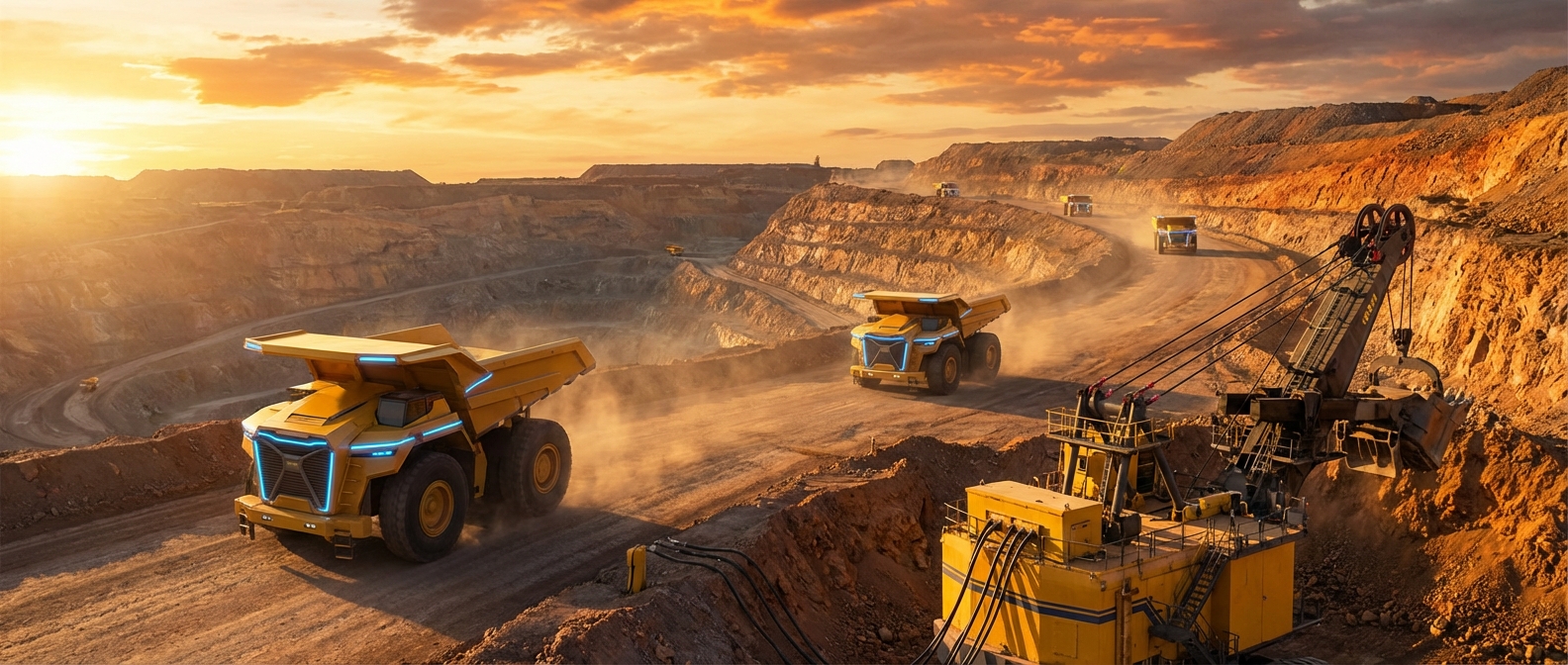
New analysis projects the global mining equipment sector will reach $194.2 billion by 2033, driven by battery-electric vehicles growing at double the rate of diesel and autonomous systems becoming standard across operations.
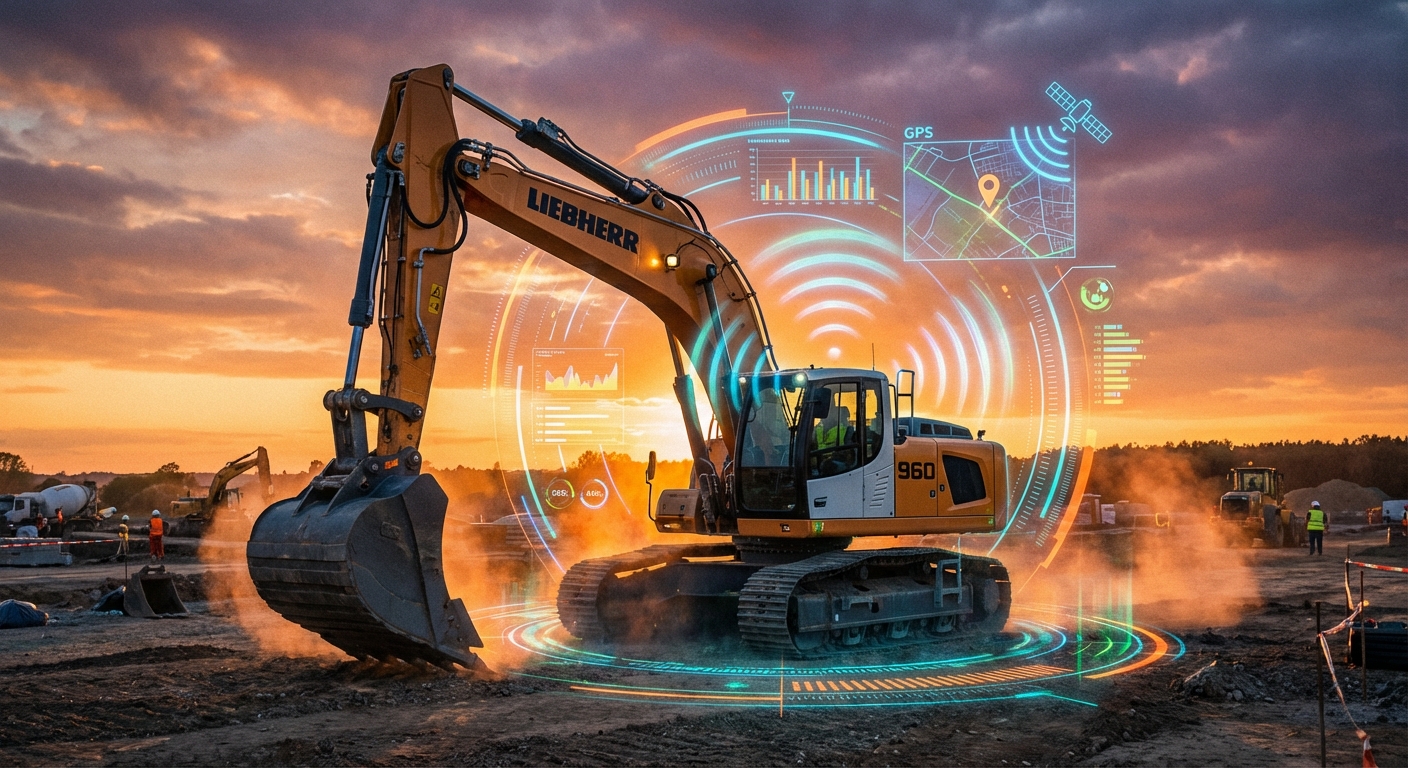
From reactive maintenance to predictive insights, telematics adoption is accelerating across the construction industry as contractors seek competitive advantages through data-driven fleet management.
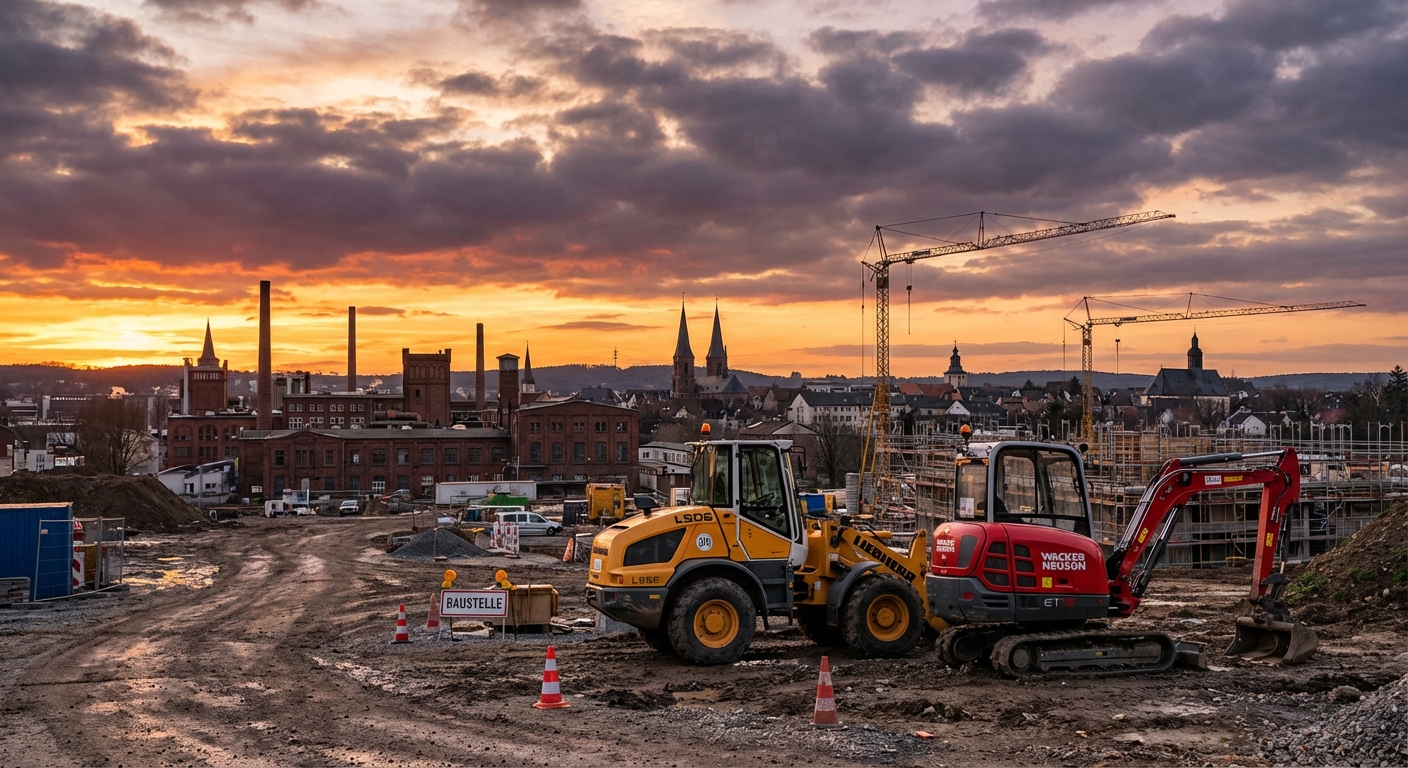
The German compact equipment giant walks away from acquisition talks with South Korea's Doosan Bobcat, signaling a renewed focus on independent growth and raising questions about consolidation in the light equipment market.
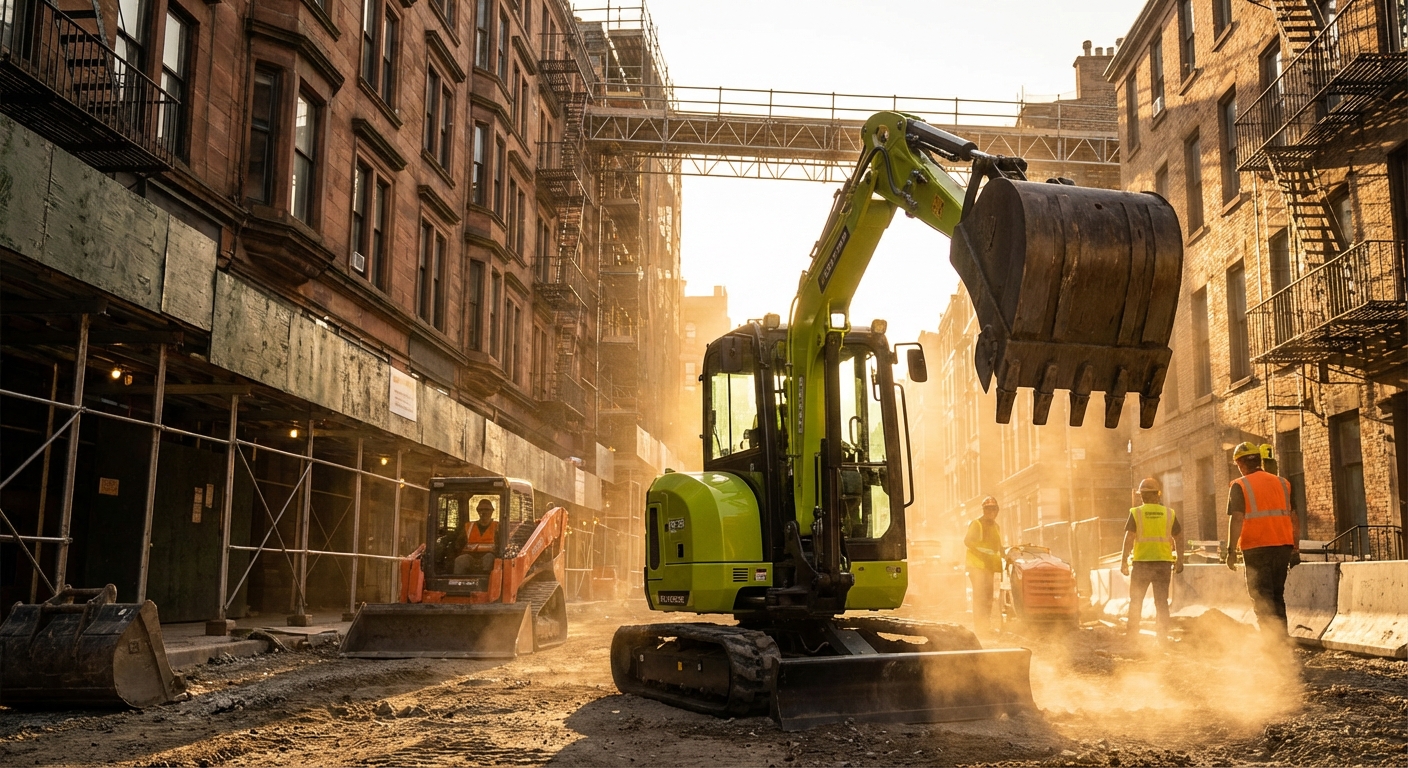
Mini excavators, compact loaders, and electrification are reshaping the construction equipment landscape. Here's what contractors and dealers need to know about the compact market surge.
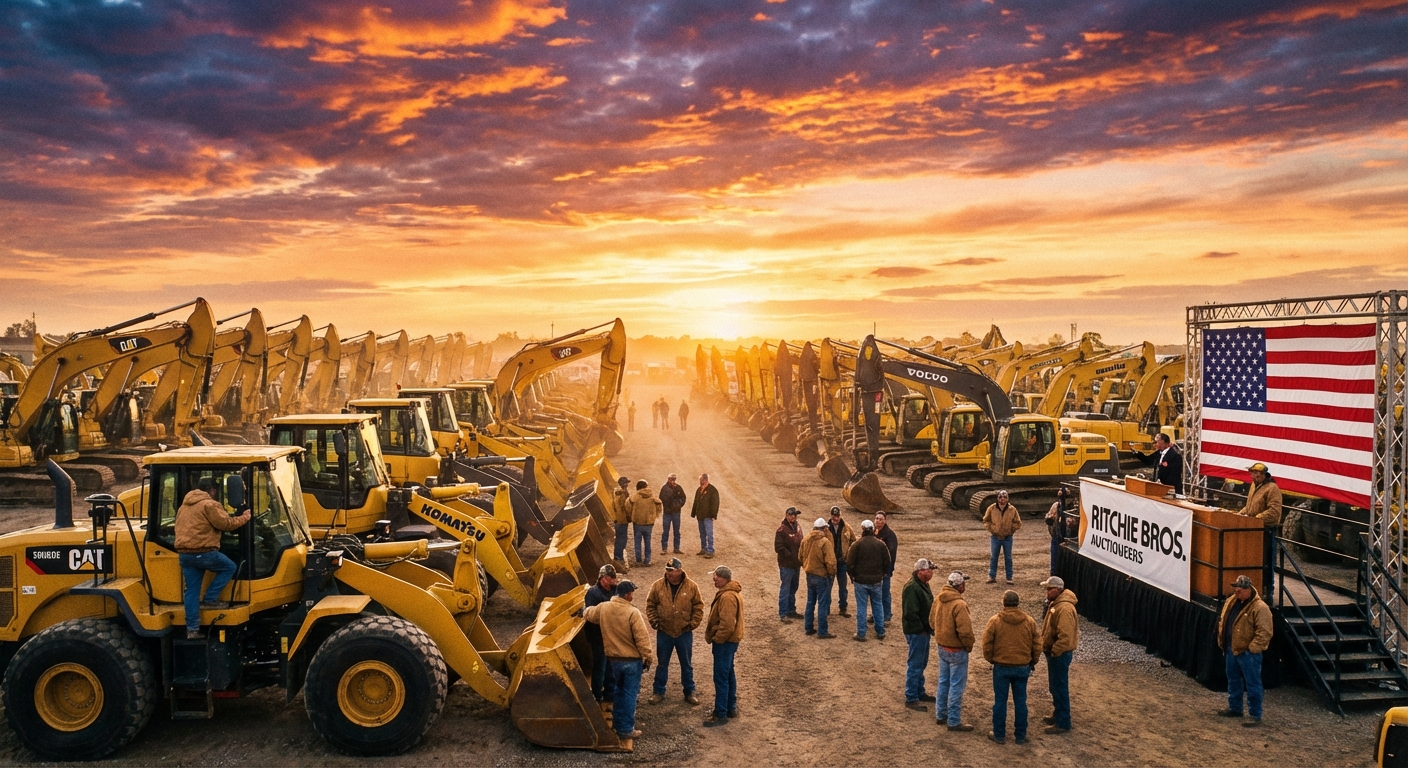
A deep dive into the factors shaping used equipment values, auction dynamics, and strategic timing for contractors and fleet managers this year.
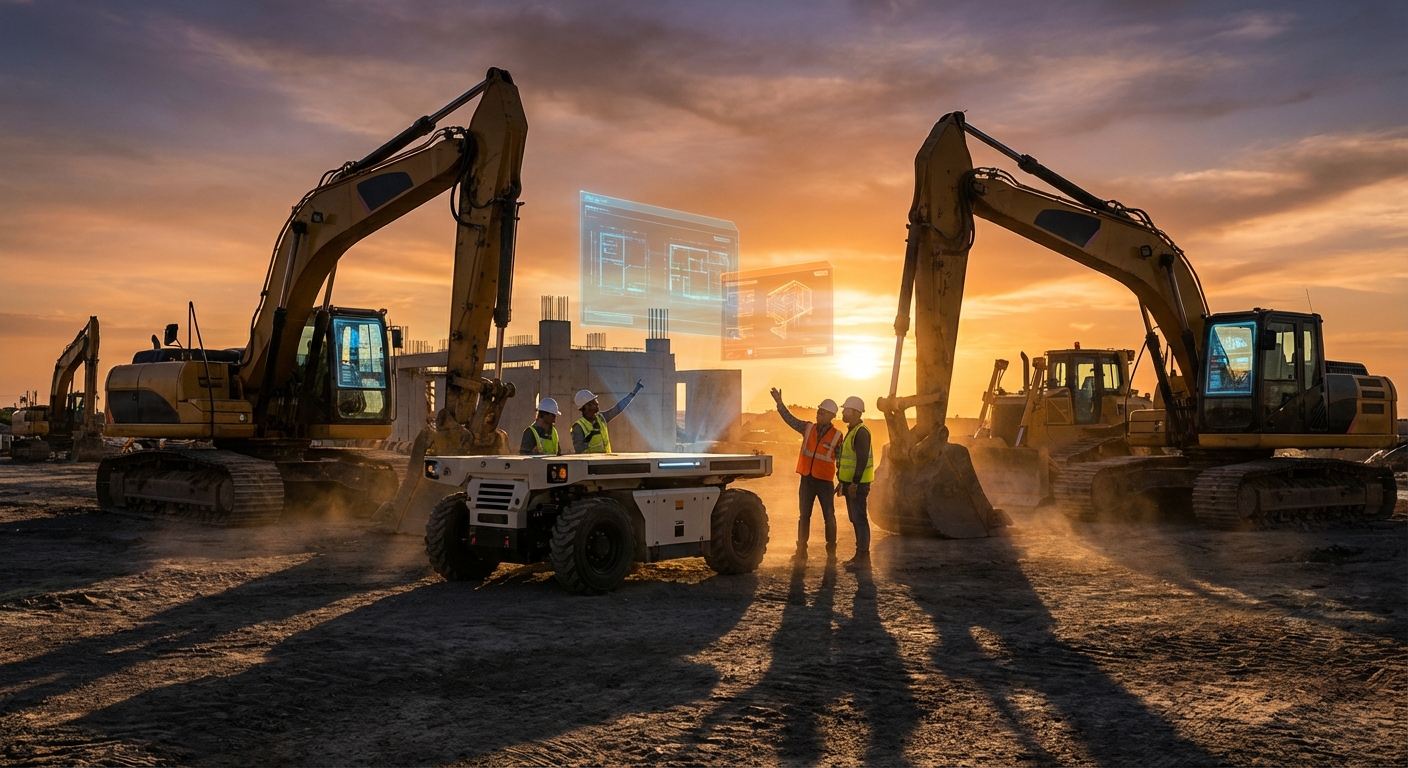
With the industry needing half a million new workers annually and only 65% of contractors optimistic about growth, automation and AI are no longer optional—they're survival strategies.
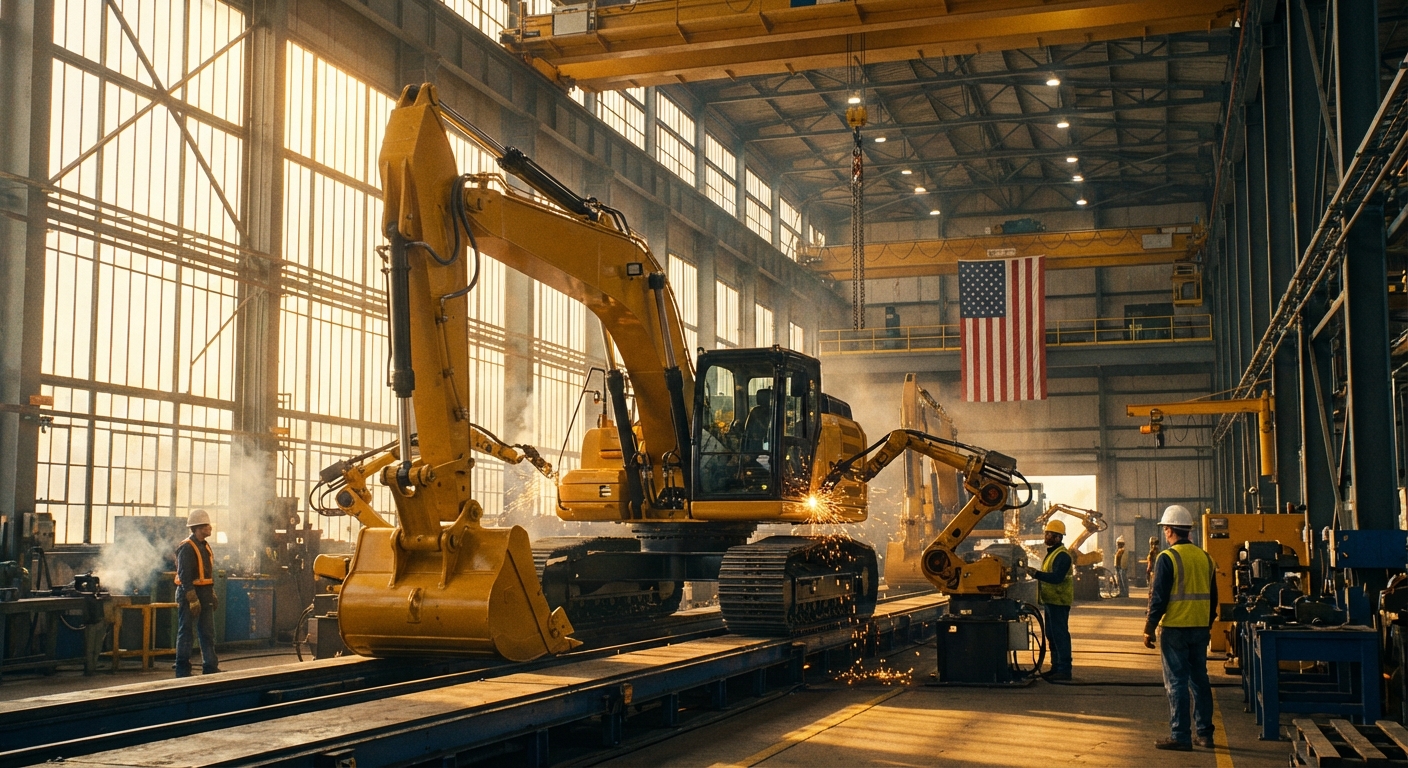
A wave of domestic manufacturing investments is reshaping the heavy equipment supply chain, with billions flowing into U.S. facilities as companies seek to reduce vulnerabilities and meet surging demand.
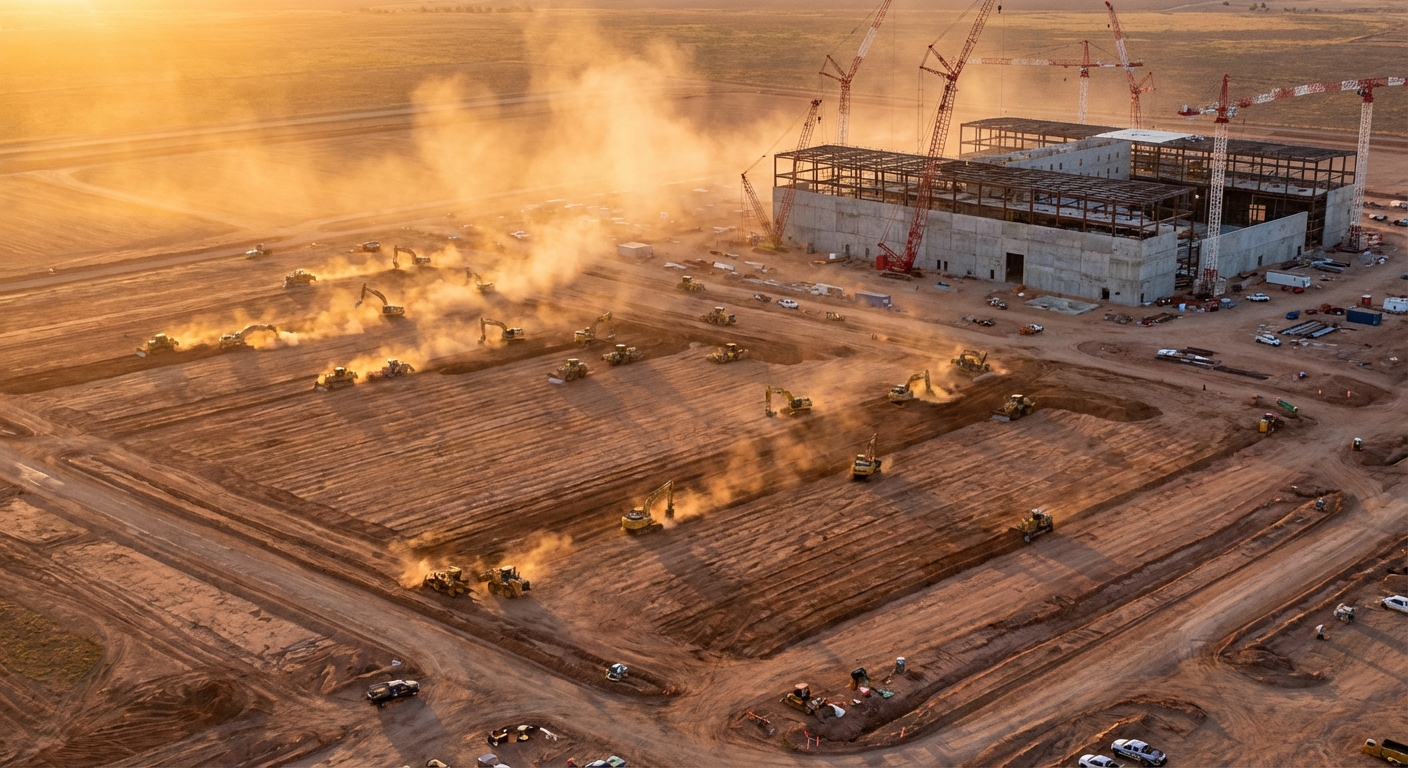
Tech giants are pouring hundreds of billions into AI infrastructure. For heavy equipment operators, dealers, and manufacturers, this is the biggest demand signal since the post-2008 infrastructure buildout.
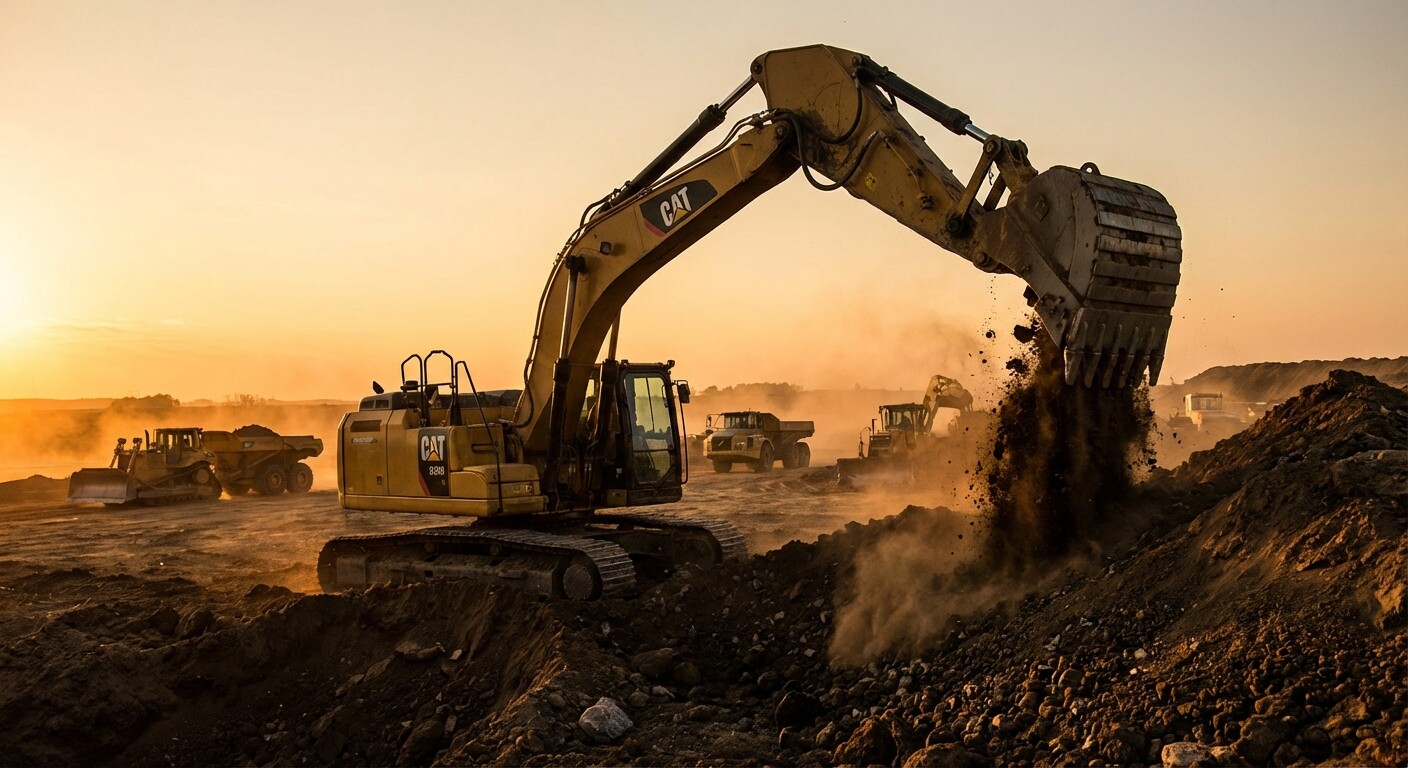
The compact equipment segment continues its upward trajectory as contractors embrace versatility, technology integration, and new power options in smaller machines.
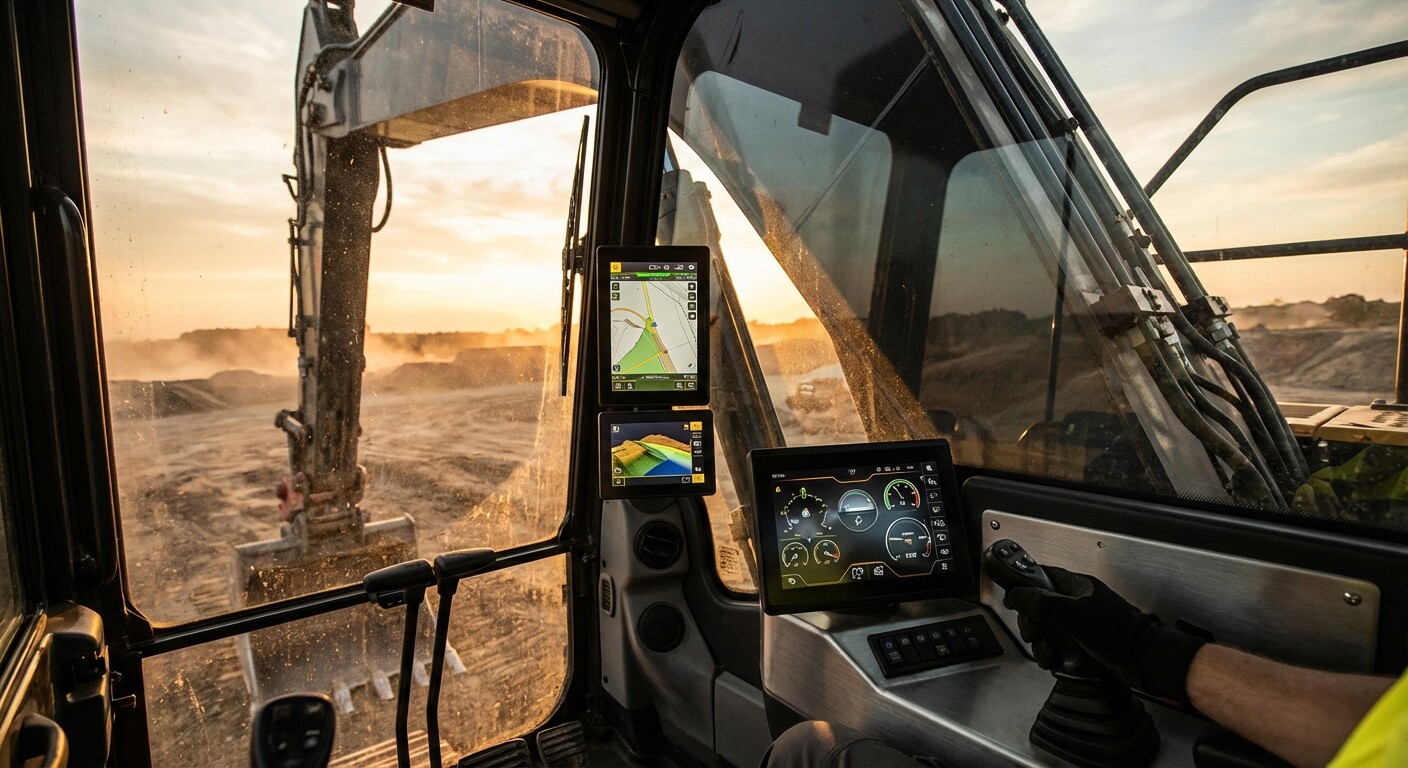
The construction equipment telematics market is projected to reach $1.22 billion in 2026, with AI-powered analytics, 5G connectivity, and fleet optimization leading the charge toward a $9 billion industry by 2032.
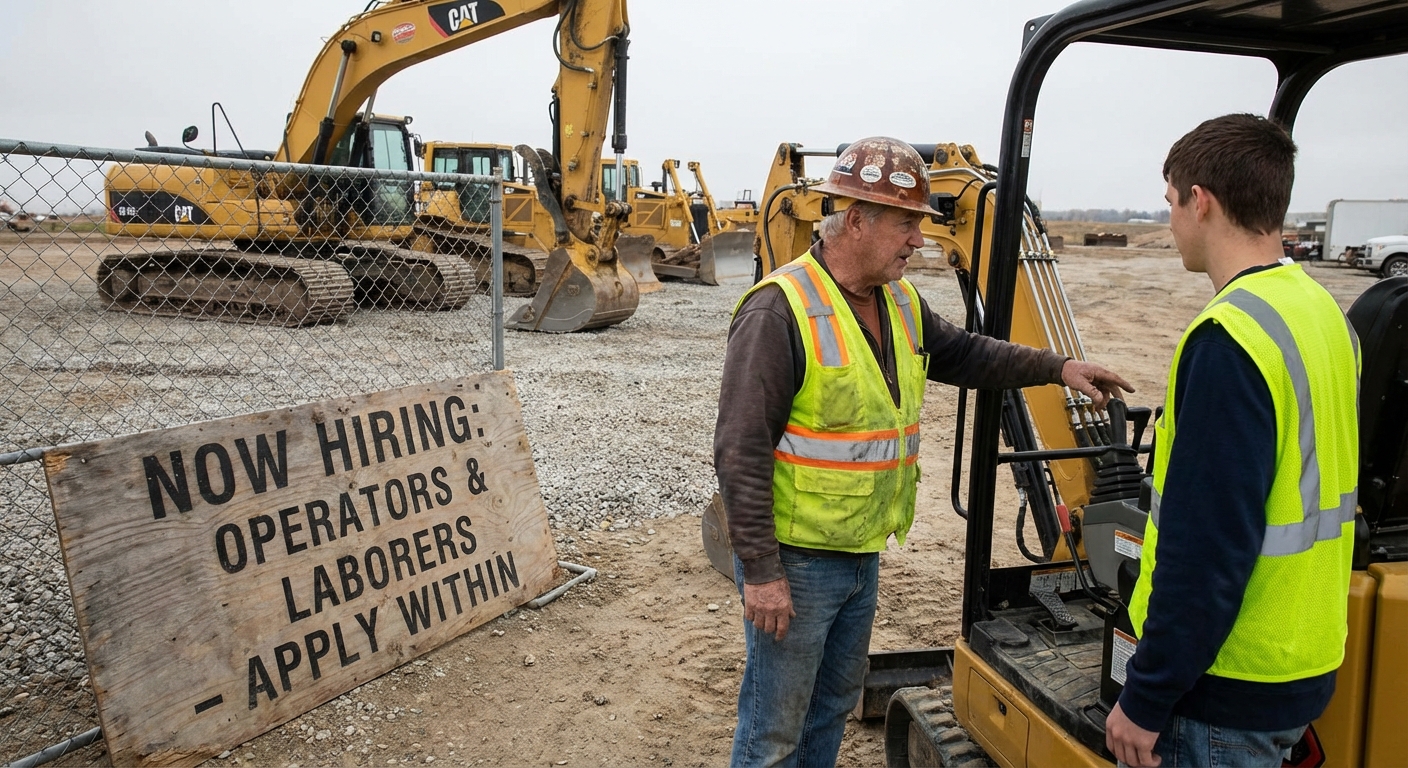
With 500,000+ unfilled positions and an aging workforce, the heavy equipment industry is turning to technology, training innovation, and unconventional recruiting to bridge the gap.
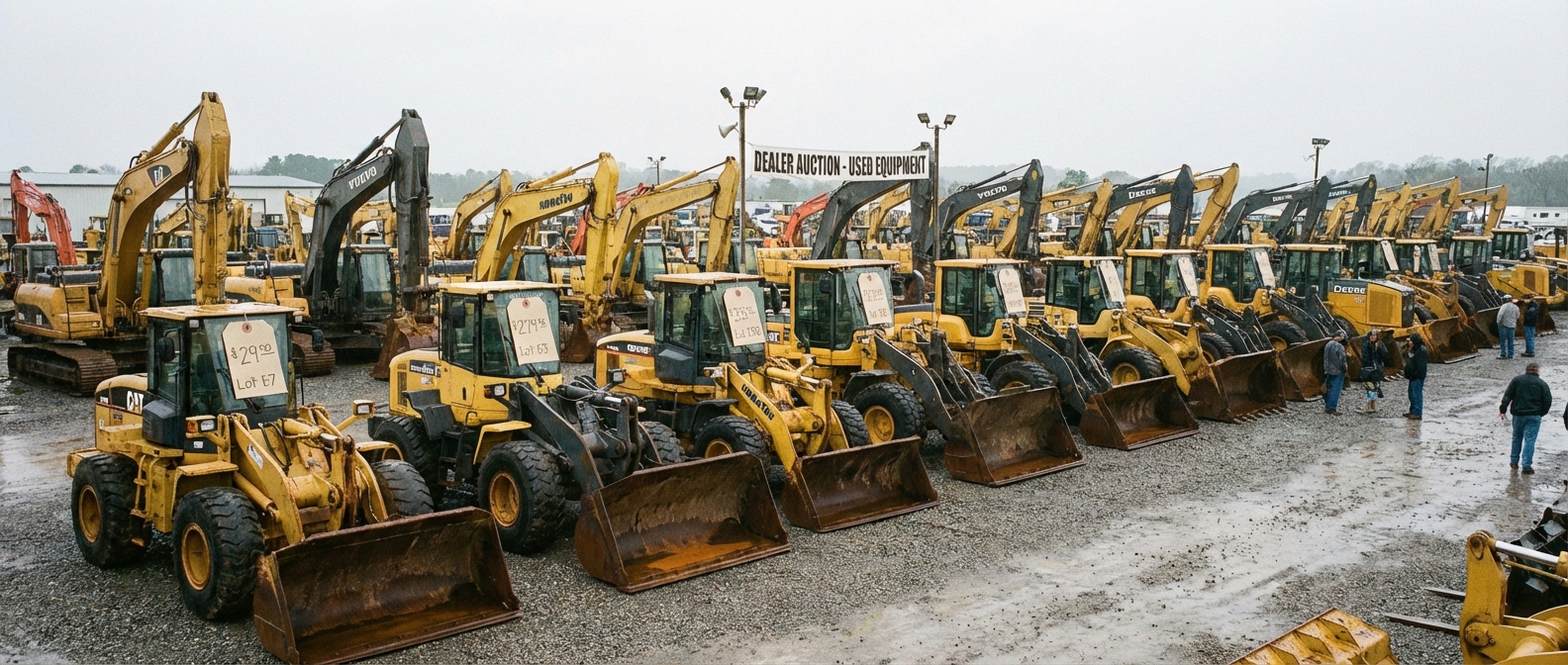
With new equipment prices up 18% since 2022 and lead times still extended, the used equipment market is seeing unprecedented demand and pricing shifts.
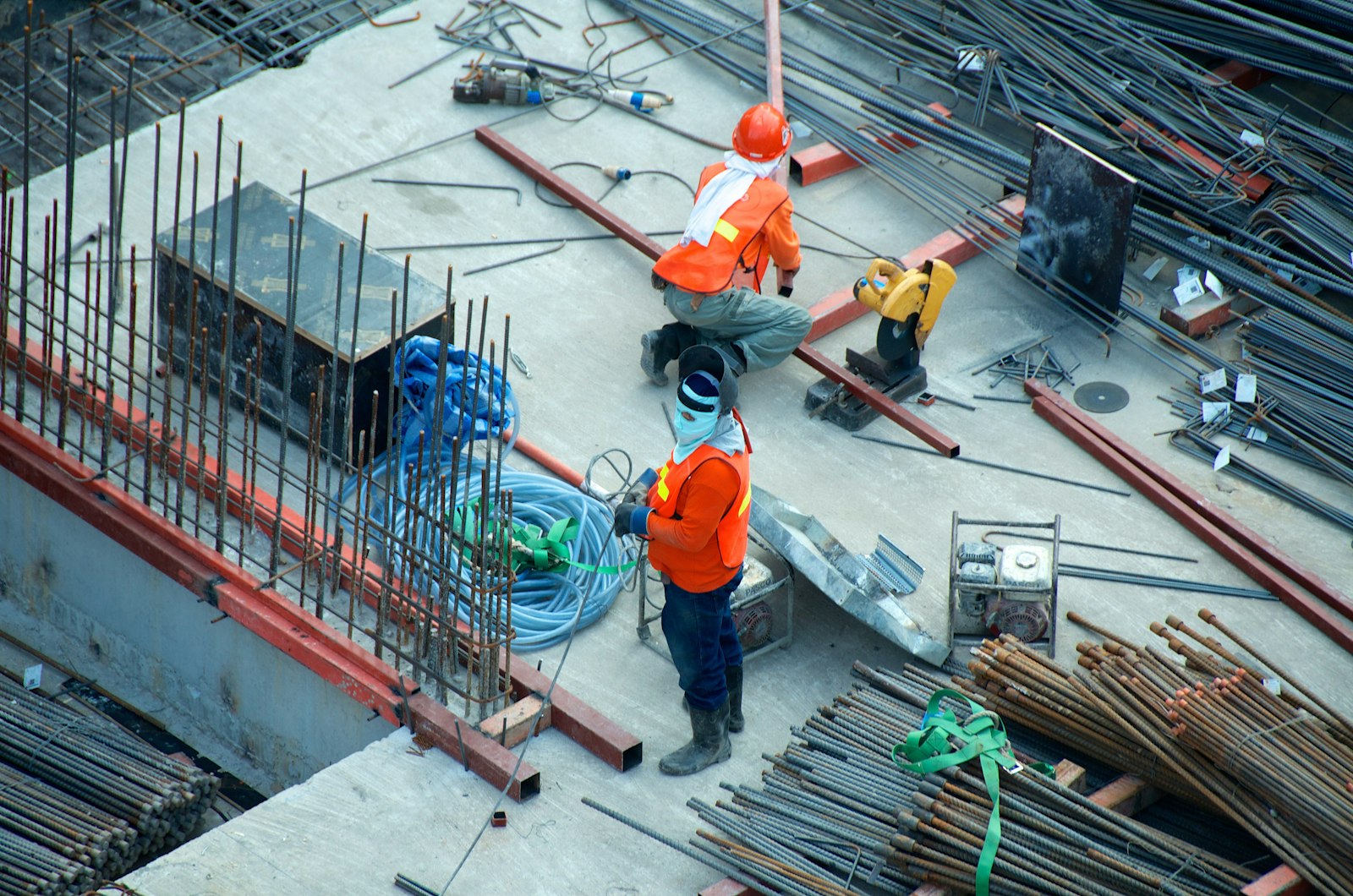
The construction equipment rental market is experiencing unprecedented growth as contractors navigate economic uncertainty, embrace new technology, and rethink asset ownership. Here's what's driving the transformation.

The electric construction equipment market is projected to grow at 22%+ CAGR through 2030—but adoption remains uneven. We break down where the industry actually stands, what's driving change, and the real obstacles contractors face.
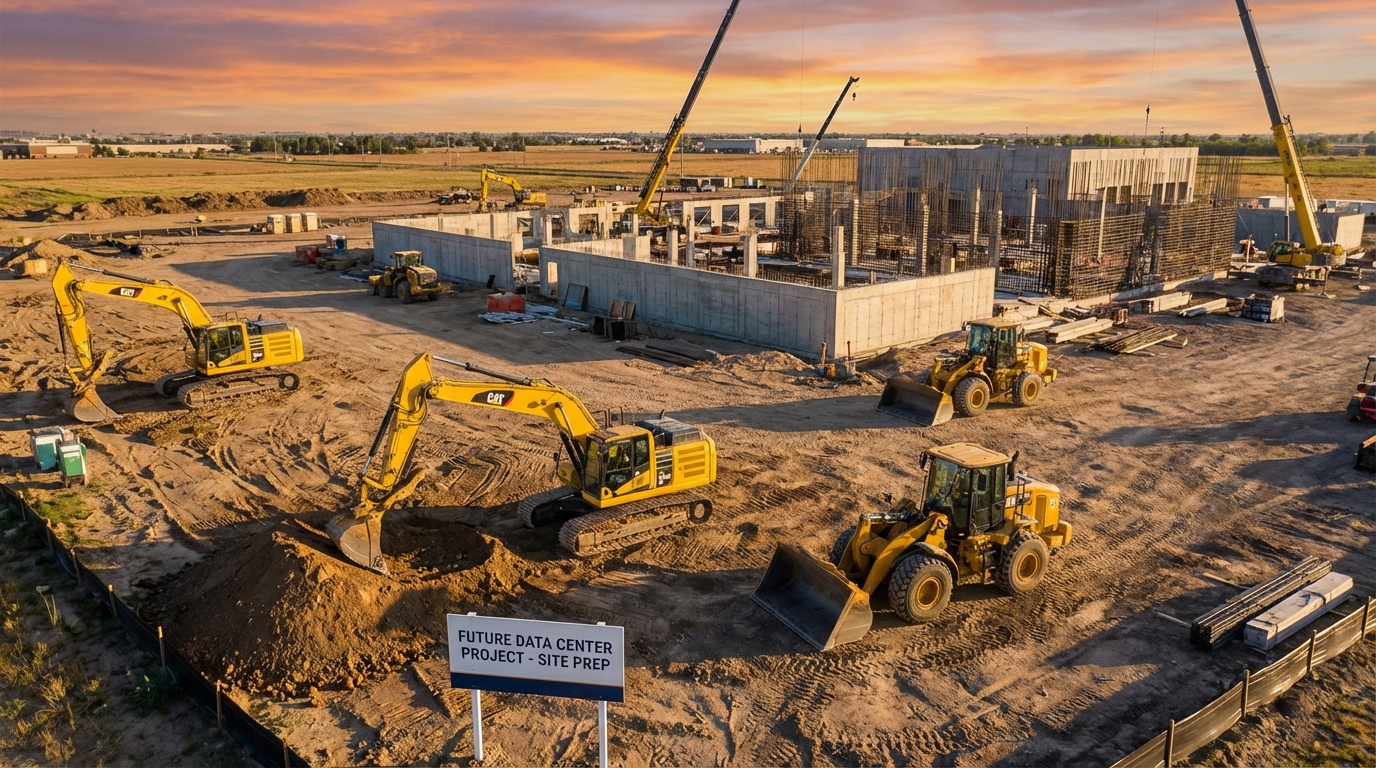
Where the industry sees growth, how tariffs and interest rates are reshaping buying decisions, and why alternative power technology is accelerating faster than expected.

New industry data reveals 10% of fleet managers delayed acquisitions due to tariffs. Large fleets hit hardest as supply chains strain under policy uncertainty.
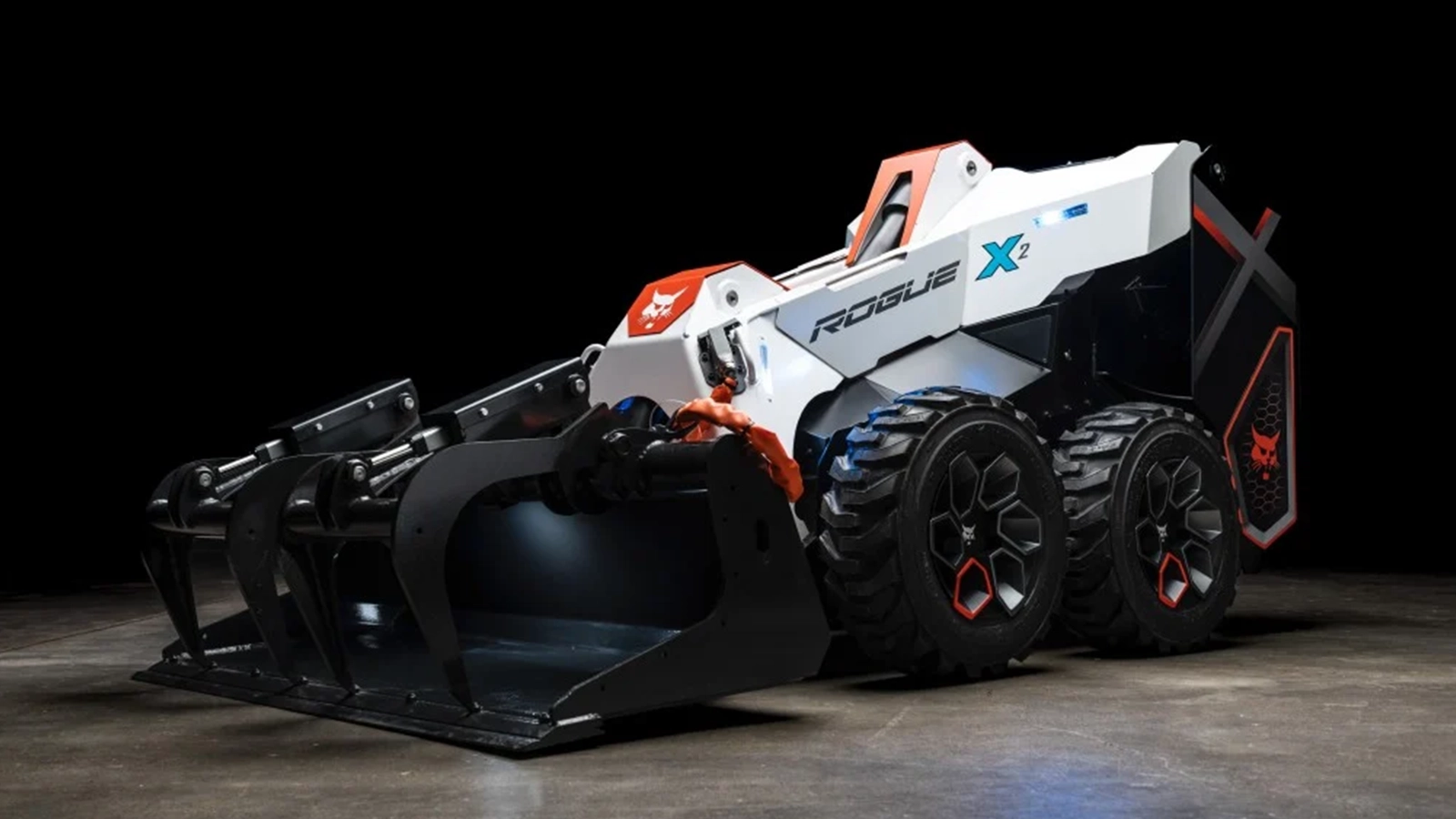
The landscape of heavy equipment is undergoing a profound transformation, driven by advancements in artificial intelligence, electrification, and autonomy. For

Infrastructure spending, interest rates, labor markets—the key economic factors that will shape equipment demand this year.
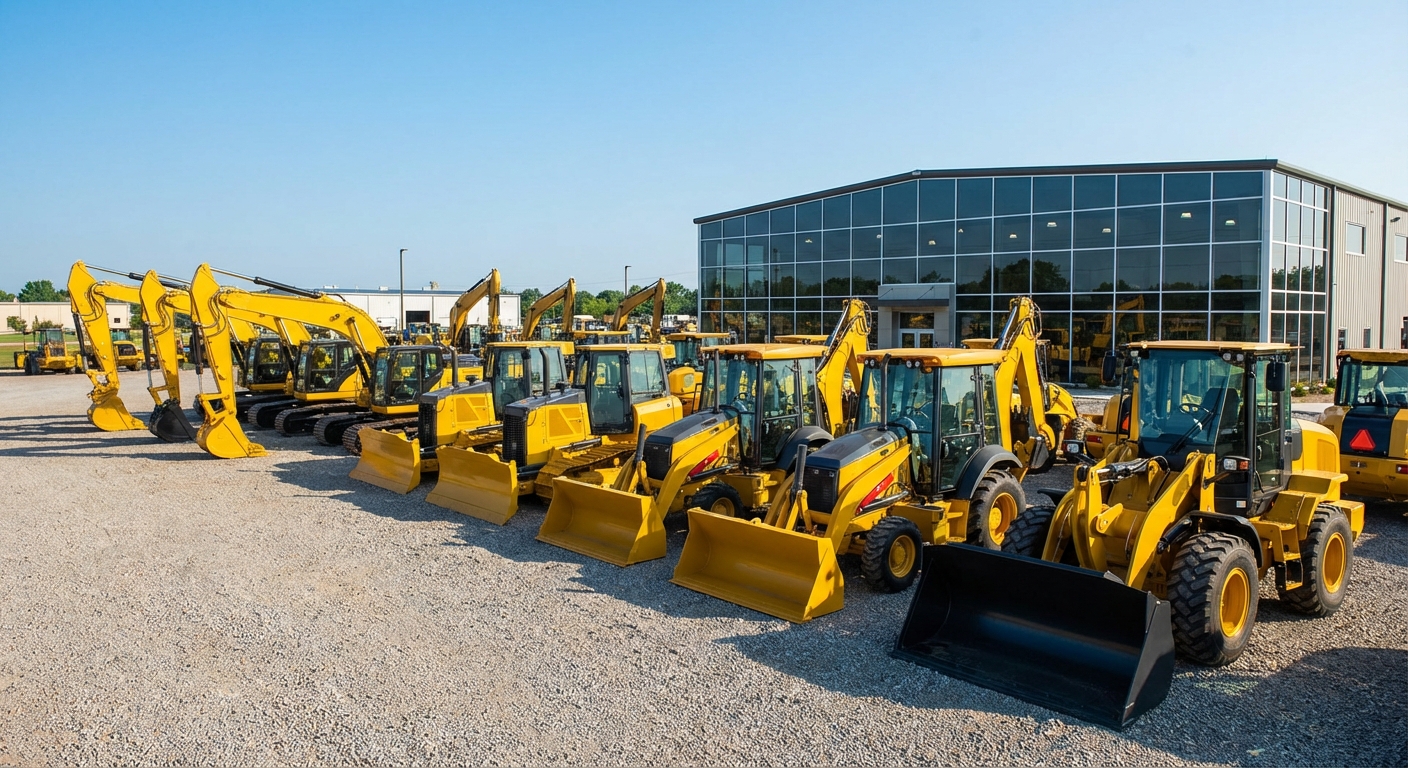
After years of escalation, equipment prices are stabilizing—but not declining. Our analysis of current pricing and what to expect in the coming year.
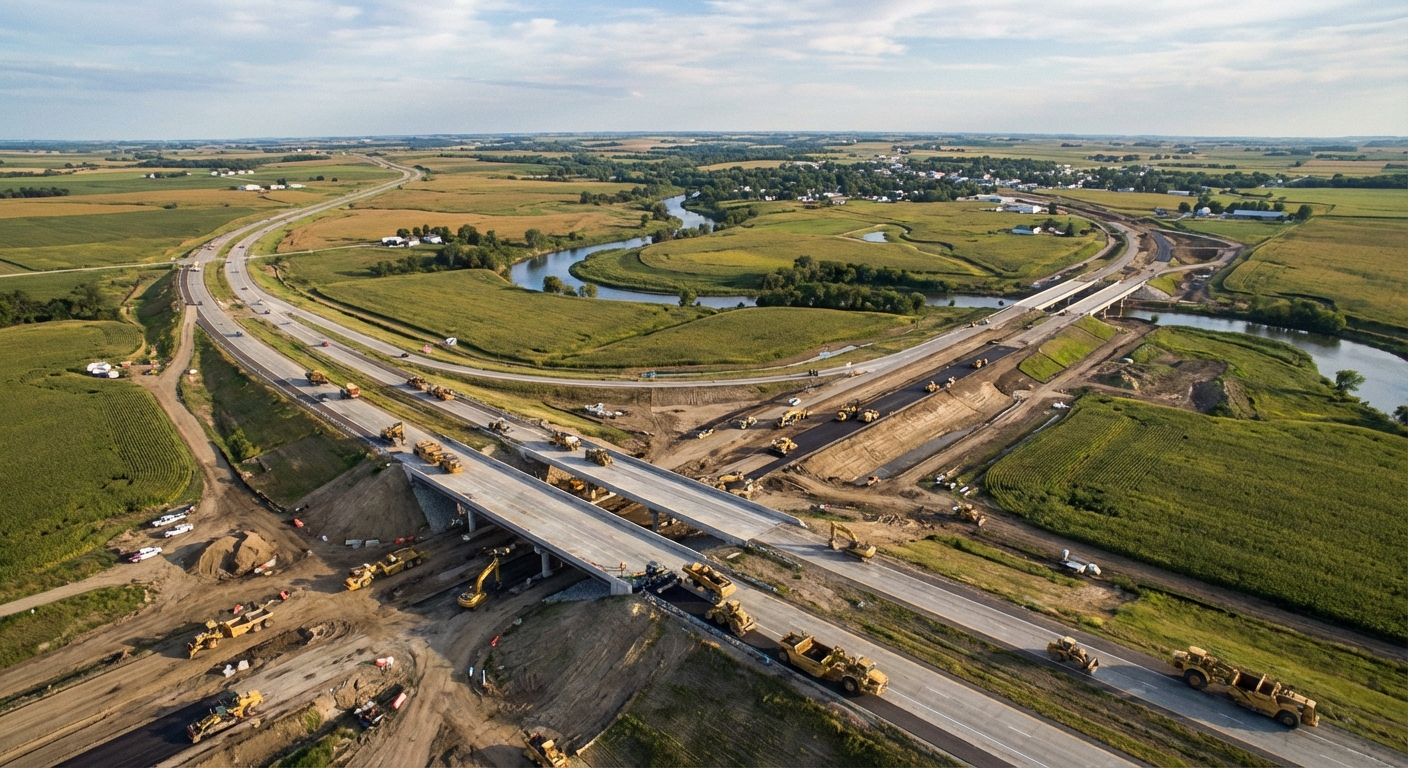
Infrastructure spending, reshoring trends, and population shifts are reshaping construction demand across the Midwest. Our regional market analysis.

With equipment costs rising and rental markets maturing, the ownership question deserves fresh analysis. We break down the numbers that matter.
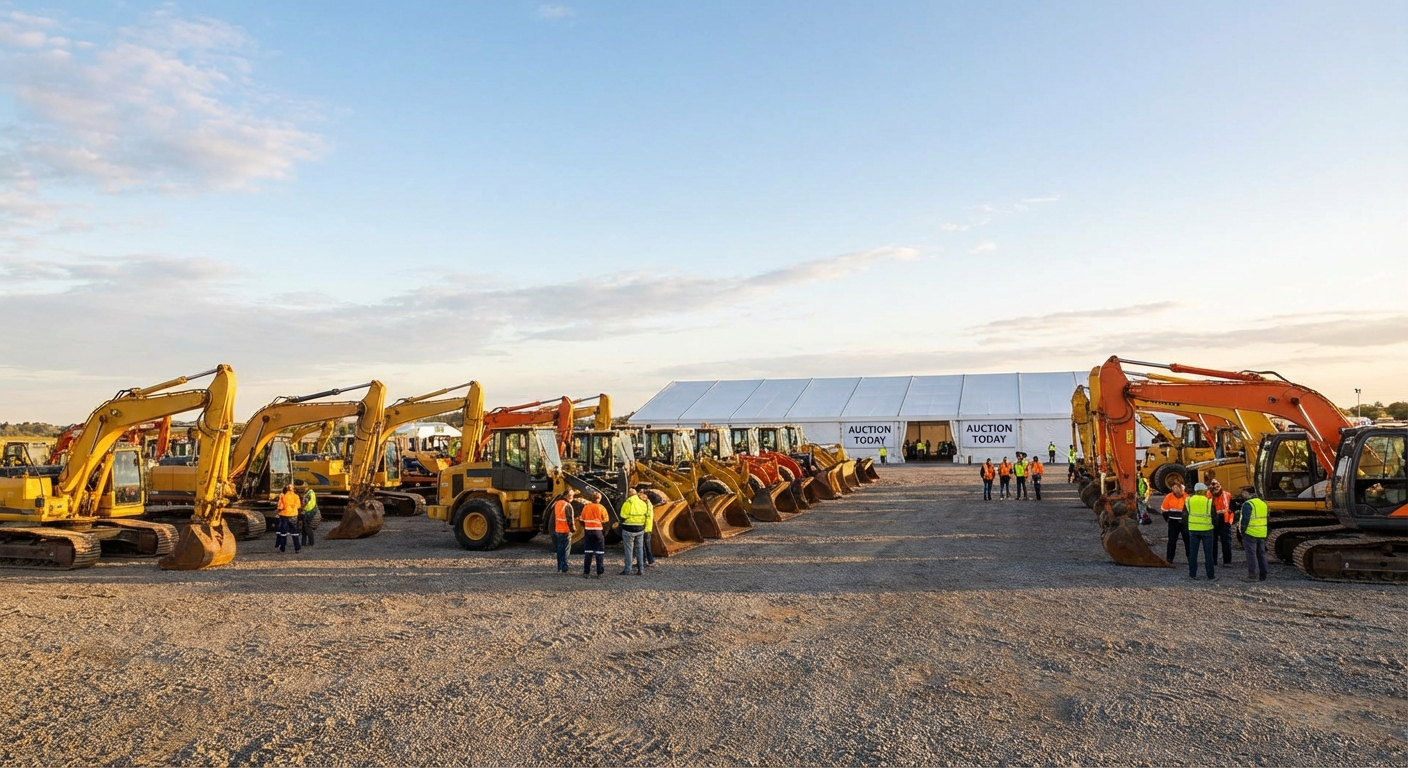
Auction prices stabilize as supply increases. Our quarterly analysis of the secondary equipment market reveals shifting buyer behavior and regional variations.
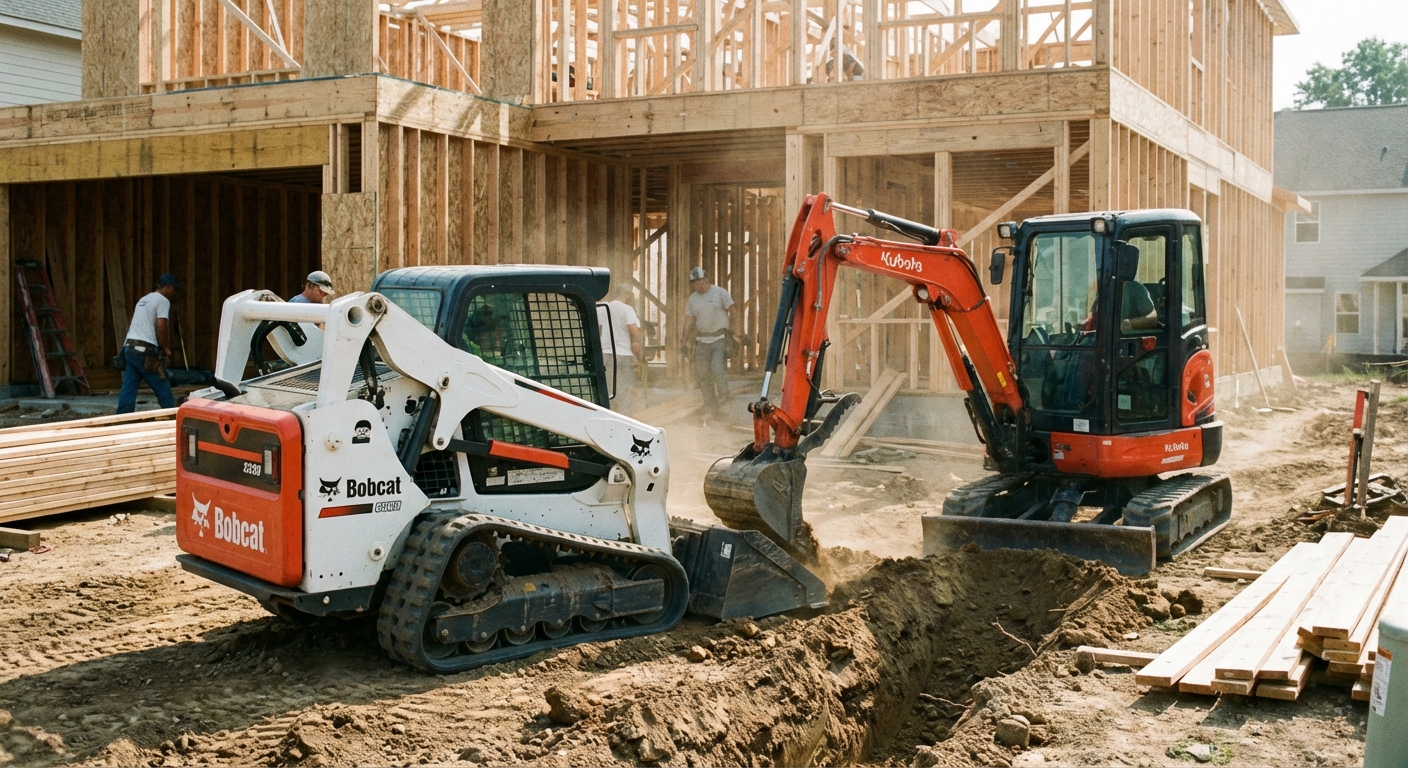
Analysis of compact equipment residual values heading into 2026, with insights on what's driving the market for machines under 10 tons.
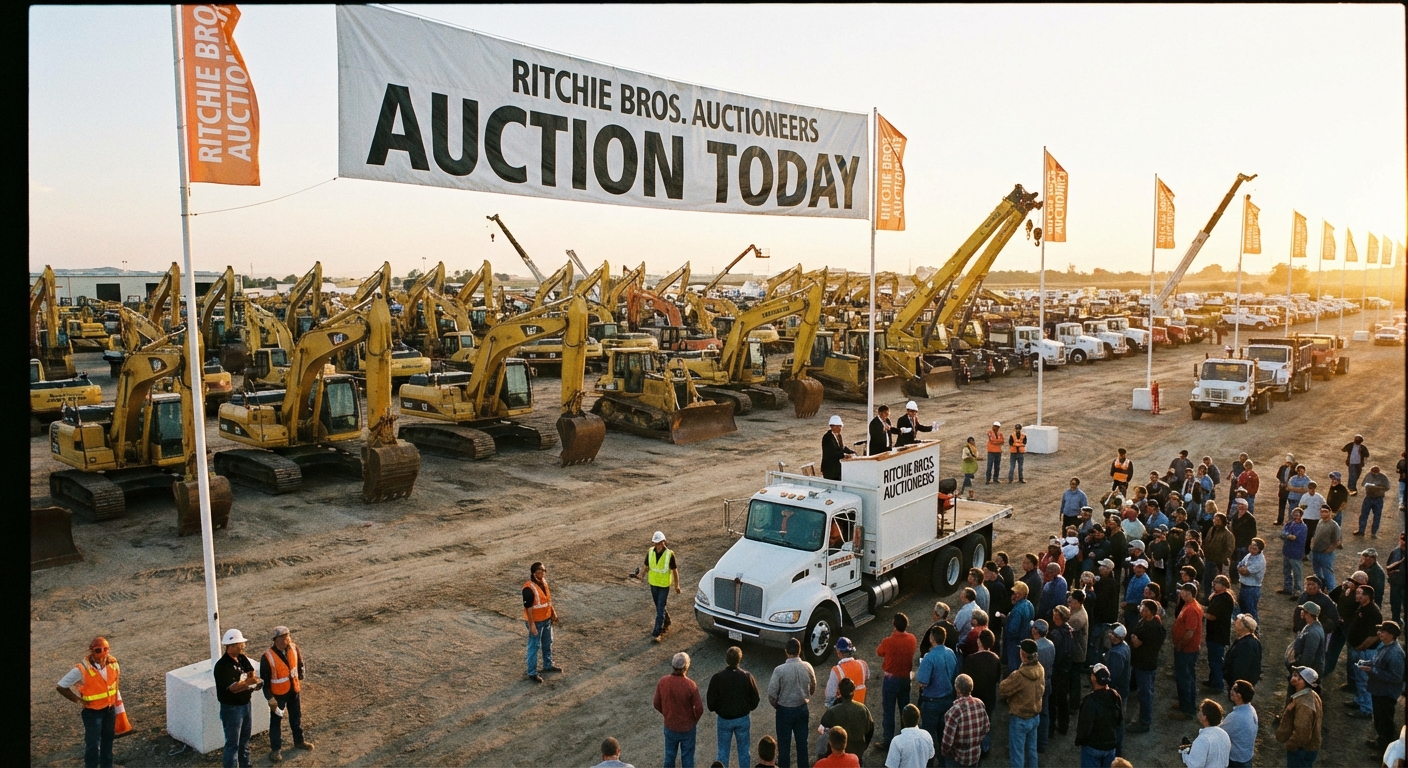
Auction data from Ritchie Bros, IronPlanet, and regional auction houses reveals pricing trends and buyer behavior across equipment categories.
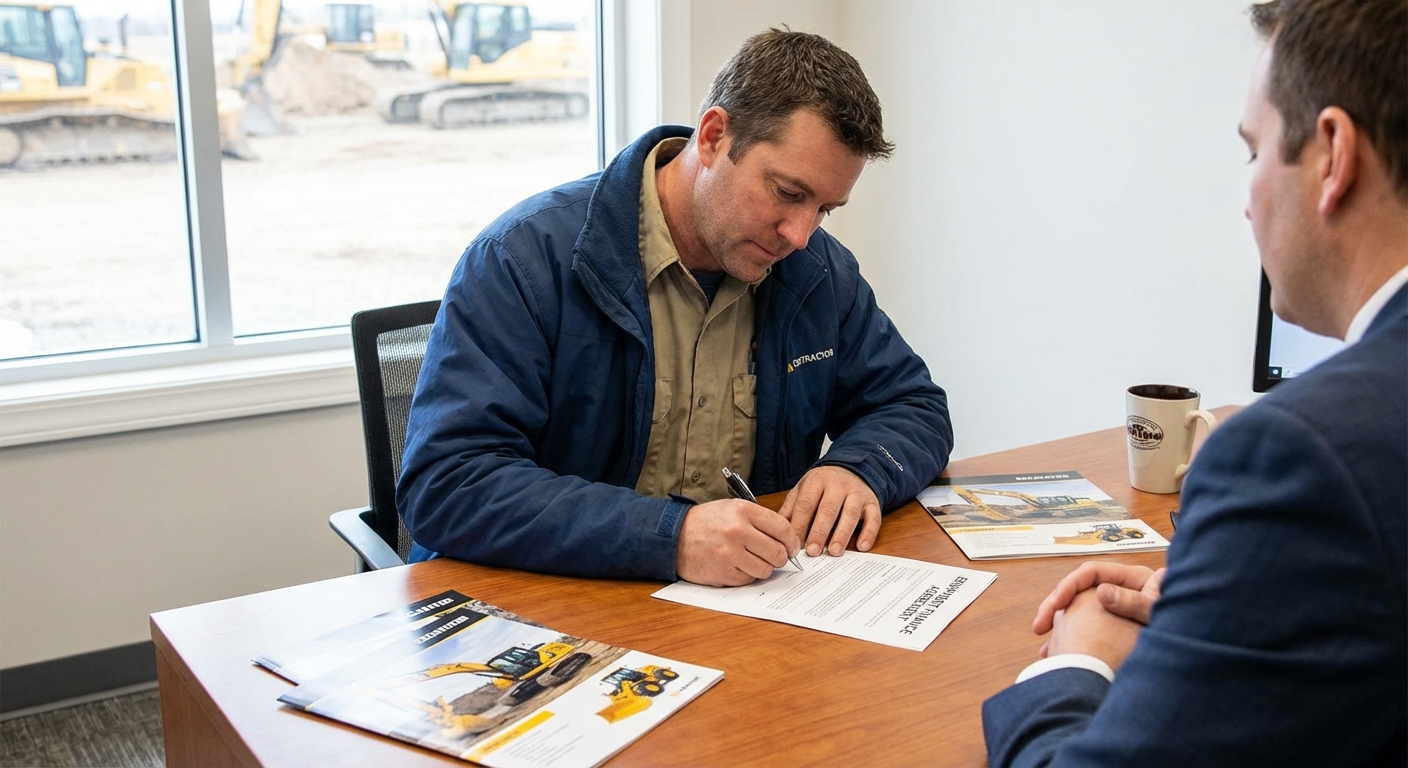
Interest rate stabilization and evolving lender programs create new opportunities for equipment acquisition. Here's the current financing landscape.
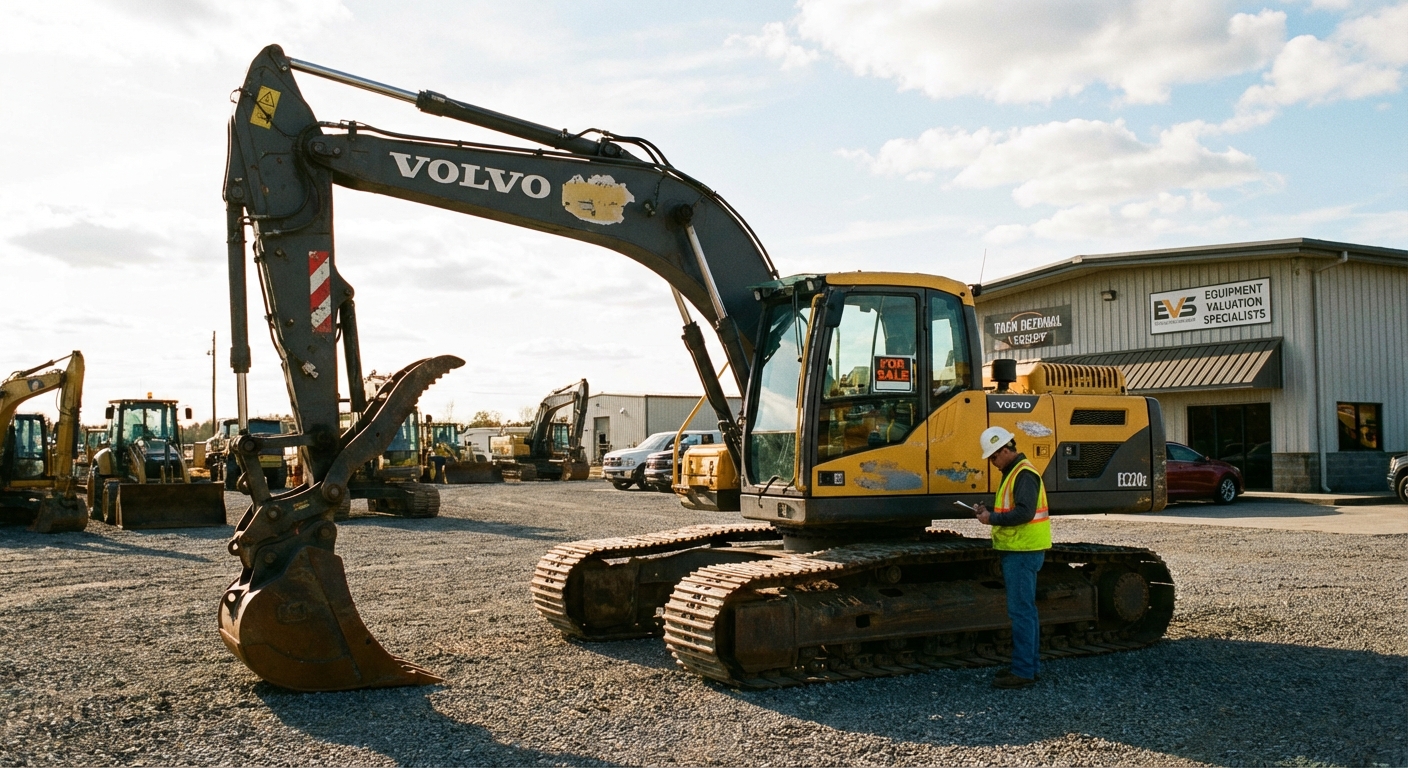
Detailed pricing analysis for 20-50 ton excavators reveals how hours, age, technology, and brand affect resale values in today's market.
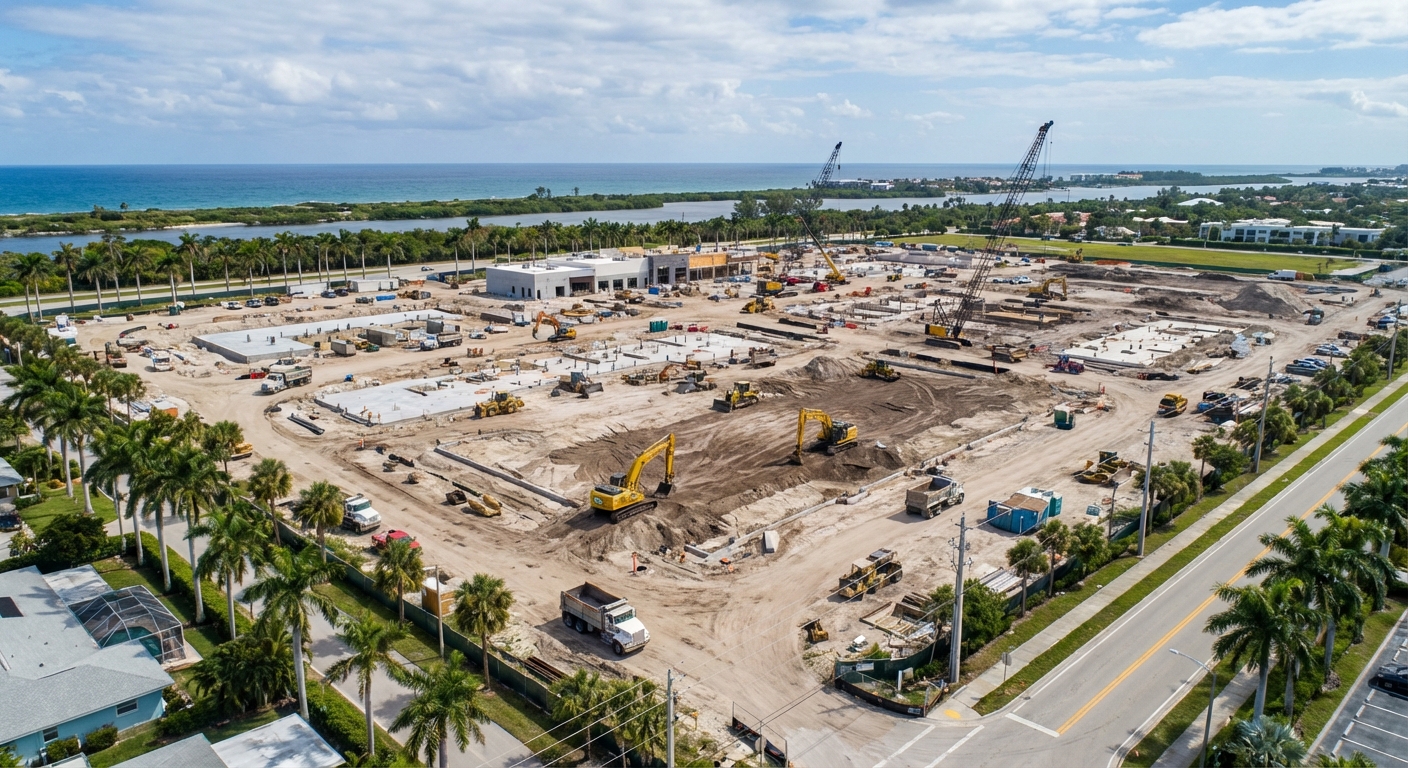
Florida, Georgia, and the Carolinas lead equipment demand as population growth and infrastructure investment fuel construction activity.