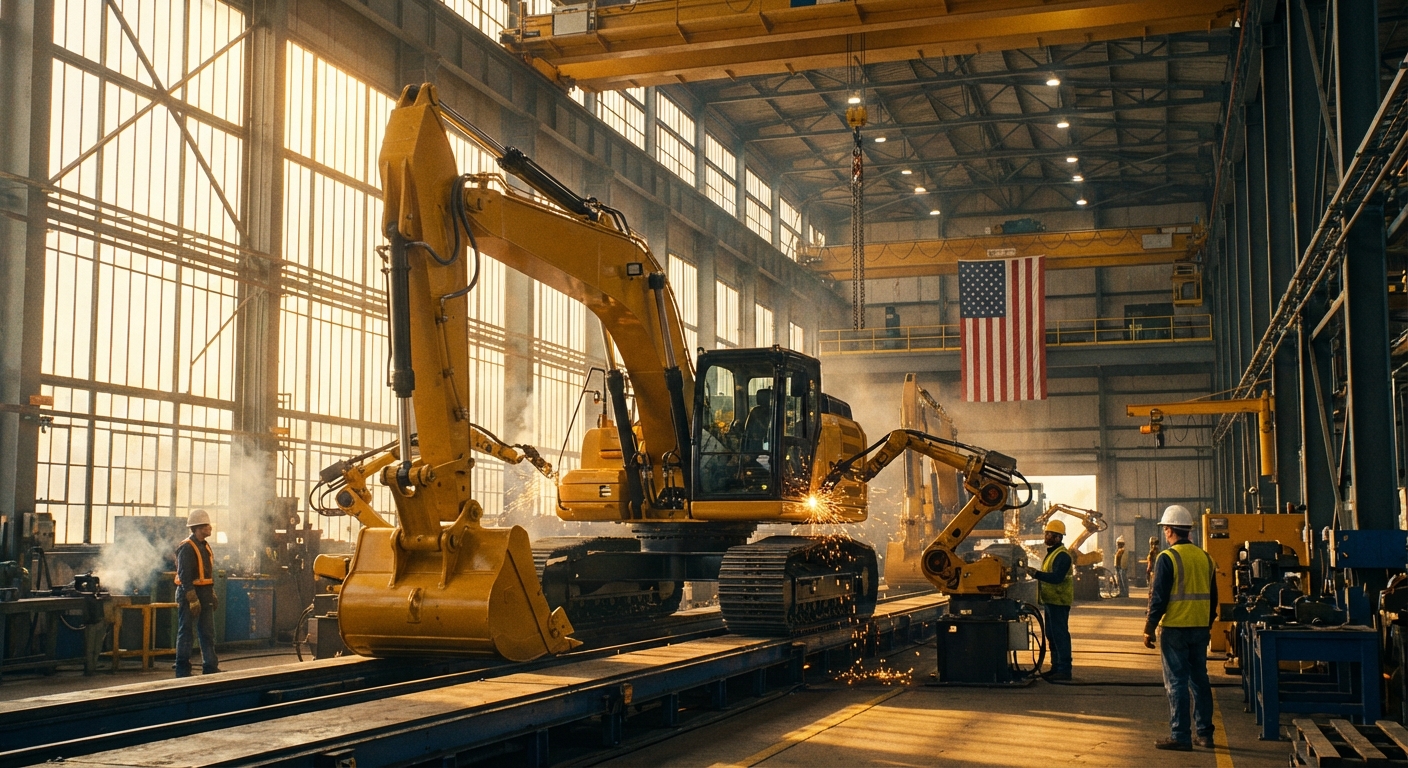
Construction Equipment Market Set to Hit $186.62 Billion by 2030, New Report Reveals
Fresh market analysis shows construction equipment industry on steady growth trajectory despite industry headwinds, with excavators leading the charge and electric equipment gaining ground.
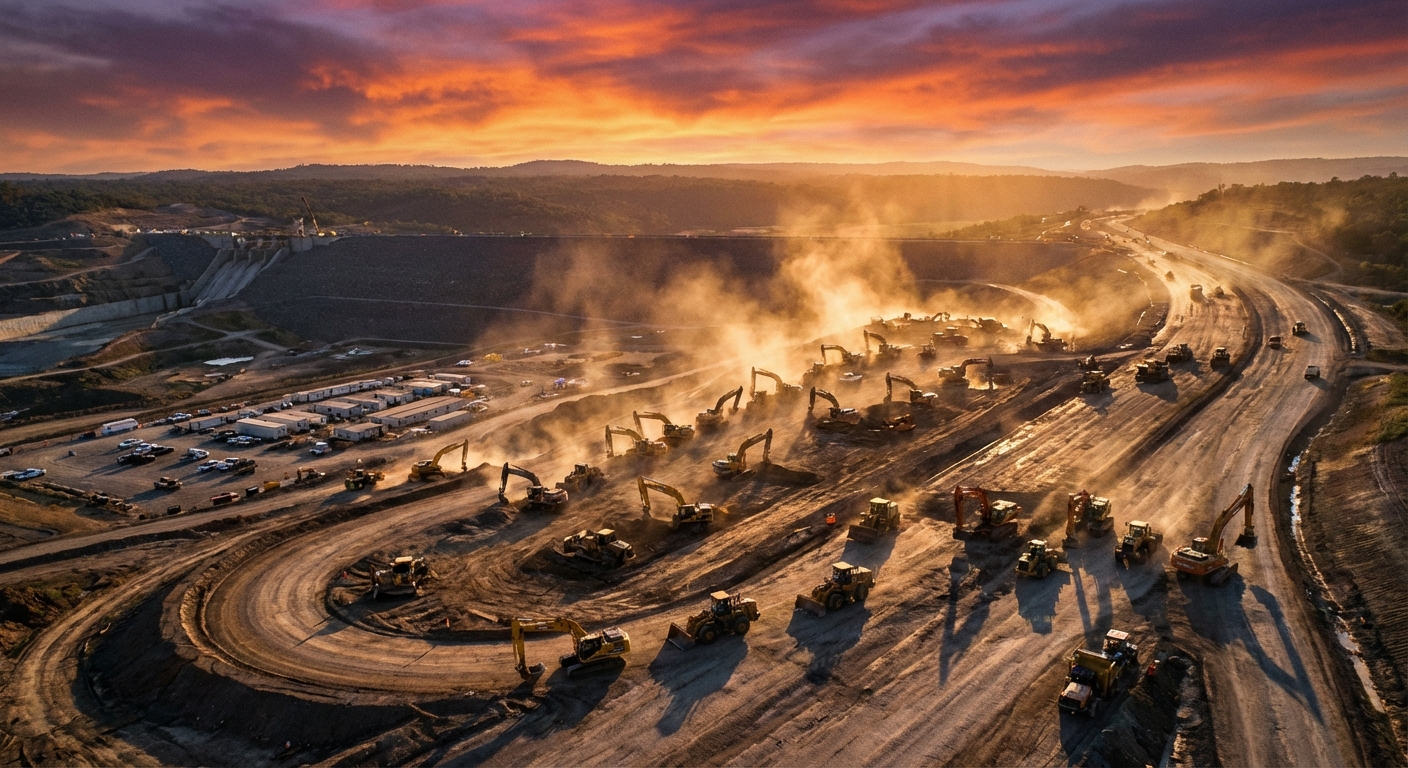
The global construction equipment market is poised for substantial growth over the next half-decade, according to a comprehensive new analysis released this week by MarketsandMarkets. The report projects the industry will expand from $148.02 billion in 2024 to $186.62 billion by 2030, representing a compound annual growth rate (CAGR) of 3.9%.
This nearly $40 billion expansion comes at a pivotal moment for the industry, as contractors navigate shifting demand patterns, technological transformation, and economic uncertainty heading into 2026.
Editor’s Note: Managing a growing fleet during market expansion? FieldFix helps equipment owners track maintenance schedules, log service history, and calculate true cost-per-hour—critical data for making smart equipment decisions in a changing market.
Excavators Continue to Dominate
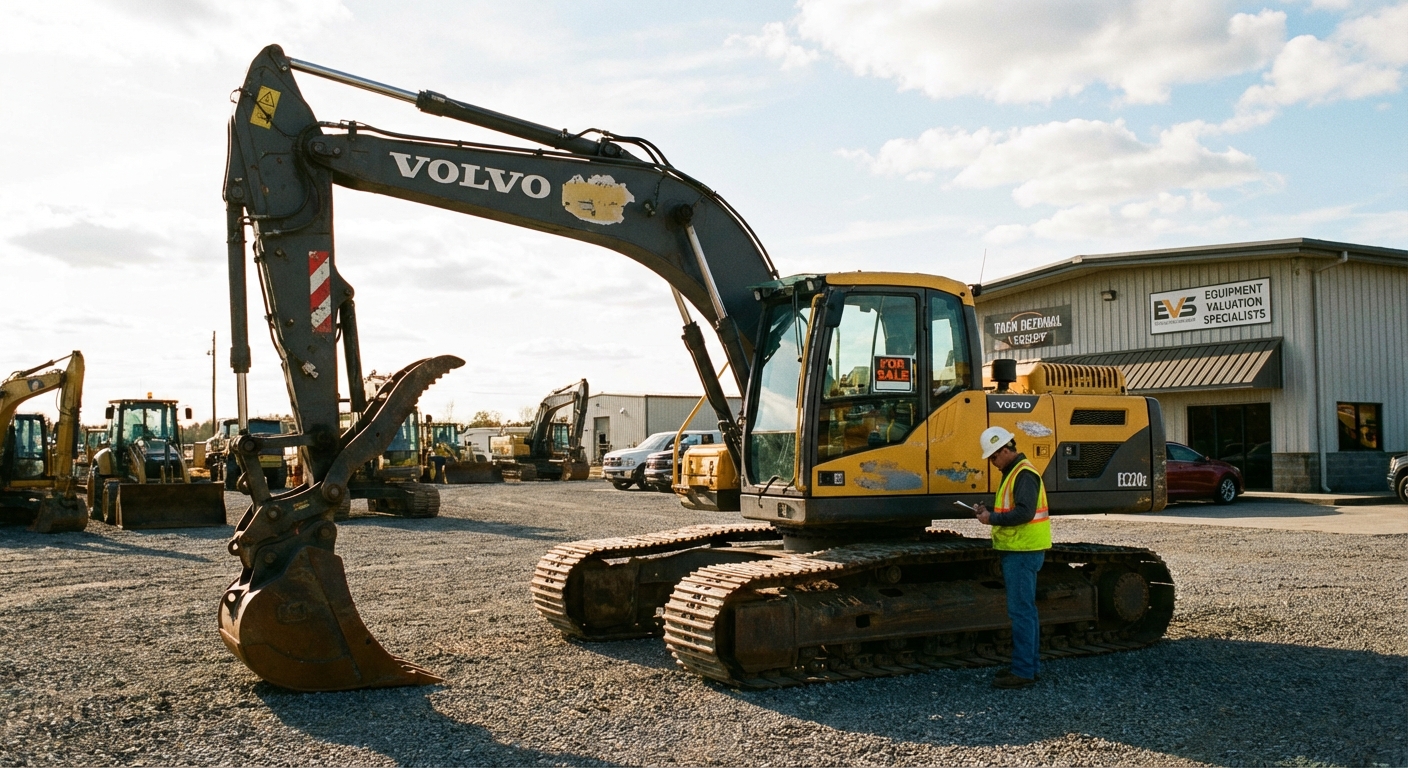
Crawler excavators emerged as the largest segment in the construction equipment market for 2025, underscoring the machine’s versatility across construction, mining, and infrastructure applications. From site preparation to material handling, excavators remain the workhorse of modern construction operations.
The segment’s dominance reflects broader industry dynamics. Infrastructure projects—from highway expansions to utility installations—rely heavily on excavator capabilities. The machines have also become increasingly sophisticated, with manufacturers integrating advanced telematics, grade control systems, and operator assist technologies that boost productivity and reduce rework.
Equipment with engine capacities exceeding 10 liters is projected to register the fastest growth through 2030. This points to continued demand for larger machines capable of handling major infrastructure and mining projects, particularly in developing regions where mega-projects are reshaping landscapes.
Asia Pacific Leads Global Demand
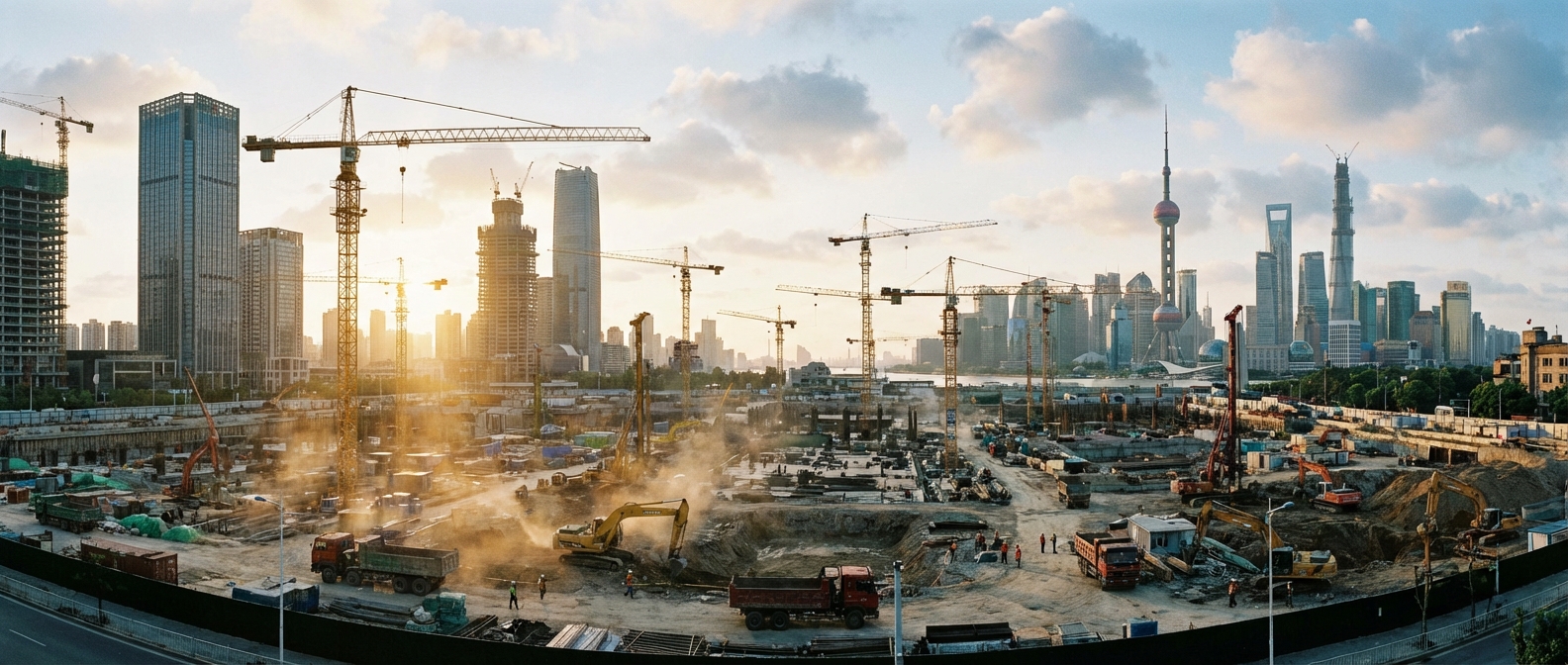
The Asia Pacific region remains the dominant force in the global construction equipment market, driven by rapid urbanization, population growth, and massive infrastructure investment programs across the region.
China, Japan, and India lead regional demand, with construction activity spanning everything from high-speed rail networks to new urban developments accommodating growing populations. The report highlights several mega-projects fueling equipment demand:
- Beijing New International Airport
- South to North Water Transfer Project in China
- Songdo International Business District in South Korea
- China-Pakistan Economic Corridor
The scale of these projects has attracted major equipment manufacturers to establish regional production facilities, creating a more localized supply chain and faster delivery times for contractors operating in the region.
Technology Driving Industry Transformation
Perhaps the most significant trend reshaping the construction equipment landscape is the rapid adoption of advanced technologies. The MarketsandMarkets analysis identifies several key technology drivers:
Automation and Autonomy: Semi-autonomous and fully autonomous equipment is moving from concept to reality on jobsites worldwide. Features like automated blade control, collision avoidance, and remote operation are becoming standard on premium equipment lines.
Telematics Integration: Connected equipment provides fleet managers with real-time visibility into machine location, utilization, fuel consumption, and maintenance needs. This data-driven approach to fleet management is reducing downtime and extending equipment life.
AI and Machine Learning: Artificial intelligence is enabling predictive maintenance, optimizing fuel efficiency, and improving operator performance through real-time coaching systems.
5G Connectivity: High-speed, low-latency wireless connectivity is enabling more sophisticated remote operation and data sharing, particularly valuable for operations in remote or hazardous environments.
Electric Equipment Gains Momentum
Environmental regulations and sustainability commitments are accelerating the shift toward electric and hybrid construction equipment. The report notes that stringent pollution laws are fueling demand for zero-emission technologies across the off-highway equipment sector.
Electric construction equipment offers several compelling advantages over conventional diesel-powered machines:
- Reduced Noise: Particularly valuable for urban construction and work in noise-sensitive areas
- Fewer Moving Parts: Lower maintenance requirements and reduced complexity
- Zero Direct Emissions: Meeting environmental requirements and improving air quality on jobsites
- Compact Design: Elimination of engine components allows for smaller, lighter machines
Ongoing developments in lithium battery chemistry are addressing previous limitations around runtime and charging speed, making electric equipment increasingly practical for a wider range of applications.
Contractor Sentiment: Cautious Optimism
While the long-term market outlook remains positive, contractors heading into 2026 are expressing more tempered expectations, according to a separate industry survey from the Associated General Contractors of America.
The AGC’s annual outlook report reveals “dampened” expectations compared to previous years, with several factors contributing to increased caution:
- Economic uncertainty and recession concerns
- Tariff impacts on material costs
- Enhanced immigration enforcement affecting labor availability
- Challenges finding qualified workers
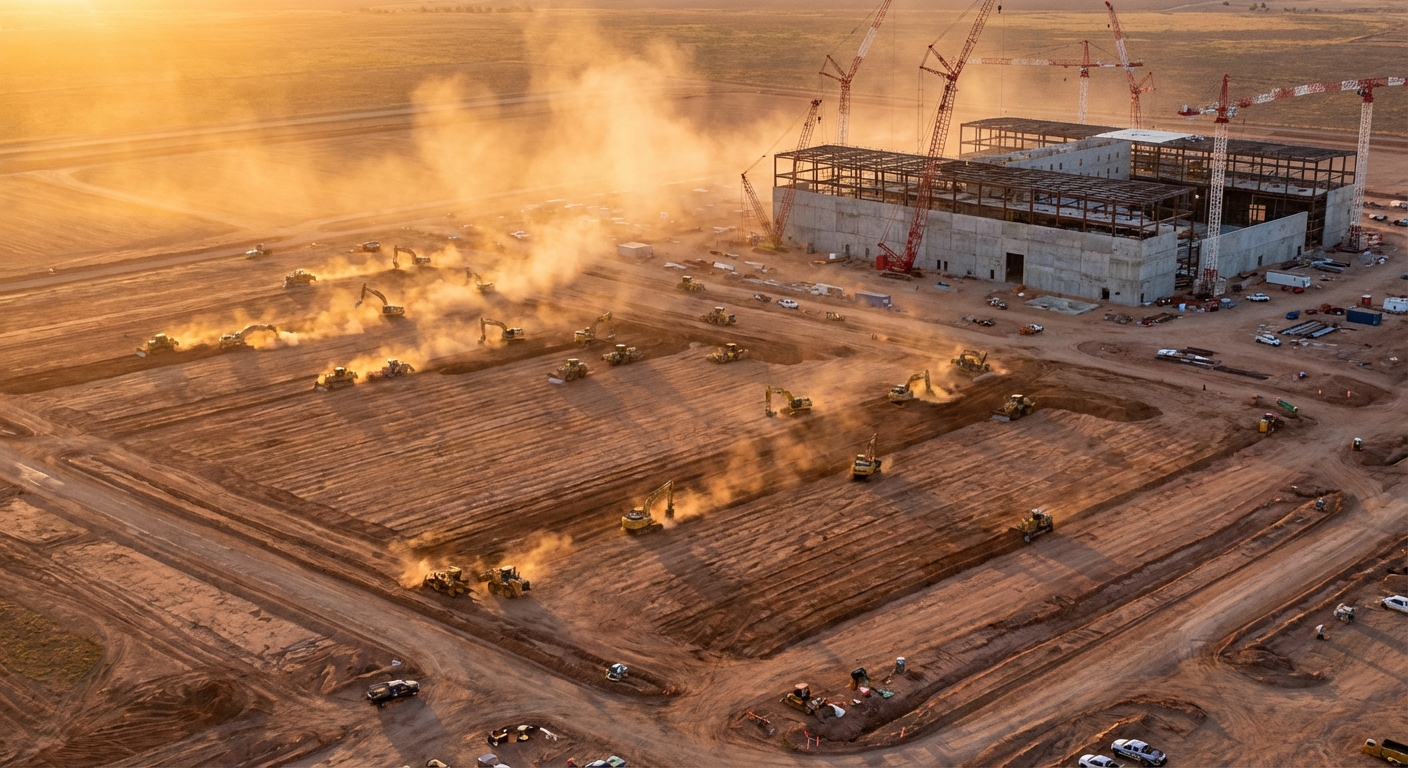
However, the picture isn’t uniformly pessimistic. Data centers and power facilities are seeing surging demand, creating bright spots in an otherwise cautious market.
Backlog Data Shows Mixed Signals
Recent data from the Associated Builders and Contractors adds nuance to the market picture. Construction backlog fell to 8 months in January—its lowest level in four years—yet contractor confidence remains surprisingly strong.
“Just 13% of contractors expect their sales to decrease over the next six months, the smallest share since February 2022,” noted ABC Chief Economist Anirban Basu.
The backlog decline wasn’t felt equally across the industry. Larger contractors with over $50 million in annual revenues actually saw year-over-year backlog gains, while smaller firms experienced reductions. Infrastructure backlog specifically ticked up to 10 months, nearly a one-month gain from December.
This bifurcation suggests larger equipment fleets supporting major infrastructure projects may see continued strong utilization, while smaller regional contractors could face more challenging conditions.
Key Market Players
The MarketsandMarkets analysis identifies leading companies positioned to capture market growth:
- Komatsu (Japan)
- Doosan Enerbility (South Korea)
- Zoomlion Heavy Industry (China)
- Kobelco Construction Machinery (Japan)
- HD Hyundai Construction Equipment (South Korea)
- Kubota Corporation (Japan)
- YANMAR Holdings (Japan)
- Sumitomo Construction Machinery (Japan)
- Hitachi Construction Machinery (Japan)
- SANY Group (China)
The concentration of Asian manufacturers on this list reflects the region’s dominant market position and the global expansion strategies these companies have pursued over the past decade.
Investment Implications
For equipment owners and fleet managers, the market projections carry several practical implications:
Equipment Values: Continued market growth supports residual values for well-maintained equipment, particularly in categories seeing strong demand like large excavators.
Technology Adoption: The integration of telematics and automation isn’t optional—it’s becoming table stakes for competitive operations. Fleet managers should prioritize connectivity and data capabilities in procurement decisions.
Electric Transition: While diesel equipment will remain dominant for the immediate future, planning for electric equipment integration makes sense, particularly for urban operations and customers with sustainability requirements.
Regional Opportunities: Contractors positioned to serve infrastructure and data center markets are likely to see the strongest demand, regardless of broader economic conditions.
What This Means for Fleet Operators
The $186.62 billion market projection represents significant opportunity—but capturing that opportunity requires strategic fleet management. Equipment decisions made today will impact profitability for years to come.
Understanding true ownership costs, optimizing maintenance schedules, and maximizing utilization rates separate profitable operations from those struggling with equipment economics. As the market expands, the operators with the best data will make the best decisions.
Sources: MarketsandMarkets Construction Equipment Market Report (February 2026), Associated General Contractors of America 2026 Construction Outlook, Associated Builders and Contractors Backlog Indicator (January 2026)