The Operator Shortage Crisis: How Construction Is Adapting in 2026
With 500,000+ unfilled positions and an aging workforce, the heavy equipment industry is turning to technology, training innovation, and unconventional recruiting to bridge the gap.
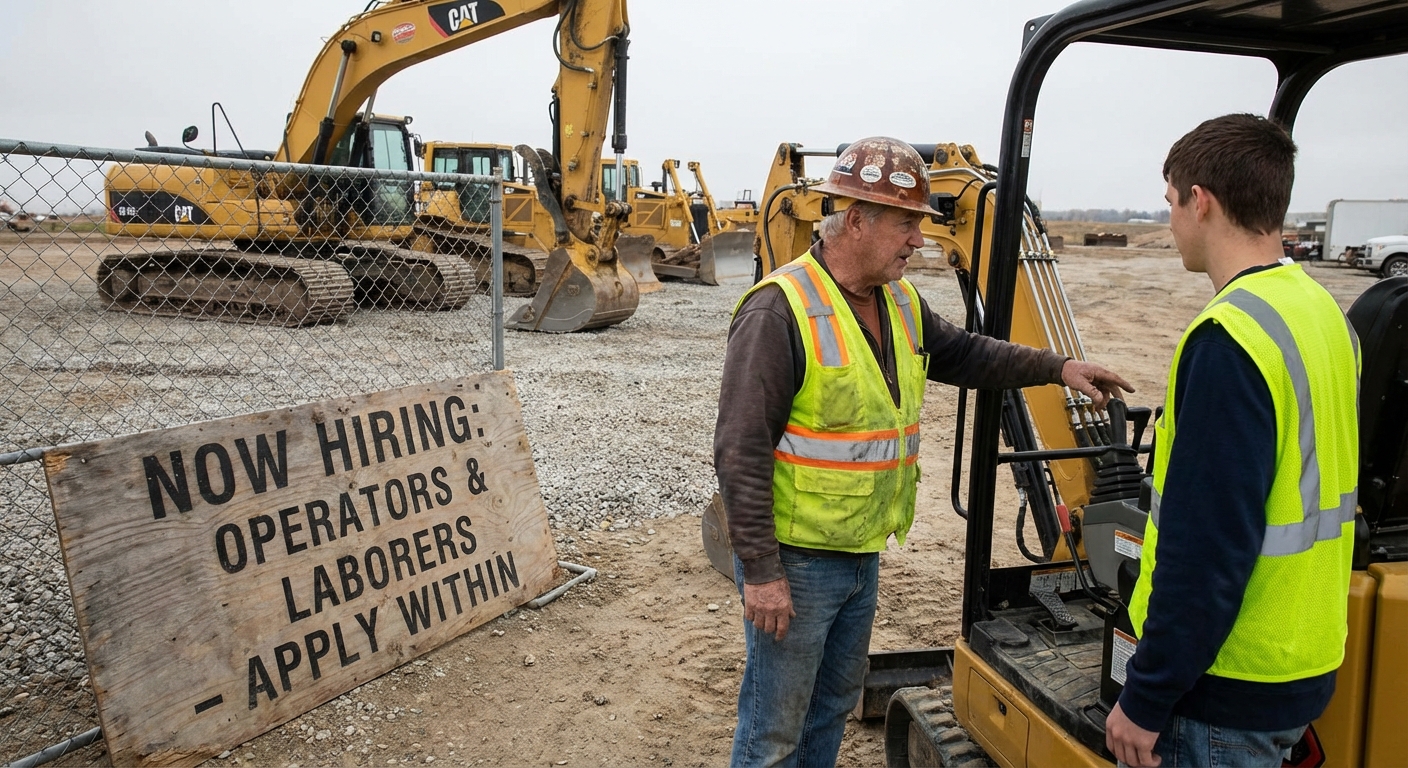
The construction industry is facing its most severe labor crisis in decades. With infrastructure spending at historic highs and a generation of experienced operators approaching retirement, the gap between available work and available workers has never been wider.
For contractors, fleet managers, and equipment owners across North America, this isn’t just an HR problem—it’s an existential challenge that’s reshaping how the industry operates.
Editor’s Note: Workforce challenges often lead to equipment sitting idle. FieldFix helps fleet managers maximize utilization of their existing operators by tracking machine hours, maintenance schedules, and downtime—ensuring every operator hour counts.
The Numbers Behind the Crisis
The statistics paint a stark picture of the industry’s workforce challenges heading into 2026:
- 500,000+ unfilled construction positions across the United States as of late 2025
- Average operator age of 47, with 20% of the workforce eligible for retirement within five years
- 41% of contractors report turning down work due to labor shortages
- Infrastructure Investment and Jobs Act expected to create 1.5 million additional construction jobs through 2030
The heavy equipment sector faces particular pressure. Unlike general construction labor, operating a dozer, excavator, or grader requires months of training and years of experience to achieve peak productivity. The learning curve is steep, and the consequences of operator error—both in terms of safety and equipment damage—are significant.
Why the Pipeline Broke
Understanding how the industry reached this point requires looking back several decades. The construction workforce has been shaped by three converging forces:
The Vocational Education Decline
Throughout the 1990s and 2000s, high schools across America systematically dismantled vocational programs in favor of college-preparatory curricula. Shop classes disappeared. Career and technical education lost funding. The message sent to students was clear: success meant a four-year degree, not a skilled trade.
This created a 20-year gap in the skilled trades pipeline. While European countries maintained robust apprenticeship systems, the U.S. told an entire generation that working with their hands was somehow less valuable than working at a desk.
The 2008 Collapse
The Great Recession devastated construction employment. Between 2007 and 2010, the industry shed 2.3 million jobs—30% of its workforce. Many experienced operators left permanently, moving to other industries or retiring early. Those who remained were often the youngest or oldest—the middle generation of operators, those who would have been hitting their prime productivity years in 2026, largely exited the field.
Perception and Competition
Today’s construction industry competes for talent against tech companies, logistics operations, and the gig economy. A 22-year-old considering career options sees Instagram influencers and DoorDash drivers—not heavy equipment operators making $75,000+ annually with full benefits.
The industry’s image problem is partly self-inflicted. Years of projecting construction as dirty, dangerous, and unstable has consequences when trying to recruit the next generation.
How Contractors Are Adapting
Faced with an unprecedented labor shortage, forward-thinking contractors and fleet operators are implementing innovative solutions across four key areas.
Expanded Training Programs
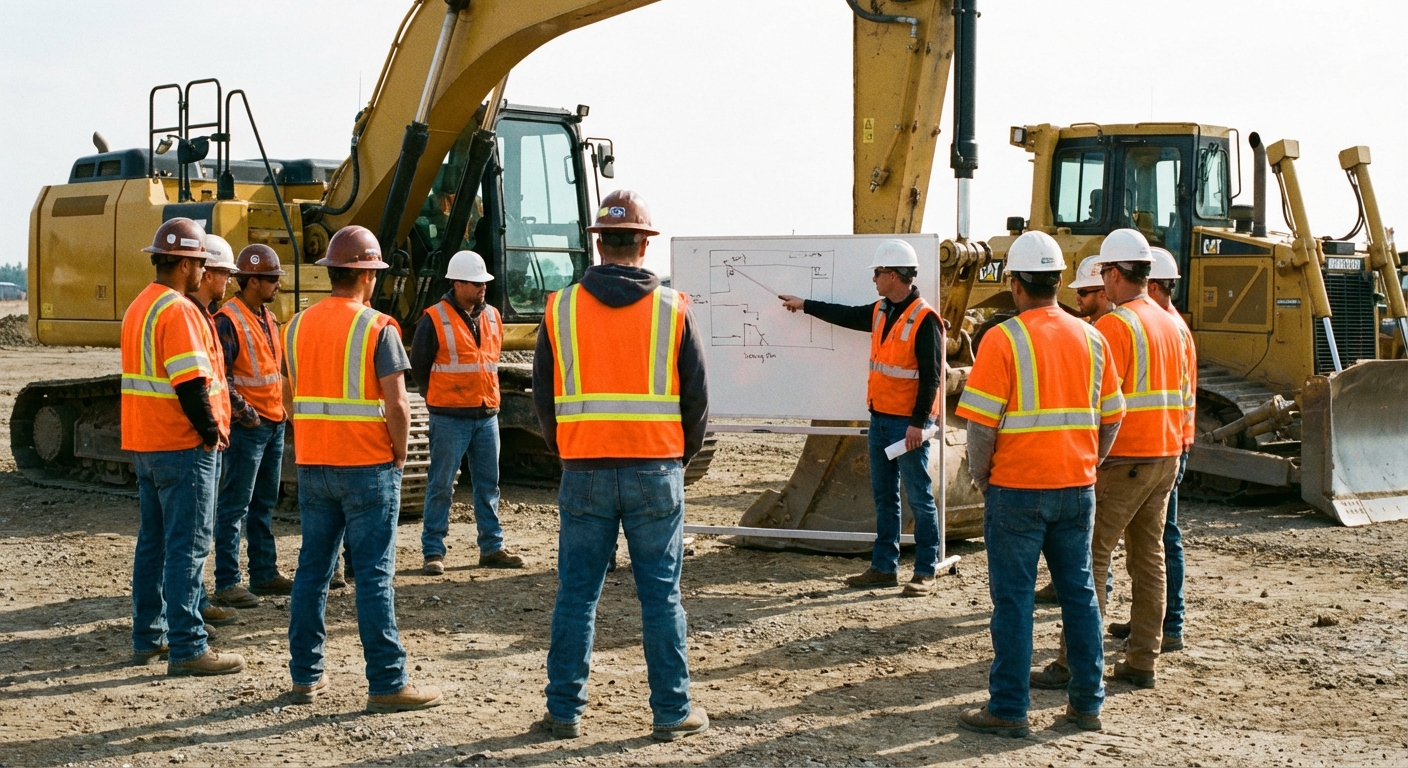
The industry is investing heavily in training infrastructure, moving beyond the traditional “learn on the job” approach that dominated for decades.
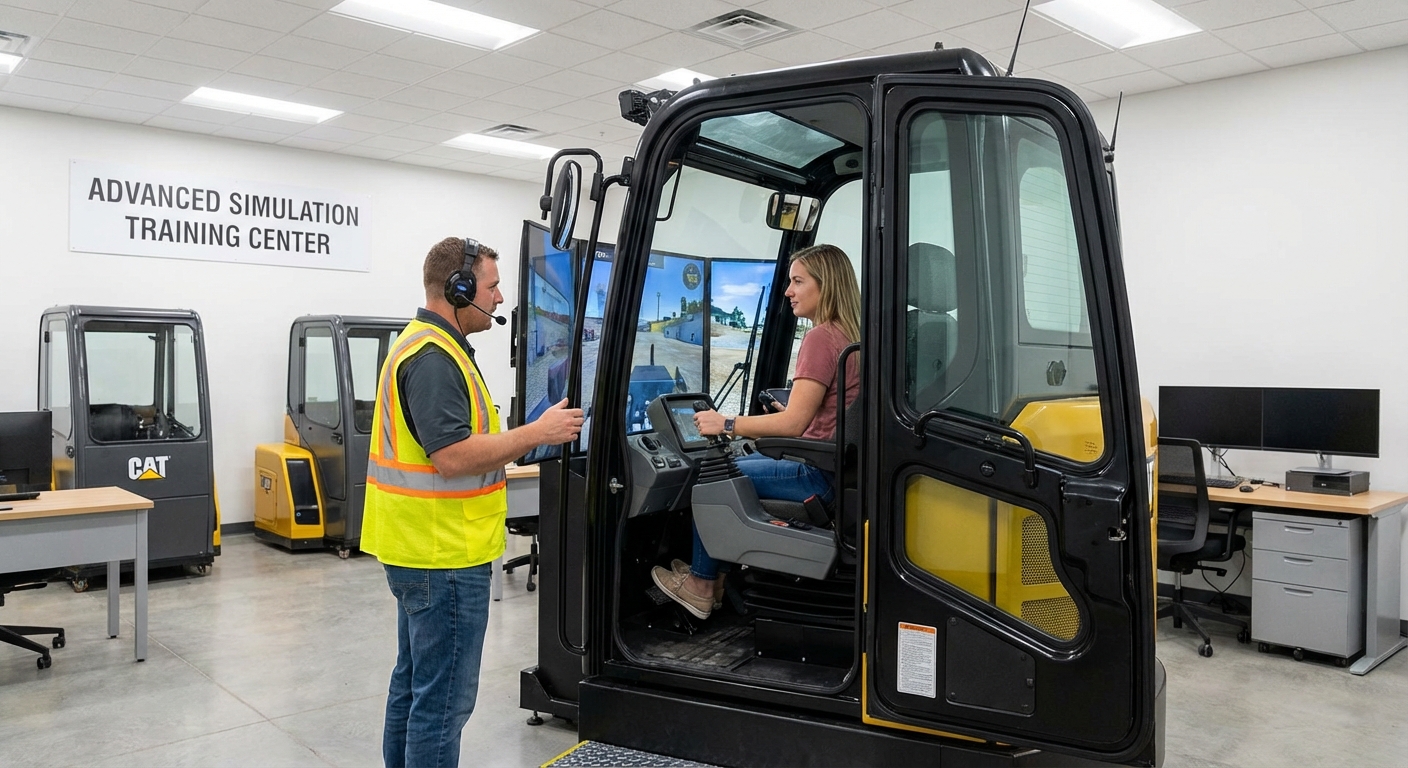
Simulator Training: Modern equipment simulators have reached remarkable fidelity. New operators can log dozens of hours on virtual machines before touching actual equipment—building muscle memory, learning controls, and making mistakes without costly consequences. A simulator session costs roughly $50/hour; repairing a hydraulic line after a training incident costs thousands.
Accelerated Programs: Community colleges and trade schools have shortened heavy equipment programs from two years to as little as six months for entry-level certification. These intensive programs focus on practical skills over academic coursework, getting operators seat time faster while providing pathways to advanced credentials.
Mobile Training Units: Several regional contractors have created traveling training operations—bringing equipment and instruction to rural areas where formal programs don’t exist. These units target military bases, tribal lands, and underserved communities often overlooked by traditional recruitment.
Embracing Non-Traditional Operators
The demographic profile of equipment operators is evolving, driven by necessity and changing social norms.
Women in the Cab: Women represent just 4% of heavy equipment operators nationally, compared to 11% of the overall construction workforce. Progressive contractors are actively recruiting female operators, finding that many excel in precision tasks and bring strong attention to detail. The physical demands of modern equipment operation—with joystick controls and climate-controlled cabs—present no gender-based barriers.
Second-Career Professionals: Former military personnel, retiring first responders, and mid-career professionals seeking change represent significant untapped potential. Many bring transferable skills: discipline, spatial awareness, mechanical aptitude. Some contractors offer “career changer” programs specifically targeting this demographic.
Agricultural Crossover: Farmers and agricultural workers often operate equipment nearly identical to construction machines. Targeted recruitment in farming communities—especially during winter months or agricultural downturns—has proven effective for many contractors.
Technology Multipliers
When you can’t find enough operators, you make each operator more productive. Technology is enabling contractors to do more with fewer people.
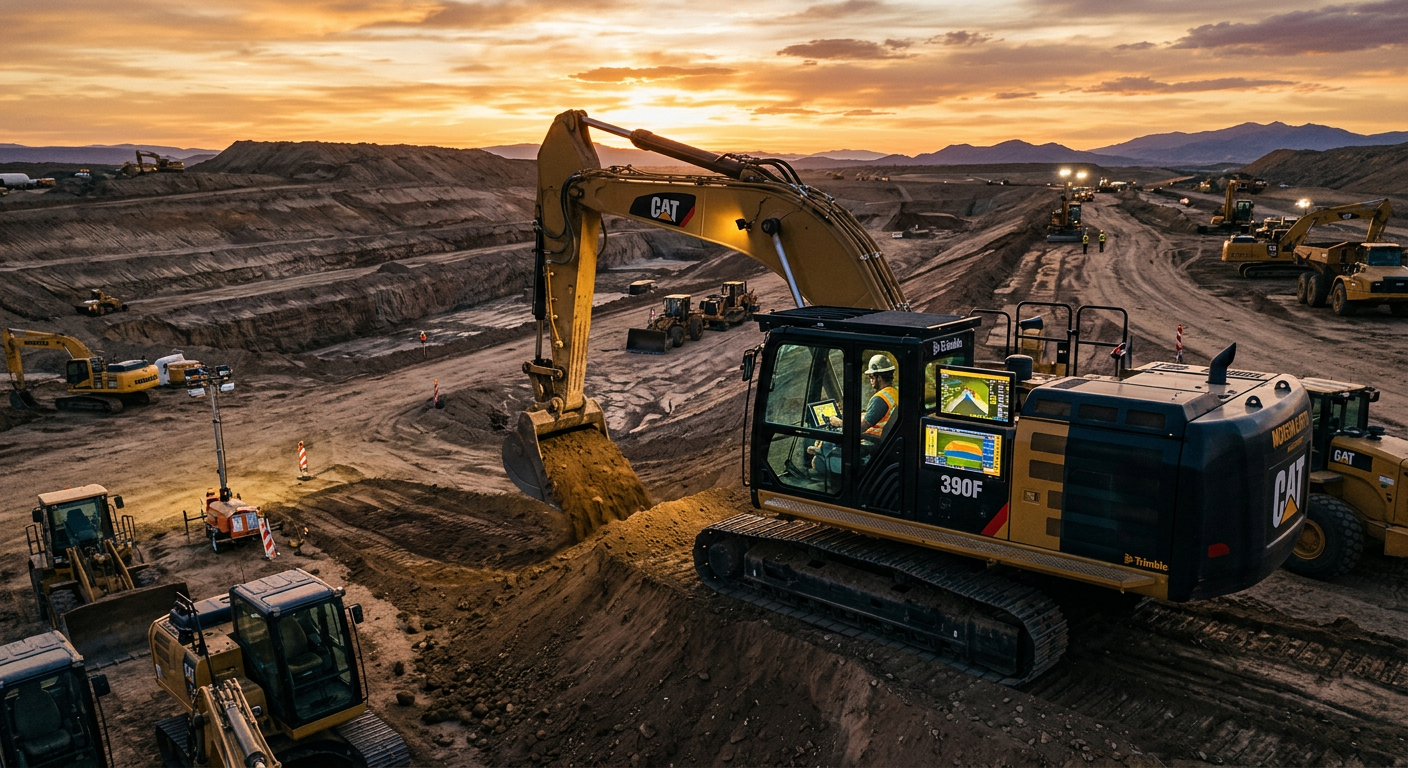
Grade Control and GPS: Automated grade control systems allow less experienced operators to achieve precision that previously required decades of skill development. An operator with two years of experience running GPS-equipped equipment can often match the productivity of a 20-year veteran on a conventional machine.
Telematics and Utilization: Fleet management systems identify inefficiencies that waste operator time. Better scheduling, reduced idle time, and optimized routing mean existing operators accomplish more per shift. Some contractors report 15-20% productivity gains from telematics optimization alone.
Remote Operation: While still emerging, remote equipment operation allows a single skilled operator to manage multiple machines. Currently practical mainly for repetitive tasks in controlled environments, the technology is advancing rapidly. Within five years, one operator supervising three or four remote machines may become common for specific applications.
Autonomous Features: Semi-autonomous capabilities—automatic blade control, collision avoidance, preset operating cycles—reduce operator cognitive load and enable faster training. Operators learn to supervise and manage rather than constantly control, accelerating competency development.
Retention Over Recruitment
The cheapest operator to hire is the one you already have. Smart contractors are investing heavily in retention.
Compensation Adjustments: Entry-level operator pay has increased 18% nationally since 2023. Top-tier operators in competitive markets command $40+/hour with overtime. For contractors, paying premium wages beats the cost of constant recruiting and training.
Quality of Life: The “work you to death” mentality is evolving. Younger operators prioritize work-life balance. Contractors offering predictable schedules, local work, and reasonable hours find retention rates 30-40% higher than those demanding constant travel and 60-hour weeks.
Career Pathing: Clear advancement opportunities keep operators engaged. Progression from operator to trainer to supervisor to fleet manager gives ambitious workers long-term vision. Those who see a future stay longer.
Equipment Quality: Operators care what they drive. Modern, well-maintained equipment attracts and retains better than worn-out iron. Climate control, comfortable seats, quality radios, and working HVAC aren’t luxuries—they’re retention tools.
The Economics of the Shortage
Labor scarcity has ripple effects throughout the equipment ecosystem.
Used Equipment Premiums
With fewer operators available, contractors focus on maximizing existing fleet utilization rather than expansion. Demand for reliable used equipment—machines that can be put to work immediately—has pushed secondary market prices 25-35% above 2019 levels for popular models.
Maintenance Prioritization
Downtime costs more when every machine represents a larger share of productive capacity. Preventive maintenance programs have shifted from “nice to have” to “essential.” A machine in the shop means an operator with nothing to run—an increasingly expensive proposition.
Project Timelines
Bids now routinely include longer timelines reflecting realistic labor availability. Clients are accepting 10-15% extended schedules rather than risk contractor default or quality issues from overextended crews.
Rental Demand
Contractors increasingly rent additional equipment for specific phases rather than hiring operators full-time. This “scale up for peaks” model reduces labor management burden while maintaining capability for larger projects.
Regional Variations
The operator shortage isn’t uniform across North America. Understanding regional dynamics helps contractors plan workforce strategies.
Texas and the Southwest: Oil and gas competition pulls operators toward higher-paying energy sector work. Construction contractors in Texas, Oklahoma, and New Mexico face the steepest competition, with operator wages running 10-15% above national averages.
Pacific Northwest: Strong construction markets combined with quality-of-life appeal create high demand and relatively strong supply. Seattle and Portland contractors report less severe shortages than the national average.
Rural America: Small-town and rural contractors face unique challenges. Limited local labor pools, difficulty attracting relocating workers, and minimal training infrastructure create particularly acute shortages. Many rely heavily on operators willing to travel.
Canada: Alberta’s resource sector fluctuations create boom-and-bust operator availability. Ontario and British Columbia face immigration-driven population growth that increases construction demand faster than workforce capacity.
What’s Ahead: 2026-2030
The operator shortage isn’t resolving soon. Infrastructure spending will maintain demand while demographic headwinds persist. However, several factors may gradually ease pressure over the coming years.
Training Capacity Expansion: Industry-funded training programs are scaling rapidly. The cumulative impact of increased training throughput should become visible by 2027-2028.
Technology Acceleration: Each advancement in automation and operator assistance reduces the skill threshold for productive operation. Entry-level operators become useful faster.
Wage Equilibrium: As operator compensation rises, the career becomes more attractive to potential entrants. The gap between construction and competing industries is narrowing.
Cultural Shift: The trades are experiencing a modest rehabilitation in public perception. Social media content celebrating skilled work, combined with student debt backlash, is influencing career choices. This cultural shift takes time but appears genuine.
Practical Implications for Fleet Managers
For those managing equipment fleets today, several actionable strategies emerge from understanding the shortage landscape:
-
Invest in retention before recruitment. Keeping your current operators costs less than replacing them. Audit compensation, equipment quality, and working conditions.
-
Embrace technology that multiplies operator productivity. GPS, telematics, and automated features deliver ROI through increased output per operator hour.
-
Build training partnerships. Relationships with local community colleges, trade schools, and workforce development boards create future operator pipelines.
-
Consider non-traditional candidates. Expand recruiting beyond the usual sources. Veterans, career changers, and underrepresented demographics offer untapped potential.
-
Plan for the shortage. Bid projects with realistic labor assumptions. Build in timeline flexibility. Don’t overcommit based on capacity you can’t staff.
The operator shortage represents the construction industry’s most significant challenge in decades. But challenges create opportunities. Contractors who adapt—embracing new training approaches, new technologies, and new demographics—will emerge stronger. Those who wait for the market to solve itself may find themselves without the workforce to compete.
Market analysis based on industry reports, Bureau of Labor Statistics data, and Equipment Insider research. For more industry insights, follow Equipment Insider on X/Twitter and LinkedIn.