The Heavy Equipment Workforce Crisis: Strategies for 2026
With 40% of equipment operators nearing retirement, contractors face an unprecedented labor challenge. Here's how the industry is adapting.
The heavy equipment industry is facing a workforce crisis that threatens to reshape operations across construction, mining, and infrastructure development. With an estimated 40% of current equipment operators expected to retire within the next decade, contractors and fleet operators are scrambling to develop strategies that will ensure operational continuity while maintaining safety and productivity standards.
This isn’t merely a human resources challenge—it’s an existential threat to project timelines, equipment utilization rates, and ultimately, the bottom line for thousands of companies nationwide.
The Scope of the Problem
The numbers tell a sobering story. According to recent industry surveys, the average age of a heavy equipment operator in the United States is now 52 years old. The pipeline of new talent entering the field has slowed to a trickle, with vocational programs reporting declining enrollment and employers competing fiercely for the limited pool of qualified candidates.
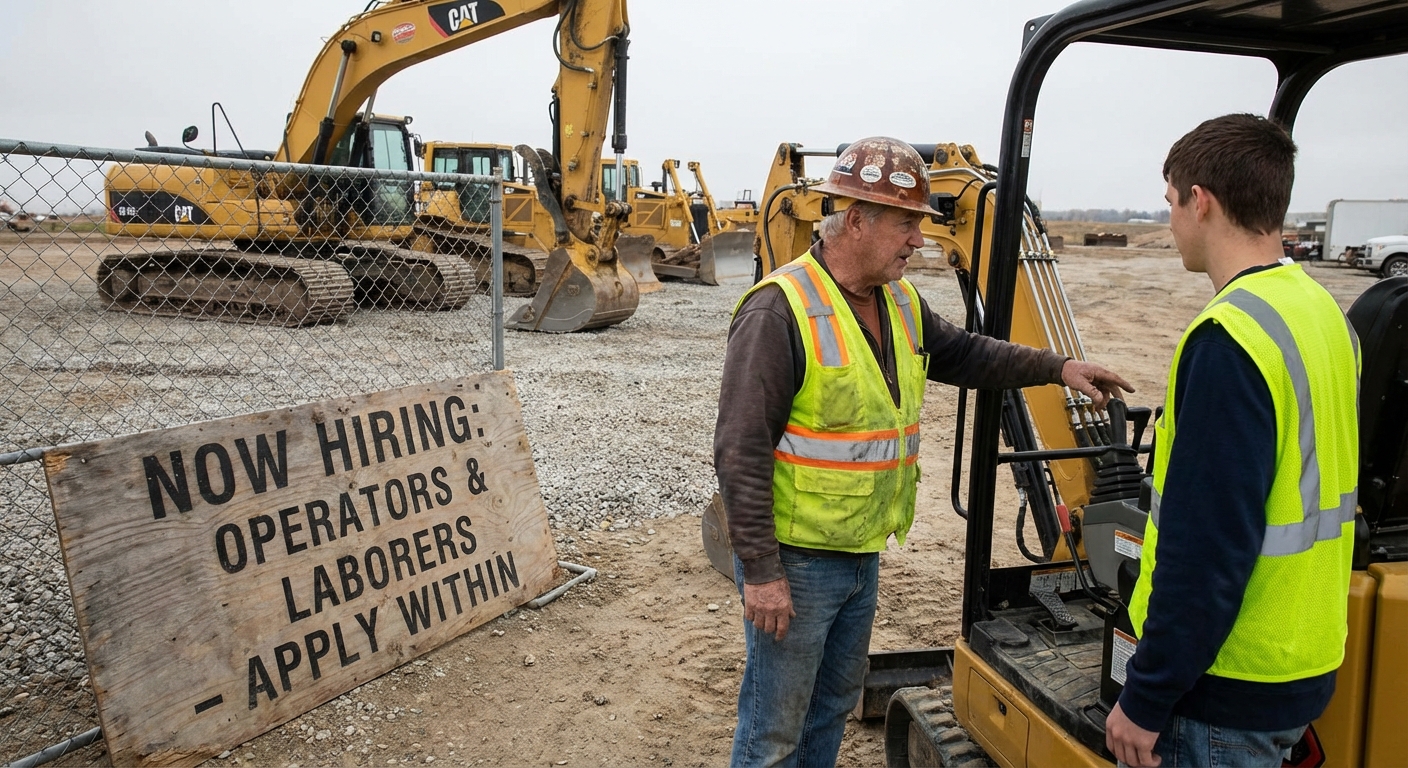
“We’re seeing project delays not because of material shortages or permitting issues, but because we simply can’t find enough qualified operators,” explains James Morrison, fleet manager for a major Midwest contractor. “It’s become our number one operational challenge.”
The problem is particularly acute in specialized equipment categories. Operators skilled in running complex machinery like large excavators, motor graders, and pipelayers are increasingly rare. These positions require years of experience to master, and the knowledge transfer from retiring veterans to new operators isn’t happening fast enough.
Root Causes of the Shortage
Several factors have converged to create this perfect storm of workforce challenges:
Demographic Shifts
The Baby Boomer generation, which has formed the backbone of the skilled trades workforce for decades, is aging out of the industry. Unlike previous generational transitions, there isn’t a sufficient number of younger workers ready to step into these roles.
Educational Pipeline Gaps
For years, high schools de-emphasized vocational education in favor of college-preparatory curricula. This shift left a generation of potential tradespeople without clear pathways into skilled equipment operation careers. While recent years have seen renewed interest in trade education, the damage to the pipeline will take years to repair.
Perception Challenges
Despite offering competitive wages—often exceeding $80,000 annually for experienced operators—and genuine career advancement opportunities, the construction industry struggles with image problems. Many young people simply don’t consider equipment operation as a viable career path, viewing it as physically demanding work with limited upside.
Competition from Other Sectors
The transportation, logistics, and technology sectors are all competing for workers with similar skill sets. Companies like Amazon and UPS offer competitive wages for equipment operators, often with more predictable schedules and climate-controlled environments.
Strategies That Are Working
Forward-thinking contractors and equipment dealers have developed several approaches that show promise in addressing the workforce challenge:
In-House Training Programs
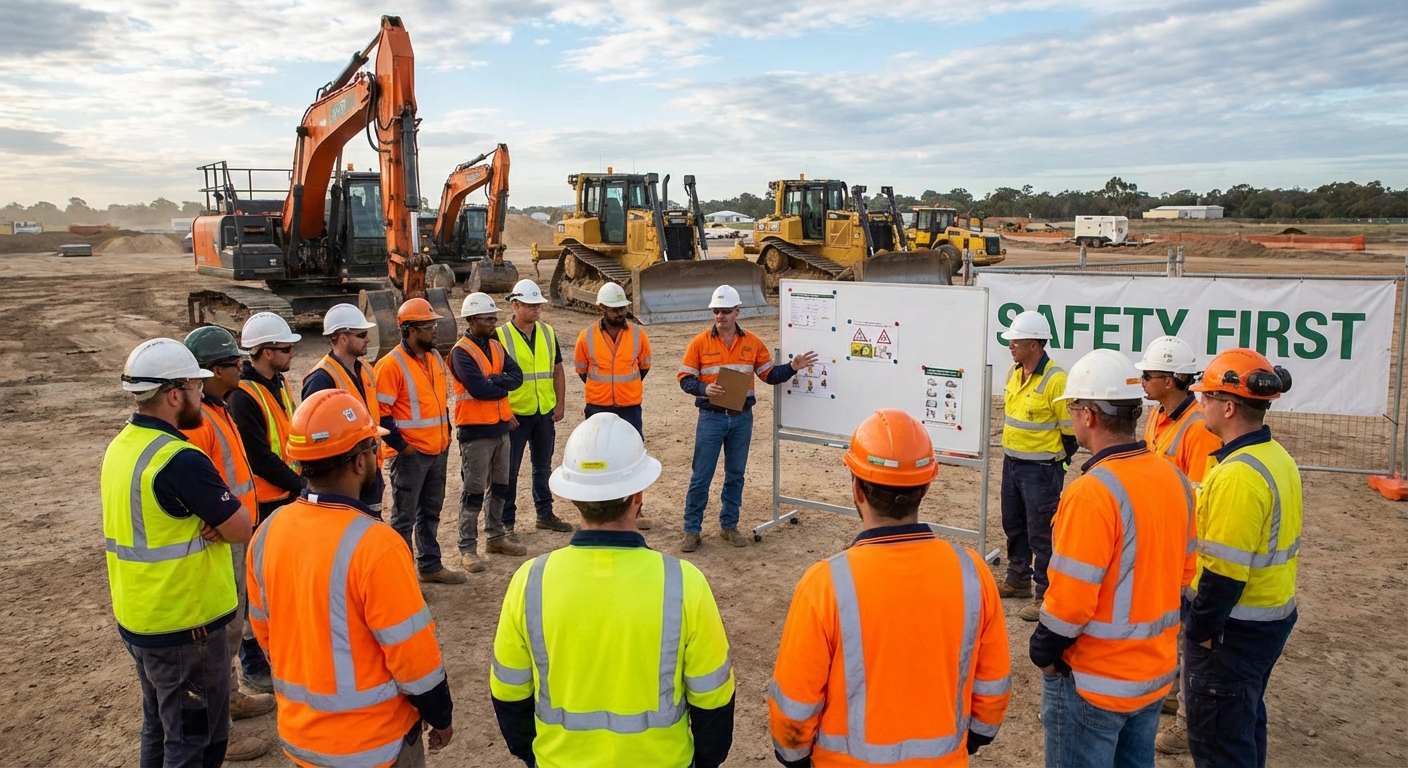
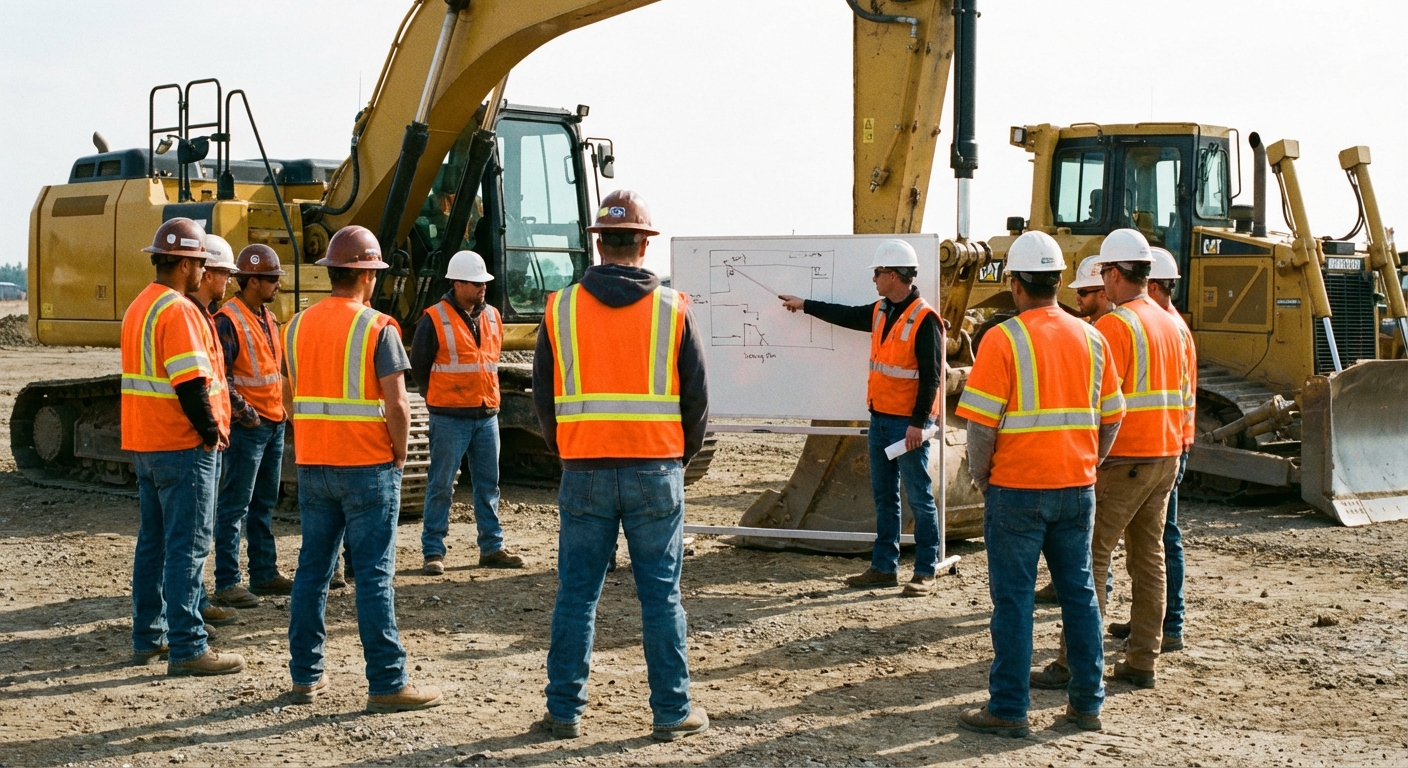
Major contractors are increasingly building their own training academies. These programs take candidates with basic mechanical aptitude and develop them into skilled operators over 12-24 month programs.
“We invested $2.3 million in our operator training center three years ago,” reports Sarah Hendricks, HR Director at a national civil contractor. “It seemed expensive at the time, but we’ve graduated 87 operators who are now productive members of our fleet team. The ROI has been tremendous.”
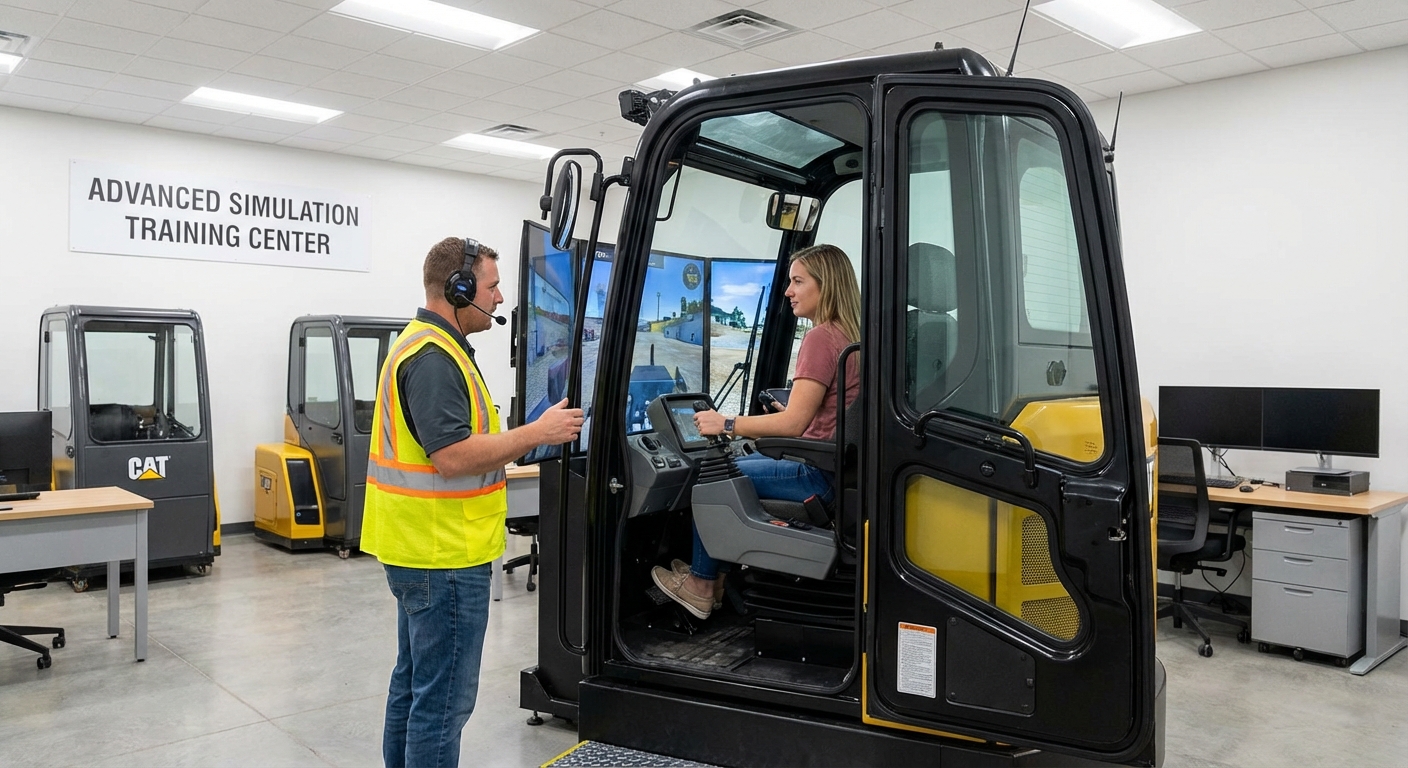
These programs typically combine classroom instruction with simulator training before progressing to supervised operation of actual equipment. The structured approach reduces the time to competency while ensuring safety standards are maintained.
Simulator Technology
Modern training simulators have reached a level of fidelity that makes them genuinely useful for skill development. Operators can practice complex maneuvers, experience equipment failures, and develop muscle memory without risking damage to expensive machinery or injury to personnel.
The latest telematics and fleet management technologies are also being integrated into training programs, preparing new operators for the data-driven nature of modern equipment operation.
Partnerships with Vocational Schools
Equipment dealers and contractors are forging closer relationships with community colleges and vocational training programs. These partnerships often include equipment donations, instructor support, and guaranteed job placements for program graduates.
Veterans Transition Programs
Military veterans, particularly those with experience operating heavy equipment in engineering and logistics roles, represent an underutilized talent pool. Several industry associations have developed programs specifically designed to facilitate the transition of veterans into civilian equipment operation roles.
Retention Focus
With qualified operators in such short supply, retention has become as important as recruitment. Competitive compensation, clear advancement pathways, and improved working conditions are all part of the retention toolkit.
The Role of Technology
Technology is playing an increasingly important role in addressing workforce challenges, though it’s not the complete solution some had hoped for.
Automation and Assistance Systems
While fully autonomous equipment operation remains largely confined to controlled mining environments, semi-autonomous features are making equipment more accessible to less experienced operators. Grade control systems, collision avoidance technology, and assisted operation modes can all help newer operators achieve productivity levels that previously required years of experience.
As we’ve explored in our coverage of GPS grade control technology, these systems are becoming standard equipment rather than premium options.
Remote Operation
Remote operation technology allows experienced operators to oversee multiple machines or work from more comfortable environments. This can extend the productive careers of aging operators who may no longer want to spend full days in equipment cabs, while also making the profession more attractive to workers who prioritize work-life balance.
Knowledge Capture
Smart contractors are using technology to capture the institutional knowledge of retiring operators before it walks out the door. Video documentation, structured interviews, and even AI-assisted knowledge bases are being developed to preserve decades of operational wisdom.
Regional Variations
The workforce challenge varies significantly by region. Areas with strong unions and established apprenticeship programs, such as the Northeast, have maintained better talent pipelines than regions where such structures are less prevalent.
Sun Belt states, experiencing rapid construction growth, face particularly acute shortages as demand outpaces the available workforce. Conversely, areas with declining construction activity sometimes have surplus operators—though these workers may require retraining for different equipment types or regional work practices.
What Fleet Operators Can Do
For fleet operators facing immediate workforce challenges, several tactical approaches can help:
Cross-training programs that allow operators to work multiple equipment types increase scheduling flexibility and reduce vulnerability to individual absences.
Competitive compensation analysis ensures wages keep pace with market conditions. Many operators are surprised to learn they could earn 15-20% more by switching employers.
Workplace culture investments including updated facilities, modern equipment with comfortable cabs, and respectful management practices improve retention.
Apprenticeship programs even at small scale can begin building internal talent pipelines.
Relationships with staffing agencies that specialize in skilled trades can provide surge capacity during peak periods.
Looking Ahead
The workforce crisis won’t be solved quickly or easily. Industry leaders expect the tight labor market to persist through at least 2030, with gradual improvement as training programs scale up and technology reduces the skill requirements for certain tasks.
The contractors who will thrive are those investing now in comprehensive workforce development strategies. Those who wait for the market to solve itself may find their growth limited by their inability to staff equipment—regardless of how many machines they own.
Editor’s Note: Workforce challenges affect every aspect of fleet operations, from equipment utilization to maintenance scheduling. Tools like FieldFix help contractors maximize productivity by streamlining work order management and technician dispatch—critical capabilities when every hour of operator time matters.