Supply Chain Recovery: Heavy Equipment Parts Availability in 2026
After three years of disruption, parts supply chains are stabilizing. We assess current availability, remaining bottlenecks, and what contractors should expect.
The supply chain disruptions that plagued the heavy equipment industry from 2021 through 2024 are finally receding. Parts availability has improved significantly across most categories, lead times have shortened, and the panic ordering that exacerbated shortages has subsided.
But recovery isn’t complete. Certain components remain constrained, some supply chain practices have permanently changed, and the experience has reshaped how contractors think about parts inventory and maintenance planning.
The Current State
By most measures, parts availability has returned to near-normal levels:
OEM parts availability from major manufacturers now exceeds 95% for standard maintenance items and common wear components—up from low points around 75% during peak disruption periods.
Lead times for non-stocked items have shortened to 1-3 weeks for most components, compared to 8-12 weeks during the worst periods.
Pricing inflation has moderated, though prices haven’t retreated. Most parts remain 15-25% above pre-pandemic levels, reflecting both legitimate cost increases and pricing power exercised during shortage periods.
Aftermarket availability has recovered somewhat faster than OEM channels, as independent manufacturers expanded capacity to capture share during OEM shortages.
Remaining Bottlenecks
Despite overall improvement, certain categories continue experiencing constraints:
Electrical and Electronic Components
Semiconductors and electronic control modules remain the most persistent supply chain challenge. Modern equipment relies on numerous electronic components, and the global semiconductor shortage—while improved—continues affecting availability.
Engine control modules, telematics units, and operator display panels often carry extended lead times. Contractors should plan for potential delays when ordering electronic components.
Specialty Seals and Gaskets
Custom-molded seals and gaskets for hydraulic components have been slow to recover. The specialized tooling required for these parts creates bottlenecks when demand surges.
Large Castings and Forgings
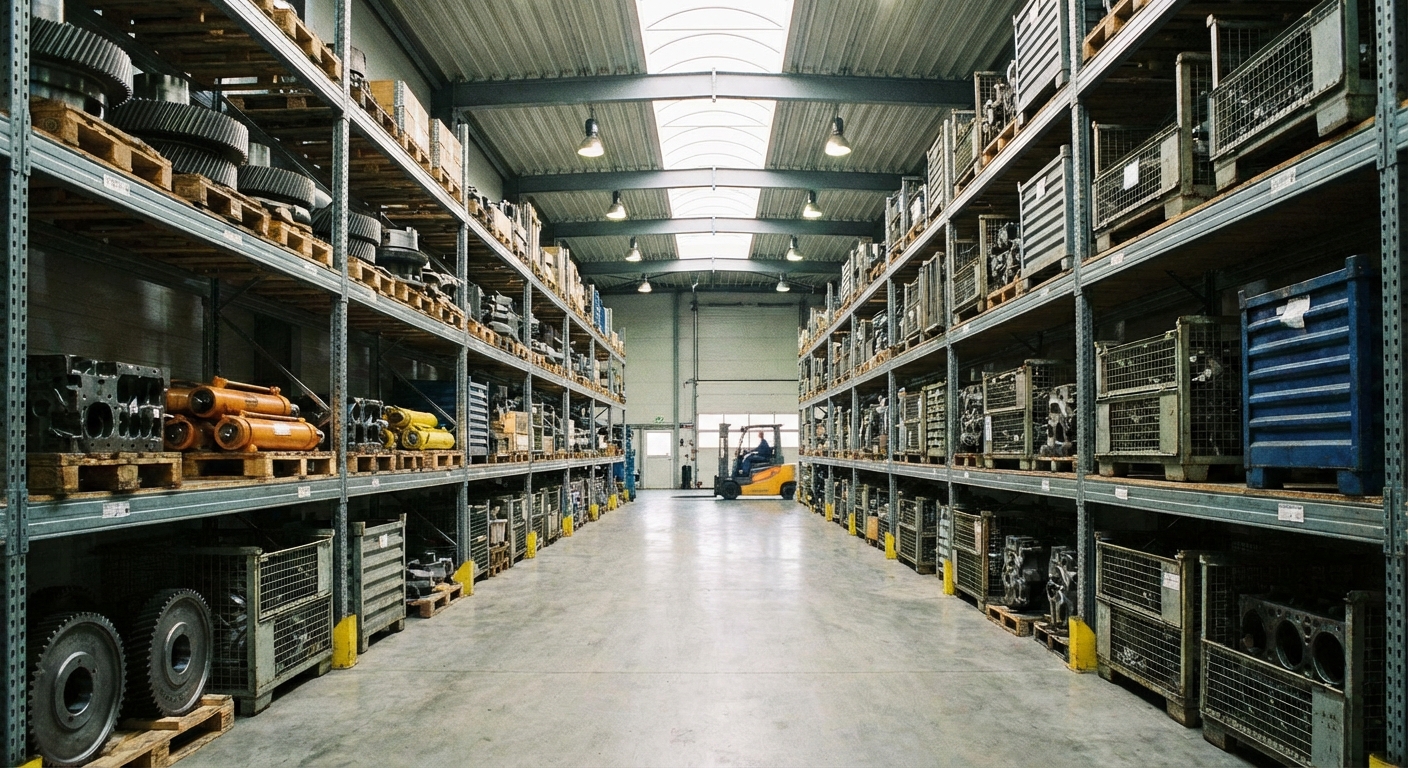
Major structural components like track frames, swing bearings, and large gears involve specialized manufacturing with limited global capacity. These components typically require extended lead time planning.
Tier 4 Emissions Components
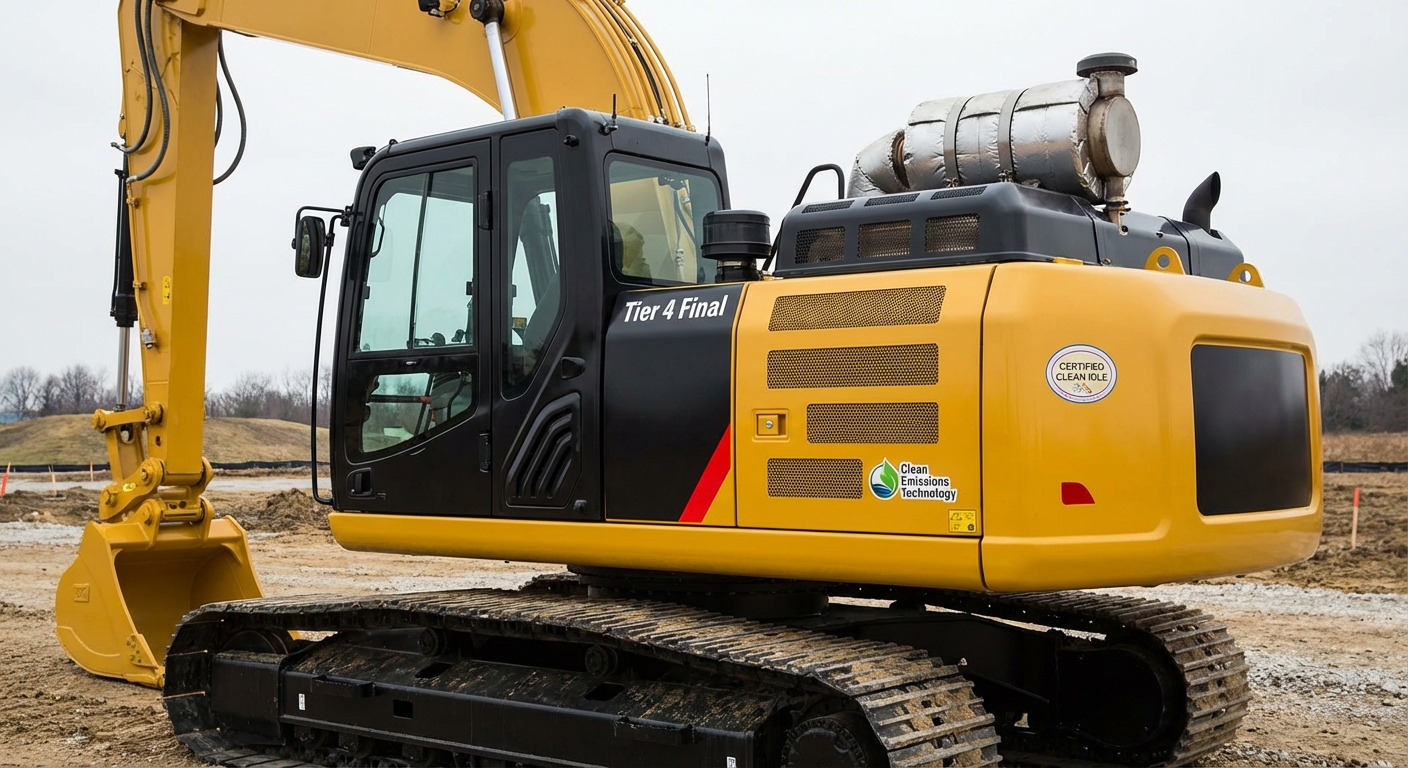
Diesel particulate filters, selective catalytic reduction components, and associated sensors remain tightly supplied. The specialized materials and manufacturing processes for emissions components create ongoing constraints.
Structural Changes
The supply chain experience has driven structural changes that will persist:
Increased Inventory Investment
Both dealers and contractors have increased parts inventory levels. The pain of equipment downtime due to parts unavailability has motivated higher inventory investment despite the carrying costs.
“We’ve permanently increased our parts stocking levels by about 30%,” reports a Midwest dealer’s parts manager. “We can’t afford to lose customer confidence again. The inventory cost is real, but so is the cost of disappointing customers.”
Diversified Sourcing
Dependence on single suppliers has been reduced where possible. Manufacturers and dealers have qualified alternative sources for critical components, accepting some quality variation risk to gain supply security.
Regionalized Production
Some components are being reshored or nearshored to reduce dependence on overseas manufacturing. While complete reshoring remains impractical for most components, increased regional capacity provides backup options.
Digital Inventory Visibility
Investment in inventory management systems has accelerated. Better visibility into parts availability—both within organizations and across supply networks—enables more proactive parts procurement.
What Contractors Should Do
For contractors managing equipment fleets, several practices can mitigate parts availability risks:
Critical Parts Inventory
Maintaining inventory of critical parts—those where failure causes extended downtime and long lead times—provides insurance against supply disruptions. Engine filters, hydraulic filters, common seals, and wear items merit onsite stocking.
The investment required is typically modest compared to downtime costs. A $5,000 parts inventory that prevents a single day of excavator downtime pays for itself quickly.
Predictive Maintenance
Telematics and equipment monitoring enable predictive maintenance that identifies parts needs before failures occur. Ordering parts based on condition monitoring provides lead time for procurement even when supply is constrained.
Supplier Relationships
Strong relationships with equipment dealers, independent parts suppliers, and mobile service providers provide access when parts are scarce. During shortage periods, parts often went first to preferred customers.
Used and Rebuilt Components
Rebuilt and used components provide alternatives when new parts are unavailable. Establishing relationships with component rebuilders and used parts sources creates options during constraints.
Advance Planning
Major repairs and rebuilds should be planned with adequate lead time for parts procurement. Rushed orders during supply constraints often face extended delays.
Aftermarket vs. OEM
The supply chain experience shifted some purchasing toward aftermarket parts, and that shift appears permanent for some customers.
Quality perception has improved for reputable aftermarket suppliers. Contractors who tried aftermarket parts out of necessity during shortages often found acceptable quality at lower prices.
Availability advantages persist in some categories. Aftermarket suppliers with more flexible manufacturing can respond faster to demand than OEM supply chains.
Warranty considerations remain important. OEM parts typically come with equipment warranty coverage that aftermarket parts may not provide.
Critical vs. non-critical distinctions guide many purchasing decisions. Contractors often use OEM parts for critical components while accepting aftermarket for wear items and consumables.
Pricing Outlook
Parts prices are unlikely to return to pre-pandemic levels. Several factors sustain higher prices:
Input cost increases for steel, rubber, electronics, and other materials have been only partially absorbed. Manufacturers pass remaining costs to customers.
Labor cost inflation in manufacturing and distribution adds to parts pricing.
Inventory investment throughout the supply chain requires higher margins to generate acceptable returns on increased working capital.
Reduced competition as some aftermarket suppliers exited during disruption leaves fewer competitive pressures.
Contractors should budget for parts costs 15-25% above historical norms for the foreseeable future.
Lessons Learned
The supply chain disruption period offers lessons that should inform ongoing practices:
Inventory matters. Just-in-time approaches that minimize parts inventory increase vulnerability to supply disruptions. Some inventory investment is prudent risk management.
Relationships matter. Customers who maintained strong dealer relationships and represented meaningful volume fared better during shortages than transactional buyers.
Visibility matters. Organizations with clear insight into parts requirements and supply conditions made better decisions than those operating blind.
Alternatives matter. Having qualified backup sources—whether OEM alternatives, aftermarket suppliers, or rebuilt component sources—provides options when primary channels fail.
Looking Forward
Industry observers expect continued improvement through 2026, with parts availability approaching full normalization by year-end. However, the lesson of the past several years is that supply chain stability can’t be taken for granted.
Geopolitical tensions, natural disasters, labor actions, and other disruptions can rapidly undo supply chain progress. Contractors who maintain prudent inventory levels, diversified supplier relationships, and good visibility into parts requirements will be better positioned to weather future disruptions.
The supply chain crisis has passed, but the practices it taught remain valuable.
For more on fleet maintenance and operations, see our coverage of mobile repair services and telematics adoption.