Equipment Insurance Trends 2025: Rising Costs and Changing Coverage Requirements
Equipment insurance premiums have increased 15-25% over three years. Understanding market dynamics helps contractors manage risk effectively.
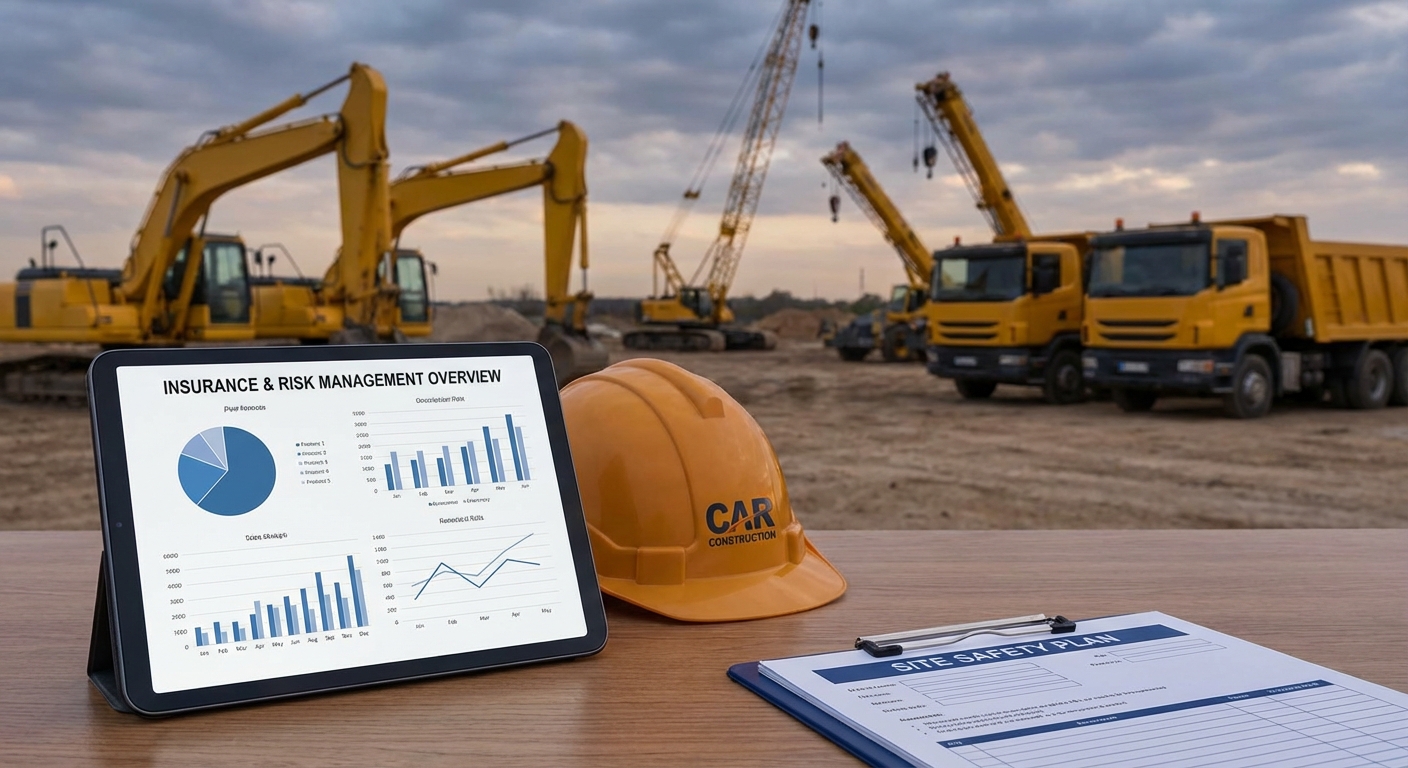
Equipment insurance costs have risen significantly over recent years, pressuring contractor operating budgets. Understanding the factors driving insurance market changes helps contractors make informed decisions about coverage, risk management, and cost control.
This analysis examines current equipment insurance market conditions and strategies for managing coverage costs.
Market Overview
The insurance market for construction equipment has tightened considerably:
Premium increases: Equipment insurance premiums have increased 15-25% cumulatively over the past three years. Some contractors have seen larger increases depending on claims history and coverage terms.
Coverage restrictions: Insurers have tightened policy terms, adding exclusions and increasing deductibles. Coverage that was standard previously may now require negotiation or additional premium.
Underwriting scrutiny: Insurers are evaluating risks more carefully. Applications require more detail, and underwriters ask more questions about operations, equipment, and loss prevention.
Carrier capacity: Some insurers have reduced appetite for construction equipment risk. Fewer carriers actively competing in the market reduces options for price-sensitive buyers.
Cost Drivers
Several factors are driving insurance cost increases:
Claims Experience
Industry claims experience has worsened:
Theft increases: Equipment theft has increased, particularly for compact equipment that’s easier to transport. Organized theft operations have become more sophisticated.
Repair costs: Equipment repair costs have increased substantially due to parts cost inflation, technology complexity, and labor shortages. Claims that might have been repaired previously are now total losses.
Natural disasters: Increased frequency and severity of weather events has elevated catastrophic loss exposure.
Replacement Value Increases
Equipment values have increased significantly:
New equipment prices: Equipment prices have increased 15-30% over recent years. Insurance coverage limits must reflect current replacement costs.
Used equipment values: Strong used equipment markets mean older equipment retains higher values, increasing exposure.
Attachment values: Specialized attachments represent significant value often under-reported on insurance applications.
Repair Complexity
Modern equipment repair presents challenges:
Technology: Advanced electronics, telematics, and computer controls require specialized repair capabilities.
Parts availability: Supply chain issues have extended repair timelines and increased costs.
Repair facility capacity: Shortage of qualified repair facilities creates bottlenecks and cost pressure.
Fraud and Abuse
Insurance fraud affects pricing:
Staged losses: Fraudulent claims for manufactured or exaggerated losses increase costs across the market.
Inflated claims: Legitimate losses with inflated valuations or scope increase claim costs.
Premium fraud: Underreporting of equipment or operations to reduce premiums creates adverse selection.
Coverage Types
Understanding coverage options helps contractors optimize protection:
Inland Marine (Equipment Floater)
The primary coverage type for construction equipment:
What it covers: Physical damage to equipment from covered perils (typically “all risk” subject to exclusions). Coverage applies while equipment is in use, in transit, and in storage.
Key terms:
- Scheduled equipment (specific items listed with values)
- Blanket coverage (coverage up to limit without scheduling each item)
- Replacement cost vs. actual cash value
- Deductibles (per occurrence, per equipment, aggregate)
Common exclusions: Wear and tear, mechanical breakdown (unless caused by covered peril), operator error, pollution damage.
Physical Damage
Covers damage to equipment from accidents, weather, vandalism, and other physical perils.
Total loss provisions: How total losses are valued—replacement cost, actual cash value, or stated amount—significantly affects claim settlements.
Partial loss provisions: Coverage for repairs, including parts and labor. Some policies limit coverage for certain types of damage (e.g., glass, tires, tracks).
Theft Coverage
Theft is typically covered under equipment policies, but terms matter:
Mysterious disappearance: Whether coverage applies when equipment vanishes without evidence of theft varies by policy.
Security requirements: Some policies require specific security measures (GPS tracking, immobilizers, secure storage) for theft coverage.
Deductibles: Theft deductibles may differ from other perils.
Rental Equipment
Coverage for rented equipment requires attention:
Rental agreement requirements: Rental contracts typically require renters to insure equipment or accept responsibility for loss.
Loss of use: Rental companies may charge for lost rental income during repair—coverage for this exposure varies.
Physical damage waivers: Rental company damage waivers provide coverage but at significant cost.
Business Interruption
Coverage for income loss when equipment is unavailable:
Extra expense: Coverage for additional costs to maintain operations during equipment repairs or replacement.
Rental reimbursement: Coverage for costs to rent replacement equipment.
Waiting periods: Policies typically impose waiting periods before coverage begins.
Risk Management Strategies
Effective risk management can improve insurance terms and reduce losses:
Theft Prevention
Addressing theft exposure is critical:
GPS tracking: Telematics systems with location tracking enable recovery and deter theft. Some insurers offer premium credits for equipped fleets.
Physical security: Fencing, lighting, and secure storage reduce theft opportunity.
Key control: Managing keys and access codes limits unauthorized equipment use.
Equipment identification: Serialization, hidden identification marks, and equipment registries support recovery.
Loss Prevention
Reducing accident and damage frequency:
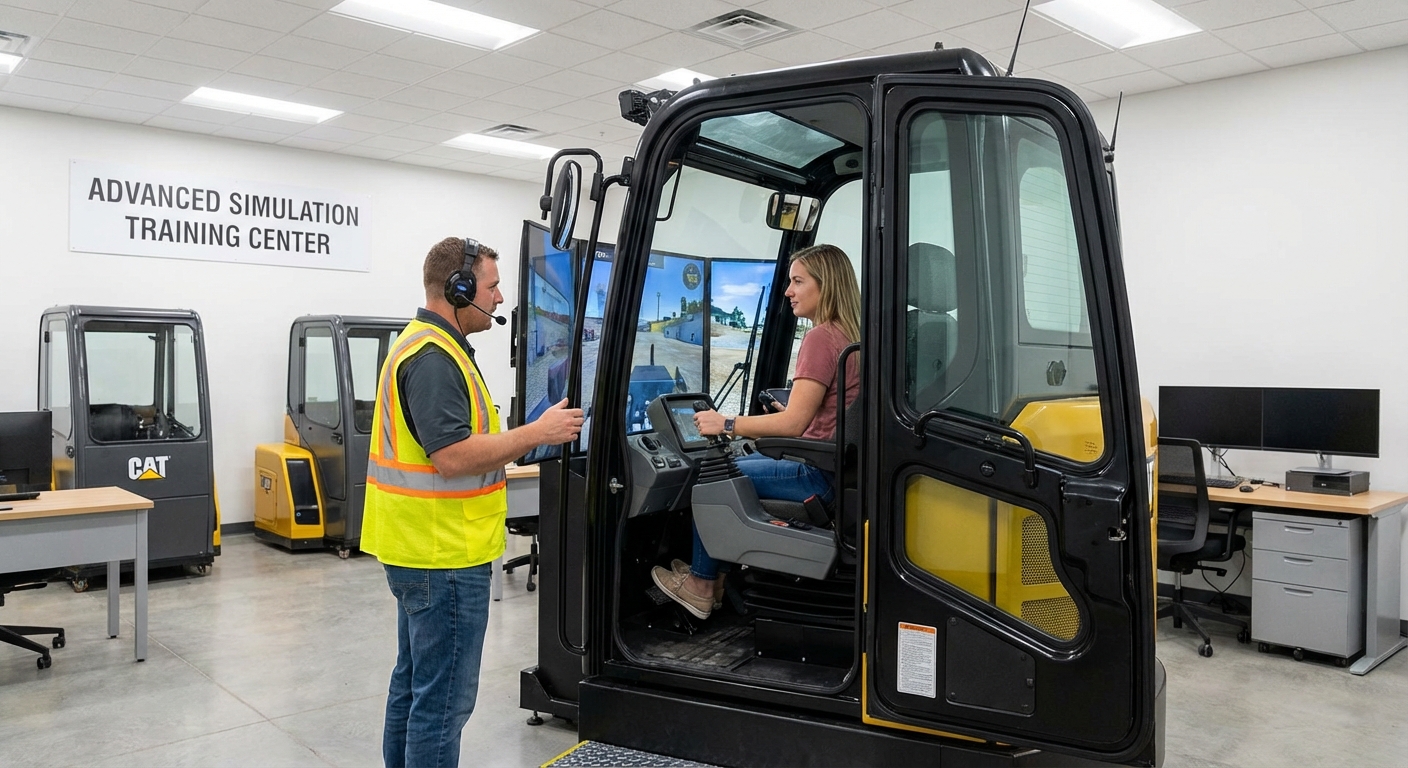
Operator training: Well-trained operators have fewer accidents. Document training programs.
Maintenance programs: Properly maintained equipment operates more safely. Documented maintenance demonstrates risk management.
Safety protocols: Clear procedures for equipment operation, transport, and storage reduce exposure.
Supervision: Active supervision ensures procedures are followed.
Documentation
Good documentation supports insurance relationships:
Equipment records: Accurate schedules with current values, serial numbers, and specifications.
Maintenance records: Documentation demonstrating ongoing equipment care.
Loss history: Detailed records of any losses including circumstances and corrective actions.
Training records: Documentation of operator training and qualification.
Insurance Shopping Strategies
Optimizing insurance costs requires strategic approach:
Market Access
Working with appropriate intermediaries:
Specialist brokers: Brokers specializing in construction understand equipment exposures and have relationships with appropriate carriers.
Market comparison: Obtain quotes from multiple carriers to ensure competitive pricing.
Coverage analysis: Focus on coverage quality, not just price. Cheaper policies may have significant coverage gaps.
Application Quality
Presenting risk effectively:
Accurate information: Provide accurate, complete information on applications. Discovered inaccuracies create problems.
Risk narrative: Explain operations, risk management practices, and positive factors that distinguish your risk.
Loss information: Be prepared to explain past losses and corrective actions taken.
Coverage Optimization
Structuring coverage efficiently:
Deductible analysis: Higher deductibles reduce premium; evaluate appropriate deductible level based on loss history and financial capacity.
Valuation method: Understand how equipment is valued and ensure coverage reflects actual exposure.
Coverage limits: Ensure limits are adequate for exposures, including newly acquired equipment and seasonal peak values.
Risk Improvement
Investing in loss prevention:
Security upgrades: Investments in theft prevention may pay for themselves through premium credits and avoided losses.
Training programs: Formal training programs demonstrate commitment to loss prevention.
Safety programs: Comprehensive safety programs improve risk profile.
Working with Insurers
Effective insurer relationships support favorable coverage:
Communication
Maintaining appropriate contact:
Regular updates: Keep insurers informed of significant changes in operations, equipment, or exposures.
Renewal preparation: Begin renewal discussions early; provide updated information in advance.
Claims communication: Report losses promptly; cooperate with investigations; provide requested documentation.
Claims Management
Handling claims effectively:
Prompt reporting: Report losses immediately as required by policy terms.
Documentation: Photograph damage, obtain repair estimates, preserve evidence.
Mitigation: Take reasonable steps to prevent additional damage.
Professional assistance: Consider public adjusters for complex claims.
Technology Impacts
Technology is changing equipment insurance:
Telematics data: Insurers increasingly use telematics data for underwriting and claims investigation. Connected equipment may qualify for improved terms.
Digital documentation: Modern fleet management platforms can provide documentation supporting insurance applications and claims.
Predictive analytics: Insurers are using data analytics to identify and price risks more precisely.
Looking Forward
Insurance market outlook:
Continued pressure: Factors driving insurance cost increases remain present. Expect continued upward pressure on premiums.
Differentiation: Insurers increasingly differentiate pricing based on risk quality. Well-managed fleets may see better outcomes than market averages.
Technology requirements: Expect technology—telematics, cameras, security systems—to become more important in underwriting.
For contractors, proactive risk management and strategic insurance purchasing are essential for managing this significant operating cost.
For related coverage, see our analysis of OSHA safety regulations and fleet management technology.