OSHA Safety Regulations Update: What Changed for Equipment Operators in 2025
New and updated OSHA regulations affecting heavy equipment operations require contractor attention. Here's what you need to know for compliance.
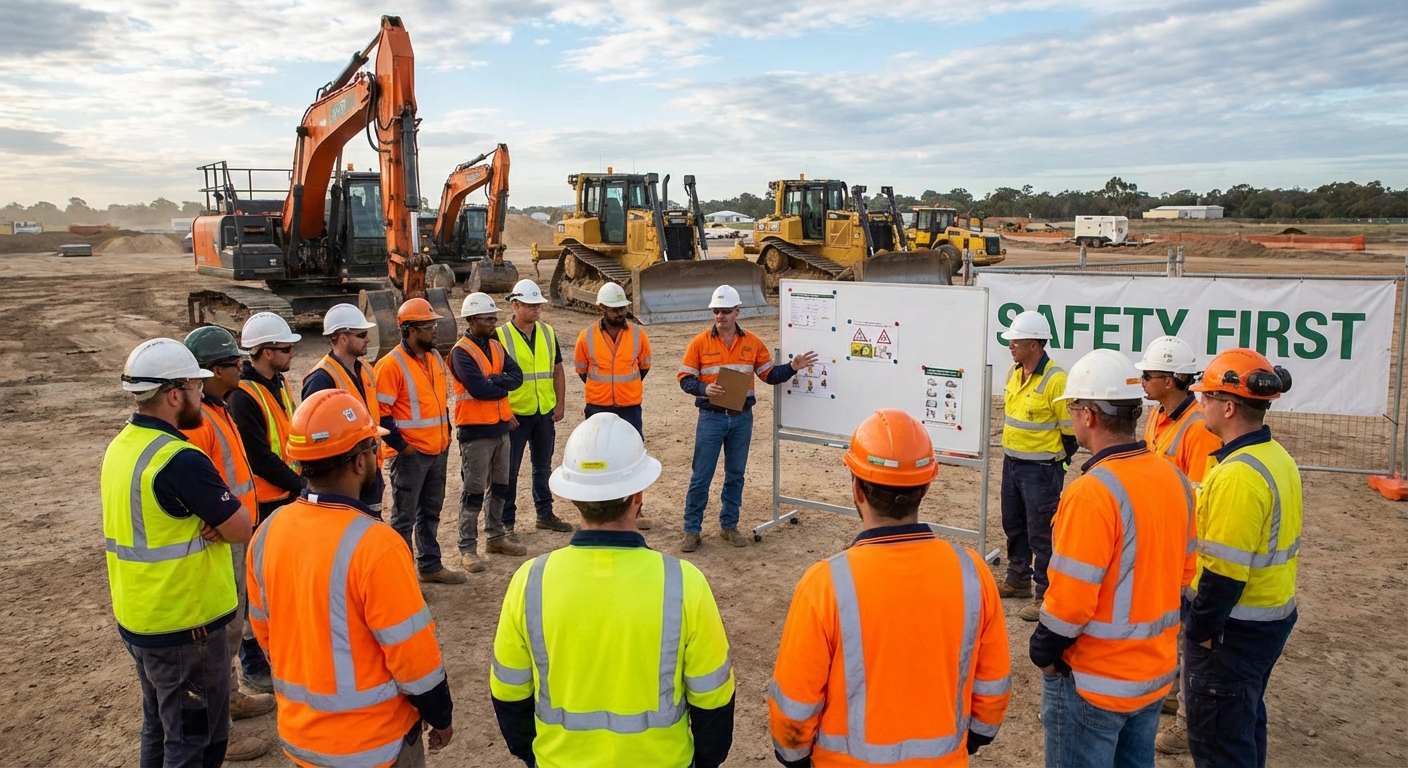
The Occupational Safety and Health Administration (OSHA) continues updating regulations affecting construction equipment operations. Staying current with regulatory requirements protects workers, avoids citations, and supports insurance and project qualification requirements. This overview summarizes key regulations affecting equipment operators and recent changes requiring contractor attention.
Equipment Operation Requirements
OSHA establishes baseline requirements for construction equipment operation:
Operator Qualification
29 CFR 1926.1427 establishes equipment operator qualification requirements:
Certification requirement: Operators of equipment covered by the crane standard must be certified by an accredited certification organization or the employer’s own qualification program.
Competency evaluation: Regardless of certification, employers must evaluate operators’ ability to safely operate specific equipment types.
Documentation: Employers must maintain records of operator certifications and evaluations.
While the crane standard specifically addresses cranes, its principles influence expectations for other equipment categories where no specific OSHA standard exists.
Equipment Inspection
29 CFR 1926.1412 and related standards require equipment inspection:
Pre-shift inspection: Operators must conduct daily inspection of equipment before use, checking safety-critical items including controls, safety devices, operating systems, and general condition.
Documented inspection: Crane standards require documented inspection; best practice extends documentation to all equipment.
Deficiency correction: Equipment with safety deficiencies must not be operated until corrected.
Operating Practices
Various standards address equipment operating practices:
Seat belt use: 29 CFR 1926.602(a)(2) requires seat belts on equipment equipped with ROPS. Operators must use seat belts when provided.
Load handling: Standards address safe load handling practices, load limits, and operator positioning during lifting operations.
Working near utilities: Requirements for maintaining safe distances from power lines and other utilities during equipment operation.
Recent Regulatory Developments
Several developments affect equipment operations:
Heat Illness Prevention
OSHA’s proposed heat illness prevention standard includes requirements relevant to equipment operators:
Access to water: Employers must ensure workers have access to cool water in quantities sufficient to maintain hydration.
Rest breaks: Requirements for rest breaks in cool or shaded areas when temperatures reach specified thresholds.
Acclimatization: Requirements for gradually increasing workloads for new or returning workers during hot weather.
Training: Worker and supervisor training on heat illness recognition and prevention.
Equipment operators working in enclosed cabs with air conditioning face different exposure than operators on open ROPS equipment or workers on the ground. However, employers must address heat exposure across the workforce, including periods when operators exit cabs.
Silica Exposure
The respirable crystalline silica standard (29 CFR 1926.1153) continues affecting construction equipment operations:
Exposure control: Employers must limit worker exposure to silica below permissible exposure limits.
Engineering controls: Enclosed cabs with filtered air are engineering controls for equipment operators working in silica-generating environments.
Cab maintenance: For operator protection to be effective, cab seals and filtration systems must be maintained.
Medical surveillance: Workers with exposure above action levels require medical surveillance.
Equipment operators cutting concrete, rock drilling, or working in dusty conditions may face silica exposure requiring protective measures.
Walking-Working Surfaces
Updated walking-working surface standards affect equipment access:
Equipment access: Requirements for safe access to equipment cabs, including steps, handholds, and platforms.
Maintenance access: Requirements for safe access to equipment service points.
Fall protection: Requirements when working at heights during equipment maintenance or operation.
Equipment manufacturers have responded with improved access systems; older equipment may require retrofit or administrative controls to address access hazards.
Enforcement Trends
OSHA enforcement patterns provide insight into regulatory priorities:
Focus Areas
Recent enforcement actions have emphasized:
Trenching and excavation: Significant enforcement activity around excavation safety, including equipment operating near excavations.
Fall protection: Continued emphasis on fall protection, including falls from equipment.
Struck-by hazards: Enforcement related to workers struck by equipment or loads.
Equipment maintenance: Citations for operating equipment with known safety deficiencies.
Citation Categories
Equipment-related citations commonly involve:
Training deficiencies: Inadequate operator training or documentation.
Inspection failures: Missing or inadequate equipment inspections.
ROPS modifications: Unauthorized modifications to rollover protective structures.
Safety device bypass: Operating equipment with safety devices disabled or bypassed.
Compliance Strategies
Effective compliance requires systematic approaches:
Training Programs
Comprehensive training addresses multiple requirements:
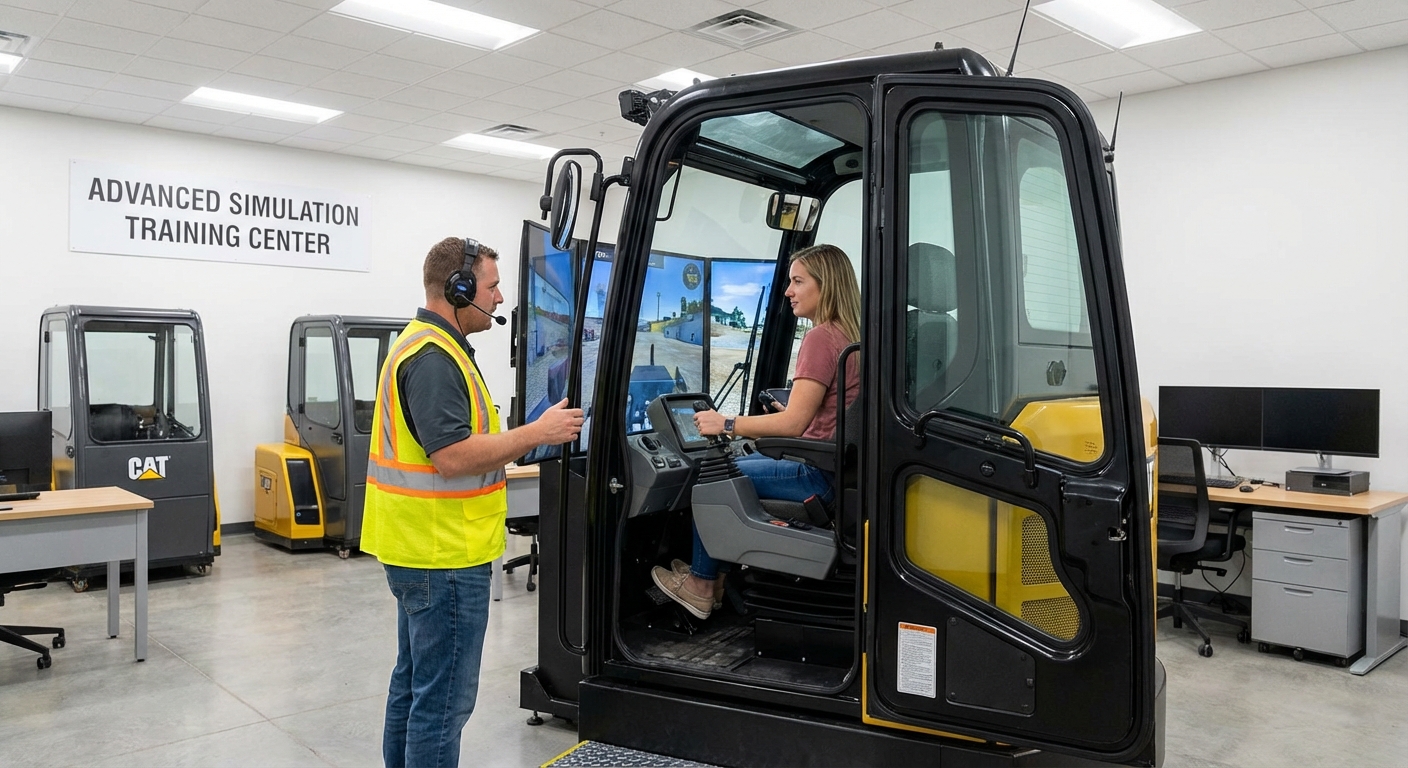
Initial training: Equipment-specific training before operators begin work. Document training content, duration, and evaluation.
Competency evaluation: Practical evaluation of operator ability, documented by qualified evaluators.
Refresher training: Periodic training addressing equipment changes, regulatory updates, and observed deficiencies.
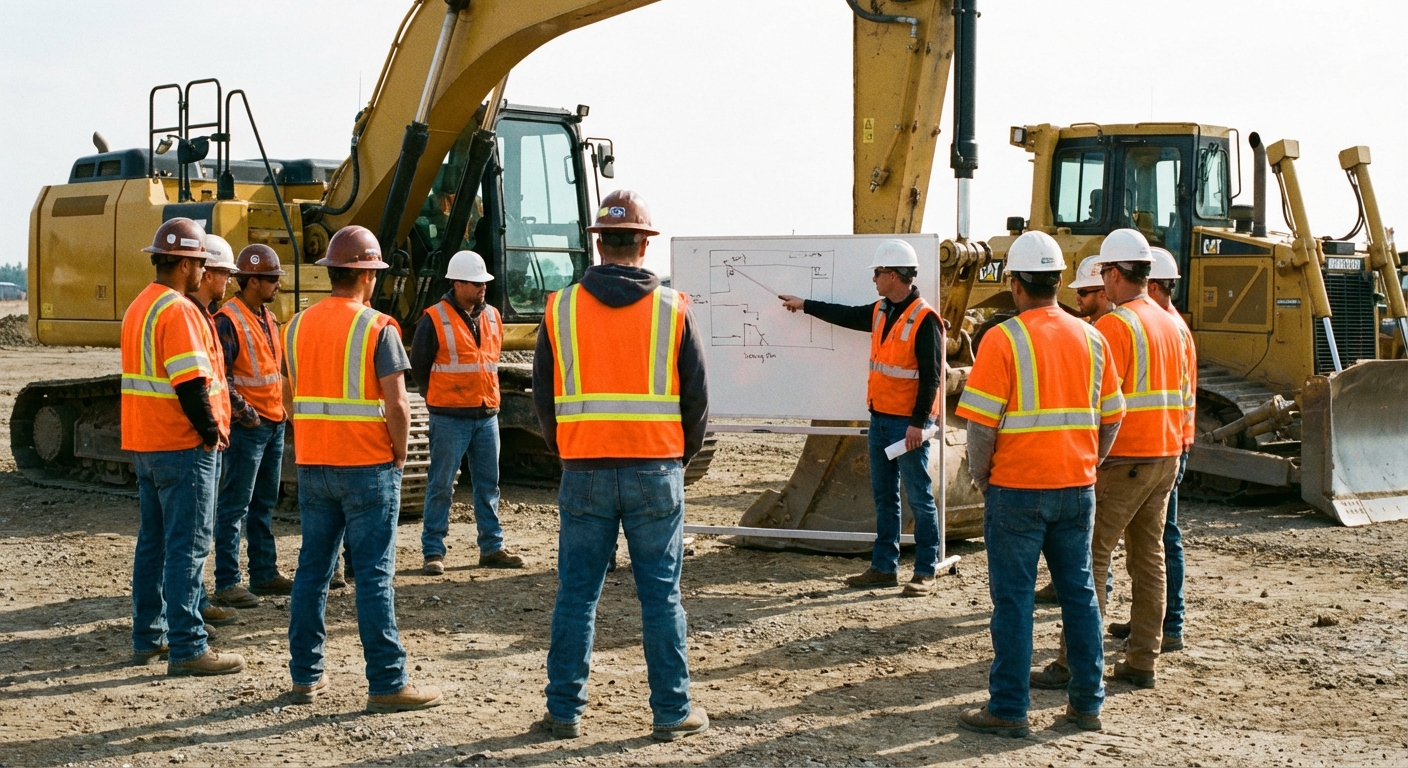
Safety topics: Include equipment-related safety topics in regular safety meetings and toolbox talks.
Inspection Programs
Systematic inspection supports compliance:
Pre-shift inspection: Establish clear expectations for daily equipment inspection. Provide inspection checklists.
Documentation: Maintain inspection records demonstrating ongoing attention to equipment condition.
Deficiency response: Establish procedures for addressing identified deficiencies, including equipment removal from service when necessary.
Periodic inspection: Beyond daily checks, conduct periodic comprehensive inspections of equipment safety systems.
Documentation Systems
Effective documentation demonstrates compliance:
Training records: Maintain records of all operator training, including topics, dates, and evaluation results.
Inspection records: Document equipment inspections with dates, findings, and corrective actions.
Maintenance records: Maintain equipment maintenance records demonstrating ongoing safety maintenance.
Incident records: Document any equipment-related incidents and corrective actions taken.
Modern fleet management systems can support compliance documentation, providing centralized records of maintenance, inspection, and equipment status.
Industry Programs
Beyond OSHA requirements, industry programs influence equipment safety expectations:
MSHA Requirements
Contractors working on mining sites face Mine Safety and Health Administration (MSHA) requirements that often exceed OSHA standards:
- More frequent inspection requirements
- Additional training and certification
- Specific equipment safety standards
DOT Requirements
Equipment transport involves Department of Transportation requirements:
- Commercial driver’s license requirements
- Vehicle inspection requirements
- Hours of service limitations
- Equipment securement standards
Industry Certifications
Beyond regulatory requirements, industry certifications influence project qualification:
NCCER programs: National Center for Construction Education and Research operator certification programs widely recognized.
ISN and other contractor qualification: Contractor qualification services evaluate safety programs including equipment practices.
Owner requirements: Project owners often impose safety requirements exceeding regulatory minimums.
Technology Supporting Compliance
Technology increasingly supports safety compliance:
Telematics Monitoring
Telematics systems provide safety-relevant data:
- Operating hours for maintenance scheduling
- Fault codes indicating safety system issues
- Location and speed for incident investigation
- Operator identification and access control
Camera Systems
Equipment camera systems support safety:
- 360-degree visibility systems reduce blind spot hazards
- Recording capability supports incident investigation
- Object detection systems provide warnings
Proximity Detection
Proximity systems protecting workers near equipment:
- Personnel detection alerts operators to nearby workers
- Automatic slowing or stopping when personnel detected
- Boundary enforcement preventing equipment entry into restricted areas
Best Practices
Leading contractors exceed minimum requirements:
Safety culture: Equipment safety as element of broader organizational safety culture.
Management commitment: Visible management attention to equipment safety, not just compliance.
Continuous improvement: Regular review and improvement of safety practices based on incidents, near-misses, and industry developments.
Worker engagement: Operator involvement in safety program development and improvement.
Safety performance affects insurance costs, project qualification, and workforce retention. Investment in equipment safety returns value beyond regulatory compliance.
For related coverage, see our analysis of workforce development challenges and equipment insurance trends.