Heavy Equipment Operator Certification Programs: What's Worth the Investment
From NCCER to manufacturer programs, operator certification options abound. Here's how to evaluate programs and maximize training investment value.
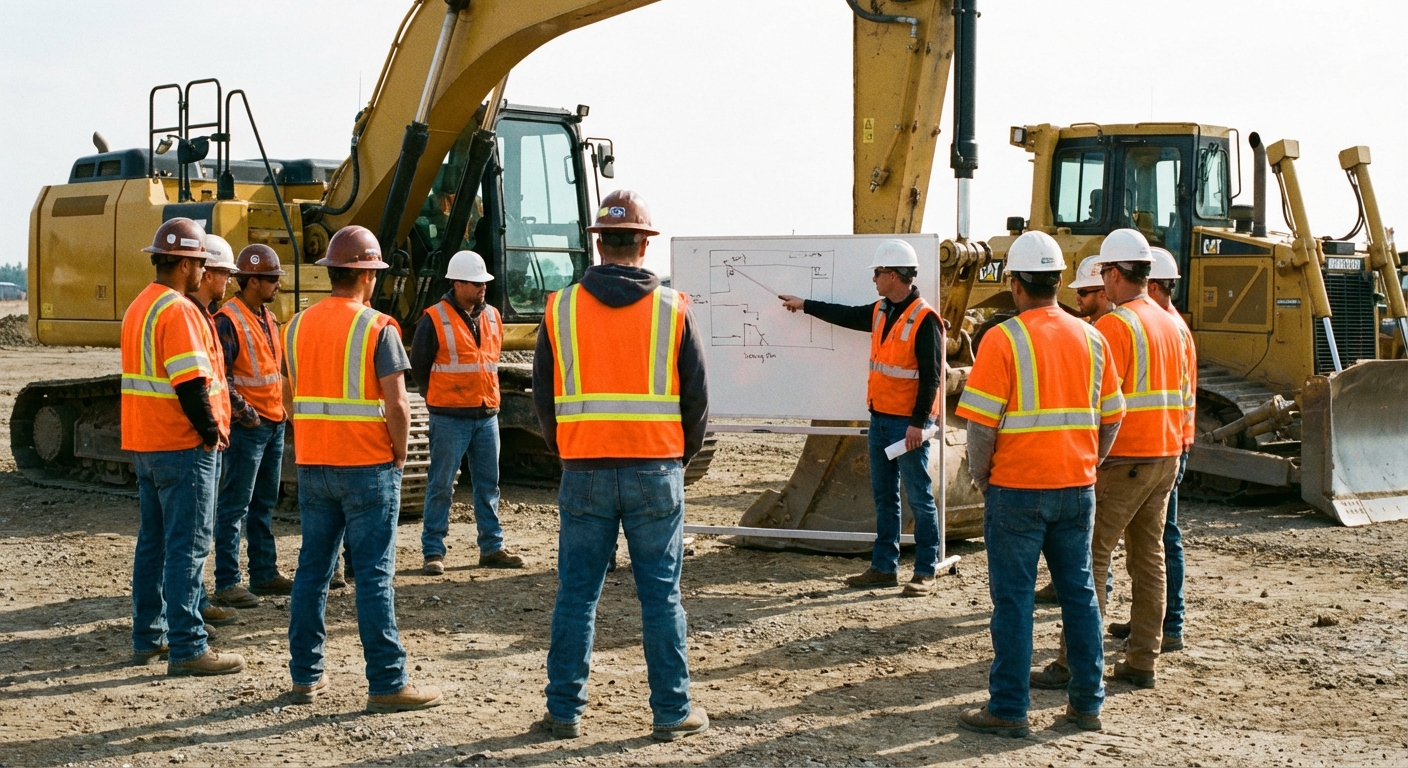
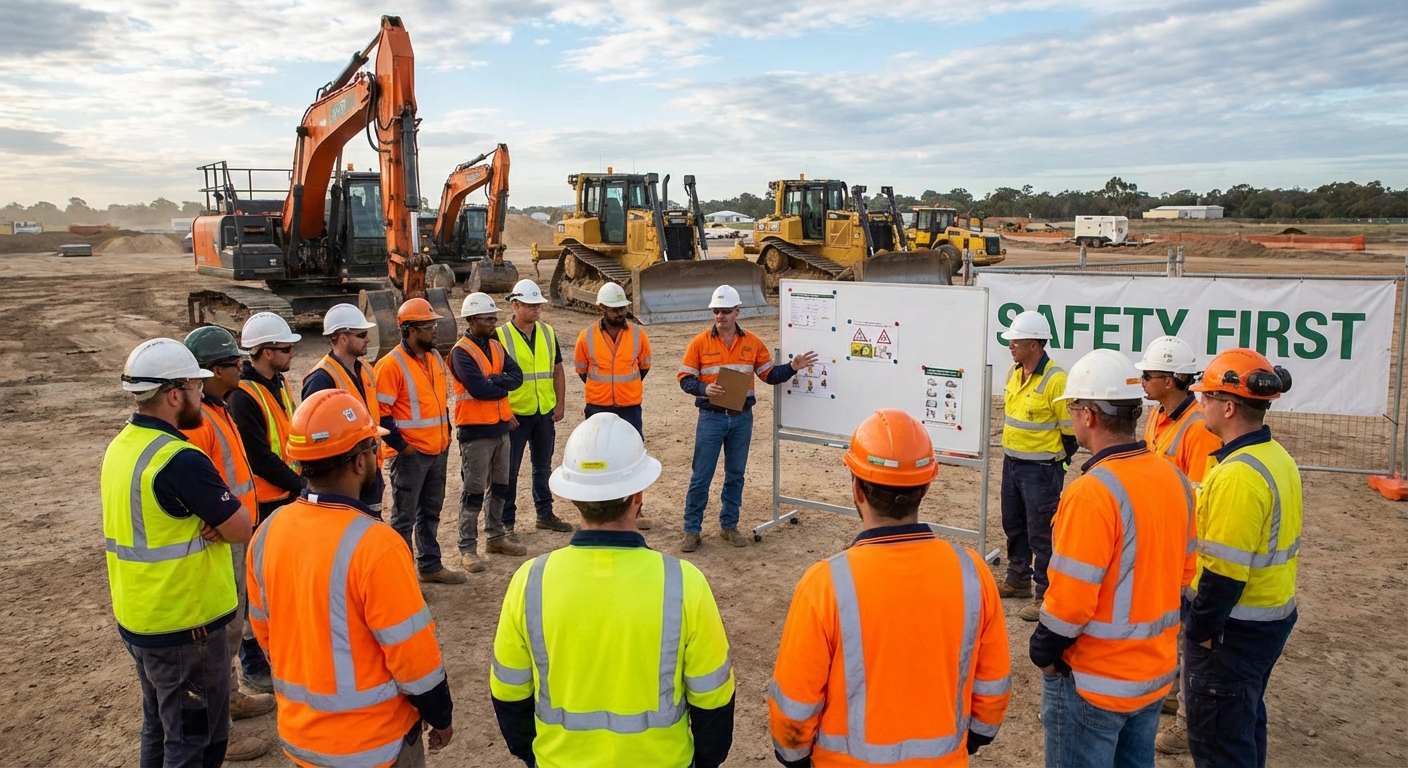
The construction industry faces persistent operator shortages, making effective training and certification programs critical for contractors developing workforce capability. Multiple certification options exist, each with different focuses, costs, and industry recognition. Understanding these programs helps contractors invest training resources effectively.
The Certification Landscape
Equipment operator certification encompasses several program types:
National Industry Certifications
Programs developed by industry organizations with broad recognition:
NCCER (National Center for Construction Education and Research): The most widely recognized national program, offering standardized curriculum and portable credentials.
NCCCO (National Commission for the Certification of Crane Operators): Focused specifically on crane operation, providing certifications meeting OSHA requirements.
Operating Engineers certification: Union-based training through IUOE (International Union of Operating Engineers) training centers.
Manufacturer Programs
Equipment manufacturers offer brand-specific training:
Caterpillar Operator Training: Comprehensive programs through Cat dealers covering operation and basic maintenance.
John Deere Training: Equipment-specific training available through dealer network.
Komatsu Training: Programs covering operation of Komatsu equipment.
Most major manufacturers offer some form of operator training, varying in depth and availability.
Community College and Vocational Programs
Educational institutions offer equipment operation programs:
Heavy equipment technology programs: Combine classroom instruction with hands-on operation.
Apprenticeship programs: Structured programs combining work experience with classroom education.
Short-term training: Focused programs preparing students for entry-level positions.
Employer Programs
Many contractors operate internal training:
Formal internal programs: Structured training meeting OSHA competency requirements.
On-the-job training: Supervised experience developing operator skills.
Mentorship programs: Pairing experienced operators with trainees.
NCCER Deep Dive
As the most widely recognized national program, NCCER merits detailed examination:
Program Structure
NCCER offers multi-level curricula:
Heavy Equipment Operations: Four-level program covering:
- Level 1: Introduction to heavy equipment, safety, basic operation
- Level 2: Equipment-specific training (excavators, dozers, loaders)
- Level 3: Advanced operation, grading, site work
- Level 4: Supervisory skills, advanced techniques
Specific equipment modules cover:
- Excavators
- Dozers
- Front-end loaders
- Backhoes
- Motor graders
- Off-road dump trucks
- Scrapers
- Rollers/compactors
- Skid steers
Assessment and Credentials
NCCER certifications involve:
Written assessments: Standardized tests covering knowledge requirements.
Performance assessments: Practical evaluation of operator skills on actual equipment (or approved simulators).
National registry: Credentials recorded in NCCER’s national database, providing portable verification.
Industry Recognition
NCCER credentials are widely recognized:
Contractor acceptance: Many contractors recognize NCCER certification as evidence of baseline competency.
Project requirements: Some projects and owners specify NCCER certification for operators.
Regulatory compliance: NCCER training can support OSHA competency documentation requirements.
Implementation
Organizations can implement NCCER programs through:
Accredited Training Sponsors (ATS): Organizations accredited to deliver NCCER curriculum. Includes contractors, training centers, and educational institutions.
Instructors: NCCER-certified instructors deliver training.
Assessment: Certified assessors evaluate written and performance components.
Investment: Becoming an ATS requires investment in curriculum, instructor certification, and assessment capability.
Crane Operator Certification (NCCCO)
Crane operation has specific certification requirements:
Regulatory Background
OSHA’s crane standard (29 CFR 1926 Subpart CC) requires crane operator certification:
Certification sources: Operators must be certified by an accredited certification organization, or employer must operate an audited program.
NCCCO as primary option: NCCCO is the most widely recognized certification organization meeting OSHA requirements.
NCCCO Certifications
NCCCO offers certifications by equipment type:
Mobile Crane Operator: Covers lattice boom crawler, lattice boom truck, telescopic boom (various configurations).
Tower Crane Operator: Fixed and traveling tower crane certification.
Overhead Crane Operator: Certification for overhead crane operation.
Specialty certifications: Articulating crane, dedicated pile driver, etc.
Certification Process
NCCCO certification involves:
Written examination: Testing knowledge of safety, procedures, and technical requirements.
Practical examination: Demonstrating operational competency on actual equipment.
Recertification: Five-year recertification cycle with continuing education requirements.
Manufacturer Training
Equipment-specific training from manufacturers offers distinct value:
Advantages
Equipment-specific content: Training focused on specific equipment features and capabilities.
Latest technology: Coverage of current technology including telematics, GPS systems, and advanced controls.
Dealer relationship: Training strengthens dealer relationships and support.
Productivity focus: Emphasis on optimizing equipment productivity, not just basic operation.
Limitations
Brand-specific: Skills may not fully transfer to other brands.
Availability: Training availability varies by dealer and region.
Cost: Some programs involve significant cost.
Integration with Broader Programs
Manufacturer training often complements broader certification:
- NCCER certification for foundational skills
- Manufacturer training for equipment-specific optimization
- Ongoing training as equipment features evolve
Program Evaluation
Contractors evaluating training programs should consider:
Recognition Value
Industry acceptance: Is the certification recognized by customers, project owners, and peers?
Regulatory compliance: Does the certification meet OSHA or other regulatory requirements?
Portability: Do credentials transfer if employees change employers?
Quality Indicators
Curriculum rigor: Does the program cover essential knowledge and skills comprehensively?
Assessment quality: Are assessments meaningful measures of competency?
Instructor quality: Are instructors qualified and experienced?
Equipment access: Does training include sufficient hands-on equipment time?
Practical Considerations
Cost: Program costs including tuition, materials, equipment access, and employee time.
Duration: Time required for completion affecting workforce availability.
Accessibility: Location, scheduling, and delivery format options.
Scalability: Can the program accommodate your training volume needs?
Outcome Measures
Operator readiness: Do graduates have skills to contribute productively?
Safety performance: Do certified operators have better safety records?
Productivity: Is productivity improved versus untrained operators?
Building Internal Programs
Many contractors develop internal training capabilities:
Advantages
Customization: Training tailored to your equipment, operations, and standards.
Availability: Training available when and where needed.
Culture building: Training reinforcing organizational values and practices.
Cost control: Variable costs potentially lower than external programs for high volume.
Requirements
Curriculum development: Creating effective training content requires expertise.
Instructor capacity: Qualified instructors who can train while maintaining operations.
Equipment availability: Training equipment competes with production needs.
Documentation: Maintaining records demonstrating competency evaluation.
Hybrid Approaches
Combining internal and external elements:
- External certification for foundational skills and portable credentials
- Internal training for company-specific procedures and equipment
- Manufacturer training for specialized equipment features
Training Technology
Technology is enhancing operator training:
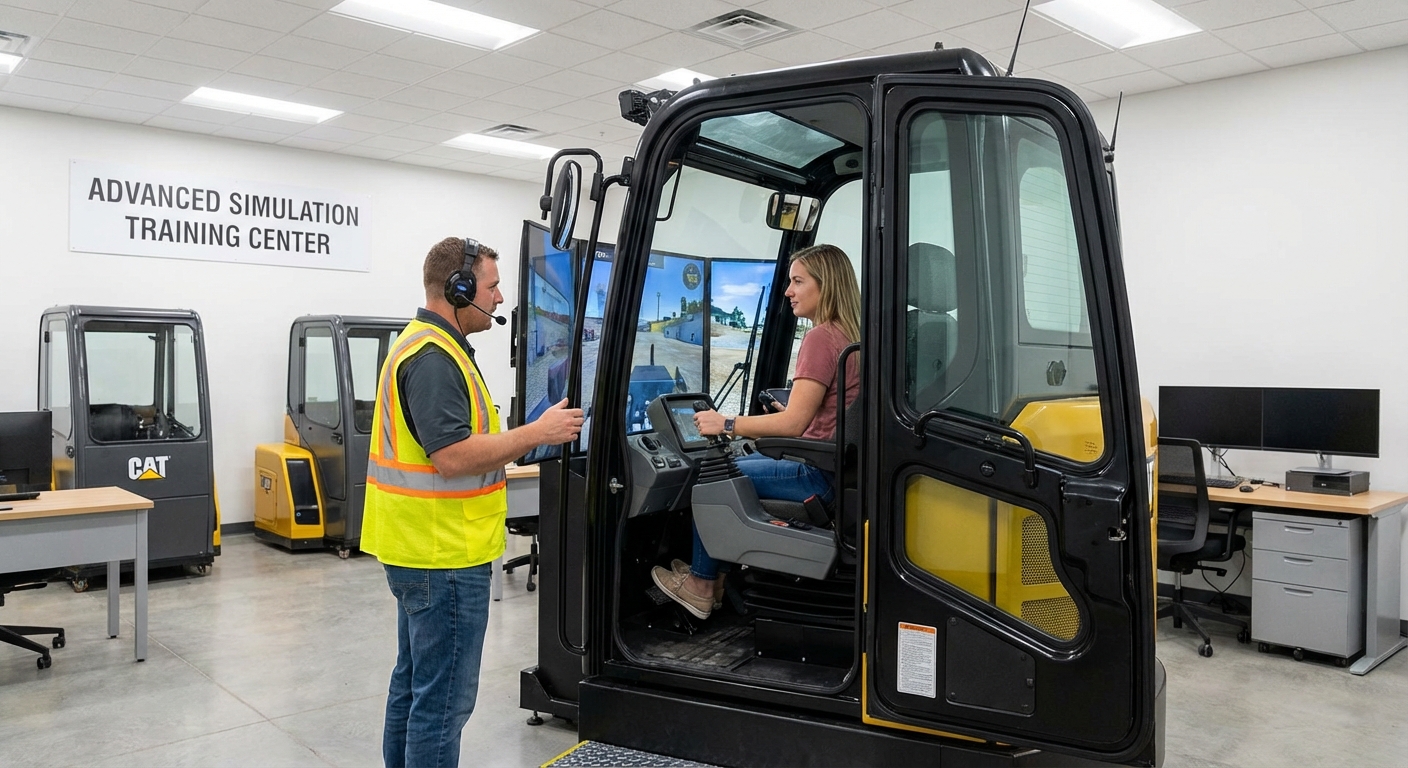
Simulators
Equipment simulators enable training without tying up production equipment:
Advantages: Safe environment for developing skills; available regardless of weather or equipment availability; consistent training conditions.
Limitations: Simulation can’t fully replicate real equipment feel; transition to real equipment requires adjustment.
Recognition: Some certification programs accept simulator training; others require real equipment.
Online/Hybrid Learning
Digital delivery for certain content:
Knowledge training: Online delivery of classroom content including safety, procedures, and technical knowledge.
Blended programs: Online knowledge components combined with hands-on practical training.
Continuing education: Online delivery for refresher and update training.
Technology-Enhanced Assessment
Digital tools supporting evaluation:
Telematics-based assessment: Using equipment data to objectively measure operator performance.
Video documentation: Recording assessments for review and quality assurance.
Data-driven improvement: Using performance data to identify training needs.
Making Training Decisions
For contractors developing training strategy:
-
Assess current state: Evaluate existing operator competency and training gaps.
-
Define requirements: Identify certifications required by customers, regulators, and operational needs.
-
Evaluate options: Compare programs based on recognition, quality, and practical factors.
-
Plan implementation: Determine training delivery approach—external, internal, or hybrid.
-
Measure outcomes: Track training effectiveness through safety, productivity, and retention metrics.
-
Continuous improvement: Refine training based on outcomes and changing needs.
Effective operator training is investment, not expense. Well-trained operators are safer, more productive, and more likely to remain with employers who invest in their development.
For broader workforce challenges, see our coverage of heavy equipment workforce crisis strategies.
Editor’s Note: Contractors tracking operator certifications across their workforce may find fleet management tools helpful. FieldFix enables tracking of operator qualifications alongside equipment records, ensuring the right operators are assigned to appropriate equipment. Learn more at fieldfix.pro.