Sustainability in Heavy Equipment: Beyond the Buzzwords
Separating genuine environmental progress from marketing claims—what's actually changing in construction equipment sustainability.
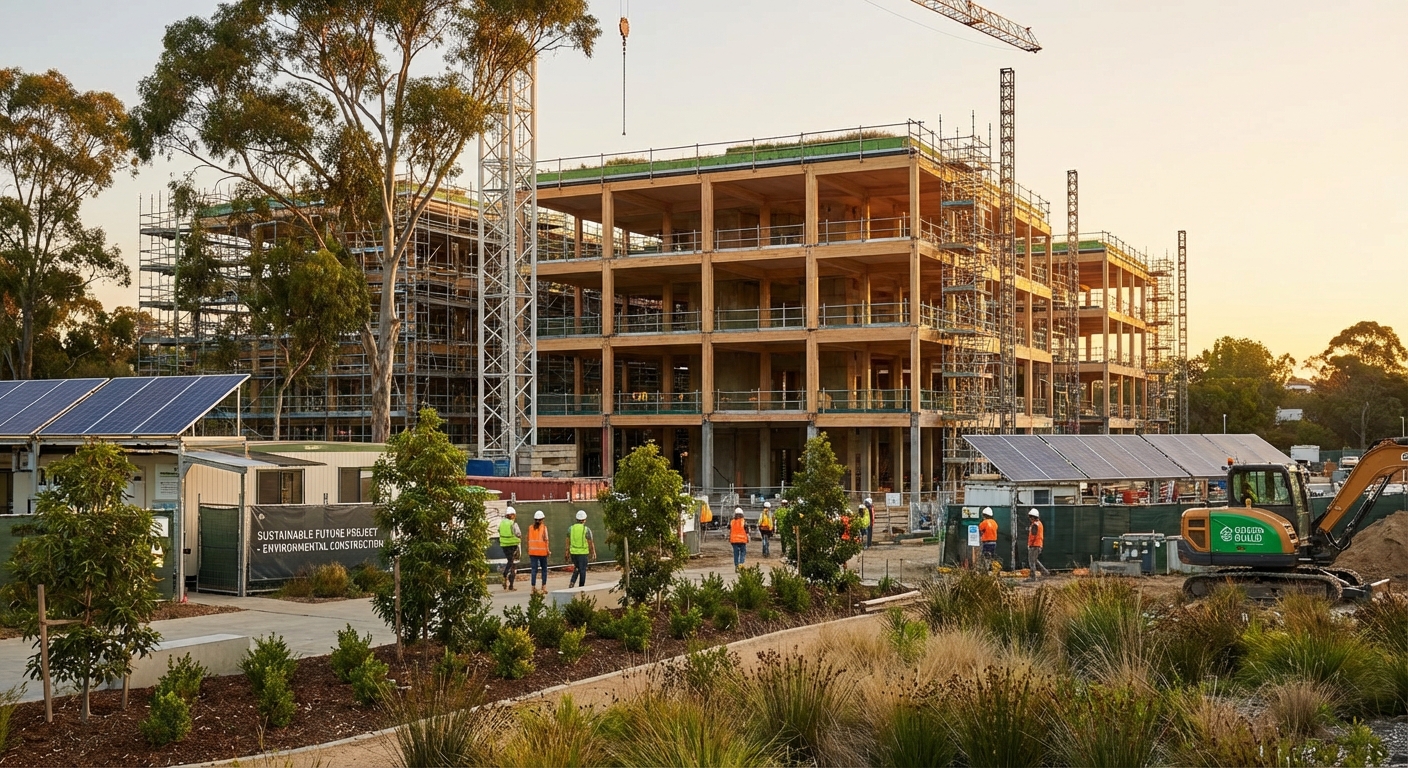
“Sustainable” has become the most overused word in heavy equipment marketing. Every manufacturer claims commitment to environmental responsibility; every product launch emphasizes green credentials. For contractors trying to make genuine progress on environmental performance, separating substance from spin has become a critical skill.
This analysis examines what’s actually changing in heavy equipment sustainability, what claims deserve skepticism, and how contractors can make meaningful environmental improvements.
Real Progress
Despite legitimate skepticism about sustainability marketing, genuine progress is occurring:
Emission Reductions
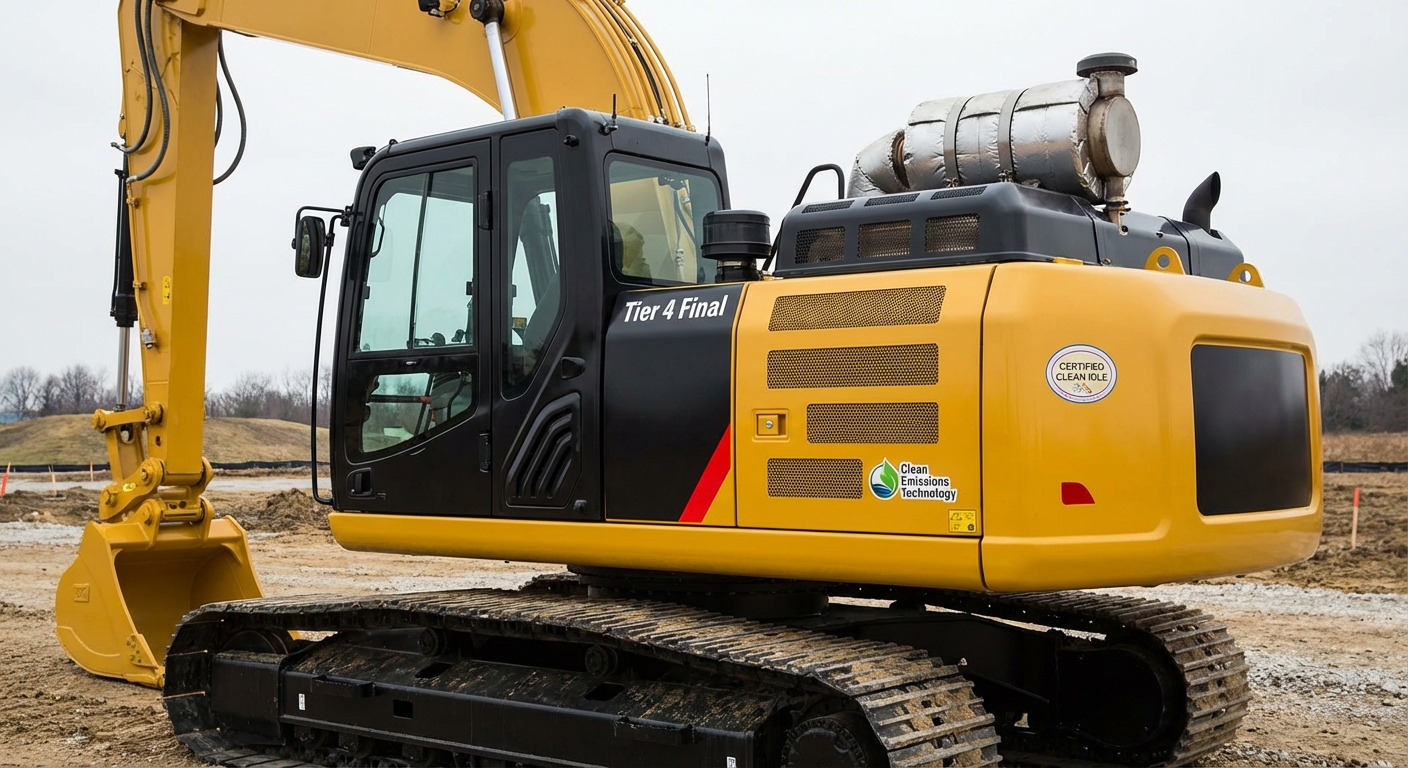
The relentless tightening of emission regulations—from Tier 1 through Tier 4 Final and upcoming Tier 5—has driven remarkable improvements in diesel engine cleanliness.
Modern Tier 4 Final equipment emits approximately:
- 96% less particulate matter than uncontrolled engines
- 90% less nitrogen oxides than uncontrolled engines
- Essentially zero visible smoke
These improvements are real and significant. The air quality impact of construction equipment has improved dramatically over the past two decades, even as equipment power and utilization have increased.
Fuel Efficiency
Equipment fuel efficiency has improved 15-25% over the past decade through:
- Advanced hydraulic systems that reduce energy waste
- Engine technologies that optimize combustion
- Intelligent power management that matches output to demand
- Reduced parasitic losses in drivetrains
These improvements reduce both operating costs and carbon emissions, making efficiency investment attractive even without environmental motivation.
Electrification Progress
Electric equipment represents genuine zero-emission capability for appropriate applications. While limitations remain, the technology has advanced from concept to practical option for many compact equipment categories.
The environmental benefit depends on electricity source—equipment charged from coal-fired generation produces less local pollution but may have similar lifecycle carbon impact to diesel. Equipment charged from renewable sources delivers genuine emission reductions.
Renewable Diesel Compatibility
Modern diesel engines run effectively on renewable diesel (HVO) and biodiesel blends. These fuels reduce lifecycle carbon emissions while requiring no equipment modifications.
Renewable diesel availability has expanded significantly, making it a practical option for contractors in many markets.
Marketing vs. Reality
Not all sustainability claims deserve equal credibility:
“Carbon Neutral” Equipment
Claims of carbon-neutral equipment manufacturing deserve scrutiny. Equipment production involves steel, rubber, electronics, and other materials with significant embedded carbon. While manufacturers can offset emissions through carbon credit purchases, these offsets vary dramatically in quality and permanence.
The honest assessment: Equipment manufacturing has significant environmental impact. Offsets may balance the ledger on paper, but the emissions still occur.
”Eco Mode” Performance
Equipment “eco modes” can reduce fuel consumption, but often by reducing performance. Contractors should evaluate whether eco mode delivers acceptable productivity or merely shifts work (and fuel consumption) to other equipment.
Genuine efficiency improvements maintain productivity while reducing consumption; mode switches that simply detune performance are less meaningful.
Idle Reduction Claims
Automatic idle shutdown features are genuinely useful for reducing unnecessary fuel consumption. However, claimed savings often overstate real-world impact, as operators may disable features or work around them.
The technology helps, but actual savings depend on operator behavior and operational practices.
Material Claims
Claims about recycled content, sustainable materials, and environmentally-preferable components deserve verification. Some represent genuine improvements; others are marketing language applied to standard practices.
What Actually Matters
For contractors seeking genuine environmental improvement, focus on measures with measurable impact:
Equipment Utilization
The most significant environmental improvement for most contractors isn’t equipment technology—it’s equipment utilization. Underutilized equipment consumes resources during production and maintenance while delivering minimal productive work.
Better fleet management that improves utilization reduces the equipment required to accomplish work, cutting both costs and environmental impact.
Operational Efficiency
How equipment is operated affects emissions as much as equipment technology:
- Idle reduction through operator practice and automatic systems
- Efficient work methods that minimize equipment movement
- Proper equipment sizing that avoids oversized equipment for tasks
- Maintenance that keeps equipment running efficiently
Equipment Lifecycle
Maximizing equipment useful life reduces the environmental impact of equipment production. The most sustainable equipment is often the equipment you already own, properly maintained and operated.
This doesn’t mean avoiding new equipment forever—technology improvements can justify replacement—but lifecycle thinking should balance new equipment benefits against production impacts.
Fuel Selection
Where available, renewable diesel and biodiesel blends offer meaningful carbon reductions with no equipment modifications. Contractors with access to these fuels can improve environmental performance immediately.
Right Technology for Application
Matching technology to application matters more than pursuing the “greenest” option:
- Electric equipment makes sense for appropriate applications; forcing it into unsuitable roles may actually increase environmental impact through inefficiency.
- Hybrid equipment offers benefits for certain duty cycles but may not justify premiums for others.
- Clean diesel remains the practical, responsible choice for many applications.
Responding to Customer Demands
Contractors increasingly face sustainability requirements from customers—particularly government agencies, institutional developers, and companies with public sustainability commitments.
Documentation and Reporting
Meeting customer sustainability requirements typically requires documentation:
- Equipment age and emission tier
- Fuel consumption and carbon emissions
- Hours of operation and idle time
- Any low-emission technologies deployed
Telematics systems that capture this information simplify sustainability reporting.
Low-Emission Fleet Development
Contractors pursuing sustainability-focused work may need to invest in fleet capabilities:
- Ensure Tier 4 Final compliance across the fleet
- Consider electric options for appropriate applications
- Explore alternative fuel compatibility
- Implement idle reduction technologies
Avoiding Greenwashing
Contractors should resist temptation to overstate environmental credentials. Claims that can’t be substantiated create liability and reputation risk. Honest representation of actual capabilities and practices builds credibility.
Contractor Action Steps
For contractors wanting to improve environmental performance:
Assess current state — Understand your fleet’s emission characteristics, fuel consumption, and utilization. You can’t improve what you don’t measure.
Prioritize high-impact actions — Focus on measures that deliver meaningful improvement: utilization optimization, operational efficiency, proper maintenance.
Evaluate technology investments carefully — New technology can help but should be evaluated against actual environmental benefit, not marketing claims.
Consider fuel alternatives — Where available, renewable diesel offers immediate improvement with minimal investment.
Prepare for customer requirements — Document capabilities and practices to meet emerging sustainability requirements.
Industry Direction
The direction is clear: Equipment will continue getting cleaner, more efficient, and eventually electric for many applications. Regulatory pressure, customer demands, and genuine environmental commitment are driving change.
But progress will be gradual, and many claims will be exaggerated. Contractors who maintain healthy skepticism while pursuing genuine improvement will make better decisions than those who either dismiss sustainability entirely or embrace every green claim uncritically.
The path forward involves clear-eyed assessment of what actually reduces environmental impact, investment in measures with measurable benefit, and honest representation of environmental performance to customers and stakeholders.
For more on equipment technology and environmental considerations, see our coverage of electric equipment and emission standards.