The Operator Shortage Is Turning Fleet Planning Inside Out
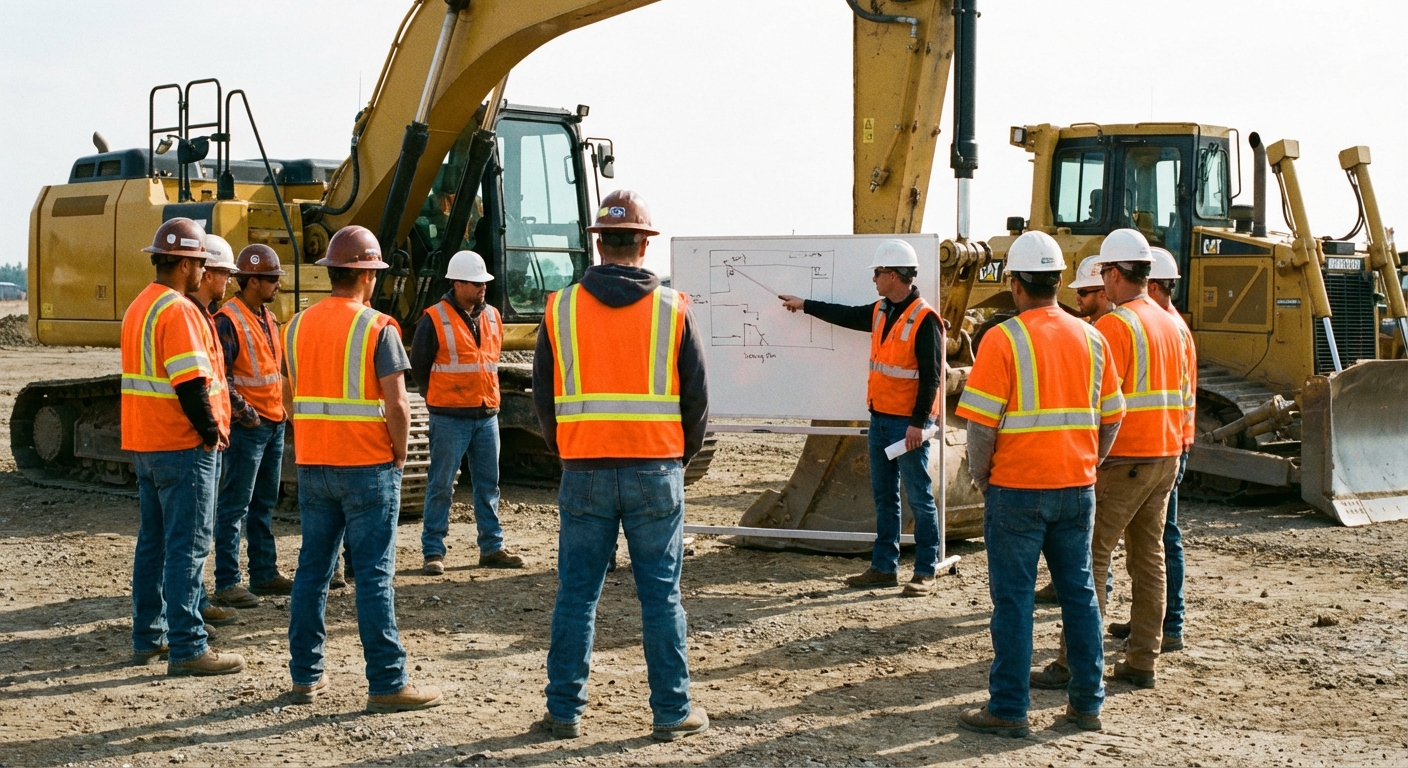
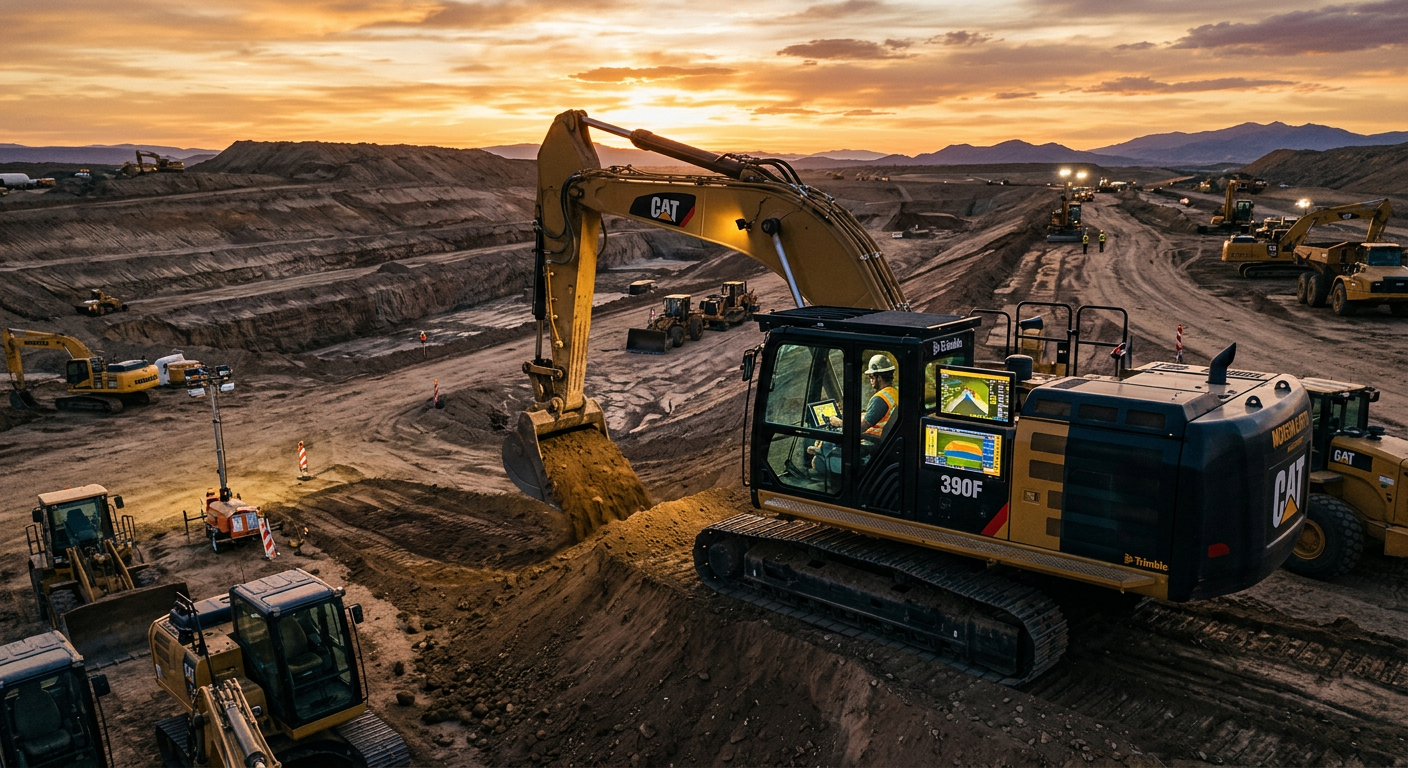
Contractors keep asking whether they have enough machines. In 2026, the sharper question is whether the right operator, machine, attachment, and schedule can line up on the same day.
8 articles
Contractors keep asking whether they have enough machines. In 2026, the sharper question is whether the right operator, machine, attachment, and schedule can line up on the same day.
The construction industry needs nearly half a million new workers in 2026. It's not going to get them. Here's how that reality is reshaping what equipment manufacturers build and what contractors buy.
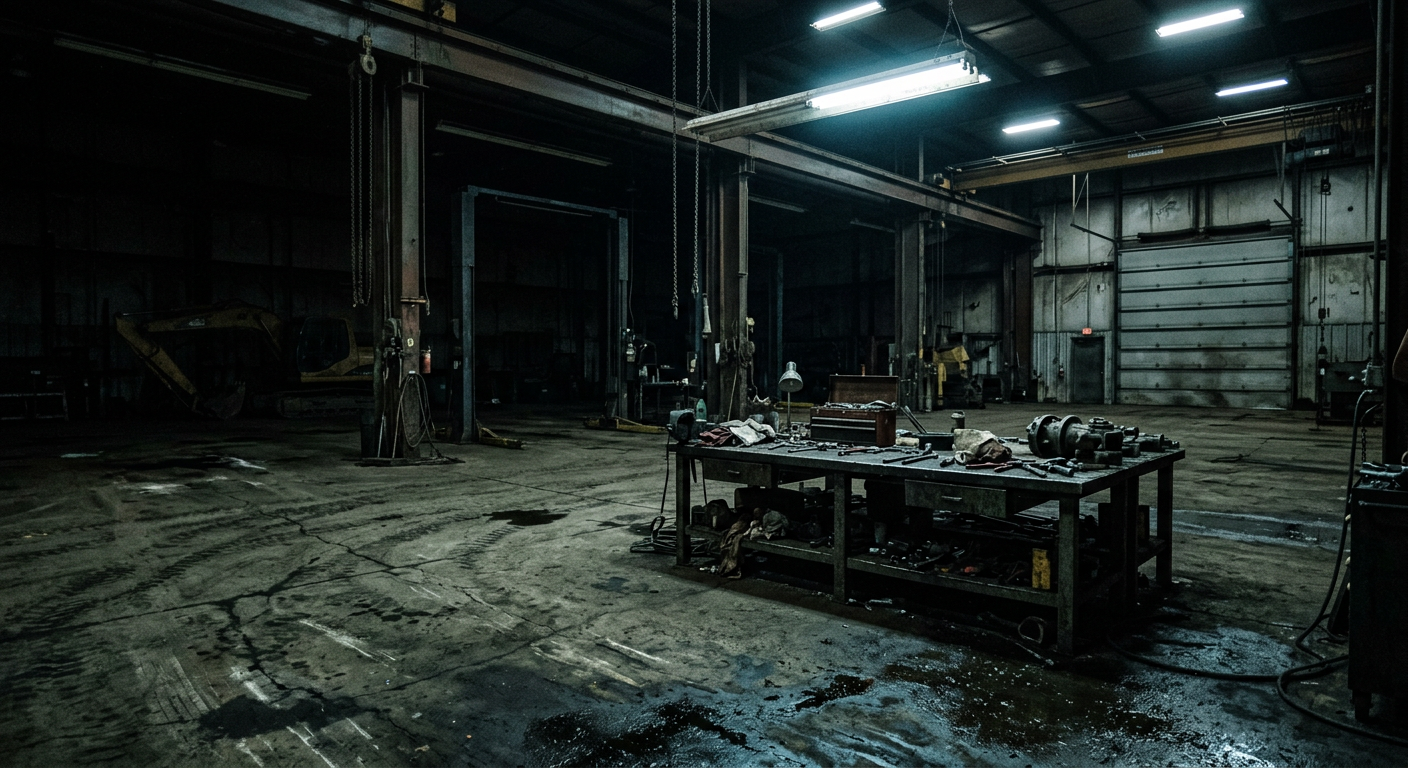
The mechanic shortage isn't some mystery. We built it with low pay, terrible conditions, and an industry that treats its techs like they're replaceable. They aren't.
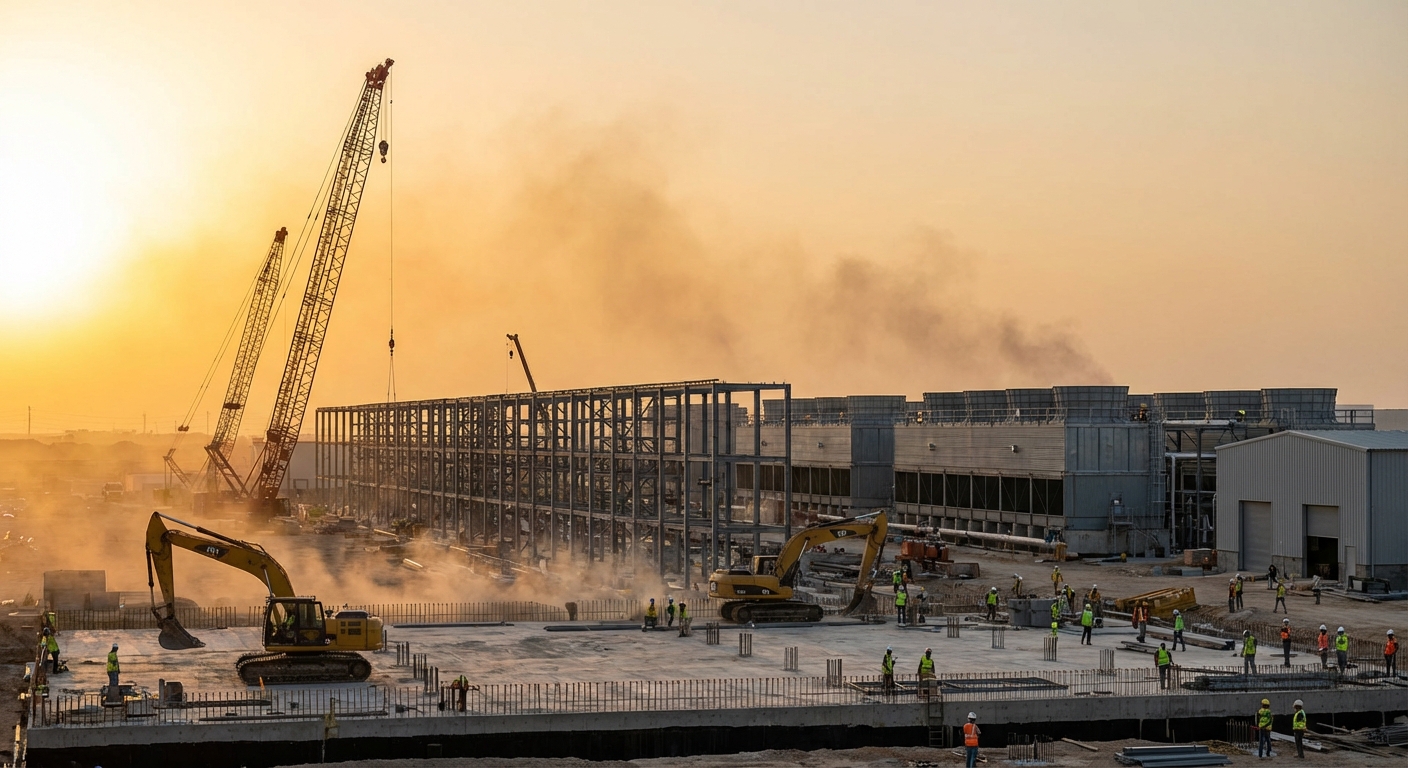
With $3 trillion in data center spending projected through 2030, heavy equipment demand is surging in ways most contractors didn't see coming.
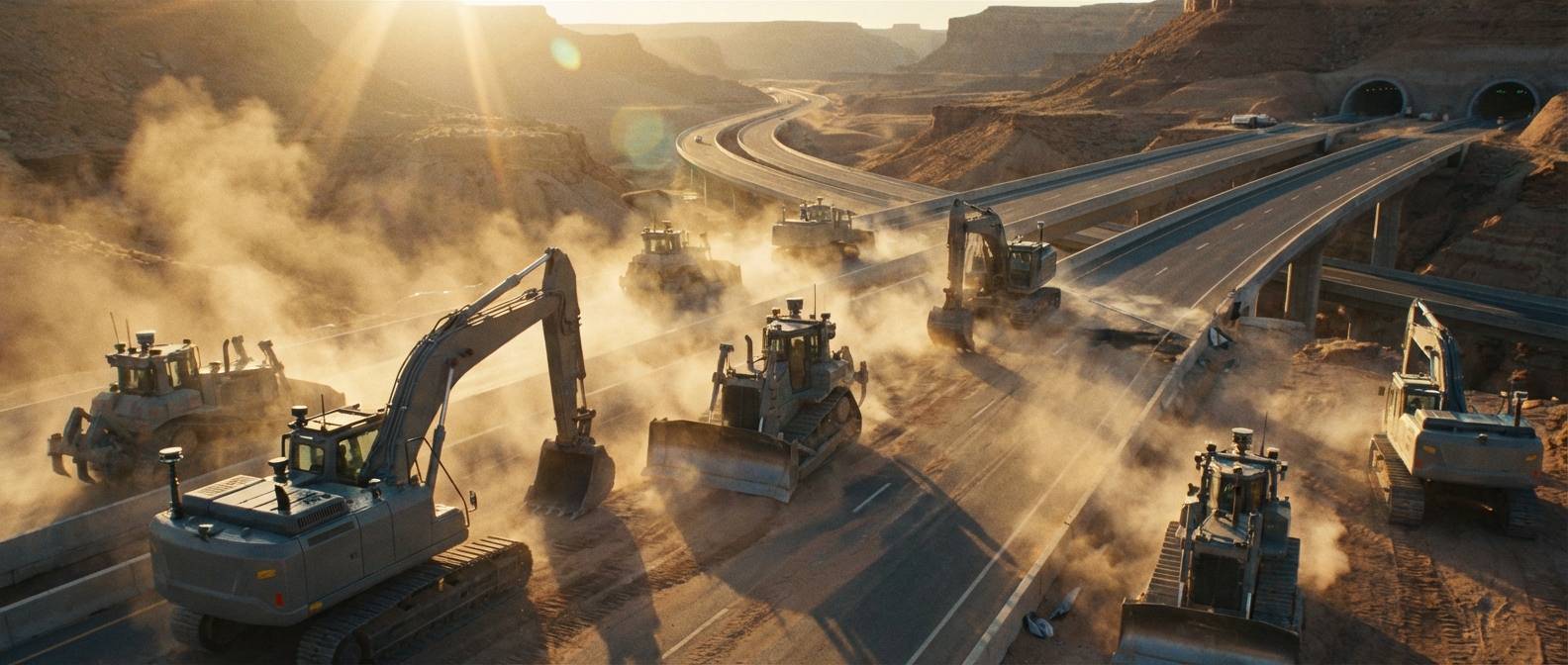
With the market projected to reach $18.16 billion this year and a 2.2 million worker shortage looming in North America, autonomous construction equipment is moving from experimental pilot programs to essential infrastructure.
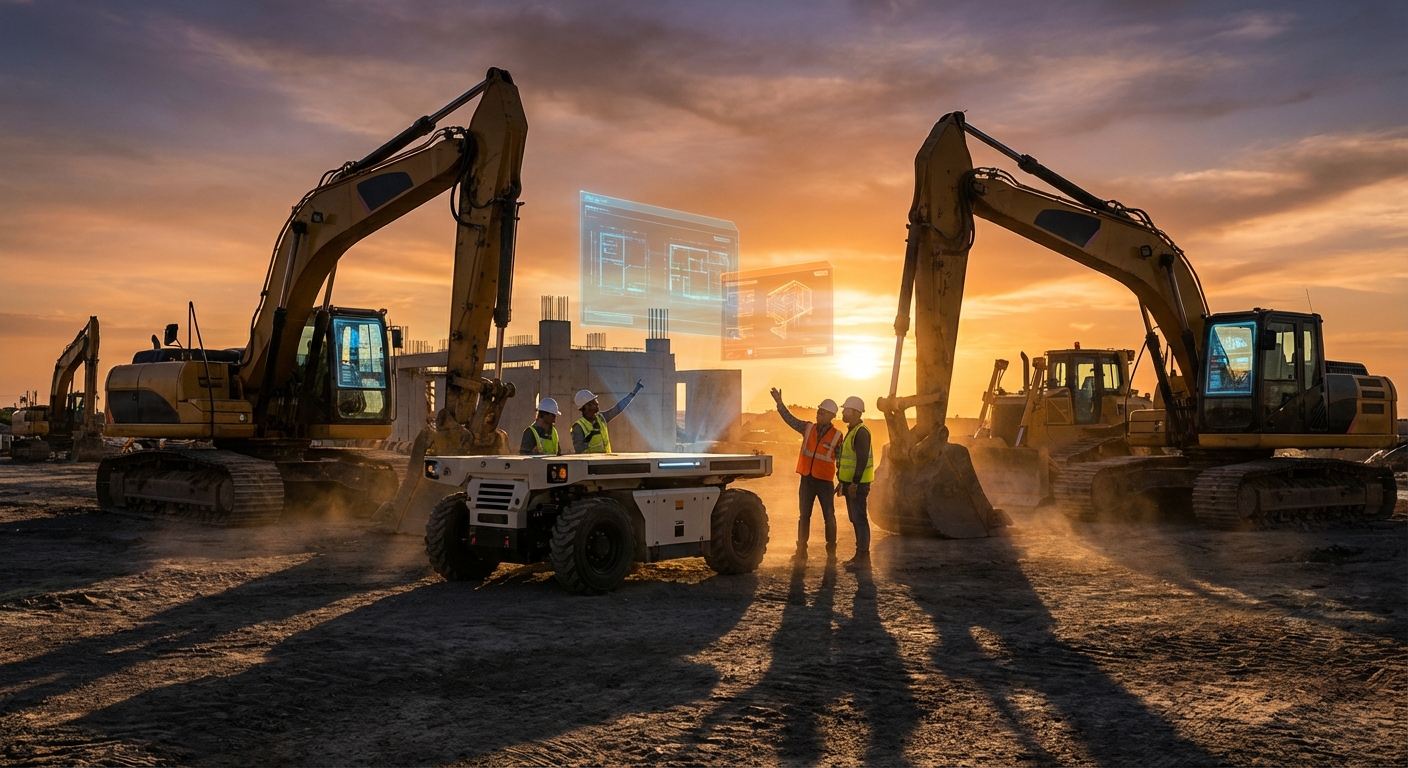
With the industry needing half a million new workers annually and only 65% of contractors optimistic about growth, automation and AI are no longer optional—they're survival strategies.
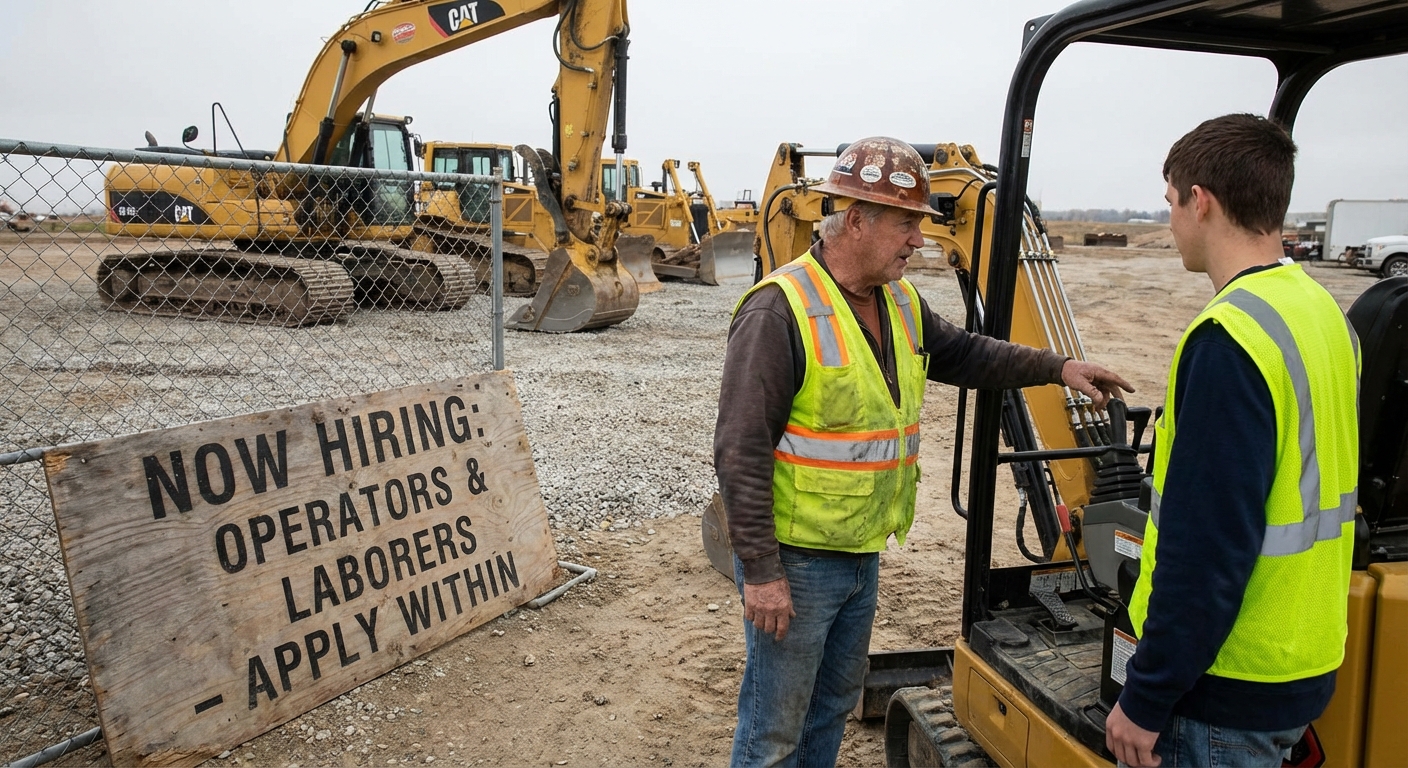
With 500,000+ unfilled positions and an aging workforce, the heavy equipment industry is turning to technology, training innovation, and unconventional recruiting to bridge the gap.
With 40% of equipment operators nearing retirement, contractors face an unprecedented labor challenge. Here's how the industry is adapting.