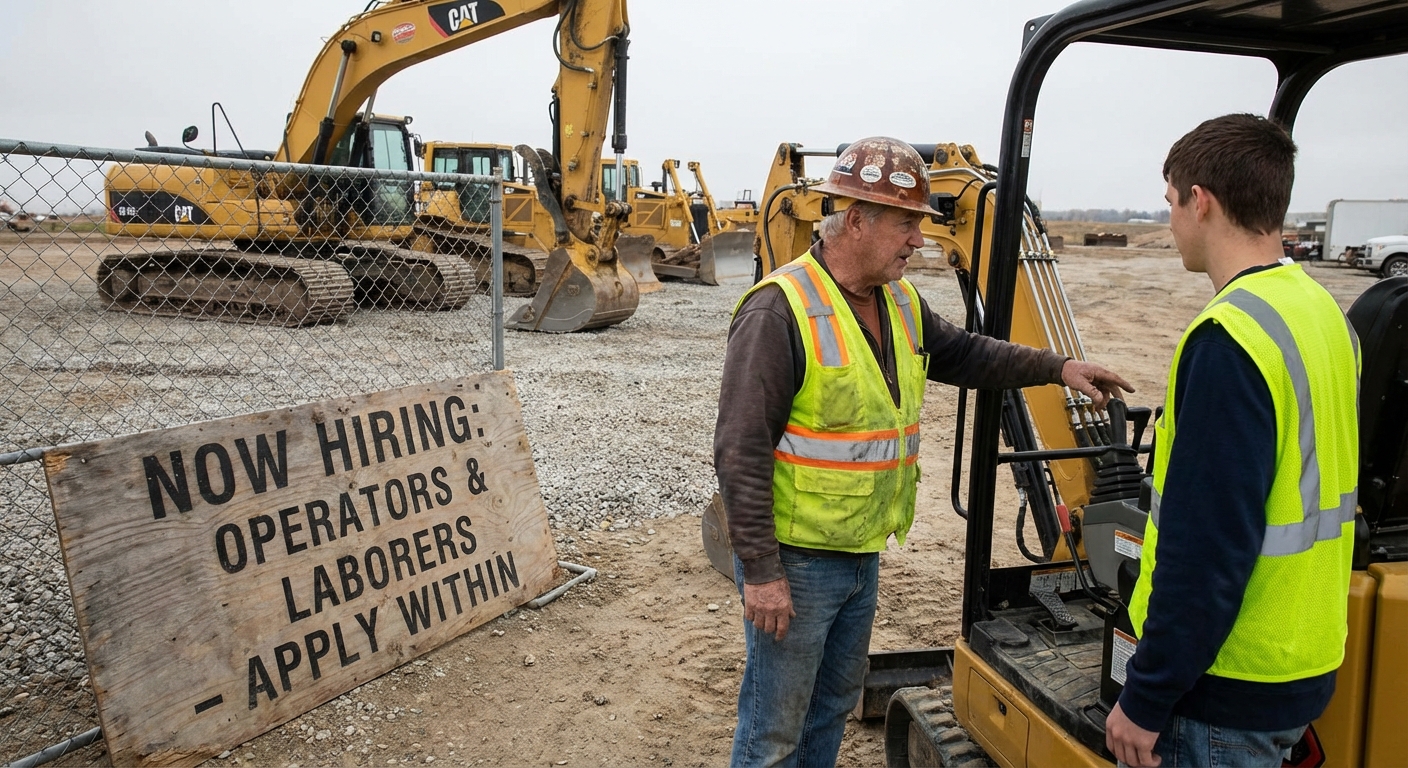
The 500,000 Worker Gap: How Technology Is Reshaping Construction's Labor Crisis in 2026
With the industry needing half a million new workers annually and only 65% of contractors optimistic about growth, automation and AI are no longer optional—they're survival strategies.
The numbers tell a stark story: the American construction industry needs to attract at least 500,000 new workers annually just to meet current demand. That’s up from 439,000 in 2025, and the gap is widening, not closing.
Welcome to construction in 2026, where “intense momentum” collides head-on with “deep uncertainty.”
Editor’s Note: Managing equipment efficiently is crucial during labor shortages—every machine hour counts. FieldFix helps contractors track maintenance, log service history, and calculate true cost-per-hour, ensuring your fleet runs at peak performance when skilled operators are hard to find.
A Tale of Two Industries
The construction sector in 2026 is experiencing something of an identity crisis. On one hand, U.S. construction spending is projected to climb past $2.24 trillion and grow another 4.2% this year. The global construction equipment market is on track to expand from $170.2 billion in 2025 to $284.1 billion by 2034—a compound annual growth rate of 5.9%.
On the other hand, 65% of contractors surveyed believe the industry is actually contracting. After a 4.7% decline in overall construction spending in 2025, most industry professionals are approaching 2026 with cautious pessimism rather than the bullish outlook the raw numbers might suggest.
The disconnect comes down to one fundamental problem: you can have all the work in the world, but without workers to do it, that demand becomes a liability rather than an asset.
The Workforce Crisis by the Numbers
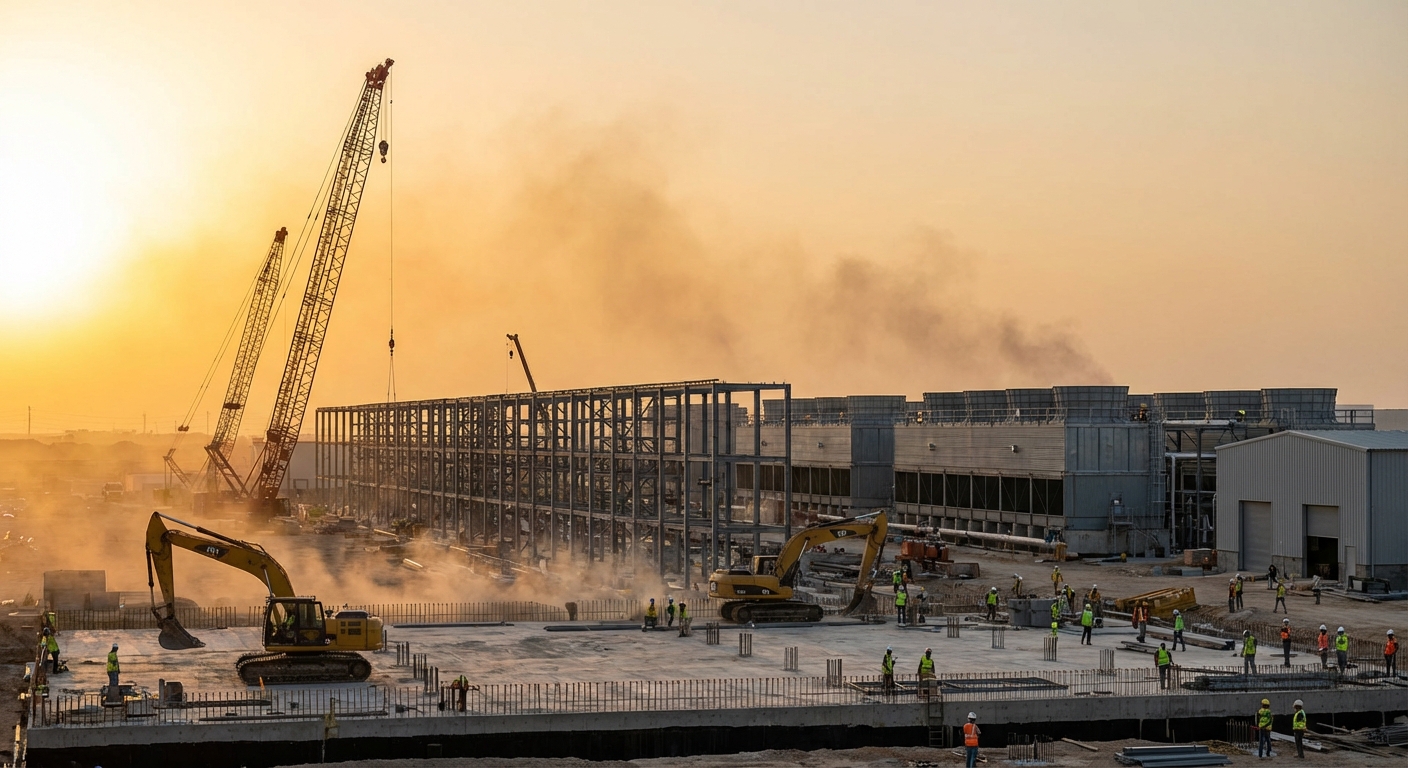
The construction labor shortage didn’t happen overnight, but it has reached critical mass. Industry analysts project the sector will need 499,000 new workers in 2026—a staggering figure that represents roughly 7% of the current workforce needing replacement every single year.
Several factors are driving this crisis:
Demographic shifts: The construction workforce is aging out faster than it’s being replaced. Baby boomers who entered the trades in the 1970s and 1980s are reaching retirement age, taking decades of institutional knowledge with them.
Competition for talent: Construction now competes not just with other trades but with warehouse and logistics jobs, gig economy work, and technology sector positions that didn’t exist a generation ago.
Perception problems: Despite offering competitive wages and career advancement opportunities, construction still struggles to attract young workers who may view the industry as physically demanding and technologically backward.
Training gaps: The decline of vocational education programs over the past two decades has left a critical gap in the pipeline of skilled tradespeople.
The result is a perfect storm that’s forcing contractors to rethink how work gets done on the jobsite.
Technology Steps Into the Breach
If you can’t find enough workers, you make the workers you have more productive. That simple equation is driving a technological transformation across the construction industry in 2026.
According to recent industry surveys, 83% of construction firms are now using AI or machine learning tools in some capacity—a figure that would have seemed fantastical just five years ago. But the adoption isn’t happening because contractors suddenly became tech enthusiasts. It’s happening because they have no other choice.
Automation on the Jobsite
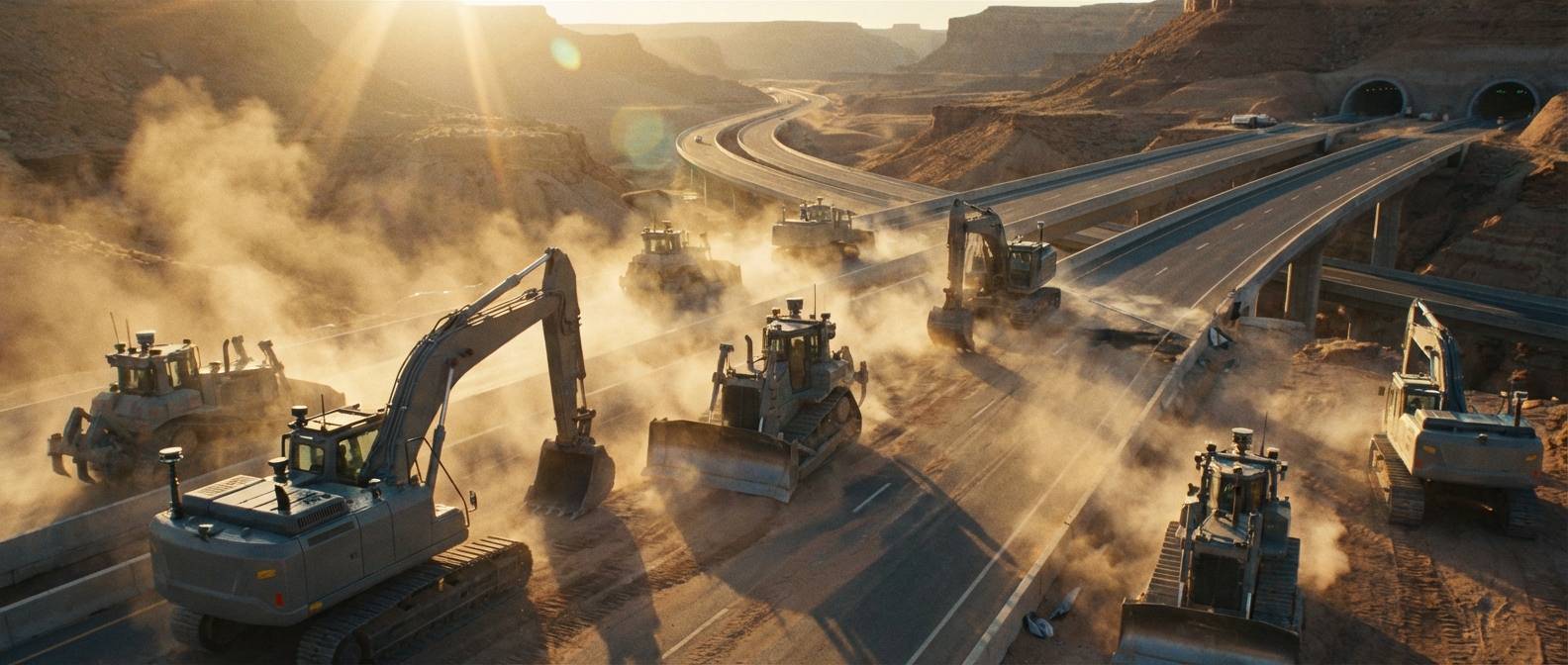
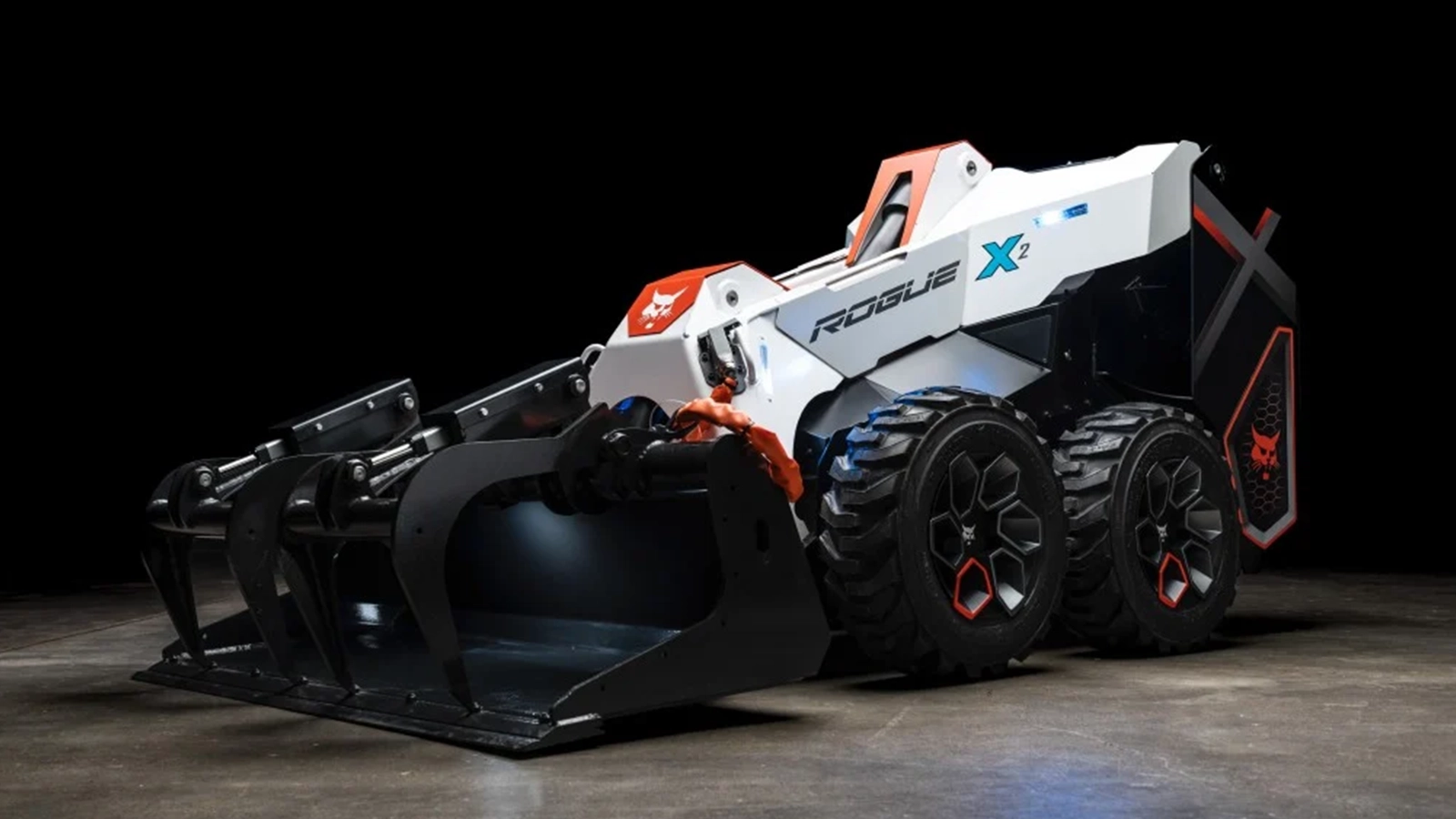
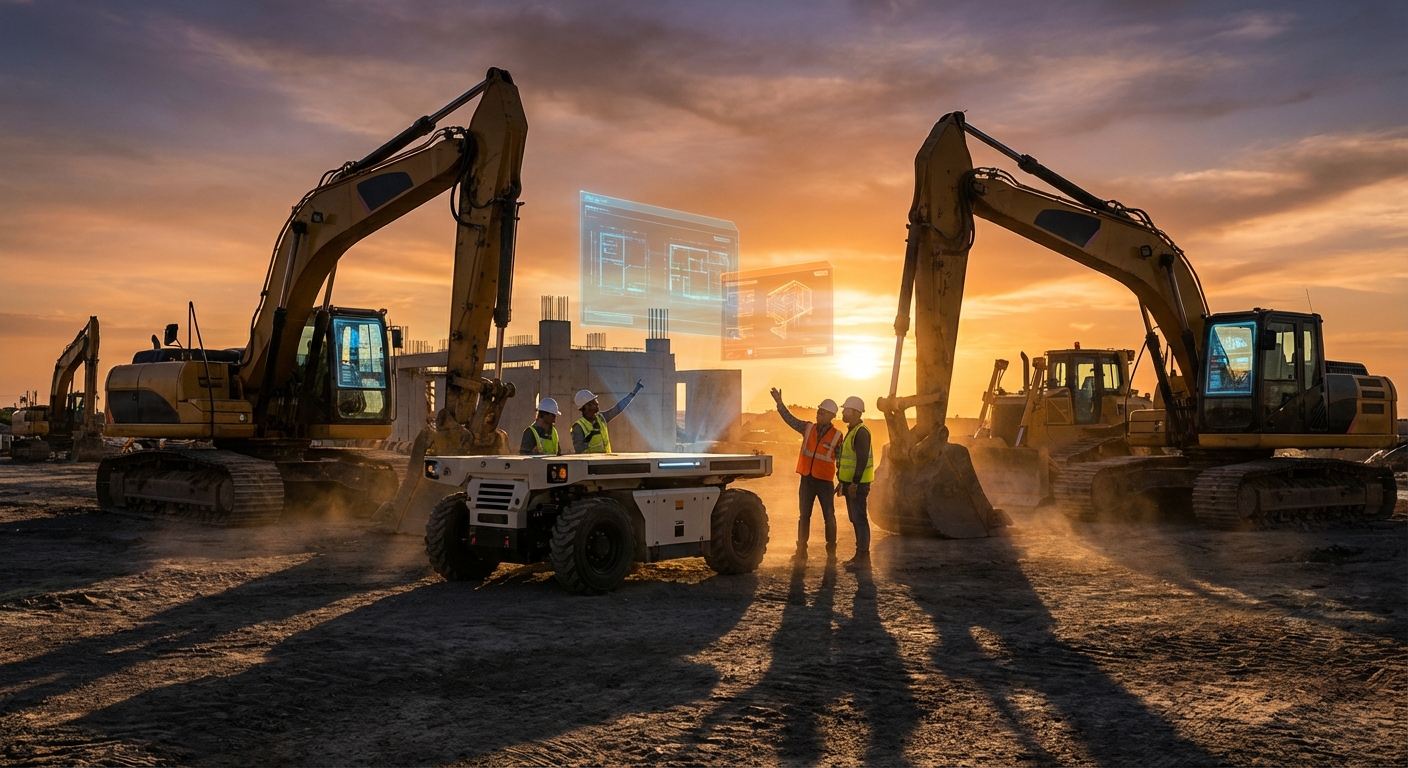
Intelligent machinery and robotics are taking over repetitive tasks that once required crews of laborers. Automated concrete finishing, robotic rebar tying, and autonomous material handling are moving from novelty to necessity.
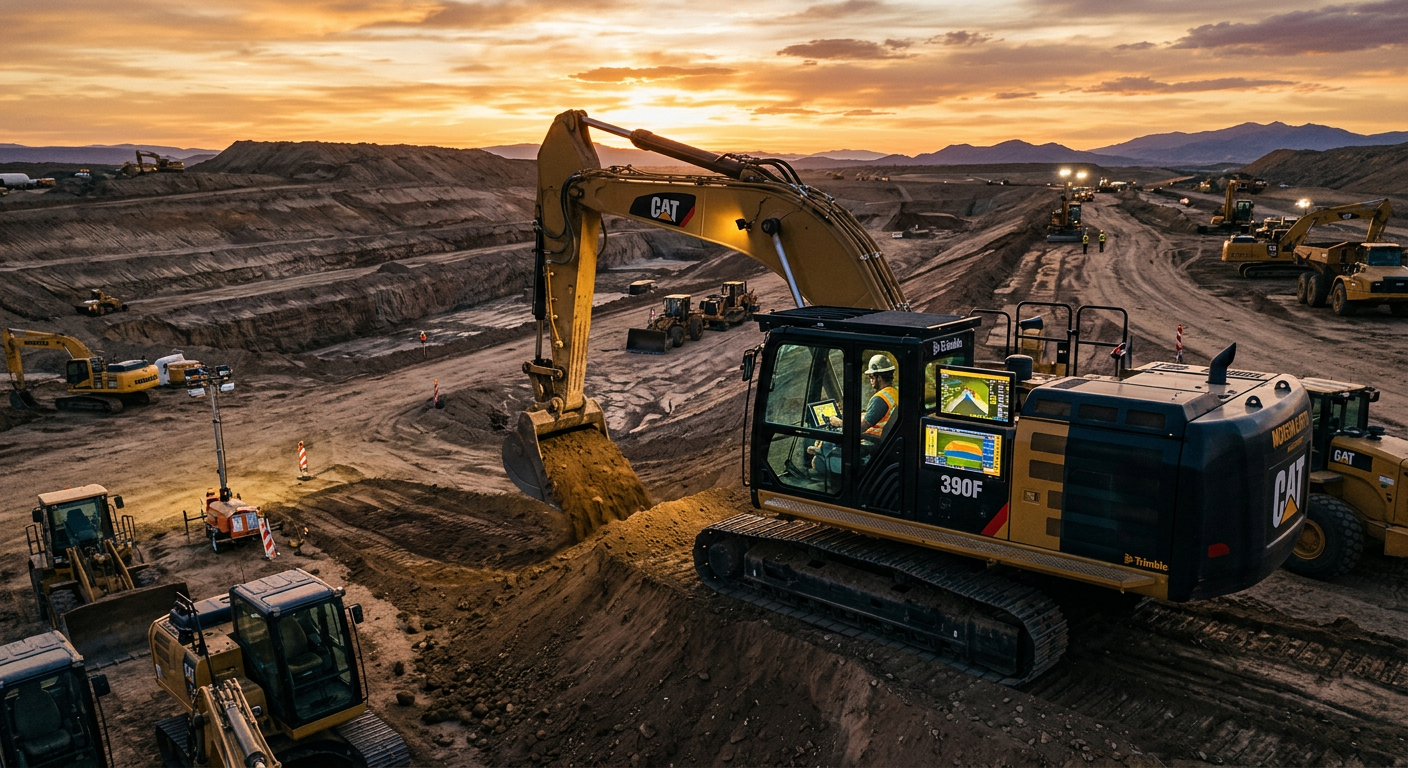
The equipment itself is getting smarter. Demand is surging for machines with integrated guidance systems and machine control capabilities that allow less-experienced operators to achieve the precision that once required years of seat time to develop.
“The reality is that we’re asking machines to do more of the thinking,” says the conventional wisdom in equipment circles. Grade control that once required a dedicated operator and a surveyor can now be handled by a single person in the cab, with GPS and laser systems doing the calculations in real-time.
Digital Twins Go Mainstream
Building Information Modeling (BIM) has been around for years, but 2026 is seeing the technology mature into something more powerful: digital twins that link design data with real-time schedule, cost, and field progress information.
This integration allows project managers to identify problems before they become expensive—spotting conflicts between systems, anticipating material needs, and adjusting schedules based on actual progress rather than optimistic projections.
The labor shortage connection? When you can plan more accurately, you need fewer workers standing around waiting for decisions to be made. Every hour of productivity gained is an hour you didn’t need to fill with a worker you couldn’t find anyway.
Modular and Prefab Surge
Perhaps no construction trend is more directly tied to labor constraints than the rise of modular and prefabricated construction. By moving work from unpredictable field conditions into controlled factory environments, modular construction addresses several labor challenges simultaneously.
Factory settings can attract workers who might not want traditional field construction jobs. The controlled environment allows for more consistent quality with less skilled labor. And the assembly-line approach means you can train workers more quickly on specific, repeatable tasks rather than requiring broad trade expertise.
Industry projections suggest modular construction will see significant growth in 2026, driven as much by necessity as by any inherent advantages of the approach.
The AI Construction Market Explodes
The AI construction market is projected to surpass $4.5 billion by 2026, and the money is following real applications rather than science fiction promises.
Current AI applications in construction include:
Predictive maintenance: Algorithms that analyze equipment sensor data to predict failures before they happen, reducing downtime and extending machine life.
Safety monitoring: Computer vision systems that can identify unsafe conditions or behaviors in real-time, from missing PPE to dangerous work practices.
Project estimation: AI tools that can analyze historical project data to provide more accurate bids and identify potential cost overruns before they occur.
Document analysis: Natural language processing that can review contracts, specifications, and regulatory requirements to flag potential issues.
Resource optimization: Systems that can balance crew assignments, equipment utilization, and material deliveries to maximize productivity.
The common thread? Each of these applications either reduces the need for human labor or makes existing workers more effective.
Regional and Sector Variations
The construction picture in 2026 isn’t uniform across all markets and segments. Understanding where the money is flowing—and isn’t—is crucial for equipment decisions.
Data centers and digital infrastructure: This sector is seeing explosive growth, driven by artificial intelligence computing demands and cloud expansion. Contractors with experience in this space are in high demand.
Energy and utilities: The intersection of grid modernization, renewable energy installation, and traditional power infrastructure is creating sustained demand.
Infrastructure: Federal spending from recent legislation continues to flow into roads, bridges, and public works, though many projects face delays due to—you guessed it—labor shortages.
Commercial construction: More mixed results here, with office construction still struggling in many markets while retail and hospitality show signs of recovery.
Residential: Interest rate sensitivity continues to create uncertainty, though housing shortage fundamentals suggest pent-up demand when conditions improve.
Nonresidential construction grew 13% in 2025, and early projections point to continued growth in this sector through 2026. But that growth is happening unevenly, creating both opportunities and challenges depending on where contractors are positioned.
Economic Uncertainty Clouds the Outlook
Even as technology promises solutions to the labor crisis, broader economic uncertainty is making contractors cautious about major investments.
Concerns about a potential recession, materials cost volatility, and policy unpredictability are all weighing on decision-making. Supply chain challenges that seemed to be easing have shown signs of reemerging in some sectors.
Tariff discussions and trade policy uncertainty are adding another layer of complexity, particularly for equipment and materials with international supply chains. Immigration enforcement changes are also affecting labor availability in some markets—adding to the workforce challenges rather than alleviating them.
The result is a paradox: contractors need to invest in technology to remain competitive, but uncertainty makes them hesitant to commit capital to those investments.
Sustainability Pressure Mounts
Adding to the complexity, firms face mounting pressure to reduce their carbon footprints and adopt circular building models. Environmental regulations are tightening in many jurisdictions, and clients—particularly in commercial and institutional sectors—are increasingly demanding sustainable construction practices.
This pressure has equipment implications. Lower-emission machinery, electric and hybrid options, and more fuel-efficient designs are all gaining attention. But sustainable equipment often comes at a premium price point, creating tension with the cost pressures already squeezing contractor margins.
The most successful contractors are finding ways to turn sustainability into a competitive advantage rather than just a cost burden—but that requires capital investment that not everyone can afford.
What This Means for Equipment Decisions
For equipment managers and fleet operators, the 2026 landscape suggests several strategic considerations:
Invest in operator-assist technology: Machines with integrated guidance, grade control, and automation features can help less experienced operators achieve professional results. The premium for these features is increasingly justified by reduced training time and improved productivity.
Prioritize uptime: With fewer operators available, every hour of machine downtime has amplified impact. Preventive maintenance, telematics monitoring, and rapid repair response become even more critical.
Consider the total cost picture: Equipment decisions should factor in not just purchase price but operator efficiency, fuel consumption, maintenance requirements, and resale value. A more expensive machine that needs fewer skilled operators may actually be the economical choice.
Plan for technology integration: Equipment that can connect to project management systems, share data with other machines, and integrate with emerging jobsite technologies will hold value better than standalone units.
Watch the used equipment market: The productivity advantages of newer technology-equipped machines are accelerating depreciation of older units. This creates buying opportunities for contractors in less technology-intensive applications, but sellers should be realistic about residual values.
The Path Forward
The construction industry’s labor shortage isn’t going away in 2026—or likely in 2027 or 2028 either. The structural forces driving the crisis are generational in nature, and quick fixes don’t exist.
What does exist is adaptation. The contractors who thrive in this environment will be those who embrace technology not as a luxury but as a necessity, who invest in the equipment and systems that multiply the productivity of the workers they can find, and who position themselves in the growing sectors rather than fighting for share in declining ones.
The projected 1.8% industry growth for 2026 may seem modest, but it masks enormous variation. Some contractors will struggle to complete the work they have. Others will grow aggressively by solving the labor equation better than their competitors.
The equipment choices made today will help determine which category a contractor falls into tomorrow.
Equipment Insider provides analysis and coverage of the heavy equipment industry. For the latest market intelligence and equipment technology updates, subscribe to our newsletter.