OPINION: Stop Buying Attachments for Work You Haven't Sold
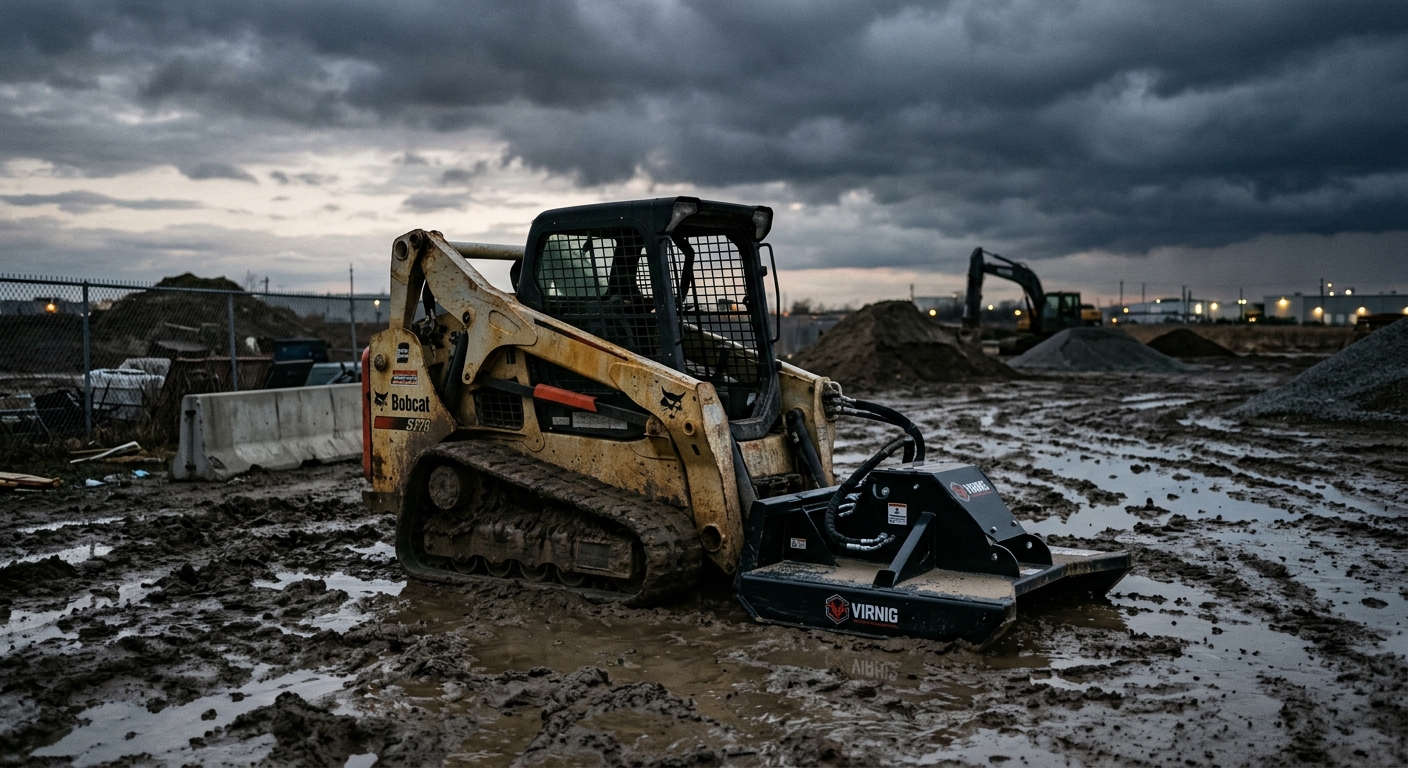
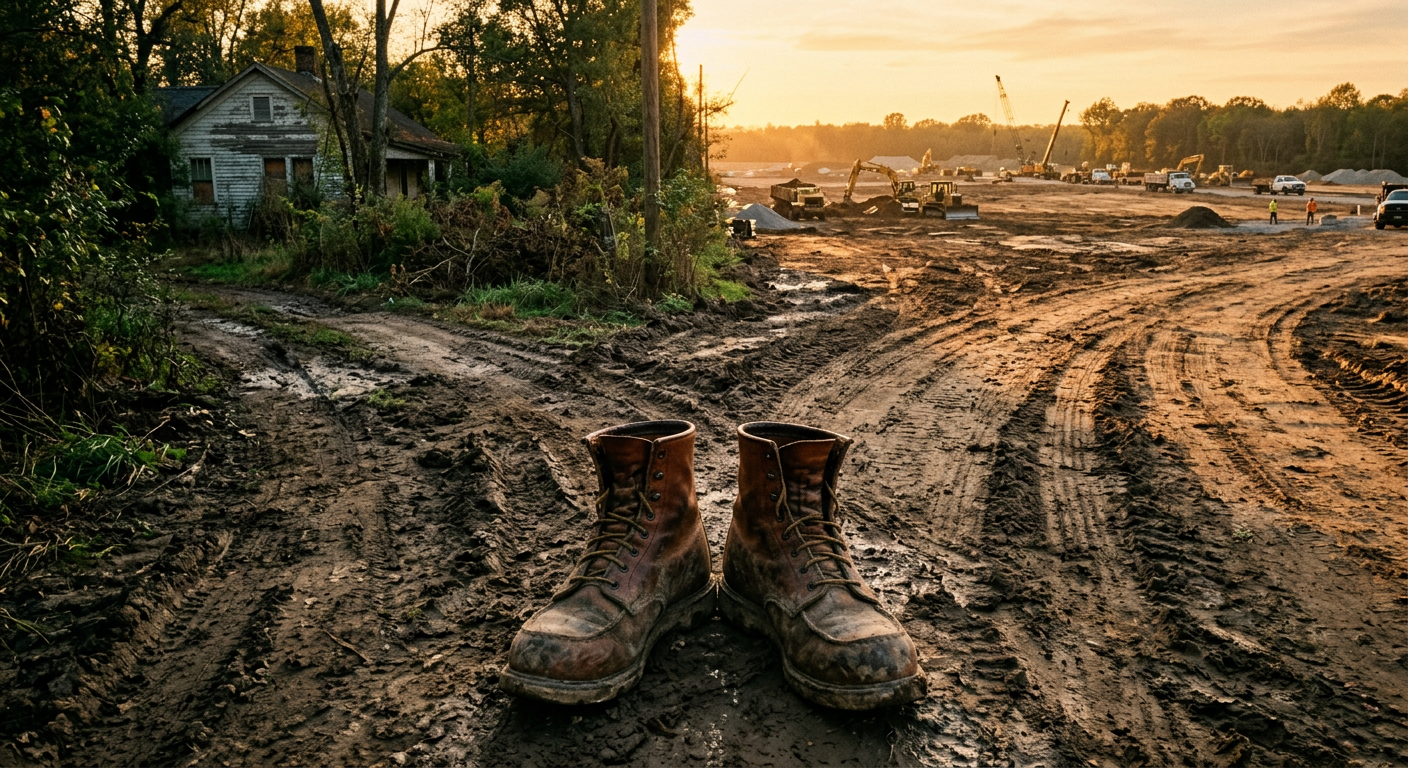
Too many contractors buy a grinder, planer, mulcher, or specialty bucket first and then go hunting for demand. That is not growth. It is trapped cash with a coupler on it.
26 articles
Too many contractors buy a grinder, planer, mulcher, or specialty bucket first and then go hunting for demand. That is not growth. It is trapped cash with a coupler on it.
Too many contractors buy the grinder, planer, mulcher, or specialty head first and then pray the work shows up. That is not growth. That is trapping cash in iron and calling it a plan.
Too many contractors buy a grinder, planer, mulcher, or specialty attachment first and then go hunting for work to justify it. That backwards math traps cash in iron, creates weak sales pressure, and turns one slow month into a panic attack.
The labor shortage in heavy equipment is real, but a lot of owners make it worse with bad pay, bad training, and chaotic jobsites. If you want dependable operators, build a company a dependable operator would actually stay with.
Seven-year notes are making expensive iron look cheap. The payment might fit on paper, but that does not mean your business can actually carry the machine when work slows down or repair bills stack up.
Between GL, auto, equipment, workers comp, and umbrella policies, you're probably paying more to be insured than to run your machines. Nobody talks about it, and it's quietly bankrupting small operators.
Insurance used to feel like a cost of doing business. Now it feels like a second payroll, except this one shows up every month, does nothing to help you win jobs, and still gets more expensive every year.
Most operators obsess over fuel, repairs, and payments while insurance drains profit in the background. I've watched premiums climb so fast they can wipe out the margin from a solid month of work.
Most operators obsess over fuel, repairs, and payments while insurance drains profit in the background. I've watched premiums climb fast enough to wipe out the margin from a solid month of work.
A lot of operators think fuel, repairs, or payroll are their biggest silent cost. I think it's insurance, because every year we pay more, fight harder for coverage, and somehow get less protection in return.
Insurance costs for equipment operators are out of control and nobody talks about it. Between GL, equipment, auto, workers comp, and umbrella policies, you're paying more to be insured than to run your machines.
YouTube and Instagram make land clearing look like easy money. They skip the part where your hydraulic line blows at 2pm on a Friday and your whole week goes sideways.
The race to the bottom on pricing is killing small operators. I've watched guys underbid jobs by thousands, work for nothing, and then sell their iron six months later. Here's why cheap work is expensive.
Most equipment operators have no idea what their real cost per hour is. They're self-employed with expensive toys, not business owners.
Every equipment company owner complains about finding good help. Few of them ask why their good help keeps leaving.
Every operator thinks more leads means more money. I did too, until I ran the numbers and realized half my jobs were costing me money.
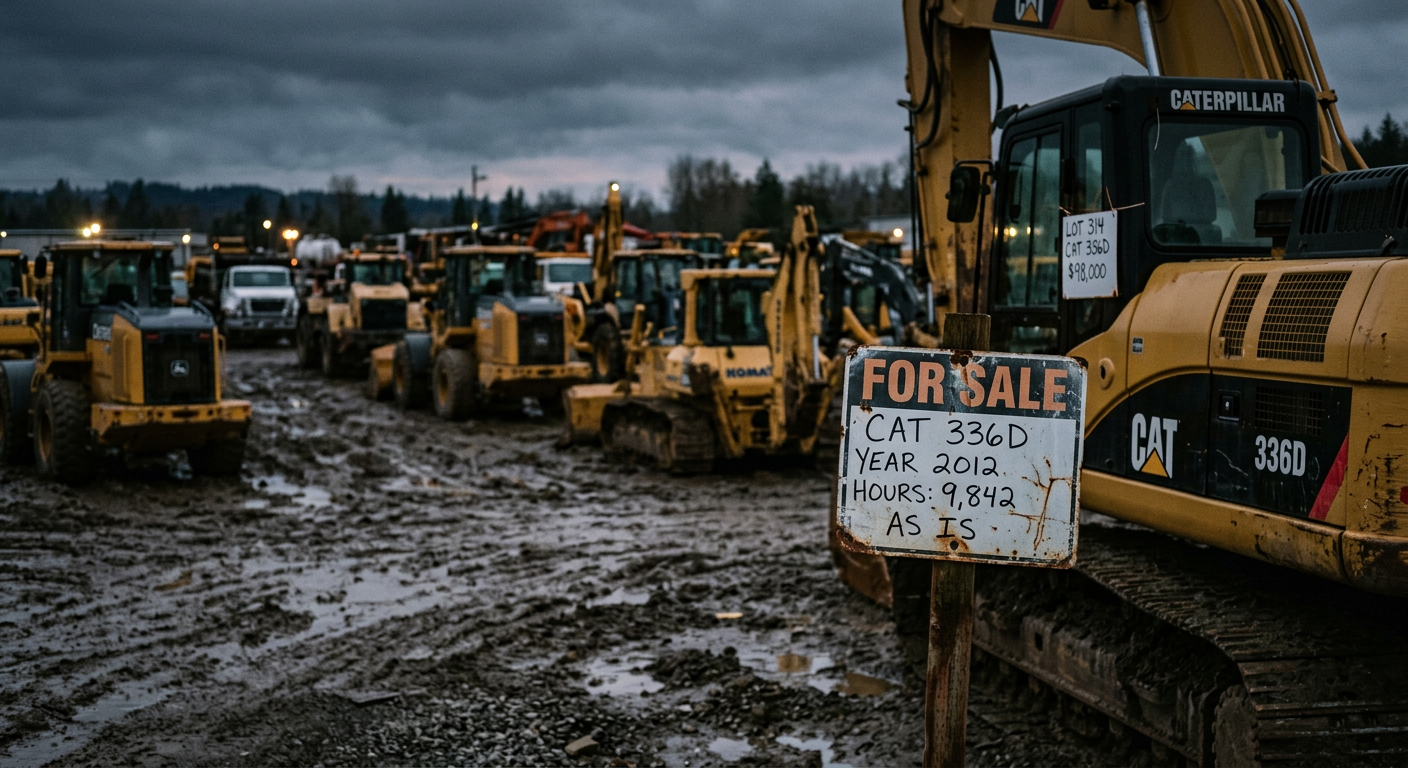
Used iron prices have lost touch with reality. When the correction comes, a lot of operators are going to be upside down on machines they overpaid for.
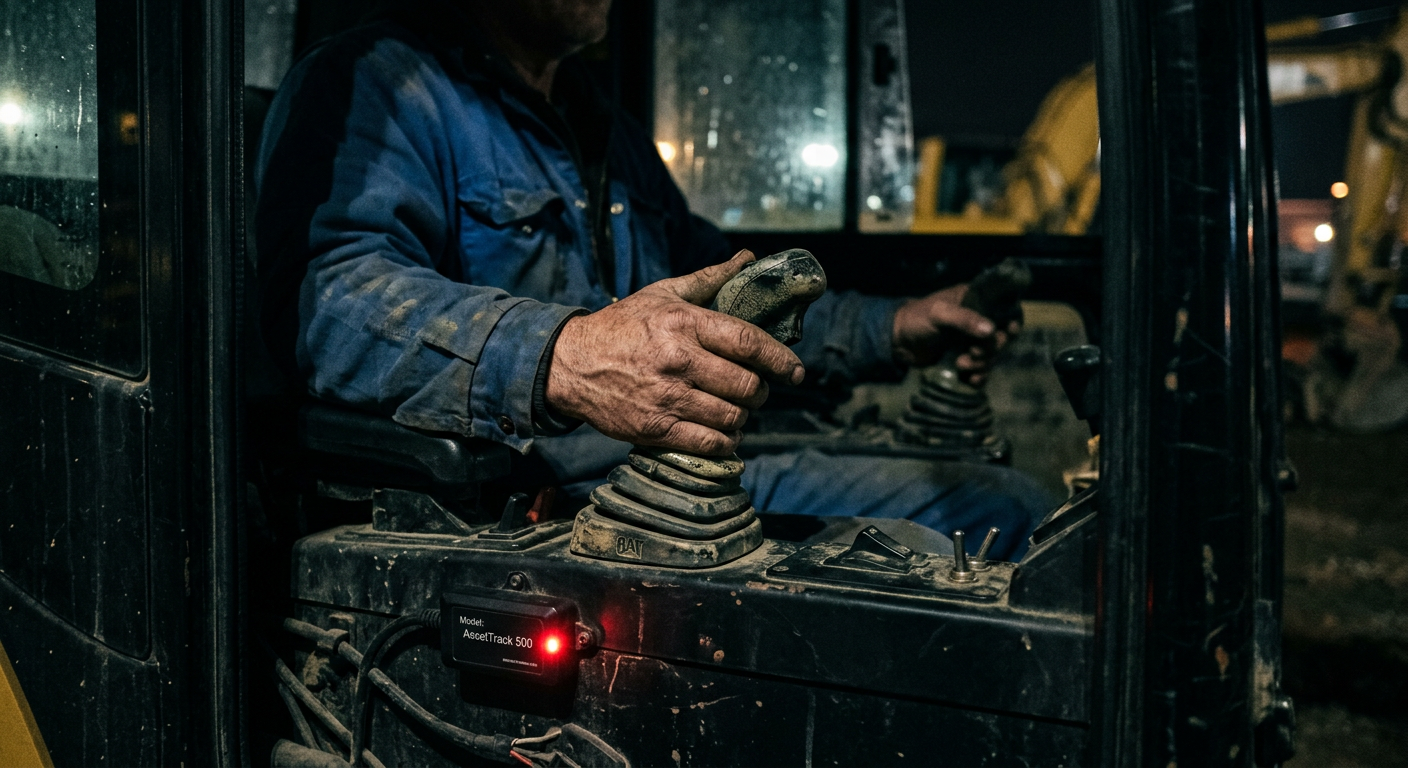
There's a difference between knowing where your machines are and watching your guys like a prison warden. Most companies picked the wrong side.
The mechanic shortage isn't some mystery. We built it with low pay, terrible conditions, and an industry that treats its techs like they're replaceable. They aren't.
Weeks-long wait times, $200/hour shop rates, and techs who've never sat in the seat. The way dealers service equipment isn't working for operators anymore.
The equipment industry has a spending problem. Operators are going broke chasing new machines while their existing fleet sits broken in the yard.
Every week I see another operator post about their shiny new $200K machine. Six months later, that same machine is sitting idle while they scramble for work. The debt spiral nobody talks about.
Supply chains have normalized, financing rates are brutal, and fleet turnover cycles are converging. The used equipment market is about to get ugly—here's what smart operators should do now.
Every operator panics when diesel spikes, but fuel is rarely in your top three cost drivers. Here's where your money actually goes — and what to worry about instead.
That shiny 0% financing deal looks like free money. It isn't. Here's the math dealers don't want you to do.
Insurance premiums have doubled for many operators in two years. Alex Boyd breaks down who survives, who doesn't, and why this is the crisis nobody in the industry is talking about.