OPINION: Stop Financing Equipment Before You Have the Pipeline to Feed It
Every week I see another operator post about their shiny new $200K machine. Six months later, that same machine is sitting idle while they scramble for work. The debt spiral nobody talks about.
I’ve lost count of how many DMs I’ve gotten that start the same way: “Hey man, just bought a [insert $150K-$300K machine here], got any tips for finding work?”
My tip? Don’t do it backwards.
Look, I get it. The dream is real. You see guys on YouTube running their own operations, making their own schedule, building something that’s theirs. I’m one of those guys. I started Brushworks with a forestry mulching rig and a whole lot of hustle. So I understand the pull.
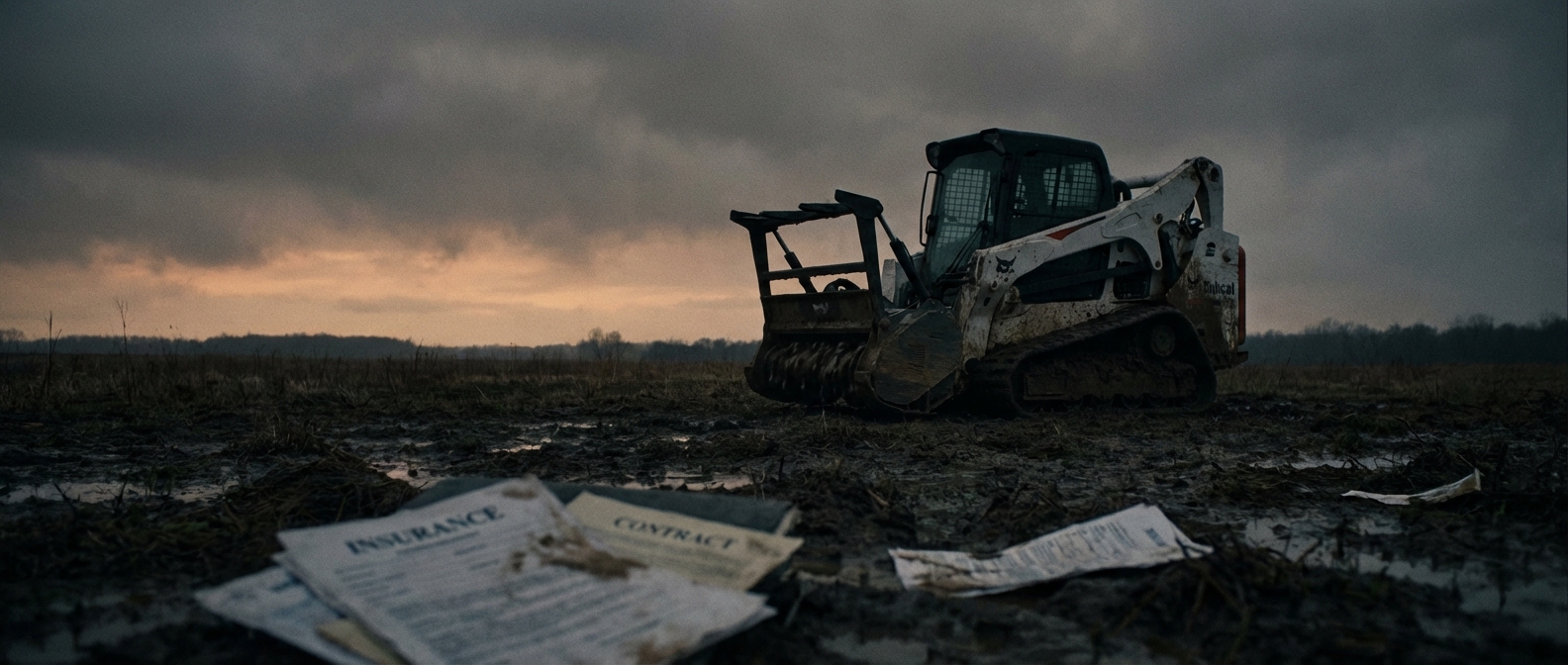
But here’s what the Instagram reels don’t show you: the sleepless nights staring at a $3,800 monthly payment when you’ve got maybe $2,000 worth of work lined up. The pit in your stomach when your “sure thing” job falls through and that machine just sits there, depreciating, while the interest keeps compounding.
I’m not here to crush dreams. I’m here to tell you the truth that nobody in the dealer’s financing office will: Equipment doesn’t generate work. Work generates the need for equipment.
The Backwards Logic That’s Destroying New Operators
Here’s the typical story I see play out, over and over again:
Guy works as an operator for someone else. Gets good at running equipment. Decides he’s tired of making money for someone else. Makes the leap.
So far, so good. This is how most of us start.
But then comes the critical fork in the road. The smart move is to start small, maybe rent or buy something used, build relationships, stack up jobs, and grow into bigger equipment as the work demands it.
Instead, what I see is guys walking into a dealership on Day One and financing the exact machine their old boss had. The Tier 4 Final, fully loaded, extended warranty, the works. Because if you’re going to do this, you might as well do it right, right?
Wrong. Dead wrong.
Here’s the math nobody does: A $250,000 machine financed over 5 years at 8% interest is around $5,000 a month in payments alone. Before fuel. Before insurance (which has doubled in the last two years — I wrote about that recently). Before maintenance. Before your own salary.
Let’s call total monthly overhead $8,000 to keep the lights on and that machine operational. That means you need to bill roughly $100,000 a year just to break even. Not to profit. Just to survive.
Do you have $100K in signed contracts right now? Do you have relationships with GCs, land developers, or property owners who will reliably feed you work month after month? Do you have a pipeline?
If the answer is no, you’re not starting a business. You’re buying yourself a really expensive job — one that might not even exist.
The Pipeline Comes First. Always.
When I started Brushworks, I didn’t have the best equipment. Not even close. I had a used mulching head that had seen better days and a skid steer that required more affection than any machine should. It wasn’t pretty. But you know what I did have? Work.
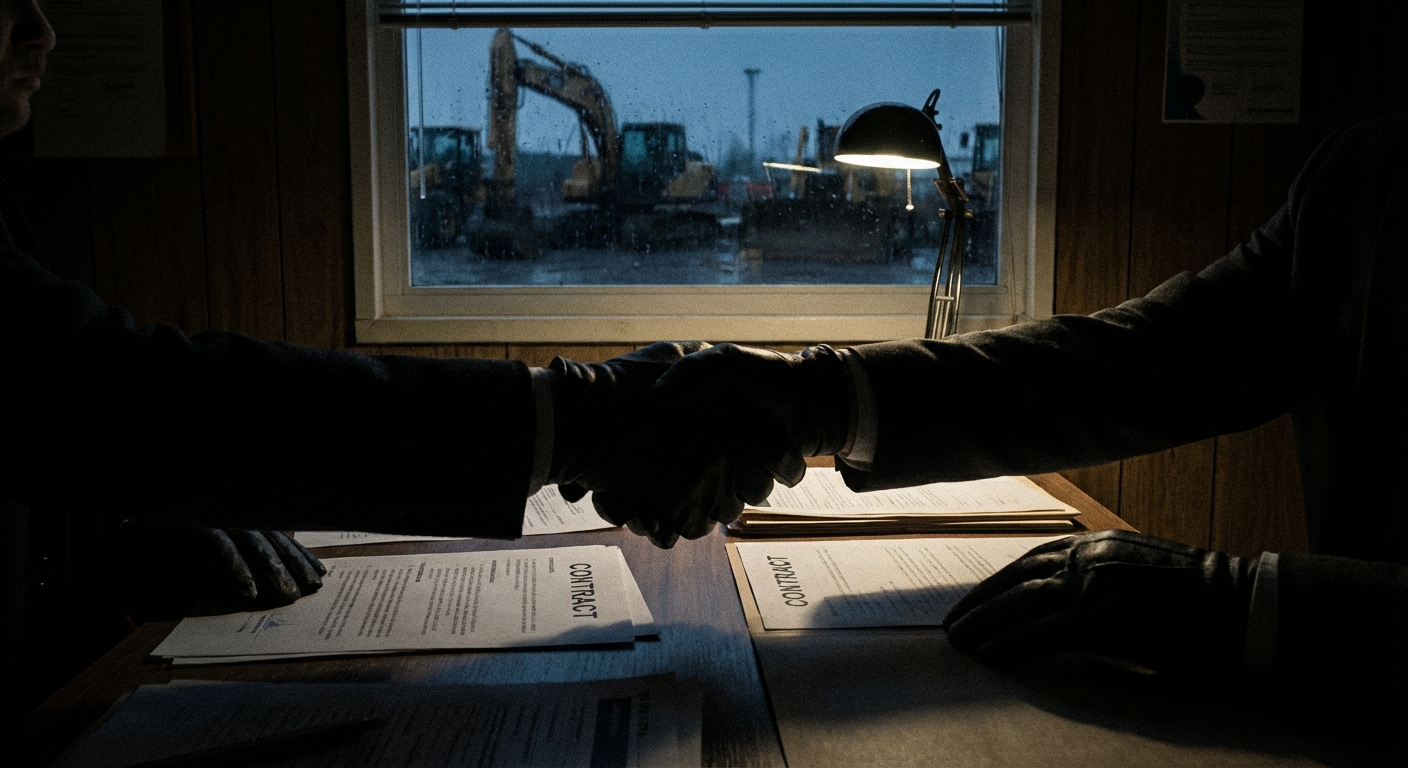
Before I ever signed my first equipment loan, I spent months building relationships. I knocked on doors. I networked with landscapers, tree services, real estate developers. I quoted jobs I couldn’t do yet and told people, “I’m scaling up my operation — I’d love to be your guy when I’m ready.”
By the time I was ready to finance real equipment, I had a backlog. I had people waiting on me. The machine paid for itself because the work was already there.
This is the part nobody wants to hear because it’s not sexy. Building a pipeline is slow. It’s grinding. It’s showing up to networking events where you feel out of place. It’s following up on leads that go nowhere. It’s quoting jobs you don’t get.
But it’s also the only foundation that actually holds.
The Debt Spiral Nobody Talks About
Here’s what happens when you get the order wrong:
Month 1-2: You’re optimistic. The machine is shiny. You post it on social media. You get some likes. You tell yourself the work will come.
Month 3-4: You’ve done a few small jobs. Word of mouth is building, but not fast enough. That payment hits different when your checking account is getting thin.
Month 5-6: Panic mode. You start underbidding jobs just to keep the machine running. You take work that doesn’t make sense economically because something is better than nothing, right?
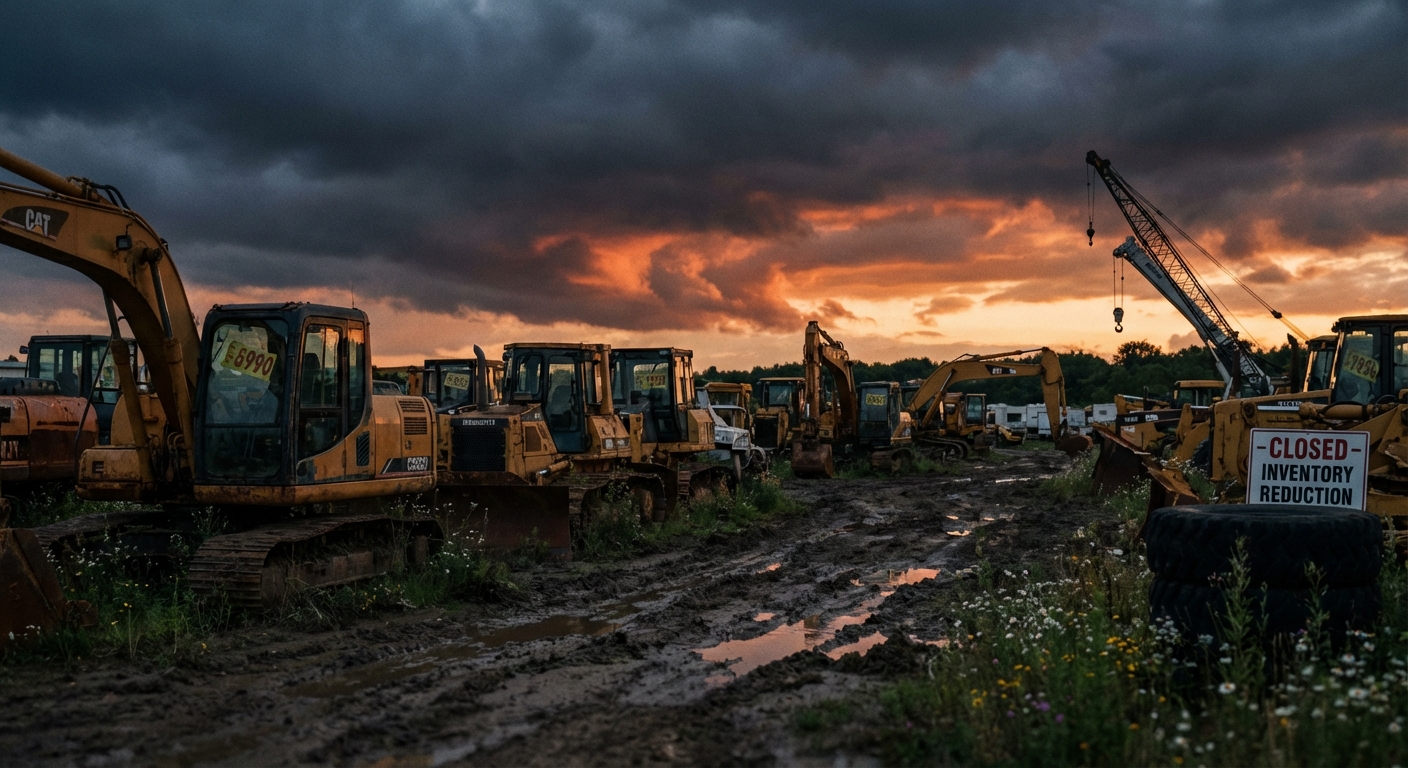
Month 7-12: The death spiral. You’re working 70-hour weeks for margins that would embarrass a fast food restaurant. You can’t invest in marketing because every dollar goes to the payment. You can’t hire help because you can’t afford it. You’re stuck.
I’ve seen this play out a dozen times. Good operators — skilled, hardworking people — crushed not by lack of talent but by the weight of premature debt.
And here’s the kicker: the dealers and financing companies don’t care. You’re a number on a spreadsheet. If you default, they repo the machine, sell it at auction, and move on. The 0% financing they dangled in front of you? They built their margin into the MSRP. They got paid either way.
What Actually Works
Let me tell you about a guy I know who did it right. He spent two years working as a subcontractor for established land clearing companies. Learned the business, made connections, saved cash. When he finally went independent, he bought a five-year-old machine outright for $80K. No payment.
His overhead was a fraction of what the “I bought my dream machine Day One” guys were dealing with. When work was slow, he could weather it. When a big opportunity came, he could bid competitively because he wasn’t desperately trying to cover a monster payment.
Within three years, he’d upgraded to newer equipment — paid for with cash flow from actual jobs, not projected revenue from jobs he hoped would come.
That’s the blueprint. It’s not as fun to post about on Instagram. But it’s how you actually build something sustainable.
The Questions You Need to Answer First
Before you walk into that dealership, before you sign anything, you need honest answers to these questions:
1. Do I have 6 months of equipment payments in reserve?
Not projected income. Cash. In the bank. Because jobs will fall through. Customers will pay late. Weather will shut you down. If you can’t survive 6 months of slow work, you can’t survive this business.
2. Do I have signed contracts or strong verbal commitments for ongoing work?
One big job doesn’t count. You need repeatable work. Relationships with people who will call you again and refer you to others.
3. Can I articulate my customer acquisition strategy?
“Word of mouth” is not a strategy. How are you going to consistently generate leads? Do you have a marketing budget? A plan for when the referrals slow down?
4. Have I run the real numbers?
Not the optimistic numbers. The real ones. What’s your breakeven point? What happens if you only hit 60% utilization your first year? What if your fuel costs go up 20%? What if insurance doubles (because it might)?
5. Could I start smaller?
This is the one nobody wants to ask themselves. But seriously — could you start with a less expensive machine? Rent before you buy? Buy used? Start with services that require less capital?
The answer is almost always yes. Your ego just doesn’t like it.
The Hard Truth
I’m writing this because I care about this industry. I want to see more operators succeed, not fewer. And right now, I’m watching too many talented people torpedo their own futures because they confused buying equipment with building a business.
They’re not the same thing.
Equipment is a tool. A very expensive tool that depreciates, breaks down, and requires constant feeding. It’s not the business. The business is relationships, reputation, execution, and — yes — pipeline.
If you’re reading this and you’ve already made the leap, I’m not saying you’re doomed. But you need to get ruthlessly honest about your situation, fast. Cut personal expenses to the bone. Get aggressive about marketing. Consider picking up subcontract work even if it feels like a step backward. Do whatever it takes to get that pipeline filled before the cash runs out.
And if you’re reading this before you’ve signed anything? Good. You still have the chance to do this the right way.
Build the pipeline first. Let the work demand the equipment, not the other way around. Start smaller than your pride wants you to. Grow into the business you want instead of trying to buy it on Day One.
I know it’s not the advice you wanted to hear. But it’s the advice that’ll keep you in this game long enough to actually win.
Alex Boyd is the owner of Brushworks Services Co., a forestry mulching and land clearing company based in Ohio. He writes about the business reality of running equipment operations — not the highlight reel version.