
OPINION: Stop Lowballing Each Other Into Bankruptcy
The race to the bottom on pricing is killing small operators. I've watched guys underbid jobs by thousands, work for nothing, and then sell their iron six months later. Here's why cheap work is expensive.
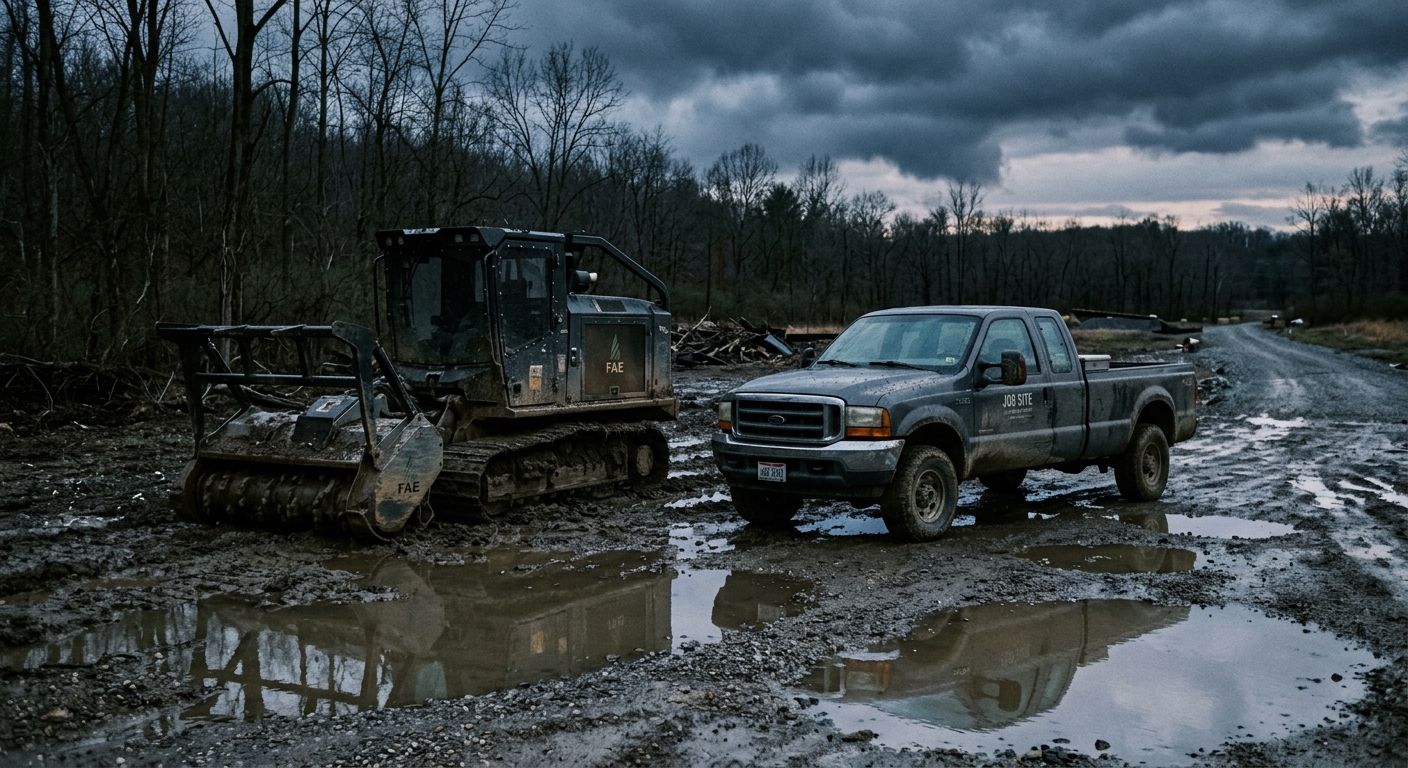
I got a call last week from a property owner in southern Ohio. Five acres of brush, some light hardwood, nothing crazy. Pretty standard job for us. I ran the numbers, looked at the access, factored in the drive time, and gave him a quote.
“That’s way more than the other guy,” he said.
The other guy? $3,200 for five acres. I quoted $7,500.
I told the homeowner to go with the other guy. Seriously. Because at $3,200, that operator is doing the job for free. Maybe worse than free when you count fuel, transport, wear on his mulcher head, and the eight hours he’ll spend on site.
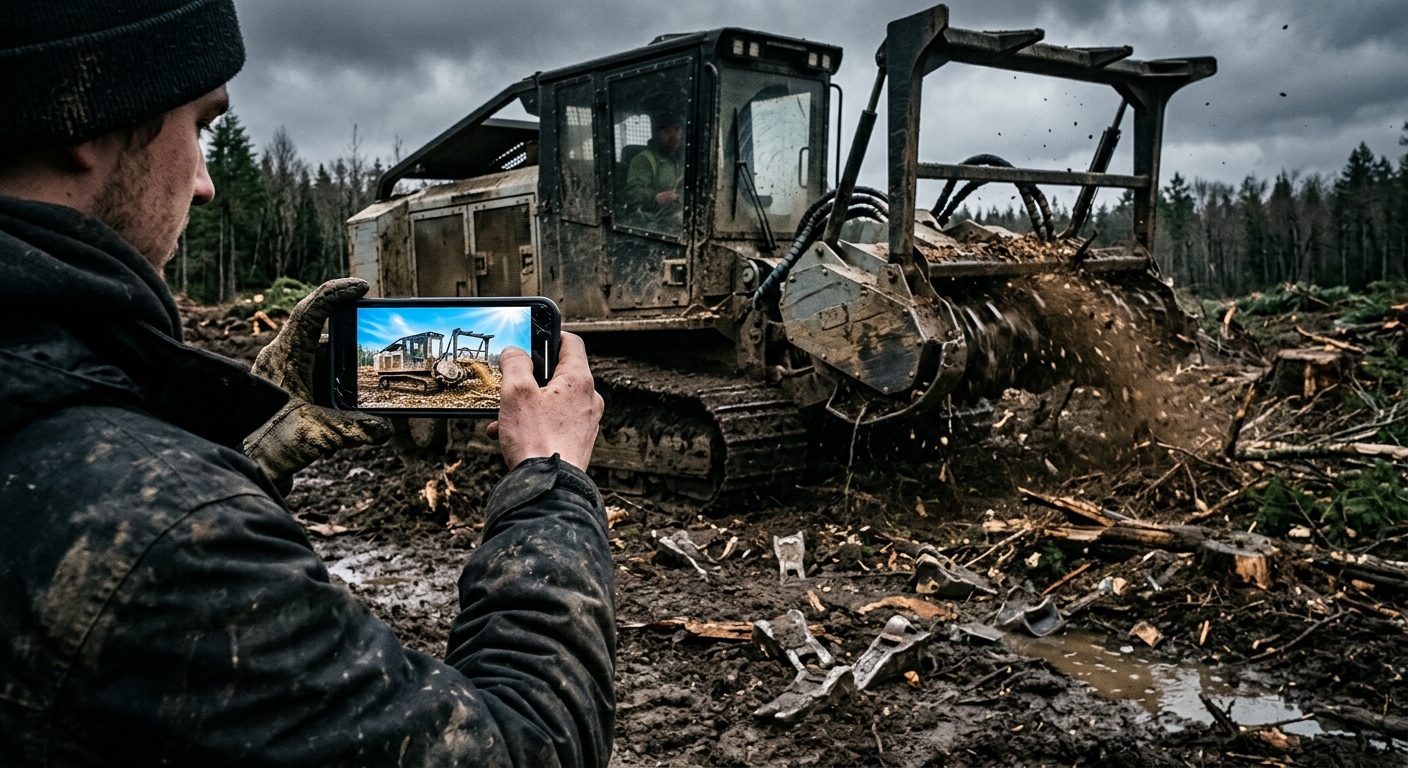
He called me back two weeks later. The other guy showed up, got halfway through, broke a tooth on his drum, and left. Said he’d be back. Never came back. Now the property looks worse than when they started.
I finished the job. Charged my full rate.
The Math Nobody Wants to Do
Here’s what kills me about the lowball game. These guys aren’t stupid. A lot of them are talented operators who can run a machine better than I can. But they refuse to sit down and figure out what it actually costs to put their equipment on a job site.
I’ll walk through the numbers because someone has to.
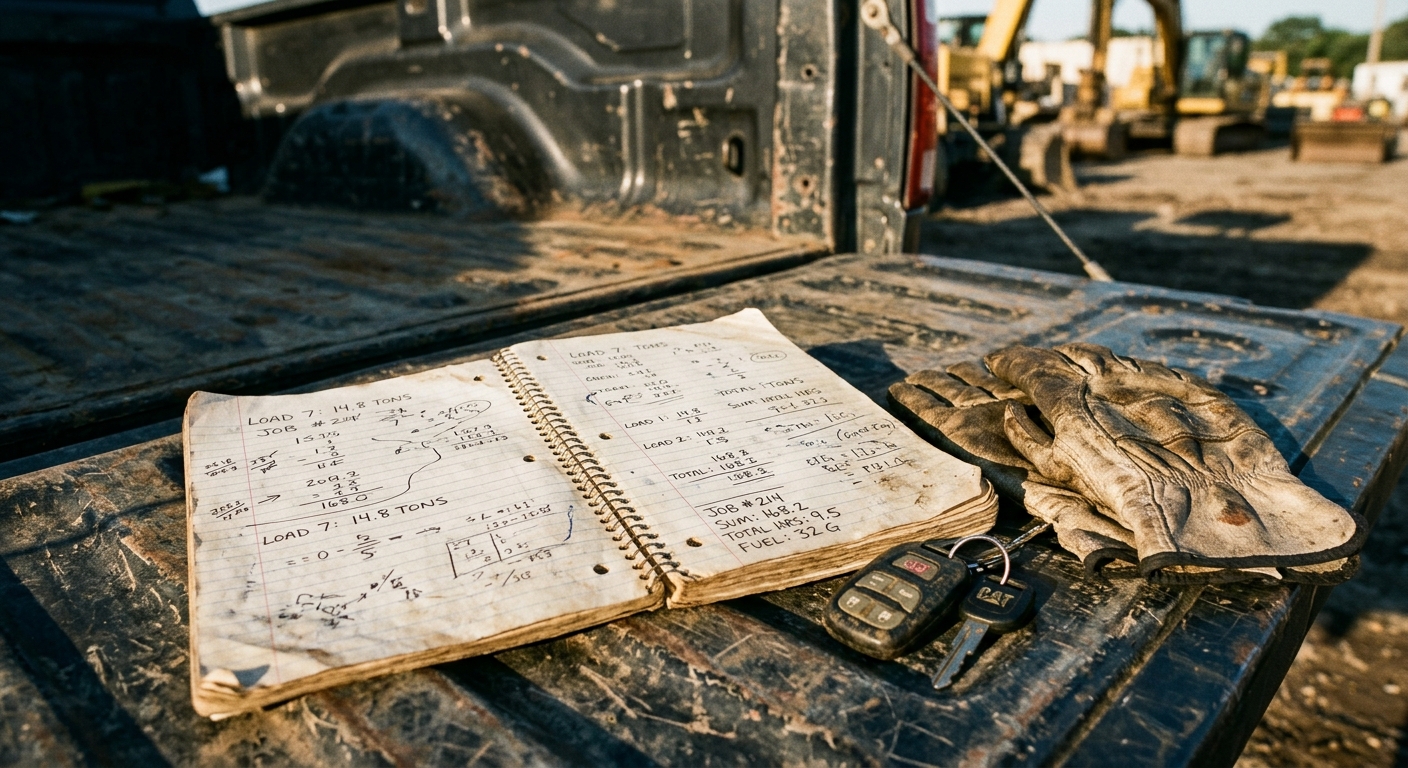
My Bobcat T770 with a mulcher head costs me roughly $47 per operating hour just in ownership cost. That’s the payment, insurance, and depreciation spread across my expected annual hours. Fuel runs about $35-40/hour in a compact track loader doing mulching work. Mulcher teeth cost about $8-12/hour when you factor replacement frequency. Maintenance, filters, hydraulic fluid, undercarriage wear — call it another $15/hour.
That’s $105-115 per hour before I’ve paid myself, paid an operator, paid for transport, covered my overhead, or made a single dollar of profit.
When some guy bids a five-acre job at $3,200, he’s telling the customer he can clear that property in about 30 hours of machine time at roughly $107/hour. Except that doesn’t include his labor, his truck and trailer payment, his fuel to get there, or any profit margin at all. He’s working for the privilege of wearing out his equipment.
And he wonders why he can’t afford new teeth next month.
Why Guys Do It
I get it. I’ve been there. When I started Brushworks, I was hungry. Every job felt like it might be the last one, and the idea of losing a bid to another guy made my stomach hurt. So I’d sharpen my pencil, cut my margins, tell myself I’d make it up on volume.
Volume. That’s the lie we all tell ourselves. “I’ll do more jobs at lower margins and it’ll work out.” Except it never works out, because every cheap job eats the same amount of time and diesel as a properly priced one. You can’t outrun bad math with more bad math.
The other reason is ego. Facebook groups are full of operators bragging about how busy they are. Booked out three months. Running seven days a week. Non-stop. And nobody asks the follow-up question: what are your margins? Because being busy and being profitable are completely different things. I know guys running 60 hours a week who take home less than a UPS driver. But hey, they’re booked out.
There’s also the new-operator pipeline. Social media makes this look like easy money. Buy a skid steer, bolt on a mulcher head, and start printing cash. These guys have no baseline for what to charge, so they look at what other operators charge, see a lowball price, and go lower to get their foot in the door. Now you’ve got a whole market segment of people who’ve never priced a job correctly teaching each other that $600/acre is a fair rate.
It’s not. Not anywhere close.
The Real Damage
The lowballers don’t just hurt themselves. They poison the whole market.
When a property owner gets a quote for $3,200 on a job that should cost $7,000-8,000, that becomes their expectation. Now every legitimate operator who comes along with real pricing looks like a ripoff. The customer doesn’t know what a mulcher head costs to rebuild. They don’t know that your insurance is $800 a month. They just know the last guy was cheaper.
I’ve had customers tell me “the going rate” for forestry mulching in my area. The going rate, according to them, is whatever the cheapest guy they could find on Facebook charges. That’s not a market rate. That’s a distress sale masquerading as a business model.
And when those lowball operators go under — and they always do — the customers get burned too. Half-finished jobs, no-shows, guys ghosting because they took on more work than they can handle at prices that don’t cover their costs. That makes the whole industry look unprofessional.
I’ve picked up at least a dozen jobs in the last two years that started with a cheaper operator who couldn’t finish. Every single time, the customer says some version of “I should have just paid you in the first place.” Yes. You should have.
What I Charge and Why I Don’t Apologize
Our minimum for forestry mulching is $1,500 per acre for light brush. Dense hardwood with big stumps can go to $3,000+ per acre depending on conditions. Commercial land clearing, utility work, anything with environmental constraints — that’s bid by the job after a site visit.
Some people hear those numbers and think I’m gouging. I’m not. I’m covering my costs, paying my crew a wage they can actually live on, maintaining my equipment properly, carrying real insurance, and making enough profit to invest back into the business. That’s what a sustainable business looks like.
I’ve turned down jobs because the customer wanted me to match some lowball price. It hurts to say no. But doing a $5,000 job for $3,000 doesn’t make you $3,000. It costs you money, because you spent a day burning through teeth and diesel on a job that didn’t cover your real expenses, AND you missed the chance to do a properly priced job for a customer who values quality.
Opportunity cost is real. Every hour your machine spends on a cheap job is an hour it’s not spending on a profitable one.
The Customers Who Get It
Here’s what I’ve learned over the past few years: the best customers aren’t price shoppers. The best customers ask questions. They want to know why your price is what it is. They want to see your insurance certificate. They ask about your process, your timeline, what happens if you hit rock or find a fence line.
Those customers will pay your rate happily, because they understand that competence costs money and incompetence costs more.
The guy who’s calling six operators to find the cheapest one? He’s the same guy who’s going to argue about the final bill, leave a one-star review because you couldn’t mulch a pile of concrete he didn’t mention, and tell his neighbor you were “pretty expensive.”
Let the lowball operator have that customer. Seriously. It’s not a loss. It’s a filter.
I spend zero time trying to win over price shoppers now. My close rate went up when I raised my prices, because the people calling me at my current rates are serious buyers who already know what this work costs. The tire-kickers filtered themselves out.
What Needs to Change
I don’t have some grand solution for fixing the industry’s pricing problem. But I know what’s worked for me:
Know your actual costs. Not what you think they are. What they actually are. Track your fuel by the job. Track your teeth consumption. Know your insurance cost per operating day. If you can’t tell me your cost per hour within $10, you’re guessing, and guessing is gambling.
Stop looking at what other operators charge. Their costs aren’t your costs. Their overhead isn’t your overhead. Their equipment, insurance, and labor situation is different from yours. Price your work based on YOUR numbers.
Walk away from bad bids. This is the hardest one. Turning down work when you need work feels wrong. But one well-priced job is worth three cheap ones. I’d rather do 200 jobs a year at real margins than 400 jobs at poverty wages.
Talk to other operators honestly. Not about bragging who’s busier. About what things actually cost. About what sustainable pricing looks like. The guys who are open about their numbers help everyone. The guys who undercut in silence hurt everyone.
Fire customers who don’t value your work. If a repeat customer constantly pushes for discounts, asks you to match cheaper competitors, or haggles on every invoice, they’re costing you money even when they pay on time. Replace them with customers who respect your pricing.
I’m not saying every operator needs to charge what I charge. Markets vary, cost of living varies, equipment and overhead vary. But every operator needs to charge enough to cover their costs, pay themselves a real wage, and have money left over to fix things when they break. That’s the floor, not the ceiling.
If you can’t hit that floor on a particular job, don’t do that job. Walk away. Go find a customer who’ll pay what the work is worth.
The operators who figure this out build companies. The ones who don’t sell their iron on Facebook Marketplace in two years and go back to working for someone else. I’ve watched it happen enough times now to know that the graveyard of failed equipment businesses is full of guys who were really, really busy.
Being busy isn’t the same as being successful. Charge what you’re worth, or stop pretending you run a business.