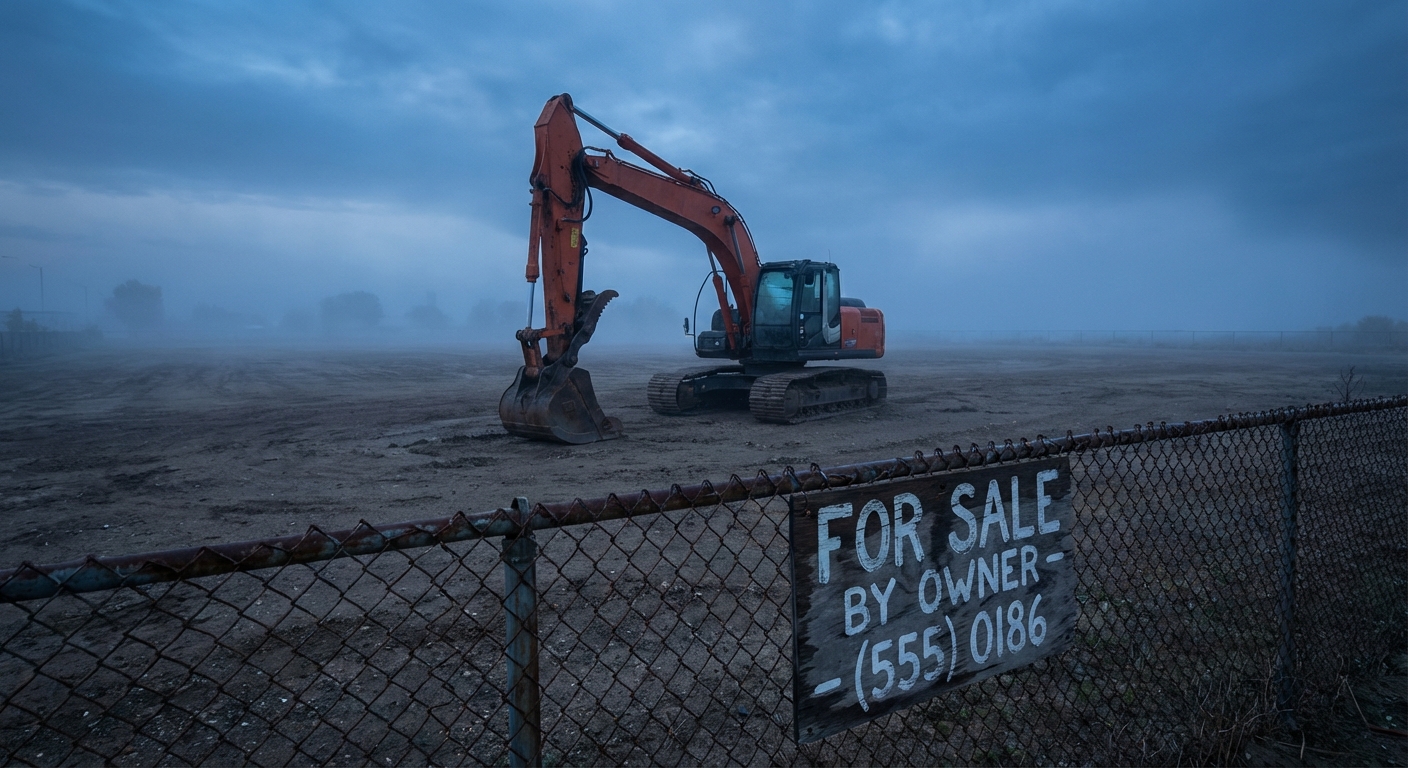
OPINION: The Labor Shortage Excuse Is Covering Up Bad Operations
A lot of owners blame hiring when the real problem is how they run jobs, schedule crews, and waste skilled labor on work that should never hit an operator's day. If you want to keep good people, start by fixing the circus.
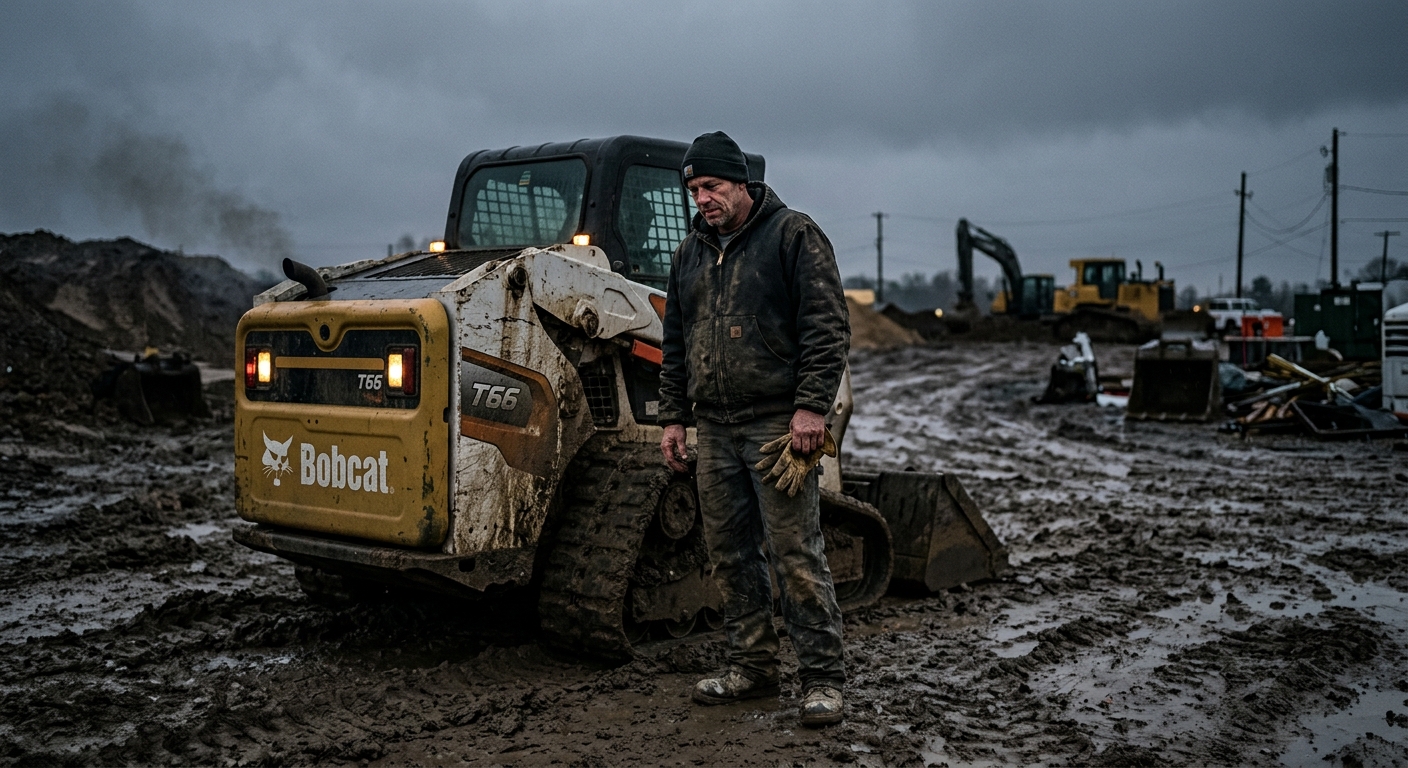
I am going to say something a lot of equipment owners do not want to hear.
Some of what gets blamed on a labor shortage is just bad operations with a cleaner name.
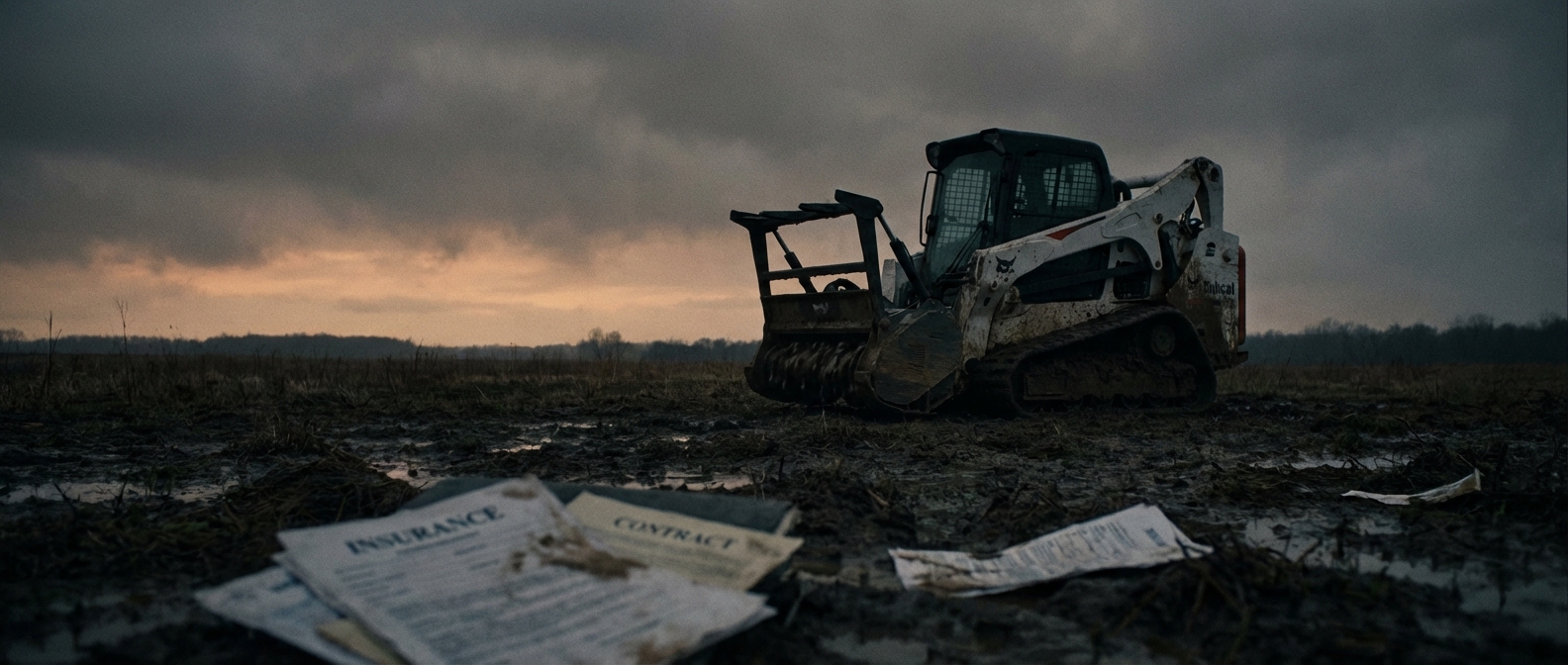
Yes, finding good people is hard. I run a land clearing company in Ohio. We need operators who can think, not just steer. We need guys who can handle compact track loaders, mulchers, excavators, trucks, trailers, and customers without acting like every small problem is a personal attack. I know the market is tight. I know experienced people have options. I know wages are up, expectations are up, and a lot of younger workers did not grow up around equipment the way older generations did.
All of that is real.
What is also real is that plenty of owners use “nobody wants to work” as a shield against looking in the mirror.
I hear it constantly. Nobody wants to show up. Nobody can run a machine. Nobody has common sense. Nobody sticks around. Then you look closer and the company saying all this has crews starting the day with no clear plan, trucks that are half maintained, trailers with lights that may or may not work, materials not staged, jobs oversold, and one competent operator spending half the morning chasing parts, moving machines, answering calls, and cleaning up mistakes that should have been handled in the office.
That is not a labor market problem. That is a management problem.
I think a lot of contractors have confused “hard to hire” with “easy to waste people once you have them.”
Those are different things.
When I was smaller, I made some of these mistakes myself. In the early days, if a day looked full on paper, I told myself we were set. Then the real day would start. One truck needed fuel. One machine had a hose issue. One customer wanted to change scope. The attachment that was supposed to be on site was still at the shop. Somebody needed directions. Somebody else needed a trailer plug adapter. Before lunch, my best guy had already spent three hours doing work that had nothing to do with his actual value.
Back then I would have said I needed more help.
Sometimes I did. A lot of the time, what I really needed was a tighter operation.
That lesson matters because skilled operators are expensive now, and they should be. If a guy can safely run a machine, work around utilities, keep production moving, notice problems early, and represent your company well on site, he is not cheap labor. He is one of the most valuable assets in your business. Then I watch owners burn that value on nonsense all week and complain that payroll is getting too high.
Of course payroll feels high when you are using forty-dollar-an-hour people to solve fifteen-dollar-an-hour problems.
Here is what that looks like in the real world.
Your operator gets to the yard and waits because nobody loaded the attachment that was on the schedule. He gets to the job and finds out the gate opening is tighter than what the estimator wrote down. He starts clearing and then stops because the property line was not flagged clearly. He calls the office twice and the customer once. He burns an hour while everyone figures out what should have been settled the day before. After lunch he runs to town for fittings because the service truck is not stocked. Then he comes back and still has to finish enough production that the customer does not think your company is asleep.
Now imagine that same day happening in some version two or three times a week.
Then the owner says it is impossible to keep good people.
No shit. Good people hate stupid work.
That is the part I think our industry still understates. We talk about compensation, and that matters. We talk about culture, which is often just a fancy way of saying whether the place feels miserable. We do not talk enough about operational dignity. Good workers want to do good work. They want a real shot at a productive day. They want the machine ready, the site ready, the scope clear, and the office capable of doing office work so they can do field work. They can handle hard days. Most of them signed up for hard days. What burns them out is chaos that should have been preventable.
I have seen crews tolerate mud, heat, breakdowns, and brutal schedules better than they tolerate confusion.
Confusion is exhausting.
It is also expensive. Every time a skilled operator gets turned into a firefighter, the business pays twice. First, you lose productive hours. Second, you teach that employee your company is a messy place to build a future. The owner usually notices the first cost because it hits the invoice. The second cost shows up later when the employee leaves for a company that is not necessarily paying more, but is simply less annoying to work for.
That is why I roll my eyes when labor shortage talk gets too dramatic. Some companies are not short on labor. They are short on environments where competent people want to stay.
I think this gets worse as businesses grow from owner-operator mode into multi-crew mode. When you are tiny, you can brute force a lot because the owner carries the whole day in his head. Once you add more jobs, trucks, iron, and employees, that stops working. People need handoffs, documented expectations, cleaner scheduling, and actual systems. If those do not show up, the company starts grinding up labor and calling it a hiring issue.
I have watched owners lose solid operators because they kept asking them to absorb broken process. Every week it was the same story. Wrong attachment. Wrong address. Wrong material count. Machine not greased. Change order not communicated. Customer not told. Parts not ordered. Rain plan nonexistent. Scope weird. Estimate thin. Crew still expected to make miracles happen by dark.
There is a point where “figure it out” stops sounding gritty and starts sounding lazy.
I still believe accountability matters on the field side. Operators need to show up on time, take care of equipment, report issues early, and own their part of the day. I am not pretending every crew member is a victim of management. Some people are late because they are late. Some people bounce because they are not built for this kind of work. Some people will complain no matter how well the business runs.
But a lot of owners hide behind those examples because it is easier than asking a tougher question.
If I dropped a truly excellent operator into my company tomorrow, would my operation help him win or would it waste him?
That is the question.
You do not answer it with a motivational speech. You answer it by following the work backward.
How often does a crew leave late because the day was not staged properly?
How often does the field have to call the office for information the office should have sent first?
How often does a job slow down because the scope was sold wrong?
How often does your best guy spend time hauling, waiting, hunting, clarifying, babysitting, or smoothing over customer confusion instead of producing?
How often do preventable maintenance issues eat the morning?
How often do people feel like they are working hard but still losing?
That last one matters more than owners think. People can survive physically hard work if the day feels like it counts. What wears them down is pushing all day and still ending up behind because the machine, schedule, and communication were sloppy from the start.
I think this is one reason some smaller, disciplined contractors quietly outperform bigger outfits with more resources. They are not always paying the most. They are not always running the newest equipment. But their people know what the day is, what success looks like, and what has to happen first. That clarity compounds. It makes average workers better and good workers loyal.
It also changes how hiring feels. When your operation is clean, you do not need superheroes to hold the whole thing together. You still want strong people, but you stop demanding that every new hire be a magician. A decent operator can become a very good one in a business that is not setting traps for him all day. When your operation is messy, you only survive by leaning on a few high-capacity people who can think around your dysfunction. Then when those people leave, you call it proof that labor is impossible.
No. It is proof that your business was standing on borrowed legs.
I have become more opinionated about this because I have seen what a good system does for morale. Something as boring as loading the right attachment the night before matters. A stocked service truck matters. Clear job notes matter. Realistic production targets matter. Preventive maintenance matters. Even simple things like making sure the crew is not crossing town three times for one job matter.
These are not glamorous fixes. They do not sound exciting on podcasts. Nobody pounds the table at a conference because a contractor finally got better at staging trailers. But this is where labor either gets respected or wasted.
Owners also need to get honest about the hidden tax they put on experienced people. In too many companies, the most capable operator becomes the universal patch for every weak spot in the business. He trains the new guy, calms the customer, checks the repair, solves the site issue, makes the route make sense, and still gets measured mainly by whether the job got done. That guy may look expensive on payroll. In reality, he is subsidizing the whole company with judgment you never built into the process.
That works right up until he is tired of it.
Then the owner says there are no loyal workers anymore.
I do not buy that. I think loyalty is still there. It just does not survive repeated operational disrespect.
If you want a stronger crew, pay attention to what your business feels like from the seat of the machine. Not from the desk. Not from the spreadsheet. From the seat. Does the operator know where he is going, what he is doing, who to call, what the site constraints are, and whether the machine is ready to earn? Or does he start the day with a knot in his stomach because every plan might be half fake by 9:30?
That feeling is culture more than whatever slogan is on the wall.
I am not saying labor shortages are made up. I am saying they are too convenient. They let owners blame the outside world for problems that are at least partly self-inflicted. If you fix your operation and still cannot hire, then fine, say the market is tight. You may be right. But a lot of people skip straight to that conclusion without cleaning up the circus first.
My advice is simple. Before you complain about labor, audit the stupid work in your business. List every recurring thing that steals skilled time but should not. Bad staging. Missing parts. Scope confusion. Preventable callbacks. Office handoff mistakes. Unclear schedules. Weak maintenance habits. Customer miscommunication. Start there.
If your best employee quit tomorrow and gave the real reason, would he talk about wages first, or would he talk about chaos?
Ask that honestly.
Because the companies that win the next few years are not just going to be the ones that find people. They are going to be the ones that stop wasting them. If you run equipment, manage crews, and want to keep good operators, quit hiding behind the labor shortage line and tighten the damn operation.