OPINION: The Small Operator Squeeze — Why Insurance Costs Will Kill More Businesses Than Competition
Insurance premiums have doubled for many operators in two years. Alex Boyd breaks down who survives, who doesn't, and why this is the crisis nobody in the industry is talking about.
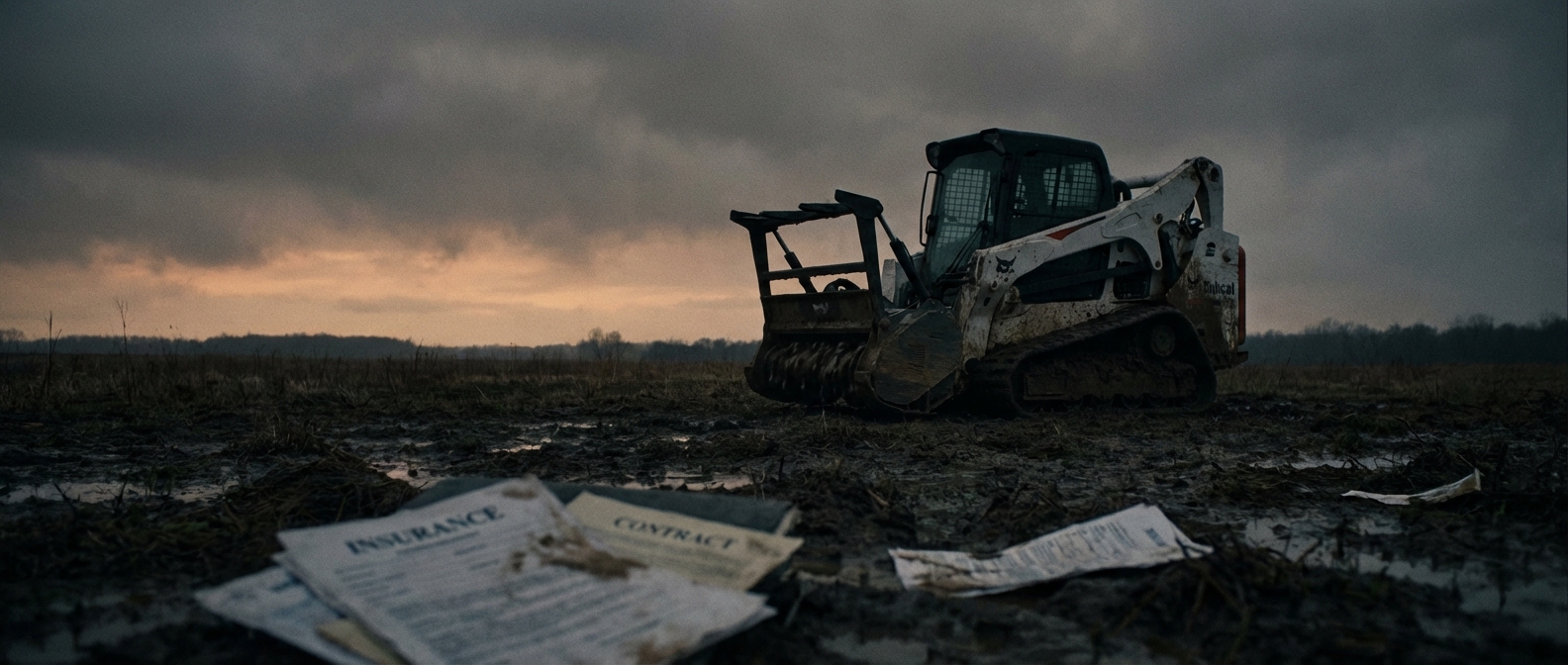
I’m going to say something that might tick off a few people, but I don’t care because it’s true: the biggest threat to small equipment operators right now isn’t some lowballer undercutting your bids. It isn’t supply chain issues or interest rates or even the labor market. It’s insurance. And nobody — not the trade publications, not the YouTube guys, not the associations — is talking about it with the urgency it deserves.
I run a forestry mulching operation in Ohio. We’ve scaled from one machine and a truck to multiple crews over the past several years. I’ve dealt with every pain point this industry throws at you. But nothing — nothing — has hit my bottom line as hard as insurance over the last two years.
The Numbers Nobody Wants to Say Out Loud
Let me just lay it out. My general liability premium went from around $14,000 a year to just over $28,000. That’s not a typo. It doubled. My commercial auto policy? Up 40%. Workers’ comp went up 25% after one — one — minor claim that didn’t even result in lost work time.
And here’s the part that really burns me: I shopped it. I spent weeks on the phone with brokers. I got quotes from every carrier that writes policies for land clearing and forestry work. The best alternative I found was maybe $2,000 cheaper. That’s it. We’re not talking about a problem with one bad carrier. The entire market has repriced our industry.
I’ve talked to guys running excavation outfits, grading crews, tree services — same story across the board. If you’re running equipment with any kind of hazardous classification, you’re feeling this. A buddy of mine who runs a tree service in Kentucky told me his liability premium went from $18,000 to $41,000 in three years. His revenue didn’t go up 120%. His costs sure did.
Why This Is Happening
Let me break down what I’ve been able to piece together from talking to agents, brokers, and a few underwriters who were actually honest with me.
Nuclear verdicts. Juries are handing out massive awards in liability cases involving heavy equipment. A couple of high-profile cases in construction and land clearing have spooked the carriers. One wrongful death case involving a skid steer and a bystander resulted in a $12 million verdict. When that happens, every underwriter in the country adjusts their models. You and I pay for it even if our safety record is spotless.
Climate and weather losses. This one surprised me, but it makes sense when you think about it. Insurance carriers are getting hammered by wildfire, hurricane, and flood claims. That eats into their capital reserves. When their reinsurance costs go up, they pass it downstream. Even if you’re mulching in Ohio and have nothing to do with wildfires in California, you’re subsidizing those losses through higher premiums across all commercial lines.
Fewer carriers in the market. Some insurers have just stopped writing policies for equipment operators. Flatout refused. When the number of carriers shrinks but the number of operators doesn’t, the remaining carriers can charge whatever they want. It’s basic supply and demand, and right now demand is high and supply is shrinking.
Claims frequency in our classification. This one stings because it’s partly on us as an industry. Rates of claims for property damage and bodily injury in equipment-heavy trades have gone up. Some of that is more development near job sites. Some of it is operators cutting corners on safety. Either way, the actuarial tables say we’re a worse bet than we were five years ago, and they charge accordingly.
Who This Kills
Here’s where I get really blunt. This insurance squeeze isn’t going to hit everybody equally. If you’re a larger operation doing $2 million-plus a year, a $30,000 insurance bill is painful but survivable. You can absorb it. You can spread it across more jobs.
But if you’re a one-truck, one-machine owner-operator doing $250,000 to $400,000 a year? That insurance premium might be 8–12% of your gross revenue before you’ve bought a gallon of diesel or paid yourself a dime. That’s not sustainable. That’s a math problem that doesn’t solve itself.
I know guys who were running solid little operations — good work, happy customers, reliable machines — who are now seriously considering shutting down because the insurance alone makes the business unprofitable. Not the competition. Not the economy. Insurance.
And the cruel irony? These are often the safest operators. The guy running one crew, doing careful work, with zero claims on his record — he’s paying the same inflated rates as the hack down the road who’s already had two incidents. The insurance market doesn’t reward small operators for being safe. It punishes the entire class.
The Survival Playbook
Alright, I’m not here just to complain. I’ve been working through this for the last couple of years and I’ve figured out a few things that actually help. None of them are magic bullets, but together they can keep your head above water.
1. Get a broker who specializes in construction and equipment trades.
Stop using your buddy’s State Farm agent. Seriously. General insurance agents don’t know our world, don’t know the carriers who write our policies, and don’t know how to present your operation in the best light to underwriters. I switched to a broker who specifically works with land clearing and construction operators, and while my premium is still high, they structured my coverage in a way that saved me about $4,000 a year through proper classification and endorsement optimization. That’s real money.
2. Document your safety program like your business depends on it — because it does.
I used to think safety programs were just bureaucratic nonsense. I was wrong. Underwriters actually look at this stuff. A written safety program, documented toolbox talks, operator certifications, equipment maintenance logs — all of it can influence your rate. My broker told me that having a formalized safety program knocked my experience modifier down, which directly reduced my workers’ comp premium. Is it paperwork? Yeah. Does it save money? Also yeah.
3. Raise your deductibles if you can stomach it.
I moved from a $1,000 deductible to a $5,000 deductible on my general liability. That saved me roughly $3,500 a year on premium. Obviously, if you have a claim, you’re eating more out of pocket. But if you’re running clean — and you should be — the math works out in your favor over time. Just make sure you’ve got that deductible sitting in a reserve account, not gambled on hoping nothing happens.
4. Bundle and negotiate. Every. Single. Year.
I re-quote my entire insurance package every year now. Every year. I know that’s a pain, and it takes time, but the days of setting it and forgetting it are over. Carriers adjust rates annually based on market conditions, and if you’re not shopping it, you’re leaving money on the table. Some carriers will match or beat a competitor’s quote just to keep your business. But you’ll never know if you don’t ask.
5. Consider your business structure.
This is something my accountant flagged that I wouldn’t have thought of on my own. How your business is structured — sole prop, LLC, S-corp — can affect your insurance rates and liability exposure. Some structures allow you to separate assets in ways that reduce the insurance underwriter’s perceived risk. Talk to your accountant and your broker together. It matters.
6. Price your work to reflect reality.
This is the big one. Too many operators are still bidding work based on what insurance cost them two or three years ago. You have to price your bids to reflect your actual current overhead, including these new insurance costs. If you’re not adjusting your rates up, you’re literally working for less than you were making before — and probably less than you think.
I raised my rates about 15% over the last eighteen months. Did I lose some bids? Sure. Did my margins actually improve? Yes. Because I stopped pretending my costs hadn’t changed.
The Bigger Picture
Here’s what I think is really going on, and it’s not just about insurance. The cost of running a small equipment business has been creeping up across the board — parts, labor, financing, compliance, insurance. Each one individually is manageable. But stacked on top of each other, they create a compounding squeeze that’s slowly pushing out the small guys.
And I’m not sure that’s an accident. Larger operations with more buying power, better loss histories, and dedicated risk management teams get better insurance rates. They can absorb regulatory costs more easily. They can negotiate with dealers from a position of strength. The consolidation trend in our industry isn’t being driven by superior business models — it’s being driven by cost structures that favor scale.
That’s not good for customers, it’s not good for communities, and it’s not good for the independent operators who built this industry. But it is the reality, and pretending otherwise isn’t a strategy.
The Takeaway
If you’re running a small equipment operation right now, your single most important financial action item isn’t buying a new machine, landing a bigger contract, or hiring another operator. It’s getting your insurance situation under control. Audit your policies. Get a specialized broker. Document your safety practices. Adjust your pricing. And for God’s sake, stop absorbing these cost increases and pretending they don’t exist.
The operators who survive the next five years won’t be the ones with the newest iron or the flashiest social media. They’ll be the ones who understood their overhead, priced their work accordingly, and refused to let a spreadsheet they never looked at put them out of business.
Insurance isn’t sexy. It’s not what gets views on YouTube or likes on Instagram. But it’s the line item that’s quietly killing more small operators than anything else in this industry right now. And if you’re not paying attention to it, you’re the one it’s going to get.
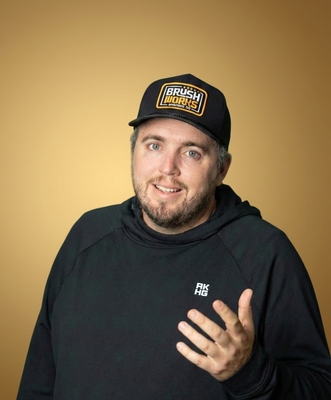
Alex Boyd is the owner of Brushworks Services Co., a forestry mulching and land clearing company based in Ohio. He runs multiple crews and has strong opinions about all of this. Reach him at @bprintco on X.