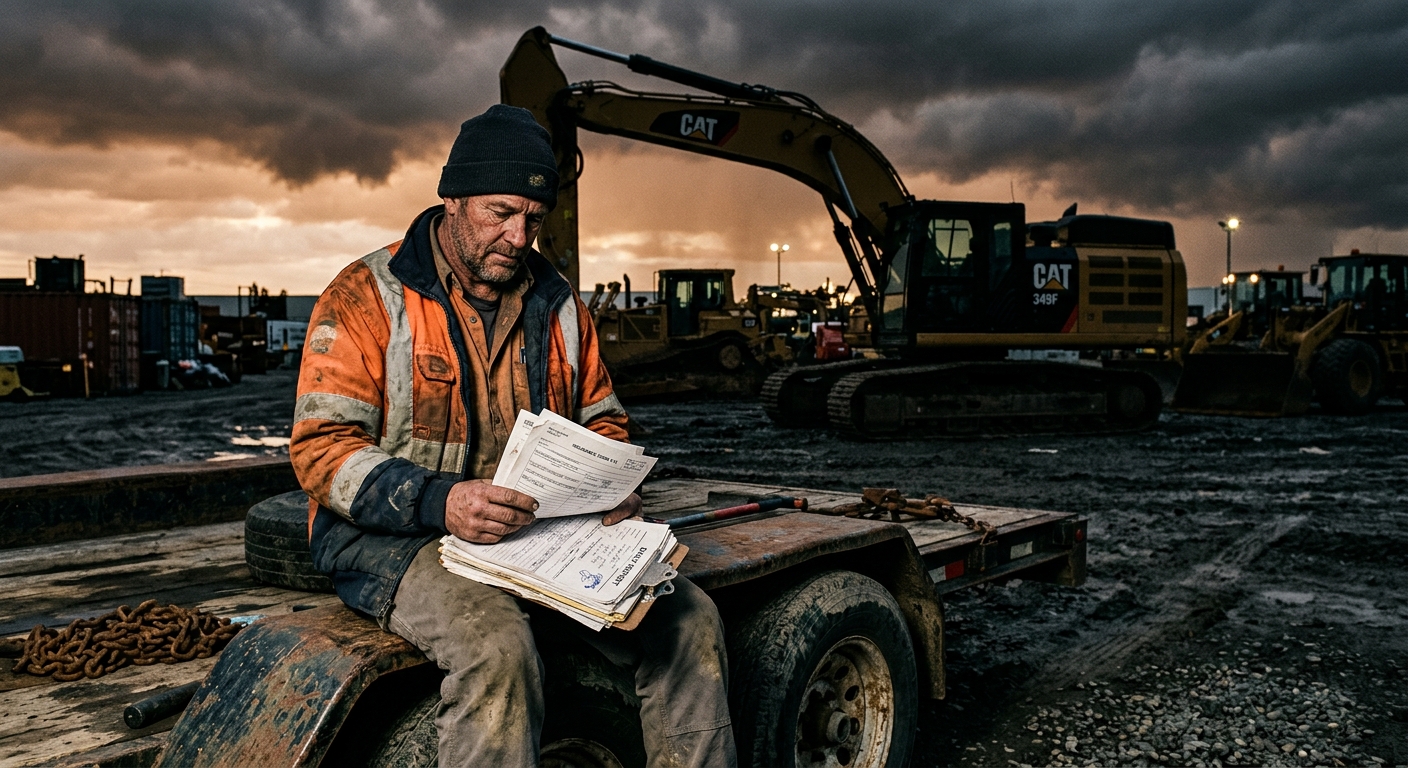

OPINION: The Insurance Racket Is Eating Your Margins
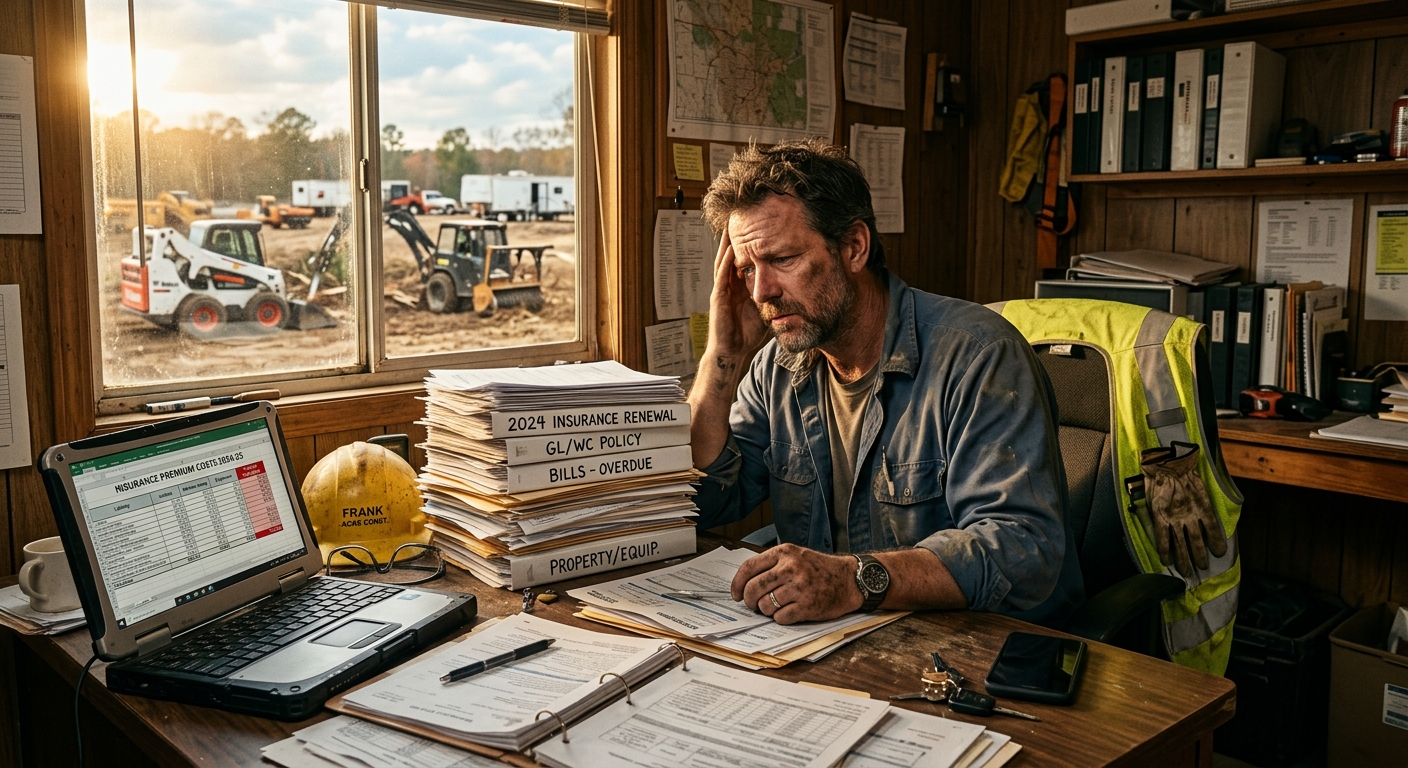
Insurance used to feel like a cost of doing business. Now it feels like a second payroll, except this one shows up every month, does nothing to help you win jobs, and still gets more expensive every year.
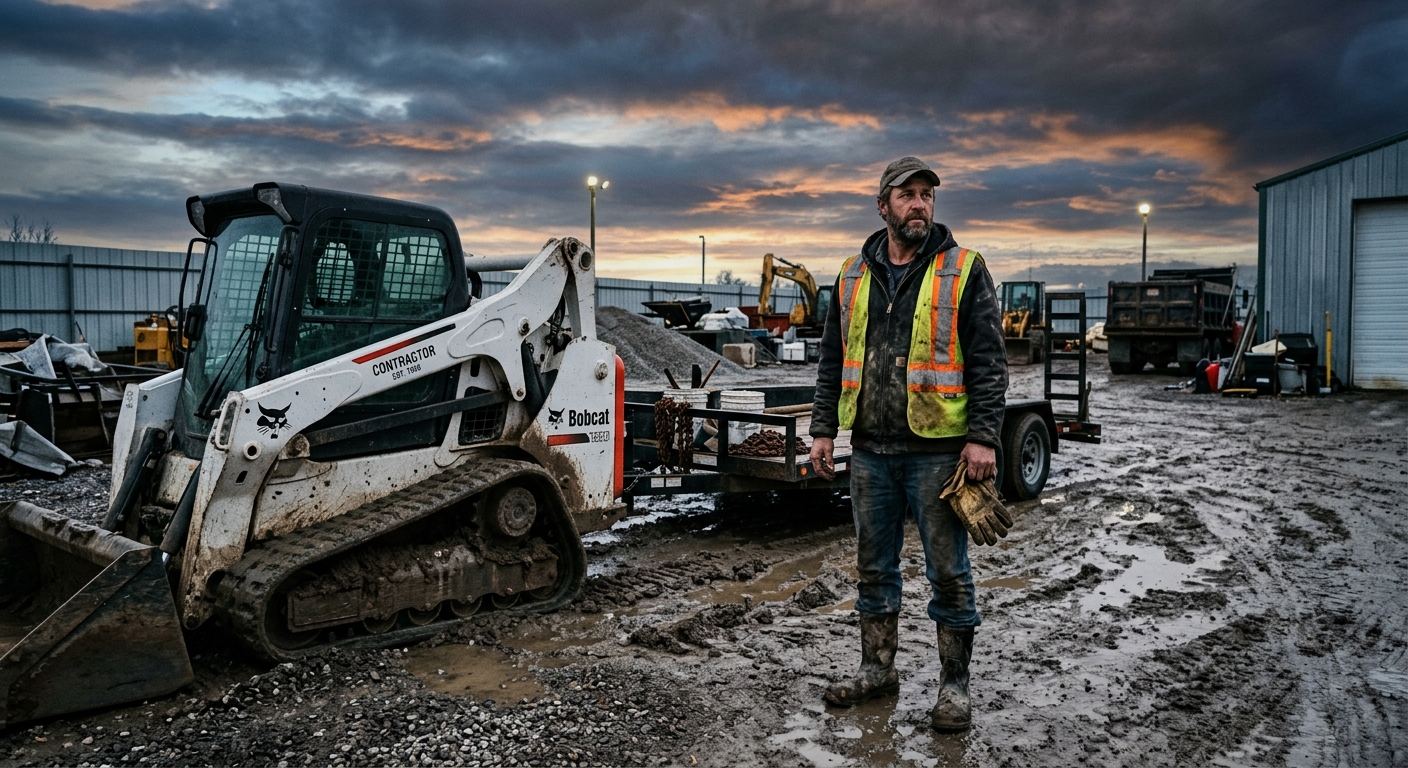
If you run equipment for a living and you still think insurance is just one more line item, you’re not paying attention.
Insurance is not a small overhead cost anymore. It is one of the biggest reasons small operators stay small, good crews stay stressed, and profitable jobs somehow still leave you wondering where the money went.
I own a land clearing company in Ohio. We run skid steers, mulchers, trucks, trailers, and all the usual headaches that come with them. I understand why insurance exists. I want my business protected. I want my guys protected. I want a customer protected if something goes sideways. I’m not arguing for no insurance.
I’m arguing that the current model is broken, and most operators have accepted it like bad weather. We complain about fuel, labor, and repair costs every day, but plenty of guys barely even know what they’re spending on general liability, commercial auto, inland marine, workers comp, umbrella, and all the add-ons that get stapled to the policy every renewal.
Then the bill hits, rates jump again, and everybody shrugs like that’s just life.
No, it isn’t. It’s a racket.
The Slow Bleed Nobody Talks About
The reason insurance is so dangerous is that it doesn’t hit like a blown final drive. A machine breakdown gets your full attention because it’s loud, immediate, and expensive all at once. Insurance is different. It bleeds you quietly.
A lot of operators can tell you exactly what a set of tracks costs. They can tell you what they’re paying for diesel this week. Ask what their total annual insurance spend is across every policy, and half of them start guessing.
That is insane to me.
When I was smaller, I looked at insurance the way a lot of guys do. I had commercial auto, general liability, equipment coverage, and I moved on. It was annoying, but it felt manageable. Then the business grew. More machines. More trailers. Better trucks. More payroll. Bigger jobs. Customers wanting higher limits. Property managers wanting certificates yesterday. One larger contract wants an extra insured endorsement, waiver of subrogation, primary and noncontributory wording, and now your “simple” policy stack starts looking like legal homework.
One policy turns into five. One premium turns into monthly drafts coming from every direction.
And the real kick in the teeth is this: most of the time, the better you get at running your business, the more insurance wants to charge you for the privilege.
You buy newer equipment, the premium goes up. You hire more people, workers comp goes up. You add trucks, auto goes up. You take bigger jobs with better customers, they require higher limits, and that goes up too. You can run a cleaner operation than you did three years ago and still get punished with a fatter bill.
My Problem Isn’t Insurance. It’s the Math.
Let’s talk real-world math, because this is where guys fool themselves.
Say you’re a small operator with one truck, one trailer, one skid steer, and one attachment setup that actually makes you money. Maybe you’re doing land clearing, brush cutting, grading, or light site work. You’re not some giant outfit. You’re just trying to run lean and make a living.
Now stack up the insurance:
Commercial auto, maybe $4,500 to $8,000 a year depending on the truck, driving record, and carrier. General liability, maybe $2,500 to $6,000. Equipment coverage or inland marine, another few grand. Workers comp if you have employees, maybe several more depending on payroll and class codes. Umbrella if a customer requires it, add more.
All of a sudden, a very normal small contractor can be staring at $15,000 to $30,000 a year in insurance spend without being reckless, without having a huge fleet, and without filing some crazy pile of claims.
That is not a rounding error. That’s a real employee. That’s marketing budget. That’s a machine payment. That’s the cash cushion you need for the breakdown you know is coming in July when it’s ninety degrees and everybody is slammed.
Let’s make it even simpler. If your insurance costs you $24,000 a year and you bill 1,200 productive hours, that’s $20 an hour before you bought fuel, paid labor, touched a grease gun, replaced teeth, or made a dime.
Twenty dollars an hour just to exist on paper.
Then I hear guys say they charge $125 an hour because that’s what the market will bear.
No it won’t. The market doesn’t bear it. You’re bearing it. You’re subsidizing the customer with your own ignorance.
The “Claim-Free” Joke
One of the most frustrating parts of this whole thing is how little your actual behavior seems to matter.
I know operators with spotless records who still got hammered on renewal. No major claims. No circus. No DUI nonsense. No crew flipping a machine off a trailer. They still got the letter saying rates were going up.
Why?
Because the carrier changed appetite. Because the region had losses. Because construction got categorized differently. Because severe weather hit another state. Because repair costs went up. Because jury awards are bigger now. Because the underwriter had a bad Tuesday. Pick your excuse.
Meanwhile, the pitch is always framed like insurance pricing is this rational, data-driven system that perfectly rewards good behavior. That’s cute.
Of course loss history matters. I’m not saying it doesn’t. If you run a sloppy operation, you’ll pay for it eventually. But plenty of good operators are finding out that being disciplined is not enough to control this cost.
That’s the part more people need to say out loud.
You can do things right and still get squeezed.
Customers Want More Coverage, But They Don’t Want to Pay for It
This might be the part that bothers me the most.
A lot of commercial customers, municipalities, GCs, and property managers now expect insurance requirements that would make sense for a much larger company, but they still shop your number like you’re hauling junk on weekends.
They want the certificate fast. They want the additional insured language. They want high liability limits. They want everyone documented. They want no risk on their side.
Fine. I understand why buyers do that.
But then those same people act shocked when the quote isn’t cheap.
You don’t get enterprise-level risk transfer at discount contractor pricing.
I’ve looked at jobs where the insurance requirements alone told me the customer wanted Fortune 500 paperwork from a regional contractor. At that point, it is not just about whether I can do the work. It’s whether the work is priced well enough to carry all the invisible cost piled onto it.
A lot of operators say yes anyway because they want the logo, the reference, or the volume.
That’s how margin dies. Not in one dramatic moment. In a hundred little acts of desperation.
Workers Comp Is Where Bad Management Gets Expensive Fast
I’ll say something unpopular. A lot of owners love to complain about workers comp, but they refuse to look in the mirror.
If your crew is undertrained, rushed, exhausted, or running half-broken equipment, your insurance problem is partly a management problem.
I have no patience for owners who preach safety in the morning and then push stupid decisions by noon.
You cannot build a culture where every job is an emergency, every loader has something sketchy going on, every trailer load is a little overloaded, every operator is expected to “make it work,” and then act offended when comp costs get ugly.
Some claims are freak accidents. That happens. But some are predictable. And predictable usually means preventable.
I’ve had to learn this the hard way in my own business. If a machine needs attention, it gets attention. If a guy is not the right fit for a machine or a task, ego does not get a vote. If the weather, slope, or site conditions make something stupid, we back up and do it the right way.
That mindset is slower in the moment and cheaper over time. Which is true for almost everything in this business.
The Small Guy Gets Hit From Both Sides
The big outfits have advantages here. They have volume. They have relationships. They have office staff who live in spreadsheets and certificates. They can spread insurance costs across more jobs, more revenue, and more equipment.
The small operator gets hit from both sides.
First, the premium is a heavier percentage of revenue.
Second, the small operator usually has less less sway, less time to shop policies, less patience for paperwork, and less room for error when renewal season gets weird.
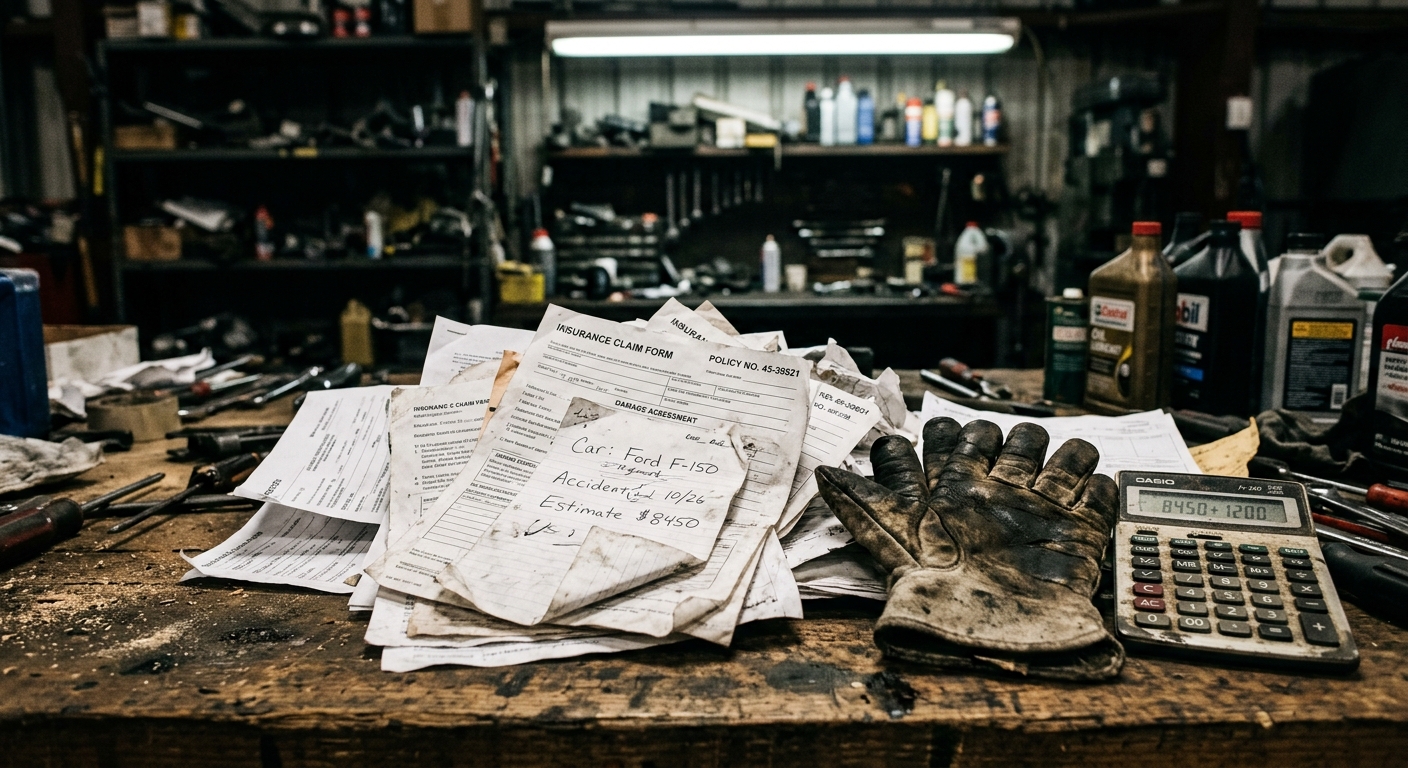
So what happens? He shops only on price. He takes the cheapest quote. He doesn’t read the exclusions. He assumes the agent has it handled. Then something happens with a transport loss, theft, employee incident, or subcontractor mess, and now he’s learning what his policy actually says at the worst possible time.
Cheap insurance is expensive when it fails.
I know that sounds like something an insurance salesman would say, but sometimes the cliché is true. The trick is not paying top dollar for junk dressed up as protection either.
What Operators Should Actually Do
First, know your total annual insurance number. Not one policy. All of it. Add every premium, every endorsement, every audit adjustment, everything. If you don’t know that number off the top of your head, fix that this week.
Second, convert that annual number into an hourly burden and a revenue percentage. Put it right next to fuel, labor, maintenance, debt, and transport. If you don’t build insurance into your pricing model, you’re lying to yourself about profit.
Third, stop treating renewals like a surprise attack. Start the conversation early. Push your agent for clarity. Ask what changed. Ask what drove the increase. Ask what levers you actually control and which ones are just market noise.
Fourth, get serious about documentation and safety. Not because it sounds nice. Because sloppy operations cost real money. Clean driver records, better hiring, maintenance logs, incident reporting, and real training are not corporate nonsense. They are margin protection.
Fifth, learn when to walk away. If a job has insurance requirements that don’t match the revenue, don’t romanticize it. Turn it down or reprice it.
That is not weakness. That’s business.
My Take
I don’t think insurance prices are coming back down in some meaningful way. I think this is the new reality, and pretending otherwise is a waste of energy.
So my opinion is simple.
Operators need to stop treating insurance like background noise and start treating it like one of the main variables in whether their business works at all.
Because right now, I see too many guys obsessing over a $300 fuel swing while a $20,000 to $40,000 annual insurance burden is quietly chewing through the middle of their company.
Then they wonder why they stay busy and stay broke.
If that stings, good. It should.
Pull your policies. Add up the real number. Build it into your rates. Tighten up your operation. And if a customer wants premium coverage, make them pay premium prices.
Otherwise you’re not running a business.
You’re financing everybody else’s peace of mind with your margin.