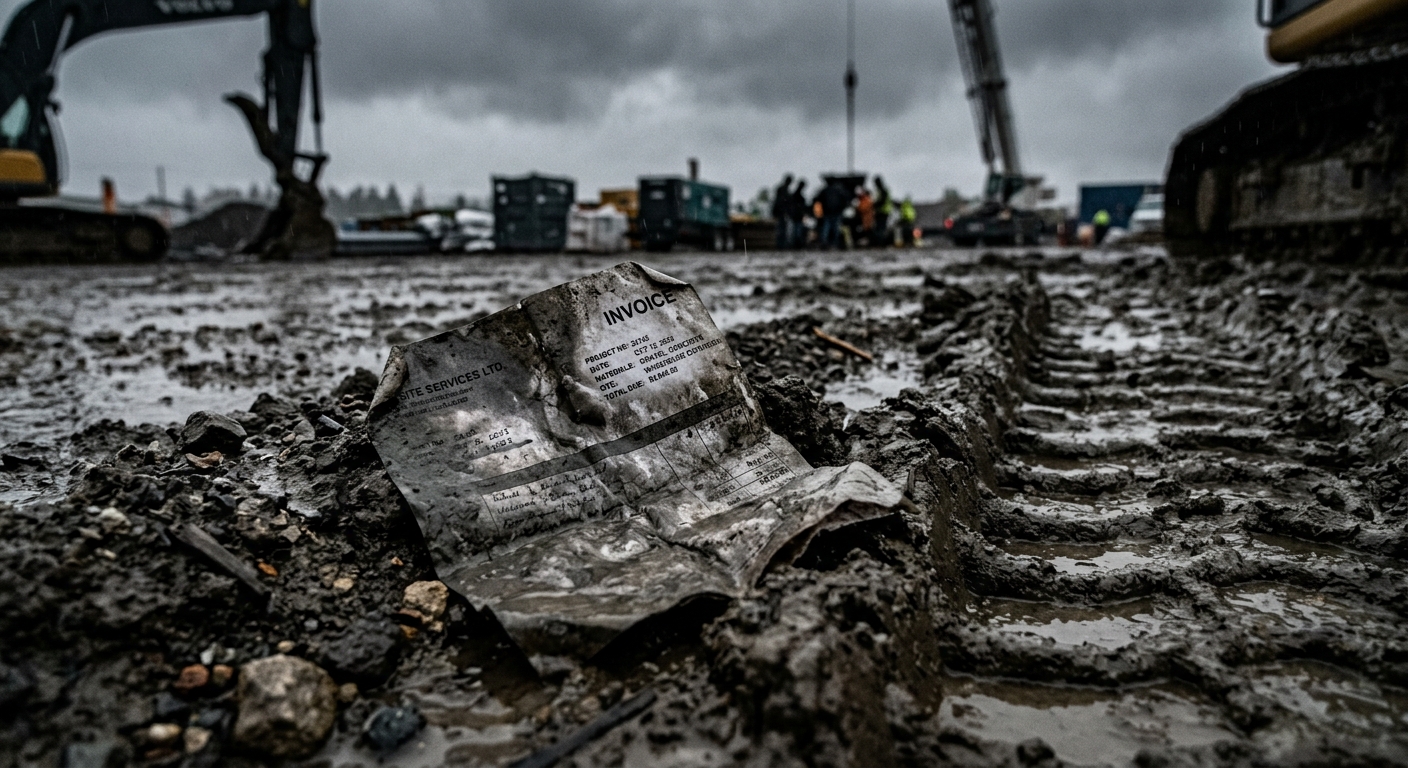

OPINION: Insurance Is Quietly Becoming a Tax on Every Good Operator
Most operators obsess over fuel, repairs, and payments while insurance drains profit in the background. I've watched premiums climb fast enough to wipe out the margin from a solid month of work.
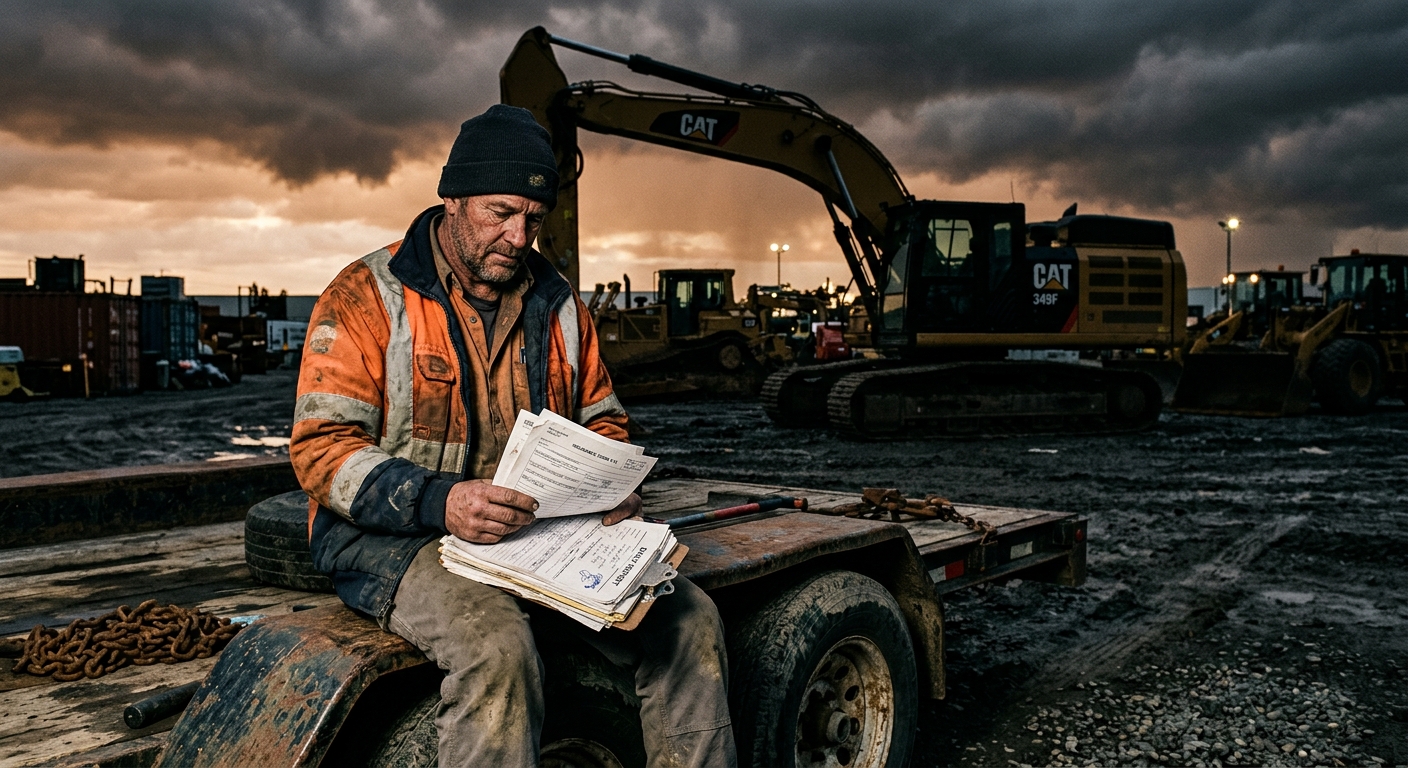
I hear operators talk all day about fuel, labor, repairs, teeth, DEF, financing, and undercarriages. Fair enough. Those costs are loud. You feel them right now. Insurance is different. It sneaks up on you. It hits your account in chunks, usually at the worst time, and by the time most guys pay attention, it has already eaten a stupid amount of their profit.
My opinion is simple. Insurance is turning into a tax on competent operators, and the people setting the rates usually have no idea what our businesses actually look like.
I run a land clearing company in Ohio. We move machines, tow heavy trailers, work on rough ground, send guys into ugly places, and carry real risk. I’m not arguing that insurance should be free. We all know this industry can get expensive fast when something goes wrong. A machine rolls over, a chip flies through a windshield, a trailer gets stolen, somebody backs into a customer’s fence, or a worker gets hurt. That risk is real.
What I’m seeing now isn’t risk priced fairly. It’s broad panic priced onto anyone with iron, a truck, and a payroll.
When I first got into this business, I treated insurance like a line item. It mattered, but I cared more about getting enough work, keeping the machine running, and figuring out what the hell I should charge so I wasn’t busy and broke at the same time.
That works for a little while. Then you grow.
You add another machine. You add another truck. You put a second guy on payroll. Maybe you raise your coverage because you start landing bigger jobs and working for better customers. Now you’ve got general liability, commercial auto, workers comp, inland marine or equipment coverage, umbrella, and whatever extra requirement a contractor or municipality wants to see before they let you on site.
All of a sudden you’re not talking about a few thousand bucks a year. You’re talking about serious money.
I know operators paying more every month to insure the business than they pay on one of their machine notes. That’s insane.
A small outfit can get boxed in quick. Say you’ve got a truck, trailer, CTL, mulcher, and two or three employees. It does not take long before your total insurance cost lands somewhere that feels like another part-time payroll. Maybe not every shop, maybe not every market, but enough of them that it’s a real problem. Every time there’s a claim somewhere in the broader market, or carriers decide construction and equipment are scary again, everybody pays for it.
That’s the part that pisses me off. You can run clean, train your people, maintain your stuff, and still get smacked with a renewal that looks like you got caught doing something wrong.
The careful operator, the one who keeps records, trains the crew, locks equipment, services trucks, checks tires, straps loads correctly, and doesn’t hire every warm body with a pulse, still gets lumped into the same bucket as companies doing reckless dumb shit every week.
If you’ve been in this business long enough, you know the type. Bald tires on the trailer. Chains older than the employee using them. No systems. No walkarounds. Machines hauled with lights out. New guy thrown into a truck with no real instruction beyond, “Don’t hit anything.” Then something predictable happens and rates go up for everybody.
Insurance companies don’t sit down and say, “Alex runs a tighter operation than this clown two counties over, let’s reward that.” They say the sector is risky, claims are up, replacement cost is up, medical cost is up, vehicle claims are ugly, litigation is uglier, so here’s your new number. Pay it or go shopping.
Half the time, when you do go shopping, you get the same answer in a different font.
That’s not a functioning market. That’s a shakedown with paperwork.
Part of this is simple math. Equipment is expensive as hell now.
A decent truck costs a lot more than it did a few years ago. Trailers cost more. Skid steers, compact track loaders, excavators, attachments, all of it is up. Parts are up. Labor to repair them is up. Storage yards know what stolen equipment is worth. Everybody along the chain raised their price, and insurance followed right behind.
If you insure a machine for actual useful replacement value, the premium jumps. If you underinsure it, you’re taking a gamble you might regret on the worst day of the year.
That’s not theoretical. If a machine burns, gets stolen, or gets totaled on a trailer, you don’t just lose the iron. You lose the revenue tied to that machine. You lose scheduled work. You may lose a customer. You may still have debt on the machine. One event can stack four different problems on top of each other.
Workers comp is where the conversation gets even more annoying.
I understand why it exists. Our work is physical. There’s weight, motion, pinch points, chains, blades, slopes, backing, loading, unloading, and plenty of chances for somebody to get hurt in a hurry. If you have people on payroll, you need coverage. Period.
Still, small operators get hammered here because one claim, one classification issue, or one rough audit can jack up the cost in a way that takes forever to unwind. The paperwork side of it is built for office logic, not field reality.
Anybody who runs crews knows jobs don’t fit into neat little boxes. One employee might spend the morning hauling, the afternoon on a machine, and the end of the day helping with cleanup and maintenance. The insurance paperwork wants everything tidy and static. The actual business is not tidy and static.
Then audit season comes around and you get to explain your operation to somebody who has never stood on a muddy lot, never loaded a machine in the rain, and never watched a crew shift roles ten times in one day because that’s what the job required.
If they classify you conservatively, which they usually do, you pay more. If payroll ran higher than expected because you had a strong season, you pay more. If you had a claim, maybe a lot more.
A lot of owners think they’re making money because work is steady, but they’re understating what labor really costs because they treat workers comp like a random annual annoyance instead of part of the hourly production cost.
Insurance changes how you bid, whether you admit it or not.
If your premiums jump and you don’t adjust your rates, you eat it. Simple as that.
Say your total insurance burden goes up by fifteen or twenty grand across the business. That number has to come from somewhere. Either your margin shrinks, your wages get squeezed, your equipment budget gets delayed, or your prices rise. There is no magic option five.
Most guys choose the dumbest version, which is to absorb it and keep chasing work like volume will save them. Volume does not fix underpricing. It scales the pain.
I learned this lesson the hard way on overhead in general. I used to think if I just kept the machine moving everything would work out. Then I started tracking the real burden on every operating hour, and it was humbling. You can run a machine hard and still bleed out because your quote only covered the obvious costs.
Insurance is one of the main hidden reasons that happens.
If you’re carrying thirty, forty, or fifty grand in combined annual insurance costs across your operation, and you haven’t translated that into a real hourly cost by machine or by crew, then you’re guessing. That’s not a business. That’s gambling with diesel.
This gets worse when bigger customers start throwing insurance requirements at you like they’re free. Extra insured. Waiver of subrogation. Higher umbrella. Primary and non-contributory language. Certificates turned around immediately. Fine. If that’s the requirement, it’s the requirement. But let’s stop pretending that doesn’t have a price.
A small operator trying to break into commercial or municipal work can get forced into buying more coverage just to be allowed in the room. Then he’s competing against bigger companies with more scale, better buying power, and more office support to handle compliance. That cost burden lands harder on the small guy every time.
So what happens? He cuts his margin to win the job because he wants the logo on the resume, the relationship, and the feeling that he’s moving up. Meanwhile the compliance burden already made the job less attractive. I’ve done it. A lot of us have. Sometimes it makes sense. Plenty of times it doesn’t.
If I were starting over, I’d build insurance into my cost model from day one, not as an afterthought once the renewals start hurting. I’d clean up every part of the operation that an underwriter can understand. Driver lists. MVRs. Maintenance records. Storage plans. Theft prevention. Safety checklists. Training notes. Claim history. Photos. Whatever helps tell the story that this is a disciplined operation and not a circus.
I’d also stop bragging about being the cheapest guy. Cheap operators do not build durable companies. They build stressful ones. If your insurance cost alone is enough to make a bad month turn into a cash crunch, you cannot afford bargain-bin pricing.
My view is blunt. Insurance is now one of the biggest pressure points in this business, and too many operators still treat it like background noise.
It’s not background noise. It’s a direct attack on margin.
Know the number. Break it down per hour, per machine, per crew, whatever makes sense for your shop. Price for it. Review it before renewals. Make your broker earn their commission. And if a customer wants a gold-plated certificate package, charge them for the privilege.
Because if you don’t, you’re not just paying to protect the business. You’re paying for everybody else’s chaos too. And that gets old fast.