OPINION: GPS and Telematics Are Spying on Your Operators (And That's Not Management)
There's a difference between knowing where your machines are and watching your guys like a prison warden. Most companies picked the wrong side.
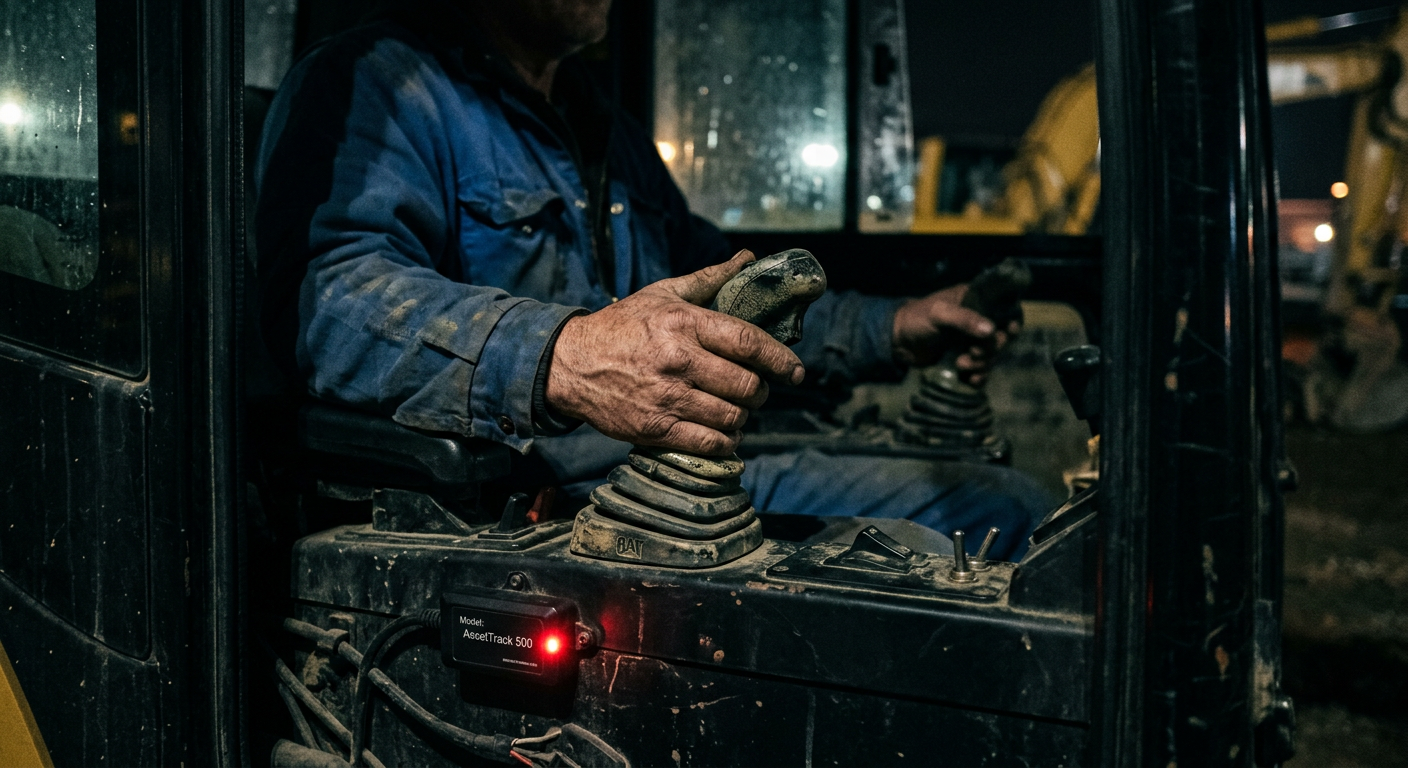
I got a call from a buddy of mine last fall. He runs a small excavation company outside of Louisville, maybe eight machines. He’d just installed telematics on his whole fleet. GPS tracking, idle time monitoring, geofencing, the works. He was pumped. Said he’d finally be able to “see what’s really going on out there.”
Three months later, he’d lost two of his best operators.
Not because the work dried up. Not because someone offered them more money. They left because they felt like they were being watched every second of every day. And honestly? They were right.
The sales pitch vs. reality
Every telematics company sells you the same dream. You’ll save fuel. You’ll catch theft. You’ll optimize routes. You’ll have “real-time visibility into your fleet operations.” It sounds great in a demo. It sounds great when you’re signing that three-year contract.
What they don’t tell you is that the second you start using those dashboards the way they’re designed to be used, you become a different kind of boss. The kind that calls a guy at 7:15 AM to ask why his machine idled for twelve minutes. The kind that sends a screenshot of a GPS trail to ask why someone took a different route to the job site. The kind that makes people feel like they’re wearing an ankle monitor.
I know because I almost became that boss.
When I caught myself
We run forestry mulching crews in Ohio. When we put GPS on our machines, I told myself it was about theft prevention and maintenance scheduling. And at first, that’s all I used it for. Check where the machines are at night, track hours for service intervals. Simple stuff.
Then one day I noticed one of my guys had the machine sitting idle for 45 minutes in the middle of the afternoon. I pulled up the map. He was at a gas station. I felt this immediate urge to call him and ask what was going on.
I didn’t call. Instead I sat there and thought about it. This is a guy who shows up early, works hard, runs the machine well, and has never given me a reason to doubt him. Maybe he was eating lunch. Maybe he had to use the bathroom. Maybe he was on the phone with his wife. Does it matter? The job was getting done on schedule.
But the data was right there. And when the data is right there, it’s hard not to act on it.
That’s the trap.
The idle time obsession
Let’s talk about idle time, because this is where most owners go off the rails.
Telematics companies love to show you idle time reports. They frame it as waste. “Your fleet idled for 847 hours last month. At $3.50 per gallon, that’s $X,XXX in wasted fuel.” The math looks damning.
But here’s what idle time actually is in the real world: it’s your operator warming up the machine on a cold morning because that’s how you protect a hydraulic system. It’s running the AC in August because the cab is 140 degrees without it. It’s waiting for a dump truck that’s stuck in traffic. It’s the two minutes between pushing a pile and repositioning. It’s lunch, because the guy can’t exactly park a skid steer at Subway.
Some idle time is waste. Most of it isn’t. And when you start treating all idle time as a problem, you’re telling your operators that every minute they’re not actively moving dirt is a minute they’re stealing from you.
That message gets received loud and clear. And it poisons the relationship.
What surveillance actually costs you
I’ve talked to a lot of operators over the past few years. The ones who work for companies with heavy telematics monitoring describe the same feeling: stress. Not productive stress, like the pressure of a tight deadline. The grinding, low-grade stress of knowing someone is always watching.
One guy told me he stopped taking breaks because he didn’t want to explain the idle time. Another said he started rushing through pre-trip inspections because his boss tracked how long it took him to start moving in the morning. A third said he quit a $32/hour job because he got tired of the daily text messages about his GPS data.
In an industry where we can’t find enough operators, where experienced hands are worth their weight in gold, we’re running people off with surveillance disguised as management.
Think about the math for a second. You might save $200 a month in fuel by eliminating idle time. You’ll spend $15,000 or more replacing the operator who quit because you wouldn’t stop micromanaging him. The recruiting costs, the training time, the lost productivity while the new guy figures out your jobs, the risk of putting someone less experienced in a $400,000 machine. No idle time report accounts for that.
There’s a line, and most people cross it
I’m not against telematics. I use GPS on my fleet. I think it has real value when it’s used correctly.
Here’s where the line is, at least for me:
Theft prevention? Yes. Knowing where your machines are at night, getting alerts if something moves when it shouldn’t. That’s common sense. No reasonable person has a problem with that.
Maintenance tracking? Absolutely. Automated hour tracking that triggers service reminders is one of the best things to happen to fleet management. It takes the guesswork out and helps you stay ahead of problems.
Route optimization for delivery or service fleets? Sure. If your business model depends on efficient routing, tracking makes sense.
But real-time monitoring of operator behavior? That’s where it goes wrong. When you’re watching how fast someone drives between jobs, how long they idle at lunch, whether they took a slightly longer route home, you’ve crossed from management into surveillance. And there’s a reason surveillance doesn’t work in the long run.
The trust problem
Good operators don’t need to be watched. They need to be trusted. If you hired someone you can’t trust to do the job without monitoring their every move, you have a hiring problem, not a technology problem.
I have guys on my crew who I’d trust with a blank check. Not because I’m naive, but because I hired carefully and I treat them like adults. When they see the GPS on the machine, they don’t worry about it because they know I’m not sitting there watching dots move on a screen all day. They know the GPS is there for security and scheduling, not surveillance.
That trust goes both ways. My guys don’t abuse the freedom because they respect the arrangement. They show up, they work hard, they take care of the equipment. And when something comes up, like a machine issue or a site problem, they call me and we figure it out together. That’s what a functional working relationship looks like.
The companies that are monitoring every move? They’ve already told their operators “I don’t trust you.” And once that message is sent, it doesn’t matter what you pay. People will leave the first chance they get.
The generational factor
This is going to get worse before it gets better. Younger operators, the ones in their twenties and early thirties, have even less tolerance for workplace surveillance than the old guard. They grew up with technology, yes, but they also grew up watching their parents get burned by companies that treated employees like assets to be optimized.
If you want to attract and keep younger talent in this industry, the “we track everything” approach is a losing strategy. These guys have options. They can go drive a truck, work in a warehouse, pick up a trade. They don’t need to sit in a machine knowing their boss is watching a live feed of their location.
The companies that will win the talent war are the ones that use technology to support their operators instead of police them. Give your guys a tablet with job details and site maps. Let them log their own hours and report issues in real time. Use telematics for maintenance alerts and security. But stop pretending that watching a GPS dot is the same thing as managing a crew.
What I’d tell my buddy in Louisville
If I could go back to that phone call, here’s what I’d say:
Put the GPS on the machines. Use it for theft alerts and hour tracking. Set up geofences around your yard and your job sites for security. Automate your maintenance scheduling based on actual hours.
Then close the dashboard and go manage your people the old-fashioned way. Talk to them. Walk the job sites. Ask how things are going. If someone’s not performing, you’ll know it from the work, not from a map.
The best operators I’ve ever worked with all had one thing in common: they worked hard because they wanted to, not because someone was watching. Your job as an owner is to create the conditions where people want to do good work. Surveillance does the opposite of that.
Your telematics system should make your life easier and your fleet more secure. The second it starts making your operators’ lives worse, you’ve got the equation backwards. And in this labor market, that’s a mistake you can’t afford.