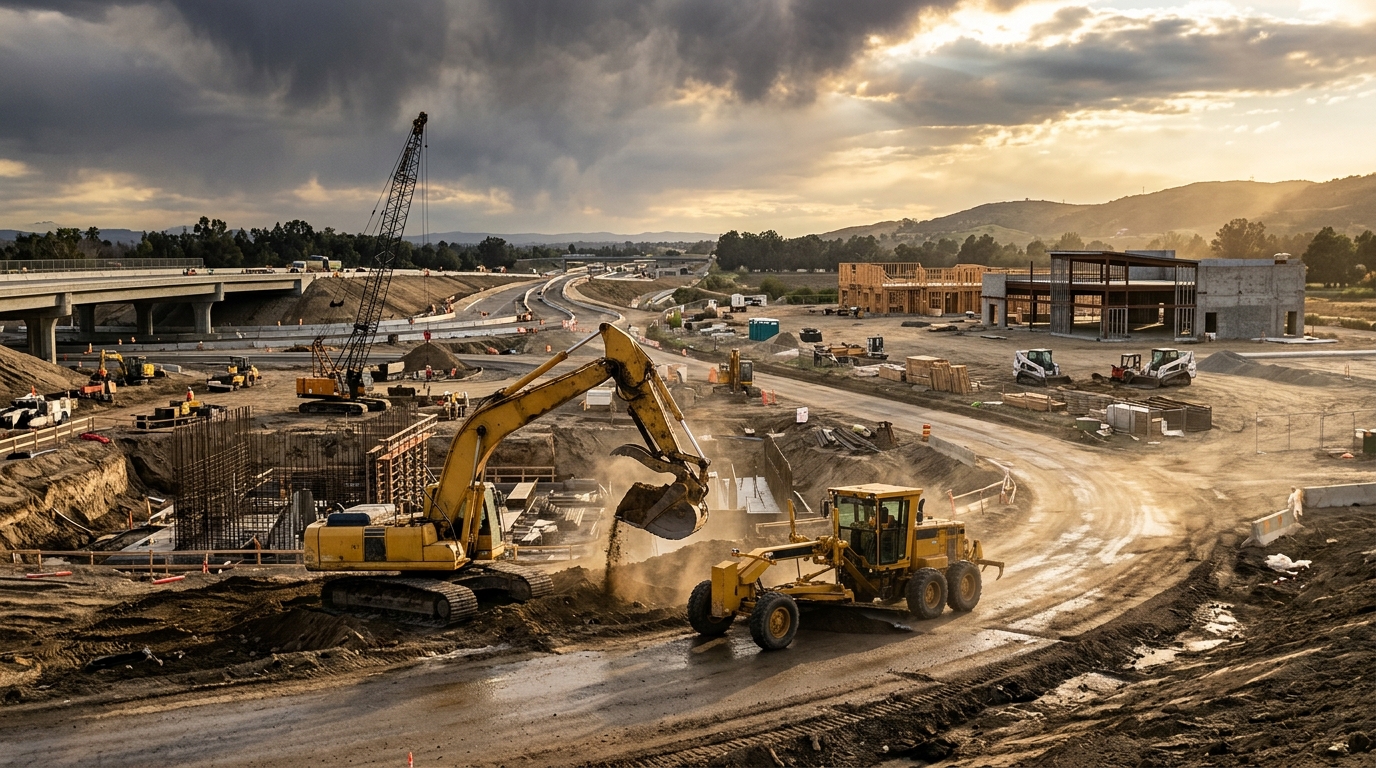
Construction Spending Is Sending a Split Signal to Equipment Owners
June 2026 construction data shows private and residential spending retreating while public work holds up. That split should change how contractors buy, rent, and position equipment.
40 articles
June 2026 construction data shows private and residential spending retreating while public work holds up. That split should change how contractors buy, rent, and position equipment.
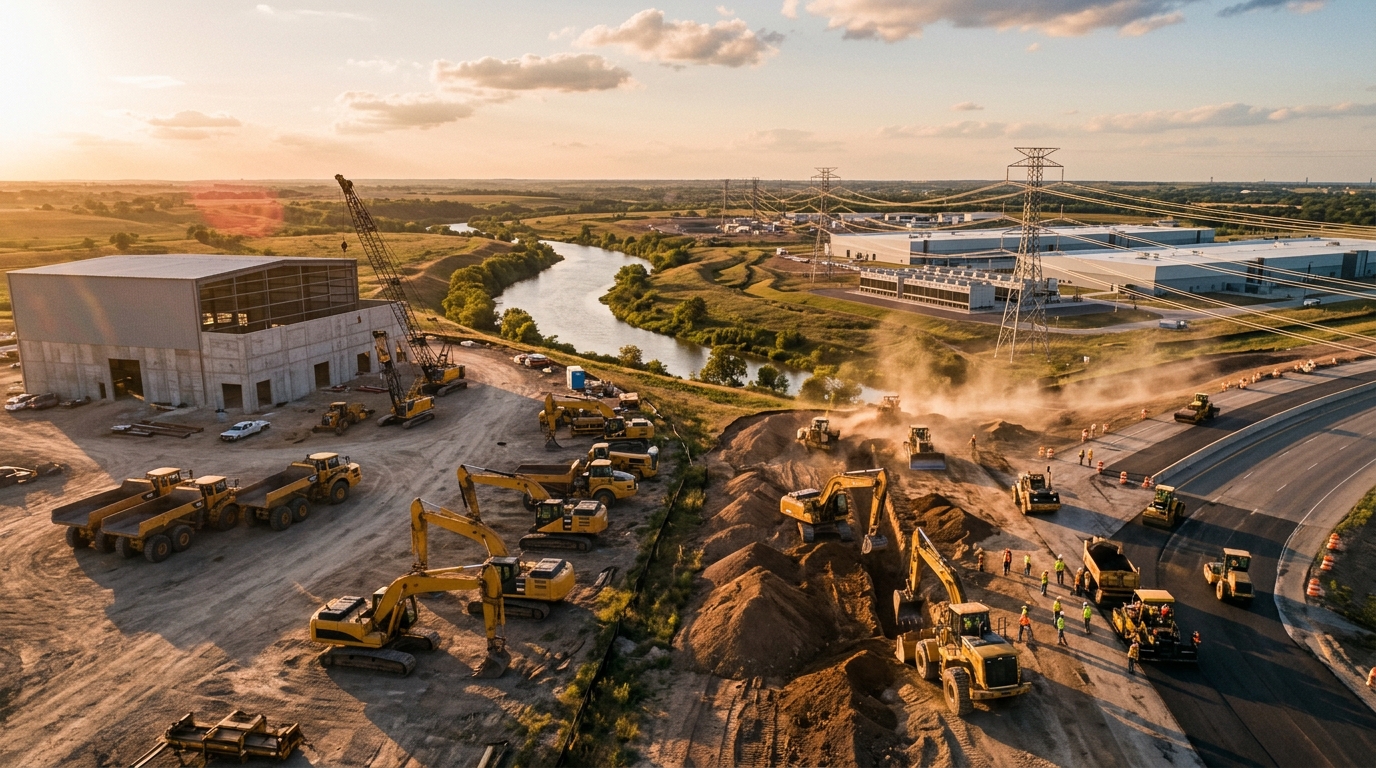
June construction data shows broad weakness beside real pockets of growth. Contractors should read the mix before buying, selling, or relocating equipment.
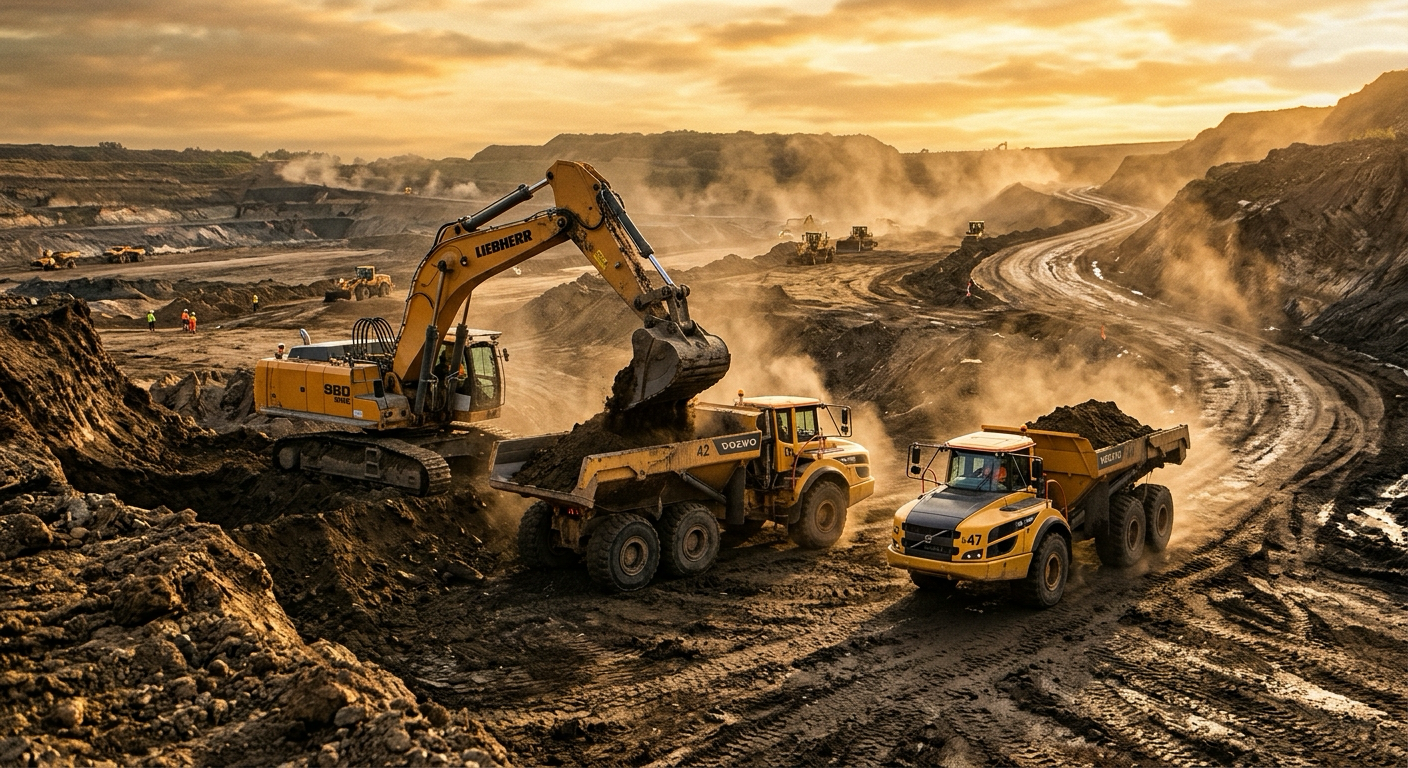
Hyundai's refreshed HA30 and HA45 articulated dump trucks are more than a cab update. They show where the ADT market is heading: easier operator movement, smarter payload control, cleaner service access, and fewer excuses for sloppy haul-cycle data.
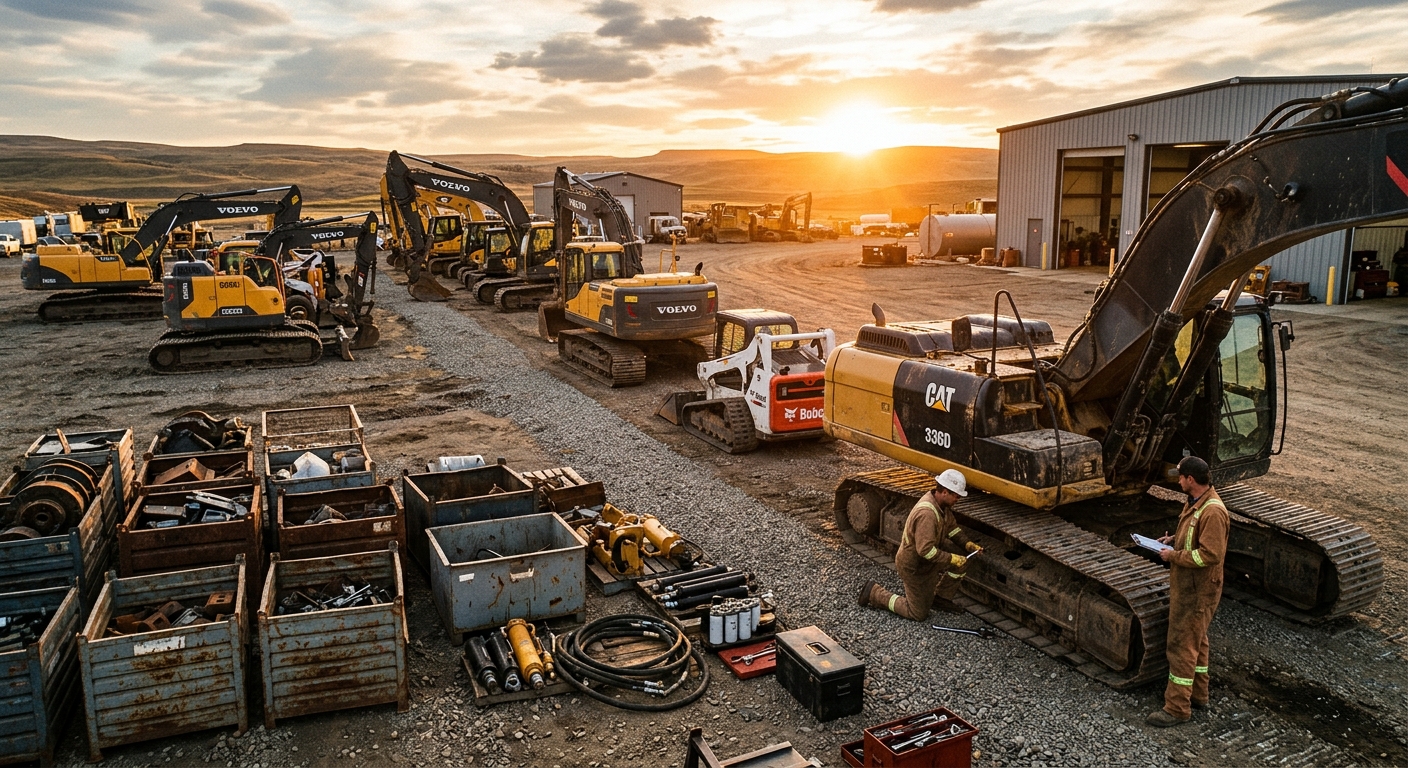
Some imported machinery may get temporary tariff relief, but parts, steel, financing, and repair capacity still make equipment ownership harder to justify without tight machine-level numbers.
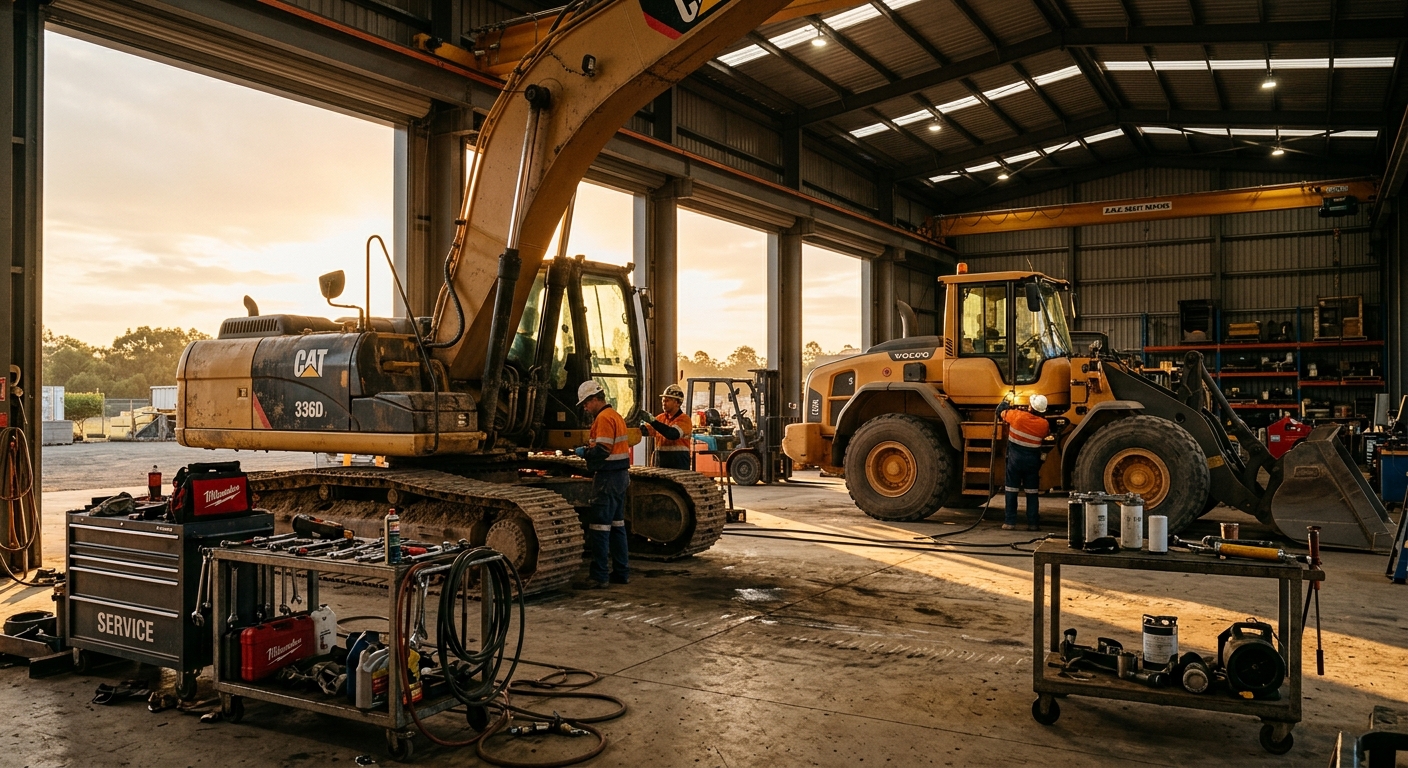
Fleets are running older machines, shops are charging more for labor, and technician supply is still tight. The next equipment constraint may be service capacity, not machine availability.
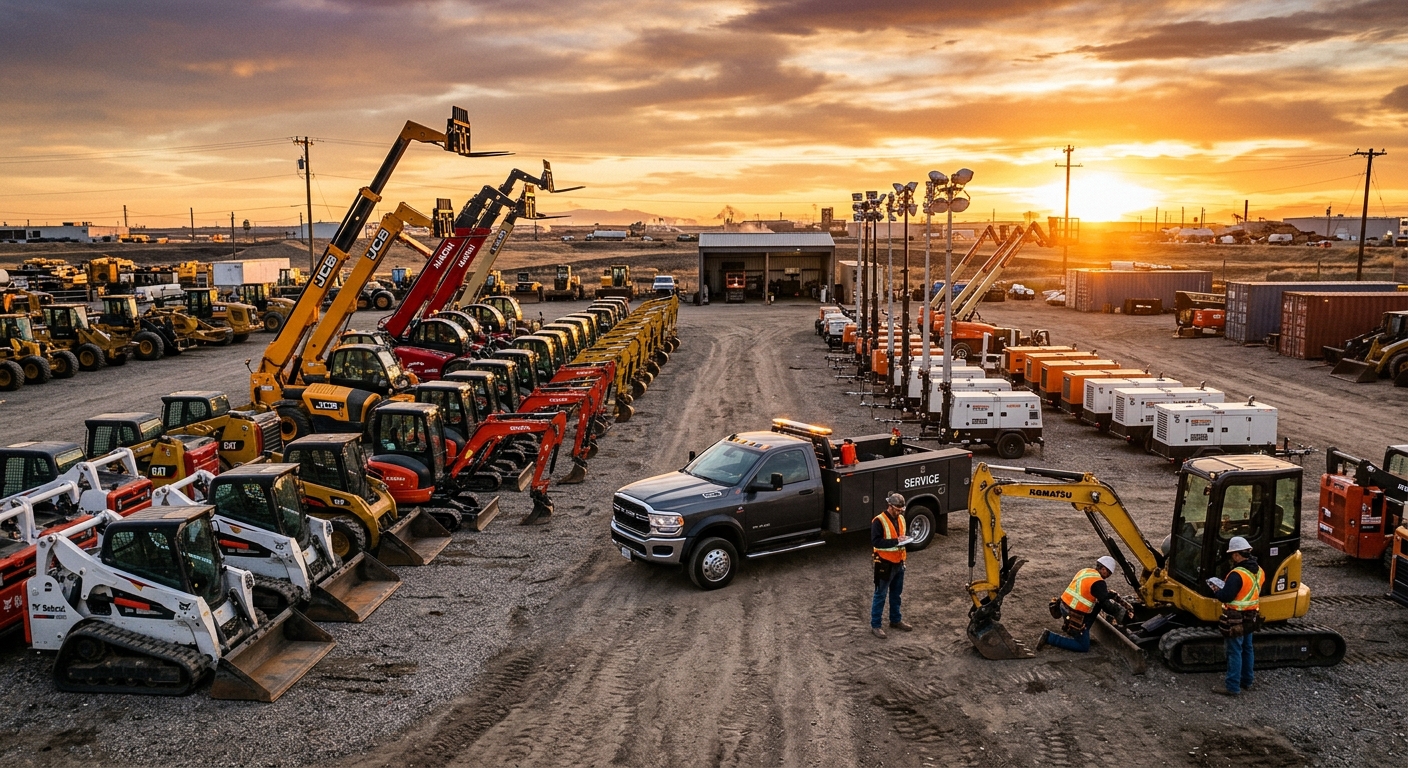
Rental demand is still growing in 2026, but the hard part is no longer proving customers want to rent. It is knowing which machines deserve replacement money and which ones are only staying busy on paper.
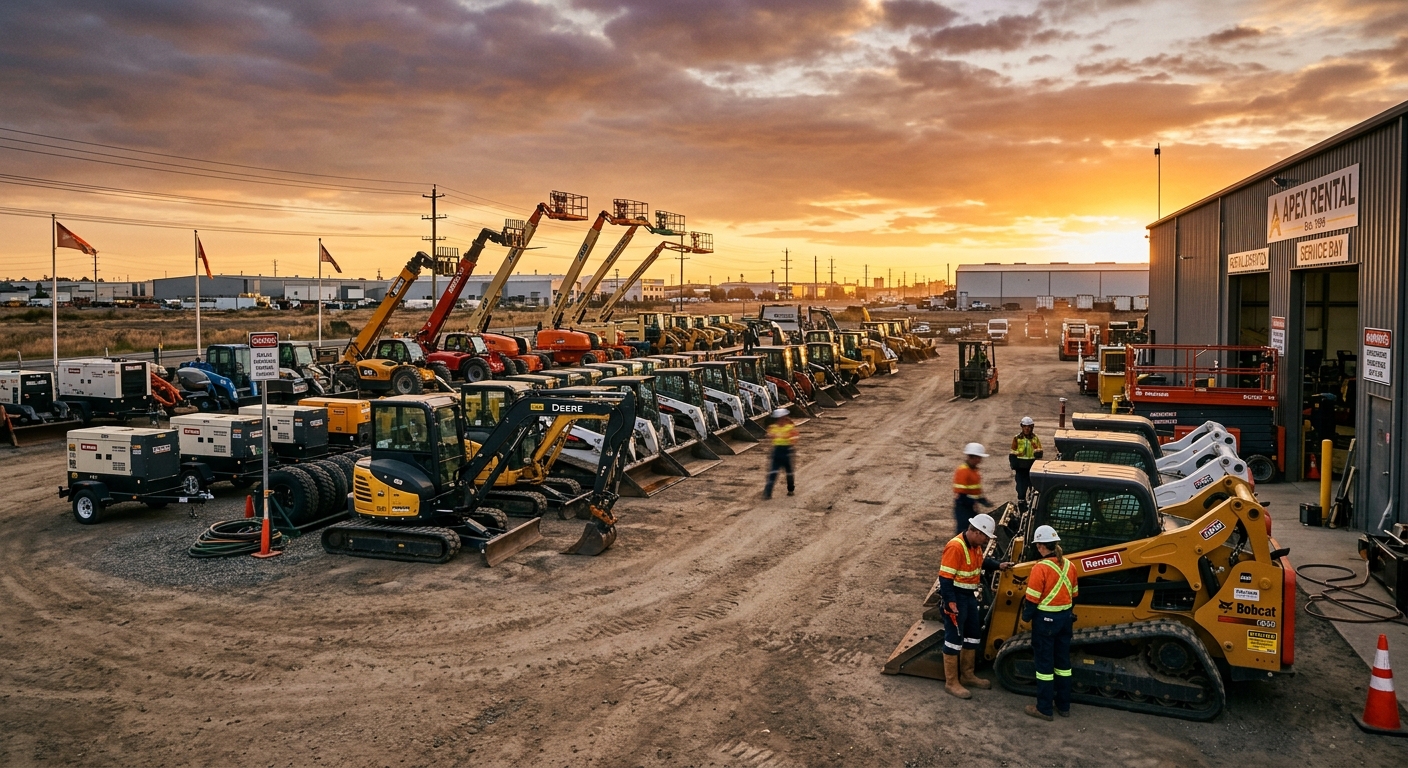
The 2026 rental forecast looks better than it did earlier this year. That does not mean rental yards can buy their way out of a mixed construction market.
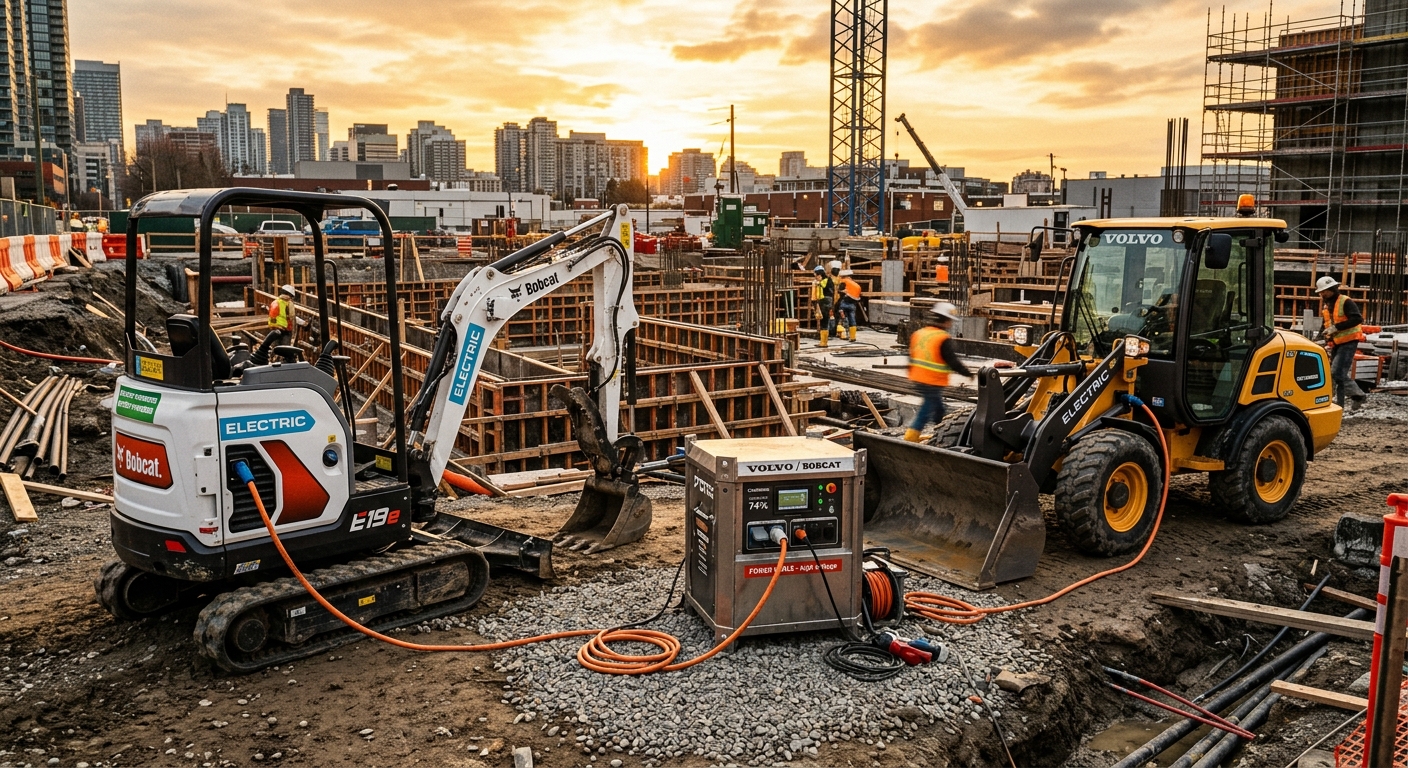
Battery-powered compact machines are getting better fast, but the real test is not whether contractors like them. It is whether the jobsite can keep them working.
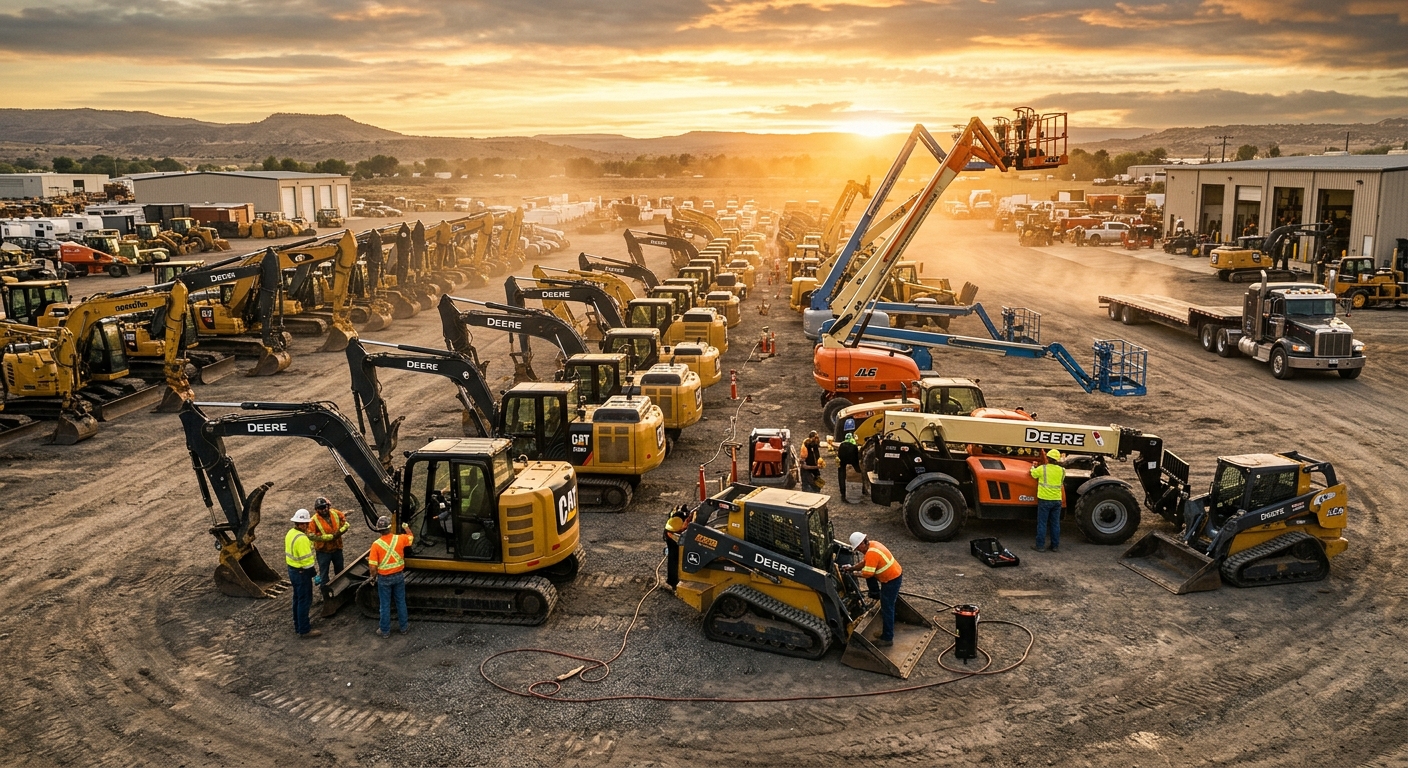
Rental demand is still moving higher in 2026, but contractors using rental as a rescue plan need to know whether they are buying flexibility or covering up weak fleet planning.
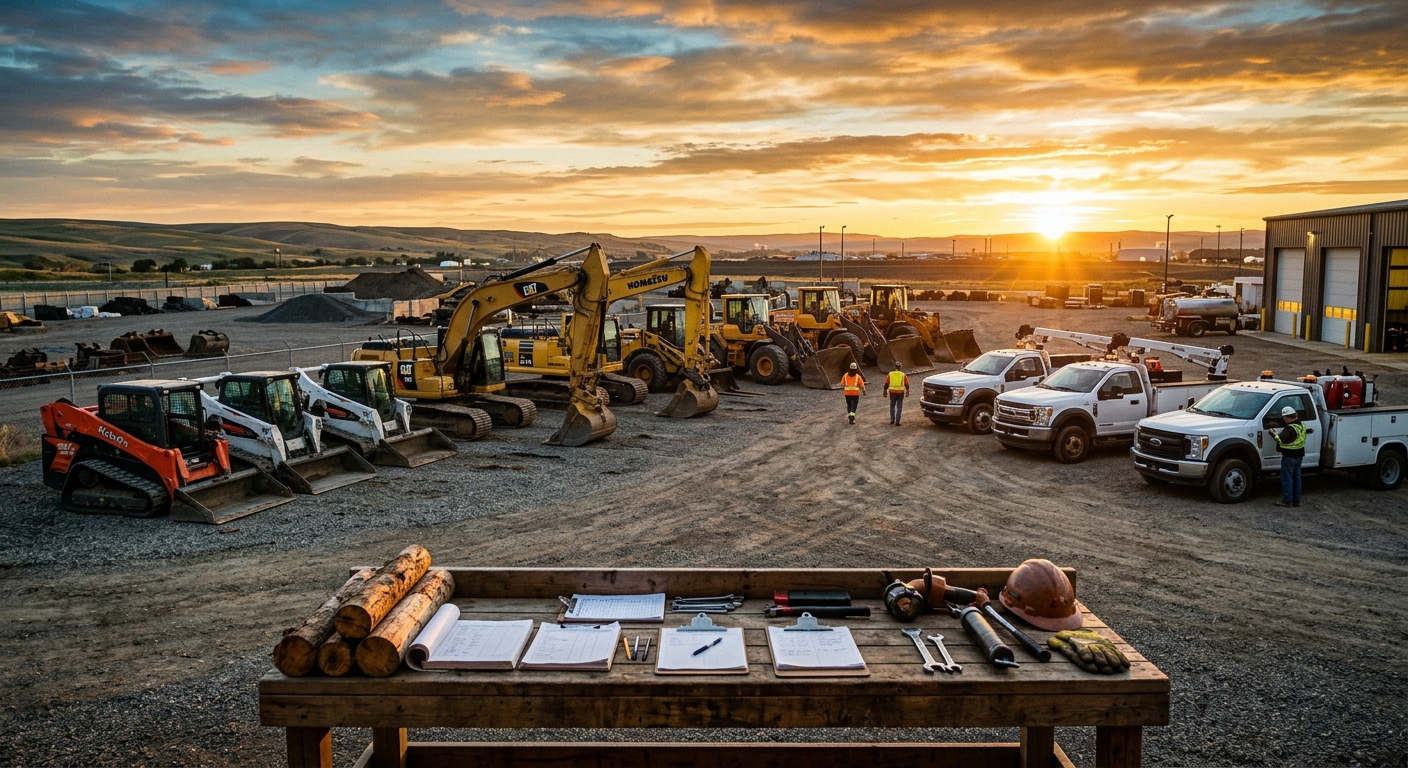
Equipment World's 2026 contractor survey shows most buyers are back in the market, but the real story is more cautious than the headline. Financing is still tight, replacement windows are longer, rental is absorbing risk, and in-house maintenance is now part of the buying decision.
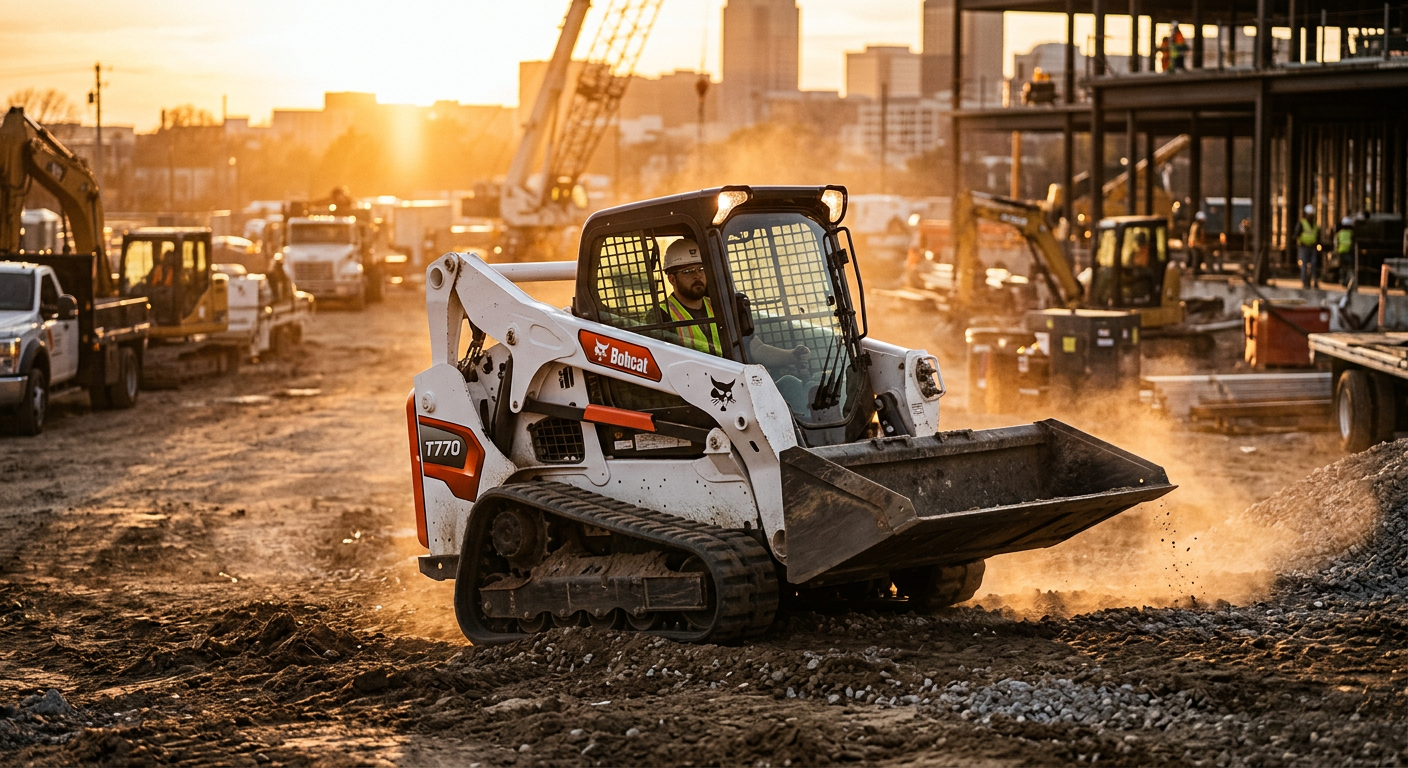
Doosan Bobcat dropped 17 new skid steers and compact track loaders at CONEXPO 2026, killing the M-Series and R-Series names in favor of a new Classic vs. Pro structure. The Pro models get AI voice commands, radar-based safety systems, and automotive-style drive modes.
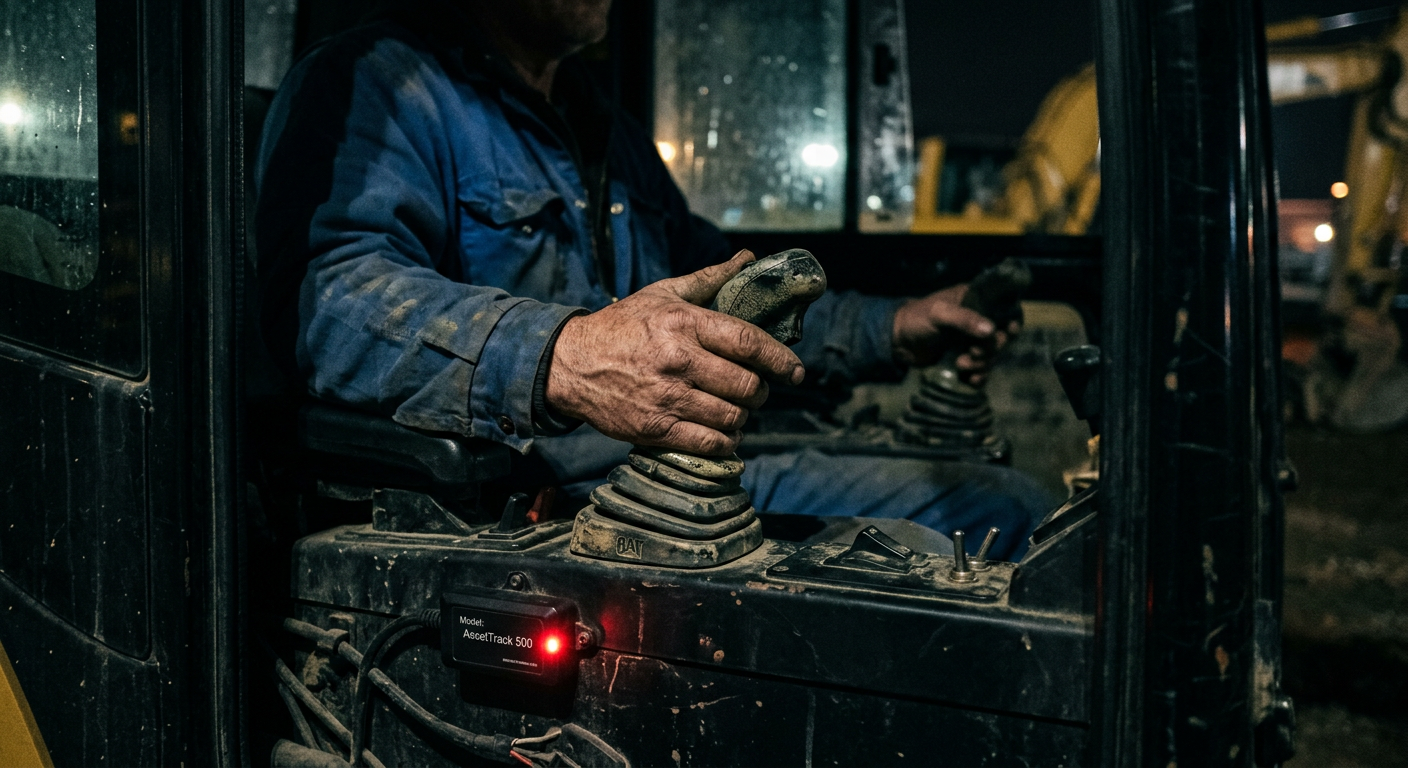
There's a difference between knowing where your machines are and watching your guys like a prison warden. Most companies picked the wrong side.

Deere just bought a mixed-fleet tracking company. That tells you everything about where construction technology is headed.

The equipment industry has a spending problem. Operators are going broke chasing new machines while their existing fleet sits broken in the yard.
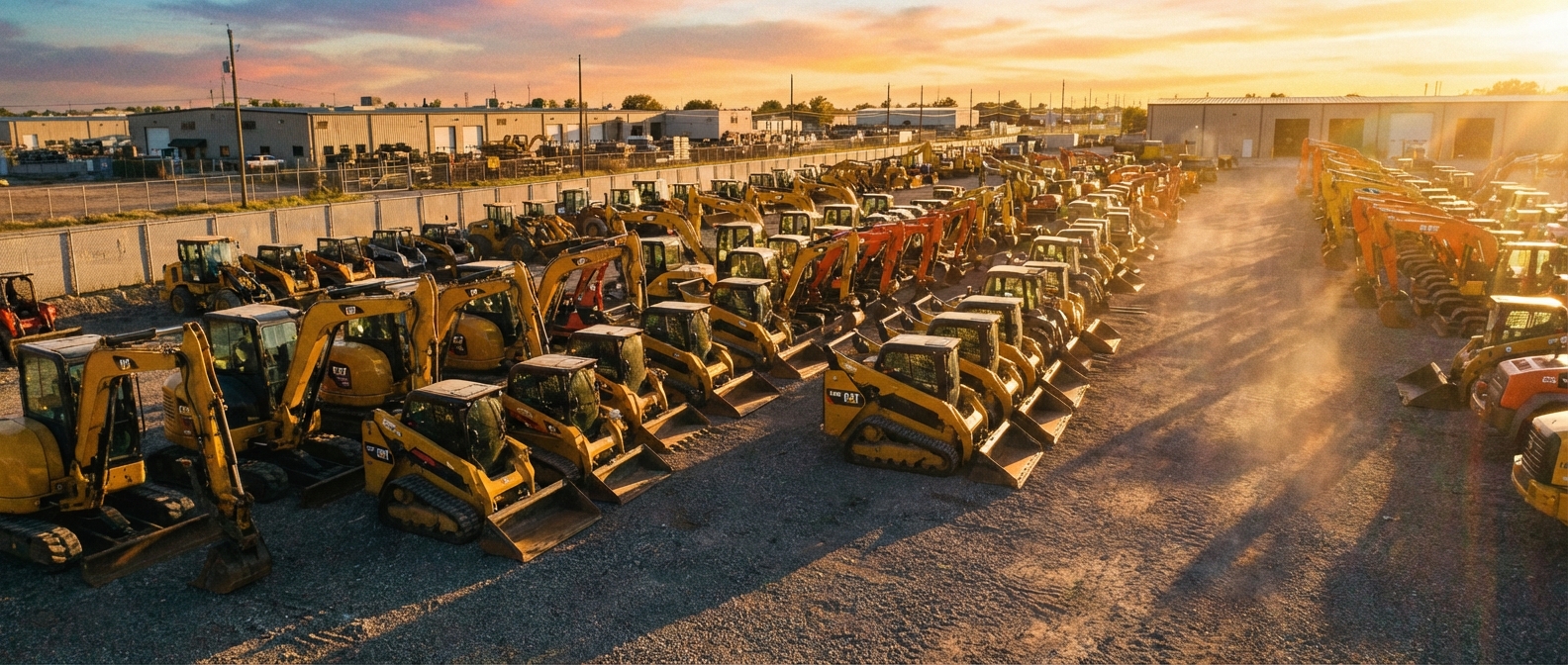
Equipment rental is projected to hit $159 billion globally this year. Rising machine prices, tighter credit, and better rental platforms are pushing contractors away from ownership faster than anyone expected.
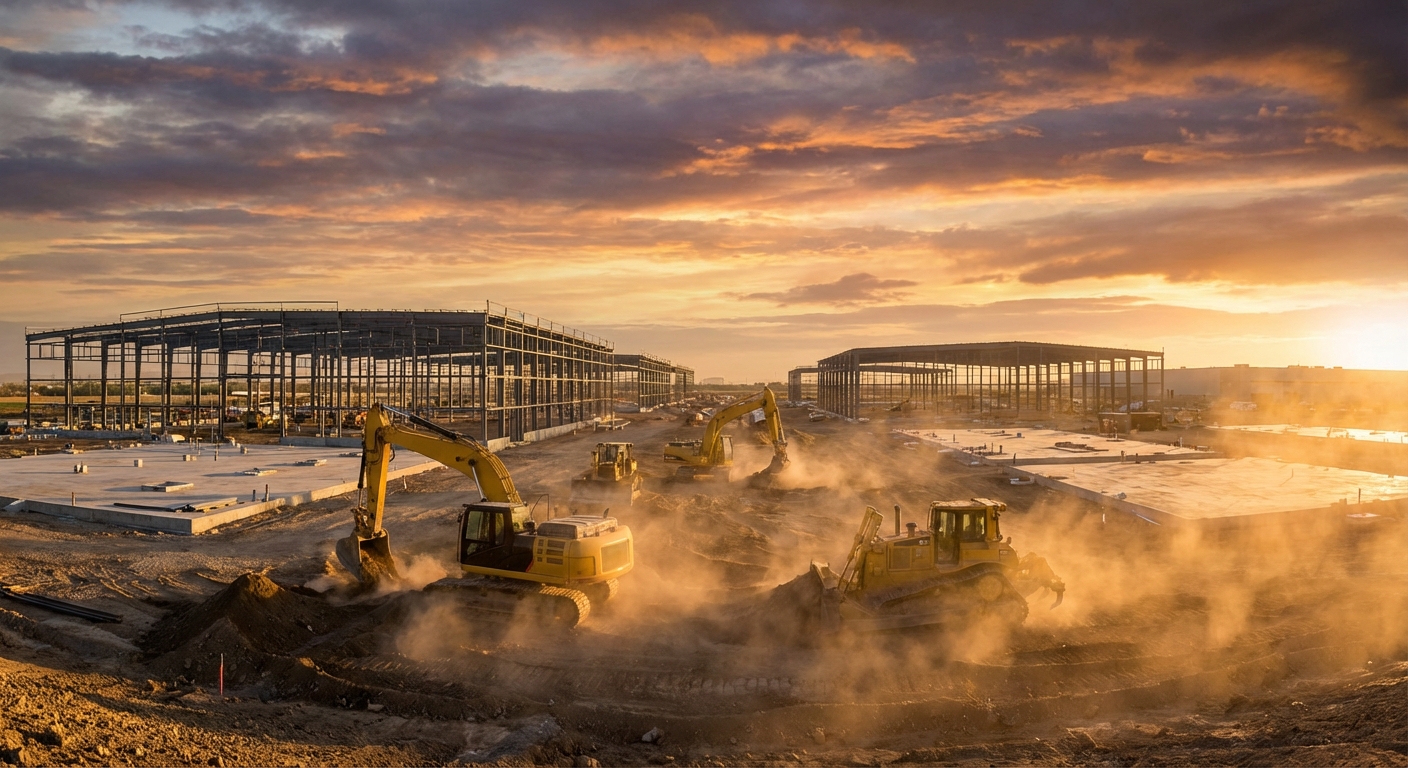
Fleet managers face a difficult choice in 2026: delay purchases amid tariff uncertainty or capitalize on the largest infrastructure investment cycle in a generation.
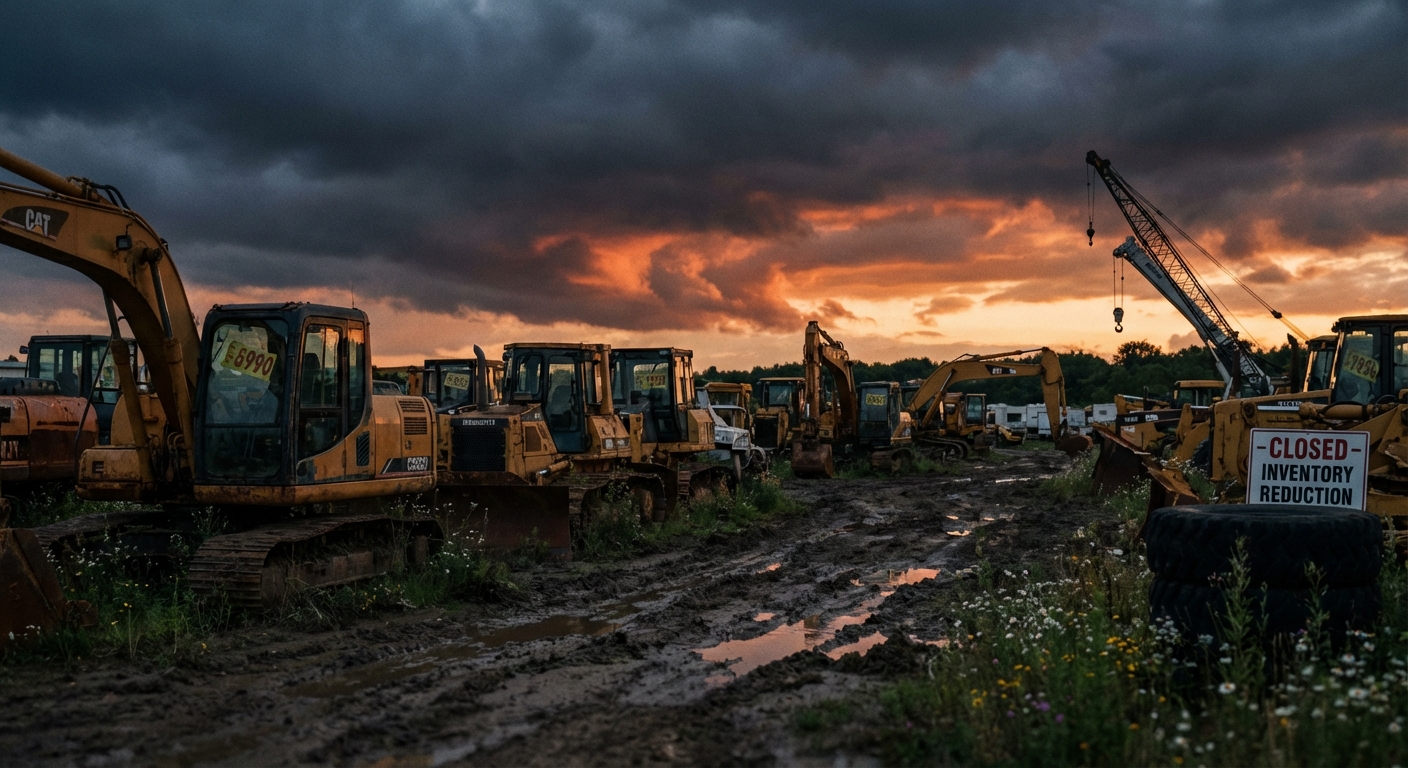
Supply chains have normalized, financing rates are brutal, and fleet turnover cycles are converging. The used equipment market is about to get ugly—here's what smart operators should do now.
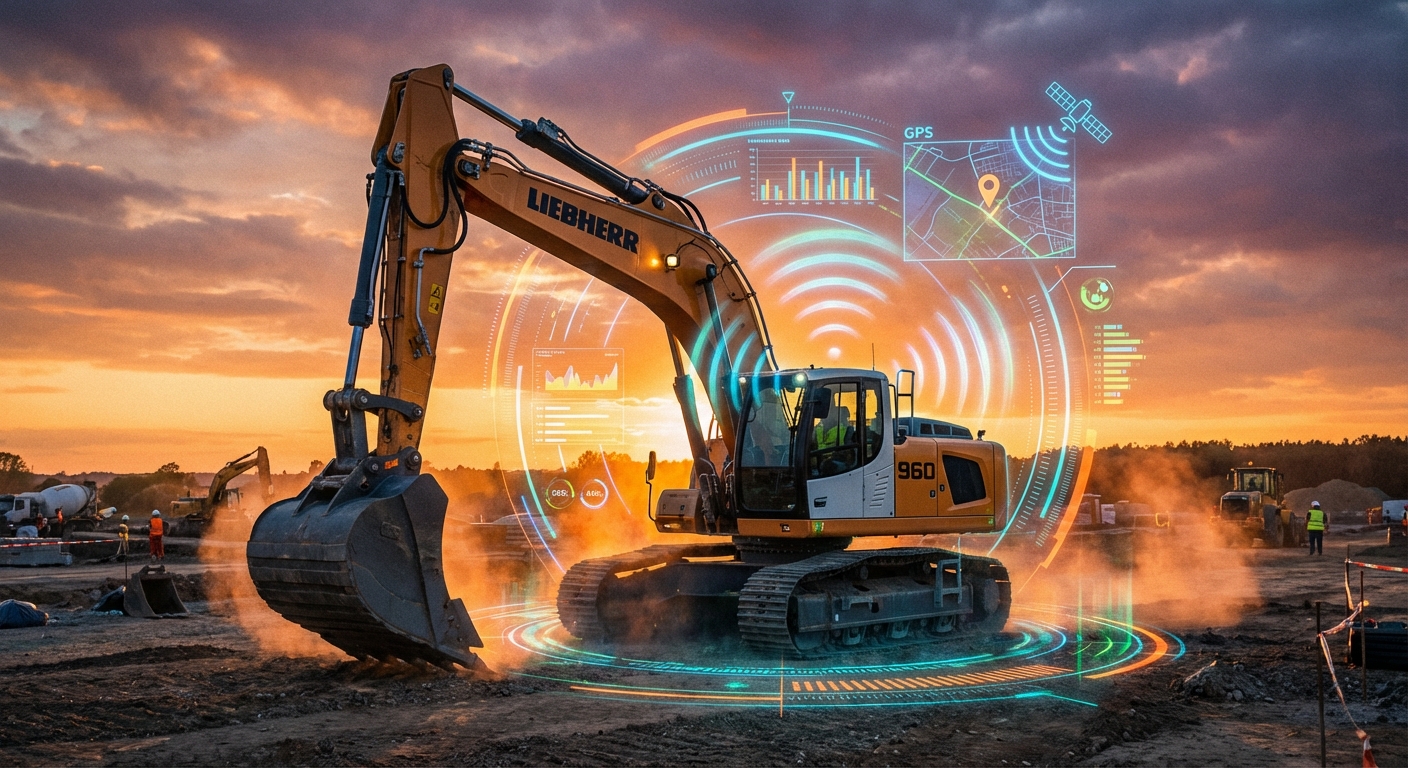
From reactive maintenance to predictive insights, telematics adoption is accelerating across the construction industry as contractors seek competitive advantages through data-driven fleet management.
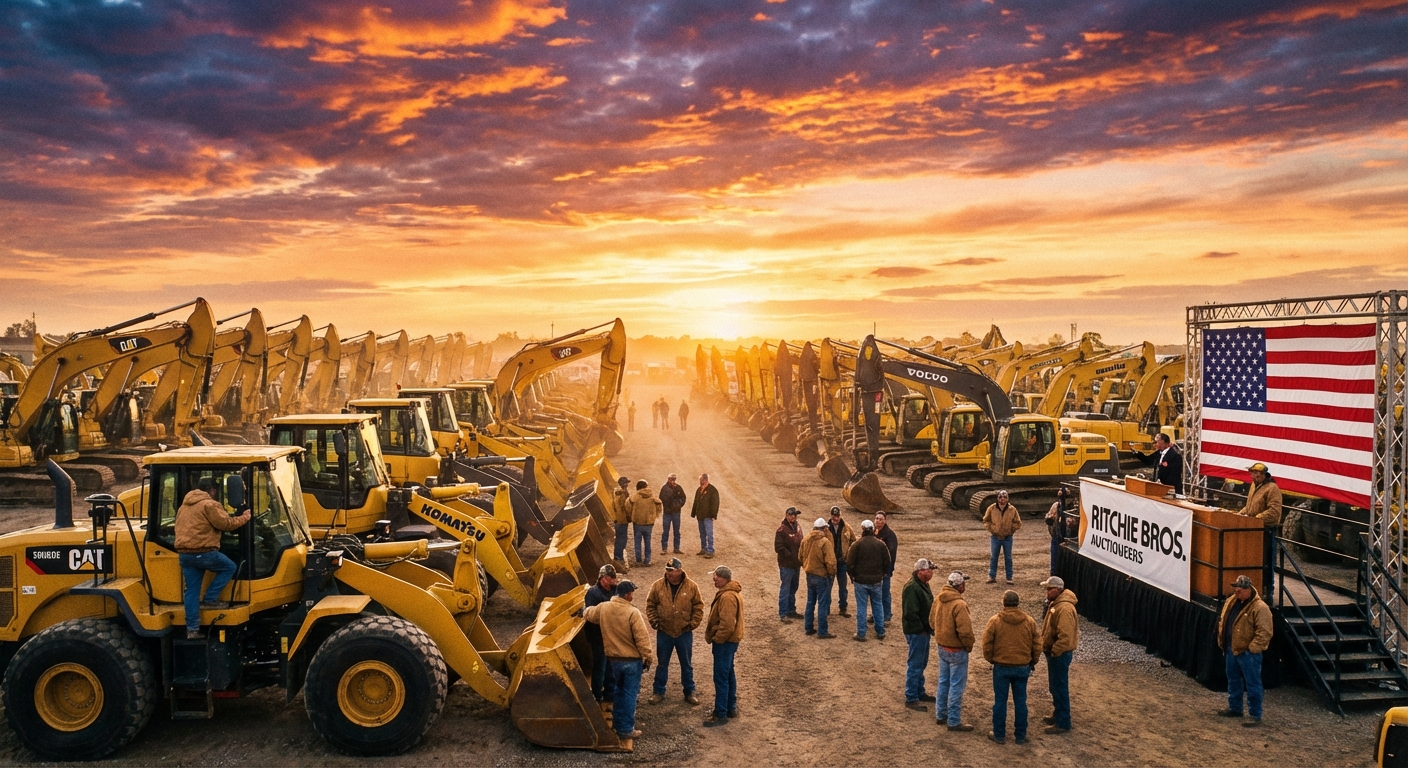
A deep dive into the factors shaping used equipment values, auction dynamics, and strategic timing for contractors and fleet managers this year.

The construction equipment telematics market is projected to hit $1.22 billion in 2026. Here's what the data revolution means for contractors of every size—and why the operators who resist will get left behind.
With crude oil dropping to $55/barrel and diesel projected to average $3.50/gallon in 2026, equipment owners are seeing real savings on their biggest variable cost.
From simple GPS dots on a map to AI-powered predictive maintenance, telematics has become the central nervous system of modern construction fleets. Here's what fleet managers need to know.
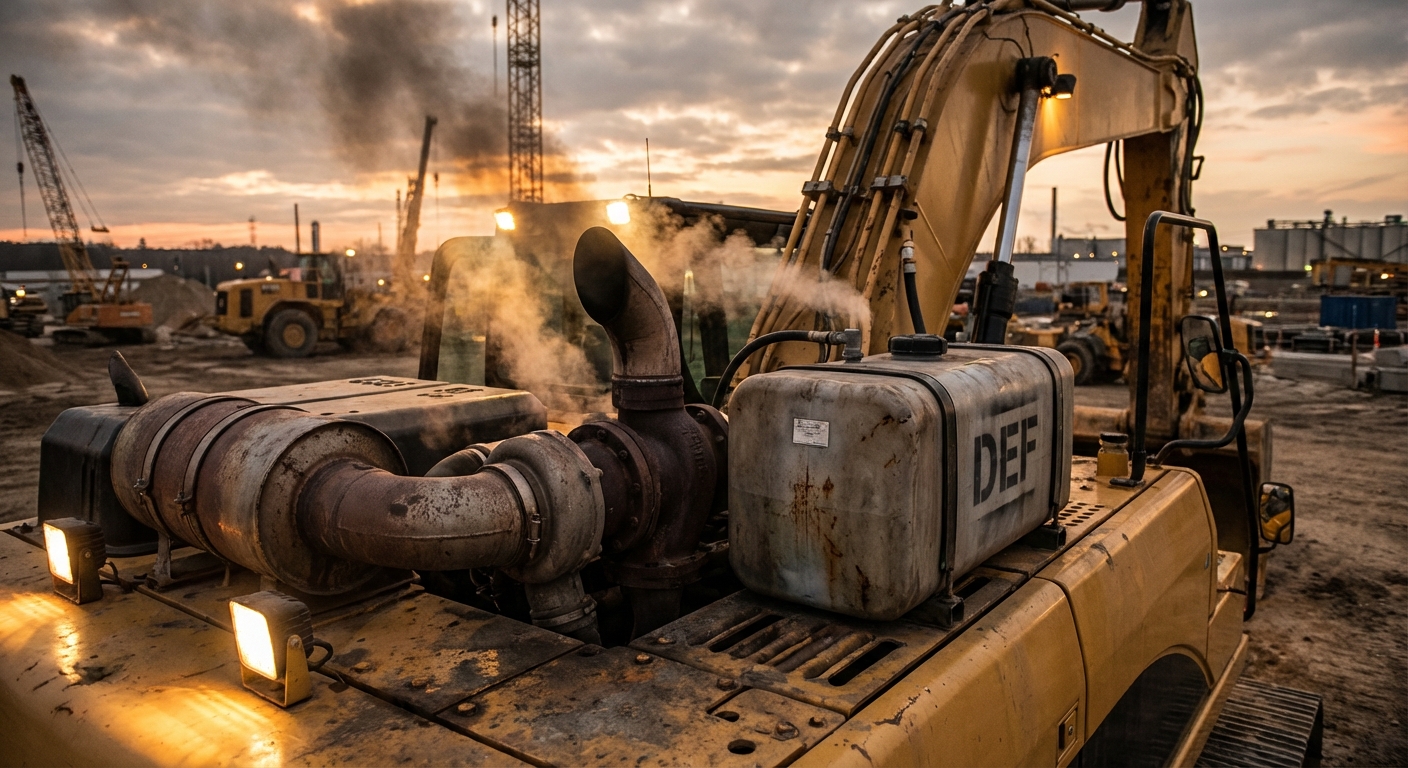
The EPA announces its first major action on DEF system problems, demanding data from manufacturers as equipment operators across industries report widespread failures.
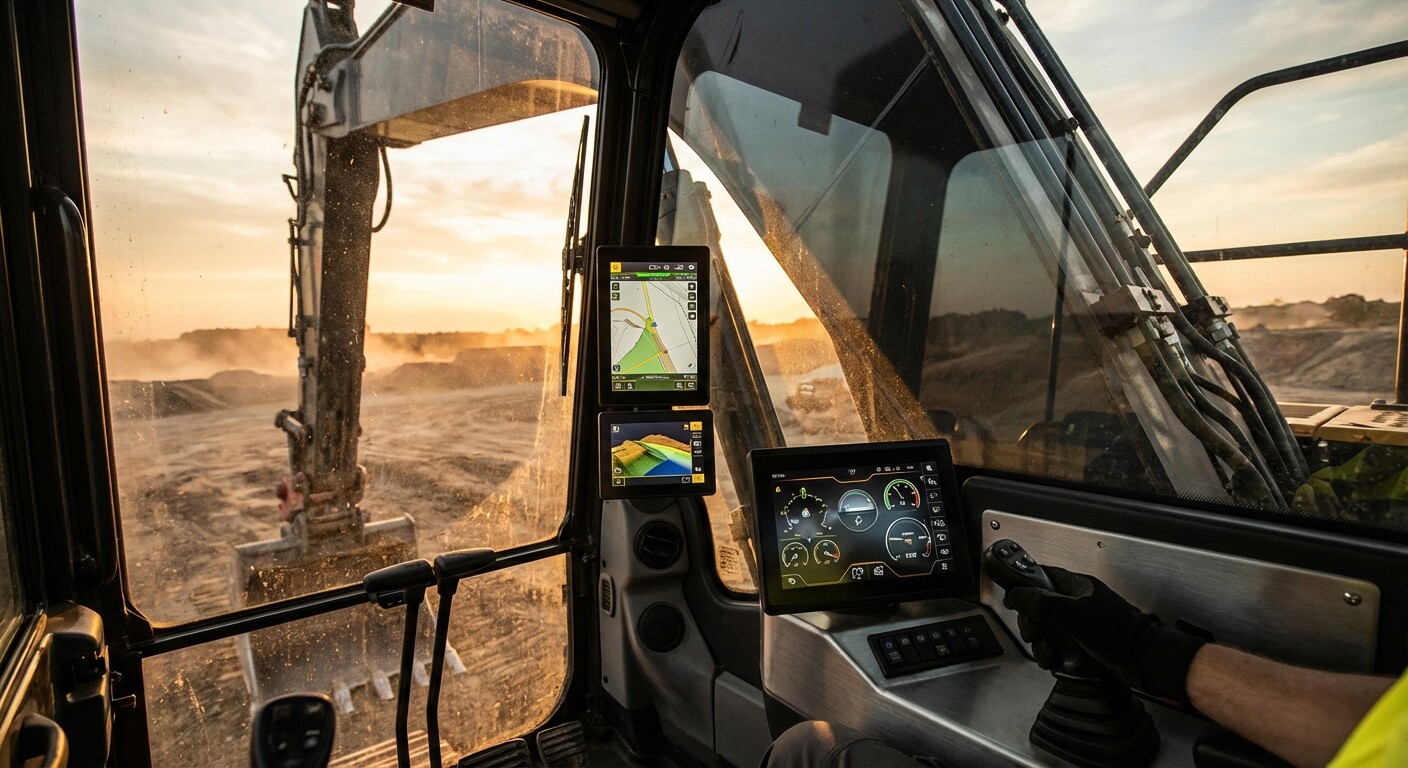
The construction equipment telematics market is projected to reach $1.22 billion in 2026, with AI-powered analytics, 5G connectivity, and fleet optimization leading the charge toward a $9 billion industry by 2032.
The construction equipment rental market is experiencing unprecedented growth as contractors navigate economic uncertainty, embrace new technology, and rethink asset ownership. Here's what's driving the transformation.

The electric construction equipment market is projected to grow at 22%+ CAGR through 2030—but adoption remains uneven. We break down where the industry actually stands, what's driving change, and the real obstacles contractors face.
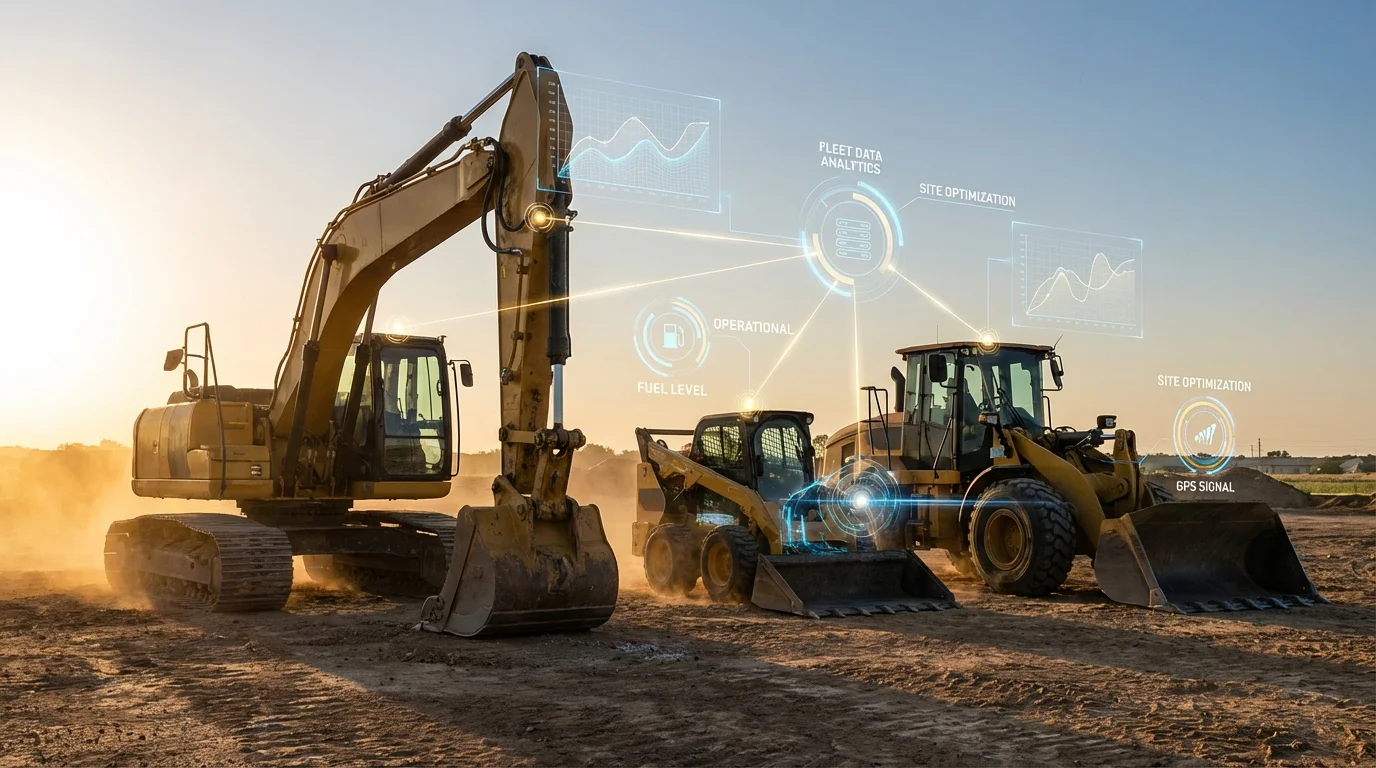
FieldFix now integrates with AI agents, letting operators query their fleet data through natural conversation. It's fleet management that talks back.
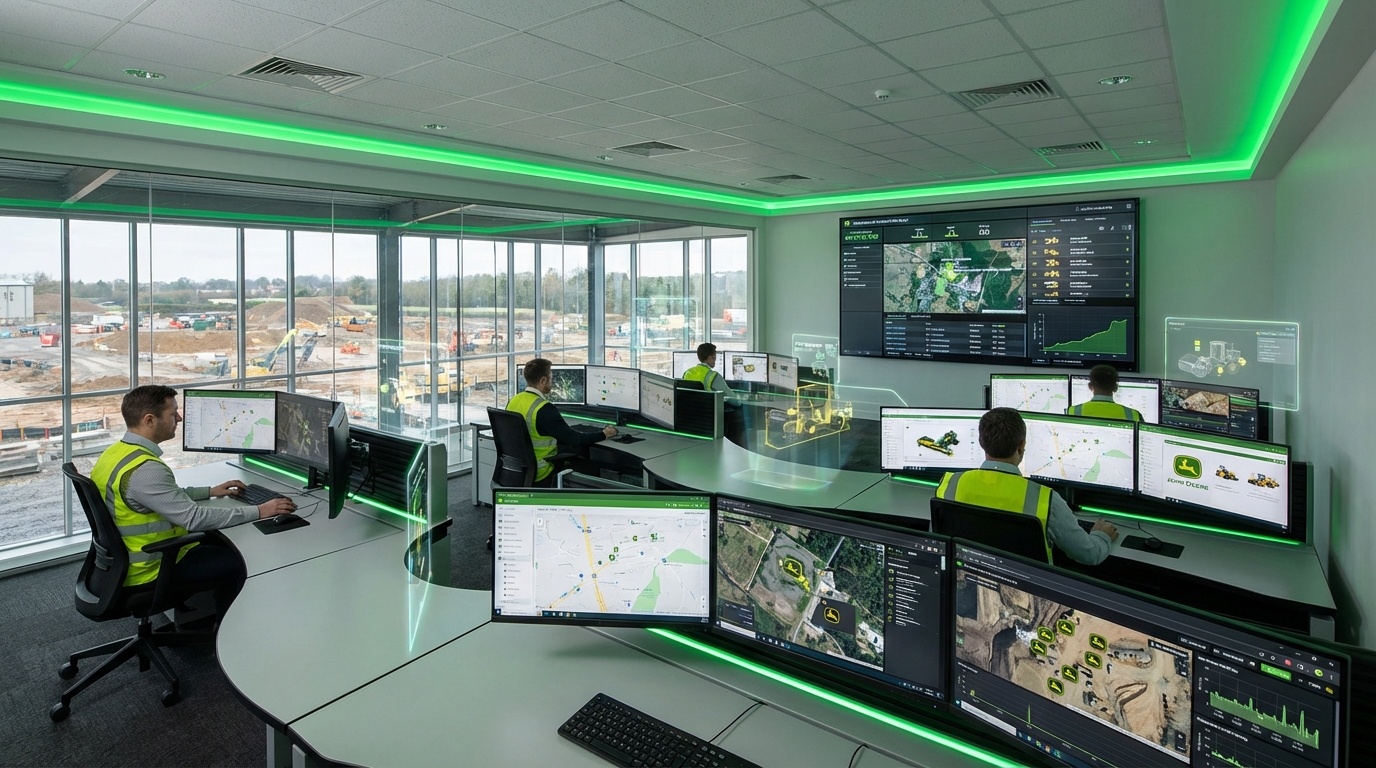
Deere's purchase of mixed-fleet tracking specialist Tenna marks a strategic pivot that could reshape how contractors manage equipment across brands—and challenges the status quo of OEM-locked telematics ecosystems.

New industry data reveals 10% of fleet managers delayed acquisitions due to tariffs. Large fleets hit hardest as supply chains strain under policy uncertainty.
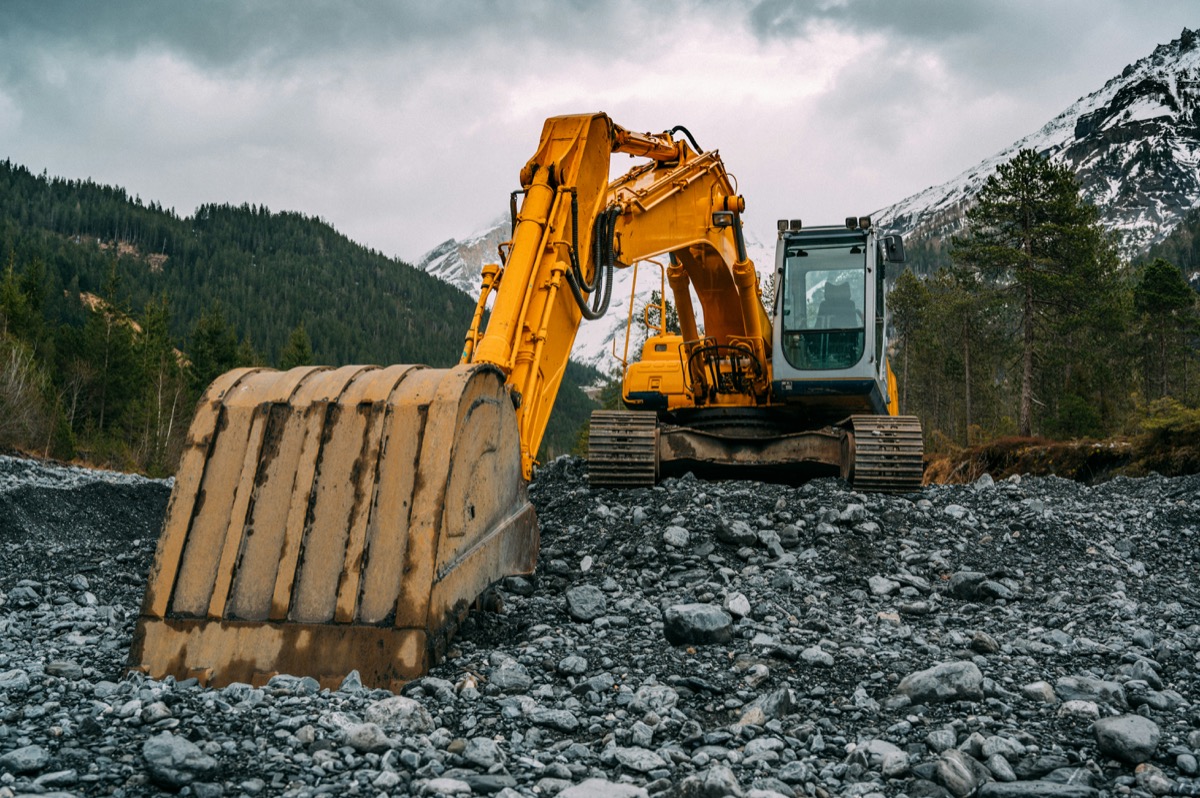
How machine learning and real-time sensor data are eliminating unplanned downtime and transforming equipment maintenance strategies.
The heavy equipment sector is dynamic, driven by relentless innovation and evolving operational demands. For fleet managers and industry professionals, 2026 pro
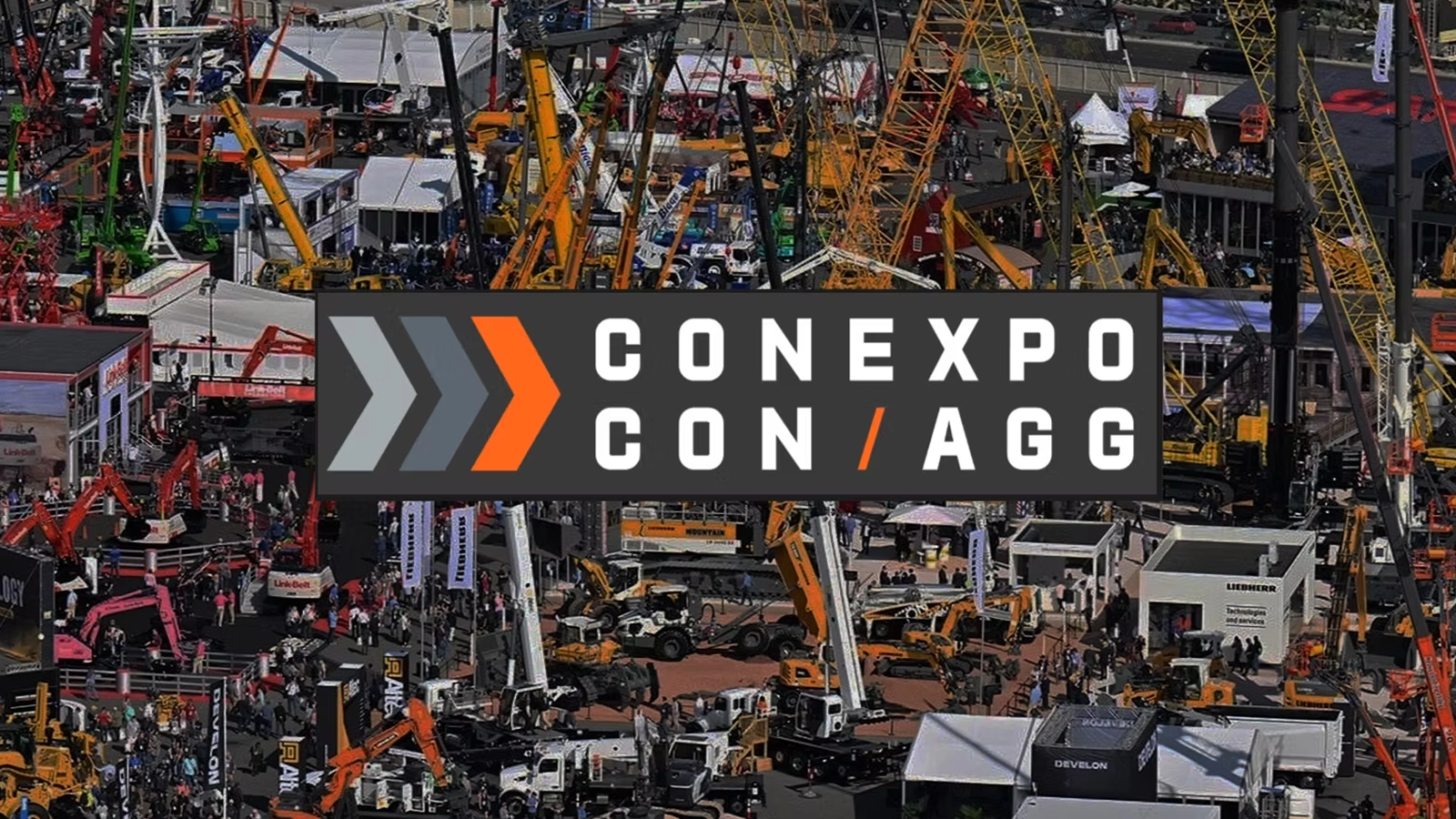
The heavy equipment industry converges on Las Vegas for CONEXPO-CON/AGG 2026, the triennial construction trade show recognized as North America’s largest event
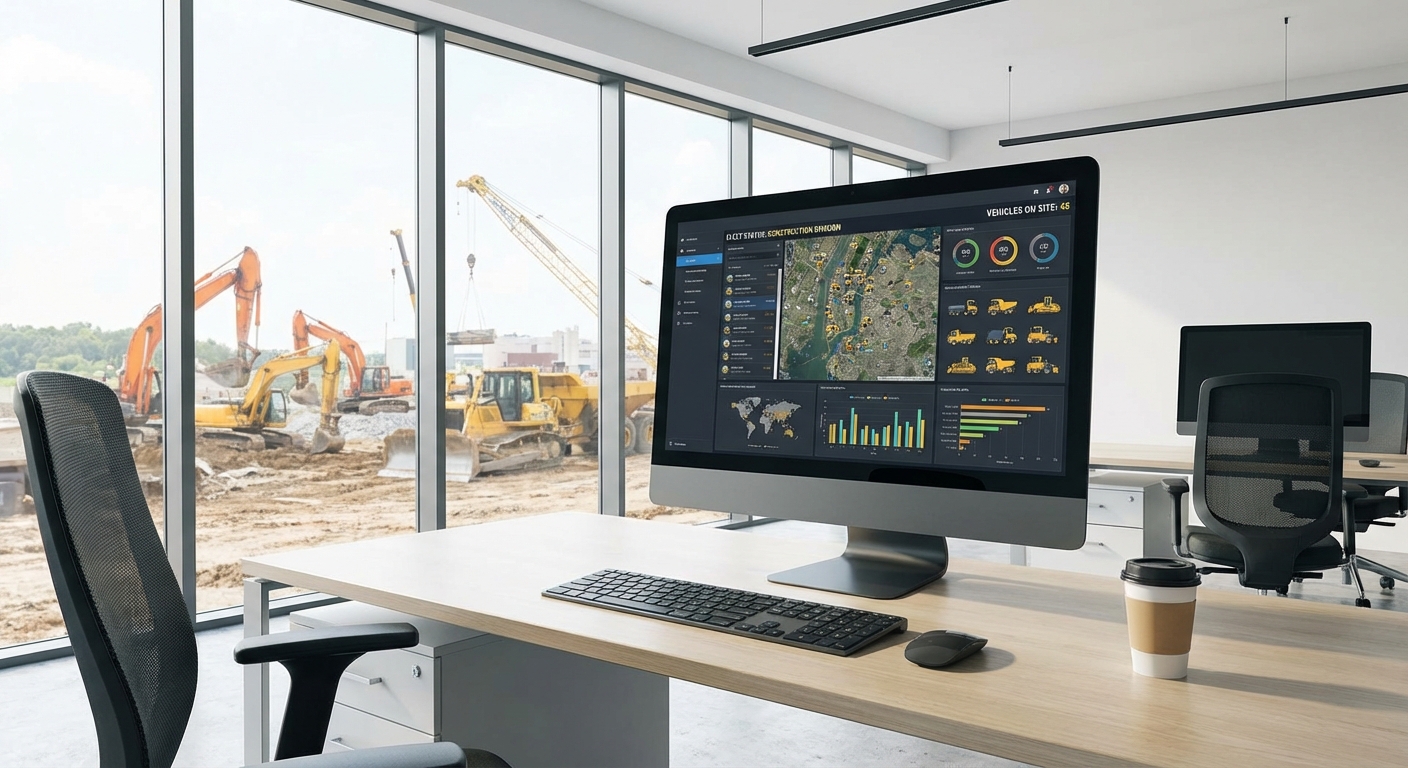
Inside the platform that's helping contractors turn equipment data into actionable insights—and measurable bottom-line improvements.
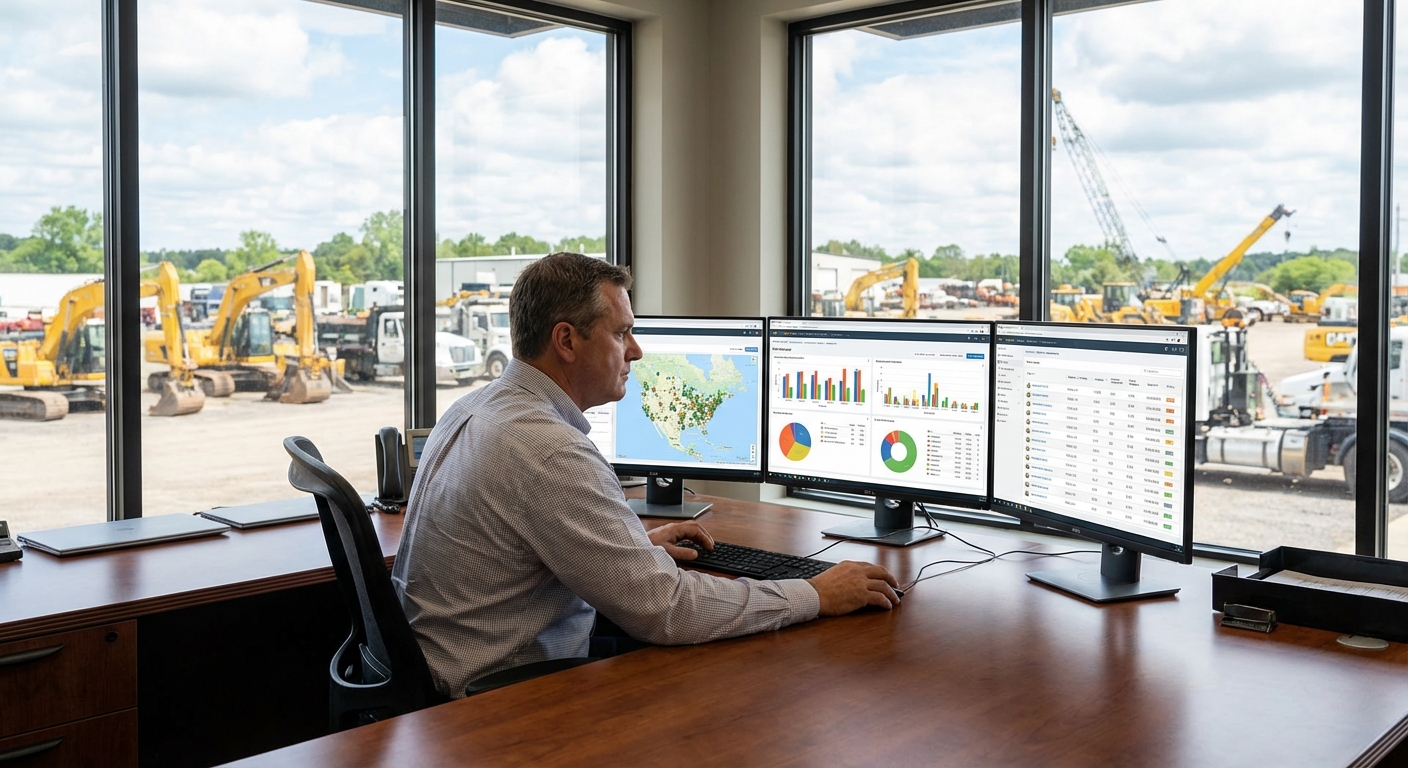
We evaluate the leading fleet management software platforms for heavy equipment operations, comparing features, pricing, and real-world performance.
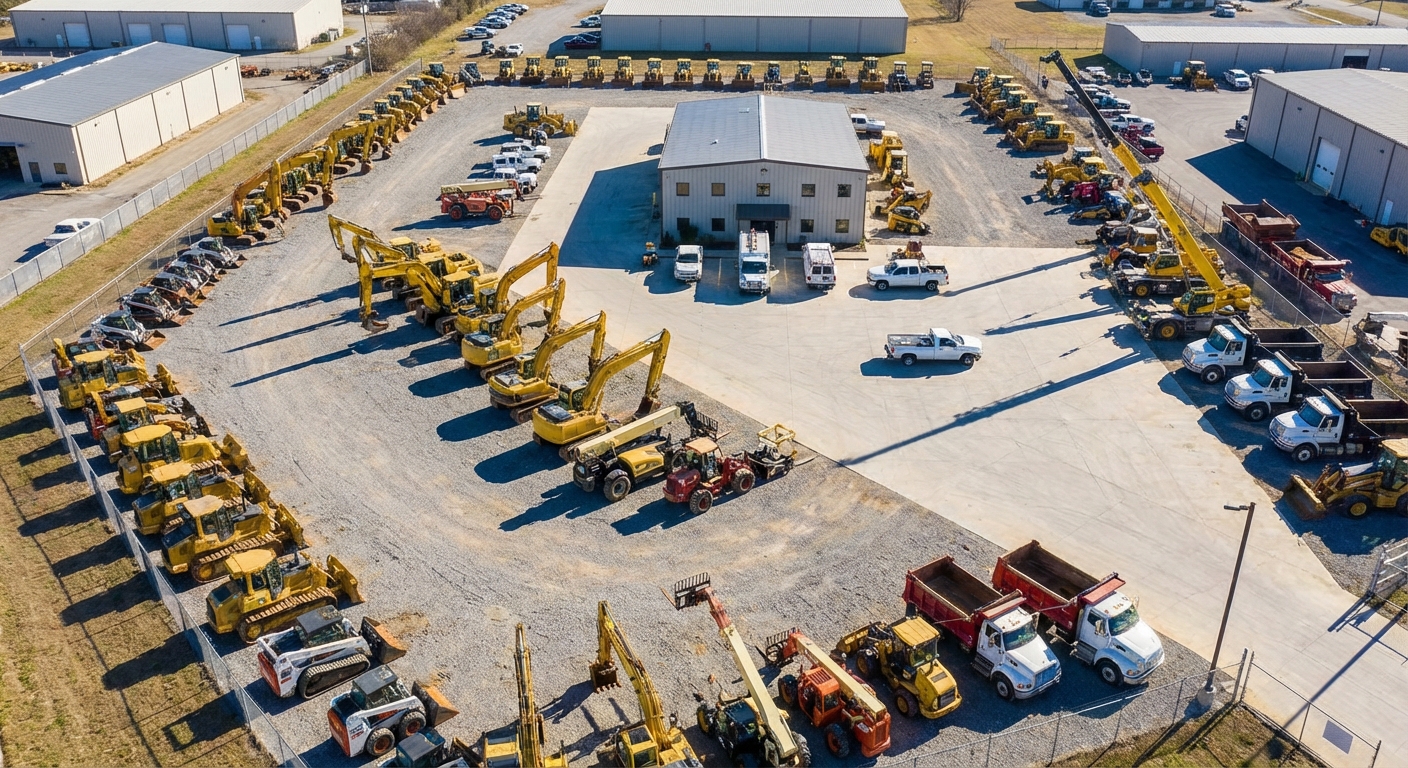
Inside the strategy of North America's largest equipment rental company and how national scale translates to local service delivery.
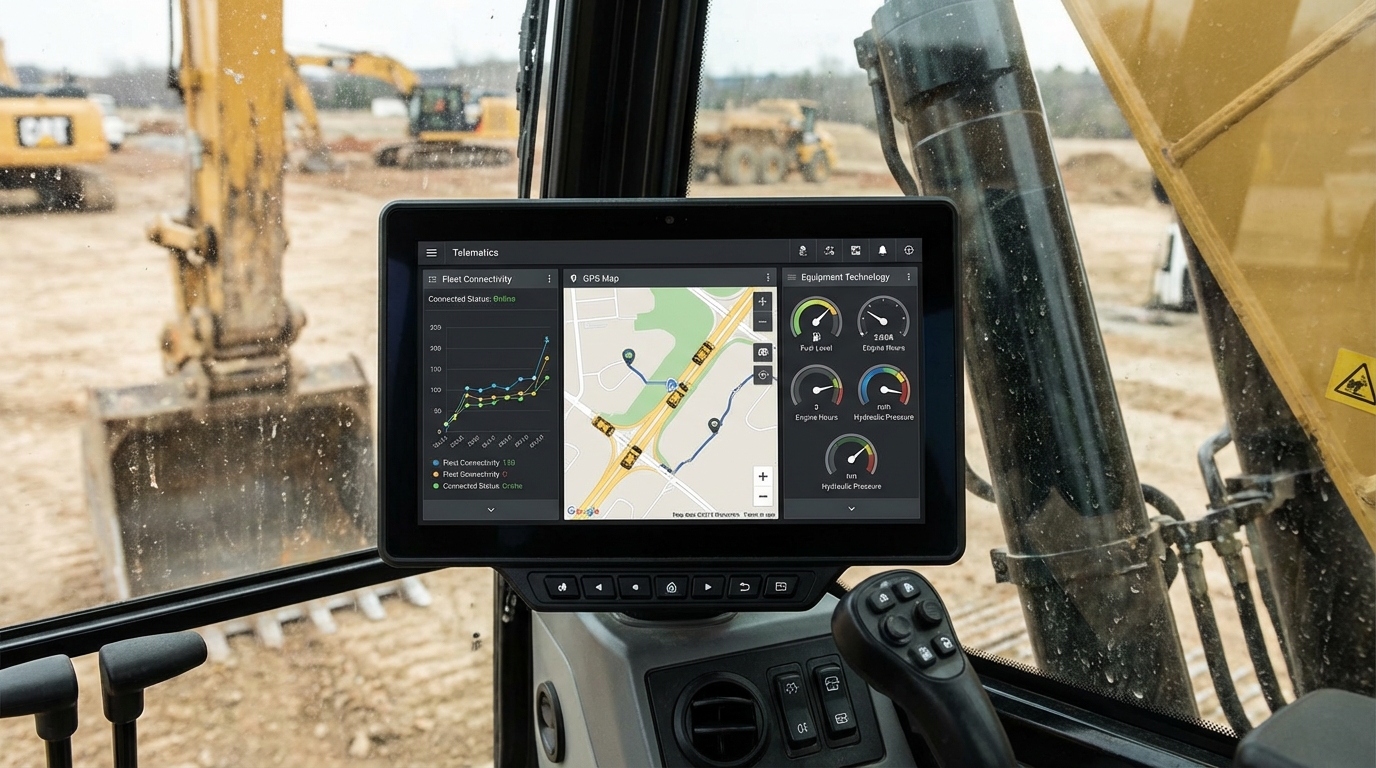
New survey data reveals telematics adoption has reached 67% of equipment fleets, but data utilization remains a significant gap. Key findings inside.
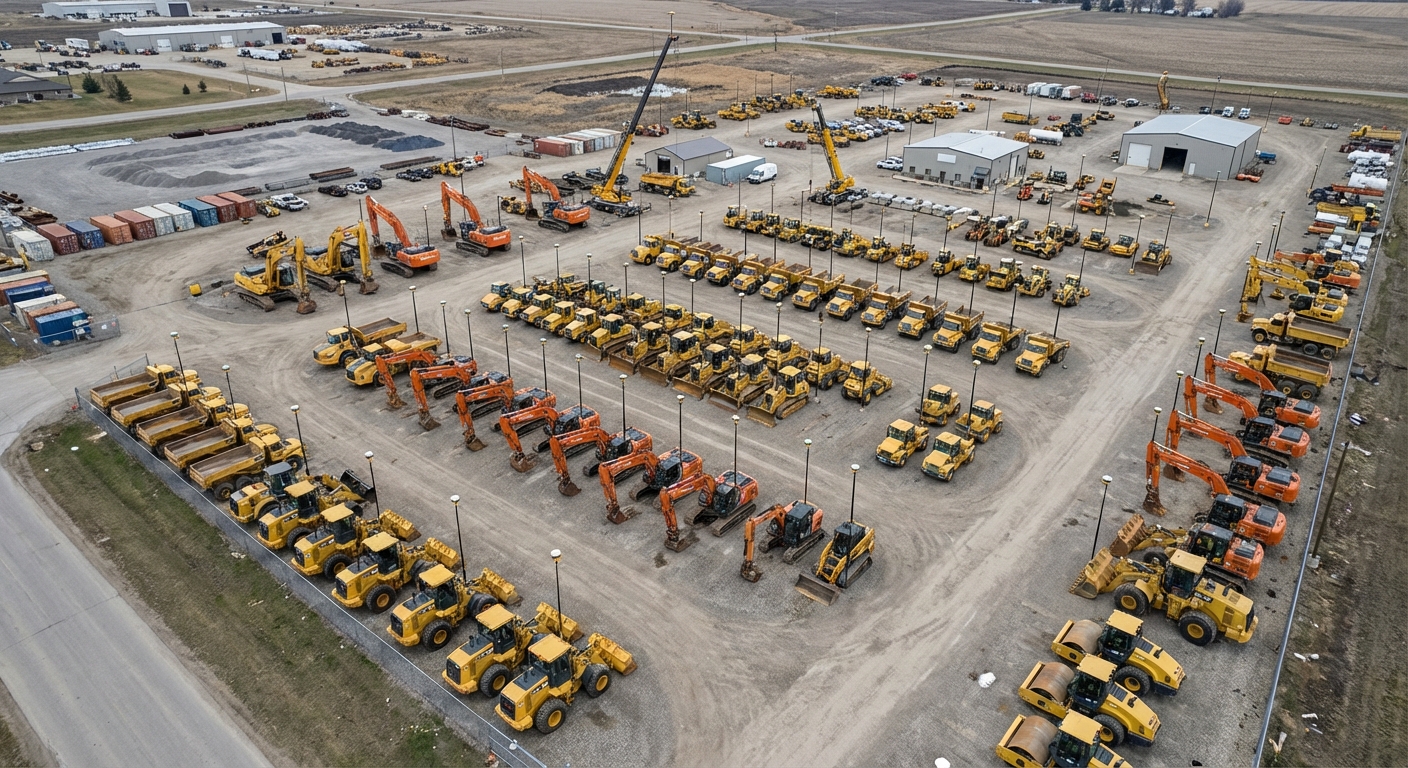
With 73% of new equipment shipping with telematics, the industry has crossed a threshold. Here's how contractors are leveraging connected equipment data.
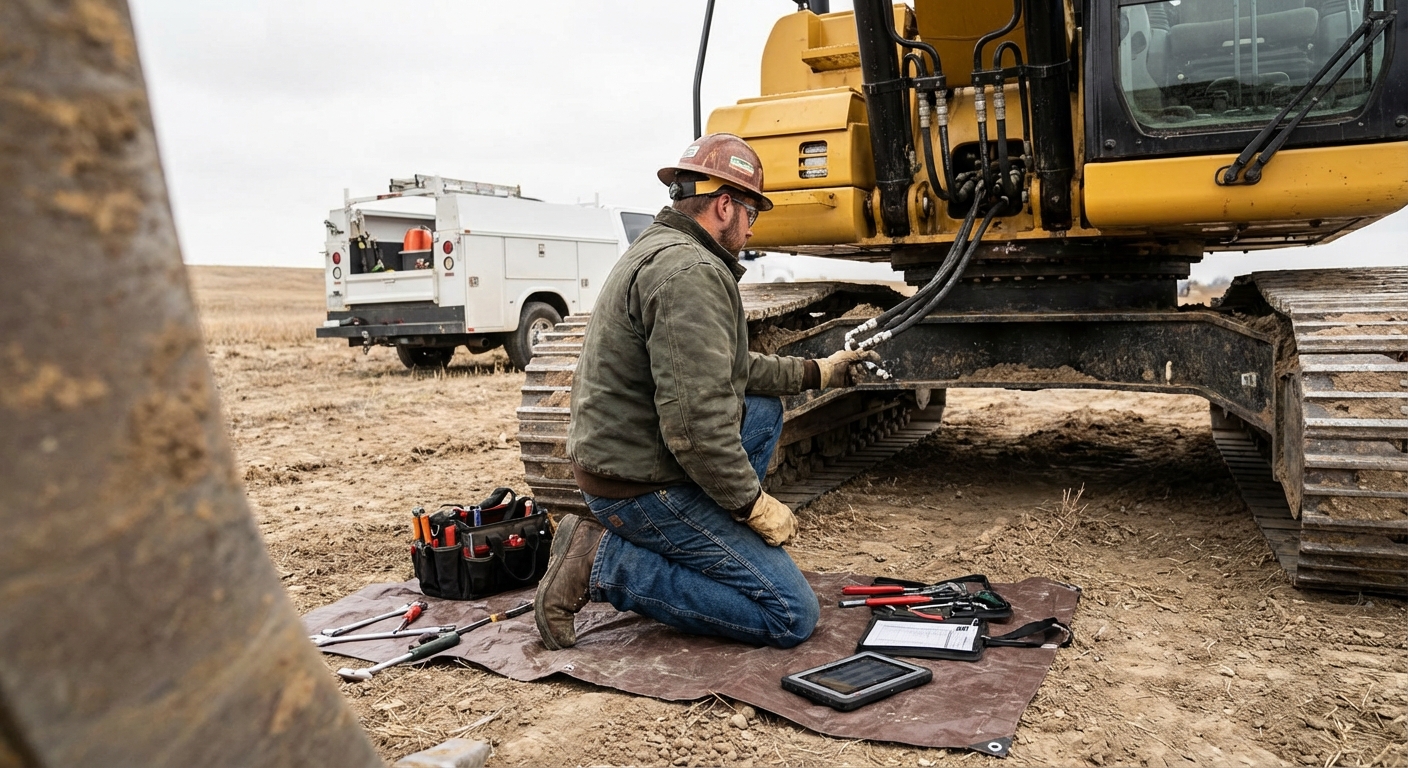
This Kansas City-based service company combines old-school mechanical expertise with modern fleet management technology to keep equipment working.
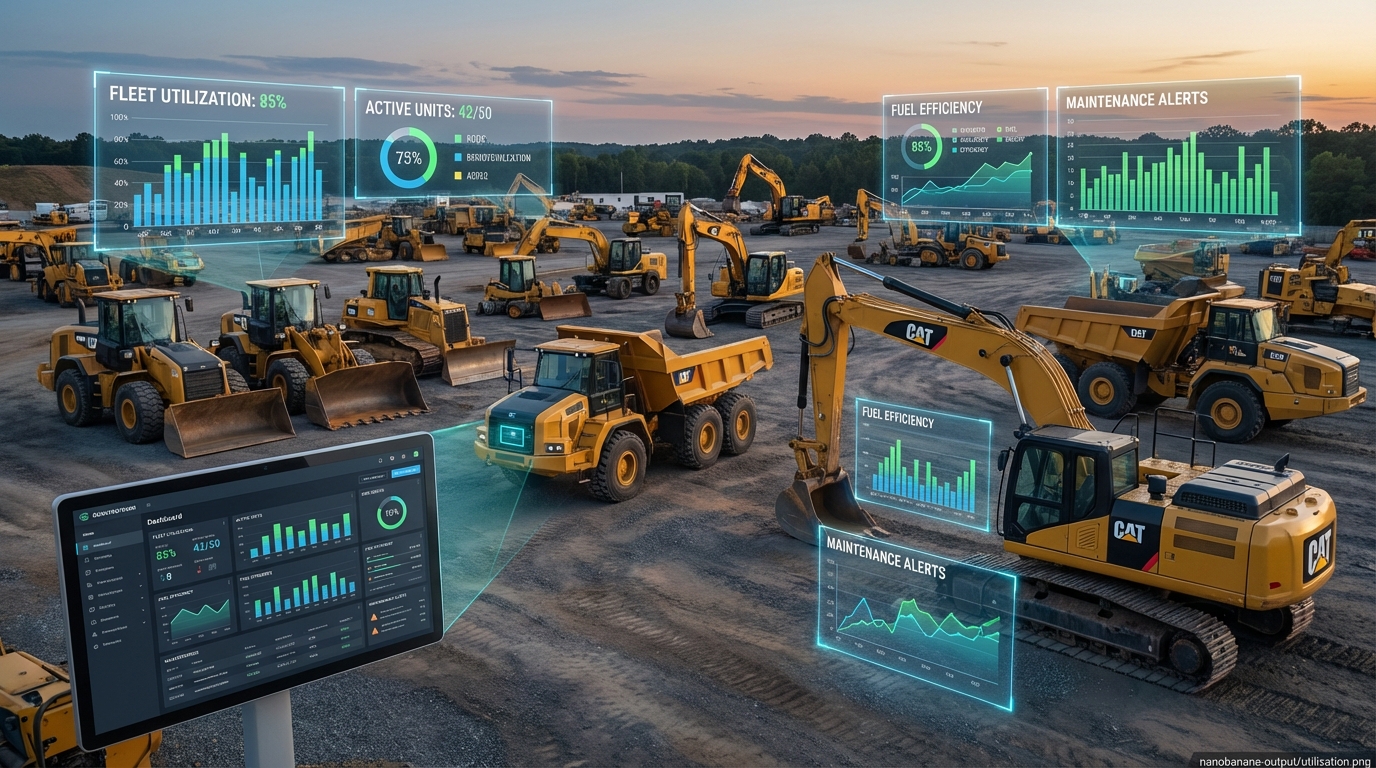
New research reveals equipment utilization benchmarks and strategies for maximizing fleet productivity. Key findings from the 2025 Fleet Utilization Study.
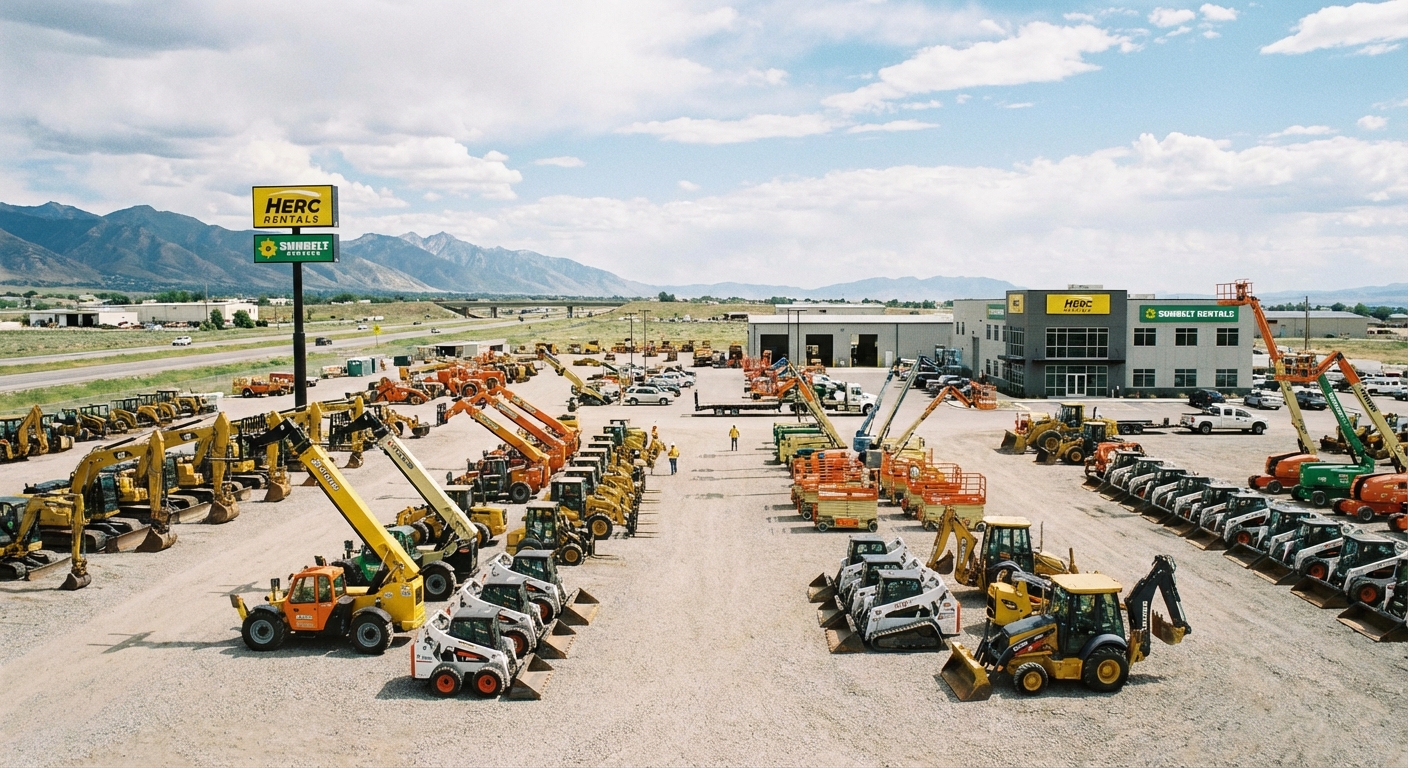
With 45 locations across seven Midwest states, BlueLine Rental has carved out a successful niche between local independents and national consolidators.