The $3.77 Billion Shift: How Telematics Is Rewriting Construction Fleet Management in 2026
From simple GPS dots on a map to AI-powered predictive maintenance, telematics has become the central nervous system of modern construction fleets. Here's what fleet managers need to know.
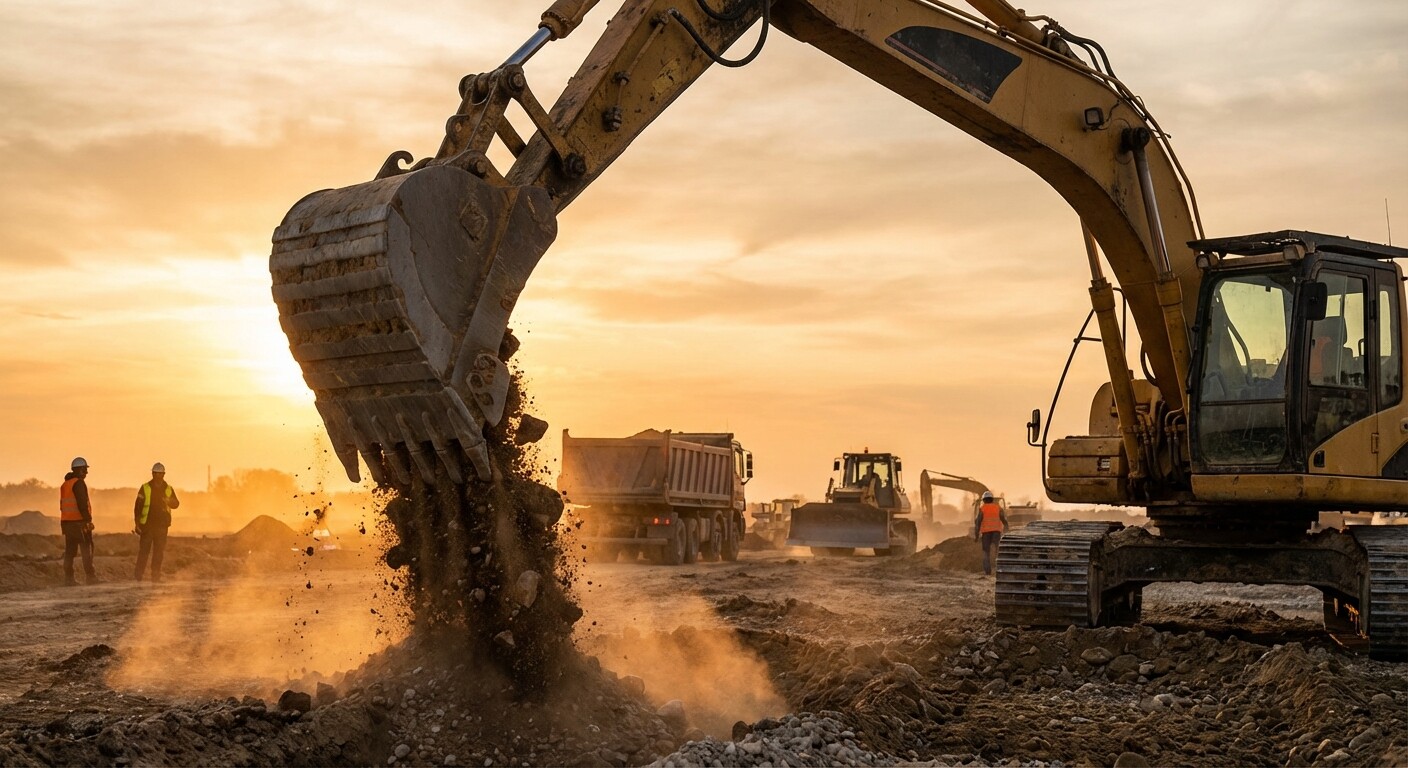
In 2016, telematics in construction meant knowing where your excavator was parked. In 2026, it means knowing that excavator’s hydraulic pump will fail in 23 days, that your operator’s fuel efficiency dropped 12% last week, and that rerouting your haul truck will save 40 minutes on the afternoon run.
The transformation has been nothing short of revolutionary. The construction and heavy equipment telematics market, valued at $1.16 billion in 2025, is projected to reach $3.77 billion by 2034—a compound annual growth rate that reflects an industry-wide recognition that data isn’t just nice to have. It’s survival.
For fleet managers navigating rising costs, labor shortages, and tightening regulations, telematics has evolved from a tracking tool into a comprehensive operational platform. The question is no longer whether to invest in connected equipment, but how to extract maximum value from the data firehose these systems produce.
Editor’s Note: Managing fleet data shouldn’t require a data science degree. FieldFix helps equipment owners track maintenance, calculate true cost-per-hour, and catch problems early—without the enterprise complexity. Because the best insights mean nothing if you can’t act on them.
From Dots on a Map to Digital Nervous System
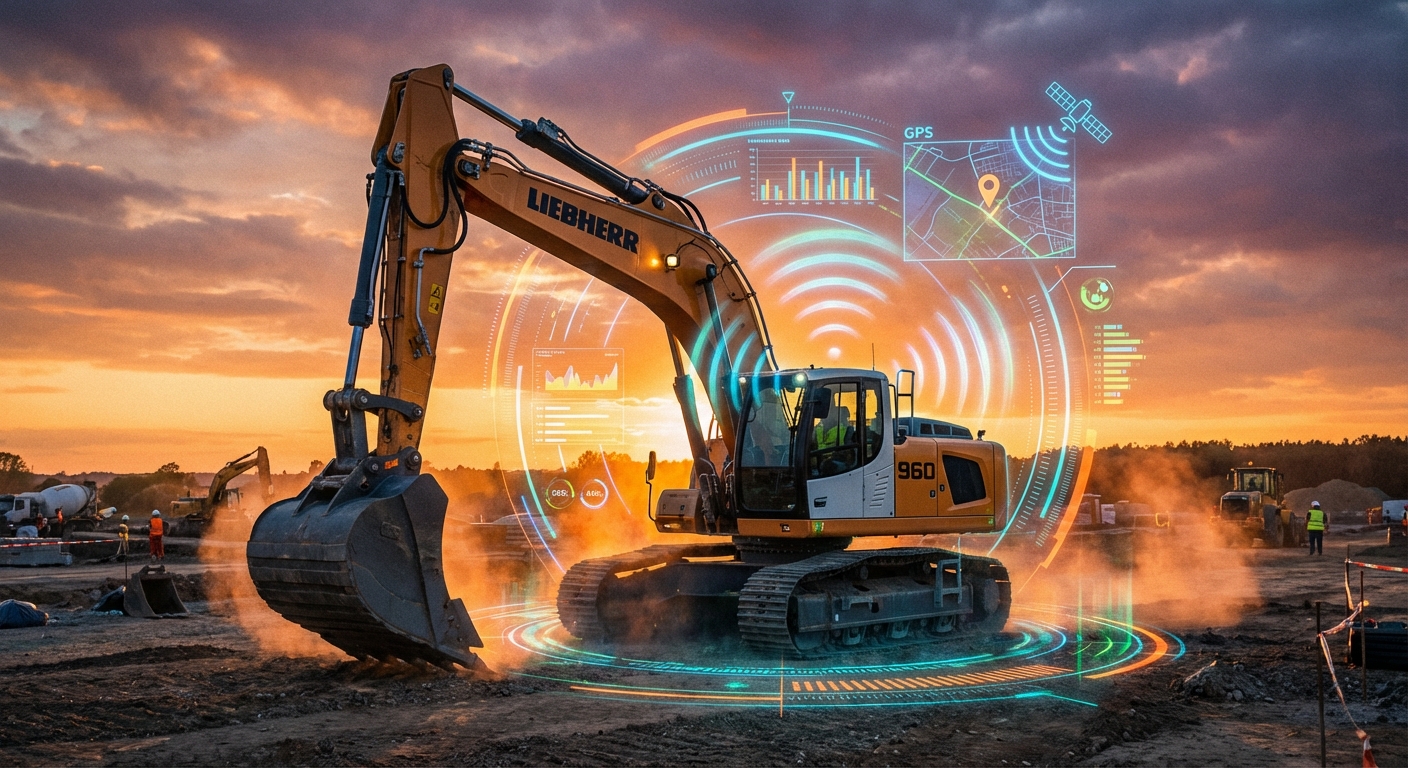
The first generation of construction telematics was simple: GPS tracking that told dispatchers where machines were located. Useful for theft recovery and basic utilization tracking, but that was about it.
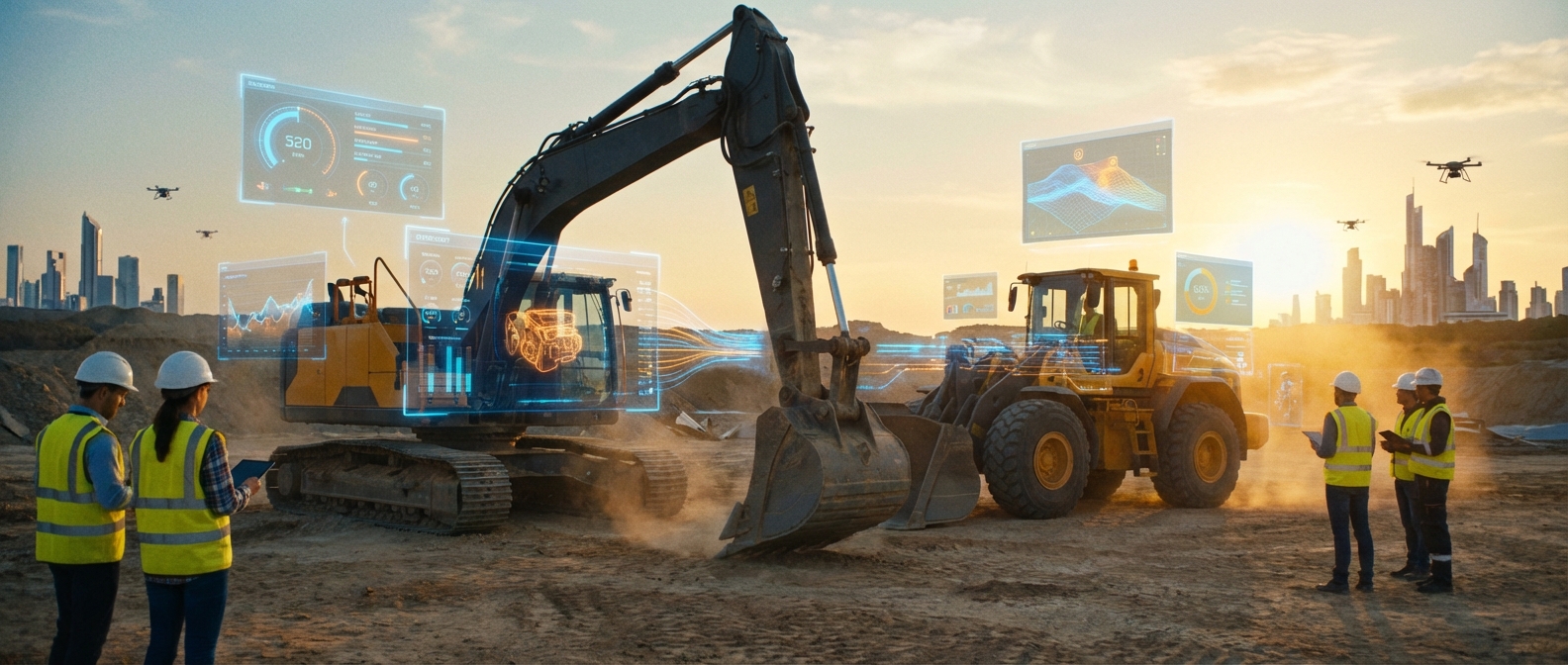
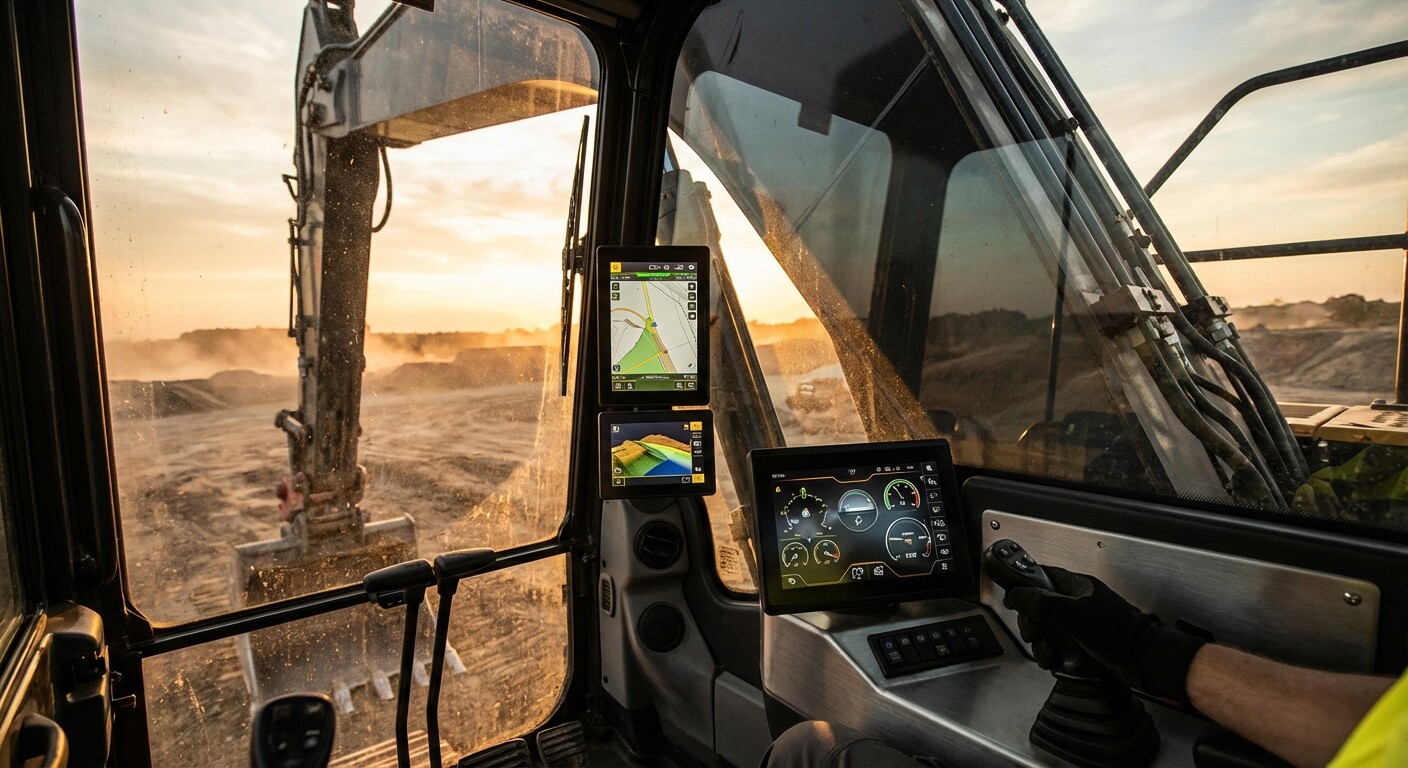
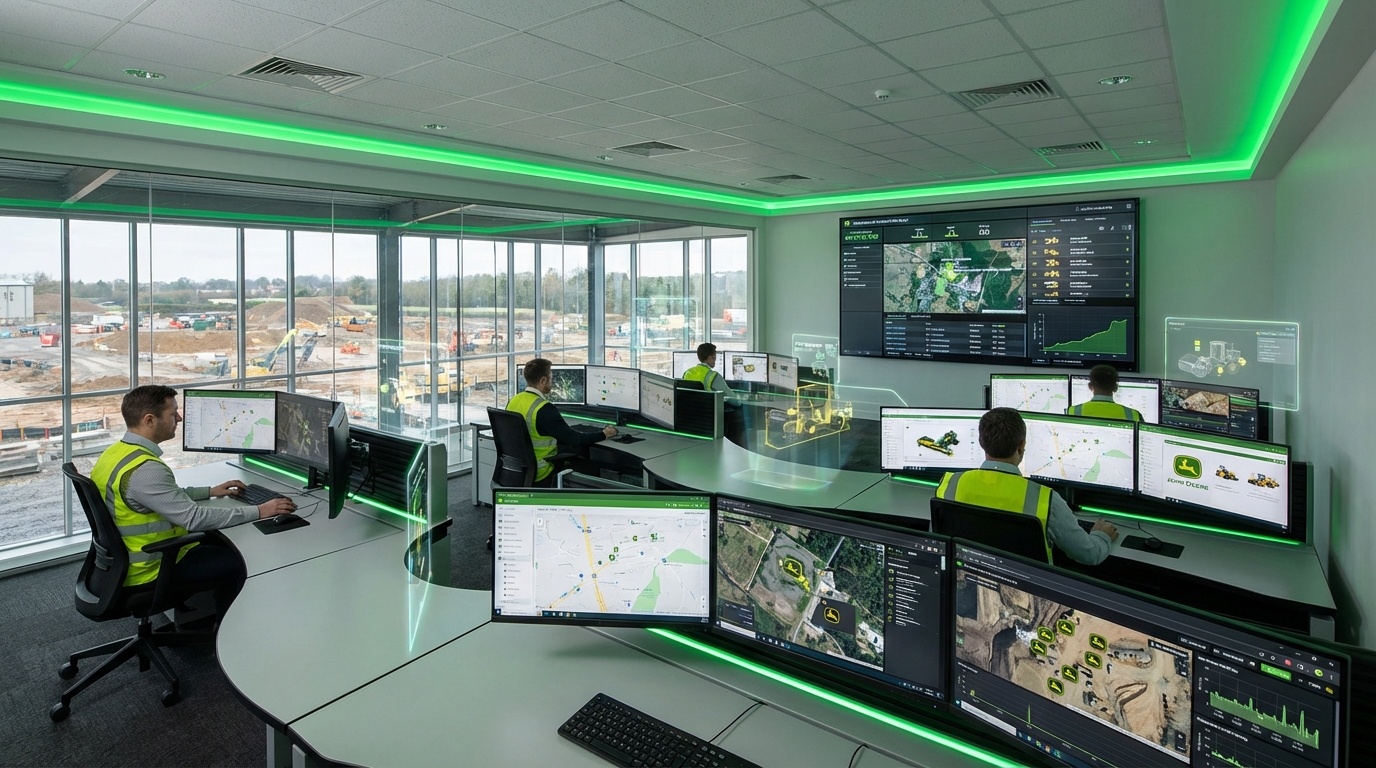
Today’s telematics platforms ingest data from dozens of sensors per machine—engine temperature, hydraulic pressure, fuel consumption, idle time, operating hours, and hundreds of fault codes. They monitor operator behavior, track attachment usage, and integrate with everything from accounting software to environmental compliance systems.
“Telematics and jobsite data have become the raw material for everything else,” notes industry analysis from Fleet Rabbit. “Safety analytics, predictive maintenance, utilization improvement, emissions reporting, and ultimately AI—it all starts with connected equipment.”
The shift represents a fundamental change in how construction companies think about their fleets. Machines aren’t just assets to be tracked; they’re data-generating nodes in an increasingly intelligent network.
AI-Powered Predictive Maintenance: The Game Changer
The headline capability driving 2026’s telematics investments is artificial intelligence applied to maintenance prediction. The concept is straightforward: instead of servicing equipment on fixed schedules or waiting for failures, AI algorithms analyze sensor data patterns to predict problems before they occur.
The results are striking. Industry data suggests AI-powered predictive maintenance can identify equipment failures 3-6 weeks in advance with 92% accuracy. For a construction company, that advance warning translates directly to the bottom line—scheduled repairs cost a fraction of emergency breakdowns, and avoided downtime keeps projects on schedule.
Consider the math: An unexpected excavator failure on a critical project might mean $5,000-$10,000 in emergency repair costs, plus $15,000-$25,000 per day in project delays, crew standby costs, and potential liquidated damages. A predictive alert that catches the same failure three weeks early? Maybe $2,000 in parts and a scheduled weekend repair.
Scale that across a fleet of 50 or 100 machines, and the annual savings can exceed $125,000 per machine. That’s not theoretical—it’s the kind of ROI that turns skeptics into believers.
The Autonomous Equipment Factor
Telematics infrastructure is also enabling the broader adoption of autonomous and semi-autonomous construction equipment. Self-operating dozers, excavators, and haul trucks—once confined to massive mining operations—are increasingly appearing on commercial construction sites.
Major OEMs have deployed autonomous equipment that can boost productivity by 30% while helping offset chronic labor shortages. The technology relies entirely on robust telematics platforms for navigation, safety monitoring, and remote oversight.
Even where full autonomy isn’t practical, telematics enables “supervised autonomy”—machines that can execute repetitive tasks independently while human operators monitor multiple units from a central station. One skilled operator managing three semi-autonomous machines accomplishes what previously required three operators and three machines.
The labor math is compelling. With experienced equipment operators increasingly difficult to find and wages rising accordingly, technology that multiplies operator effectiveness addresses both the supply constraint and the cost pressure simultaneously.
Electric Fleets and the Telematics Connection
The push toward electric construction equipment adds another dimension to telematics value. Battery-electric machines require different maintenance approaches than diesel equipment—fewer oil changes, but more attention to battery health, charging patterns, and thermal management.
Telematics systems designed for electric fleets monitor state of charge, battery degradation rates, charging efficiency, and energy consumption per task. They optimize charging schedules to minimize electricity costs and maximize equipment availability. For contractors managing mixed fleets of diesel and electric machines, integrated telematics platforms provide unified visibility across all equipment types.
The operating cost differential drives adoption: electric construction equipment can cost 60-70% less to operate than equivalent diesel machines. But realizing those savings requires sophisticated monitoring to ensure batteries are maintained properly and charging infrastructure is optimized—exactly what modern telematics delivers.
Real-Time Visibility: The Table Stakes
Beyond the advanced capabilities, basic real-time fleet visibility has become table stakes for competitive contractors. Knowing exactly where every machine is located, whether it’s running or idle, and how it’s being utilized is no longer a luxury—it’s a baseline requirement for efficient operations.
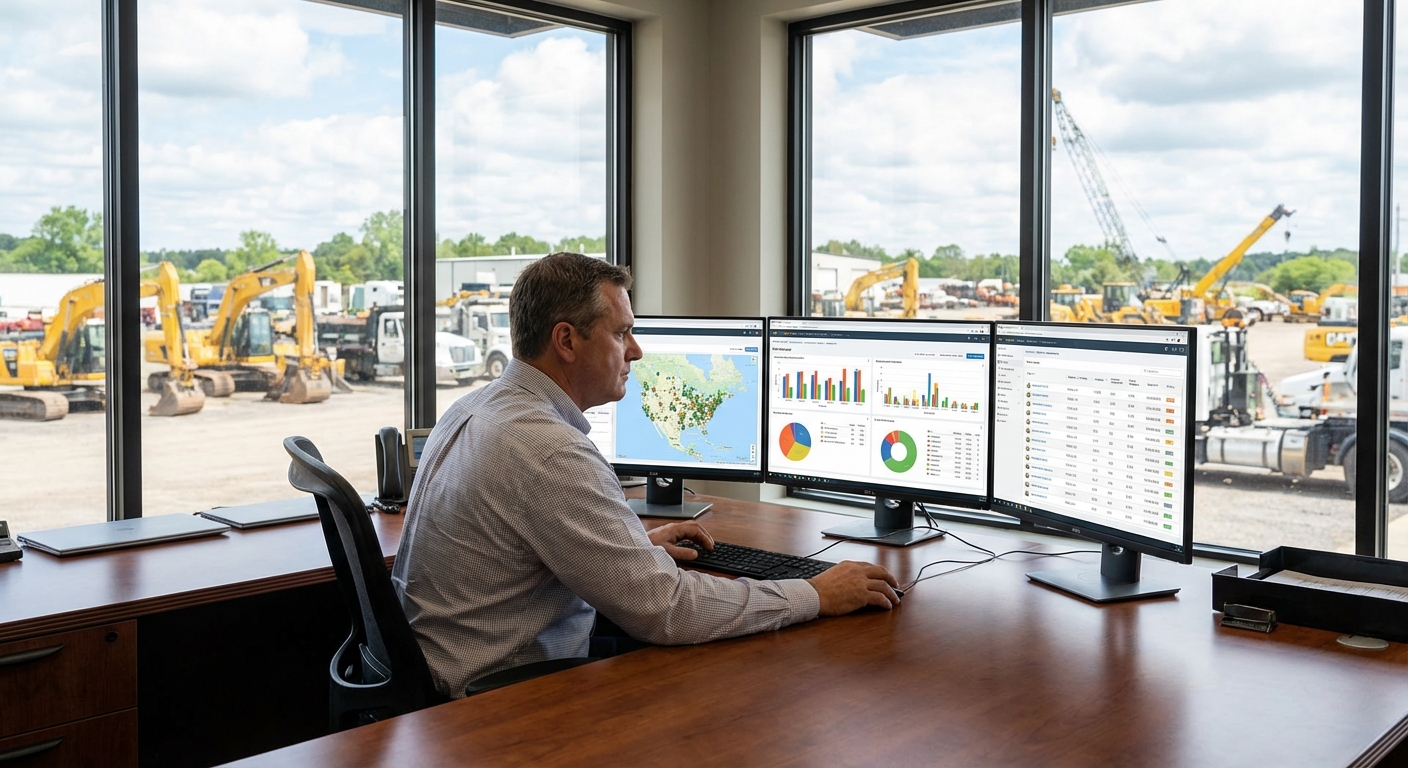
Modern telematics platforms aggregate data across equipment brands and types, providing unified dashboards that eliminate the fragmentation of checking separate OEM portals for different machines. Integration with project management and ERP systems means utilization data flows directly into cost accounting and project tracking.
The visibility extends to compliance and sustainability reporting. As environmental regulations tighten and more clients require carbon footprint documentation, telematics systems automatically capture the emissions and fuel consumption data needed for accurate reporting.
Cybersecurity: The Emerging Concern
Increased connectivity brings increased vulnerability. As construction fleets rely on more connected devices than ever, cybersecurity has emerged as one of the critical concerns for 2026.
A compromised telematics system could expose sensitive operational data, enable equipment theft, or even allow malicious actors to disable machines remotely. Fleet managers are increasingly evaluating telematics vendors on their security practices—encryption standards, access controls, and incident response capabilities.
The concern isn’t theoretical. Connected industrial equipment has become an attractive target for ransomware operators and other cyber criminals. Construction companies that once worried only about physical security for their equipment now need cybersecurity strategies for their digital fleet management systems.
Workforce Optimization Through Data
AI isn’t just monitoring machines—it’s optimizing how operators interact with them. Advanced telematics platforms analyze operator performance data to identify training opportunities, match operators to equipment based on demonstrated skills, and gamify efficiency improvements.
The approach yields measurable results. Companies using AI-powered operator-equipment matching report 10-15% productivity gains. Operator scoring systems that provide feedback on fuel-efficient techniques, smooth operation, and proper warmup procedures improve both equipment longevity and operating costs.
For fleet managers struggling with labor challenges, these tools help maximize the value of the operators they have while identifying where additional training could have the greatest impact.
The Small Fleet Advantage
Conventional wisdom suggests telematics delivers the biggest benefits to large fleets, where scale amplifies any per-machine improvement. But industry experts note that smaller fleets often see higher percentage ROI because the impact of each prevented failure or efficiency gain is more immediately visible.
For a 100-machine fleet, a 10% fuel reduction is a significant line item improvement. For a 5-machine operation, that same 10% reduction might be the difference between profitability and loss on a tight-margin project.
Smaller fleets also benefit from simpler implementation. Without legacy systems to integrate and complex organizational structures to navigate, owner-operators and small contractors can deploy modern telematics solutions quickly and start realizing value within weeks rather than months.
Challenges on the Road Ahead
For all its promise, the telematics revolution faces real obstacles. Budget constraints remain the primary barrier, particularly for contractors still recovering from economic uncertainty. The upfront investment in connected equipment and monitoring platforms competes with other pressing capital needs.
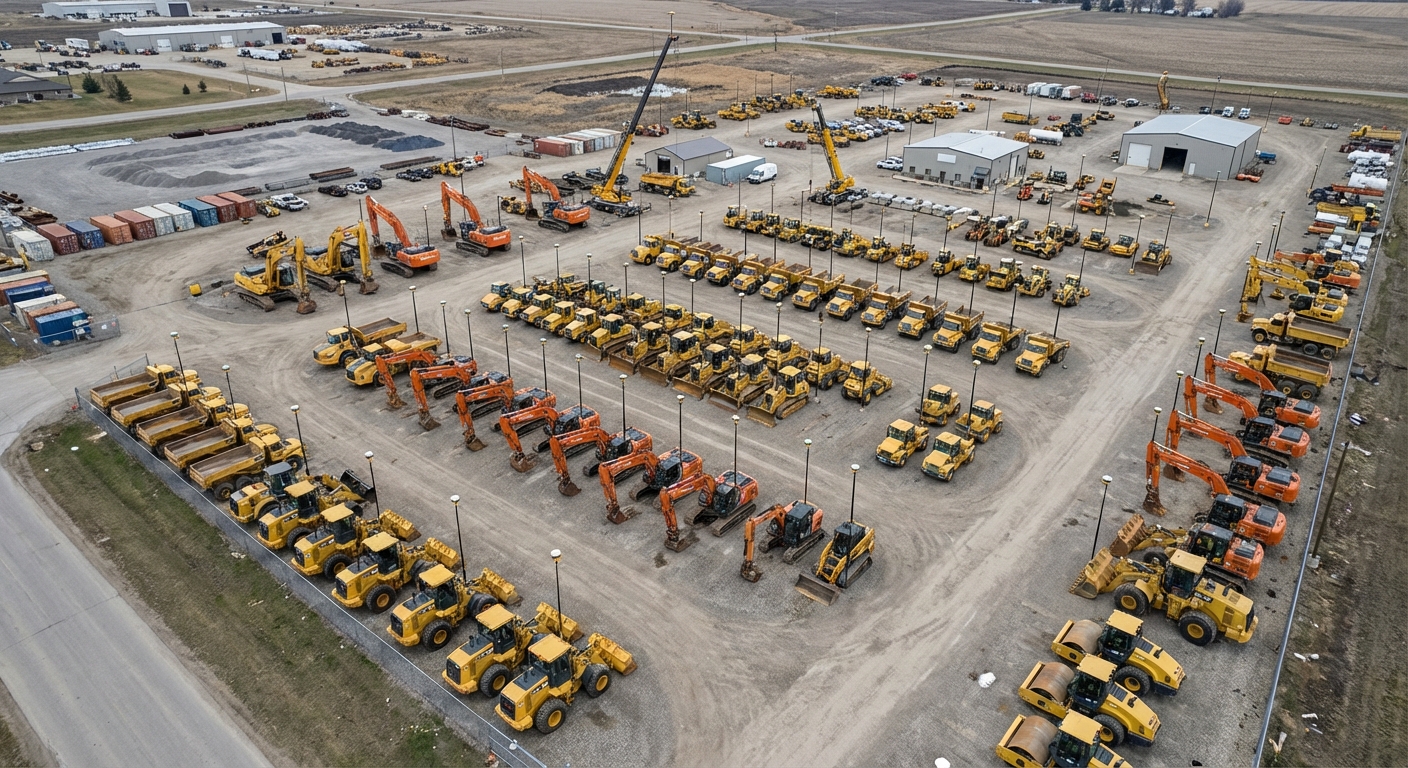
Data integration presents another challenge. Most construction companies operate equipment from multiple manufacturers, each with proprietary telematics systems. Aggregating data from Caterpillar, John Deere, and Volvo machines into a single operational view requires either expensive integration projects or third-party platforms that add another layer of cost and complexity.
There’s also the question of what to do with all this data. Many fleet managers report being overwhelmed by the volume of information their telematics systems generate. Without the analytical capabilities to transform data into actionable insights, the investment in connectivity delivers limited returns.
Recommendations for Fleet Managers
Industry analysts offer consistent guidance for construction companies evaluating their telematics strategy:
Start with modern platforms. If your telematics consists of basic GPS tracking or disconnected OEM portals, upgrading to a unified, AI-capable platform should be the first investment. The foundation enables everything else.
Prioritize data quality. Telematics insights are only as good as the data feeding them. Ensure sensors are properly maintained, connectivity is reliable, and data is being captured consistently across your fleet.
Focus on actionable insights. Choose platforms and configure dashboards to surface information you can actually act on. A beautiful visualization of data you can’t use is just expensive noise.
Consider your scale. Enterprise solutions designed for 500-machine fleets may be overkill for a 20-machine operation. Match your technology investment to your operational complexity.
Plan for integration. Telematics data becomes most valuable when it flows into your other business systems—accounting, project management, maintenance scheduling. Evaluate integration capabilities upfront.
The Competitive Imperative
Perhaps the most compelling argument for telematics investment isn’t any single capability—it’s the competitive reality that laggards will increasingly find themselves at a disadvantage.
Contractors with sophisticated fleet management capabilities can bid projects more accurately because they know their true equipment costs. They can commit to tighter schedules because predictive maintenance reduces unexpected downtime. They can win sustainability-conscious clients because they can document their environmental performance.
As one industry analysis noted: “By investing in the right technology now, you can secure a significant competitive advantage, driving greater efficiency, safety, and profitability across your operations.”
In 2026, that’s not marketing hyperbole. It’s market reality.
Equipment Insider covers the heavy equipment industry with in-depth analysis, company profiles, and market intelligence. For more insights on fleet management technology, follow us on LinkedIn or subscribe to our newsletter.