The Backlog Looks Good. The Fleet Math Does Not.
Nonresidential planning is strengthening while material, labor, and financing costs keep climbing. Contractors may have work ahead, but the next equipment purchase still needs a harder test.
28 articles
Nonresidential planning is strengthening while material, labor, and financing costs keep climbing. Contractors may have work ahead, but the next equipment purchase still needs a harder test.
ARA's updated 2026 forecast puts U.S. equipment rental revenue at $83.5 billion. The signal goes beyond rental yards. It changes how contractors should think about owning, renting, and timing fleet moves.
Standard power transformers are running 128 weeks out. Generator step-ups are at 144 weeks. Substation units have crossed 160. The data center boom built the demand, the tariff schedule built the price, and contractors who don't plan around electrical lead times are about to lose schedule on jobs they already won.
Used construction equipment is not simply getting scarce. More of the clean iron is moving into rental fleets, which changes the math for contractors, dealers, and anyone waiting for a cheap machine to appear on the used market.
The Infrastructure Investment and Jobs Act expires on September 30, 2026. Congress has not introduced a reauthorization bill. For contractors and equipment owners, the next four and a half months are not a wait-and-see window. They are a planning window.
High machine prices, tight labor, cautious lenders, and steady rental demand are pushing fleet owners toward a harder question: does each machine earn enough verified hours to justify owning it?
United Rentals, Herc, and the ARA forecast all point to the same rental market: demand is still there, but utilization, fleet mix, rates, and capital discipline matter more than raw fleet growth.
Caterpillar just printed a $17.4 billion quarter and a $63 billion backlog. Underneath the headline numbers, the mix is shifting. Power generation for data centers is pulling the company's center of gravity in a direction most contractors are not buying for.
North America is still slow to adopt electric construction equipment, but the global market is not waiting for a perfect use case. Wheel loaders, compact machines, quarries, and controlled jobsites are showing where battery power actually makes sense.
Equipment World's 2026 contractor survey shows most buyers are back in the market, but the real story is more cautious than the headline. Financing is still tight, replacement windows are longer, rental is absorbing risk, and in-house maintenance is now part of the buying decision.
Volvo CE is shutting down its Rokbak articulated hauler business. The move reshapes the ADT competitive landscape and signals broader pressures facing mid-tier equipment brands.
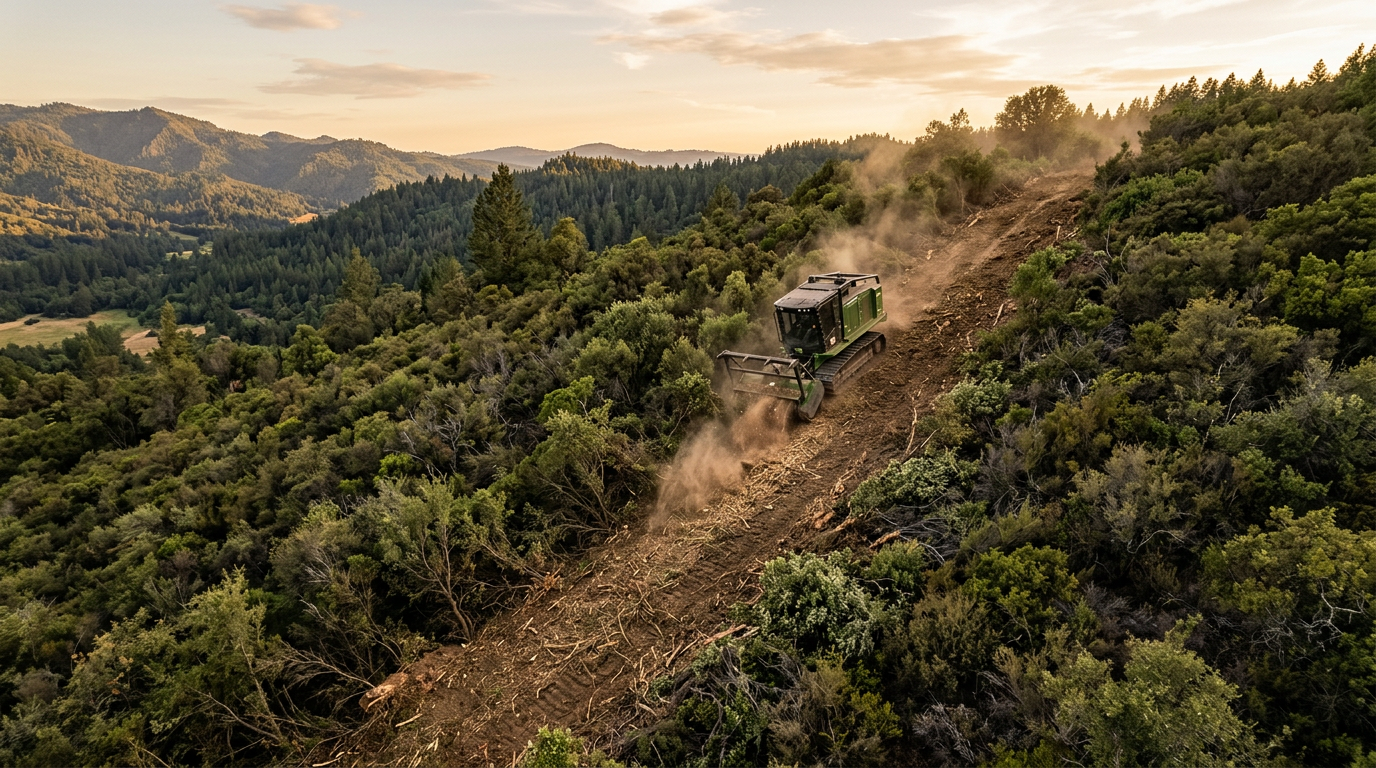
Forestry mulching is projected to hit $2.5 billion in 2025 with 7% annual growth through 2033. Here's what's driving the boom — and what it means for operators on the ground.
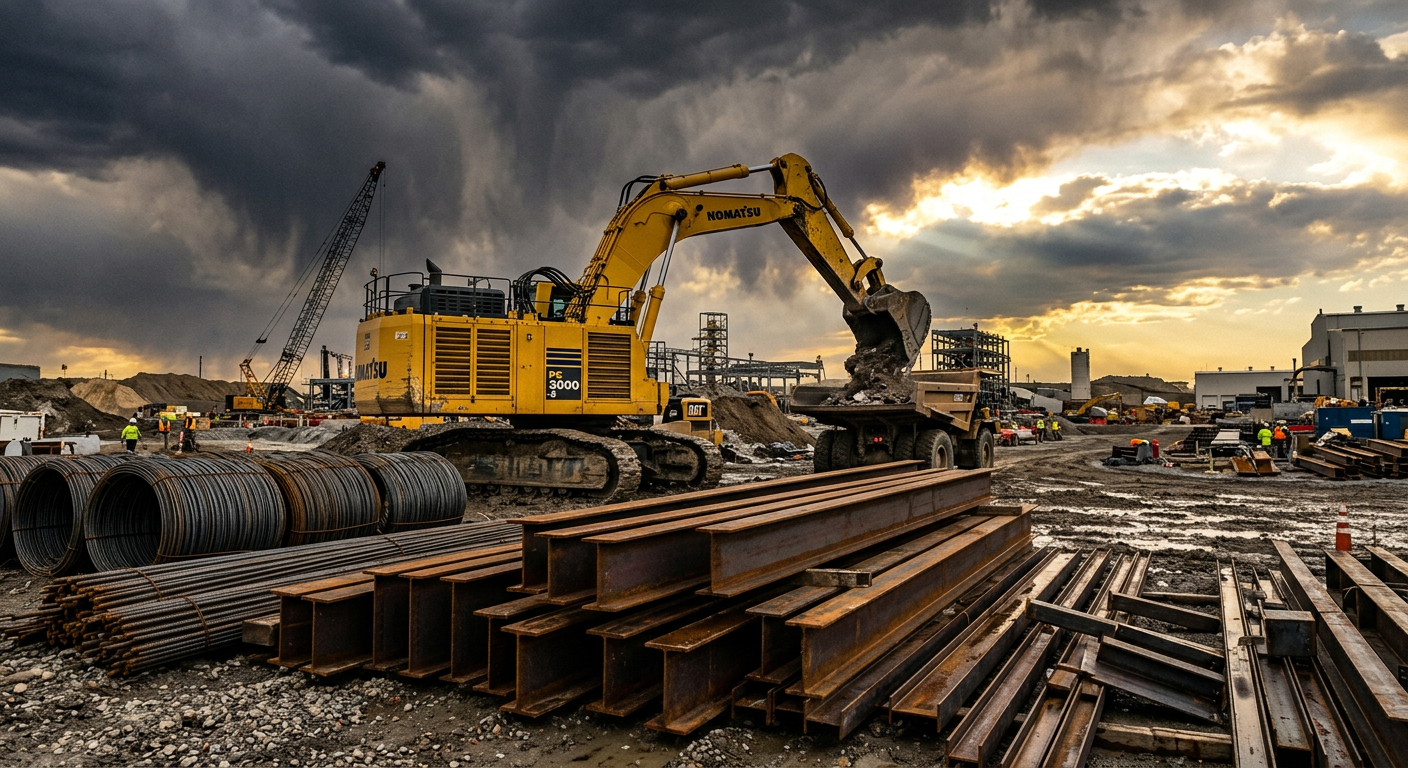
Steel tariffs hit 50% this year. We ran the numbers on what that means for the machines you buy, the parts you replace, and the bids you submit.
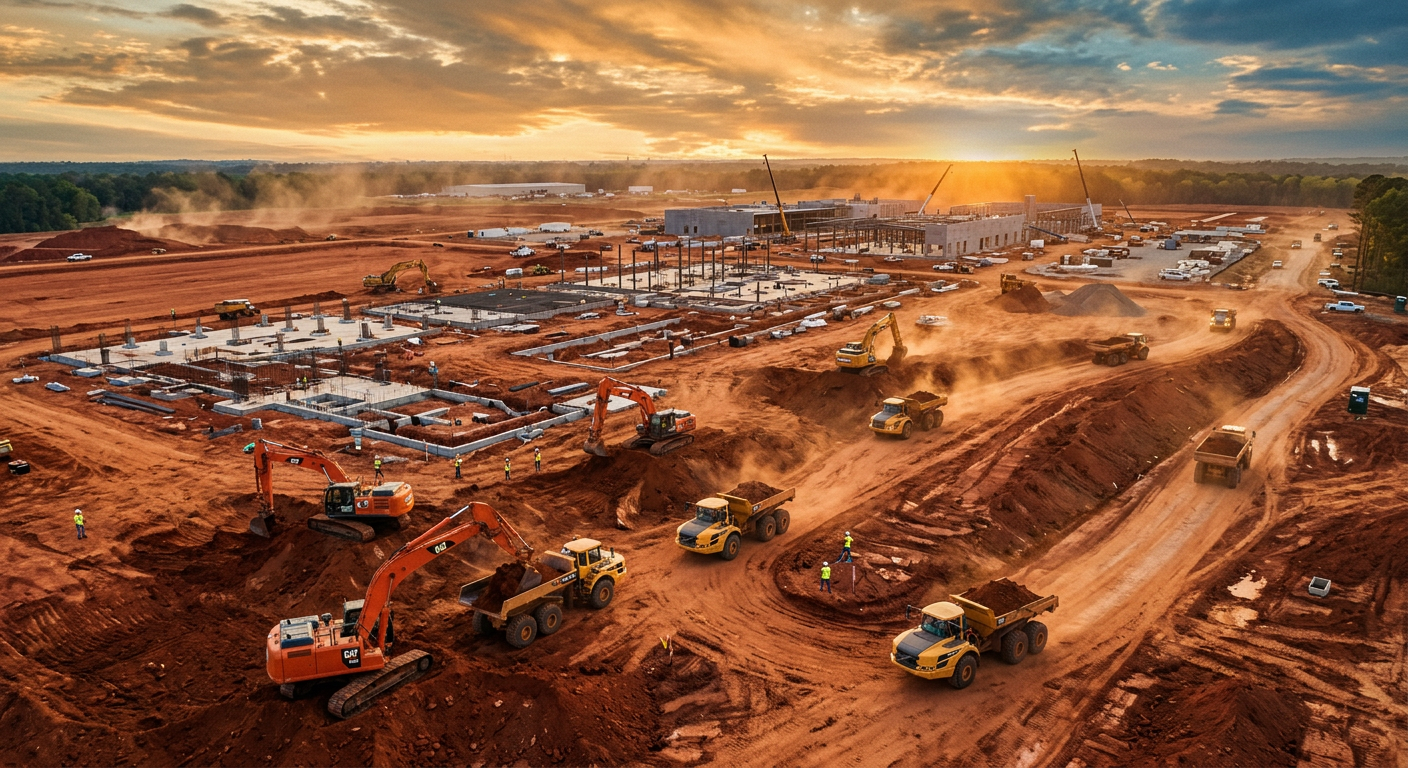
Hyperscalers are spending $600 billion this year on AI infrastructure. That money flows downhill to sitework contractors, excavation crews, and equipment operators. Here's what that means for you.
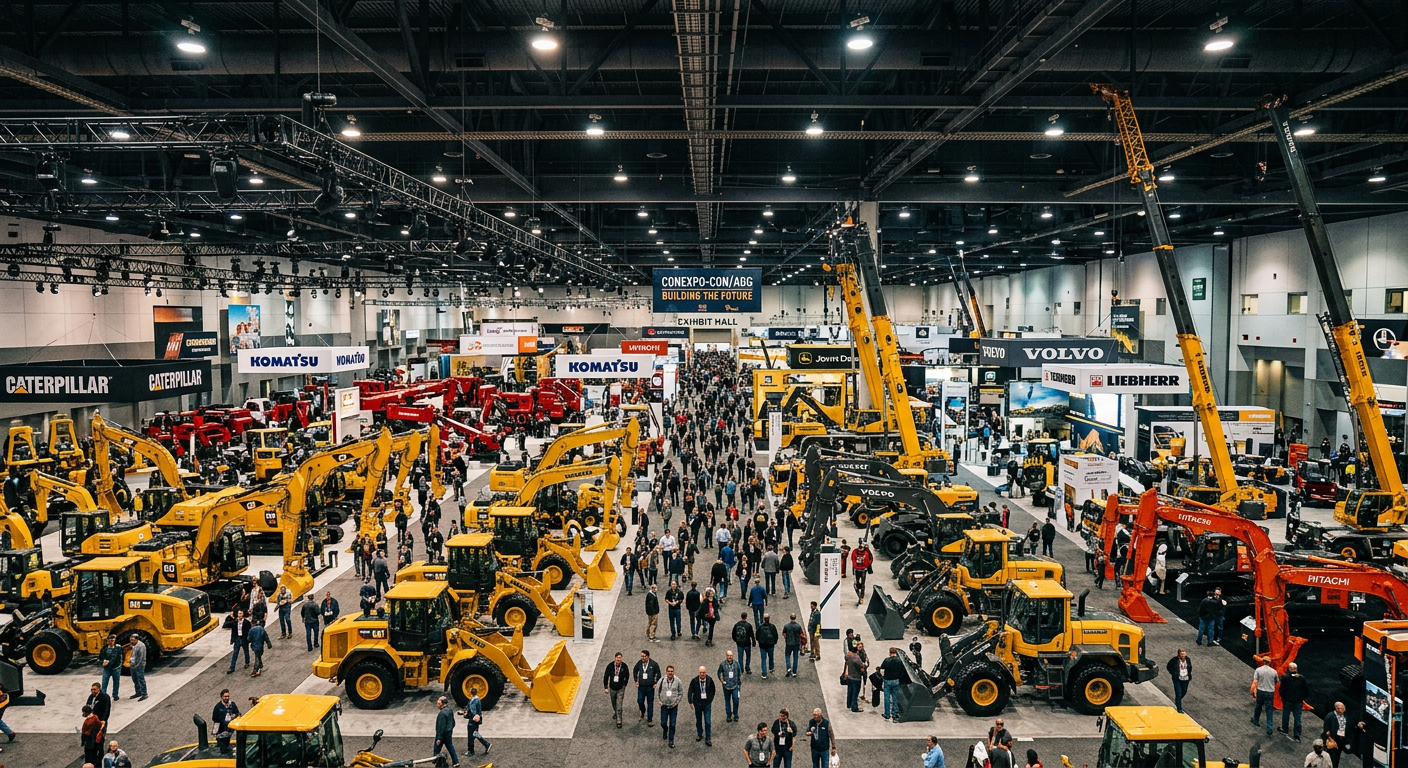
XCMG, SANY, and LiuGong brought their biggest North American lineups to CONEXPO 2026. With 140+ combined dealerships and machines built for this market, the 'cheap Chinese knockoff' era is over.
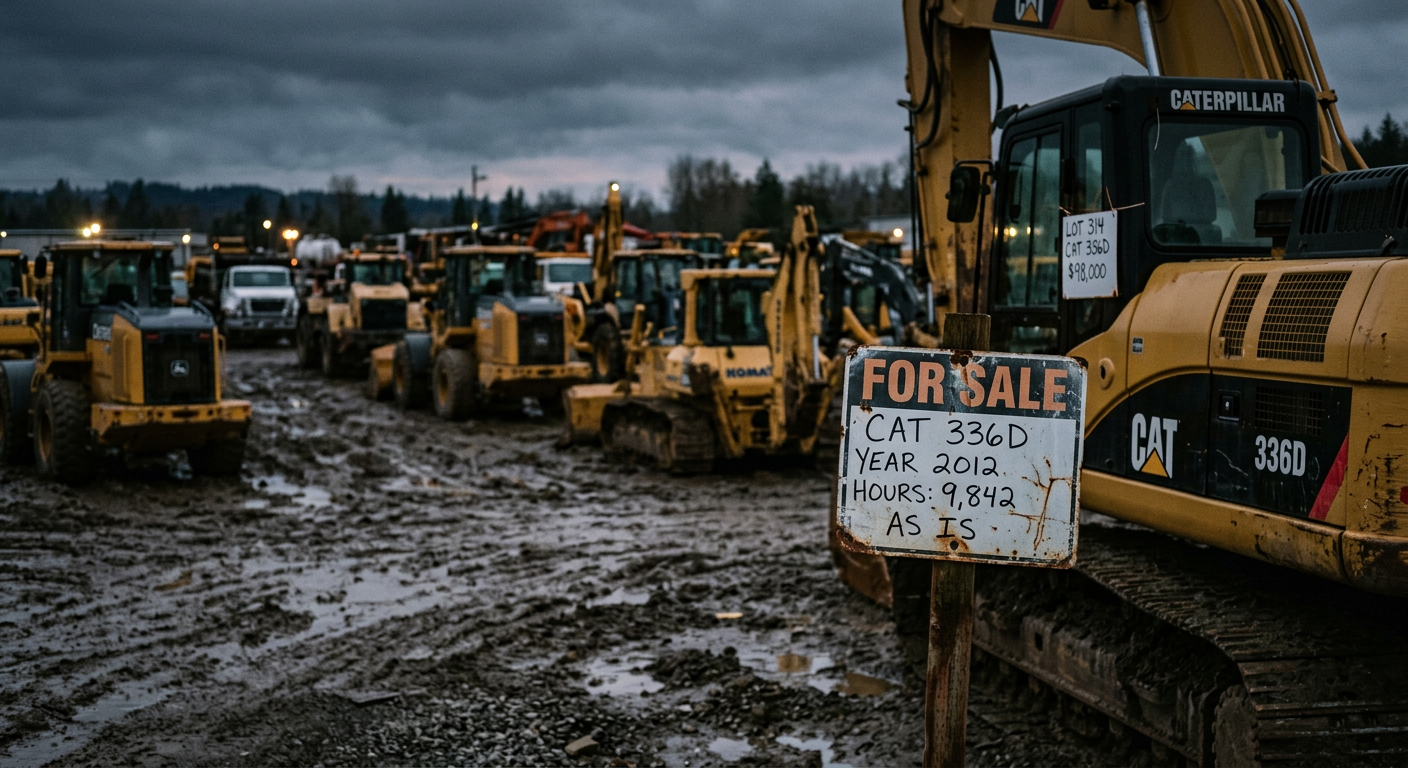
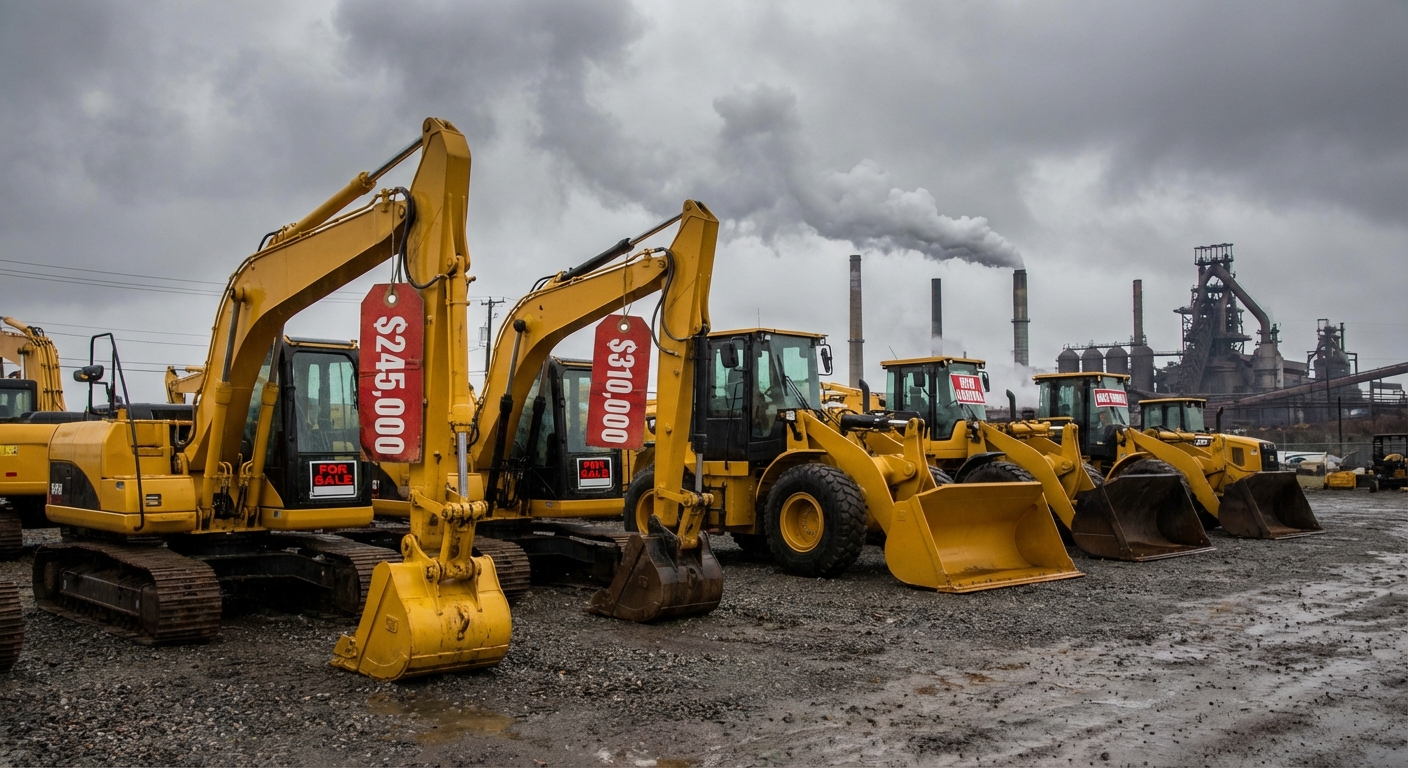
Used iron prices have lost touch with reality. When the correction comes, a lot of operators are going to be upside down on machines they overpaid for.
Vision 2030 has turned Saudi Arabia into the world's hungriest market for heavy equipment. With $500 billion in active infrastructure projects and a $1.9 billion equipment market growing fast, here's what operators and dealers need to know.
Section 232 tariffs doubled to 50% last summer. Six months later, the damage is showing up on every dealer invoice in the country.
Equipment rental is projected to hit $159 billion globally this year. Rising machine prices, tighter credit, and better rental platforms are pushing contractors away from ownership faster than anyone expected.
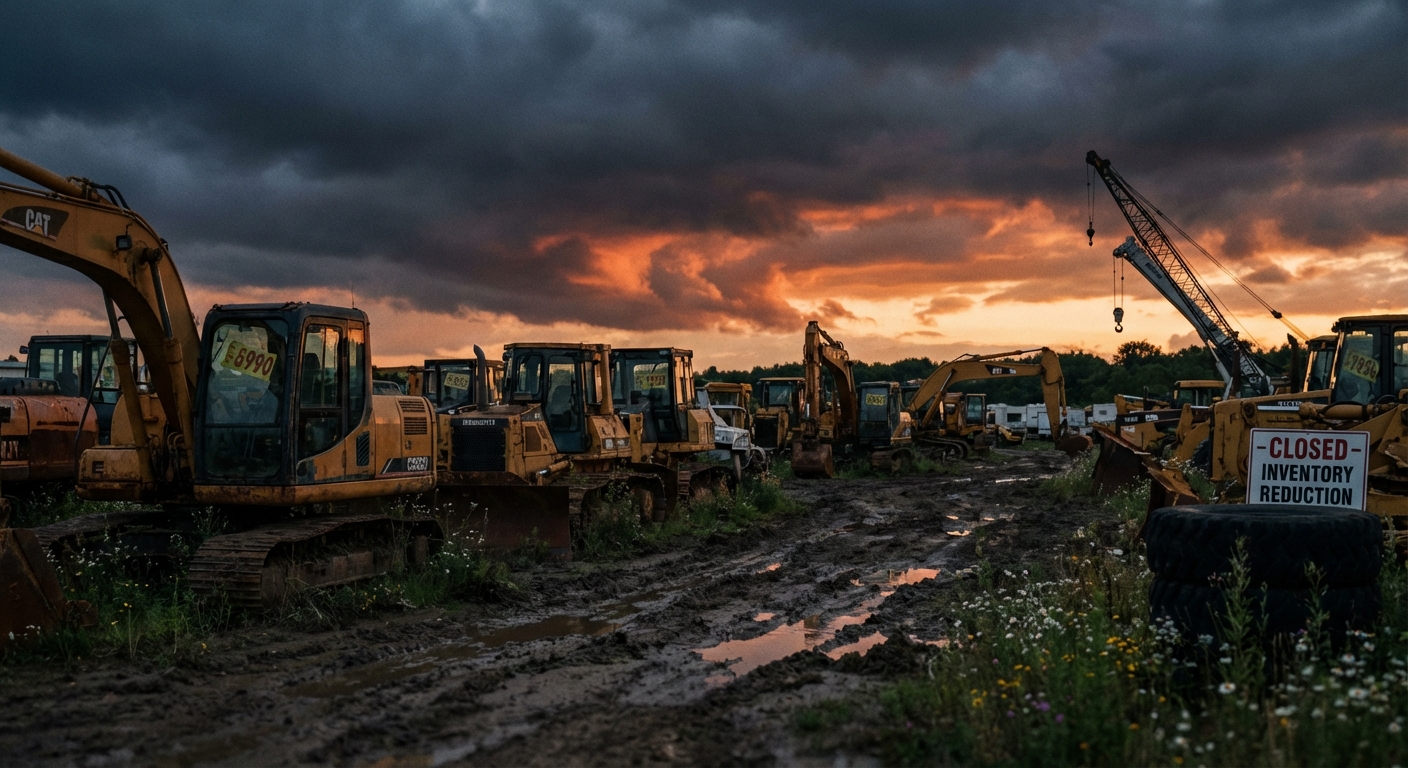
Supply chains have normalized, financing rates are brutal, and fleet turnover cycles are converging. The used equipment market is about to get ugly—here's what smart operators should do now.
From simple GPS dots on a map to AI-powered predictive maintenance, telematics has become the central nervous system of modern construction fleets. Here's what fleet managers need to know.
Infrastructure spending, interest rates, labor markets—the key economic factors that will shape equipment demand this year.
The handshake deal is dead. As 2026 unfolds, private equity roll-ups and OEM mandates are dismantling the middle-market dealer. Here is the new playbook for fleet owners.
After years of escalation, equipment prices are stabilizing—but not declining. Our analysis of current pricing and what to expect in the coming year.
Infrastructure spending, reshoring trends, and population shifts are reshaping construction demand across the Midwest. Our regional market analysis.
Auction prices stabilize as supply increases. Our quarterly analysis of the secondary equipment market reveals shifting buyer behavior and regional variations.
Detailed pricing analysis for 20-50 ton excavators reveals how hours, age, technology, and brand affect resale values in today's market.
Florida, Georgia, and the Carolinas lead equipment demand as population growth and infrastructure investment fuel construction activity.