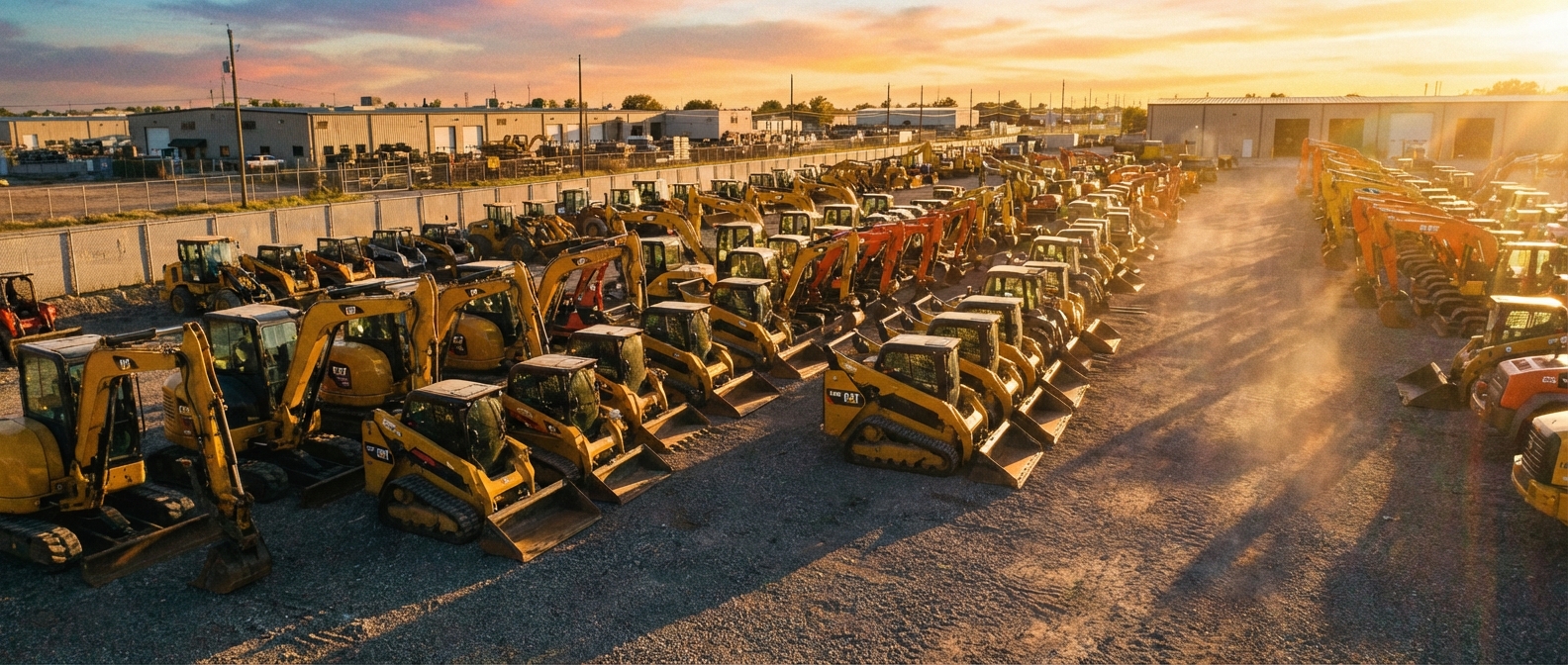
Southeast Equipment Market Report: Regional Growth Outpaces National Averages
Florida, Georgia, and the Carolinas lead equipment demand as population growth and infrastructure investment fuel construction activity.
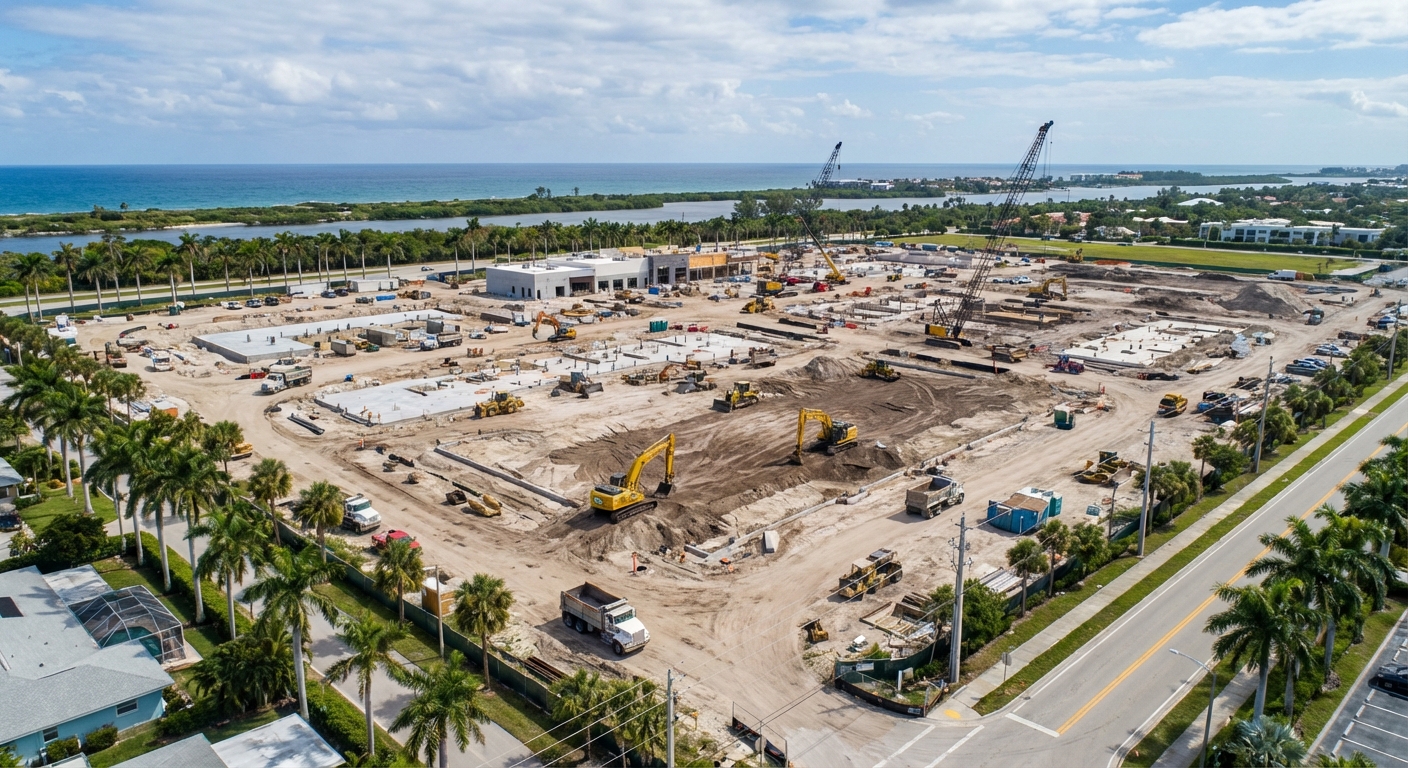
The Southeastern United States continues to outperform national construction equipment markets by significant margins. Population growth, infrastructure investment, and favorable business climates have combined to create sustained equipment demand across Florida, Georgia, the Carolinas, Tennessee, and Alabama.
This regional market analysis examines the factors driving Southeast equipment demand and provides outlook for contractors and equipment providers operating in the region.
Market Overview
The Southeast equipment market has expanded approximately 8% annually over the past three years, compared to national growth averaging 4.5%. This outperformance reflects fundamental demographic and economic advantages:
Population growth: The Southeast adds approximately 1,500 new residents daily, driven by migration from higher-cost regions. Florida alone gained over 400,000 residents in the most recent census year.
Business relocation: Corporate relocations and expansions bring employment and construction activity. Manufacturing, technology, and logistics companies have invested billions in Southeast facilities.
Infrastructure needs: Growing populations require roads, utilities, schools, hospitals, and other infrastructure. Federal and state funding is flowing into the region to address these needs.
Housing demand: New residents need housing. Single-family, multi-family, and active adult communities are under construction across the region.
These drivers create equipment demand across categories—earthmoving equipment for site development, material handling for construction, compaction for infrastructure work, and trucks for material transport.
State-Level Analysis
Florida
Florida’s equipment market ranks among the largest in the nation, driven by:
- Continued population influx, particularly to Central Florida, Southwest Florida, and Jacksonville metro
- Massive infrastructure programs including I-4 expansion, SunRail extensions, and utility upgrades
- Commercial construction serving tourism, healthcare, and retail sectors
- Residential development across price points
Equipment demand is particularly strong for excavators, compact track loaders, and site preparation equipment. The limestone subsurface common to much of Florida favors excavators over dozers for initial clearing.
Challenges include hurricane-related construction cycles, where major storms create short-term demand spikes followed by equipment surplus as recovery work concludes. Contractors and equipment providers managing inventory through these cycles requires careful planning.
Georgia
Atlanta’s continued expansion drives much of Georgia’s equipment demand:
- Metro Atlanta remains one of the fastest-growing metropolitan areas nationally
- Industrial construction, particularly warehousing and distribution, continues at unprecedented pace
- Transportation infrastructure, including I-285 expansion and new transit projects, requires extensive earthmoving
- Data center construction has emerged as a significant equipment demand driver
Outside Atlanta, manufacturing facility construction in Columbus, Savannah port expansion, and coastal development contribute to statewide demand.
Georgia’s equipment market particularly favors large earthmoving equipment—dozers and scrapers for mass grading—reflecting the scale of projects underway. GPS grade control systems have achieved high adoption rates among contractors working on large Georgia projects.
Carolinas
North and South Carolina combine strong fundamentals:
North Carolina:
- Charlotte’s financial services industry drives commercial construction
- Research Triangle technology employment supports residential and commercial development
- Manufacturing investment, including automotive and aerospace, creates industrial construction
- Coastal tourism infrastructure requires ongoing investment
South Carolina:
- BMW, Volvo, and other automotive manufacturers drive industrial construction
- Charleston port expansion continues multi-year investment program
- Myrtle Beach and coastal development maintains consistent activity
- Columbia and Greenville metro areas see balanced growth
The Carolinas have become particularly strong markets for compact equipment as residential and light commercial construction favor smaller machines operating in constrained sites.
Tennessee
Nashville’s explosive growth has made Tennessee an equipment market outperformer:
- Nashville has become a major corporate relocation destination
- Healthcare industry expansion drives specialized facility construction
- Tourism and hospitality investment continues despite economic cycles
- East Tennessee manufacturing maintains steady equipment demand
Equipment rental has grown particularly strong in Nashville’s market as transient contractors working on major projects prefer rental over purchase for Tennessee-specific equipment needs.
Alabama
Alabama’s equipment market is smaller but growing:
- Birmingham’s healthcare and financial services sectors drive regional construction
- Huntsville’s aerospace and defense industries fuel specialized facility construction
- Manufacturing investment, including Mercedes-Benz and other automotive, supports industrial construction
- Mobile’s port expansion creates infrastructure equipment demand
Equipment Category Analysis
Excavators
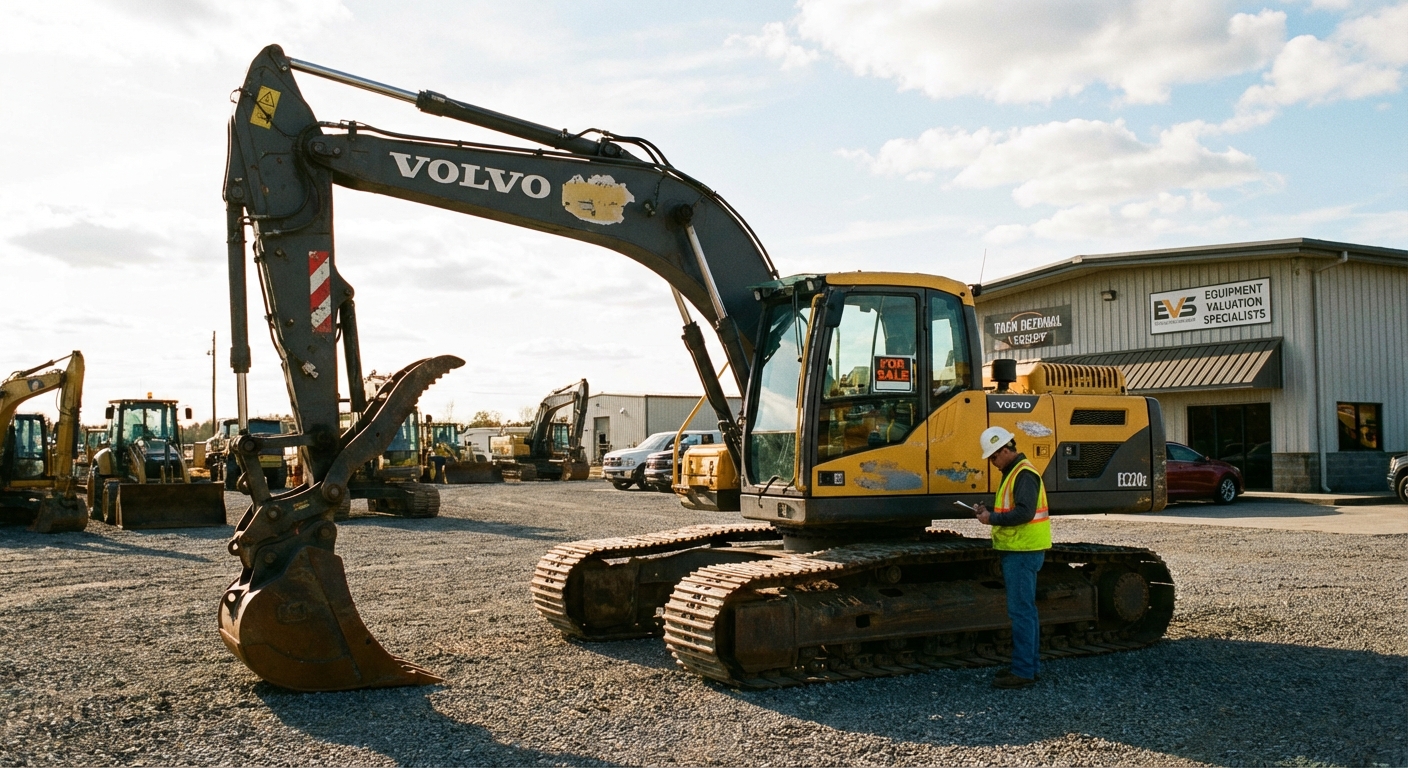
Excavator demand across the Southeast remains strong, particularly in the 20-40 ton class favored for utility work and site development. Compact excavators have seen exceptional demand as residential and light commercial construction remains active.
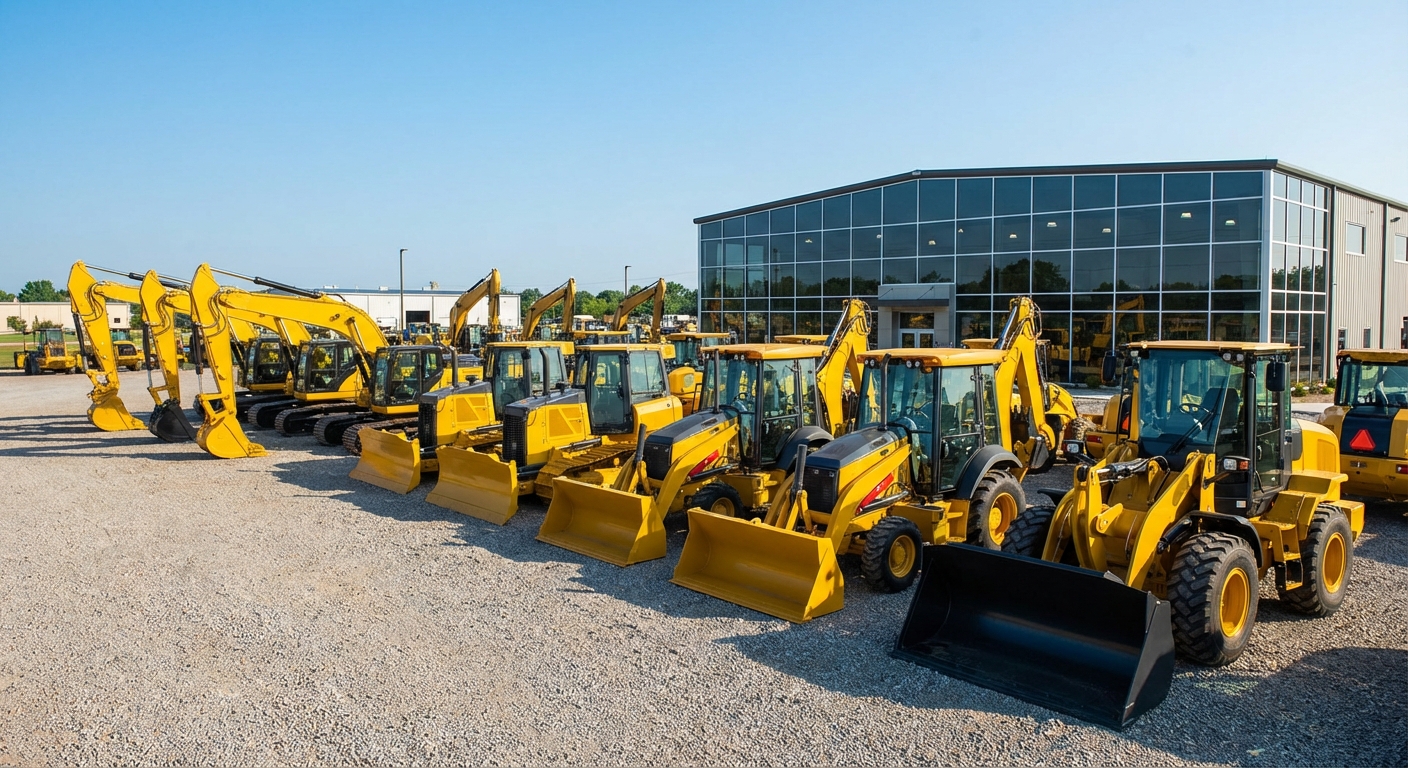
Regional dealer inventory has been tight, with popular configurations often requiring factory order. Lead times have improved from pandemic peaks but remain elevated compared to historical norms.
Dozers
Dozer demand reflects the scale of earthmoving work underway, particularly in Georgia, Tennessee, and the Carolinas where large projects dominate. Smaller dozers (D4-D6 class) are popular for finished grading, while larger units handle mass earthmoving.
Technology adoption on dozers has accelerated, with GPS grade control increasingly standard on new unit purchases. Contractors cite productivity advantages that justify technology premiums.
Loaders
Wheel loaders serve both construction and material handling applications across the region. Aggregate production for construction materials creates steady loader demand throughout the Southeast.
Compact track loaders have captured share from wheel loaders in applications where their versatility provides advantage. Site contractors increasingly specify CTLs as primary machines.
Compaction Equipment
Infrastructure work—roads, utilities, site preparation—creates compaction equipment demand across the region. Soil compactors dominate unit sales, while asphalt compactors support paving operations.
Pricing and Availability
Equipment pricing in the Southeast generally tracks national markets, with some regional variation:
New equipment: Pricing remains firm as manufacturers maintain production discipline. Significant discounting is rare for current model year equipment in popular configurations.
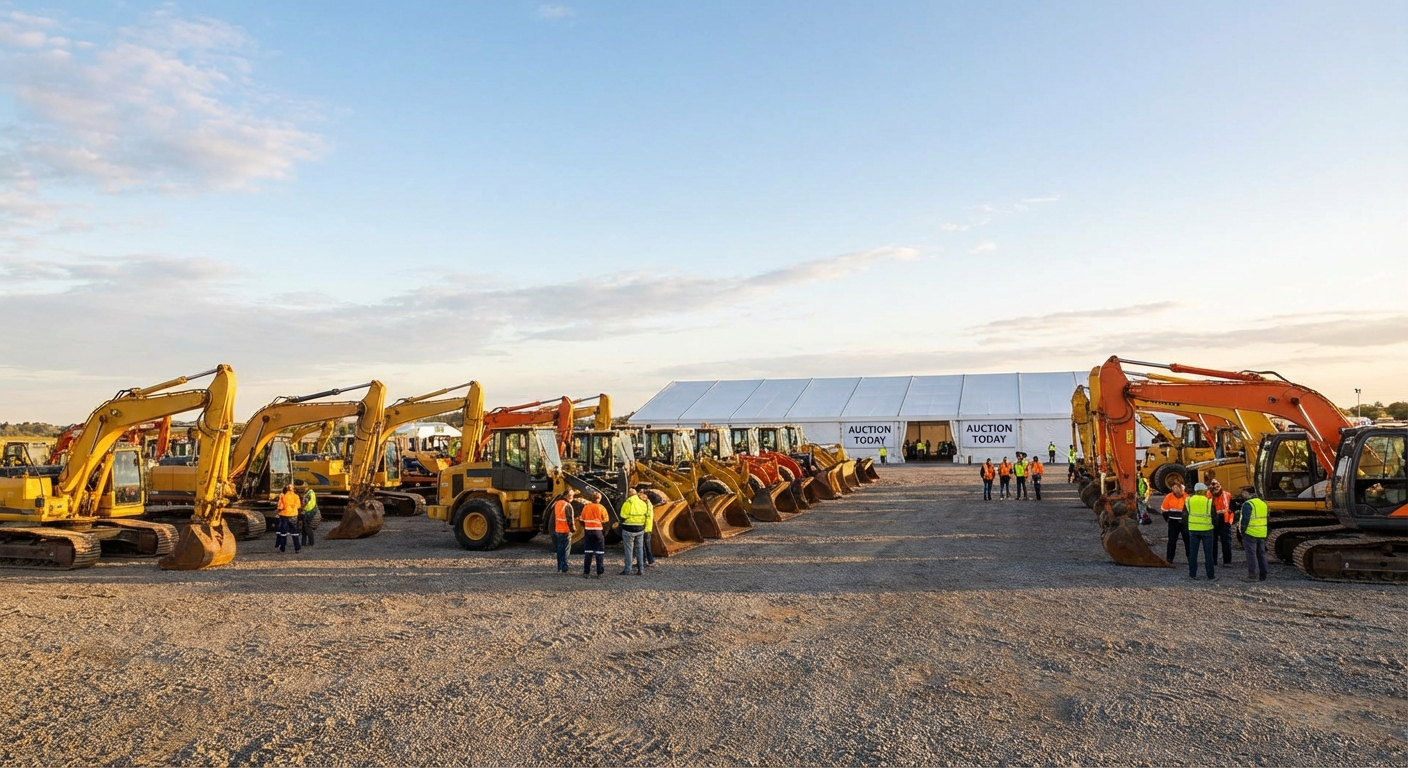
Used equipment: Southeast used equipment markets are active, with pricing trends generally favorable for sellers. Well-maintained late-model equipment commands premium prices.
Rental rates: Rental rates have stabilized after pandemic-era increases. Competition among rental providers maintains some pricing discipline, though rates remain elevated compared to pre-2020 levels.
Infrastructure Investment
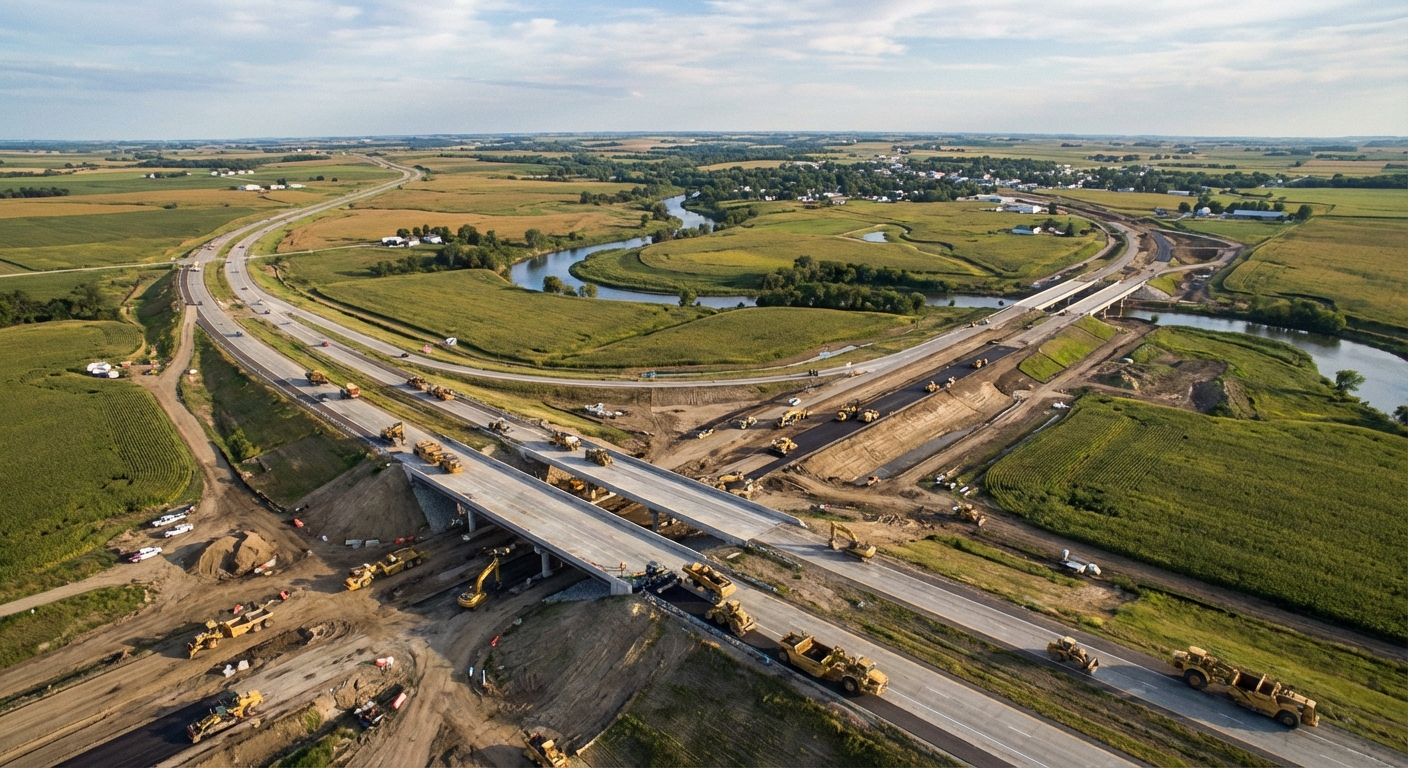
Federal infrastructure funding is beginning to flow into Southeast projects, creating additional equipment demand:
- Interstate improvements: I-285 in Atlanta, I-4 in Florida, I-77 in North Carolina
- Bridge reconstruction: Numerous aging bridges scheduled for replacement
- Water and sewer: Utility infrastructure upgrades across growing municipalities
- Transit: Expansion projects in Atlanta, Nashville, and Charlotte
These projects will sustain equipment demand for years. Contractors positioned to compete for infrastructure work should see strong backlogs.
Regional Outlook
The Southeast equipment market outlook remains positive:
Near-term (6-12 months): Current activity levels should continue as population growth, business investment, and infrastructure funding sustain construction demand. Interest rate sensitivity may moderate some residential activity.
Medium-term (1-3 years): Infrastructure investment cycle should strengthen as federal funding translates to active projects. Industrial and commercial construction appears sustainable given corporate relocation trends.
Long-term (3-5 years): Demographic fundamentals favor continued Southeast growth. Climate considerations may shift some development patterns—away from flood-prone areas and toward more resilient locations—but overall regional growth trajectory appears sustainable.
Contractor Implications
For contractors operating in Southeast markets:
Equipment availability: Planning equipment needs well in advance remains important as inventory constraints persist. Relationships with dealers and rental companies help secure equipment when needed.
Technology investment: Productivity requirements favor technology adoption. Contractors not yet using telematics and grade control are increasingly at competitive disadvantage.
Workforce development: Labor availability challenges affect Southeast construction. Equipment acquisition strategies should consider operator availability alongside machine specifications.
Risk management: Hurricane exposure requires appropriate insurance and business continuity planning. Weather events can disrupt projects and damage equipment.
For equipment providers, the Southeast represents continued opportunity. Population growth and infrastructure investment create demand that should support sales, rental, and service businesses for the foreseeable future.
For additional regional market analysis, see our Midwest construction market report.