Used Equipment Market Trends: Q4 2025 Analysis
Auction prices stabilize as supply increases. Our quarterly analysis of the secondary equipment market reveals shifting buyer behavior and regional variations.
After two years of extraordinary price appreciation, the used heavy equipment market is showing signs of normalization as we enter Q4 2025. Auction prices for most equipment categories have stabilized, supply constraints are easing, and buyer behavior is shifting toward more rational value assessments.
This quarterly analysis examines current market conditions, regional variations, and what fleet operators should expect heading into 2026.
Market Overview
The used equipment market experienced unprecedented conditions during 2022-2024. Supply chain disruptions, extended new equipment lead times, and strong construction demand combined to push secondary market prices 40-60% above historical norms for many equipment categories.
Those extraordinary conditions are moderating. New equipment availability has improved substantially, with most manufacturers now quoting lead times of 4-8 weeks versus 12-18 months during peak shortage periods. This improved new equipment availability is gradually relieving pressure on used prices.
Price Trends by Category
Excavators remain the market’s strongest performers. Prices for late-model excavators in the 20-35 ton range are down approximately 8% from peak levels but remain 25-30% above pre-pandemic benchmarks. Strong infrastructure spending and residential construction activity continue supporting excavator demand.
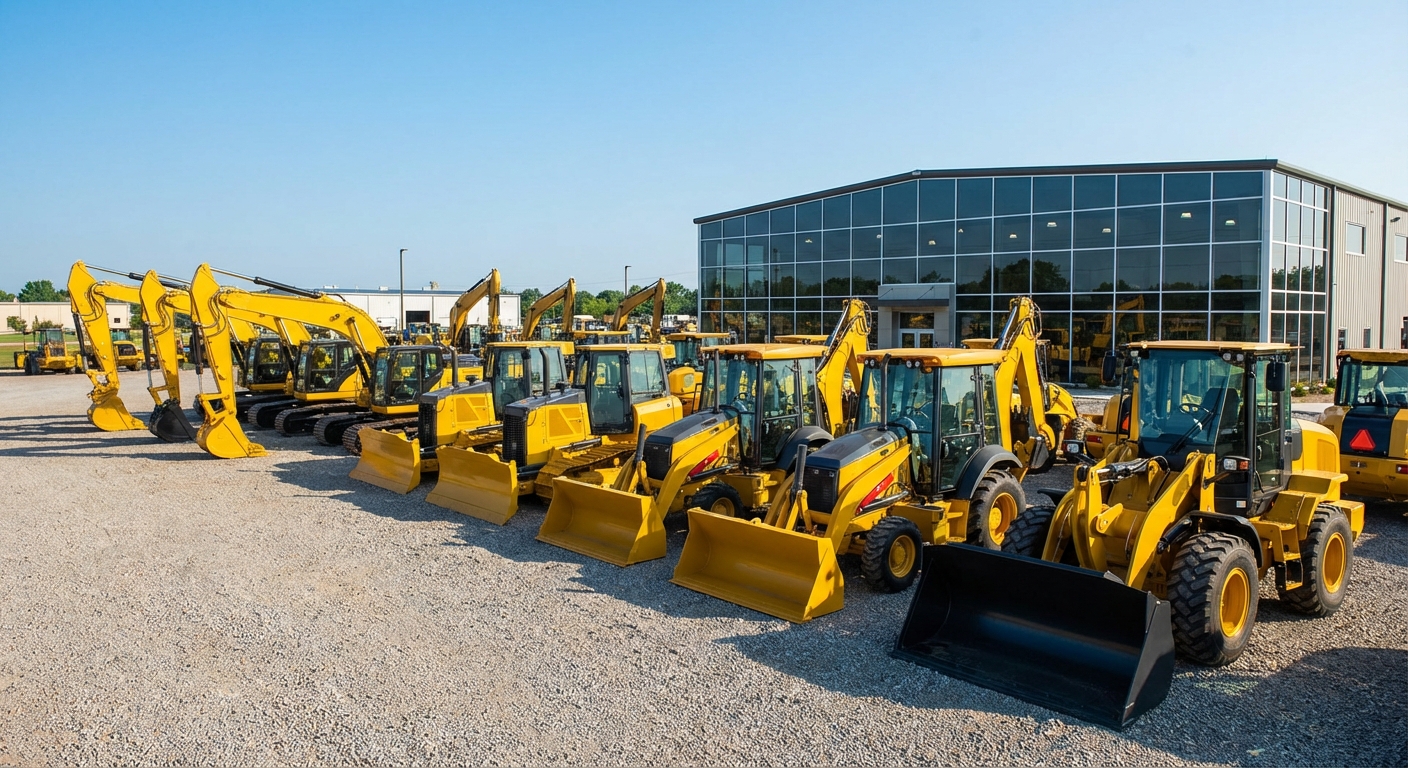
Wheel Loaders have seen more significant price adjustments, with values down 12-15% from peaks. Increased availability of new inventory from major manufacturers has given buyers more options, reducing urgency in the secondary market.
Dozers present a mixed picture. Larger models (D6 and above) maintain strong values due to limited production capacity, while smaller dozers have experienced more significant price corrections.
Compact Equipment including skid steers and compact track loaders has normalized most rapidly. Prices in this category have returned to approximately 10-15% above pre-pandemic levels, compared to 50%+ premiums seen in 2023.
Auction Activity
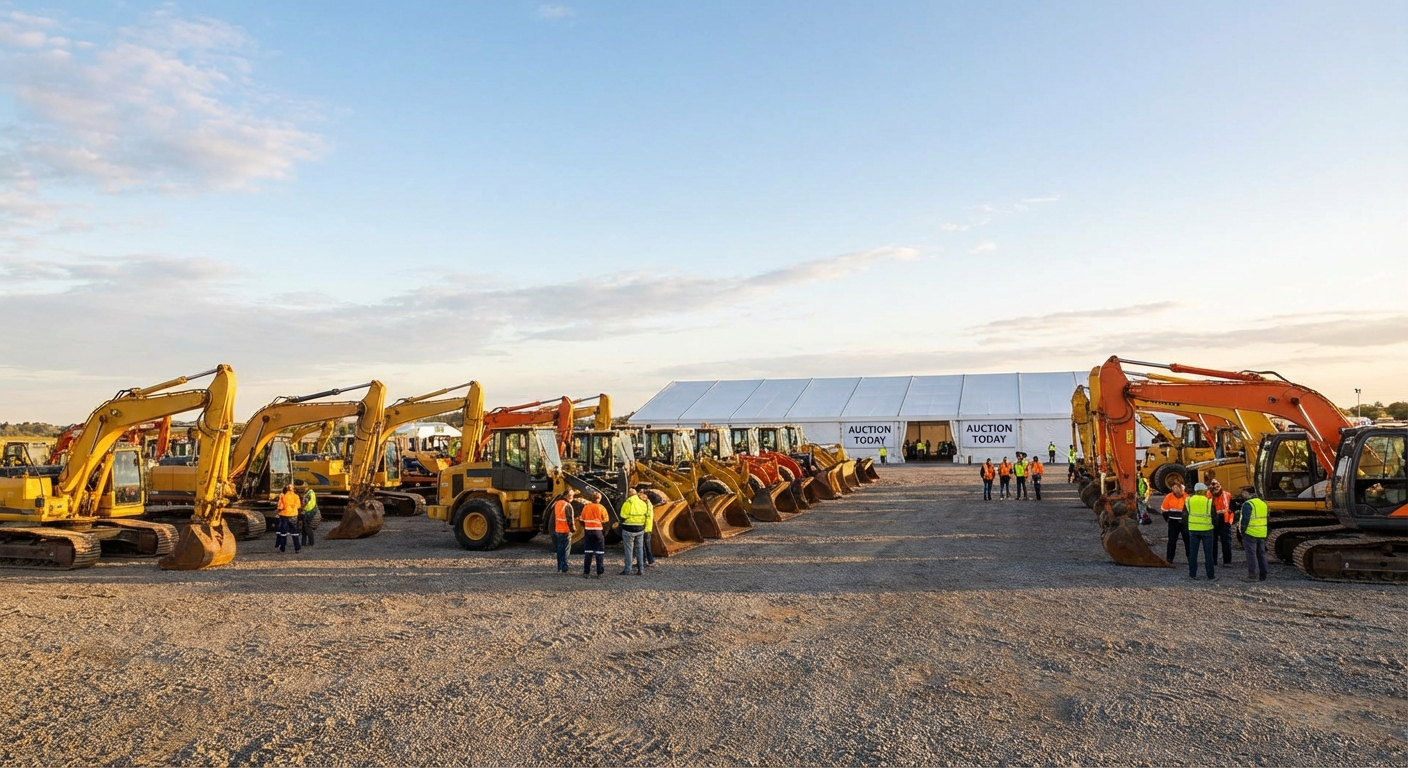
Major auction companies report increased consignment volume compared to the same period in 2024. Ritchie Bros., the market’s largest auctioneer, noted a 23% increase in lots offered during September auctions compared to September 2024.
This increased supply is being absorbed by active buyers, but with less aggressive bidding behavior. The “fear of missing out” that characterized 2023-2024 auctions has dissipated. Buyers are conducting more thorough due diligence and walking away from equipment that doesn’t meet their value criteria.
“We’re seeing more rational buyer behavior,” observes Marcus Thompson, a regional manager for a major auction company. “Buyers are doing their homework, they’re setting price limits, and they’re willing to wait for the right machine at the right price. That’s actually healthy for the market.”
Regional Variations
The national averages mask significant regional variations that savvy buyers and sellers should understand:
Sun Belt Premium
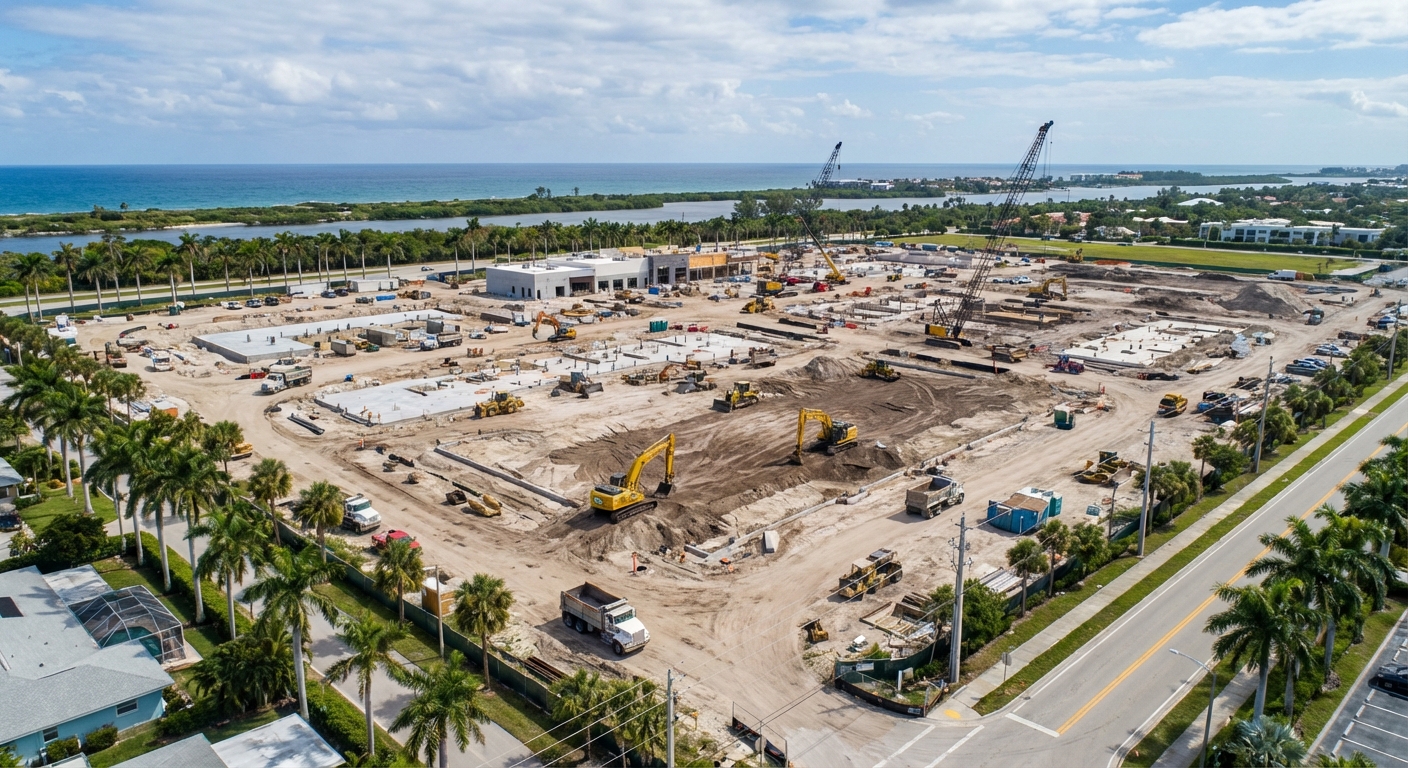
Markets in Texas, Florida, Arizona, and other Sun Belt states continue commanding premium prices. Population growth, commercial construction activity, and infrastructure investment are driving equipment demand that outpaces local supply.
Buyers willing to transport equipment from other regions can often acquire machines at meaningful discounts, though transportation costs (typically $2-5 per mile for standard flatbed transport) must be factored into value calculations.
Upper Midwest Softness
Agricultural equipment slowdowns have affected adjacent construction equipment markets in states like Iowa, Minnesota, and Wisconsin. Reduced farm equipment demand has increased availability and softened prices for construction equipment typically shared between agricultural and construction applications.
Energy Region Volatility
Texas and Oklahoma markets remain influenced by oil and gas sector activity. Current energy prices support continued development, maintaining equipment demand, but these markets can shift rapidly with commodity price changes.
What Smart Buyers Are Doing
The current market offers opportunities for well-prepared buyers. Several strategies are proving effective:
Expanding Search Radius
Online auction platforms and improved equipment transportation logistics make nationwide equipment sourcing practical. Buyers who expand their search beyond local markets often find better values in regions with softer demand.
Prioritizing Condition Over Age
Hour meters matter less than maintenance history and actual condition. Buyers are increasingly willing to consider older equipment with documented maintenance records over newer machines with uncertain histories.
The rise of telematics and fleet management systems has improved transparency in equipment history, making condition-based buying more practical.
Timing Purchases Strategically
Auction prices follow predictable seasonal patterns. Late fall and winter auctions typically see reduced bidder activity and lower prices. Buyers able to time purchases for these periods often secure better values.
Leveraging Inspection Services
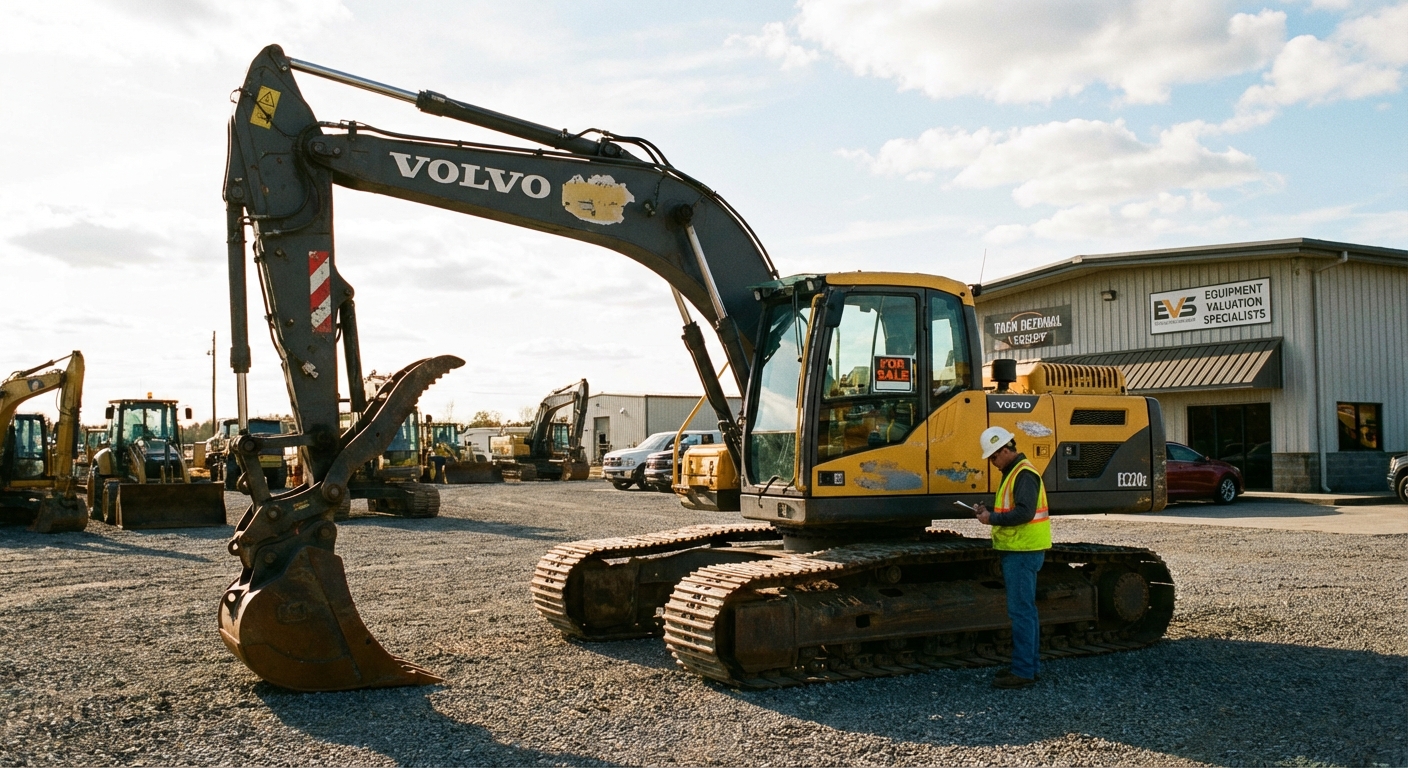
Third-party equipment inspection services have become essential tools for remote equipment purchases. Companies like Ritchie Bros. Asset Solutions, Equipment Experts, and numerous regional services provide detailed condition assessments that reduce purchase risk.
Seller Considerations
For contractors looking to dispose of equipment, the current market requires adjusted expectations:
Realistic Pricing: Equipment listed significantly above current market values simply won’t sell. Sellers achieving quick dispositions are pricing equipment competitively from the outset.
Presentation Matters: Basic cleaning, minor repairs, and professional photography meaningfully impact sale prices. Buyers make rapid judgments based on equipment appearance.
Channel Selection: Different sale channels suit different equipment types and seller timelines. Auction provides certainty and speed; dealer trade-ins offer convenience; private sales may maximize returns for patient sellers with attractive equipment.
Timing Flexibility: Sellers able to wait for optimal market conditions often achieve better outcomes. The current market favors patient participants on both sides of transactions.
Outlook for 2026
Several factors will shape used equipment markets heading into 2026:
Infrastructure Spending
Federal infrastructure programs are transitioning from planning to execution phases. This activity will support equipment demand, particularly for highway construction and bridge rehabilitation equipment categories.
Interest Rate Environment
Equipment financing costs have stabilized after the 2022-2024 increase cycle. Stable financing costs remove a source of market uncertainty that has affected buying decisions.
New Equipment Production
Manufacturers continue working through order backlogs while ramping production capacity. Improved new equipment availability will continue moderating used equipment premiums.
Technology Transition
The industry’s ongoing transition toward electric equipment and advanced technology features is beginning to affect residual values for older equipment. Buyers are factoring future technology requirements into current purchase decisions.
Implications for Fleet Operators
For fleet operators managing equipment portfolios, the current market environment suggests several strategic considerations:
Lifecycle timing: The optimal time to dispose of equipment may be earlier in its lifecycle than traditional models suggest, particularly for equipment categories where technology is advancing rapidly.
Rental vs. ownership: The closing gap between new and used prices reduces one advantage of used equipment ownership. Operators should reevaluate rent versus buy calculations based on current market realities.
Acquisition planning: Equipment needed for 2026 projects should be sourced now while market conditions remain favorable for buyers. Waiting risks missing current opportunities if construction demand accelerates.
Conclusion
The used equipment market’s return to more normal conditions is healthy for the industry overall. Buyers can make value-based decisions without the panic purchasing that characterized recent years. Sellers can still achieve strong returns for quality equipment priced appropriately.
Smart operators will take advantage of current conditions to optimize their fleet positions—acquiring equipment at reasonable values while disposing of units that no longer fit their operational needs.
Equipment Insider will continue monitoring market conditions and publishing quarterly updates. Subscribe to our newsletter for ongoing market analysis.