Equipment Pricing Trends: Year-End Analysis and 2026 Forecast
After years of escalation, equipment prices are stabilizing—but not declining. Our analysis of current pricing and what to expect in the coming year.
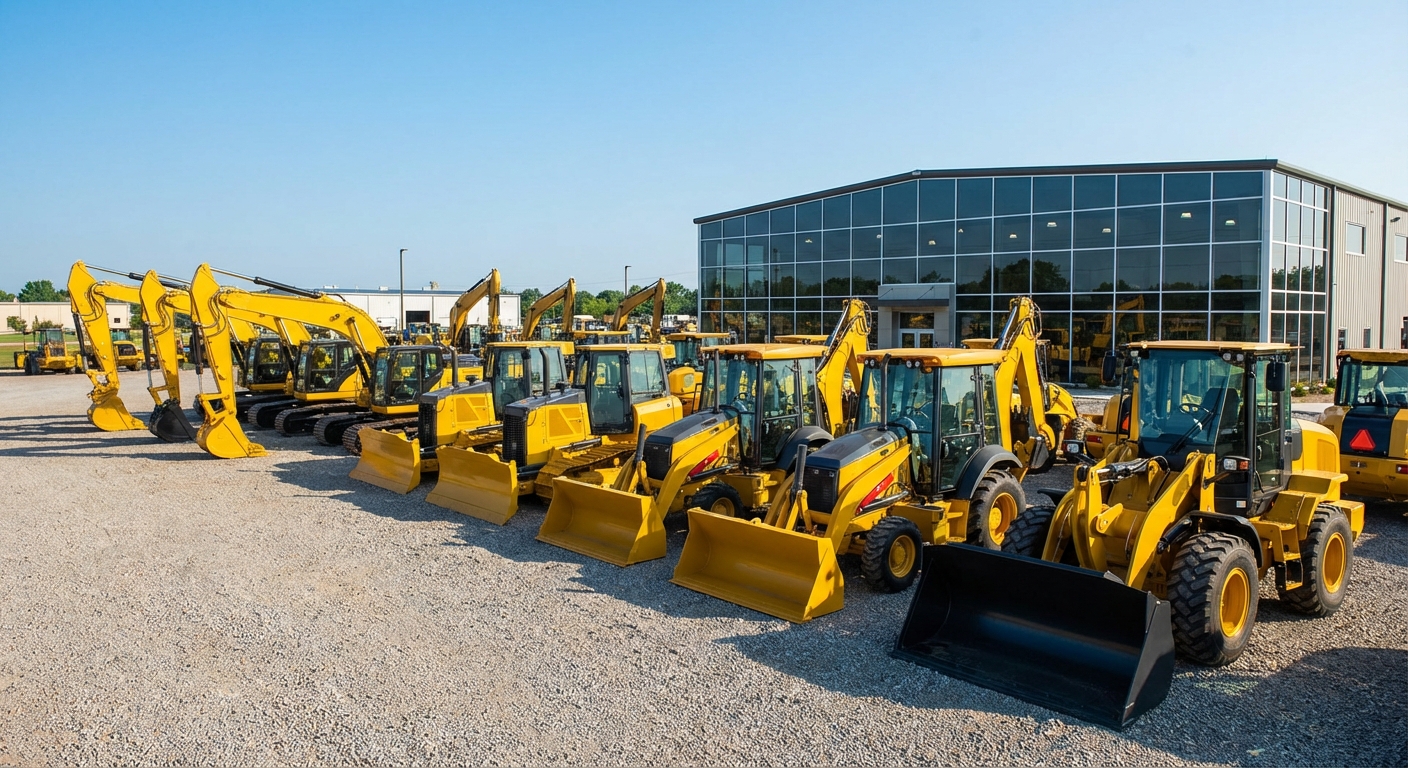
The heavy equipment market has entered a new pricing era. The dramatic escalation of 2021-2024 has subsided, but prices show no signs of declining to pre-pandemic levels. Understanding current pricing dynamics is essential for contractors planning equipment acquisitions.
This analysis examines year-end pricing trends and provides a forecast for 2026.
Year-End Pricing Review
New Equipment Pricing
New equipment prices stabilized during 2025 after years of aggressive increases. Most OEMs implemented modest increases of 3-5% during the year—roughly in line with general inflation—compared to 8-15% annual increases during the peak escalation period.
By equipment category:
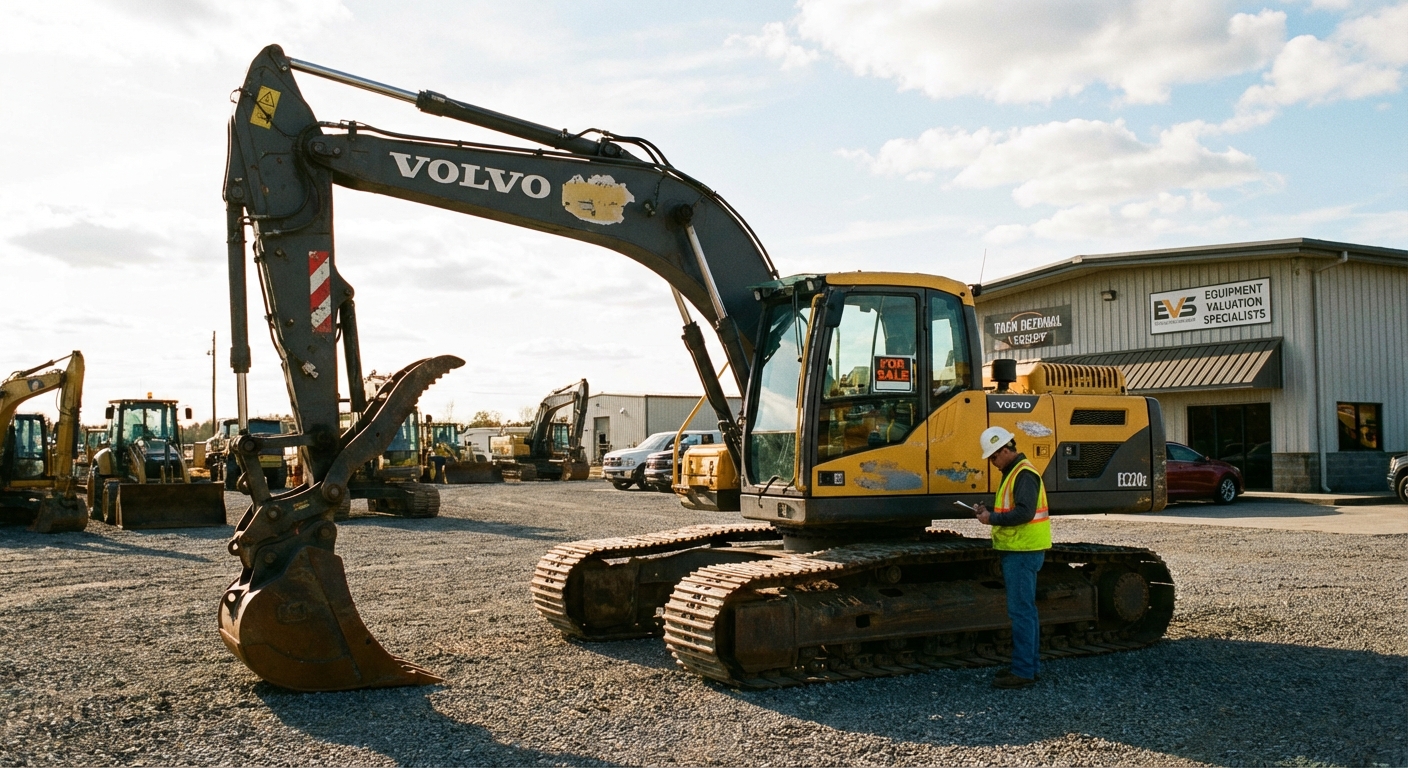
Excavators remain 30-40% above 2020 prices, with minimal change during 2025. Strong demand and constrained production have supported pricing even as supply chains normalized.
Wheel loaders show similar patterns, with prices 25-35% above pre-pandemic levels and stable during 2025.
Compact equipment including skid steers and compact track loaders have seen more competitive pricing, with aggressive manufacturer programs pushing prices slightly lower during 2025.
Dozers and motor graders maintain significant premiums due to concentrated manufacturing and strong infrastructure demand.
Used Equipment Pricing
The used equipment market experienced more meaningful price adjustment during 2025:
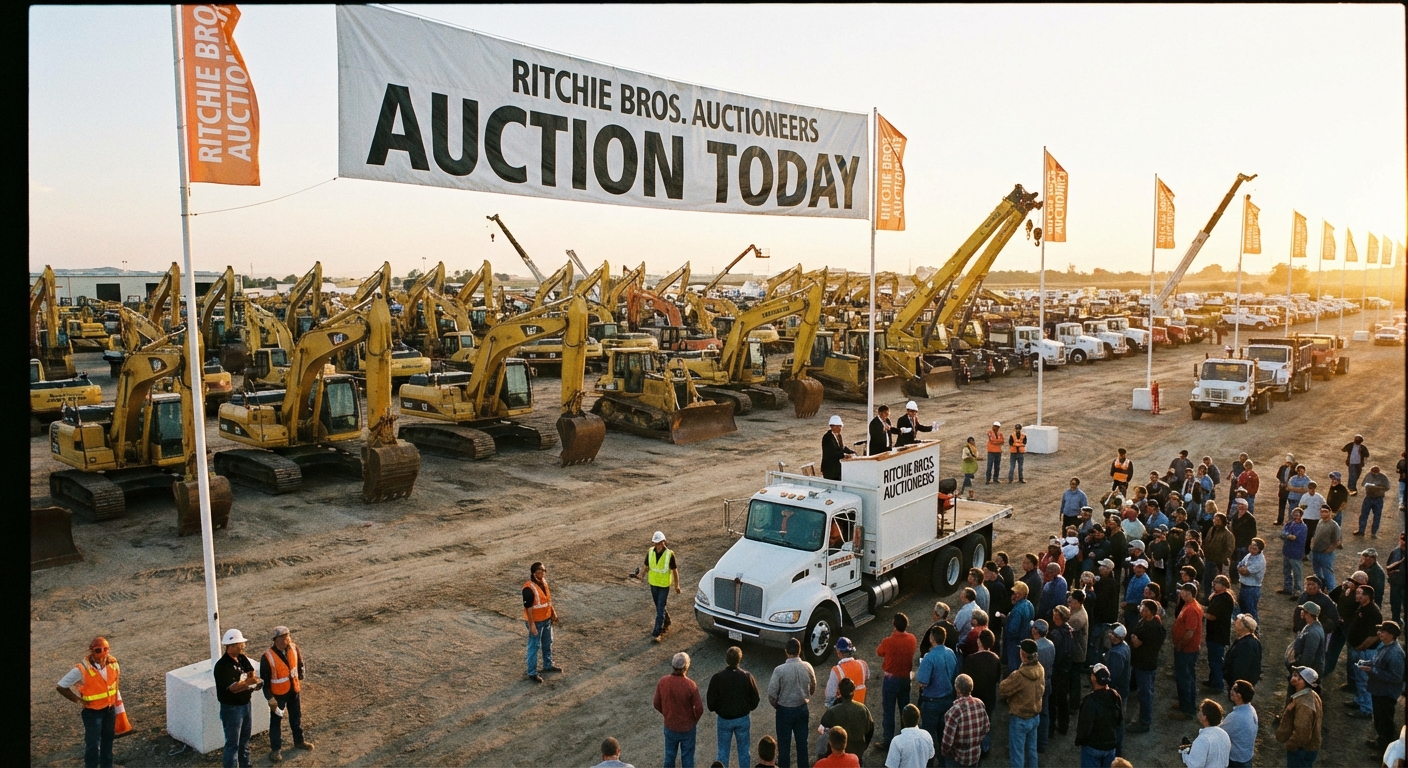
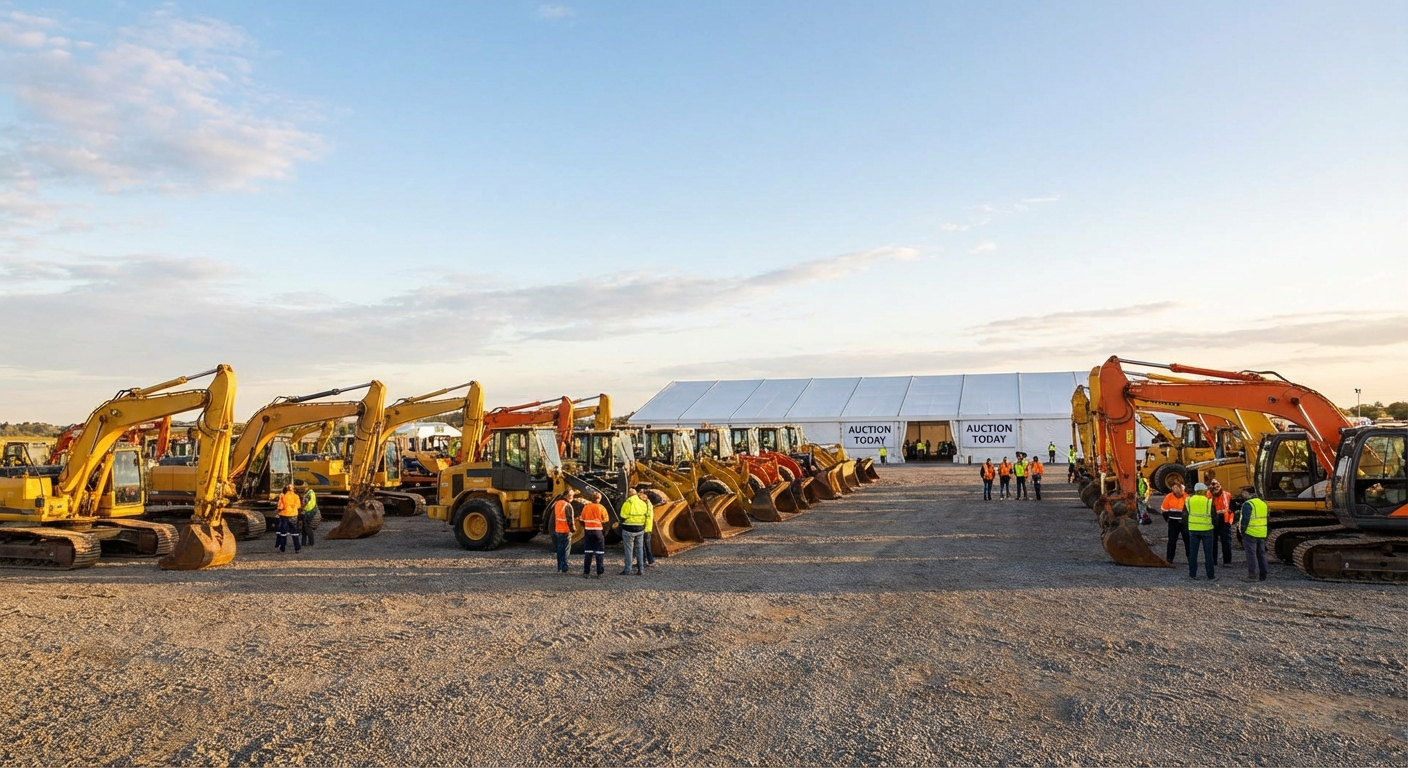
- Auction prices for most categories declined 8-15% from peak levels
- Late-model used equipment remains at significant premium to pre-pandemic values
- Older equipment (Tier 2 and earlier) has seen steeper declines as emission regulations reduce demand
- Regional variations remain significant, with strong markets in the Midwest and Sun Belt
The gap between new and used equipment prices has narrowed, altering rent-versus-buy calculations for many contractors.
Attachment Pricing
Attachment prices have generally tracked base equipment trends, with premiums of 20-35% over pre-pandemic levels for most categories.
Industry consolidation has concentrated pricing power among fewer manufacturers, potentially supporting prices despite normalized supply conditions.
Factors Supporting Current Prices
Several factors explain why prices remain elevated:
Input Costs
Raw material costs—steel, rubber, copper, electronics—remain above pre-pandemic levels. While dramatic spikes have subsided, the baseline has shifted higher.
Labor costs in manufacturing have increased substantially, reflecting both general wage pressure and specific skilled-trades shortages.
Manufacturing Capacity
Despite recovery from pandemic disruptions, equipment manufacturing capacity remains somewhat constrained. OEMs have been cautious about capacity additions after experiencing severe demand volatility.
This capacity discipline prevents the oversupply conditions that would drive aggressive price competition.
Technology Content
Equipment technology content continues increasing. Telematics, grade control, safety systems, and operator comfort features add cost but also add value.
Emission compliance—particularly preparation for Tier 5 standards—requires ongoing engine and aftertreatment investment.
OEM Margin Discipline
Manufacturers have maintained pricing discipline even as supply conditions improved. The margin expansion achieved during shortage periods appears to be treated as the new baseline rather than a temporary premium.
2026 Forecast
New Equipment
We expect modest new equipment price increases of 2-4% during 2026:
Upward pressure from:
- Ongoing input cost inflation
- Continued technology content growth
- Tier 5 preparation costs
- Strong demand in infrastructure and manufacturing sectors
Downward pressure from:
- Improved supply chain conditions
- Some demand moderation in commercial construction
- Increasing competition from Chinese manufacturers
- Customer resistance after years of increases
Net effect: Small increases, roughly in line with general inflation.
Used Equipment
Used equipment pricing should stabilize during 2026 after 2025 corrections:
- Late-model used equipment will hold value well given new equipment pricing
- Increased new equipment availability will moderate used premiums
- Technology considerations will increasingly affect older equipment values
- Regional demand variations will drive continued price disparities
Contractors buying used equipment should find better selection and more negotiable prices than during peak shortage periods.
Rental Rates
Rental rates should remain relatively stable during 2026:
- Strong utilization in major markets supports current rates
- Rental companies have increased fleet investment during strong margins
- Some competitive pressure in markets with excess capacity
- National rates more stable than regional markets
Strategic Implications
For Equipment Buyers
Timing: The urgency of recent years has diminished. Buyers can take time to evaluate options and negotiate without the pressure of rapidly rising prices.
Negotiation: Better supply conditions create negotiating room that didn’t exist during shortage periods. Request competitive pricing and be willing to compare alternatives.
Technology evaluation: Consider whether technology content justifies price differences between models. Features that provide operational value warrant investment; features that don’t may not.
Financing costs: With interest rates normalized at higher levels, factor financing costs carefully. The total cost of financing may offset any near-term price advantages.
For Fleet Planning
Lifecycle optimization: Consider whether current high equipment values make earlier disposition attractive. Equipment may be worth more now than in future years if prices moderate.
Rental analysis: The narrowed gap between ownership and rental costs merits fresh rent-versus-buy analysis.
Technology planning: Equipment purchased now will operate into the 2030s. Consider technology trajectory, emission standards evolution, and electrification trends when making long-term commitments.
Regional Considerations
Pricing varies meaningfully by region:
Strong markets (Texas, Florida, Ohio) often see premium pricing and limited negotiating room due to high demand.
Softer markets may offer better deals as dealers work to move inventory.
Delivery costs factor significantly when equipment is sourced from distant markets. Calculate whether lower prices justify transportation expense.
Conclusion
The equipment pricing environment has normalized to a new, higher baseline. The dramatic escalation of recent years has ended, but don’t expect prices to decline meaningfully.
Contractors should approach 2026 with realistic expectations: prices will be roughly stable, with modest increases possible. The buying panic of shortage periods is behind us, creating room for more deliberate equipment decisions.
Smart contractors will take advantage of improved conditions to make better-evaluated purchases while accepting that the pre-pandemic price environment isn’t returning.
Equipment Insider will continue monitoring pricing trends and providing market analysis throughout 2026. Subscribe to our newsletter for ongoing updates.