
The Equipment Market Is Asking Contractors to Prove Every Hour
High machine prices, tight labor, cautious lenders, and steady rental demand are pushing fleet owners toward a harder question: does each machine earn enough verified hours to justify owning it?
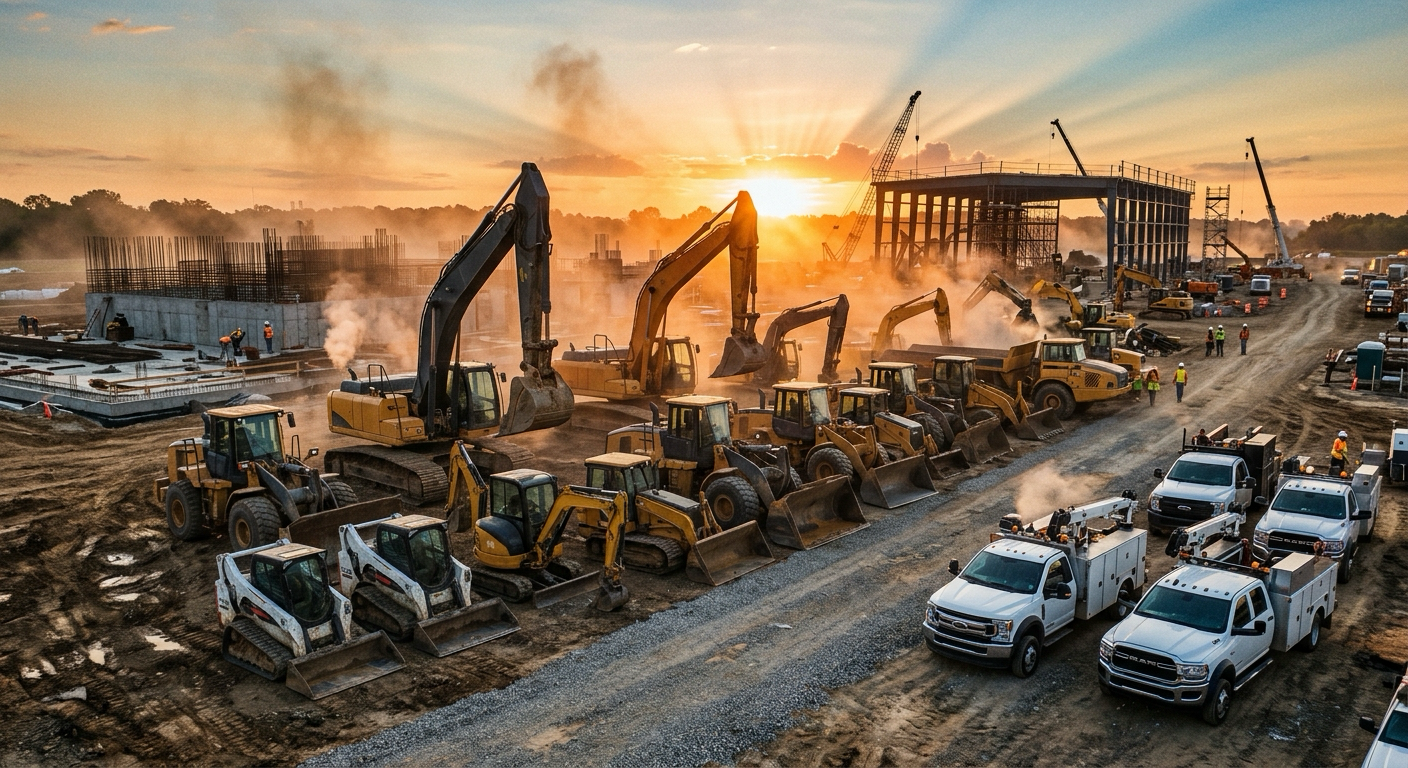
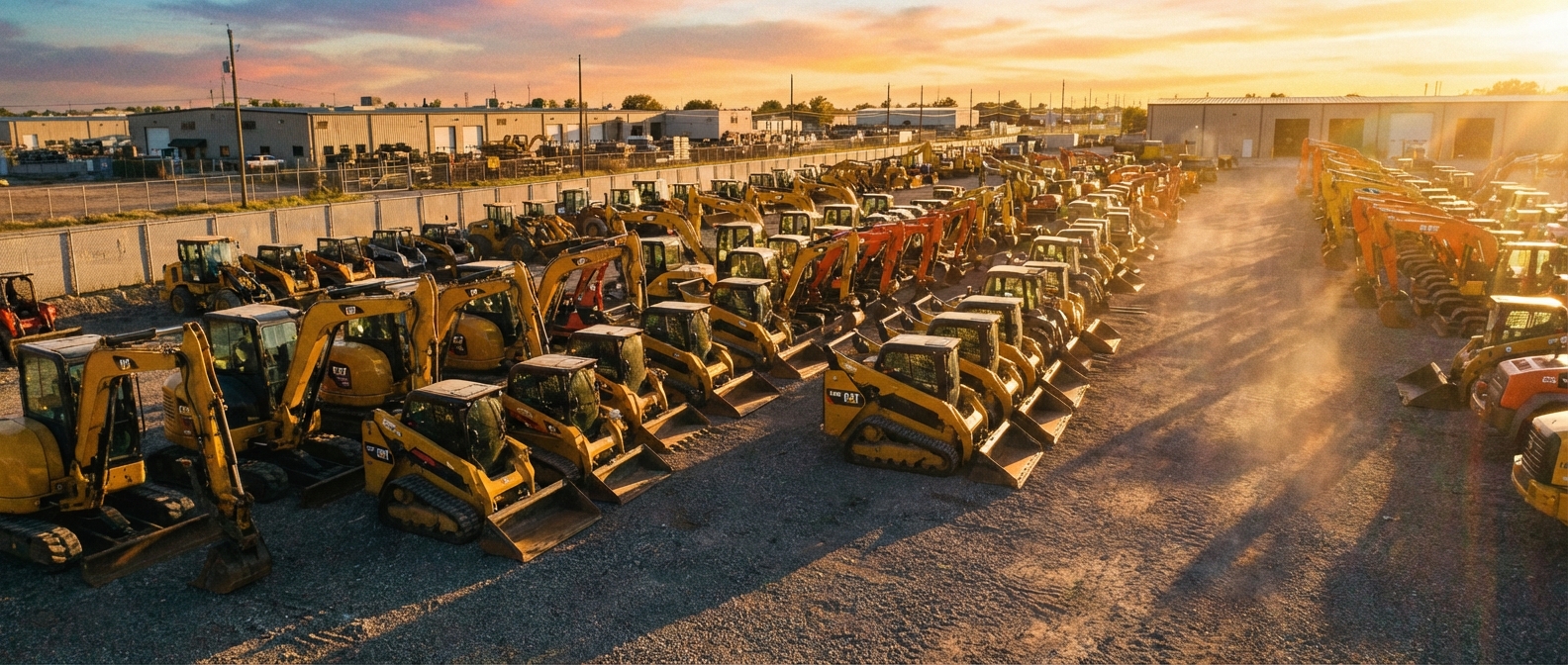
The heavy equipment market is not short on demand. Contractors still have road work, utilities, site development, drainage, land clearing, building pads, data centers, warehouses, subdivisions, and municipal work to chase. Rental yards are still moving iron. Dealers still have customers who need machines.
The problem is that owning equipment has become harder to defend with gut feel alone.
A machine payment that looked normal a few years ago now sits next to higher insurance, higher parts costs, higher interest expense, longer repair cycles, and labor that is too scarce to waste. When the total cost of ownership rises, the old question, “Can we afford the machine?” is not good enough. The better question is, “Can we prove this machine will earn enough productive hours?”
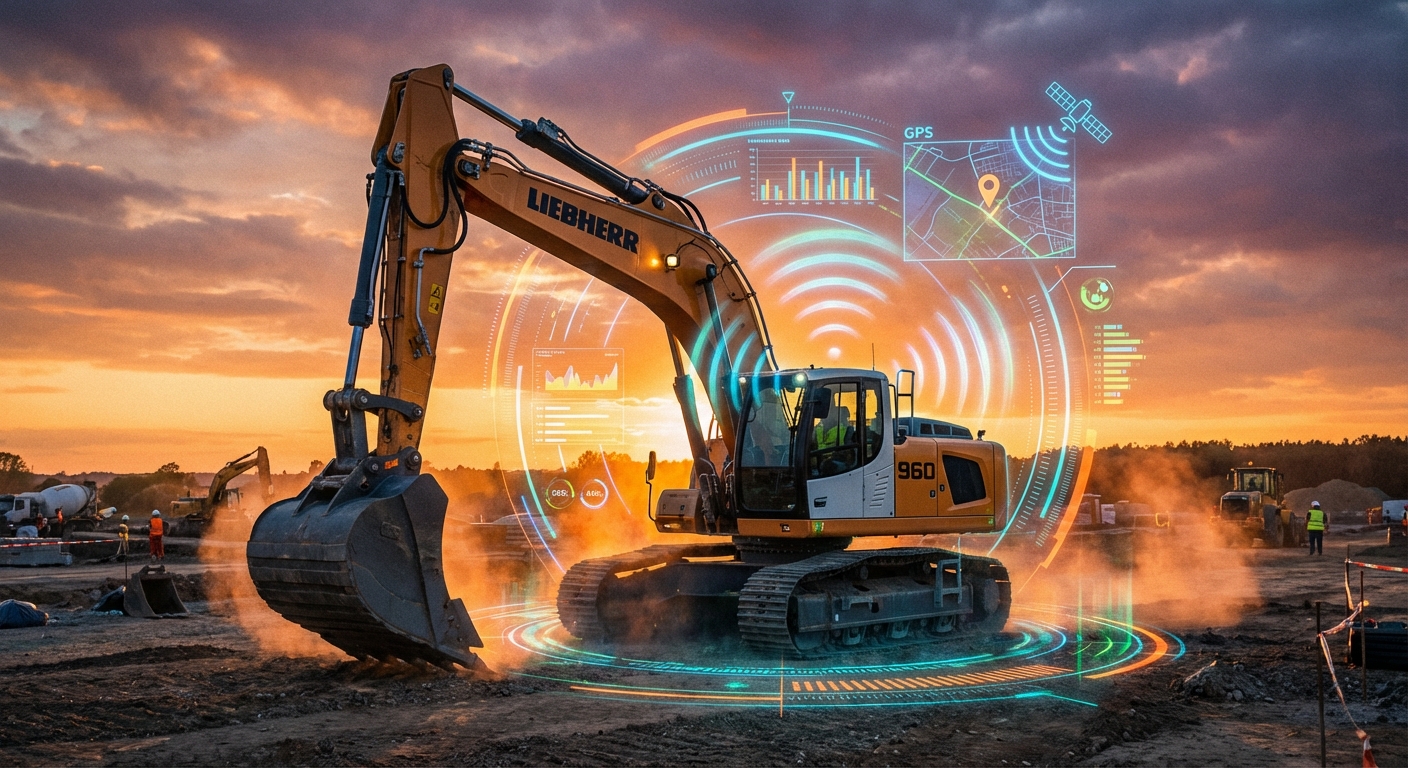
FieldFix Editor’s Note: This is exactly where fleet tracking stops being a back-office chore. FieldFix helps equipment owners track machine hours, service records, expenses, downtime, and cost per hour so buy, rent, repair, and retire decisions are based on the work the machine actually does.
Utilization is becoming the real buying test
For years, a lot of small and midsize contractors bought equipment because the work was coming, the dealer had a machine, and the monthly payment felt manageable. That did not always mean the machine was cheap. It meant the pain was spread out.
That approach gets dangerous when interest rates stay elevated and repair costs keep climbing. An excavator that works four hard days a week can make sense. The same excavator working two partial days a week can quietly become a cash drain, even if the owner feels busy.
This is why utilization is moving from a rental-company metric into everyday contractor math. Rental companies have always cared about dollar utilization, time utilization, fleet age, repair cost, and rental rate discipline. They have to. Their whole model depends on turning equipment into billable time.
Contractors are now being pushed in the same direction. If a machine is owned, financed, insured, hauled, maintained, stored, and repaired, it needs a job. Not occasionally. Not hopefully. Consistently.
That does not mean every machine needs rental-yard utilization. Contractors own equipment for control, scheduling, crew productivity, and customer responsiveness. A machine can pay even when it is not rented out by the hour. But the owner still needs to know the gap between useful standby capacity and expensive yard art.
Rental growth says contractors want flexibility
The rental market is one of the clearest signals that contractors are staying active but cautious. The American Rental Association has continued to track growth in equipment rental even as broader construction signals remain uneven. ARA industry coverage and forecasts are available through ararental.org, and the association’s outlook has pointed to more modest growth after the surge that followed the supply crunch years.
That moderation matters. Rental is not booming because every contractor is flush. It is growing because flexibility has value when the future is cloudy.
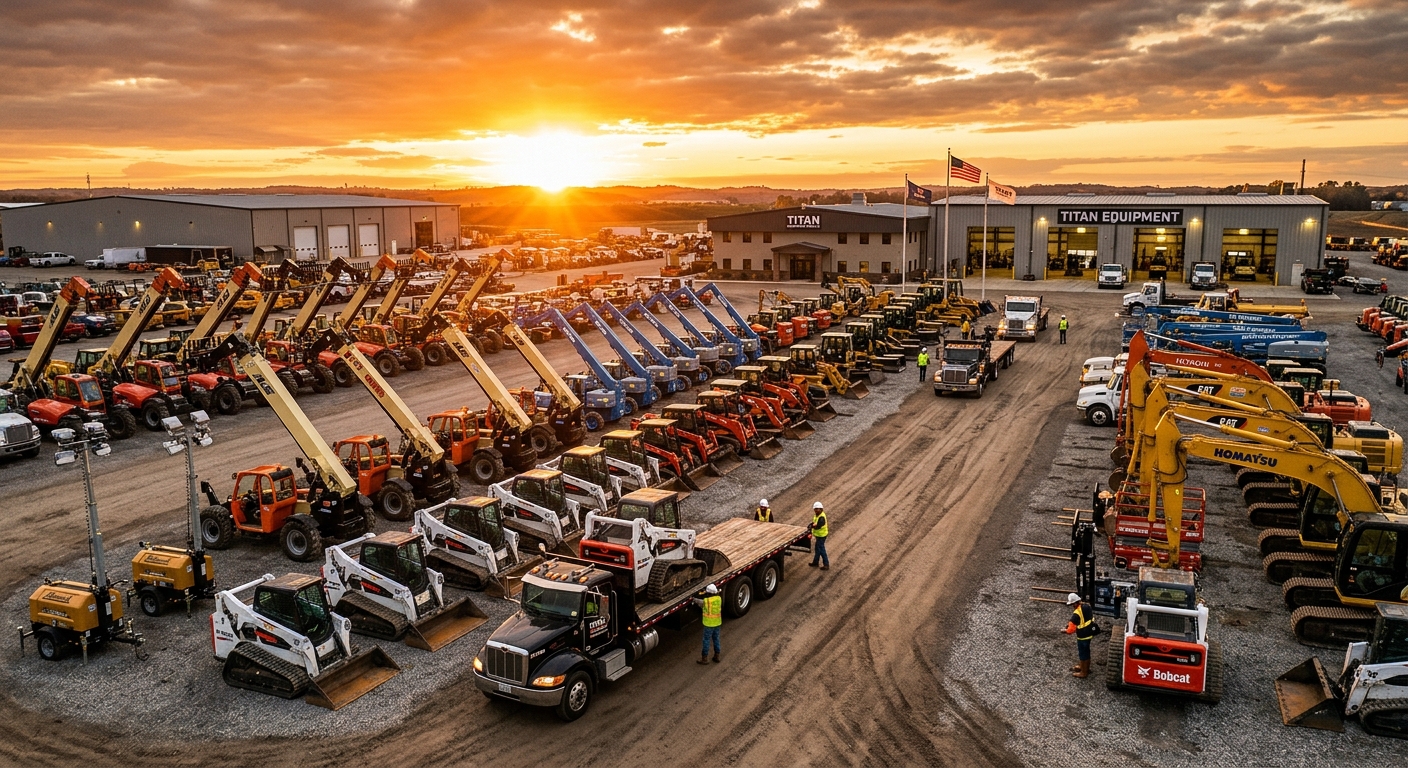
Renting lets a contractor match a machine to a job without taking on the full ownership stack. Need a larger loader for a month? Rent it. Need a compact excavator for a utility run? Rent it. Need a high-reach lift for one phase? Rent it. Need a specialty attachment twice a year? Renting may beat owning by a mile.
This does not make ownership bad. Ownership is still the right move for core machines that stay busy, fit the crew, and help the company control production. The mistake is treating every recurring need as an ownership need.
The smarter fleet is mixed. Own the machines that define the business. Rent the machines that solve temporary problems. Track the hours closely enough to know when a rented machine has become core work and when an owned machine should be sold, traded, or parked behind a fence with a price on it.
Labor shortage turns idle iron into a bigger problem
The labor issue makes the equipment math even sharper. Associated Builders and Contractors has been warning for years that construction needs hundreds of thousands of additional workers to meet demand. In its workforce shortage release, ABC estimated the industry needed more than half a million additional workers in 2024. The release is available at abc.org.
The exact number changes by year and forecast. The operating reality does not. Good operators, mechanics, drivers, foremen, and laborers are hard to find.
That means an idle machine is not just a capital problem. It can become a labor problem too. If a crew is waiting on the wrong machine, waiting on a repair, waiting on a truck, or working around a poor fleet decision, the company is burning scarce people hours. In a tight labor market, that is brutal.
It also changes how owners should think about maintenance. Preventive service is not just about protecting the machine. It is about protecting the crew schedule. A skid steer down for a $90 sensor is annoying. A skid steer down during a two-day concrete tear-out can wreck the week.
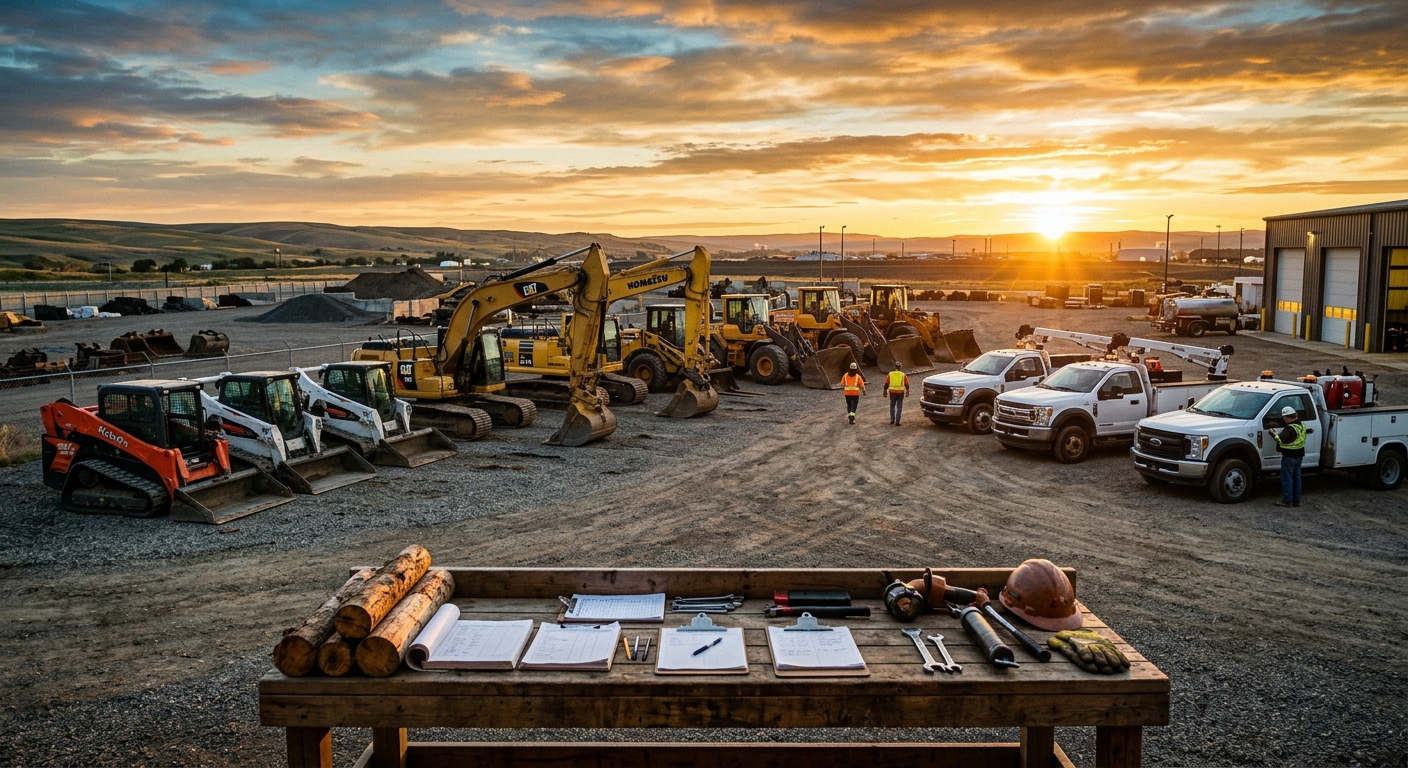
That is why the best-run small fleets are starting to behave more like larger fleets. They are tracking hours. They are logging service. They are watching repeat repairs. They are assigning machines to jobs with more thought. They are asking whether a low-hour machine is really available capacity or just a payment with tracks.
Financing is no longer background noise
Equipment finance used to fade into the background when work was strong. If the payment penciled out, the job flow could hide a lot of weak decisions. That is harder now.
The Equipment Leasing and Finance Association tracks confidence, new business volume, and capital spending signals across the equipment finance market. Its research hub at elfaonline.org is worth watching because lenders often feel contractor caution before it shows up in dealer lots.
When rates are higher, the monthly payment is only one part of the story. The machine also needs enough margin to cover fuel, service, wear items, insurance, storage, hauling, repairs, administrative time, and the risk that the work slows down.
A longer term can make the payment look comfortable while making the ownership decision worse. Stretching a loan does not make the machine cheaper. It just delays the moment when the owner has to face whether the equipment is earning.
That is the trap in today’s market. A contractor can be busy and still make a bad equipment decision. Busy does not automatically mean profitable. Revenue does not automatically mean utilization. A machine that feels essential during one season may be underworked for the next two.
Telematics only matters if someone uses it
Most modern machines can produce more data than the average contractor wants to read. Hours, idle time, fuel burn, fault codes, location, service intervals, operating modes, and utilization reports are available from OEM portals, mixed-fleet systems, and aftermarket tools.
The hard part is not getting data. The hard part is turning it into decisions.
A monthly report nobody reads is not fleet management. A dashboard that does not change behavior is just another login. The useful version is simpler and more direct:
- Which machines worked this week?
- Which machines sat?
- Which machines are due for service?
- Which machines keep breaking?
- Which jobs are eating more equipment cost than expected?
- Which owned machines should have been rented instead?
- Which rented machines are becoming permanent needs?
That is where small contractors can get a real edge. They do not need an enterprise software stack to improve. They need a habit. Capture the hours. Log the repairs. Tie the machine to the job. Review the numbers before buying the next piece of iron.
A machine that idles too much might need better crew planning. A machine that moves constantly between small jobs might need a different trailer setup. A machine with rising repair cost per hour might need to be traded before it fails during peak season. A machine with low hours but high strategic value might still be worth owning, but at least the owner knows why.
Dealers will have to sell the business case
This shift also changes the dealer conversation. Product knowledge is still important. Contractors still want to know lift capacity, hydraulic flow, breakout force, cab comfort, emissions setup, warranty, and service access.
But the sales conversation is becoming more financial. Dealers that help customers understand ownership cost, service intervals, residual value, financing structure, attachment fit, rental alternatives, and utilization targets will have an advantage.
The best dealers already do this. They know a customer buying the wrong machine is not a long-term win. It may close this month’s sale, but it creates resentment when the machine does not perform, the payment feels heavy, or the trade value disappoints.
A better dealer relationship sounds more like fleet planning. What work is booked? What work is speculative? How many hours did the current machine run last year? How much did repairs cost? Is the bottleneck machine size, operator skill, hauling capacity, attachment setup, or scheduling? Would a rental cover the peak instead of a purchase?
That is a more useful conversation than pushing whatever is on the lot.
The winners will know their numbers
The next phase of the equipment market will not punish every buyer. It will punish vague buyers.
Contractors with clean books, job costing, equipment-hour tracking, service records, and disciplined rental habits can still buy with confidence. They can see which machines make money. They can spot when repair cost is rising. They can negotiate with lenders and dealers from a stronger position. They can say no to equipment that looks exciting but does not fit the work.
Contractors without those numbers will still buy machines. Some will be fine because demand bails them out. Others will learn that a full schedule can hide weak margins for only so long.
The market is not telling contractors to stop buying equipment. It is telling them to stop buying equipment on vibes.
Own the iron that earns. Rent the iron that fills gaps. Track the hours either way. That is not flashy advice, but in this market it may be the difference between a fleet that compounds profit and a yard full of expensive excuses.