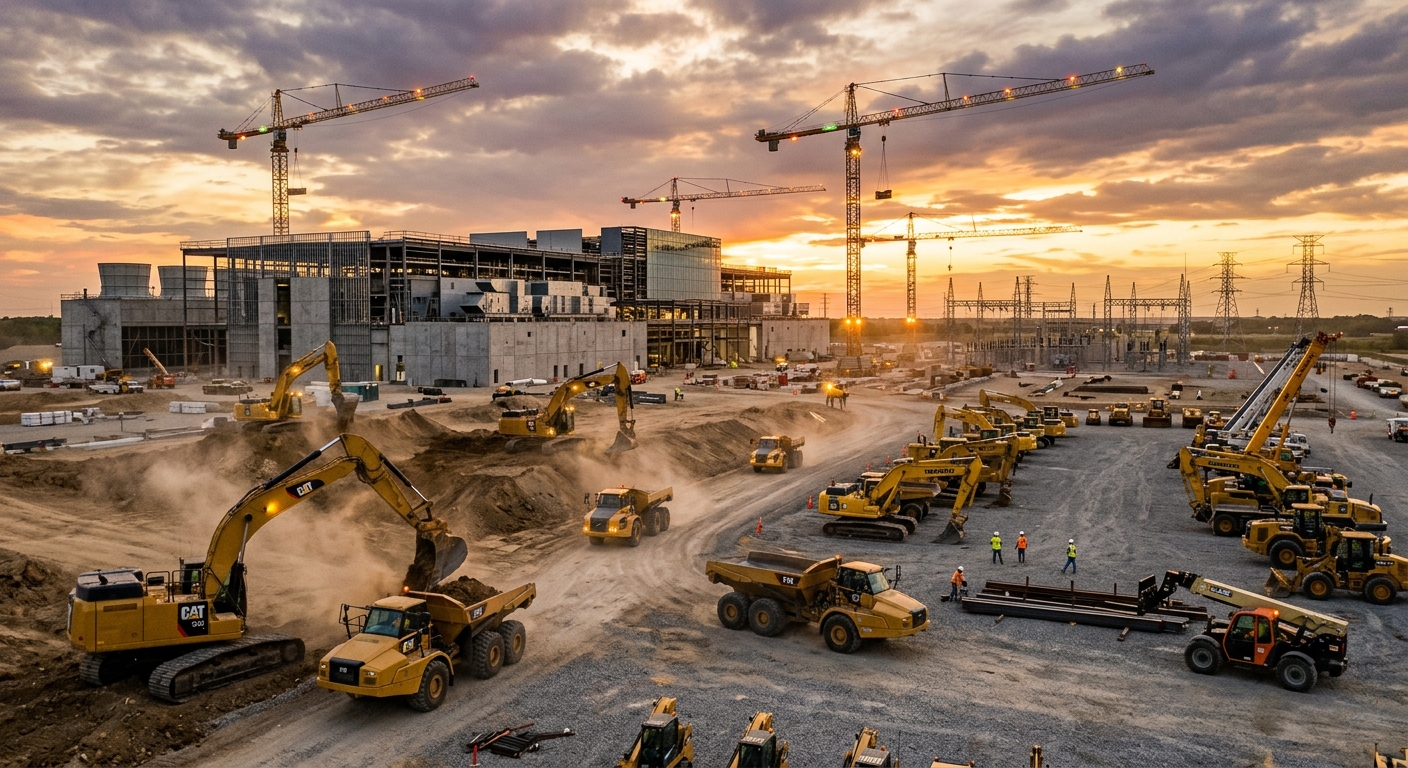
Heavy Equipment Is Growing. That Still Does Not Make Every Buy Smart.
Fresh market forecasts point to growth in heavy construction equipment, but used inventory, rental demand, and capital pressure tell contractors to stay disciplined.
28 articles
Fresh market forecasts point to growth in heavy construction equipment, but used inventory, rental demand, and capital pressure tell contractors to stay disciplined.
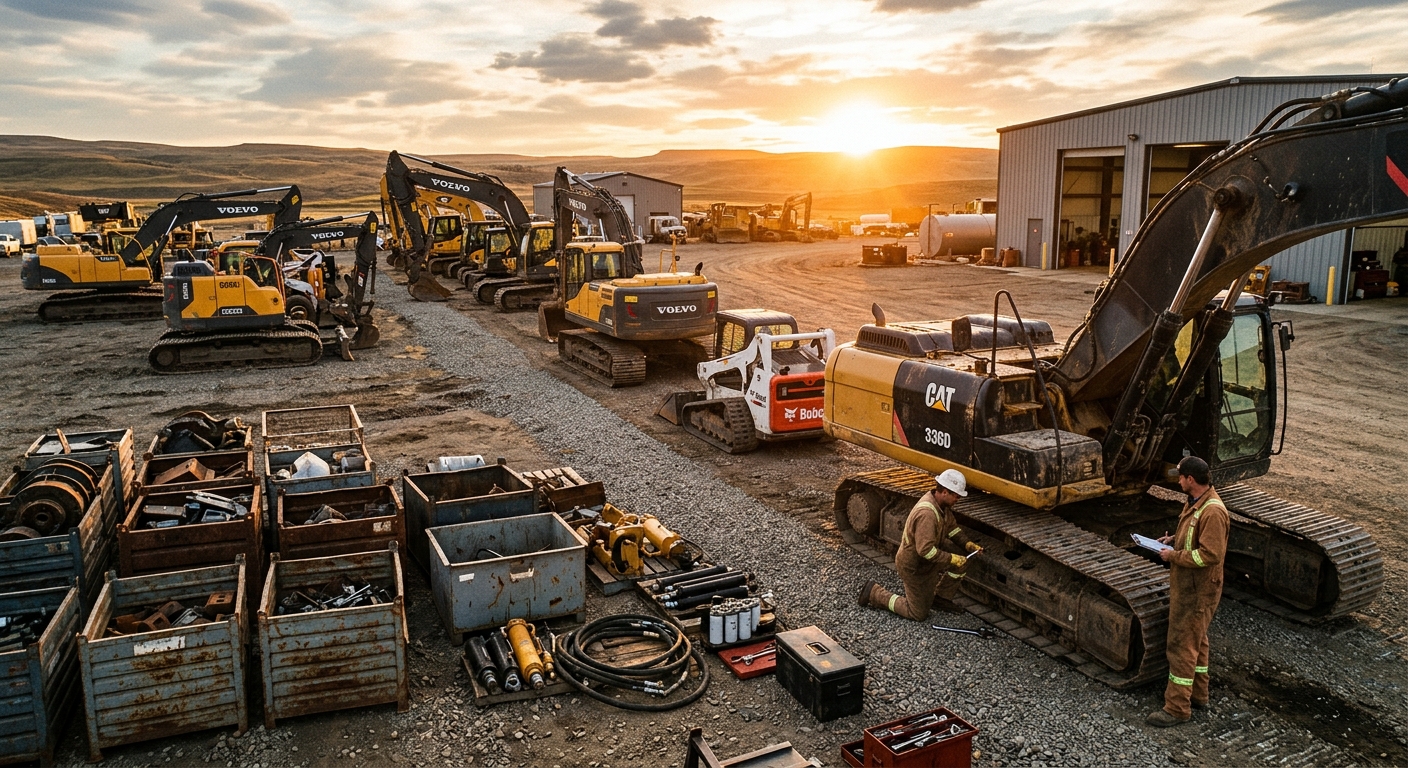
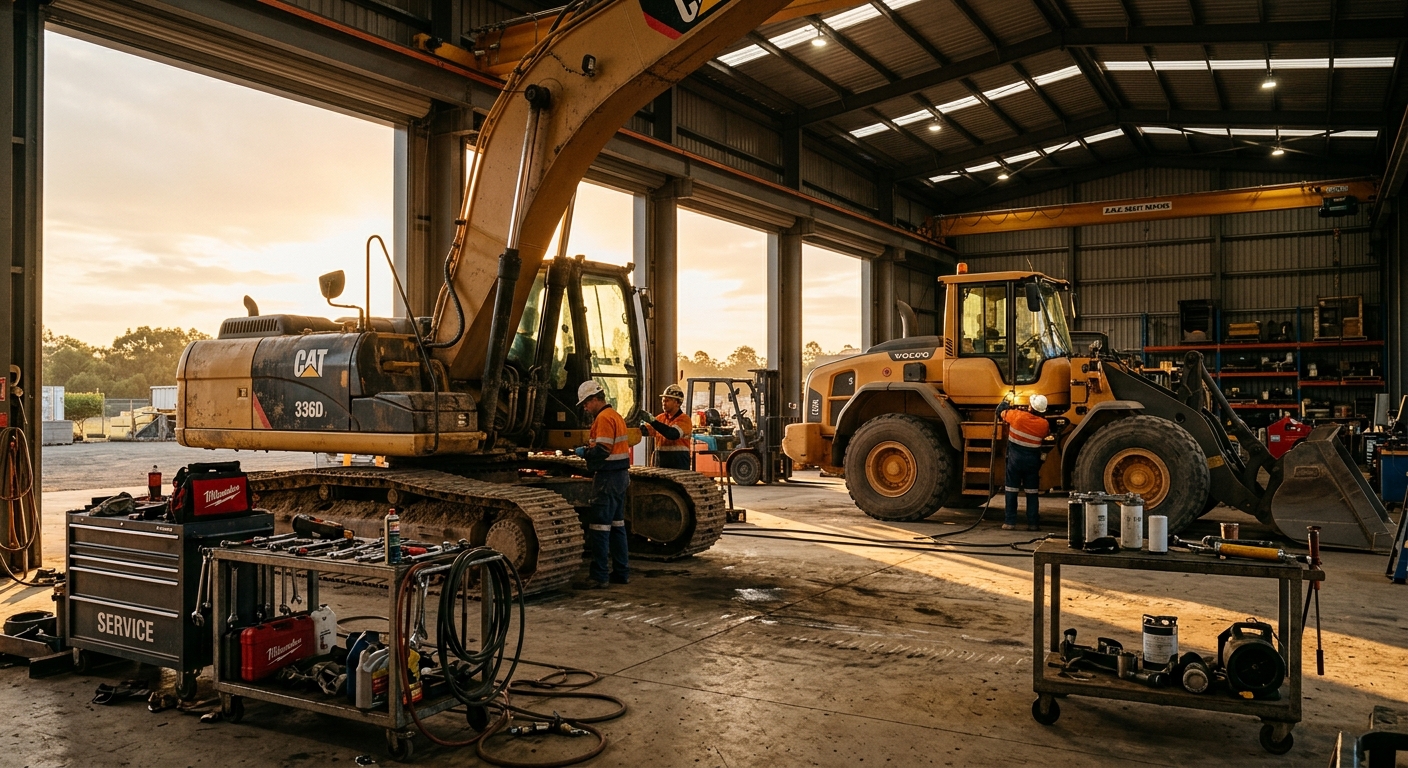
Contractors keep talking about machine prices, but the harder 2026 problem may be keeping the fleet repaired, staffed, and ready when the schedule gets tight.
Contractors keep asking whether they have enough machines. In 2026, the sharper question is whether the right operator, machine, attachment, and schedule can line up on the same day.
Contractors keep comparing skid steers, excavators, and loaders by horsepower and lift charts. The harder question in 2026 may be whether the right attachment is available, maintained, and matched to the work.
The rental market is still growing. The interesting part sits below the headline number: contractors are using rental as a hedge against uncertain backlogs, expensive machines, tighter service capacity, and faster-changing job requirements.
The newest excavator launches are not just about horsepower or bucket force. Volvo CE and DEVELON are pointing at a different fight: hydraulic response, operator aids, grade readiness, service data, and how much work a machine can take off the operator's plate.
The patent fight between Doosan Bobcat and Caterpillar is not only legal noise. It shows how much value now lives in controls, hydraulics, software, and machine behavior, not just steel and horsepower.
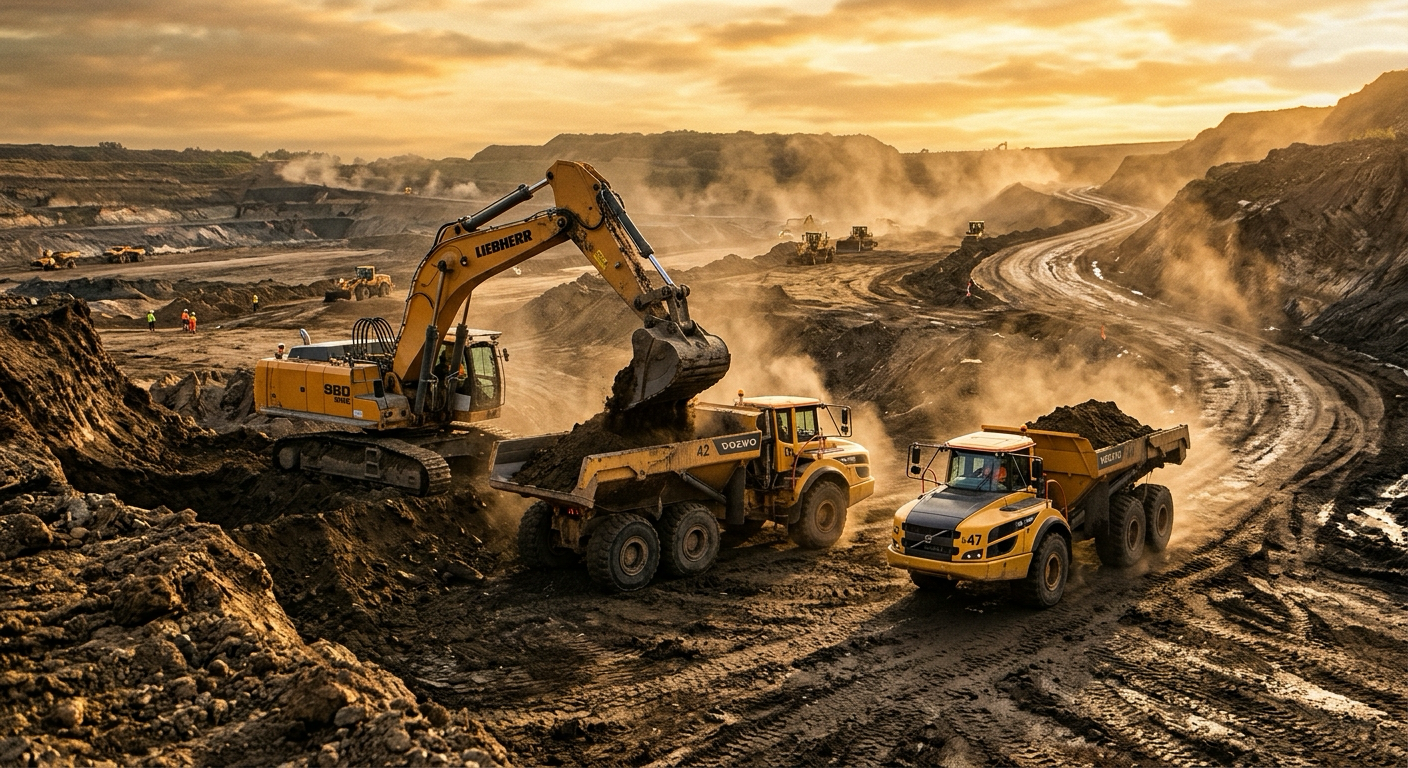
Used construction equipment is not simply getting scarce. More of the clean iron is moving into rental fleets, which changes the math for contractors, dealers, and anyone waiting for a cheap machine to appear on the used market.
Hitachi Construction Machinery will become LANDCROS in April 2027. The name change is easy to dismiss, but the real test is whether dealers can turn the brand shift into better uptime, support, and connected-service value.
High machine prices, tight labor, cautious lenders, and steady rental demand are pushing fleet owners toward a harder question: does each machine earn enough verified hours to justify owning it?
The Iowa trailer maker is not chasing the biggest iron on the job. It is focused on the support work that keeps machines from losing hours to fuel runs, oil changes, DEF handling, and field service bottlenecks.
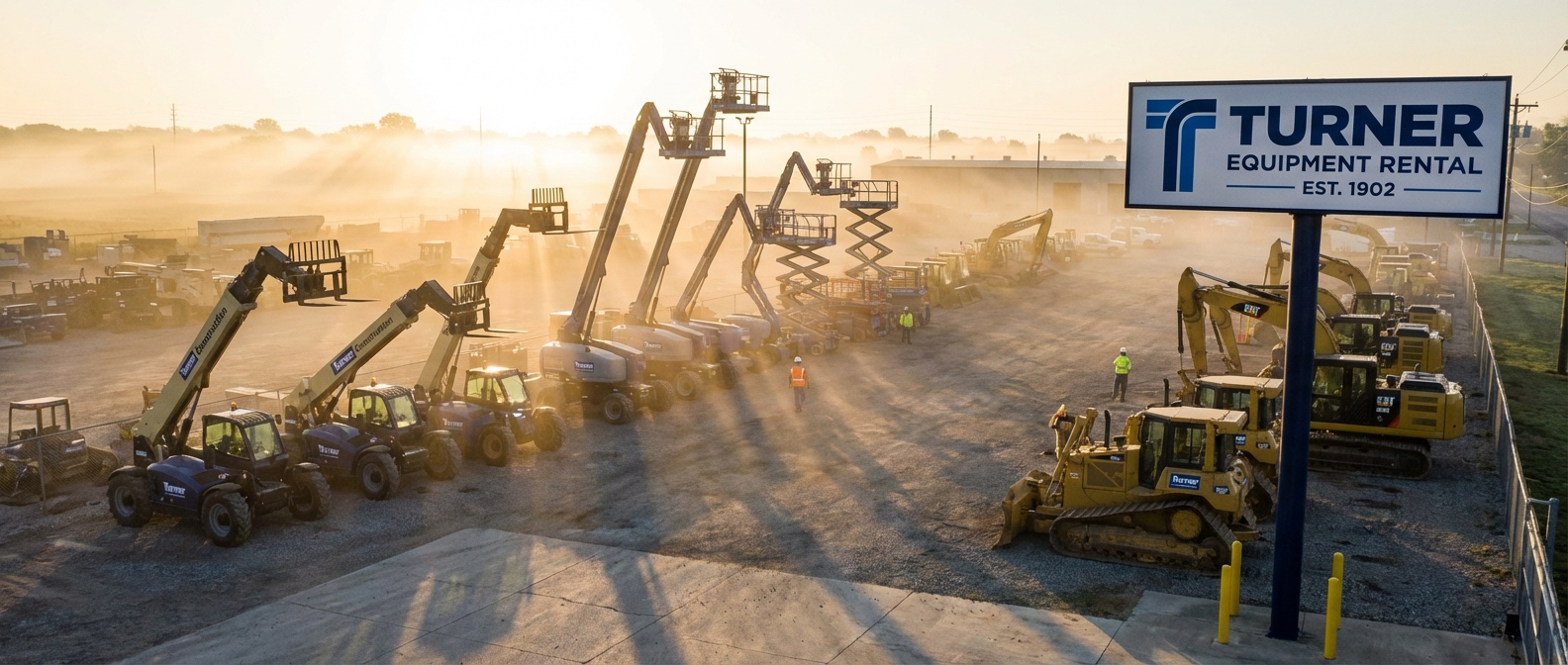
United Rentals, Herc, and the ARA forecast all point to the same rental market: demand is still there, but utilization, fleet mix, rates, and capital discipline matter more than raw fleet growth.
Alta Equipment Group has built one of the bigger dealer platforms in North America by stacking local equipment businesses into a broader sales, rental, parts, and service network. The interesting part is not the acquisition count. It is what happens after the logos get folded into one operating model.
Caterpillar just printed a $17.4 billion quarter and a $63 billion backlog. Underneath the headline numbers, the mix is shifting. Power generation for data centers is pulling the company's center of gravity in a direction most contractors are not buying for.
Werk-Brau is not chasing flashy iron. The Findlay, Ohio attachment maker has built its case around buckets, couplers, thumbs, forks, and the kind of dealer support that matters when a machine is waiting on the right tool.
North America is still slow to adopt electric construction equipment, but the global market is not waiting for a perfect use case. Wheel loaders, compact machines, quarries, and controlled jobsites are showing where battery power actually makes sense.
Gradall's 80th anniversary is more than an Ohio manufacturing milestone. It shows that the heavy equipment market still has room for odd, specialized machines that solve awkward jobs better than a conventional excavator.
Equipment World's 2026 contractor survey shows most buyers are back in the market, but the real story is more cautious than the headline. Financing is still tight, replacement windows are longer, rental is absorbing risk, and in-house maintenance is now part of the buying decision.
Kubota's new SVL110-3 is a 110-hp compact track loader aimed at high-flow attachment work. The bigger story is what it says about the next round of competition in land clearing, snow, milling, and material handling.
After a 60% drop in construction segment profits, CNH Industrial is openly looking for a partner to prop up the Case CE and New Holland Construction brands. The question is who bites.
Used heavy equipment inventory dropped over 13% year-over-year while prices hold steady. For contractors shopping the secondary market, the window is closing.
Deere & Company reports Q1 2026 results showing robust construction equipment demand with operating profit more than doubling year-over-year, signaling broader industry recovery.
Fresh market analysis shows construction equipment industry on steady growth trajectory despite industry headwinds, with excavators leading the charge and electric equipment gaining ground.
Founded in 2011 with just 12 employees, GEM Attachments has grown to nearly 80 workers and 147,000 square feet of manufacturing space—all while keeping production 100% American-made.
From reactive maintenance to predictive insights, telematics adoption is accelerating across the construction industry as contractors seek competitive advantages through data-driven fleet management.
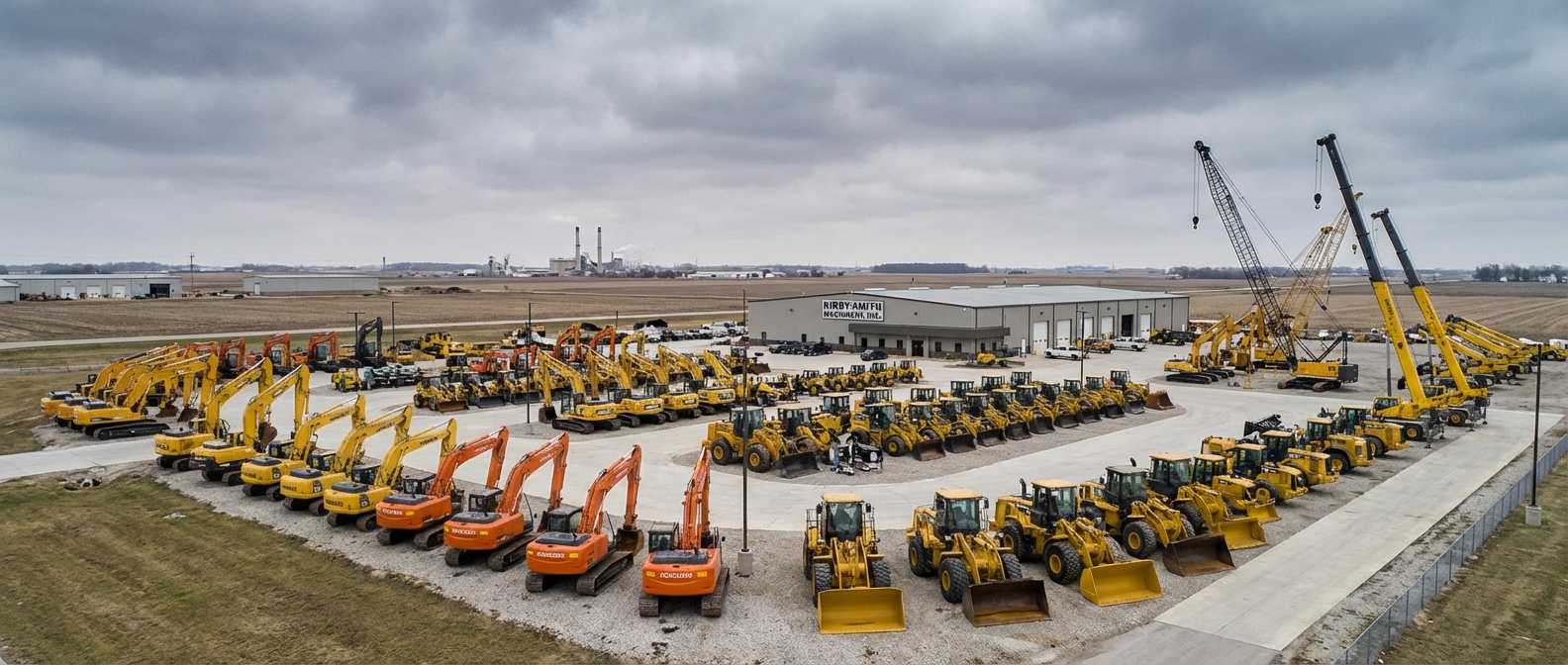
From a single Oklahoma City location selling used equipment in 1983 to a 12-branch operation representing over 30 manufacturers across six states, Kirby-Smith Machinery has become one of the most respected heavy equipment dealers in the central United States.
The nation's top contractor by revenue is rolling out an equipment rental and site services company to support 40,000 trade partners—and any other contractor who wants to rent from them.
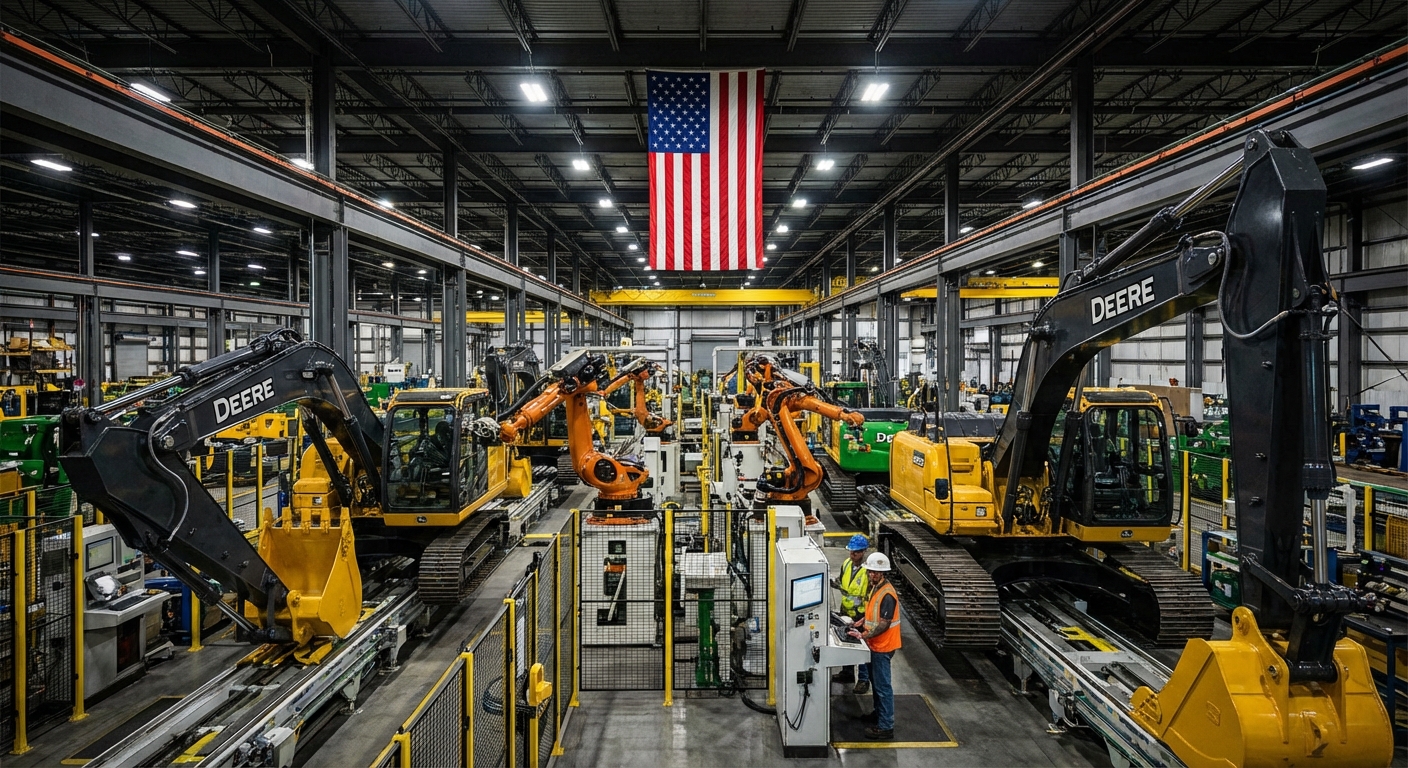
In a major reshoring move, Deere announces a $70 million North Carolina factory that will produce excavators previously manufactured in Japan—part of a $20 billion U.S. manufacturing commitment announced alongside President Trump.