
Hitachi's LANDCROS Rebrand Is a Dealer Test Before It Is a Decal Swap
Hitachi Construction Machinery will become LANDCROS in April 2027. The name change is easy to dismiss, but the real test is whether dealers can turn the brand shift into better uptime, support, and connected-service value.
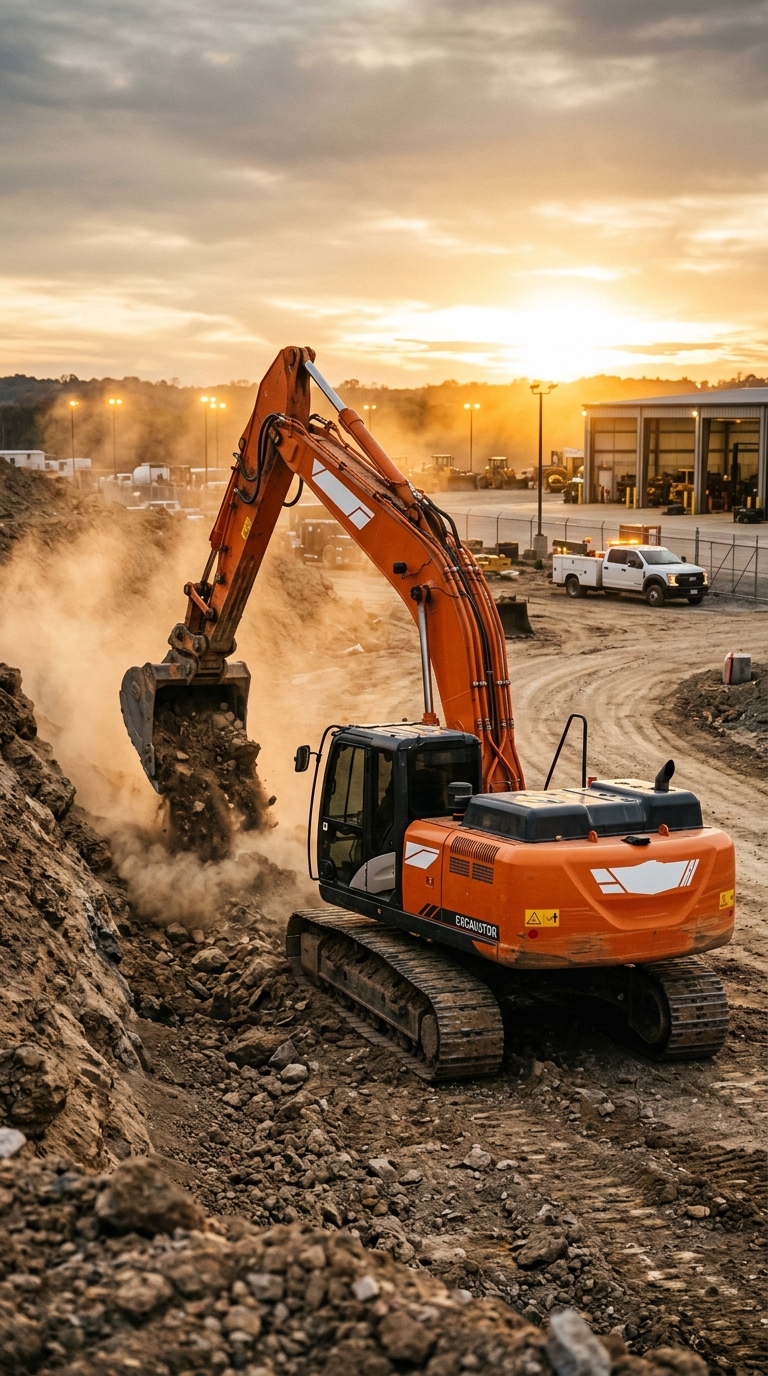
Hitachi Construction Machinery is preparing to put a new name on one of the most recognizable orange machines in the equipment market.
In April 2027, Hitachi Construction Machinery plans to change its corporate name and brand to LANDCROS. The company has already launched a dedicated LANDCROS site and a North American LANDCROS information page explaining what will and will not change. The short version is simple: the machines stay orange, the dealers stay in place, the support structure stays intact, and the decal changes from Hitachi to LANDCROS after the official launch.
That makes it tempting to treat this as a branding story. New badge. New logo. Same excavators.
That misses the more useful read. For contractors and fleet owners, the LANDCROS move is really a dealer and support test. Hitachi is asking customers to learn a new name and trust a broader promise: machines, data, service, remote support, and uptime tools working together.
FieldFix Editor’s Note: Brand changes are easy to announce. Fleet discipline is harder. FieldFix helps owners track machine hours, service records, expenses, downtime, and cost per hour, which is the kind of plain operating data that matters no matter whose decal is on the boom.
What Hitachi says is changing
The official LANDCROS pages are careful about customer anxiety. Hitachi says LANDCROS will officially launch in April 2027. Until then, machines may carry a secondary LANDCROS decal alongside the current Hitachi branding.
After launch, the visible change is supposed to be the LANDCROS name replacing Hitachi on machines and parts. The company says engineering, manufacturing processes, product quality, company structure, dealer relationships, warranty policies, and after-sales support will remain the same. It also says LANDCROS parts, maintenance information, and service instructions will continue to support Hitachi-branded machines.
That matters because construction buyers do not get sentimental about corporate identity when a machine is down. They care about parts availability, field tech response, warranty decisions, resale value, financing, and whether the dealer answers the phone at 4:45 p.m. on a Friday.
A clean rebrand keeps those basics boring.
The company also explains the name itself. LAND refers to its stated goal of supporting land and society. CROS stands for Customer, Reliable, Open, and Solutions. The company is using that language to describe a shift away from a hardware-first identity toward a broader support and technology role.
Strip out the brand language and the message is still clear: LANDCROS wants to be judged on more than iron.
Why the timing matters
This rebrand lands at a strange moment for equipment manufacturers. Buyers still need machines, but they are less patient with expensive promises.
Contractors are dealing with higher equipment prices, higher insurance, higher financing costs, tight labor, and parts delays that can turn small repairs into schedule problems. Rental companies are watching fleet age, use, repair cost, and capital spending more closely. Dealers are stuck in the middle, trying to carry enough inventory to serve customers without getting buried in stale iron.
In that market, a manufacturer saying it will become a solutions provider is not enough. Everyone says some version of that now.
The useful question is whether those solutions help the owner make or save money. Can the machine tell the shop what is coming before it fails? Can the dealer see enough data to stage parts before the mechanic arrives? Can remote support prevent a wasted service call? Can maintenance planning keep a crew working? Can a mixed fleet owner get enough clean information to make buy, rent, repair, and retire decisions?
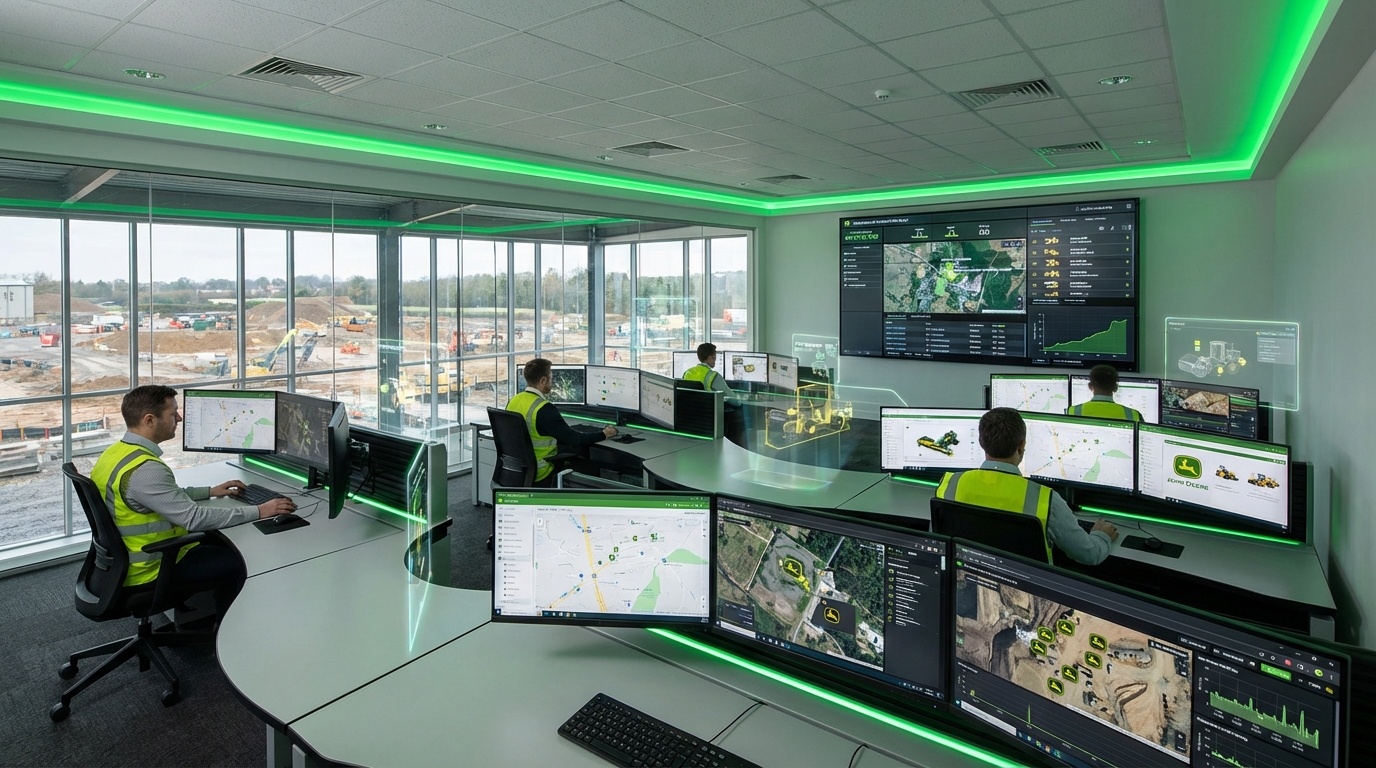
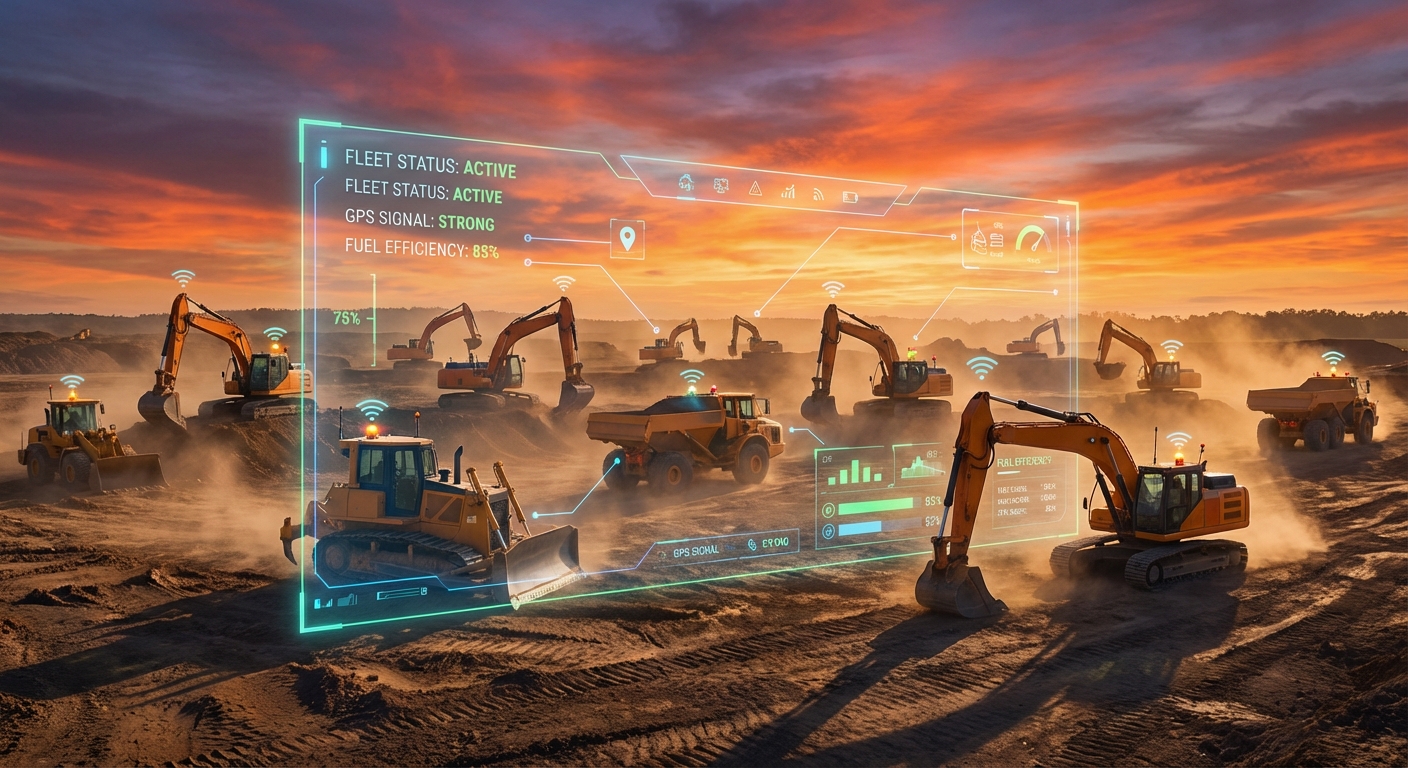
That is where the LANDCROS transition gets interesting. Hitachi’s North American page points to remote-controlled machines, AI-guided maintenance, digital twins, and LANDCROS Connect tools as part of the future. The global LANDCROS site talks about AI, robotics, sensing, communication technologies, and support across the machine lifecycle.
Those are big ideas. The jobsite test is smaller and harsher: does any of it keep the machine earning?
The Deere split still hangs over the story
The LANDCROS name change also follows a major North American reset.
Hitachi and Deere ended their longtime excavator manufacturing and distribution joint venture in 2022. Since then, Hitachi Construction Machinery Americas has been building its own dealer footprint and brand position in the United States and Canada. That history matters because many North American contractors knew Hitachi iron through the Deere relationship, Deere dealers, or Deere-branded excavators built through the partnership.
A new name adds one more layer of customer education.
For large fleets, this is manageable. They have purchasing teams, dealer relationships, and enough machine history to judge the product on performance. For smaller contractors, brand shorthand matters more. They know what their neighbor runs. They know which dealer has parts. They know which machines bring decent resale at auction. They know which service manager treats a small account like it matters.
LANDCROS has to earn that shorthand.
The good news for Hitachi is that the company is not trying to change the machine color, dealer network, or engineering story all at once. Keeping the orange paint and support promises gives dealers a cleaner message: the name is changing, the machine lineage is not.
The bad news is that clean messaging only gets one chance. If contractors see confusion on parts labels, warranty paperwork, financing documents, online portals, resale listings, or dealer inventory pages, the rebrand becomes friction.
Dealers will carry the weight
Most contractors will not experience LANDCROS through a corporate video. They will experience it through a dealer parts counter, a service truck, a sales rep, a rental yard, a trade-in appraisal, or a machine listing.
That is why the dealer network matters more than the logo.
A rebrand at this scale creates hundreds of small moments where trust can either hold or leak. A customer asks whether a Hitachi-branded ZX excavator will still be supported. A mechanic asks whether a new part number replaces an old one. A buyer asks whether resale takes a hit when the badge changes. A municipal purchasing department asks which legal entity is on the bid. An operator asks why a new machine has two decals.
If the dealer answers those questions plainly, this is a non-event. If the answers vary by branch, the new brand starts with avoidable doubt.
That is also why LANDCROS Connect and similar tools need dealer adoption, dealer adoption as much as OEM availability. Connected-machine systems are only useful when someone acts on the data. A portal that shows a fault code is useful. A dealer who calls before downtime gets ugly is better. A maintenance alert is useful. A parts department that has the kit ready before the machine arrives is better.
The companies that win this next round of equipment support will not be the ones with the prettiest dashboards. They will be the ones that turn machine data into fewer surprises.
The technology promise needs a practical filter
The LANDCROS materials lean hard into future technology: AI-guided maintenance, remote control, digital twins, robotics, sensing, communication systems, and broader lifecycle support.
That direction makes sense. The industry is short on labor, short on mechanics, and under pressure to do more work with fewer experienced people. Anything that helps a newer operator work safely, helps a technician diagnose faster, or helps an owner avoid downtime deserves attention.
But contractors have learned to be skeptical. Too many equipment technology products sound great in a boardroom and die in the field because nobody has time to manage another login.
The practical filter is simple:
- Does it reduce downtime?
- Does it lower repair cost?
- Does it improve safety?
- Does it help a weaker operator perform better?
- Does it help the owner make a faster fleet decision?
If the answer is yes, the technology has a shot. If the answer is mostly branding, the market will ignore it.
This is where the LANDCROS concept could work if the company keeps it grounded. The industry does not need AI sprinkled on every brochure. It needs machines that can diagnose more clearly, dealers that can respond faster, and owners who can see the true cost of running each unit.
That is not futuristic. That is Tuesday morning fleet management.
Resale and recognition are the quiet risks
The biggest risk in any equipment rebrand comes later, in the resale market two, four, and six years after launch.
Equipment buyers understand Caterpillar yellow, Deere green, Komatsu yellow, Volvo yellow, Bobcat white, and Hitachi orange. Those colors and names carry assumptions about parts, dealer support, and auction value. LANDCROS will inherit the orange, but it still has to build name recognition with buyers who are not reading corporate FAQ pages.
Auction listings, dealer websites, finance documents, inspection reports, and parts databases need to handle the transition cleanly. A 2026 Hitachi excavator, a 2027 dual-branded machine, and a 2028 LANDCROS machine may be mechanically familiar, but the market needs that explained in a way that does not punish owners.
This is especially important for small contractors who treat resale value as part of their financing plan. If they worry the name change creates uncertainty at trade-in, that worry can show up in buying decisions before 2027.
The fix is repetition and consistency. Dealers need to keep saying the same thing: same engineering lineage, same support, same orange, same service path, new name.
What contractors should watch before April 2027
For contractors considering Hitachi equipment during the transition, the smartest move is to skip the decal drama and ask better dealer questions.
Ask how parts labeling will work across Hitachi and LANDCROS machines. Ask whether service manuals, telematics portals, warranty claims, and financing documents are changing. Ask how trade-in values will be handled during the name transition. Ask whether the dealer has specific training for the rebrand. Ask what LANDCROS Connect actually does for your machine class and who at the dealership watches the alerts.
Also ask the boring question every owner should ask anyway: what happens when this machine breaks during a job?
That answer matters more than the brand name.
The LANDCROS move may turn out to be a smart way for Hitachi Construction Machinery to separate its future from its old corporate identity and tell a broader technology story. It may also be remembered by contractors as nothing more than a decal swap. The difference will come down to execution.
If LANDCROS makes support faster, maintenance clearer, and machine ownership easier to manage, the name will settle in. If not, contractors will keep calling the machines Hitachis for years and judge them the old-fashioned way: did they run, did the dealer show up, and did the numbers work?
That is the real rebrand.