John Deere's Tenna Acquisition Signals Major Shift in Construction Telematics
Deere's purchase of mixed-fleet tracking specialist Tenna marks a strategic pivot that could reshape how contractors manage equipment across brands—and challenges the status quo of OEM-locked telematics ecosystems.
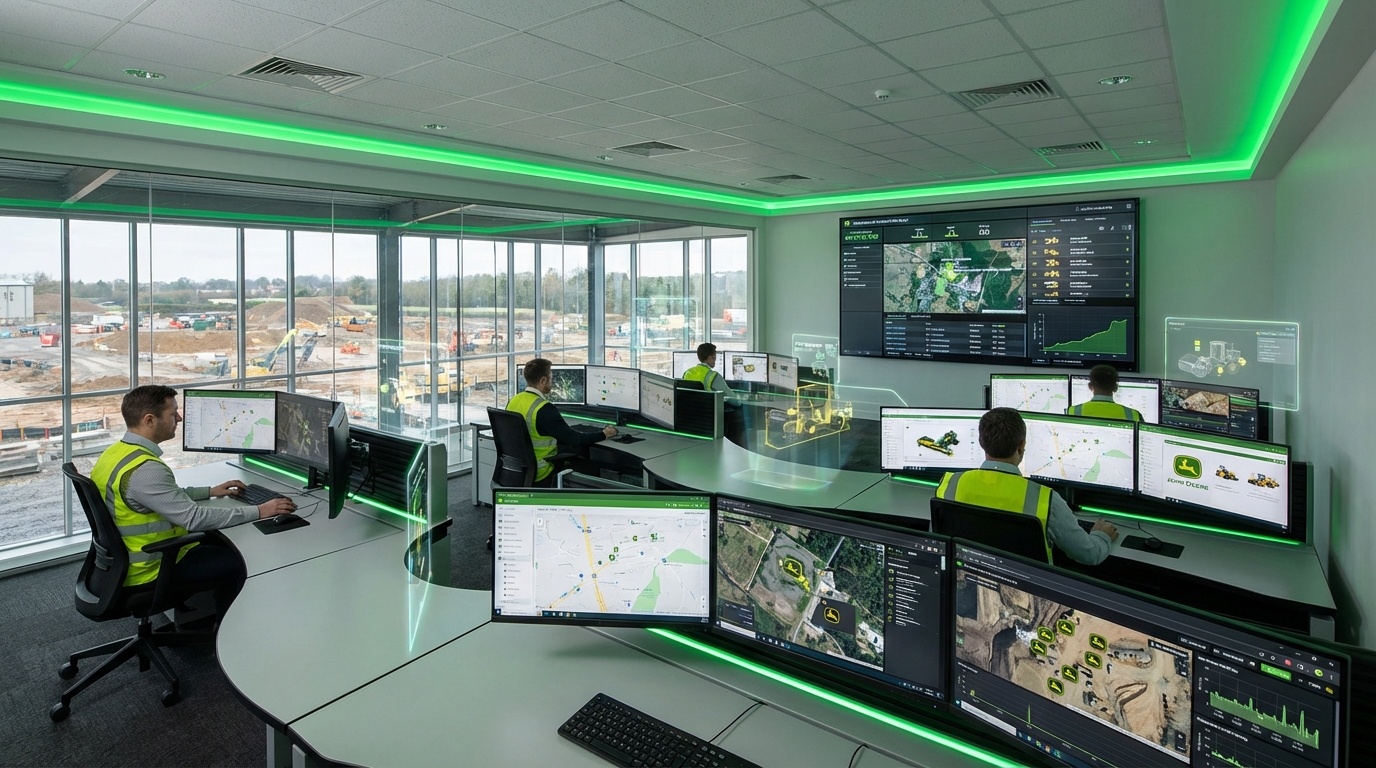
In a move that sends clear signals about the future of construction technology, John Deere announced in late December 2025 that it has entered into an agreement to acquire Tenna, a Pennsylvania-based construction technology company specializing in mixed-fleet equipment tracking and management solutions. The acquisition, expected to close in February 2026 pending regulatory approval, represents one of the most significant strategic technology investments in the heavy equipment industry in recent years.
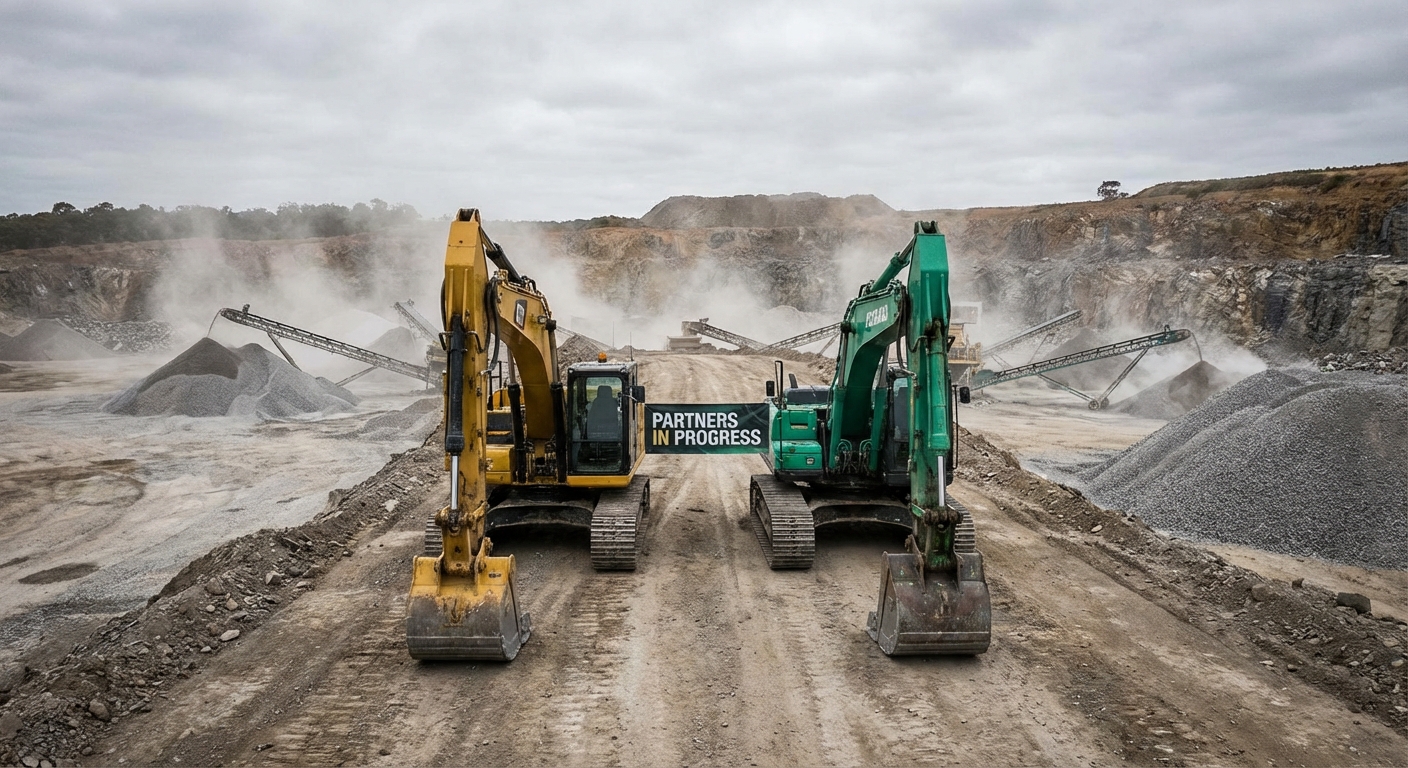
What makes this deal particularly noteworthy isn’t just the acquisition itself—it’s what Deere is acquiring. Tenna isn’t another telematics system that only works with one manufacturer’s equipment. It’s a platform built specifically for the reality of construction: mixed fleets where Cat excavators work alongside Deere dozers, Komatsu loaders, and rented equipment from a dozen different manufacturers.
Editor’s Note: The Mixed-Fleet Reality
At FieldFix, we work with contractors of all sizes, and one pattern is universal: nobody runs a single-brand fleet. The typical mid-size contractor operates equipment from 5-10 different manufacturers, plus rental machines that change weekly. This creates a telematics nightmare where fleet managers toggle between multiple proprietary apps just to get a complete picture of their assets.
Deere’s acquisition of Tenna suggests the OEMs are finally acknowledging this reality. For contractors, the question now becomes: will Tenna maintain its brand-agnostic approach under Deere ownership, or will it gradually tilt toward the green machines? Learn how FieldFix provides manufacturer-agnostic fleet insights.
The Deal at a Glance
Based in New Hope, Pennsylvania, Tenna has built its reputation on what the company calls “Built By Contractors For Contractors™“—a philosophy rooted in over a century of construction industry experience through its parent company, The Conti Group.
The Conti Group is no construction industry newcomer. Founded in 1906, the private holding company has evolved from a four-generation, family-owned construction business into a diversified firm with holdings across engineering, renewable energy, real estate, and technology. That construction DNA runs deep in Tenna’s product design.
According to Deere’s announcement, Tenna will continue to operate as an independent business after the acquisition closes, marketed directly to construction customers under the Tenna tradename. The company will focus on “scaling and growing the business through its proven mixed-fleet customer-focused business model.”
That last phrase—“mixed-fleet customer-focused business model”—is the key to understanding why this deal matters.
Why Mixed-Fleet Tracking Changes Everything
Walk onto any active construction site and count the logos on the equipment. You’ll likely see yellow (Cat), green (Deere), orange (Hitachi, Doosan), white (Bobcat), red (Kubota), and countless others. Add in rental equipment—which might wear the colors of United Rentals, Sunbelt, or regional suppliers—and you’ve got a rainbow of manufacturers all working the same job.
This is the mixed-fleet reality that every contractor lives with. And until now, the telematics solutions from major OEMs have largely ignored it.
Caterpillar has Cat Digital and VisionLink. Deere has JDLink. Komatsu has Komtrax. Volvo has ActiveCare. Each system excels at tracking its own brand of equipment but offers limited visibility into competitor machines. For a fleet manager trying to understand utilization across their entire operation, this means logging into multiple portals, exporting data to spreadsheets, and manually assembling a complete picture.
Tenna was built to solve exactly this problem.
Inside Tenna’s Platform
Tenna’s integrated construction technology platform offers several capabilities that distinguish it from OEM-centric solutions:
Mixed-Fleet Asset Tracking: Using a combination of GPS, cellular, Bluetooth Low Energy (BLE), and QR code technologies, Tenna can track virtually any asset—from heavy iron to attachments to small tools. The company’s hardware lineup includes the TennaCANbus for heavy equipment, TennaFLEET for vehicles, TennaMINI for smaller assets, and TennaBLE for Bluetooth-enabled tracking.
Real-Time Operations Visibility: The platform provides contractors with what Tenna calls “a near real-time, full-picture view of equipment operations.” This includes location tracking, utilization data, and equipment status across all assets regardless of manufacturer.
Maintenance Management: Beyond tracking, Tenna offers preventive maintenance scheduling, work order management, parts inventory, and mechanic time card functionality—all designed specifically for construction equipment workflows.
Safety and Compliance: The platform includes AI-powered dash cams, driver scorecards, DVIR (Driver Vehicle Inspection Reports), and other compliance tools that help contractors manage fleet safety.
Integration Capabilities: Critically, Tenna integrates with accounting and ERP systems, construction management software, and OEM telematics platforms through AEMP (Association of Equipment Management Professionals) standards. This allows contractors to pull manufacturer data into a unified view.
According to Tenna’s website, the platform is trusted by over 650 construction businesses—a significant footprint that gives Deere instant access to a proven customer base.
Strategic Implications for Deere
For John Deere, this acquisition represents a strategic pivot that acknowledges a fundamental truth: contractors will never be single-brand customers.
Deere’s traditional telematics approach through JDLink has been focused on its own equipment ecosystem. While JDLink is powerful for Deere machines, it doesn’t solve the mixed-fleet visibility problem that contractors face daily. By acquiring Tenna and explicitly committing to maintain its brand-agnostic approach, Deere is essentially saying: “We understand your fleet isn’t all green, and we still want to help you manage it.”
This is a significant philosophical shift. Rather than trying to lock contractors into an all-Deere fleet through ecosystem advantages, Deere is positioning itself as a technology partner for all construction operations—even those dominated by competitor equipment.
The business case is straightforward. If Tenna can become the default fleet management platform for contractors, Deere gains:
- Data insights across the entire construction industry, not just Deere customers
- Customer relationships with contractors who may not own any Deere equipment today
- A platform play that could eventually influence equipment purchasing decisions
- Recurring software revenue independent of equipment sales cycles
Industry Reactions and Competitor Moves
The Tenna acquisition follows a broader pattern of technology investment across the heavy equipment industry.
Earlier this month, Hitachi Construction Machinery announced a $3 million investment in Rithmik Solutions, a Canadian AI company focused on predictive analytics for construction equipment. While smaller in scale than the Deere-Tenna deal, it signals similar strategic thinking: OEMs are looking beyond their own machines to build technology capabilities.
Caterpillar has been the most aggressive in building its digital ecosystem, with Cat Digital offering telematics, fleet management, and productivity tools. The recent Cat-NVIDIA partnership announced at CES 2026 suggests Cat is betting heavily on AI and autonomous systems as differentiators.
JLG recently acquired robotics technology from Canvas, indicating that even access equipment manufacturers are thinking about technology-driven differentiation.
What sets the Tenna acquisition apart is its explicit mixed-fleet focus. While other OEM technology investments tend to reinforce single-brand ecosystems, Deere’s move acknowledges that contractors need solutions that work across the competitive landscape.
What This Means for Contractors
For contractors, the Deere-Tenna deal raises both opportunities and questions.
The Good News: One of the industry’s most capable mixed-fleet management platforms now has the backing of a major OEM’s resources. This should accelerate Tenna’s development, potentially bringing new features, better integrations, and improved support.
The Uncertainty: Will Tenna maintain its brand-neutral positioning under Deere ownership? The company’s commitment to operate independently and serve mixed fleets is encouraging, but contractors will be watching closely for any signs of preferential treatment toward Deere equipment.
The Competitive Pressure: This deal may force other OEMs to reconsider their telematics strategies. If Cat, Komatsu, and others see contractors gravitating toward a Deere-owned platform that works with everyone’s equipment, they may need to respond with similar mixed-fleet solutions.
For now, Tenna’s existing customers should see continuity. The company has explicitly committed to maintaining its current business model, and the deal structure as an independent subsidiary suggests Deere understands the value of Tenna’s brand-agnostic approach.
The Conti Group’s Exit
For The Conti Group, the sale of Tenna represents a successful technology venture exit. The holding company’s roots in construction gave Tenna an authentic industry perspective that pure software companies often lack—the “Built By Contractors For Contractors” philosophy wasn’t just marketing.
The Conti Group continues to hold diverse investments across engineering, renewable energy, real estate, and technology, suggesting the Tenna sale was part of a strategic portfolio decision rather than a distress situation.
Looking Ahead: The Telematics Wars Heat Up
As the heavy equipment industry continues its digital transformation, the Deere-Tenna deal represents a new front in the competition for contractor mindshare.
The pattern is clear: equipment is becoming commoditized as manufacturers converge on similar specs and capabilities. The differentiation increasingly comes from technology—telematics, fleet management, predictive maintenance, and eventually autonomous operation.
Deere’s bet with Tenna is that the future belongs to platforms that embrace mixed-fleet reality rather than fighting it. If contractors adopt Tenna as their operational hub, Deere gains influence across fleets that include competitor equipment—a potentially powerful position as the industry evolves.
Whether competitors respond with their own mixed-fleet solutions, or double down on brand-specific ecosystems, will shape the construction technology landscape for years to come.
Timeline and Next Steps
The acquisition is expected to close in February 2026, pending regulatory approval. During the transition period, Tenna will continue serving existing customers without interruption.
For contractors considering fleet management solutions, the deal is worth watching. The combination of Tenna’s proven platform with Deere’s resources could create a compelling option—but the long-term question of brand neutrality will only be answered with time.
One thing is certain: the days of contractors accepting fragmented, single-brand telematics solutions are numbered. Whether through Tenna, competitor responses, or new market entrants, the mixed-fleet future has arrived.
This article is based on official announcements from Deere & Company and publicly available information about Tenna and The Conti Group. Equipment Insider will continue to monitor this acquisition and provide updates as the deal progresses toward closing.