Used Equipment Inventory Is Shrinking Fast — Here's What That Means for Buyers
Used heavy equipment inventory dropped over 13% year-over-year while prices hold steady. For contractors shopping the secondary market, the window is closing.
The used heavy equipment market has been a pressure valve for contractors who couldn’t stomach new iron prices. Buy a three-year-old excavator at 60 cents on the dollar, run it for five years, sell it for half what you paid. Simple math. Good math.
That math is getting harder.
January 2026 data from Sandhills Global — which tracks listings across Machinery Trader, Truck Paper, and other major marketplaces — shows U.S. used heavy construction equipment inventory fell 2.6% month-over-month and 13.05% year-over-year. That’s not a blip. That’s a trend that’s been building for over a year, and it’s starting to hit certain categories hard.
Where the Squeeze Is Tightest
Not all equipment is tightening at the same rate. Some categories are getting squeezed much harder than others.
Loader backhoes are the poster child right now. Inventory dropped 6.3% in a single month and is down 24.56% year-over-year. That’s roughly one in four machines disappearing from the market in 12 months. Asking prices jumped 4.4% month-over-month, and auction values climbed 5.2%. If you need a backhoe, you’re paying more today than you were 30 days ago.
Crawler excavators are seeing auction values tick up 4.9% month-over-month. Mini excavators — the hottest segment in construction for the past five years — have asking prices up 2.8%. Wheel loaders saw inventory drop 3.7% in January alone.
The pattern is consistent: less supply, stable or rising prices. The days of pandemic-era deals on late-model iron are over.
📋 FieldFix Editor’s Note: Tracking what you paid for a machine is only half the equation. Knowing your actual cost-per-hour — including fuel, maintenance, and downtime — tells you whether that “deal” is really paying off. FieldFix helps operators track true ownership costs across their entire fleet, so you can make buy-vs-sell decisions with real numbers instead of gut feelings.
Why Inventory Is Falling
There are a few things driving this, and none of them are going away soon.
New equipment prices keep climbing. Between steel costs, tariff uncertainty, and OEM pricing strategies, a new Cat 320 or Deere 350G costs significantly more than it did two years ago. That keeps more contractors in the used market, which absorbs inventory faster.
Fleet age is going up. When contractors hold machines longer — which they do when replacement costs are high — fewer units cycle into the secondary market. The pipeline of three-to-five-year-old trade-ins that dealers depend on for used inventory has slowed down.
Rental companies are holding too. The big rental houses — United, Sunbelt, BlueLine — typically dump fleet units at three to five years. But with utilization rates still strong and replacement costs up, many are extending hold periods. That means fewer late-model machines hitting auctions.
Infrastructure spending is real. IIJA money is flowing into projects across the country. More work means more demand for machines, which means used units get absorbed faster. This isn’t speculative — it’s showing up in utilization data across every major rental company’s earnings calls.
Auction Results Tell the Same Story
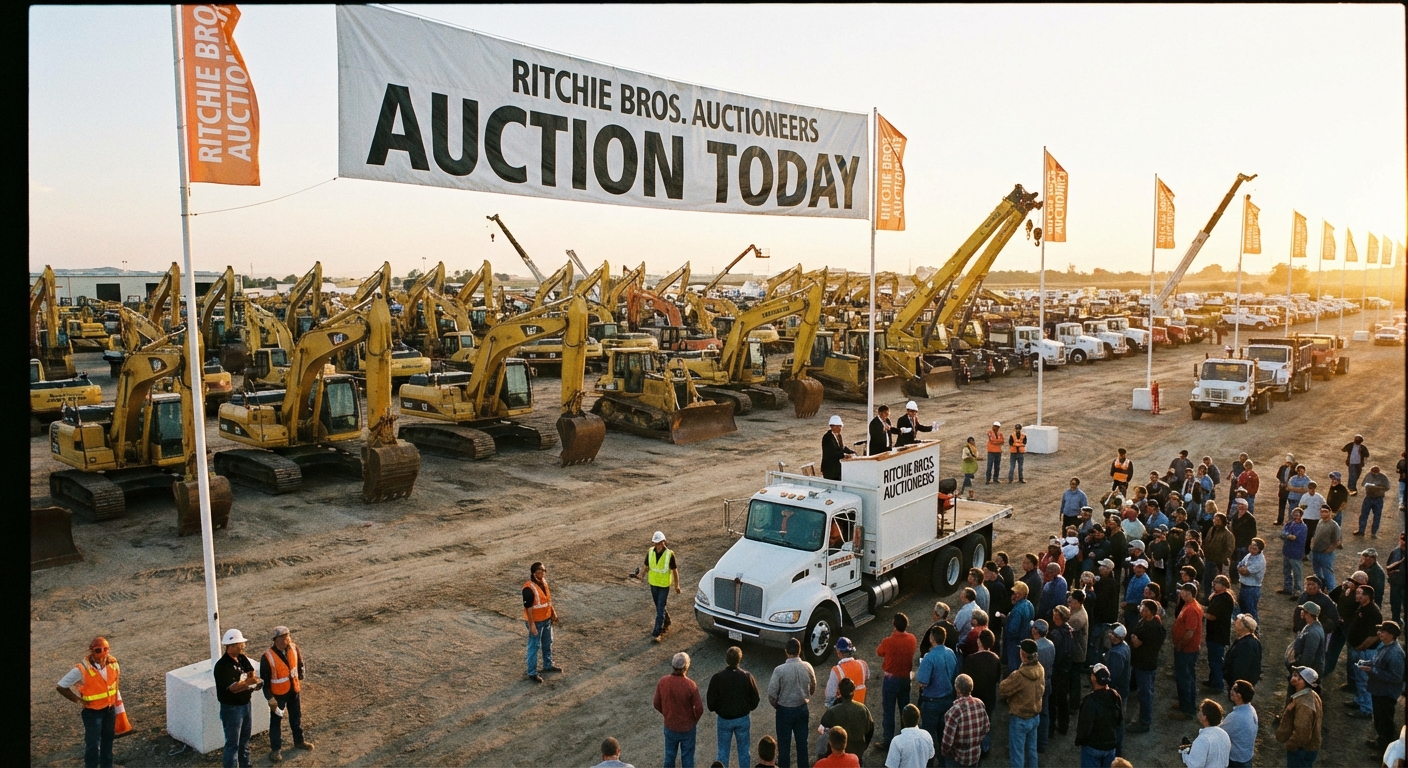
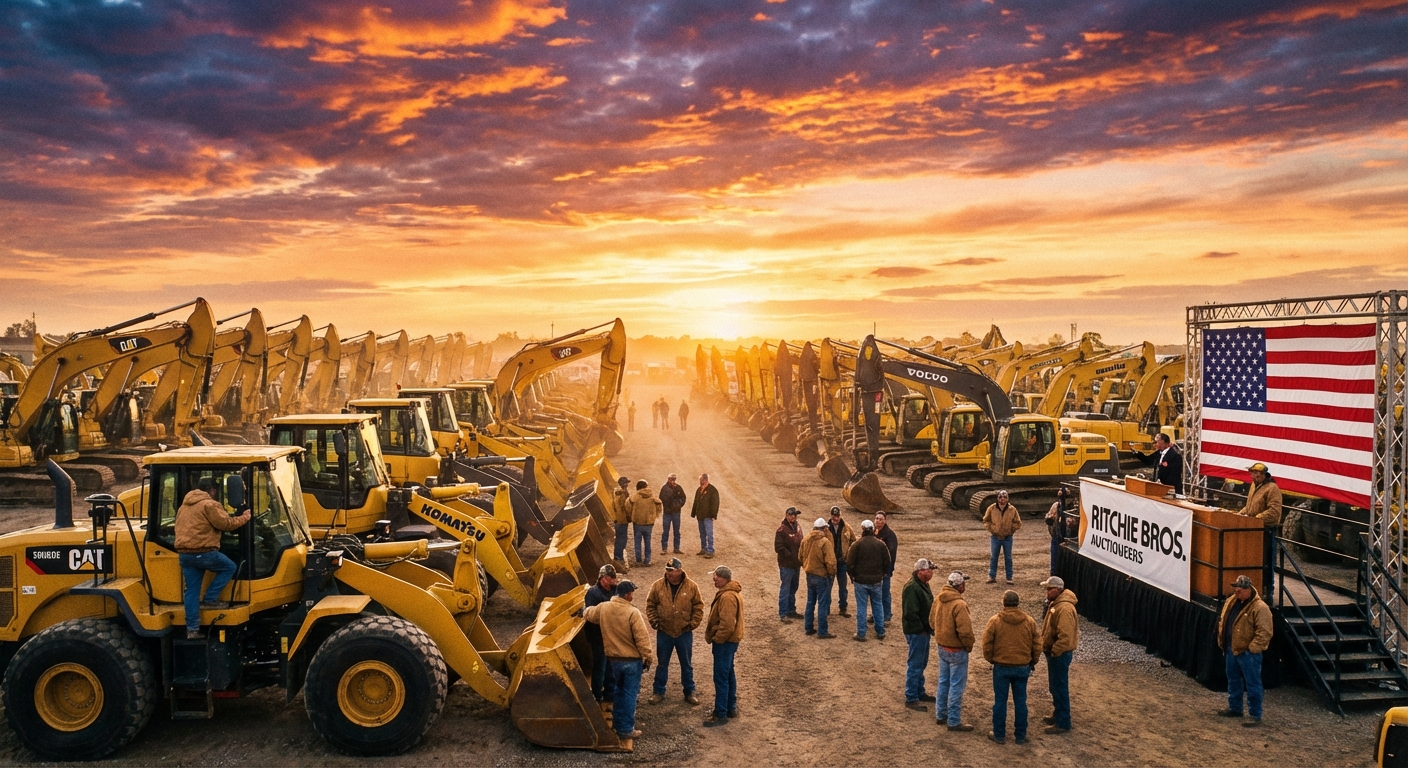
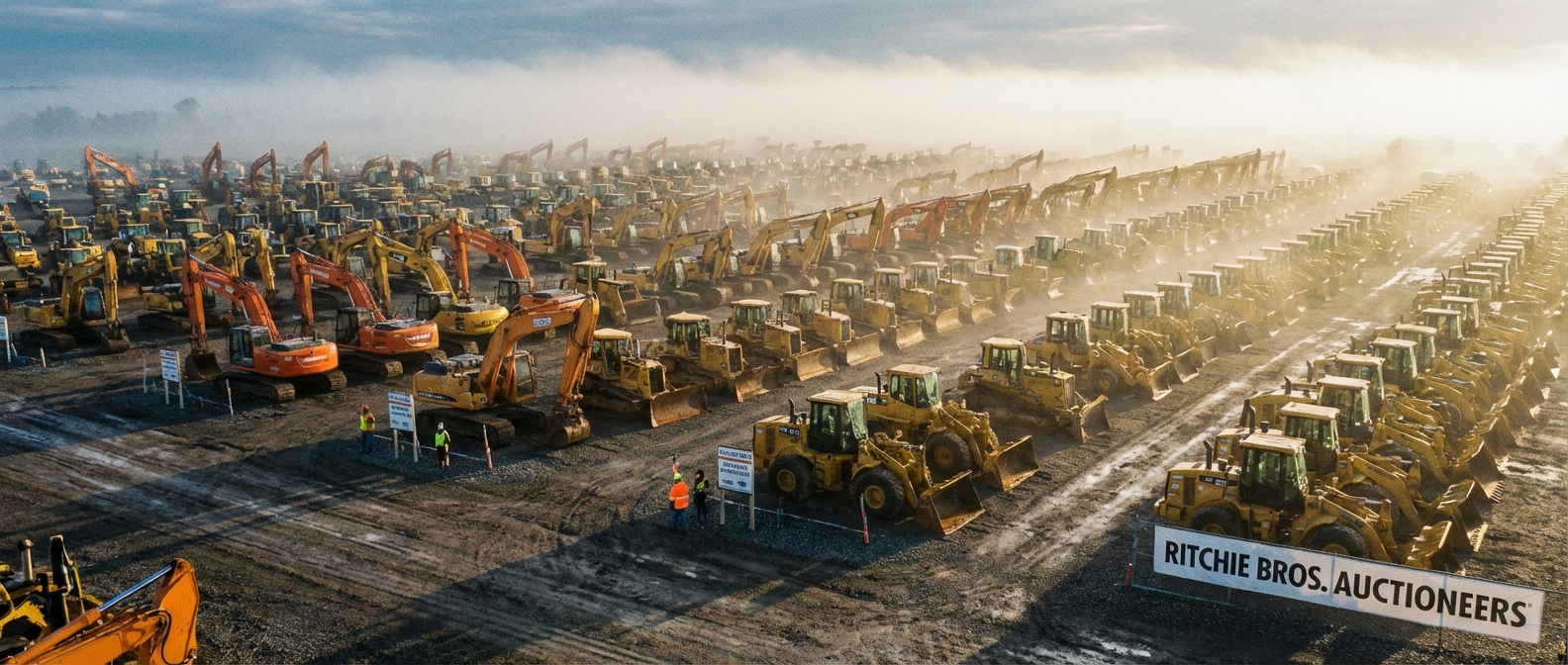
Ritchie Bros., the world’s largest equipment auctioneer, has been reporting mixed but generally firming results. In Europe, mobile excavator auction sales jumped 24% year-over-year. Backhoe loader demand on Mascus (a major online marketplace) increased 34% compared to Q4 2024.
In North America, auction values in January 2026 were up 2.91% month-over-month, though still down a slight 0.35% year-over-year. That year-over-year number has been narrowing for months. If the trend continues, we’ll see positive year-over-year auction values by spring — right when buying season kicks into gear.
The takeaway: auction floors are firming up. The bargain-hunting window that opened in late 2024 is closing.
The Rental Market Is Eating Into Supply Too
Here’s a factor that doesn’t get enough attention: the rental market is absolutely booming, and it’s pulling machines out of the for-sale pipeline.
The global construction equipment rental market is projected to hit $159.39 billion in 2026, up from $151.61 billion in 2025. The heavy construction machinery rental segment alone is expected to reach $72.08 billion in early 2026.
When rental rates stay strong, owners have less incentive to sell. Why dump a machine at auction when it’s generating $15,000 a month on rent? This creates a feedback loop — strong rental demand reduces used inventory, which pushes used prices up, which makes rental look even more attractive to end users, which keeps rental demand strong.
For contractors who prefer to own, this cycle is frustrating. The machines they want to buy are busy making money for someone else.
What Smart Buyers Are Doing
The contractors who are navigating this well aren’t waiting for prices to come back down. They’re adjusting their approach.
Buying earlier in the off-season. If you know you need a machine for spring, buy it in January or February. Waiting until March or April means competing with every other contractor who had the same idea. The data backs this up — prices tend to firm through Q1 and peak in Q2.
Looking at older iron. The sweet spot used to be three-to-five-year-old machines. Now some buyers are going seven to ten years old and budgeting for component rebuilds. A 2018 excavator with 8,000 hours and a fresh undercarriage can still run for years. You just need to know what you’re getting into.
Building dealer relationships. The best deals aren’t on marketplace listings anymore. They’re coming from dealer networks — trade-ins that never make it to the website, machines from repeat customers, fleet units that get offered to preferred buyers first. If you’re not on a first-name basis with a few dealer used equipment managers, start making calls.
Running the numbers before buying. This sounds obvious, but most contractors don’t calculate their actual cost-per-hour on existing equipment. If your current machine costs $45/hour to operate and a newer one would cost $38/hour, that savings adds up fast. But if you’re guessing at those numbers, you might overpay for a marginal upgrade.
Where Prices Go From Here
The honest answer: probably sideways to slightly up through 2026.
Inventory won’t recover quickly. The factors driving the drawdown — high new equipment prices, extended hold periods, strong utilization — are structural, not cyclical. They don’t reverse in a quarter.
The tariff situation adds another layer of uncertainty. If new tariffs on steel or imported components push new equipment prices higher, that drives even more demand to the used market. We covered the tariff angle in detail earlier this week — the short version is that any new trade barriers are bullish for used equipment values.
The wildcard is interest rates. If rates come down meaningfully in the second half of 2026, it could unlock some capital spending that’s been on hold. More new equipment purchases would eventually feed the used pipeline. But “eventually” means 2027 or 2028, not this year.
For now, if you see the right machine at a fair price, the data says buy it. Waiting hasn’t been rewarded in this market for over a year.
The Bigger Picture
The used equipment market has always been cyclical. Booms create surplus, surplus creates deals, deals get absorbed, and the cycle repeats. What’s different now is that multiple forces are compressing supply at the same time: higher new prices, longer hold periods, growing rental fleets, and real infrastructure spending.
That doesn’t mean prices will spike. The market is too fragmented and too regional for a single narrative. A backhoe in Texas trades differently than one in Ohio. But the direction is clear — the easy money in used equipment is behind us, and buyers need to be sharper, faster, and more strategic than they were two years ago.
The contractors who track their costs, maintain their relationships, and move decisively when opportunities appear will come out ahead. Everyone else will be refreshing Machinery Trader wondering where all the good listings went.