Rental Growth Is Quietly Rewriting Contractor Fleet Strategy
The rental market is still growing. The interesting part sits below the headline number: contractors are using rental as a hedge against uncertain backlogs, expensive machines, tighter service capacity, and faster-changing job requirements.
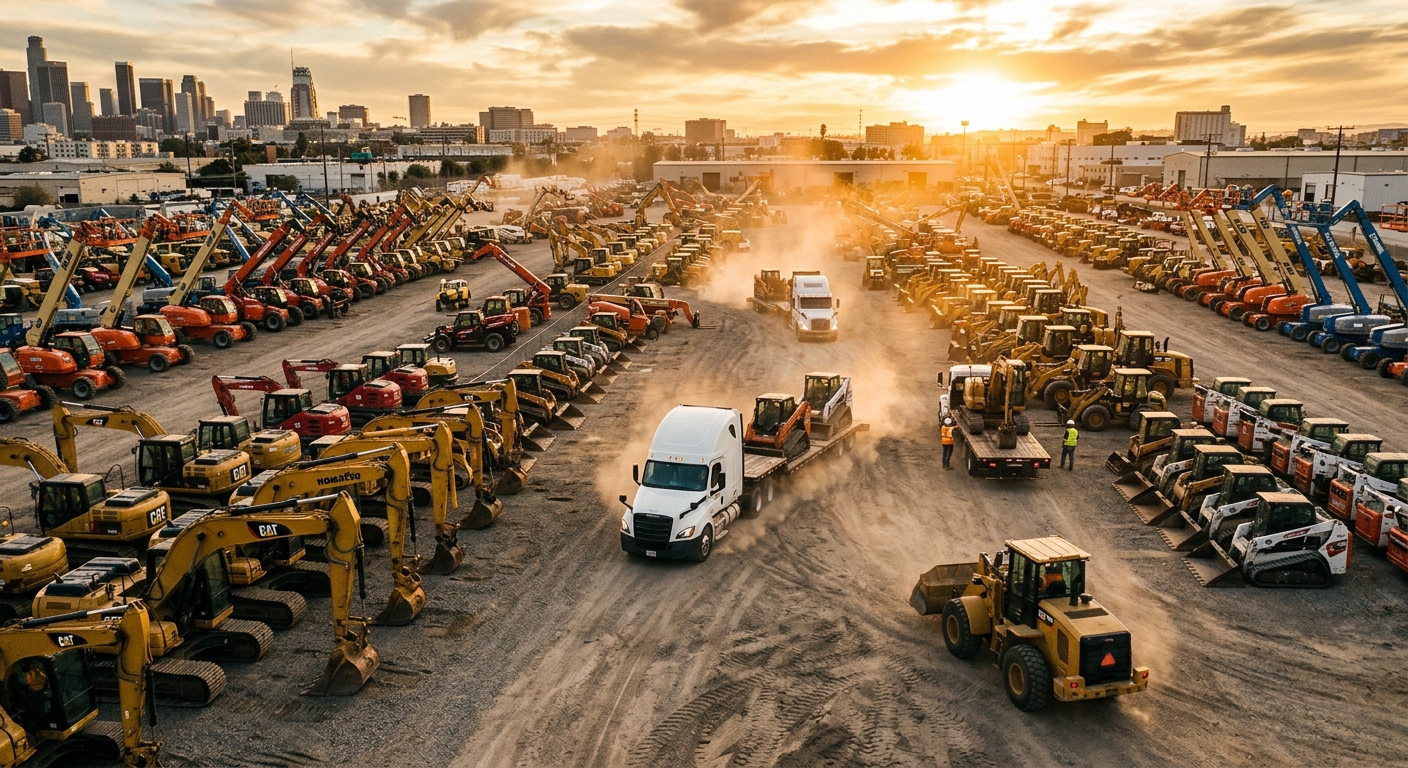
The equipment rental market is growing again. The better story is what that growth says about how contractors are thinking.
The American Rental Association’s latest forecast, reported by ForConstructionPros, puts the combined U.S. construction and industrial equipment plus general tool rental market at $83.5 billion in 2026, up 3.6 percent from 2025. Canada is projected to grow 5 percent to $6.3 billion. Those are not wild boom numbers. They are steadier than that, and that is the point.
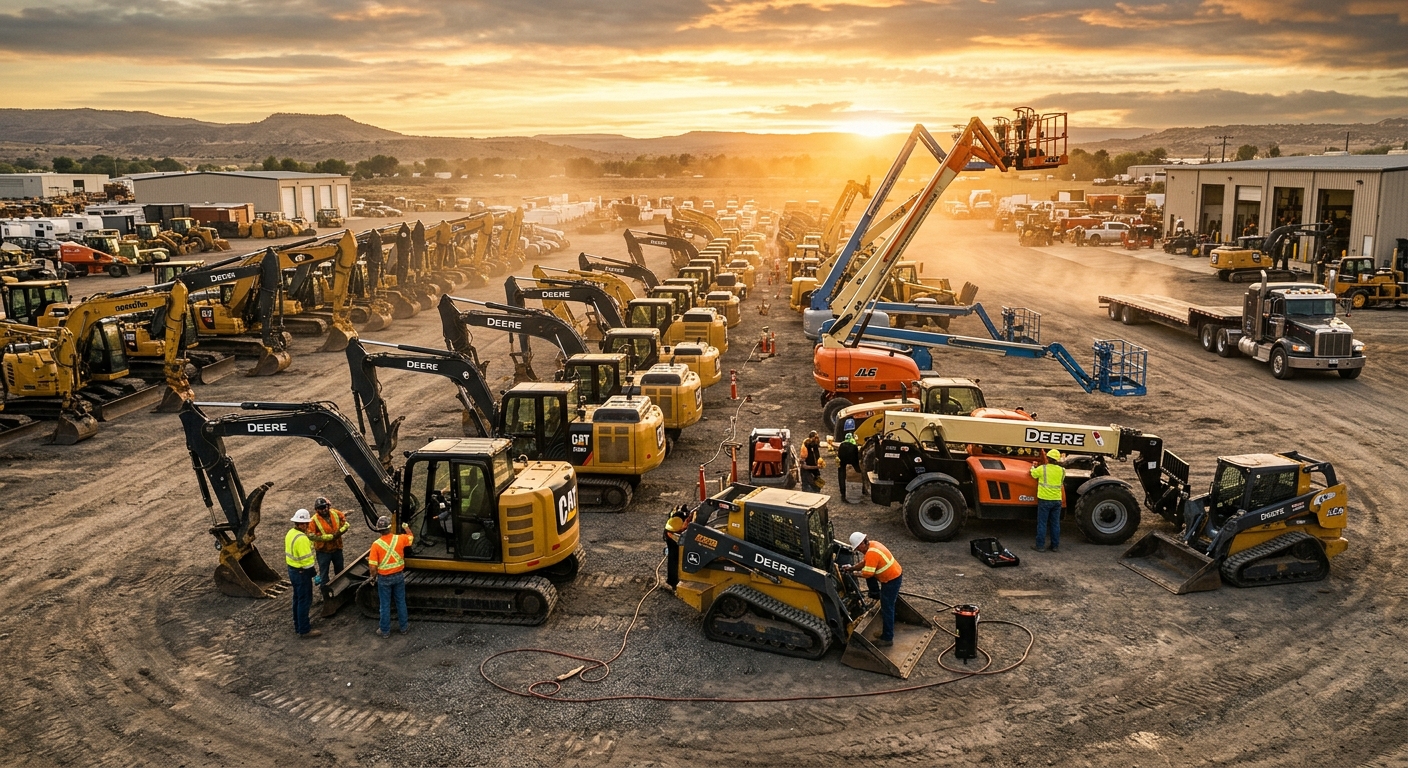
Rental keeps gaining ground because ownership is harder to justify on the edge cases. The core machines still make sense for many contractors. Excavators, loaders, skid steers, compact track loaders, dozers, lifts, trucks, trailers, and attachments can all earn their keep when use is strong. But the second machine, the specialty attachment, the backup unit, the short-term lift, the bigger excavator for one job, or the compact piece needed for a tight access project is getting a different kind of math.
Contractors are renting to protect themselves from the parts of the market they cannot control.
FieldFix Editor’s Note: Rental only works if owners know what their own machines actually cost. FieldFix helps equipment owners track machine hours, service records, repairs, downtime, fuel, and cost per hour, so rental versus ownership decisions are based on numbers instead of guesswork.
Construction spending is still high, but it is uneven
The U.S. Census Bureau’s March 2026 construction spending report estimated total construction spending at a seasonally adjusted annual rate of $2.185 trillion, up 0.6 percent from February and 1.6 percent from March 2025. Private construction was up month over month, public construction was basically flat, and private nonresidential construction was slightly down from February.
That is a mixed picture, not a collapse. There is still a lot of work in the system. The problem for contractors is that “a lot of work” rarely means predictable work.
One month the backlog looks full. The next month a project shifts, a developer waits on financing, a utility job changes schedule, a municipality delays a bid, or a customer trims scope. Contractors are managing more than demand. They are managing timing, cash, crews, financing, machine availability, transport, maintenance windows, and weather.
That is where rental starts to earn its keep. It gives a contractor capacity without the same permanent commitment.
A $250,000 machine can make sense when it is busy most of the year. The same purchase gets harder when the work is seasonal, specialized, or tied to a customer that may not repeat. Rental lets a contractor say yes to a job without turning every opportunity into a balance sheet decision.
The smart money is not “rent everything.” That is lazy. Rental rates can eat profit fast if the machine is needed longer than expected. Delivery fees, fuel, damage, insurance, attachments, standby time, and missed pickup windows all matter. But renting the uncertain pieces of a fleet is different from avoiding ownership. It is a way to keep ownership focused on the machines that actually carry the business.
The cost of owning the wrong machine keeps rising
Equipment ownership has never been just the payment. It is insurance, maintenance, tires or tracks, undercarriage, hoses, fluids, filters, depreciation, hauling, storage, software, diagnostics, repair labor, interest, and the cash tied up in the asset.
The payment is visible. The bleed is quieter.
That matters because machines are not cheap, and the support ecosystem around them is getting more complicated. Modern iron is productive, comfortable, cleaner, and easier to operate than older equipment. It also brings sensors, emissions systems, electronic controls, telematics, proprietary diagnostics, and more expensive parts. Even basic wear items feel different when a machine is financed at today’s prices and the owner is trying to keep hours high enough to justify it.
Rental companies can absorb some of that complexity at scale. They buy large fleets, spread risk across many customers, rotate machines, standardize maintenance, and dispose of equipment when the timing works. Contractors can do that too, but most small and mid-size fleets do not have the same cushion.
For a contractor, owning the wrong machine is expensive in two ways. First, the machine costs money when it sits. Second, it takes attention away from the machines that matter. Somebody still has to maintain it, insure it, move it, track it, store it, and remember why it was bought in the first place.
Every yard has a version of this machine. The attachment bought for the job that never repeated. The compact loader that was supposed to be a backup but is always in the way. The bigger excavator that only goes out three times a year. The lift that seemed cheaper to own until annual inspections and transport made it annoying.
Rental growth is partly a sign that contractors are getting less sentimental about that stuff.
The best fleets are being split into core and flex capacity
A good fleet strategy now looks more like two buckets.
The first bucket is core capacity. These are the machines that match the company’s repeatable work. They are used often, supported well, and understood by the crew. They are the machines that justify owning because the contractor can keep them productive, maintain them properly, and recover the cost through steady work.
The second bucket is flex capacity. These are the machines and attachments that help a contractor handle spikes, specialty work, schedule gaps, or unusual site conditions. That bucket is where rental often makes more sense.
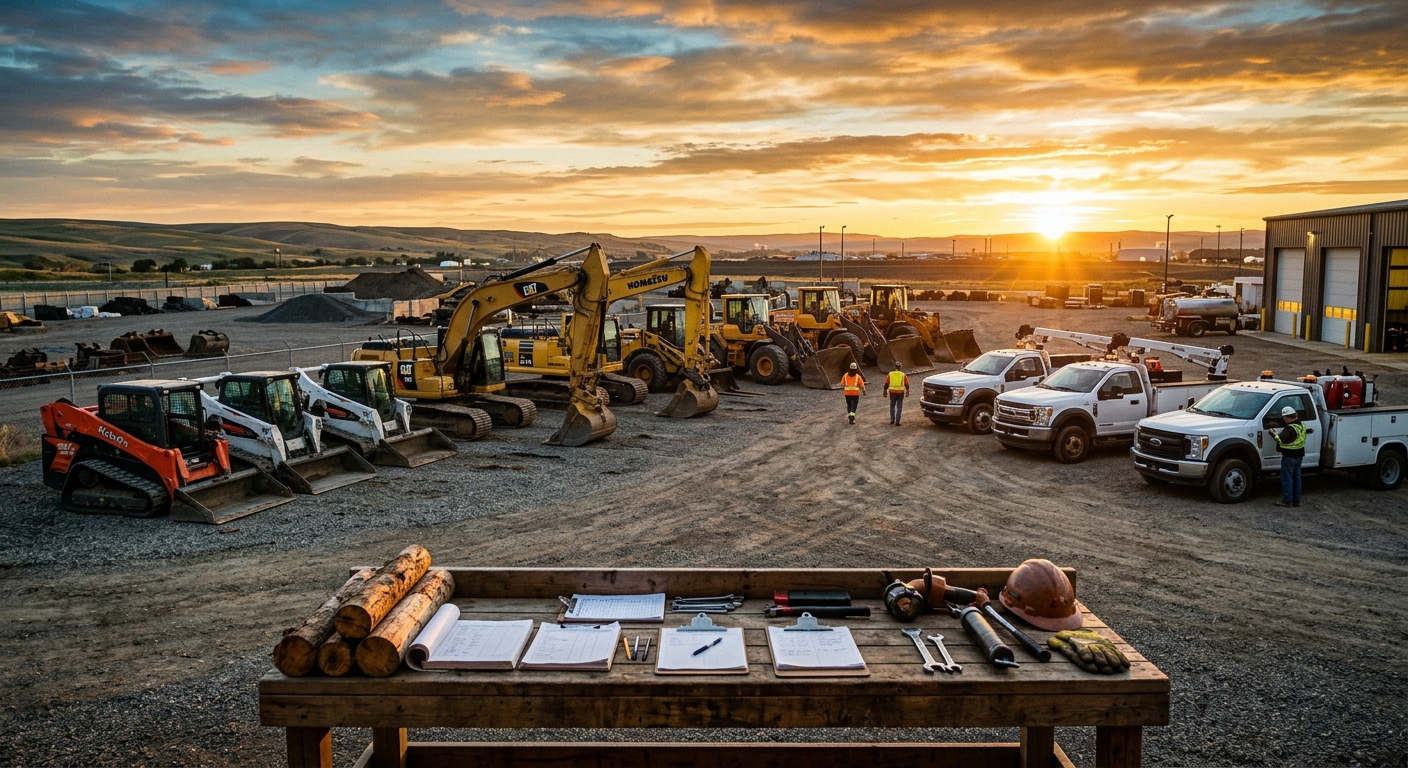
A grading contractor may own dozers, compact track loaders, and excavators, then rent rollers, trench boxes, larger excavators, or specialty compaction equipment. A land clearing contractor may own mulchers and track loaders, then rent lifts, mats, excavators, or support machines when a job demands it. A utility contractor may own the daily trenching setup, then rent pumps, shoring, generators, and traffic control equipment as job conditions change.
The pattern is simple. Own what you know you can feed. Rent what you only need sometimes.
That sounds obvious, but a lot of contractors still buy like every busy month is permanent. It is easy to do. A machine solves a pain point immediately. The operator likes it. The dealer has one available. The payment looks manageable. The last three months were slammed. Suddenly the business owns another machine before anyone has proven the work will keep coming.
Rental forces a little discipline. If the machine rents repeatedly, runs profitably, and keeps showing up in the schedule, then ownership may be the next move. If it only looked good for one job, the contractor can hand it back.
That trial period has value.
Rental is also a service-capacity hedge
The technician shortage is another reason rental keeps looking better. When service capacity is tight, owning more machines does can fail to create more productive capacity. Sometimes it creates more maintenance exposure.
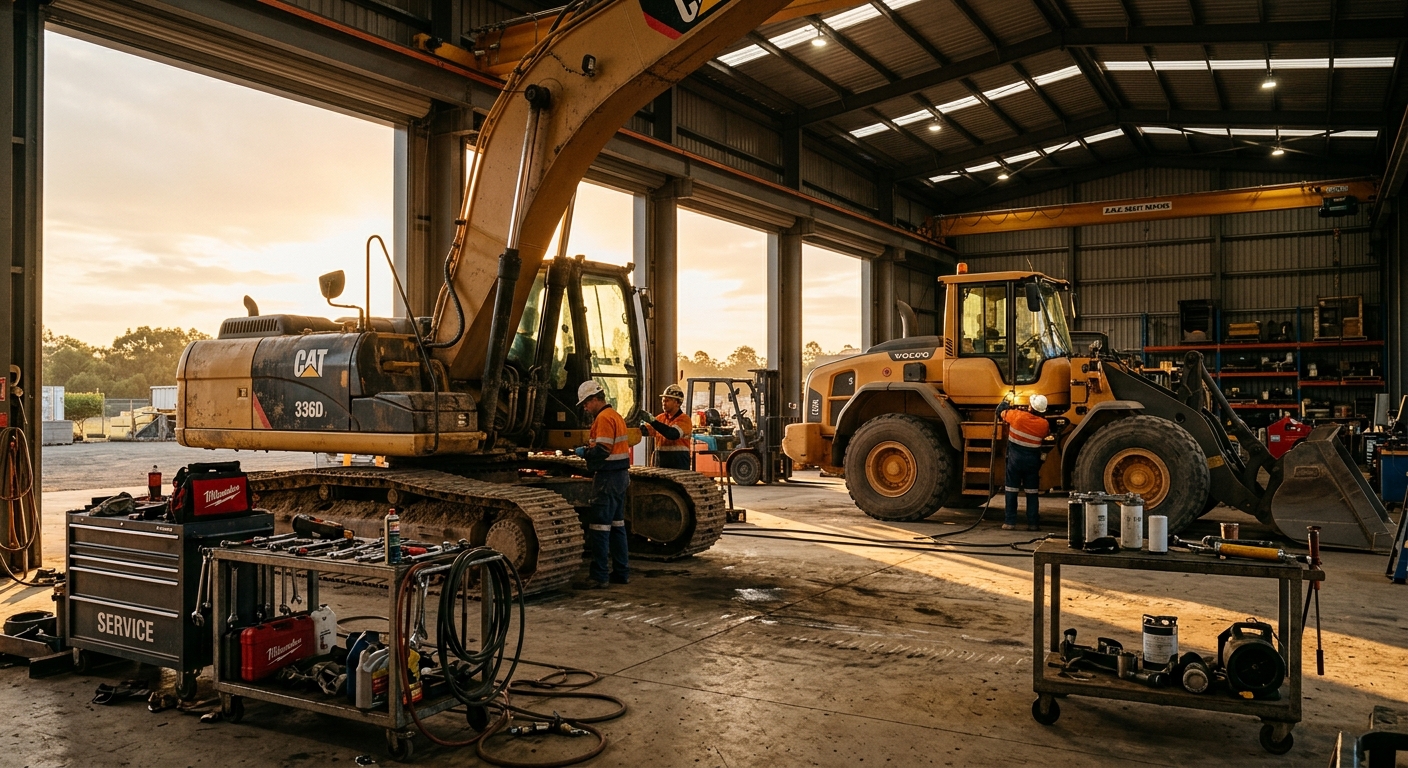
Rental does not remove downtime. Anyone who has waited on a replacement unit knows that. But it does shift some responsibility. The rental house has to keep the fleet ready, schedule service, manage repairs, and replace problem units when possible. For contractors without deep in-house maintenance, that support is part of what they are buying.
This is especially true for equipment that is used hard but not constantly. If a contractor rents a lift twice a month, the rental company handles annual inspections, repairs, battery issues, tires, controls, and fleet rotation. If the contractor owns it, all of that lands in the yard.
There is a catch. Rental companies are dealing with the same labor, parts, emissions, and financing pressures as everyone else. A weak rental partner can create its own problems: poor availability, tired machines, slow swaps, vague billing, or units that show up with issues. Renting still demands judgment from the contractor.
The best contractors treat rental partners almost like dealers. They know who has clean equipment, who delivers on time, who fixes problems, who communicates, and who will actually answer the phone at 6 a.m. when a machine is dead and a crew is standing around.
Rental relationships matter now. The cheapest daily rate is can still be the most expensive choice.
Specialty attachments are where the math gets dangerous
Attachments deserve their own warning because this is where contractors talk themselves into bad purchases.
A specialty attachment can turn a standard carrier into a different machine. Mulchers, breakers, brooms, planers, grapples, augers, screening buckets, stump grinders, trenchers, and soil conditioners can all open new work. The temptation is real. Buy the attachment, market the service, and grow into it.
Sometimes that works. Often, the attachment sits.
The problem is that attachments need more than a carrier. They need the right hydraulic flow, enough horsepower, proper guarding, trained operators, parts support, wear items, storage, transport, and enough sold work to justify the purchase. They can also beat up the carrier, especially in harsh applications.
Rental is a useful filter. If a contractor cannot sell the work often enough to justify renting the attachment several times, ownership is probably premature. If the attachment rents constantly and the contractor understands the true operating cost, then buying starts to make sense.
This is not timid advice. It is survival advice. Contractors do not go broke because one machine payment looks bad on paper. They get squeezed because ten small ownership decisions quietly stack into a fleet that is too expensive, too scattered, and too hard to keep busy.
The rental market is a signal, not only a service
The ARA forecast matters because rental demand is a read on contractor behavior. When contractors feel confident but cautious, rental benefits. When projects exist but timing is uncertain, rental benefits. When machines are expensive and financing is less forgiving, rental benefits. When service capacity is tight, rental benefits. When job scopes change fast, rental benefits.
That does not mean rental companies have an easy path. They still have to buy the right machines, control fleet age, manage use, price intelligently, staff service departments, and avoid chasing demand that disappears. A rental fleet full of the wrong iron has the same problem as a contractor fleet full of the wrong iron, just at a bigger scale.
For contractors, the lesson is more practical.
Stop treating rental as a last-minute patch. Treat it as part of fleet planning. Build a core fleet around the work the company wins repeatedly. Use rental to test new services, cover spikes, handle specialty jobs, and avoid owning machines that do not earn their spot. Track the true cost of owned equipment so the rent-versus-buy decision is not just a feeling.
The contractors who get this right will look more flexible than their competitors. They will have less dead iron in the yard, fewer machines bought on optimism, and a cleaner view of what each piece of equipment is supposed to do.
Rental will not replace ownership. It exposes which ownership decisions were weak from the start.