
Rental Fleets Are Eating the Best Used Machines
Used construction equipment is not simply getting scarce. More of the clean iron is moving into rental fleets, which changes the math for contractors, dealers, and anyone waiting for a cheap machine to appear on the used market.

The used equipment market is sending a blunt message in 2026: the best machines are not sitting around waiting for bargain hunters. Clean construction iron is getting pulled into rental fleets, kept longer by contractors, or financed under terms that make owners reluctant to sell unless they have to.
That matters because a lot of contractors built their buying strategy around the idea that the used market would loosen once supply chains recovered. New machine lead times improved. Dealer lots looked healthier than they did in 2021 and 2022. Interest rates were supposed to cool demand. The expected result was a softer used market with more choice.
That is not what the better data says.
FieldFix Editor’s Note: Scarcity is expensive when you do not know your own numbers. FieldFix helps equipment owners track hours, service history, use, and cost per machine, so the buy, rent, repair, or sell decision is based on real fleet data rather than gut feel.
The used market is tight in the places that matter
In March, Sandhills Global reported that used construction equipment inventory across its platforms was trending down in every major construction category except forklifts. Heavy-duty construction equipment, including crawler excavators, dozers, and wheel loaders, had been trending down for eight months. February inventory was down 11.03 percent from the prior year. Medium-duty equipment, including skid steers, backhoes, and mini excavators, was down 13.24 percent year over year. Loader backhoe inventory fell 25.66 percent year over year.
Those numbers are not abstract. They describe the exact machines smaller contractors depend on when they need capacity without buying new: compact track loaders, minis, backhoes, dozers, wheel loaders, telehandlers, and aerial lifts. When those machines get thin, buyers pay more and waste time looking. They stretch repair decisions, compromise on hours or spec, or rent because the right used machine is not available when the job calendar needs it.
The same Sandhills report said used heavy-duty asking values were down 2.34 percent year over year while auction values were roughly flat, down 0.03 percent. Medium-duty asking values were almost flat, down 0.22 percent year over year, while auction values were up 0.41 percent. In plain language, inventory is tighter than the price chart alone suggests. Buyers waiting for a broad used-equipment washout have been waiting on a market that keeps absorbing the better machines.
That does not mean every machine is strong. Rough trade-ins, oddball configurations, and tired rental returns still sit. The squeeze is in clean, work-ready machines with normal hours and specs that fit a wide buyer pool. That is the iron everyone wants, and that is the iron disappearing first.
Rental companies are one reason supply is not showing up
The American Rental Association’s May 2026 forecast puts combined U.S. construction and industrial equipment plus general tool rental revenue at $83.5 billion for 2026, up 3.6 percent from 2025. ARA also said the trend toward rental versus ownership continues, driven by project uncertainty, market volatility, financial flexibility, sustainability concerns, and the high cost of owning equipment.
That trend changes the used market in two ways.
First, rental companies need iron. If contractors are less willing to own under uncertain backlogs and higher borrowing costs, rental fleets have to fill the gap. A contractor that once bought a used compact excavator may now rent one for a sewer job, a subdivision phase, or a utility tie-in. Multiply that across thousands of small firms and rental houses need more well-kept, versatile machines.
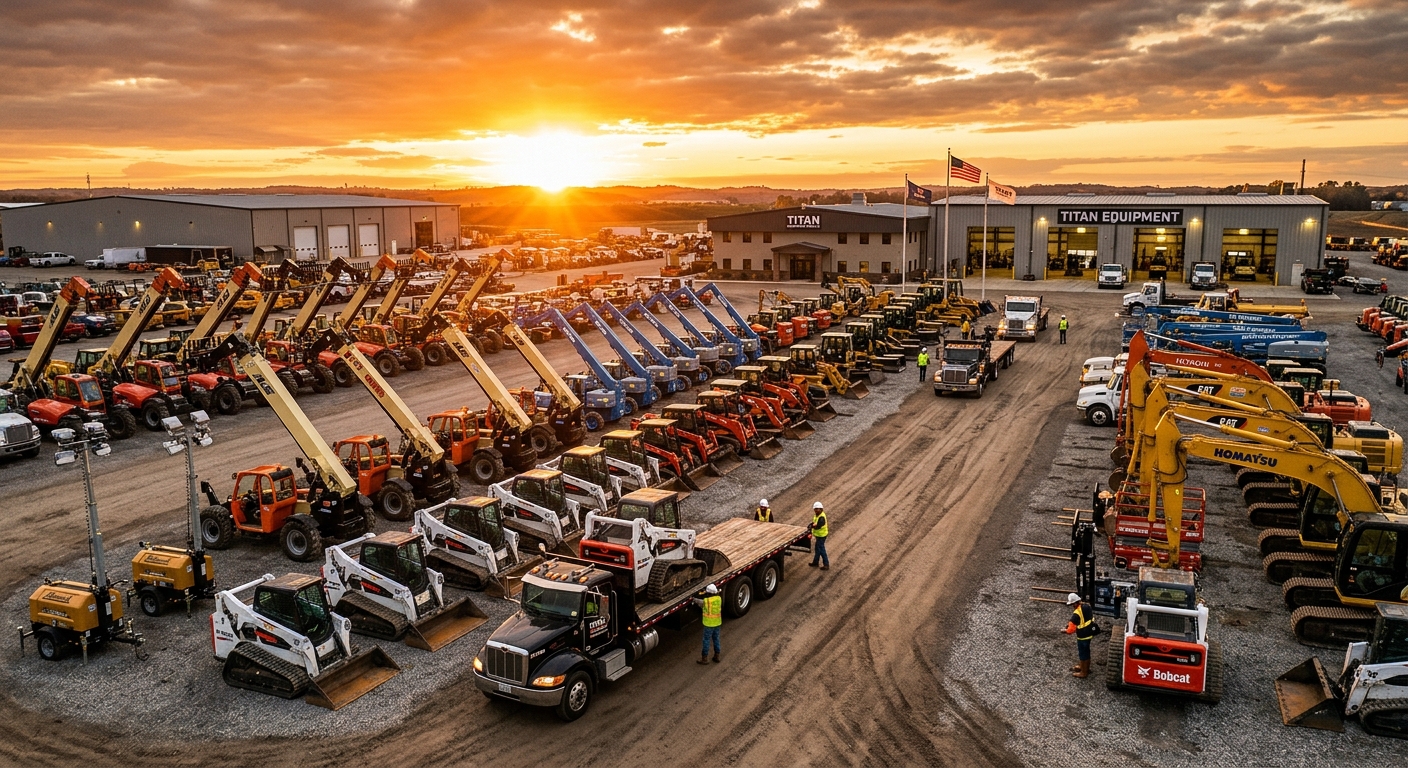
Second, rental fleets can absorb used machines that would otherwise land in retail channels. A dealer with a clean compact track loader, mini excavator, or telehandler does not have to wait for a one-off buyer if a rental customer or rental division can put that machine to work immediately. The machine stays productive, the rental company captures paid use, and the open-market buyer sees less choice.
That’s why the phrase “used inventory is down” understates the issue. Listed count matters less than access. The real question is who gets first shot at the machines worth owning. In 2026, rental fleets are often closer to the front of that line than independent contractors shopping one machine at a time.
Financing is not killing demand yet
Higher rates should, in theory, push buyers away from equipment purchases. But the finance data says demand has been more stubborn than expected.
ELFA’s April 2026 CapEx Finance Index reported that surveyed member companies posted $10.8 billion in seasonally adjusted new business volume in March. Year-to-date volume was up 18.6 percent from the same period in 2025, and year-over-year volume was up 12.5 percent on a non-seasonally adjusted basis. Credit approvals were still high at 77.2 percent.
That does not mean financing is easy for every contractor. Small firms with thin credit files, uneven cash flow, or older collateral still face tougher conversations. It does mean the broader equipment finance market has not slammed shut. Banks, captives, and independents are still writing deals when the borrower and machine make sense.
This matters for used equipment because financing keeps buyers in the game. If a clean machine appears and the payment pencil works, there are still buyers ready to move. That prevents the kind of broad price break some contractors expected after the interest-rate cycle changed.
The more subtle effect is on sellers. Owners who financed equipment in the last few years may not want to sell if the payoff, replacement cost, and tax picture are ugly. A machine that is paid down, reliable, and known to the crew often looks better than restarting the clock on a new note. So the fleet keeps running another season.
Contractors are keeping machines longer
A lot of fleet owners are making a practical choice: fix the machine they know rather than buying the machine they hope is better.
That is especially true in compact and medium-duty categories. A skid steer, compact track loader, mini excavator, or backhoe can generate steady money across landscaping, utility, sitework, concrete prep, farm, municipal, and rental-adjacent work. If the undercarriage, hydraulics, and engine are sound, the owner has a strong reason to keep it.
The risk is that “keep it longer” can quietly turn into “own it badly.” A machine with no hour discipline, scattered service records, and unknown repair history is not an asset. It’s a surprise bill with tracks. The contractors who win in a tight used market are not the ones who simply avoid buying. They are the ones who know which machines deserve another season and which ones need to leave before the next major repair.
That decision is different for every fleet. A 3,000-hour compact track loader with clean service history, strong use, and a paid-off note may be worth keeping. A similar machine with chronic hydraulic issues, low use, and a big undercarriage bill coming may be worth selling while buyers still want it. The difference is not the model. The difference is the machine’s record.
Dealers are stuck in the middle
Dealers have to manage both sides of this squeeze. Buyers want clean used machines at prices that feel like the old market. Sellers want trade values that reflect replacement cost. Rental customers want availability. Finance partners want collateral that holds value. Service departments want enough work to stay full without drowning in abused iron.
That makes the dealer’s used-equipment desk more important than usual. A dealer with strong rental relationships may send a clean trade into rental before listing it broadly. A dealer with a tight retail buyer list may sell a machine before it ever looks publicly available. A dealer with floorplan pressure may push aged inventory harder. That does not mean the aged machine is the one a contractor should buy.
For contractors, the lesson is simple: waiting for the listing is weaker than building the relationship. If you need a 10,000-pound mini, a tracked skid steer, or a 12,000-pound telehandler by summer, the best move is to tell the dealer now. Give them the hours, budget, attachment needs, financing range, and deal breakers. The buyer who is specific before the trade arrives beats the buyer who starts shopping after the good machine is gone.
Rental is not a fallback anymore
The old framing was simple. Owning was serious. Renting was temporary. That split is breaking down.
In a market where clean used equipment is scarce, rental becomes part of the fleet plan, more than a backup plan. Contractors can use rental to cover peak demand, test a machine class before buying, avoid owning specialty iron, or protect cash when backlog is unclear. That’s not weakness. It’s capital discipline.
The trap is using rental as a habit rather than a decision. A machine rented for two weeks to cover a job makes sense. A machine rented every month because nobody wants to confront the purchase decision may be leaking margin. The math has to be done by machine class and job type, not by blanket rule.
A simple threshold helps. If a machine is needed often, produces billable work, fits the crew, and has predictable service needs, ownership deserves a hard look. If a machine is job-specific, sits between projects, or carries high maintenance risk, rental may be the better business decision even if the monthly invoice feels painful.
What to do before summer work peaks
The used market is not broken. It’s just less forgiving. Contractors who need equipment this season should treat May and June as planning months, not browsing months.
Start with the machines already in the fleet. Pull hours, repair spend, use, and downtime for the last twelve months. Rank the fleet by profitability, not emotion. The sentimental machine that always needs something is still a bad machine.
Then separate needs from wants. A machine tied to signed backlog is different from a machine tied to a hopeful growth plan. The first can justify urgency. The second should face a harder return-on-capital test.
Next, talk to dealers and rental houses before the rush gets worse. Ask what is actually moving, not what is advertised. Ask which categories are tight. Ask whether the rental desk is buying the same machines you are hunting. You will learn more from those conversations than from scrolling listings at night.
Finally, decide the exit plan before buying. If the machine depends on one customer, one project type, or one funding source, know what happens if that work slows. The purchase decision should include the sell, trade, or rental-conversion plan from day one.
Bottom line
Clean used machines are not flooding back into the market. Rental demand is growing, finance volume is still strong, and owners are keeping good iron longer. That combination leaves independent contractors fighting harder for the same practical machines they have always needed.
The answer is not panic buying. It’s better fleet math. Know what your current machines cost. Know what rental really costs. Know what a clean used machine is worth to your backlog, more than its sticker price. In 2026, the contractors who get the best iron will be the ones who did their homework before the machine hit the lot.
Equipment Insider tracks the heavy equipment market, manufacturer announcements, and the forces shaping fleet decisions for contractors, dealers, and operators. This analysis draws on public data from Sandhills Global, the American Rental Association, and ELFA.