
Kubota's New SVL110-3 Shows Where the CTL Horsepower Race Is Heading
Kubota's new SVL110-3 is a 110-hp compact track loader aimed at high-flow attachment work. The bigger story is what it says about the next round of competition in land clearing, snow, milling, and material handling.
Kubota’s new SVL110-3 is not just another model-year refresh.
It is a pretty clear signal that the compact track loader market has moved into a new phase: more power, more hydraulic demand, more pressure on OEMs to prove they can feed modern attachments without cooking the machine or beating up the operator.
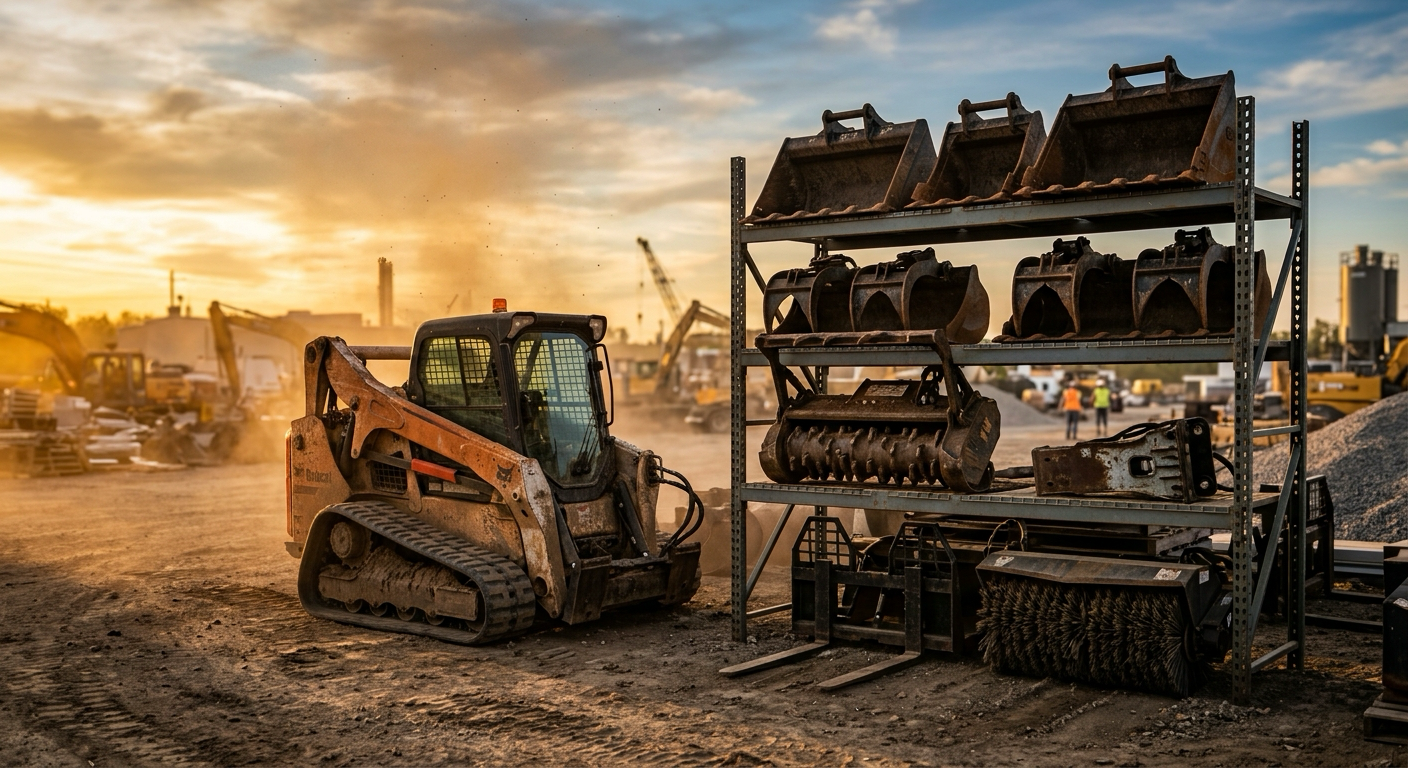
That matters because CTLs have drifted far beyond dirt and pallet forks. These machines now run forestry mulchers, cold planers, trenchers, snow blowers, wheel saws, stump grinders, big brush cutters, and every other attachment category that turns a loader into a money printer or a repair bill, depending on how the package is spec’d.
FieldFix Editor’s Note: The carrier gets most of the attention, but attachment economics are where a lot of fleets either tighten up or bleed out. FieldFix helps owners track service history, downtime, and cost per hour across both machines and attachments, which matters a lot more once you’re running high-flow tools on premium CTLs.
Kubota says the SVL110-3 carries a $119,860 MSRP on its product page. The company is positioning it above the older SVL97-3 and squarely in the highest-output end of the CTL market. On paper, that puts it in the same conversation as machines contractors already compare for serious attachment work, including the Bobcat T86, CASE TV450B, and ASV’s forestry-oriented VT-100.
This is where the story gets interesting. The question is not whether Kubota can build a bigger CTL. Plenty of manufacturers already have big CTLs. The real question is whether the machine arrives at the right moment, with the right spec mix, for the jobs that are actually driving CTL demand in 2026.
Why the market keeps pulling CTLs upward
Compact track loaders used to live in a simpler lane. Dig, grade, load trucks, carry pallets, clean up around a site. That work still matters, but it does not explain why OEMs keep pushing horsepower and hydraulic output higher.
Attachments explain it.
A contractor who buys a premium CTL today often is not thinking first about bucket breakout force. He is thinking about whether the machine can keep a mulcher lit up in hardwood, whether a planer can stay productive through a long asphalt patch run, whether a snow blower can clear a commercial lot without bogging, or whether a high-capacity brush cutter can stay smooth in thick overgrowth.
That changes the buying math.
Once attachments become the profit center, the carrier turns into an energy source, a cooling package, and a stability platform. Horsepower matters. High-flow hydraulics matter. Visibility matters. Cooling matters. Service access matters. The old days of selling a CTL mostly on lift path and cab comfort are over at the top end of the market. Those things still count, but the machine has to run tools first.
That is exactly why the biggest CTLs have become such an arms race.
Bobcat has leaned hard into the T86 as a power machine, calling it the most powerful compact track loader it has built. CASE has framed the TV450B around lifting more and running more demanding attachments. ASV has kept a forestry-focused angle with loader packages built around cooling, guarding, and low ground pressure. Kubota’s SVL110-3 enters that same fight.
What Kubota is betting on
Kubota’s bet looks pretty straightforward.
The company already has a strong footprint with contractors who want straightforward controls, decent durability, and a dealer network they already trust from tractors, compact equipment, and rental relationships. The SVL97-3 gave Kubota a respectable place in the CTL market, but there was still an obvious gap at the top end. If a contractor wanted the biggest Kubota CTL, he still had to accept that other brands were owning more of the high-output conversation.
The SVL110-3 changes that.
Even without a full clean spec sheet easily visible on Kubota’s public page, the machine’s place in the lineup is obvious. It is meant to move Kubota into the premium horsepower category and keep existing Kubota buyers from leaving the brand when their attachment mix gets heavier.
That is smart. Brand loyalty in compact equipment is real right up until the work changes. A contractor may love a midsize CTL for grading and cleanup, then jump ship the second he adds forestry, mulching, or demanding cold-planer work. Kubota needed a machine that says, “You can stay here.” The SVL110-3 is that machine.
The real benchmark is not horsepower. It is usable hydraulic performance.
Horsepower numbers grab headlines because they are easy to compare. They also hide the real story.
For attachment-heavy contractors, usable hydraulic performance is what separates a good CTL from an expensive disappointment.
Bobcat’s T86 page lists 110 horsepower, 3,800 pounds of rated operating capacity, 11,477 pounds of operating weight, and up to 42 gpm of super-flow hydraulics. CASE says the TV450B runs a 90-hp engine and a 4,500-pound rated operating capacity at 50 percent tipping load, with optional high-flow and enhanced high-flow hydraulics. ASV’s VT-100 Forestry page leans on 103.5 horsepower, 41 gpm high flow, 4,100 pounds rated operating capacity at 35 percent of tipping load, and 4.1 psi ground pressure.
Those numbers tell you how manufacturers want the machine perceived. But contractors running high-dollar attachments usually care about a few uglier, more practical questions.
Can it hold hydraulic power under sustained load?
Can the cooling package survive August?
Can an operator see enough to keep the tool productive?
Does the machine stay stable when the attachment is heavy and the terrain is rough?
How long does it take before service access turns a routine job into a half-day headache?
OEM brochures rarely answer those questions directly, because those answers come from real use. But the new generation of top-end CTLs is clearly being designed around them.
That is why the SVL110-3 matters even before the field reports stack up. Kubota is acknowledging that this is the category now. You do not build a machine like this unless you believe buyers want more than a loader with tracks.
Where this machine could hit hardest
The most obvious fit is land clearing.
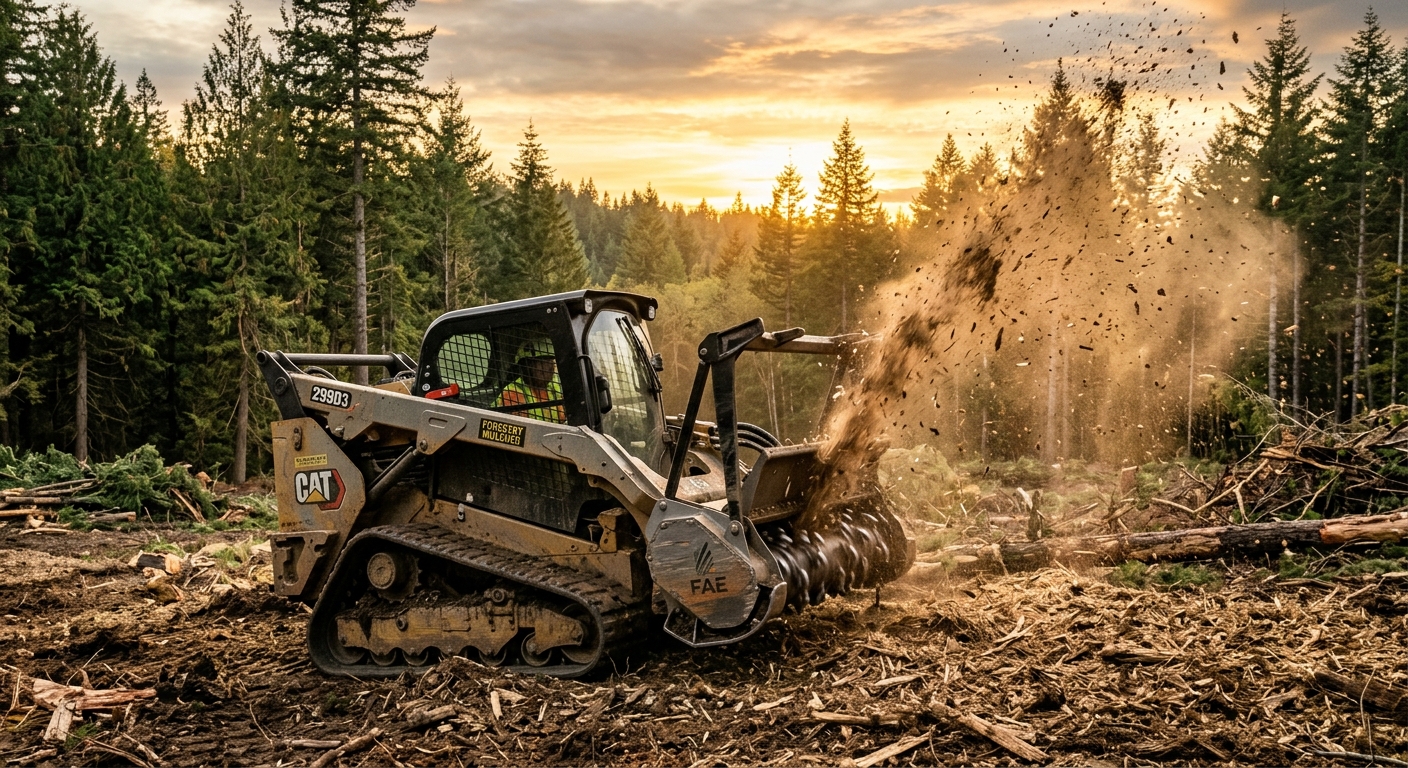
Forestry heads, heavy brush cutters, stump grinders, and severe-duty grapple work have pushed CTLs into jobs that used to be handled by bigger dedicated equipment or by contractors willing to accept slower production. A machine that can run high-flow attachments all day, stay cool, and keep operators comfortable is attractive to brush crews, vegetation management outfits, right-of-way contractors, and rural site prep businesses.
That does not mean every land-clearing outfit should run out and buy one. Forestry is brutal on machines. Guarding, cooling, cab sealing, parts support, and dealer competence matter almost as much as base machine spec. Still, if Kubota can give those crews a serious platform without losing the simplicity people like about the brand, it opens a market that has been easier for others to own.
The next fit is snow.
Snow contractors love power until they see the bill, then they love uptime more. Premium CTLs with blowers and pushers make sense in dense commercial routes, airports, campuses, and municipal work where maneuverability matters. A 110-hp machine is overkill for some snow work and exactly right for the rest of it.
Cold planing is another interesting angle. Milling attachments punish hydraulic systems and expose weak cooling packages quickly. Contractors doing utility patching or smaller pavement rehab jobs do not always want to drag a dedicated planer around. A CTL that can legitimately run bigger planers without constant thermal drama has real appeal.
Then there is the broad middle of the market: grading contractors, rental fleets, demolition crews, sitework outfits, and utility crews that want one premium machine capable of stepping into more roles. That buyer may not run a mulcher every day, but he likes having the option.
Why the price may not scare the right buyers
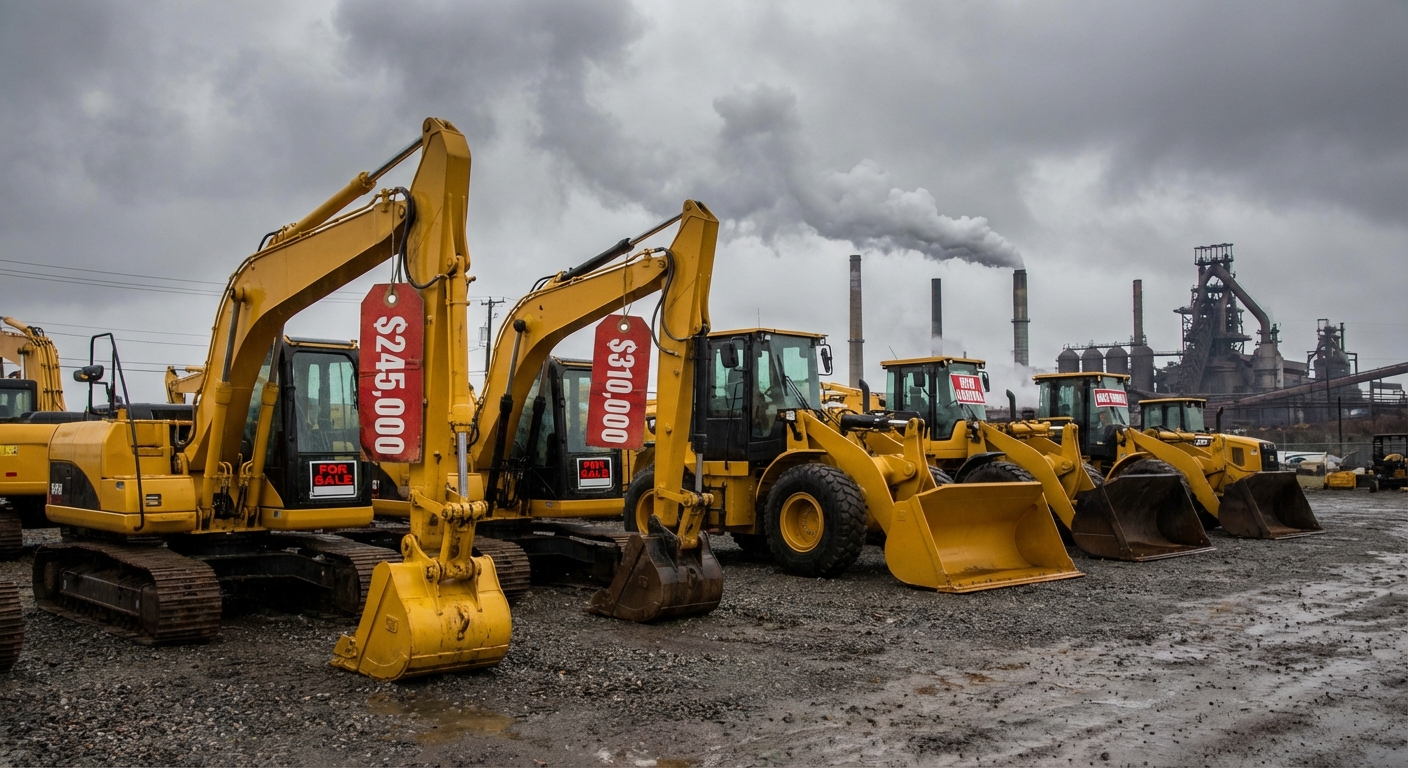
A $119,860 MSRP is a lot of money for a compact track loader. No point pretending otherwise.
But top-end CTL buyers stopped comparing these machines to entry-level loaders a while ago. They compare them to revenue. They compare them to attachment utilization. They compare them to the cost of needing another machine on the trailer.
If the carrier can reliably run a mulcher, planer, blower, cutter, trencher, or wheel saw that would otherwise force a different equipment choice, the math changes fast. The machine stops being a loader and starts being a platform.
That is the part casual market watchers miss. Sticker shock is real, but so is the revenue density of a premium CTL with the right attachment package. The contractor who bills serious land-clearing, milling, or snow work is not asking whether this is expensive. He is asking whether it will hold up and whether the dealer will answer the phone.
That is also why Kubota’s dealer execution matters more than the launch itself. A new flagship only works if dealers can spec it correctly, support attachment pairings, stock the right wear parts, and avoid selling a monster CTL to buyers who really needed something smaller and cheaper.
The market pressure on everybody else
This launch is also a reminder that no major compact-equipment brand wants to be seen as underpowered anymore.
Once one manufacturer pushes harder at the top end, everyone else gets dragged into the comparison set. Buyers start asking sharper questions. Why this machine instead of that one? Why this hydraulic package instead of super-flow? Why this cooling system instead of the competitor’s? Why this ROC convention instead of the other brand’s? Why pay six figures if the attachment still outruns the machine?
That pressure is healthy, up to a point.
It forces better machines. It also creates a risk that OEMs keep chasing bigger numbers when some customers would be better served by better reliability, cleaner service access, and more honest attachment matching.
The CTL market does not need endless spec inflation for its own sake. It needs machines that can survive the work owners are actually assigning to them.
Kubota seems to understand that the work has changed. The open question is whether the SVL110-3 will feel like a genuinely sorted machine in the field or just a bigger entry in the catalog.
What contractors should actually watch next
The first thing to watch is not brochure numbers. It is early field feedback.
How does the machine behave with big mulchers and cutters?
How does it hold temperature when ambient heat climbs?
How does the undercarriage wear when the machine is loaded hard?
How does visibility feel with a serious front attachment mounted?
How easy is daily service, and how annoying are the things that start leaking, loosening, or rattling first?
The second thing to watch is dealer behavior. Some dealers are excellent at selling premium CTL packages. Some are still basically selling loaders with extra horsepower and hoping the attachment conversation sorts itself out later. Buyers will figure out the difference quickly.
The third thing is competitive response. It would be surprising if Kubota’s move did not put more pressure on every OEM to keep climbing in power, flow, and attachment-specific configurations.
The bottom line
The SVL110-3 matters because it confirms where the best-paying CTL work is headed.
This end of the market is about turning a compact track loader into a true power unit for expensive hydraulic tools. Kubota is clearly trying to claim a bigger share of that business.
If the machine delivers in the field, it gives Kubota a stronger answer for contractors who have been moving toward other brands when jobs get heavier and attachment demand rises. If it does not, then it becomes one more reminder that big horsepower numbers are easy to print and harder to live with.
Either way, the message is clear. The premium CTL fight is not slowing down. It is getting more attachment-driven, more expensive, and a lot more interesting.
Sources
- Kubota product page for the SVL110-3: https://www.kubotausa.com/products/construction/track-loaders/svl110-3
- Bobcat T86 product page: https://www.bobcat.com/na/en/equipment/loaders/compact-track-loaders/t86
- CASE TV450B product page: https://www.casece.com/northamerica/en-us/products/compact-track-loaders/tv450b
- ASV VT-100 Forestry product page: https://www.asvi.com/compact-track-loaders/vt-100-forestry/