
The Vegetation-Management Attachment Market Keeps Growing in the Shadows
Big OEM launches get the headlines, but some of the most durable demand in equipment sits in the attachment market for mowing, mulching, stump grinding, and roadside clearing. That corner of the business keeps winning because the work never really goes away.
A lot of the equipment business still treats attachments like supporting actors.
That is backwards.
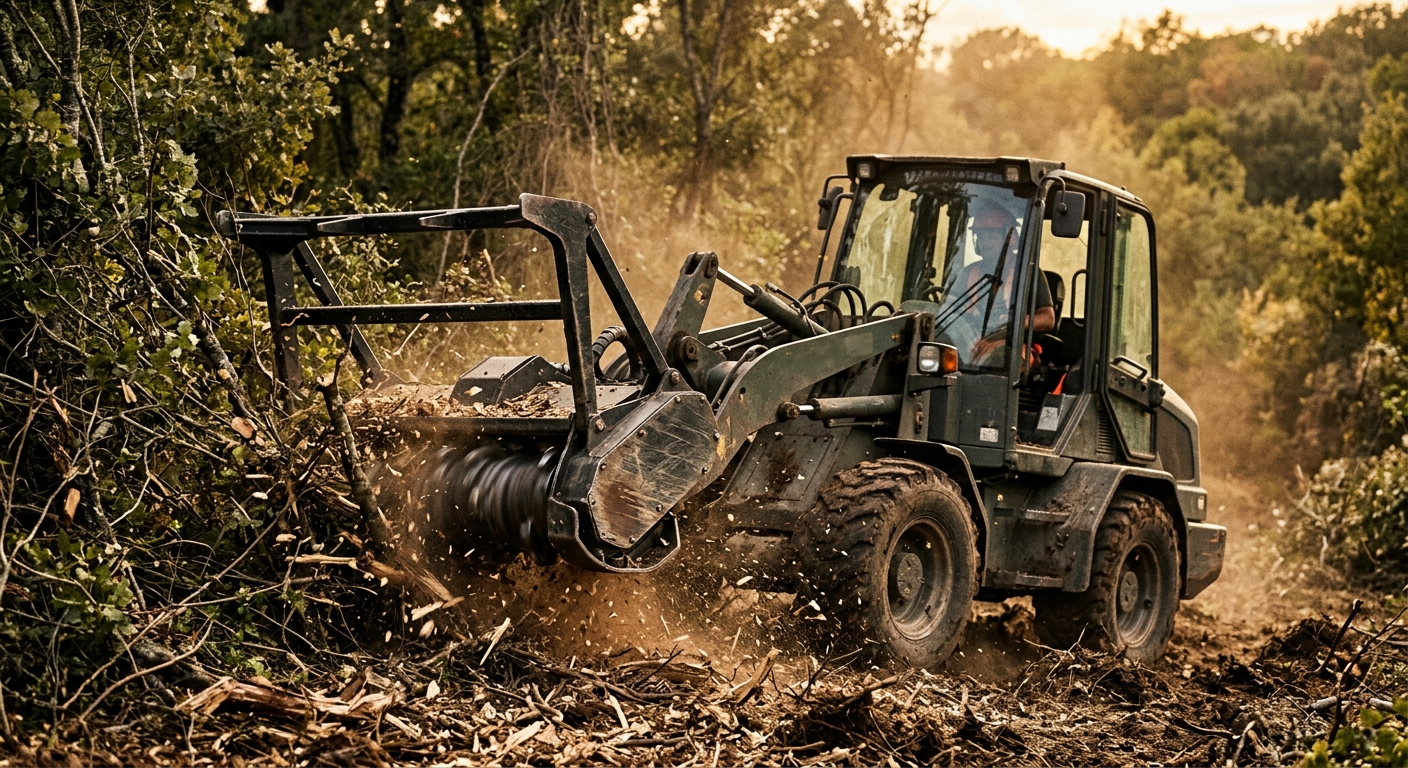
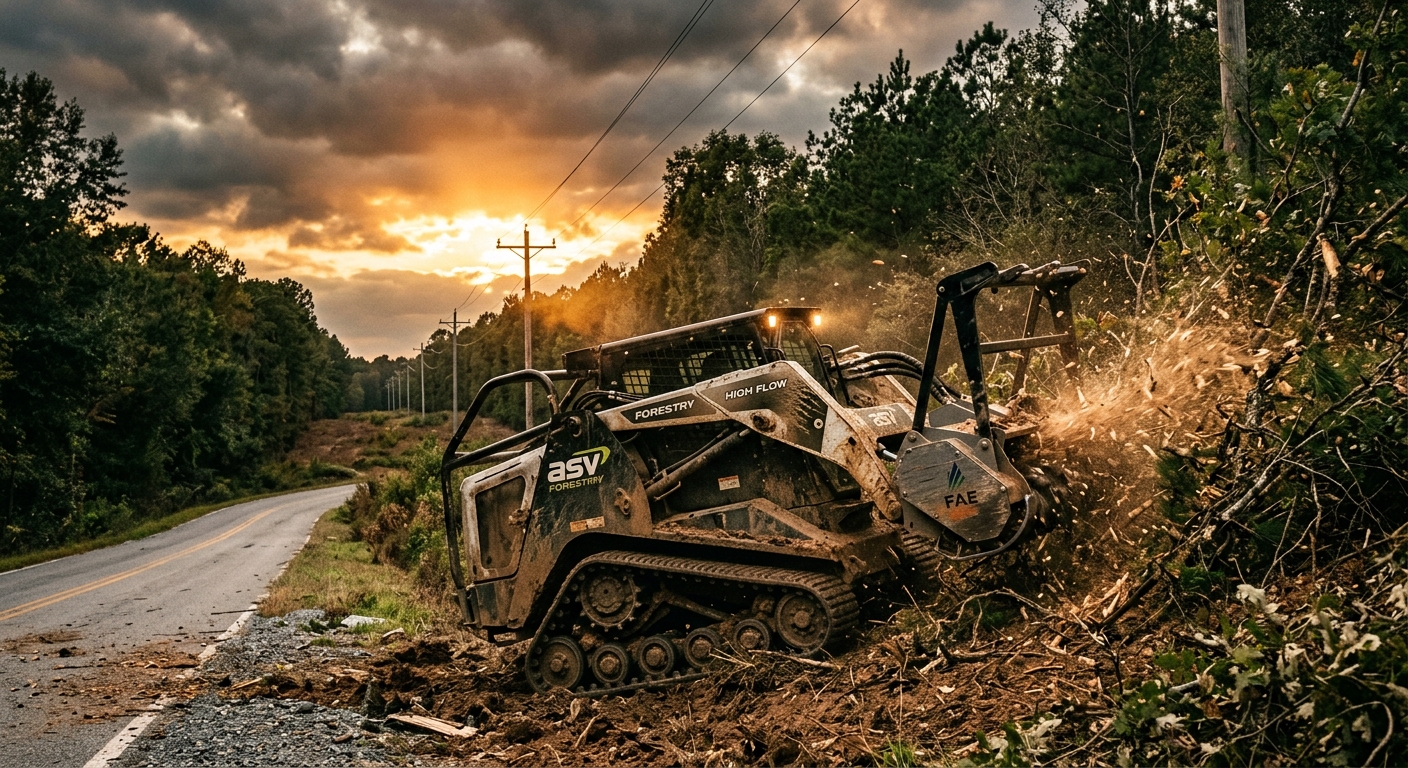
In vegetation management, attachments are often the whole story. The carrier matters, but the attachment decides whether a crew can mow roadsides, clear fence lines, grind stumps, open up overgrown lots, maintain utility corridors, or turn a compact track loader into a real land-clearing machine.
That is why this market keeps getting more interesting. While the biggest headlines still go to new excavators, compact loaders, and autonomous machine tech, a quieter piece of the industry keeps building a durable business around brutal, recurring work. Vegetation-management attachments live in that lane.
FieldFix Editor’s Note: Vegetation-management gear takes a beating fast. Teeth, blades, hoses, bearings, and hydraulic components do not care what the brochure promised. FieldFix helps equipment owners track service history, costs, and downtime so attachments stop disappearing into the maintenance blind spot.
This market exists because ugly work never stops
There is nothing glamorous about mowing heavy overgrowth, reclaiming fence rows, clearing road shoulders, or knocking back brush after a storm. That is exactly why the market is so durable.
The work keeps showing up.
Municipalities need roadside maintenance every season. Counties have to manage ditches and right of way. Utility contractors need vegetation control around lines and access roads. Land-clearing crews keep seeing demand from development, pasture reclamation, fire mitigation, and site prep. Property owners still need brush knocked down after years of deferred maintenance. None of that disappears because the broader equipment cycle cools off for a quarter.
That matters for attachment makers. A category tied to recurring maintenance usually holds up better than one tied only to brand-new greenfield construction. It may not explode with the same hype, but it tends to come back because the underlying work is not optional.
Loftness, Diamond Mowers, and Fecon all lean into this reality from slightly different angles. Their public product catalogs point to the same truth: contractors and public agencies are not buying these tools as a nice extra. They are buying them because specific jobs keep eating time, labor, and wear.
The attachment changes what the machine can sell
People in equipment like to talk about machine use. Fair enough. But the better question in this corner of the business is revenue conversion.
What can a machine actually be sold to do?
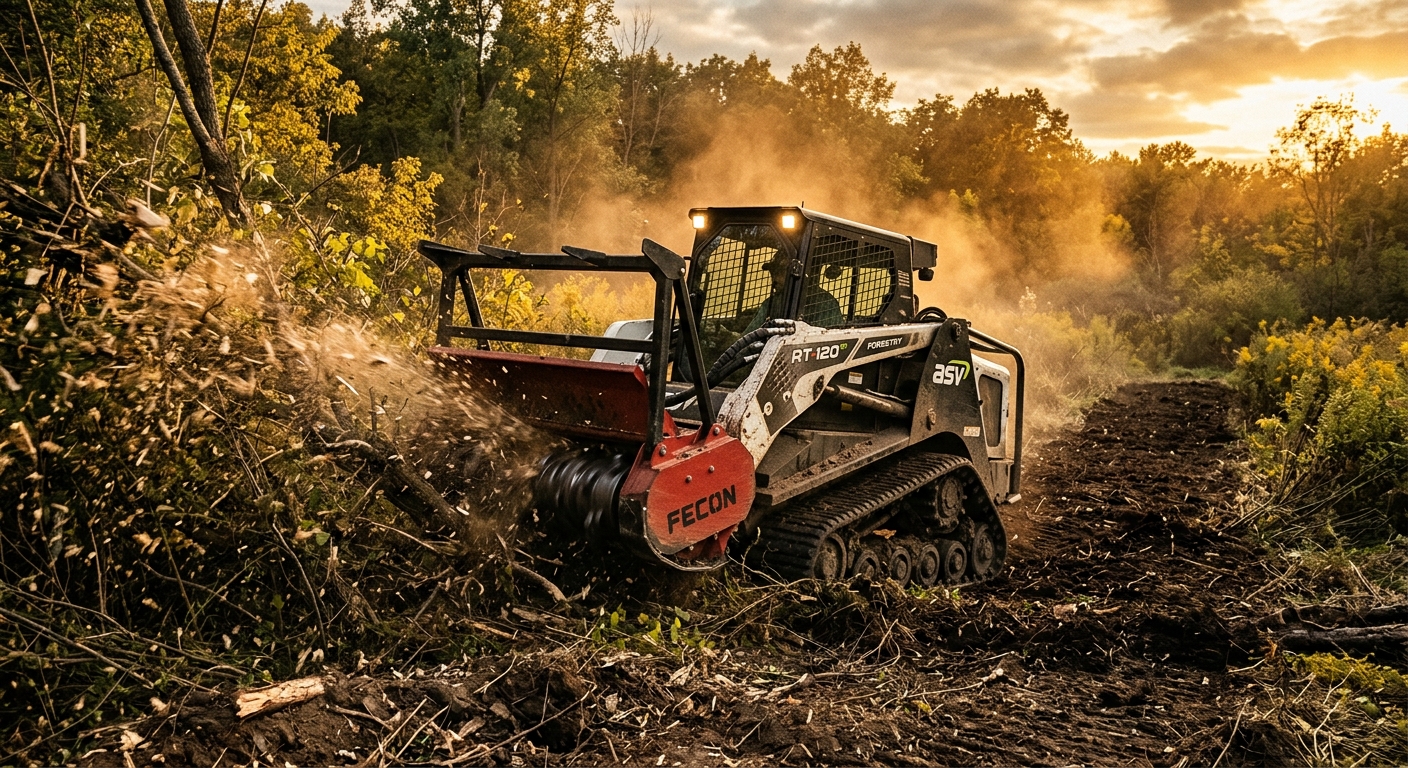
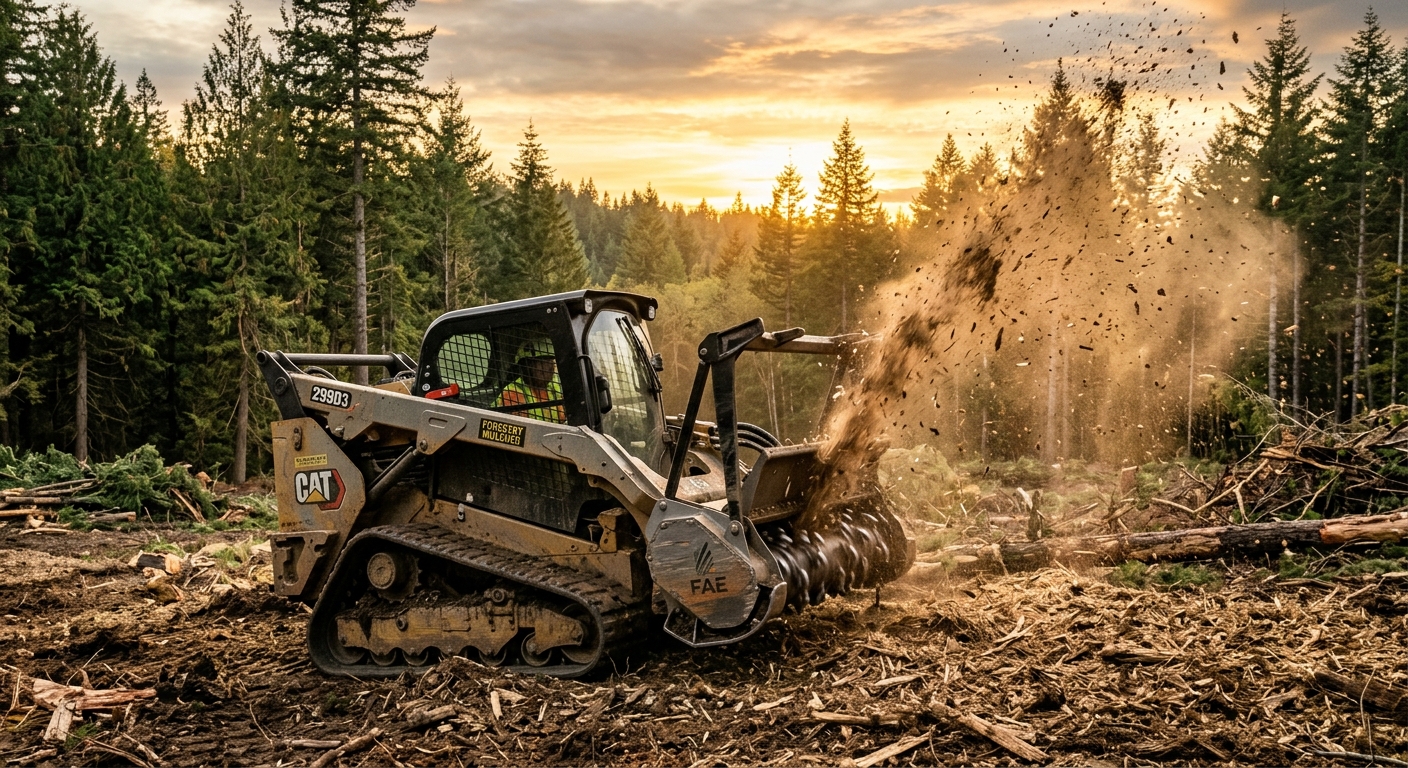
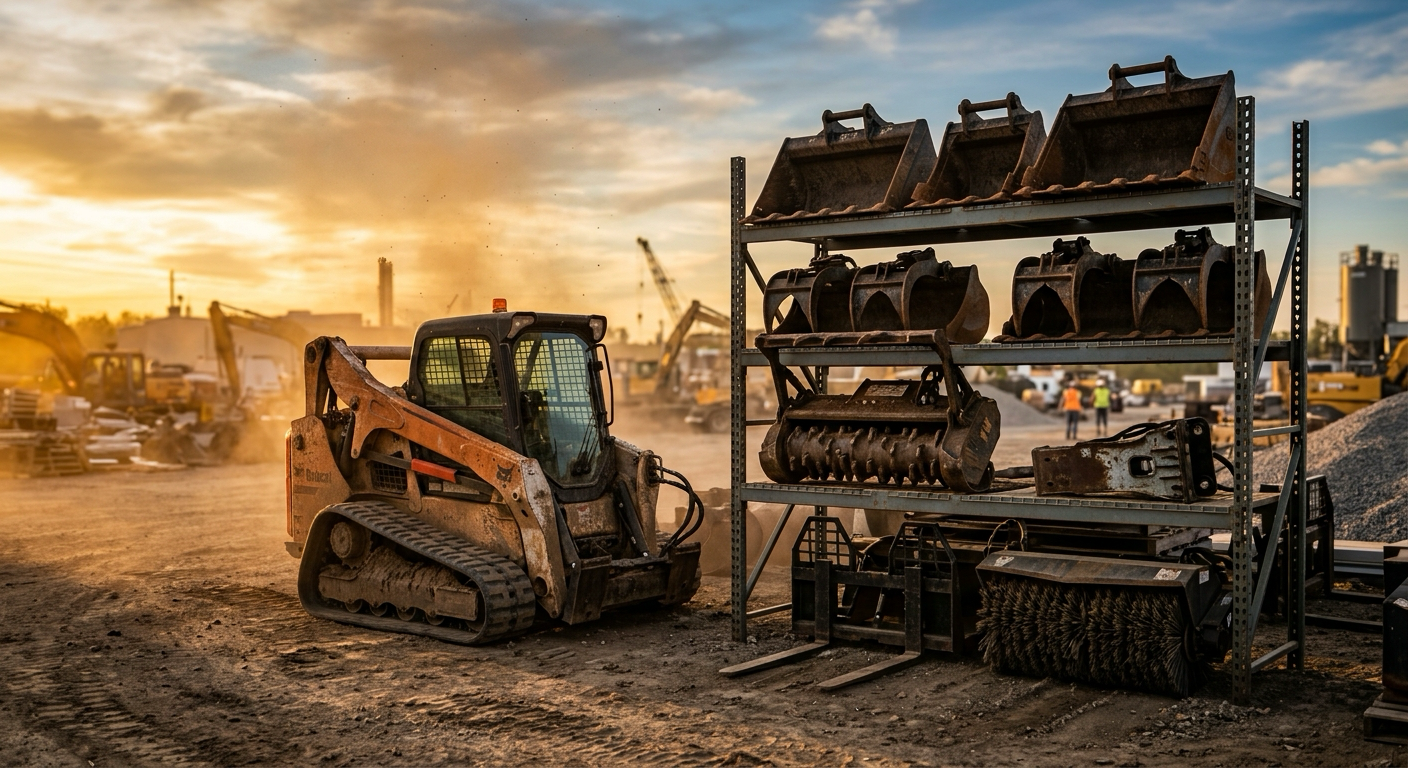
A skid steer by itself is useful. A skid steer with the right brush cutter, drum mulcher, or stump grinder becomes something much more valuable. The same goes for compact track loaders and excavators. Once the right attachment is on the front or boom, that machine can move into roadside maintenance, right-of-way cleanup, lot clearing, forestry work, or specialty reclamation.
That shift is a big reason this market stays healthy. Buyers are not always looking to add another carrier. A lot of them are trying to squeeze more billable work out of the carrier they already own.
That is a powerful sales pitch in a tighter capital environment.
Instead of making a six-figure leap into another machine, some contractors can widen their service menu through an attachment purchase that is easier to justify. That does not make the decision small. Good mulching and cutting tools are expensive. But it often makes the math easier, especially for owner-operators, municipal departments, and smaller fleets trying to expand capability without bloating fleet count.
Why mid-size manufacturers keep finding room here
This is one of the better markets in equipment for focused, mid-size manufacturers.
A giant OEM can absolutely play in the category, but attachment buying is often more application-specific, more dealer-dependent, and more local than buyers realize from the outside. That gives specialized manufacturers a real opening.
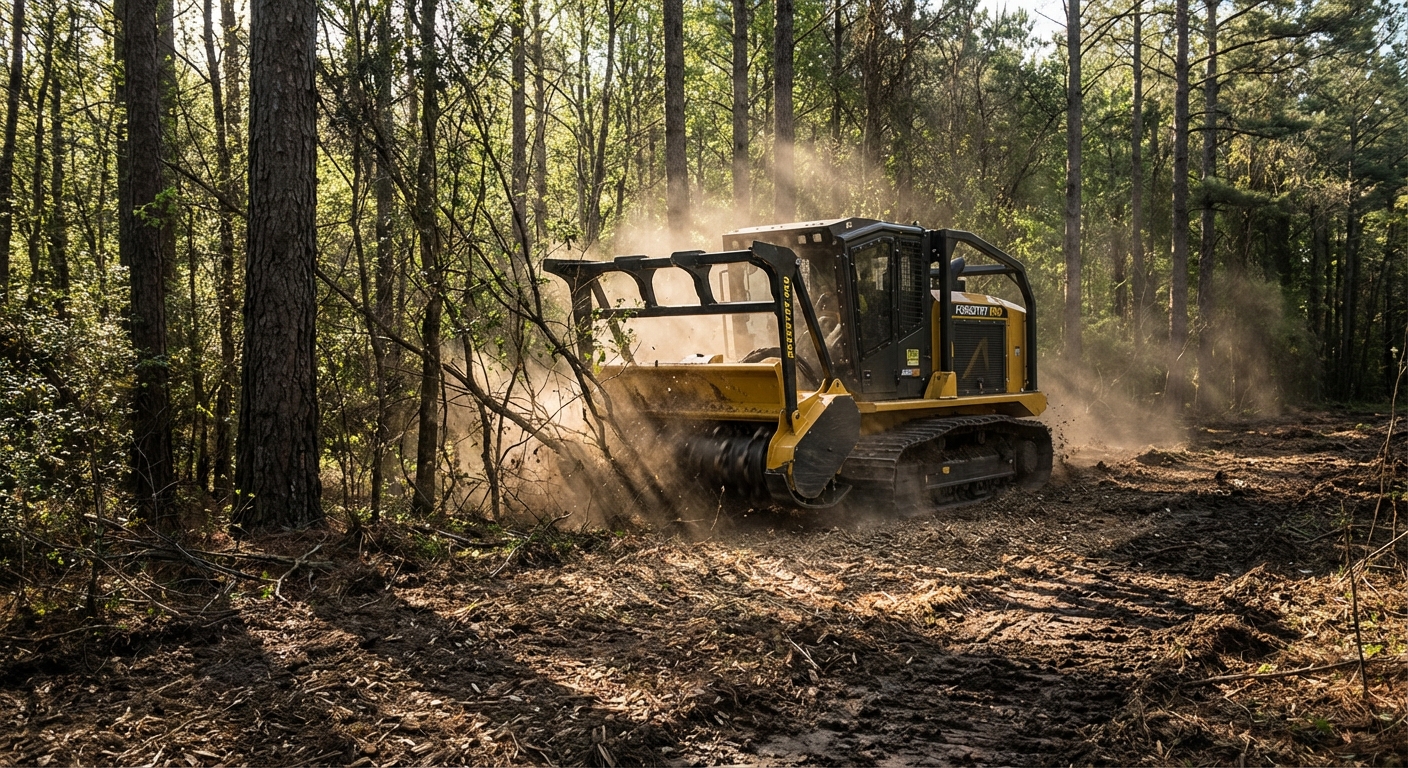
Diamond Mowers has built a broad vegetation-management lineup around cutters, mulchers, boom mowers, flail mowers, rotary mowers, and stump grinders across several machine classes. Loftness has stayed deeply tied to vegetation-management and agriculture, with mulchers, cutters, and soil-conditioning tools that fit the kind of work many broad-line OEMs treat as a side category. Fecon has made its name in forestry mulching and land-clearing tools where productivity and durability matter more than mainstream brand visibility.
That middle part of the market can be strong because buyers usually care about a few basic things more than they care about size.
Will it survive abuse?
Will it match the carrier correctly?
Can I get parts fast?
Can someone help me when the setup goes sideways?
That is not soft branding work. That is operational trust.
Support is the moat, not the paint color
The attachment business looks simple until something breaks.
Then the whole thing becomes a support business.
A contractor with a carrier down because of a bad hydraulic match, missing wear parts, or confusing setup guidance does not care how polished the catalog looked. The same goes for a county road department in peak mowing season or a land-clearing crew that just burned a day trying to get a head back in service.
That is why the best attachment companies usually talk so much about dealers, reps, and support coverage. They should.
Support is not a side issue here. It is the market.
The public-facing material from companies in this segment keeps circling the same themes: application fit, durability, parts, and dealer relationships. That repetition is not accidental. In this category, product quality gets you into the conversation. Support decides whether the line keeps moving.
I think that also explains why this market does not always reward the loudest brand. It rewards the brand that helps the buyer get the machine working on Tuesday morning when the job is already behind.
Municipal and public-sector demand matters more than most people think
A lot of equipment coverage still leans too hard toward private contractors. That misses part of the picture.
Public agencies are serious buyers in vegetation management.
Road departments, counties, cities, utility districts, and other public entities need recurring mowing, brush cutting, shoulder maintenance, and storm-cleanup capability. They are not occasional customers. They are repeat users with seasonal pressure and limited patience for equipment that creates extra friction.
This is where cooperative purchasing channels matter. Sourcewell listings for vegetation-management equipment make it easier for public buyers to access approved vendors without starting a full procurement circus from scratch every time. That does not guarantee a sale, but it lowers the number of steps between a real need and an actual purchase.
Lower friction matters a lot in public equipment buying.
It also gives specialized manufacturers a better path into agency fleets that may not want to sort through a messy bid process for every attachment purchase. That is one reason this category can build a surprisingly durable base even when broader private demand gets choppy.
Compact equipment keeps pulling this market forward
Another tailwind is simple: compact carriers keep getting more capable, and buyers keep expecting more from them.
That helps the vegetation-management attachment market in two ways.
First, it expands the pool of machines that can run serious tools. A compact track loader or compact excavator is not just a utility machine anymore. In the right application, it becomes a mowing, mulching, stump-grinding, or reclamation platform.
Second, it fits how many smaller contractors actually want to grow. They do not always want to add another full-size dedicated machine if a compact carrier with the right attachment can get them into a new revenue stream.
That is especially relevant in small crews where one machine may need to move between grading, loading, cleanup, and vegetation work across the same week. Attachments give those operators flexibility without forcing the whole business to revolve around another large capital purchase.
This does come with limits. Not every carrier should run every head. Hydraulic flow, cooling, weight balance, guarding, and operator expectations all matter. But that is part of the point. The market grows when manufacturers and dealers help buyers make the right match instead of overselling the wrong one.
The hard part is staying profitable when the work is this punishing
This market is attractive, but it is not easy.
Vegetation-management work is brutal on equipment. Debris, vibration, impact loads, dust, heat, and poor maintenance habits show up fast. That means manufacturers have to manage a category where expectations are high and operating conditions are ugly.
Margins can also get squeezed from several directions at once.
Steel costs matter. Freight matters. Dealer expectations matter. Warranty exposure matters. Parts availability matters. And because these products work in rough conditions, weak quality gets noticed quickly.
Lower-cost alternatives can win buyers who are shopping on price alone. Bigger or more familiar brands can win buyers who want perceived security through a wider network. The middle only works if the manufacturer keeps product quality high and support tight.
That is why I think this segment rewards discipline more than hype. A flashy launch might help, but the companies that last usually understand wear patterns, carrier compatibility, field service needs, and dealer education better than their competitors do.
What I would watch over the next year
If you want to understand where this segment is headed, I would watch a few things.
First, watch dealer execution. In this category, local support can quietly make or cap growth.
Second, watch how much attachment demand keeps clustering around compact carriers. Smaller fleets still want more capability from fewer machines, and that trend should keep helping this market if financing stays tight.
Third, watch municipal and utility demand. That work is not exciting on social media, but it can provide a steadier floor than people expect.
Fourth, watch how manufacturers handle breadth. A broader product lineup can be a strength, but only if it does not turn into confusing fitment, slower parts support, or uneven quality.
Fifth, watch whether attachment makers can stay close to field reality. The companies that keep talking with contractors, dealers, and public fleets usually make better decisions than the ones that drift into generic marketing language.
The bigger takeaway
Vegetation-management attachments are a good reminder that some of the best equipment businesses live outside the spotlight.
This market is built around repetitive, unpleasant, necessary work. That is usually a good place to build a company.
It is not driven by hype alone. It is driven by roadsides that still need cutting, lots that still need clearing, utilities that still need access, counties that still need mowing, and contractors who keep looking for ways to turn one machine into a more versatile revenue tool.
That is why the segment keeps showing up.
The industry may not treat attachment makers like headline brands, but the demand pattern is real. If compact equipment stays versatile, if municipalities keep buying, and if specialized manufacturers keep supporting the field better than the bigger players, this corner of the market should stay stronger than it looks from the outside.
It is dirty work. That is exactly why it is good business.
Sources
- Loftness, “Vegetation Management”: https://www.loftness.com/vegetation-management/
- Diamond Mowers, “Attachments”: https://diamondmowers.com/attachments/
- Diamond Mowers, “About Our Company”: https://diamondmowers.com/about/
- Fecon, “Forestry Mulchers”: https://www.fecon.com/products/forestry-mulchers/
- Sourcewell, “Diamond Mowers Contract 032525-DMM”: https://www.sourcewell-mn.gov/cooperative-purchasing/032525-dmm