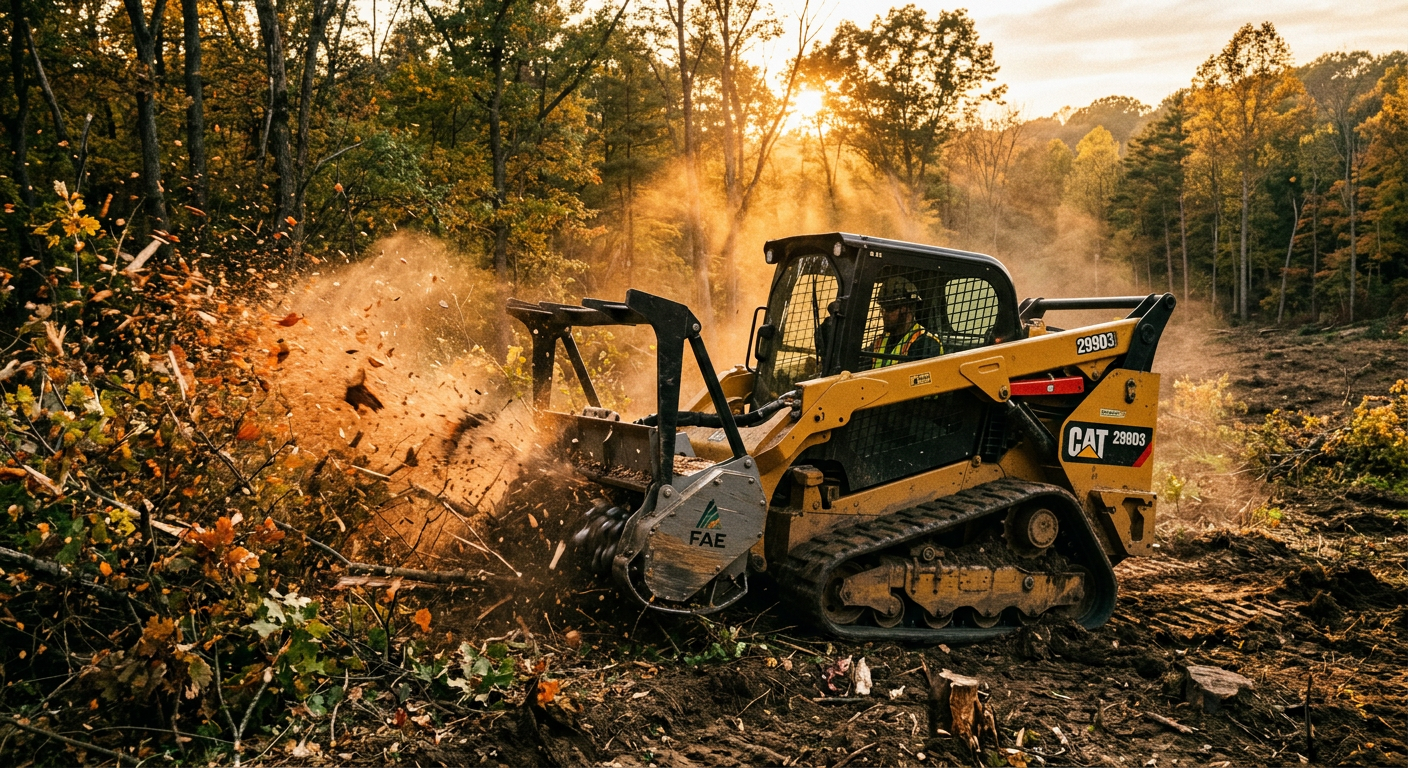

Diamond Mowers Found Its Lane by Building Around the Dirty Work
Diamond Mowers is not trying to be a giant OEM. The Sioux Falls manufacturer built its business around the harder, less glamorous side of the market: mowing, mulching, brush cutting, and the support network required to keep those tools working in the field.
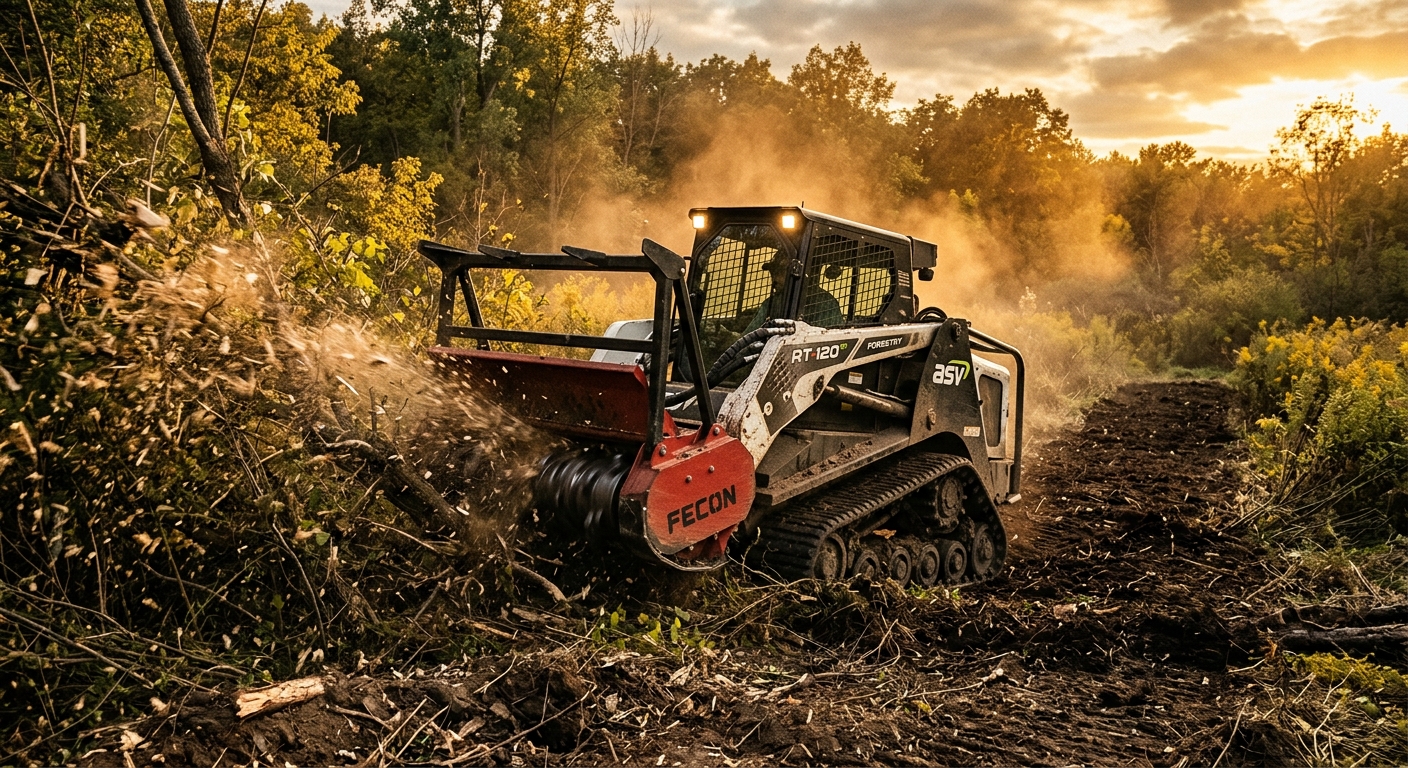
There is a big chunk of the equipment business that gets less attention than it deserves.
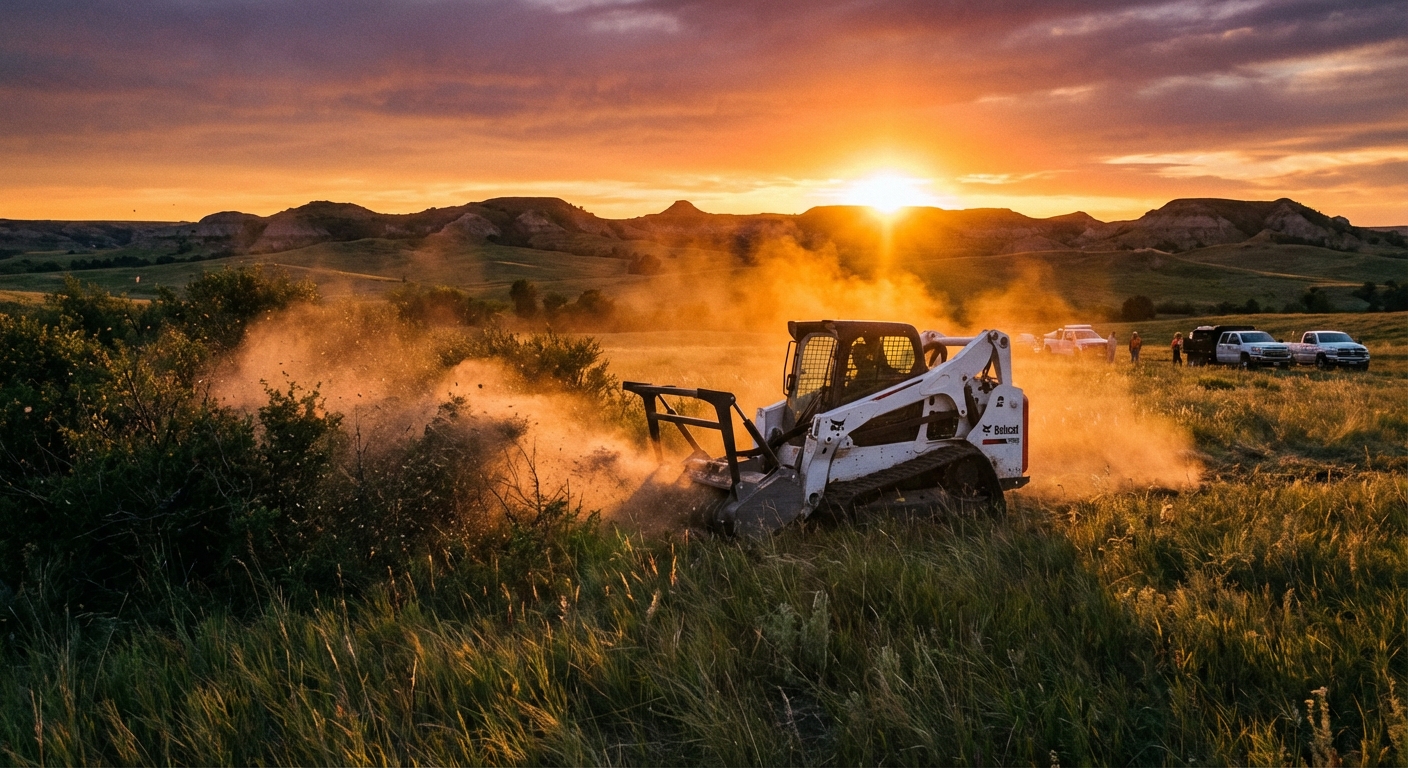
It is not the flashiest part of the market. It does not always get the center-stage booth treatment. It usually shows up when crews need to clear a right of way, knock down overgrowth, maintain roadsides, open up fence lines, or turn a compact machine into something that can actually chew through rough ground.
That is the lane Diamond Mowers has spent more than two decades building around.
The Sioux Falls, South Dakota company started in 2000 and built its name in industrial mowing before pushing further into mulching, brush cutting, stump grinding, and other attachment categories for skid steers, excavators, tractors, and wheel loaders. From the outside, that might sound like a straightforward product expansion story. It is more interesting than that.
Diamond is a good example of how mid-sized equipment companies win when they stay close to the work instead of chasing prestige. It operates in categories where buyers care less about brand theater and more about durability, fitment, service, and whether the attachment can stay productive in ugly conditions.
FieldFix Editor’s Note: Mulchers, cutters, and stump grinders eat wear parts for breakfast. If you are running land-clearing equipment, attachments need their own service history, not just a note buried under the carrier. FieldFix helps fleets track maintenance, costs, and uptime without the spreadsheet chaos.
Why this corner of the market matters
A lot of equipment coverage naturally tilts toward carriers. New compact track loader. New excavator. New dozer. That makes sense. Carriers are expensive, visible, and easy to market.
But many crews make money based on what is hanging off the front, side, or boom.
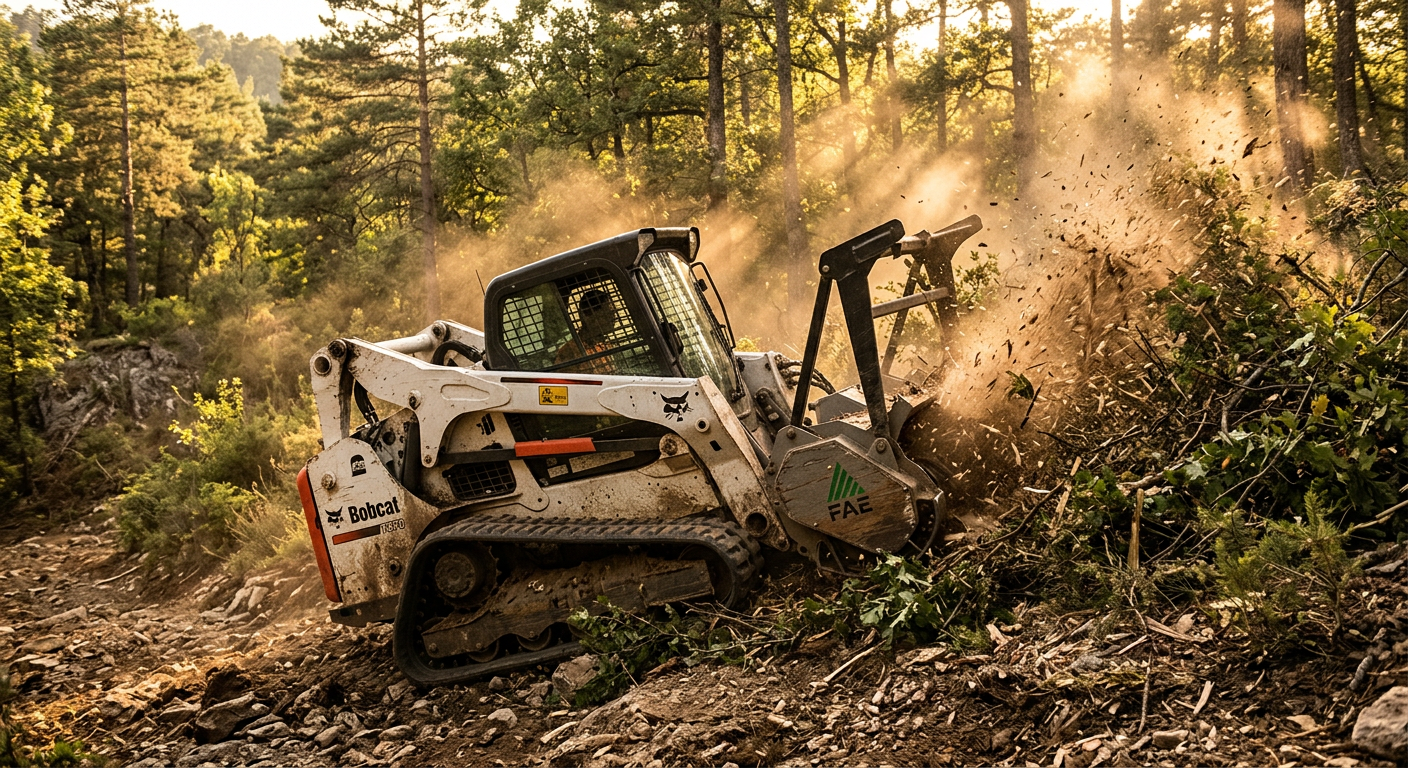
A skid steer with the wrong setup is a loader. A skid steer with the right cutter or mulcher can become a land-clearing machine, a right-of-way tool, or a vegetation-management revenue source. The same thing happens in municipal work. The carrier matters, but the attachment determines which jobs the crew can actually take.
That is why companies like Diamond Mowers matter more than their name recognition might suggest. They are selling capability, not just equipment.
The basic profile
Diamond Mowers says the Doyle family saw an opening in the 1990s for tougher industrial mowing equipment and formally founded the business in 2000. The company is headquartered in Sioux Falls and still frames itself around hard-use vegetation management rather than broad heavy-equipment ambition.
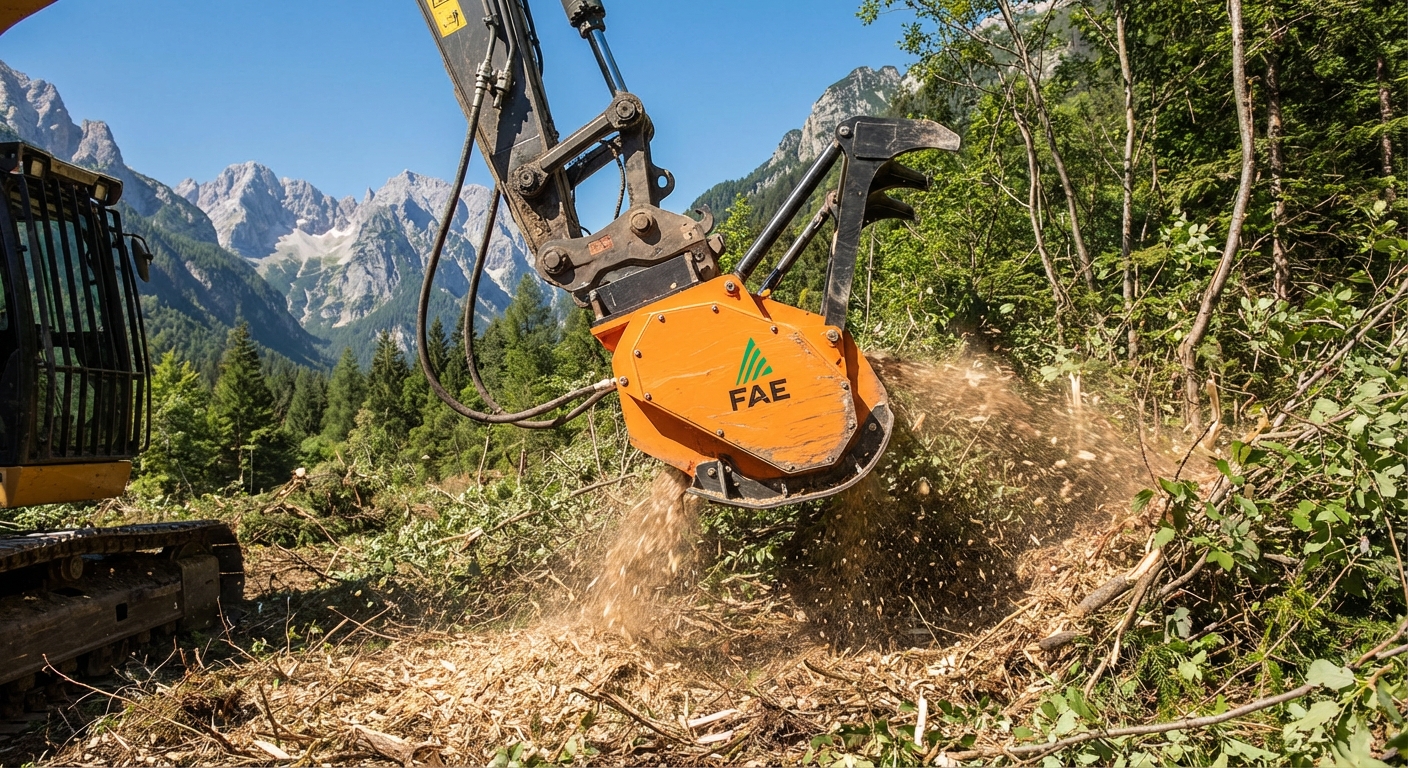
That focus shows up in the catalog. Diamond now sells attachments across skid-steer, excavator, tractor, and wheel-loader platforms, including brush cutters, drum mulchers, disc mulchers, boom mowers, flail mowers, rotary mowers, and stump grinders. Sourcewell’s current contract listing for Diamond Mowers also highlights how broad that lineup has become, covering everything from boom mowers and 3-point hitch mowers to forestry mulchers, stump grinders, and compact-equipment attachments.
That range matters. It means Diamond is not built around one hero product. It has become a category player inside the vegetation-management and land-clearing segment.
The company picked a smart place to live
I think the most important thing about Diamond Mowers is not any single product. It is the market position.
Diamond sits in a practical middle layer. It is not a giant OEM with a massive carrier lineup. It is also not a tiny fabrication shop making a handful of niche tools. That middle zone can be a very good place to operate if the company knows exactly who it serves.
Diamond appears to know.
Its products sit where several markets overlap: municipal roadside maintenance, right of way work, lot clearing, ranch and farm cleanup, utility vegetation management, and contractor land-clearing jobs. Those are not vanity categories. They are recurring, dirty, labor-heavy jobs where downtime gets expensive fast.
That tends to create disciplined buyers. They are not asking whether a product feels innovative in some vague marketing sense. They want to know if it will survive abuse, whether the machine can power it correctly, and whether support exists when a job is already behind schedule.
That is a healthy market for a company that wants to compete on reliability and application fit.
Product breadth is doing real work here
Diamond’s catalog is broad enough to tell you how the company thinks.
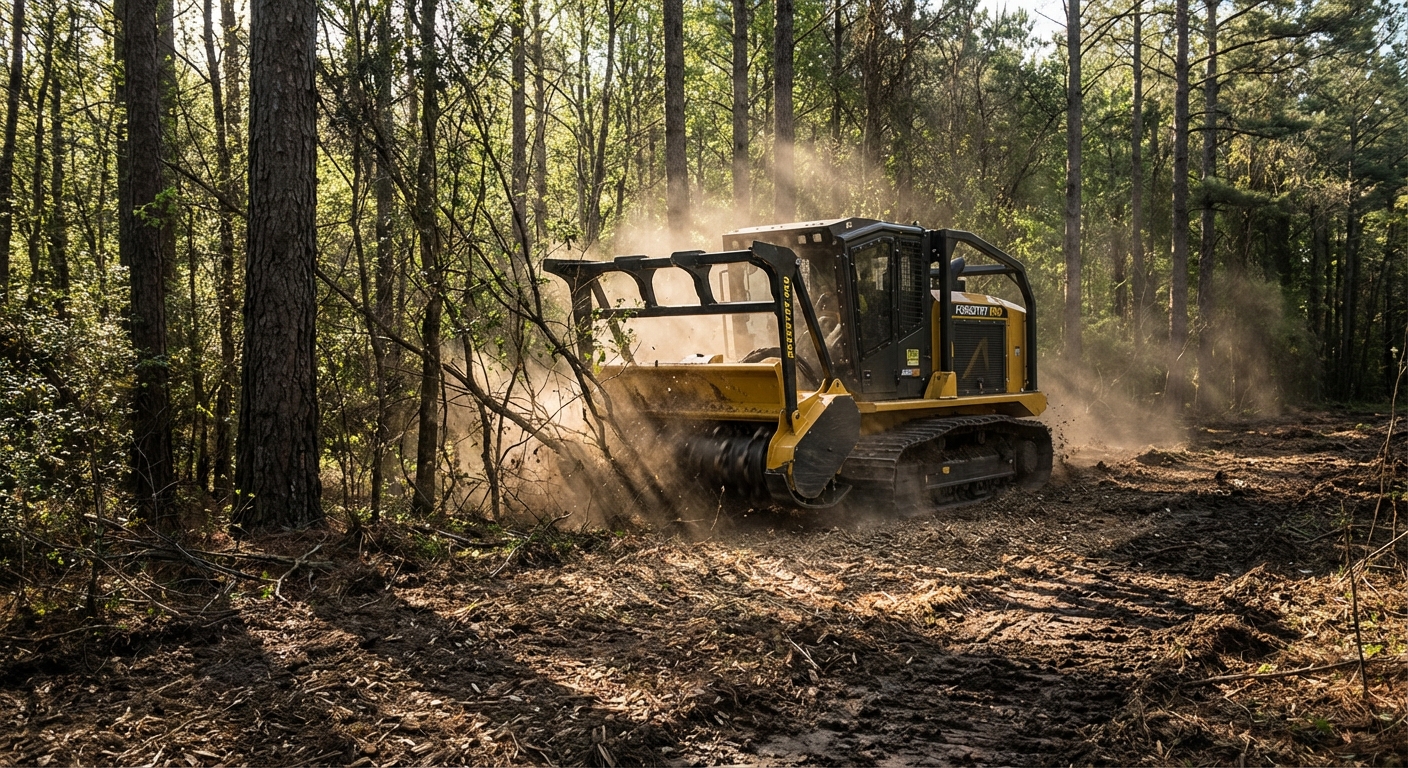
The company is not just chasing one type of contractor. It has products for municipalities mowing roadsides, land-management crews cutting brush, forestry operators needing mulching performance, tractor owners handling large-acreage maintenance, and wheel-loader users that need heavy-duty clearing tools.
That product spread creates a few advantages.
First, it gives dealers more than one reason to carry the line. A dealer that starts with one high-demand cutter can keep expanding into mulchers, boom mowers, stump grinders, or excavator tools. That makes the relationship more valuable over time.
Second, it lets Diamond grow with the customer. A contractor might enter through a brush cutter, then move into mulching work after finding more demand in land clearing or fire mitigation. If the same manufacturer can support that move, the path to the next purchase gets simpler.
Third, it makes the company less dependent on one cycle. If one product category cools off, another may still be moving because municipal mowing, utility clearing, and contractor land work do not all rise and fall in perfect sync.
That kind of breadth is not glamorous, but it is solid business.
The attachment business is won on support, not slogans
Diamond’s own site leans hard on durability, customer support, and dealer relationships. Usually I discount a lot of marketing copy. In this case, the emphasis makes sense.
Attachment companies live or die on the boring stuff.
Can the dealer explain hydraulic requirements clearly? Can the customer get teeth, blades, or replacement parts without turning the process into a scavenger hunt? Can a buyer figure out the right setup for the carrier they already own? Can the manufacturer help solve fitment issues before the sale becomes a warranty fight?
Those questions matter more in this category than clever branding.
Diamond publicly lists a large regional sales structure across the U.S. and Canada, and its site puts a lot of weight on dealer support. That tells you the company understands the obvious truth of this business: the attachment sale is often local even when the brand is national.
If the local rep is good, the line can grow. If the local support is weak, it does not matter how polished the website looks.
Municipal and vegetation-management buyers are a real moat
One of the more interesting parts of Diamond’s strategy is the municipal angle.
A lot of equipment coverage stays focused on contractor fleets, but municipalities are serious attachment buyers. Counties, cities, and public agencies need roadside mowing, ditch maintenance, brush clearing, storm cleanup, and right-of-way upkeep every single year. They are not dabbling.
Diamond’s Sourcewell listing matters because cooperative purchasing contracts make it easier for public buyers to access approved vendors without running a full procurement circus every time. That does not guarantee volume by itself, but it does lower friction.
And lower friction matters in public-sector sales.
If Diamond can stay sticky with municipal and government buyers while also serving contractors and dealers, that gives the company a stronger base than a business tied only to private land-clearing cycles.
This is also a story about specialization
There is a temptation in equipment to confuse size with strength.
Sometimes the stronger company is just the one that knows its lane cold.
Diamond Mowers has not tried to become everything. It has pushed deeper into a specific kind of work, the work that happens when overgrowth needs to disappear, when maintenance routes have to stay open, or when a crew wants a compact carrier to do something much more aggressive than its stock configuration suggests.
That specialization matters because the jobs themselves are unforgiving. Brush cutting and mulching are brutal on equipment. Vibration, shock loads, debris, dust, heat, and wear parts all show up fast. A company that keeps selling into that environment has to understand more than brochure specs. It has to understand what repeated punishment looks like in the field.
That is why these middle-market attachment manufacturers deserve more coverage than they get. They are often closer to the real work than the companies getting the biggest headlines.
Where the pressure comes from
None of this means the business is easy.
Diamond operates in a market with real pressure from both directions. On one side, there are cheaper products and budget lines that can win buyers who are price sensitive or willing to gamble. On the other side, there are premium brands and OEM-adjacent offerings that benefit from established dealer networks and stronger brand familiarity.
The middle only works if the company executes.
Steel costs move around. Freight costs can wreck margin. Dealers expect fast answers. End users expect products to survive abuse that borders on stupidity. If quality slips, word spreads. If parts are hard to get, customers remember. If the attachment is mismatched to the carrier, the problem becomes very expensive very quickly.
That is the tax of operating in a market built on utility. There is nowhere to hide.
What I would watch next
If I were watching Diamond Mowers over the next year, I would care about four things.
First, I would watch how the company keeps balancing contractor demand with municipal demand. The strongest attachment businesses usually avoid leaning too heavily on one buyer type.
Second, I would watch compact equipment. There is still plenty of room for attachment growth around skid steers, compact track loaders, and compact excavators because smaller crews want more capability out of fewer machines.
Third, I would watch dealer execution more than product launches. In this part of the market, weak dealer support can quietly cap growth even if the equipment is good.
Fourth, I would watch whether Diamond keeps the catalog broad without making ownership harder. Product breadth is powerful until it creates complexity that customers feel through lead times, parts confusion, or uneven support.
The bigger takeaway
Diamond Mowers is worth paying attention to because it reflects a truth the equipment industry sometimes forgets.
A lot of value gets created far away from the spotlight.
It gets created in roadside maintenance, brush clearing, lot prep, and mulching jobs that are dirty, repetitive, and expensive to screw up. It gets created by attachment makers that understand wear, fitment, support, and the ugly details of field use. It gets created by companies that help crews turn an ordinary machine into a specialized revenue tool.
That is the lane Diamond Mowers chose.
It was a smart lane to choose.
Sources
- Diamond Mowers, “About Our Company”: https://diamondmowers.com/about/
- Diamond Mowers, “Attachments”: https://diamondmowers.com/attachments/
- Sourcewell, “Diamond Mowers: Contract 032525-DMM”: https://www.sourcewell-mn.gov/cooperative-purchasing/032525-dmm