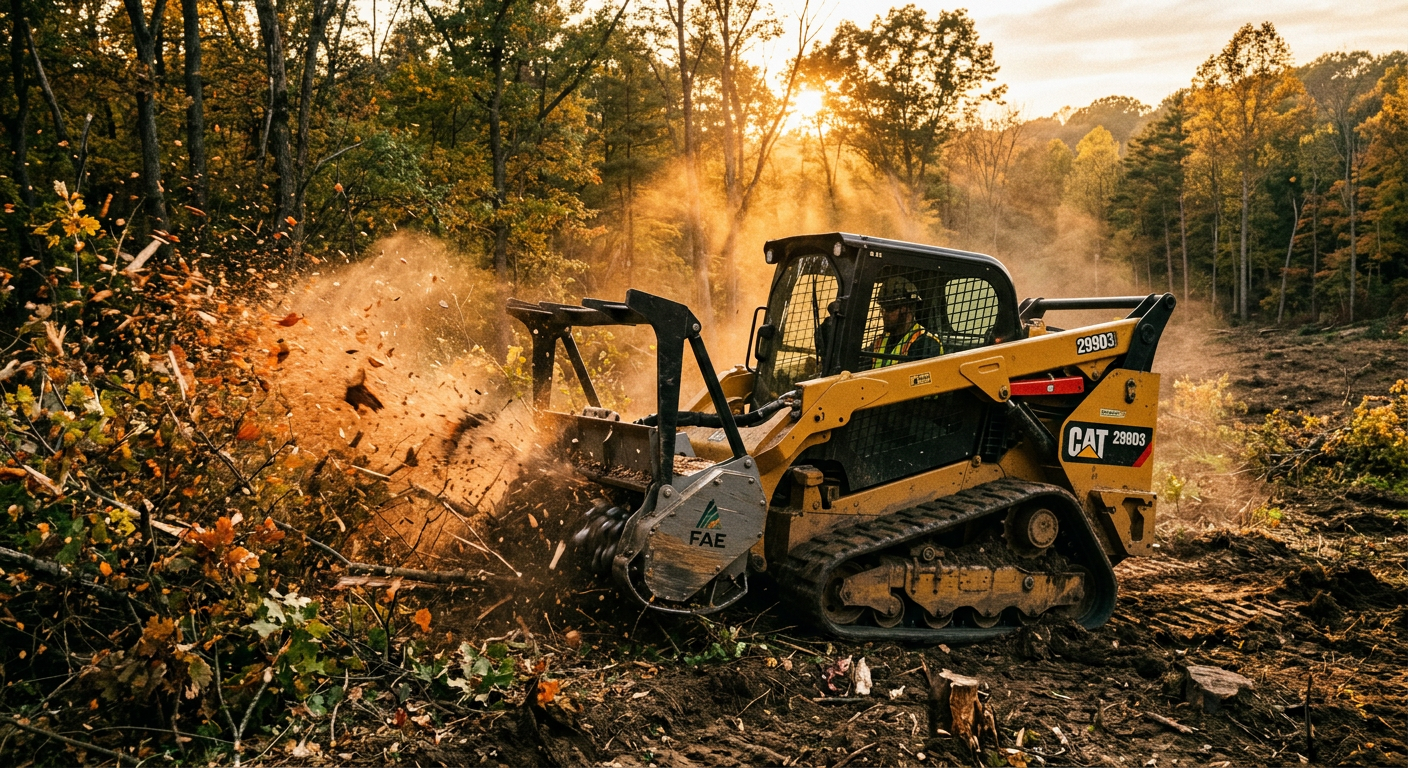

Diamond Mowers Built a Mulching Empire From South Dakota — Here's How
The Sioux Falls attachment maker has quietly become one of the most trusted names in land clearing. From drum mulchers to disc cutters, Diamond Mowers carved out its niche by building for the operators who actually run the iron.
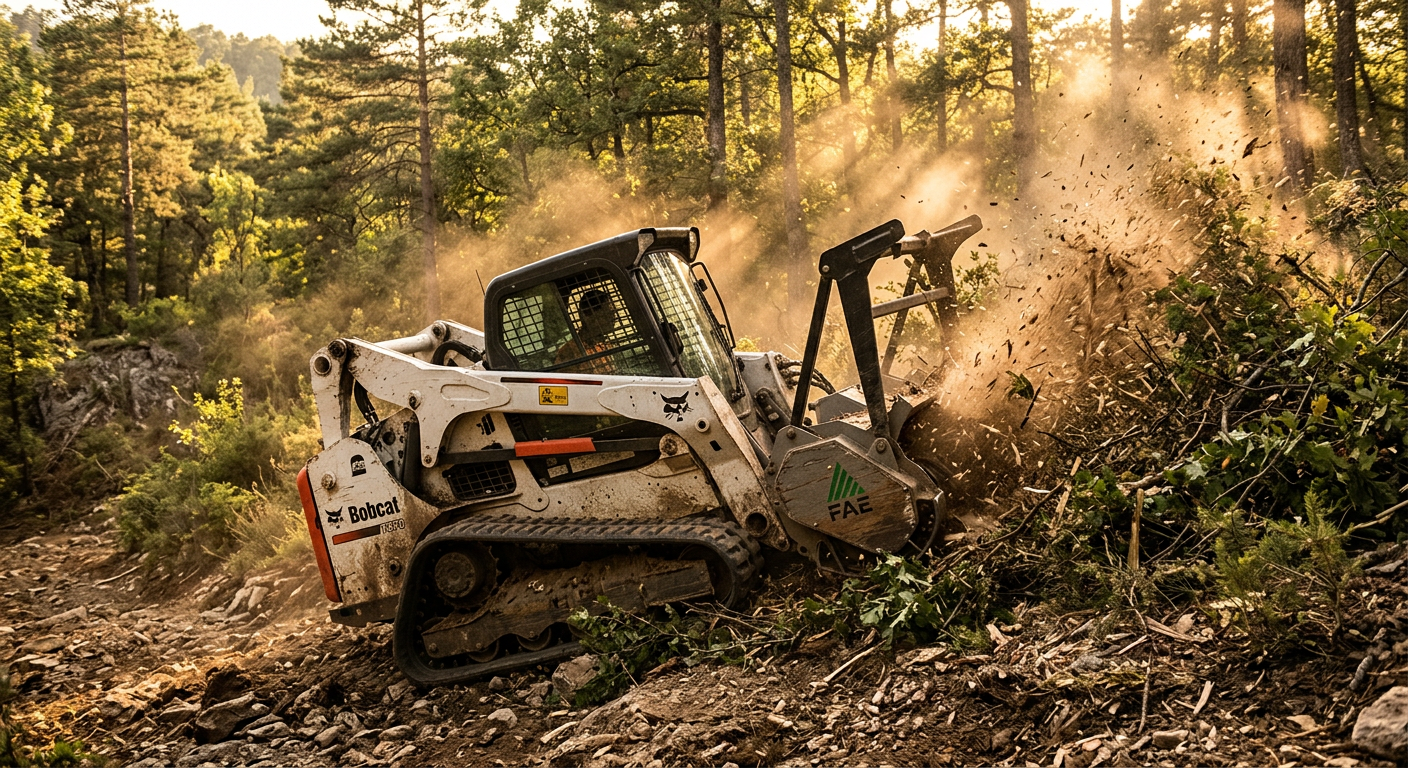
If you run a land clearing crew, you’ve heard the name. Diamond Mowers has been building mulching and brush cutting attachments in Sioux Falls, South Dakota since 2000, and in that time they’ve gone from a small family startup to one of the go-to brands in the forestry attachment space. They’re not Caterpillar. They’re not John Deere. They’re the company your buddy with the skid steer won’t shut up about — and there’s a reason for that.
FieldFix Editor’s Note: Whether you run one mulcher or ten, tracking hours and maintenance on your attachments is just as critical as tracking the carrier machine. FieldFix logs service history and cost-per-hour for every piece of equipment in your fleet, so you know exactly what each attachment is costing you.
The Doyle Family Bet
Diamond Mowers started the way a lot of equipment companies do: somebody got frustrated with what was already on the market. In the late 1990s, the Doyle family in Sioux Falls saw that the industrial mowing equipment available at the time wasn’t cutting it — literally. The machines broke down too often, weren’t built heavy enough for real commercial work, and left operators dealing with constant downtime.
So they built their own.
The company officially launched in 2000, and from day one the focus was on durability over everything else. The Doyles didn’t try to be the cheapest option. They didn’t try to build the lightest attachment. They built for the guys who were going to run their equipment hard, day after day, and needed something that wouldn’t fold under pressure.
That bet paid off. Twenty-five years later, Diamond Mowers has a full product line spanning skid steers, excavators, tractors, and wheel loaders. Their headquarters is still in Sioux Falls, still manufacturing in the same state where they started.
The Product Line That Matters
Where Diamond really carved out territory is in the mulching and brush cutting space. Their lineup breaks down into a few key categories:
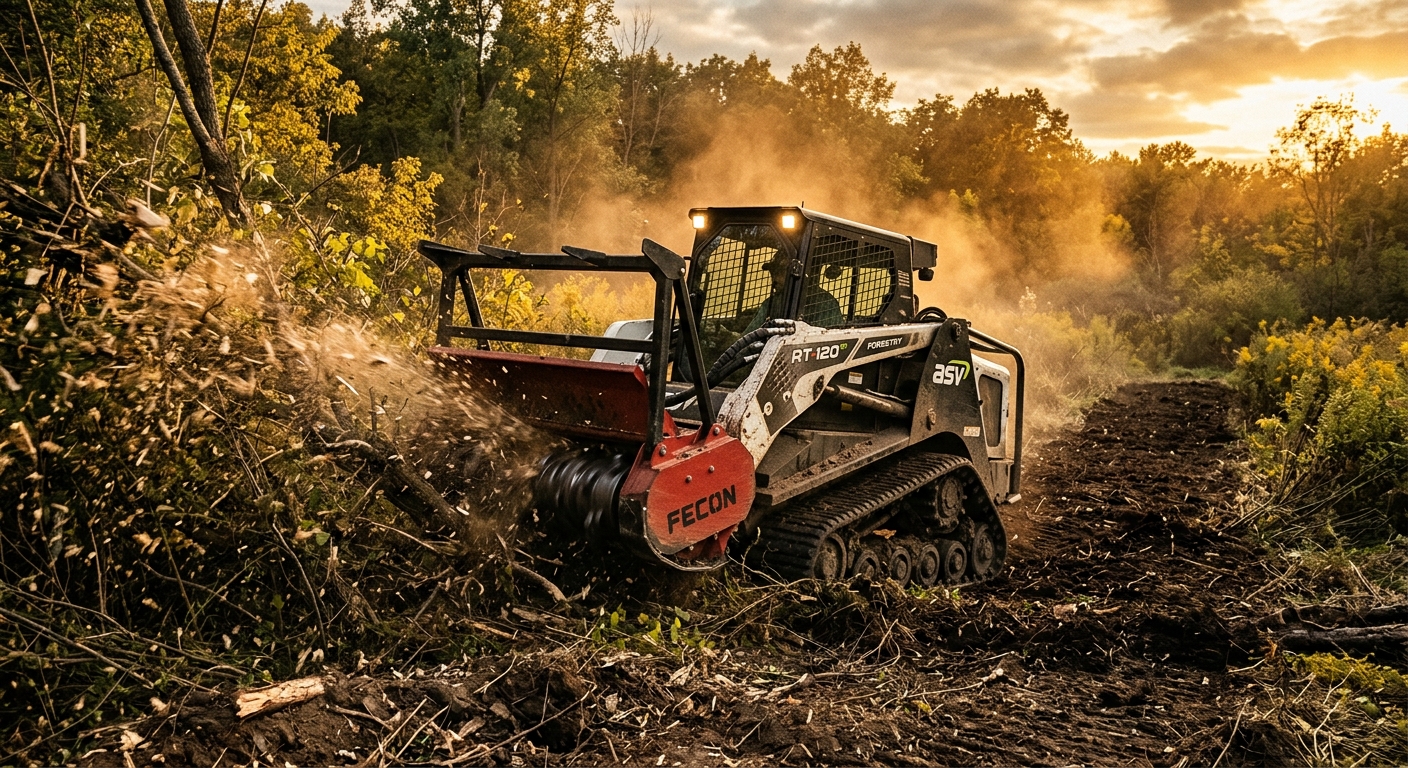
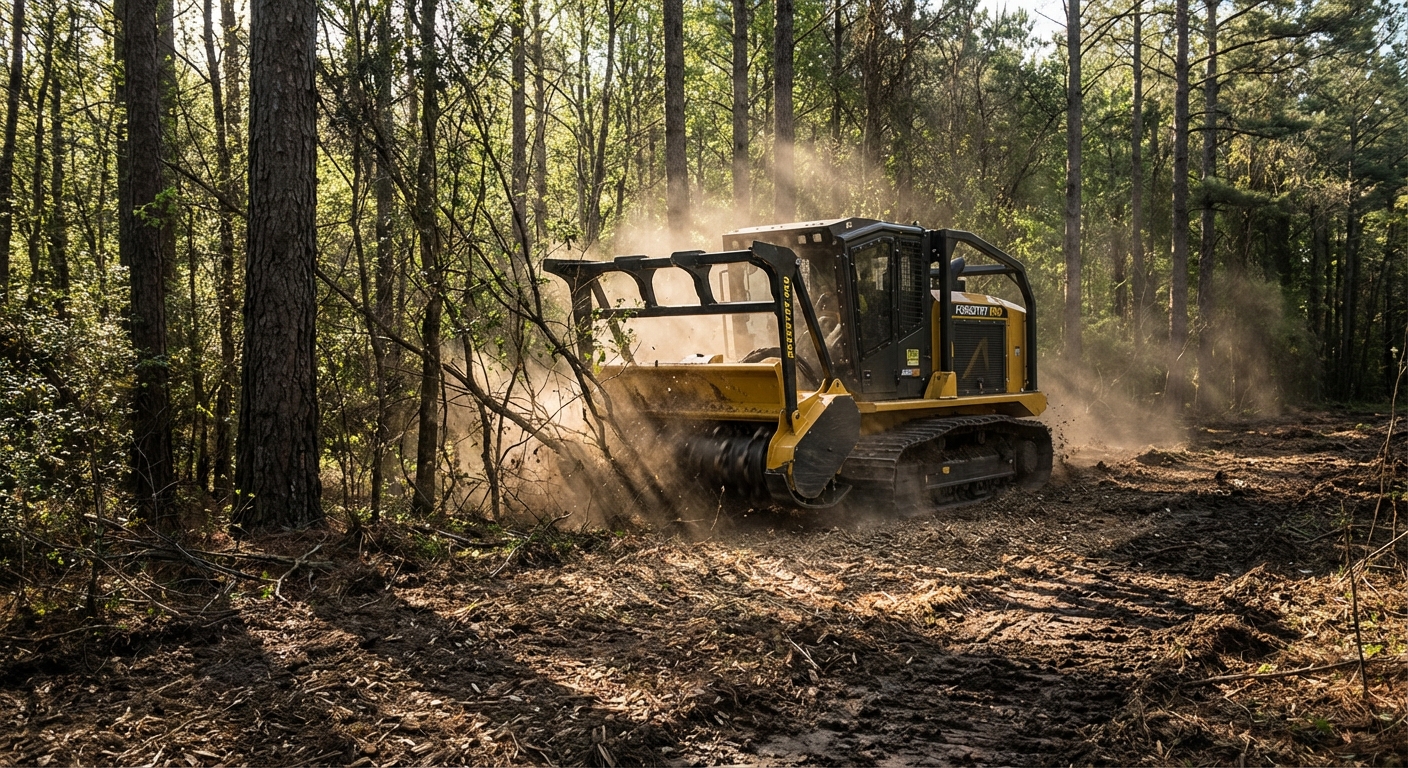
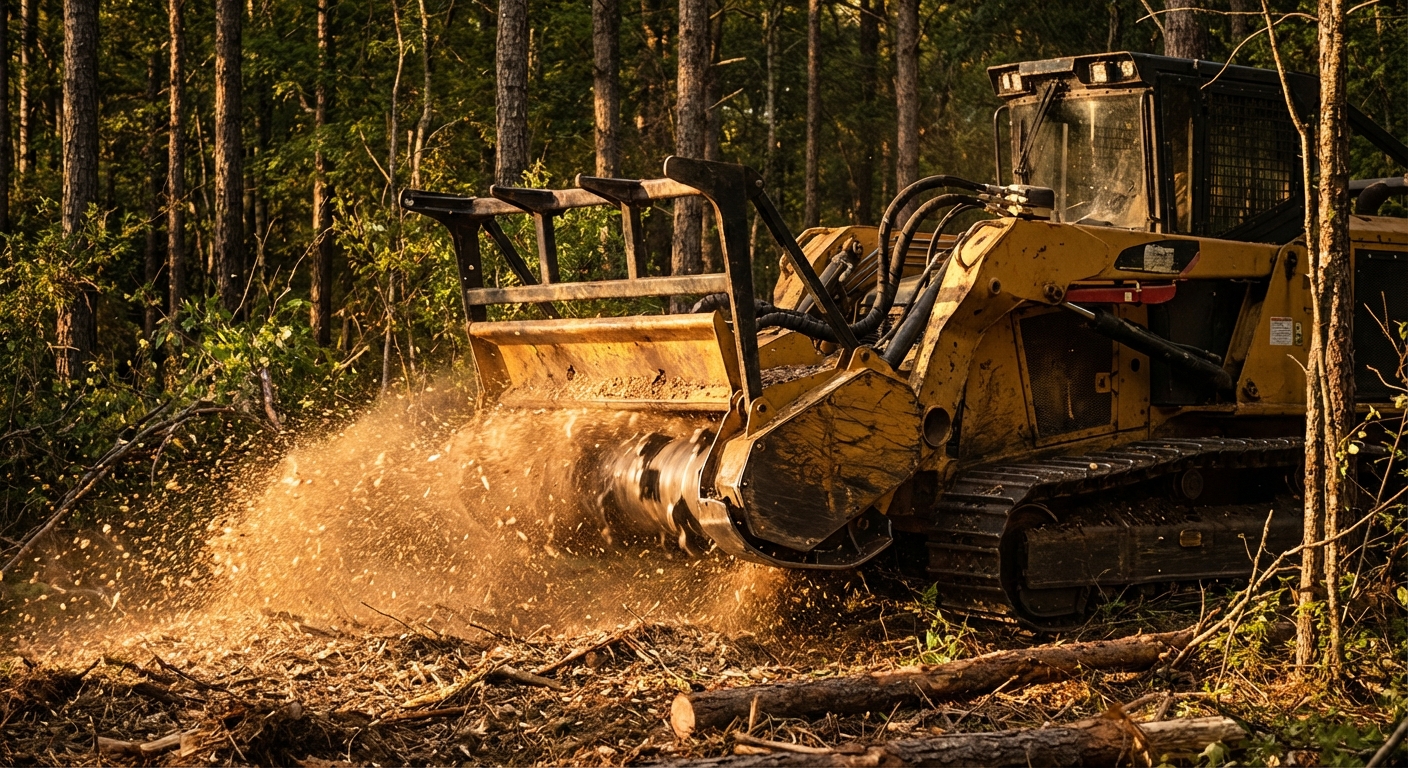
Drum Mulchers — The DC Pro series is probably their best-known product family. Available in standard and X configurations, these drum-style mulchers handle everything from light brush to 8-inch hardwood. The DC Pro X2 is the big boy, designed for operators running high-flow skid steers who need maximum material throughput. Drum mulchers are the workhorse of most land clearing operations, and Diamond’s versions have a reputation for holding up through thousands of hours of abuse.
Disc Mulchers — The Disc Mulcher Pro X takes a different approach to material processing. Instead of a spinning drum with carbide teeth, it uses a heavy disc with cutting tools that slices through standing timber. The BD Pro X variant handles larger diameter trees. Disc mulchers tend to leave a cleaner finish than drums, which matters for operators doing residential or commercial clearing where aesthetics count.
Brush Cutters — The Brush Cutter Pro and Pro X lines are built for mowing thick vegetation, small trees, and overgrown areas. These are the attachments you’d use for ROW (right-of-way) maintenance, pipeline clearing, or any job where you’re taking down saplings and heavy brush rather than full-size timber. Available in widths from 40 inches up to 72 inches for excavator-mounted models.
Stump Grinders — The Miller and Reflex stump grinders round out the clearing lineup. The Reflex model is worth noting because of its articulating design, which lets operators grind stumps at awkward angles without repositioning the carrier machine. Small detail, but anyone who’s spent an afternoon wrestling a fixed-head grinder around tree roots will appreciate the engineering.
Tractor Attachments — Diamond also builds boom mowers, rotary mowers, and flail mowers for the tractor market. Their mid-mount boom mowers are popular with municipal departments and DOTs for roadside vegetation management.
Why Operators Keep Coming Back
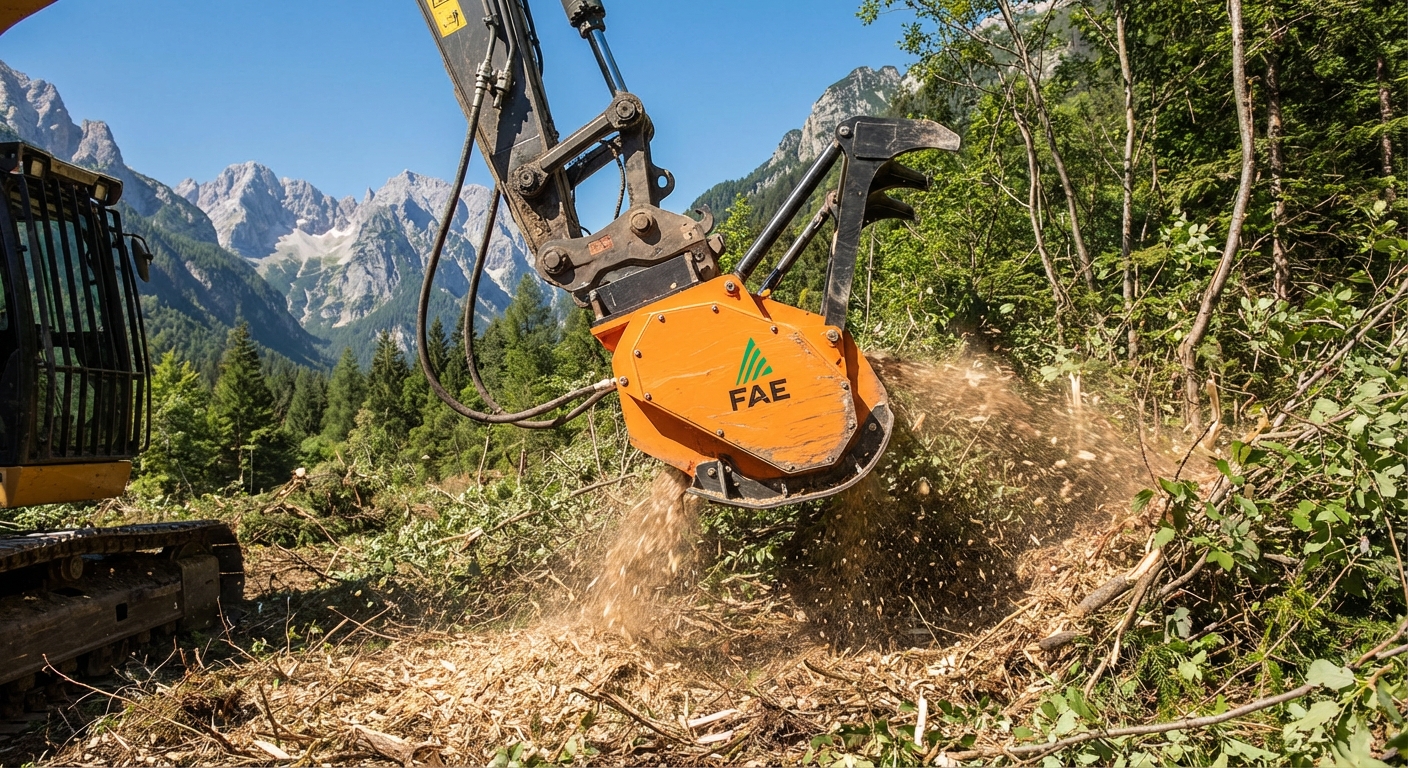
The attachment market is crowded. FAE, Fecon, Loftness, Bandit, Denis Cimaf — there’s no shortage of brands building mulching heads. So what keeps Diamond in the conversation?
Three things stand out when you talk to operators who run Diamond equipment.
First, the build quality is genuinely heavy. These aren’t attachments that were value-engineered down to hit a price point. The steel is thick, the welds are solid, and the components are sized for the loads they’ll actually see in the field. That matters when you’re slamming a mulcher into root balls and rocks all day.
Second, parts availability is good. Diamond stocks replacement teeth, bearings, and wear parts, and their dealer network has grown enough that most operators can source what they need without waiting two weeks. In the attachment world, downtime kills profitability faster than anything else, so having a reliable parts pipeline is a real competitive advantage.
Third, the Sourcewell contract. Diamond holds a cooperative purchasing contract through Sourcewell (contract #032525-DMM), which means government agencies, municipalities, and other public entities can buy Diamond equipment through a pre-negotiated procurement process. That opens up an entire market segment — DOTs, county road departments, parks services — that many smaller attachment makers can’t access easily.
The DM360 Platform
Diamond’s newest push is the DM360 and DM360X, which represent the company’s move toward smarter, more integrated attachment systems. While details on the platform are still rolling out, the DM360 line signals that Diamond is thinking beyond just building tougher steel. The equipment industry as a whole is moving toward telematics, performance monitoring, and data-driven maintenance, and attachment manufacturers who ignore that trend will get left behind.
For a company that built its reputation on raw mechanical durability, adding a technology layer is a meaningful shift. It’s also necessary. Operators increasingly want to know how many hours an attachment has run, what the fuel consumption looks like during mulching operations, and when maintenance is actually due — not just guessing based on calendar time.
The Land Clearing Market Is Growing
Diamond’s timing has been good, because the demand for land clearing services has been on a steady climb. Residential development in suburban and rural areas requires site prep. Solar farm construction needs thousands of acres cleared. Utility companies need ROW maintenance done regularly. Fire mitigation programs in the western U.S. have created an entire sub-industry around fuel load reduction.
All of that means more mulchers, more brush cutters, and more hours on attachments. The forestry attachment market was estimated at over $2 billion globally in 2024, and it’s projected to keep growing at 4-5% annually through the end of the decade. Companies like Diamond that specialize in this space — rather than treating it as a side business — are positioned well.
The growth in land clearing has also created a secondary market for Diamond’s equipment. Used Diamond mulchers hold their value well, partly because of the brand’s durability reputation and partly because demand for used clearing equipment is strong. Operators starting out in land clearing often buy used mulchers to keep startup costs down, and Diamond’s longevity means there are plenty of units with life left in them circulating on the secondary market.
Where Diamond Fits in the Competitive Landscape
Diamond occupies an interesting middle ground. They’re bigger and more established than the small-shop attachment builders, but they’re not a massive conglomerate like the OEMs who bolt their brand onto attachments manufactured by someone else.
That independence gives them flexibility. They can focus entirely on what they’re good at — clearing and mowing attachments — without getting pulled into building buckets, grapples, and fifty other product categories. It also means their R&D budget goes toward one thing: making better mulchers and cutters.
The risk, of course, is consolidation. The attachment industry has seen significant M&A activity over the past decade. Paladin bought up nine brands. Stanley Black & Decker has a big attachment portfolio. If Diamond stays independent, they’ll need to keep investing in product development and dealer network expansion to compete with companies that have deeper pockets. If they sell, their customers will hope the new owners don’t mess with the formula.
For now, Diamond seems committed to the independent path. They’re still family-influenced, still manufacturing in South Dakota, and still building equipment for the operators who actually do the work.
The Bottom Line
Diamond Mowers isn’t trying to be everything to everyone. They build mulching and mowing attachments, they build them tough, and they back them up with parts and service. In an industry full of companies stretching themselves thin across too many product lines, that focus is their biggest advantage.
If you’re running a land clearing operation and you haven’t looked at Diamond’s lineup recently, it’s worth your time. The DC Pro X2 drum mulcher and the Disc Mulcher Pro X are both strong options depending on your material and finish requirements. And if you’re in the municipal or government space, the Sourcewell contract makes the procurement process painless.
Twenty-five years in, Diamond Mowers is still doing what got them started: building equipment that works as hard as the people running it.
For more information, visit diamondmowers.com.