Diamond Mowers: The Sioux Falls Manufacturer Cutting Through the Competition
Founded by a family who built their first mowing company in the 1960s, Diamond Mowers has grown from a startup born of frustration into a vegetation management powerhouse serving contractors across North America.

In the heart of South Dakota, where the Great Plains meet entrepreneurial ambition, Diamond Mowers has spent a quarter-century building a reputation for manufacturing some of the toughest vegetation management attachments in the industry. Founded in 2000 by the Doyle family in Sioux Falls, the company represents something increasingly rare in the equipment world: a family-owned manufacturer that has grown organically while maintaining its commitment to quality and customer service.
Editor’s Note: Managing equipment like the attachments featured in this article requires more than just operational knowledge—it demands detailed maintenance records and cost tracking. FieldFix helps contractors track service intervals, log expenses, and monitor cost-per-hour across their entire fleet, including high-wear items like mulcher teeth and brush cutter blades. Free for up to 3 machines.
From Tiger to Diamond: A Family Legacy in Mowing
The Diamond Mowers story actually begins decades before the company’s founding. Bill Doyle’s father started Tiger Mowers back in the 1960s, establishing the family’s deep roots in industrial mowing equipment. That company was eventually sold in the 1980s to a publicly traded corporation, but the transition didn’t sit well with the Doyles.
After watching the company’s direction shift under corporate ownership, the family stepped away. But the mowing industry was in their blood. When Bill Doyle saw an opportunity to do things differently—to build equipment the way he believed it should be built—he launched Diamond Mowers in 2000.
The founding story resonates with many contractors who’ve experienced the frustration of dealing with equipment manufacturers that prioritize shareholder returns over product quality. The Doyles had been running a dealership in the industrial mowing space during the 1990s, and they grew increasingly dissatisfied with both the quality of products available and the level of customer service being provided. Rather than continuing to sell equipment they didn’t believe in, they decided to manufacture their own.
The Sioux Falls Advantage
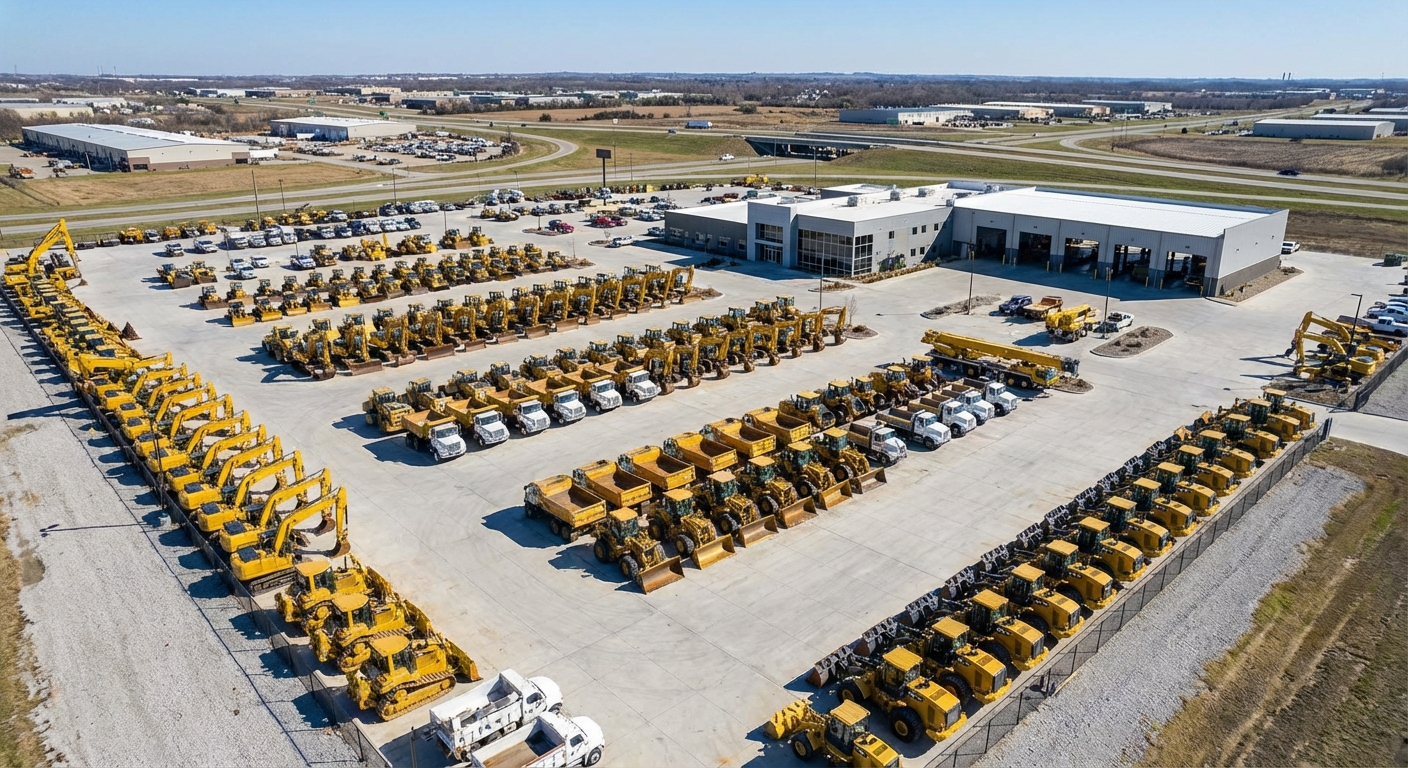
Diamond Mowers’ headquarters in Sioux Falls, South Dakota might seem like an unconventional location for an equipment manufacturer, but the choice has proven strategic. The region offers access to skilled manufacturing labor, reasonable operating costs, and a central location for shipping equipment across North America.
The company currently employs approximately 100 workers at its Sioux Falls facility, where they design, engineer, and manufacture the full range of Diamond Mowers attachments. Unlike manufacturers who’ve offshored production or rely heavily on imported components, Diamond Mowers has maintained its commitment to American manufacturing—a point of pride for the company and a selling point for contractors who prefer to buy domestically produced equipment.
Product Evolution: From Tractors to Track Loaders
Diamond Mowers’ product journey mirrors the broader evolution of the vegetation management industry. The company initially focused on tractor attachments, including rotary mowers and flail mowers that were staples of roadside and agricultural maintenance. But as the compact equipment market exploded in the 2000s and 2010s, Diamond Mowers pivoted to meet new demand.
In 2013, the company made a strategic expansion into the skid-steer and excavator attachment markets. This proved to be a pivotal decision. Compact track loaders and skid steers had become the Swiss Army knives of the construction and land-clearing industries, and contractors needed attachments that could handle serious vegetation work while mounted to these versatile machines.
Today, Diamond Mowers offers a comprehensive lineup of vegetation management attachments:
Brush Cutters: The company’s brush cutter line ranges from the Brush Cutter Pro, designed for property maintenance and lighter-duty applications, to the Brush Cutter Pro X series built for professional land-clearing contractors. These attachments can be mounted to skid steers, compact track loaders, and tractors, offering versatility across equipment fleets.
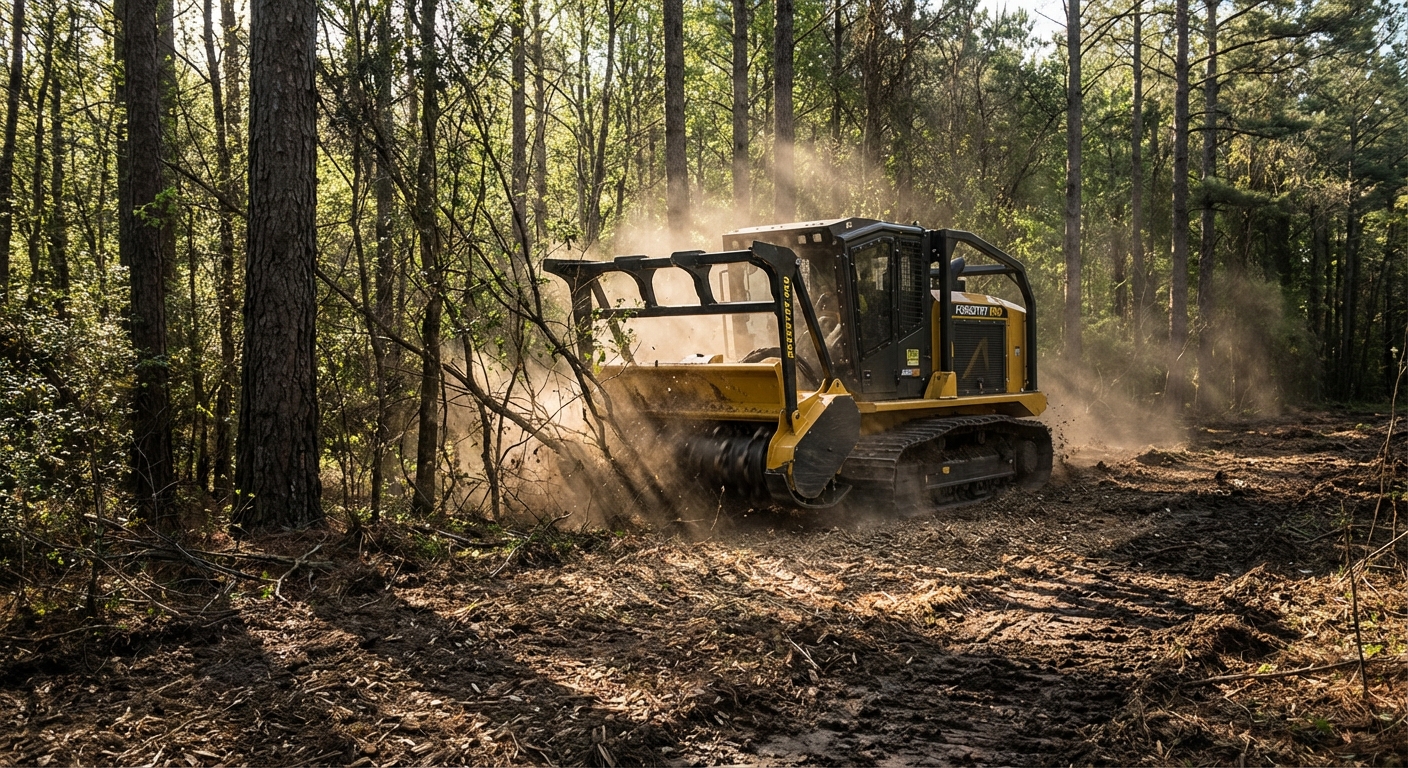
Drum Mulchers: Diamond Mowers’ drum mulcher lineup includes the recently launched Drum Mulcher Pro X2, developed in collaboration with professional mulching contractors. The drum design excels at processing standing timber and heavy brush, producing consistent mulch output.
Disc Mulchers: The Disc Mulcher Belt Drive (BD) Pro X represents Diamond Mowers’ engineering innovation. The belt-drive system acts as a torque multiplier, allowing the mulcher to reach full speed in just 13 seconds. A two-speed variable displacement piston motor provides operators with flexibility to match mulching performance to material conditions.
Boom Mowers: Diamond Mowers recently redesigned its mid-mount boom mower platform, emphasizing operator control, comfort, and safety. The new design features a narrower profile for improved visibility, enhanced boom controls, real-time system diagnostics, and an optional hydraulic clutch for improved fuel economy during transport.
The 2018 Investment: Scaling Without Selling Out
In 2018, private equity firm Lineage Capital invested in Diamond Mowers—a decision that raised eyebrows among those who’ve watched family businesses lose their identity after taking outside capital. But the partnership appears to have been structured thoughtfully.
The investment was specifically targeted at three objectives: new product development, expanded manufacturing capacity, and potential strategic acquisitions. Rather than extracting value from the company, the capital infusion has enabled Diamond Mowers to accelerate R&D and bring new products to market faster than would have been possible through organic growth alone.
The proof is in the product pipeline. Since 2018, Diamond Mowers has introduced multiple new attachment lines, redesigned existing products with contractor feedback, and expanded its dealer network across North America. The company has maintained its Sioux Falls manufacturing base and, by all accounts, its commitment to quality and customer service.
Innovation in Action: Recent Product Launches
Diamond Mowers’ recent product development efforts showcase the company’s engineering capabilities and its responsiveness to contractor needs.
The Mini Brush Cutter Pro X received industry recognition at trade shows, offering contractors a compact solution for lighter vegetation management work. The attachment fills a gap in the market for operators who need brush-cutting capability but don’t require the power or weight of full-size units.
The company’s Q-Connect system demonstrates innovative thinking about attachment versatility. The system allows operators to interchange boom heads quickly, reducing downtime and enabling a single boom mower chassis to serve multiple functions.
Diamond Mowers has also invested heavily in durability features across its product lines. Replaceable liners protect critical components from wear, extending attachment life and reducing long-term ownership costs. Optimized hydraulic systems improve efficiency while reducing strain on carrier machines—an important consideration for contractors running attachments on lease or financed equipment.
Market Position and Competition
Diamond Mowers competes in a crowded field of vegetation management attachment manufacturers. The company faces competition from both large multinational corporations with extensive dealer networks and smaller regional manufacturers.
What sets Diamond Mowers apart, according to industry observers, is the combination of product quality, American manufacturing, and customer service responsiveness. The company has built its reputation on standing behind its products and working with contractors to resolve issues quickly when they arise.
The vegetation management attachment market has grown significantly over the past decade, driven by several factors: increased emphasis on utility right-of-way maintenance, wildfire prevention and fuel reduction programs, land-clearing activity for residential and commercial development, and the growing popularity of forestry mulching as an alternative to traditional clearing methods.
Diamond Mowers has positioned itself to capture share across these segments, with products suited to everything from municipal roadside maintenance to heavy-duty land clearing for construction projects.
Dealer Network and Market Reach
Diamond Mowers distributes its products through an extensive dealer network spanning North America. The company has invested in building relationships with equipment dealers who specialize in compact equipment and attachments, ensuring that contractors have access to local sales and service support.
The dealer development strategy aligns with the company’s overall approach: rather than pursuing maximum distribution at the expense of customer support, Diamond Mowers has focused on building a network of knowledgeable dealers who can help contractors select the right equipment for their applications and provide ongoing service support.
Looking Ahead: Growth Opportunities
The vegetation management market shows no signs of slowing down. Climate-related factors, including increased wildfire risk in the western United States, have driven demand for fuel reduction and defensible space creation. Utility companies continue investing in right-of-way maintenance to prevent outages and reduce liability. And the overall construction market, while cyclical, maintains a baseline demand for land-clearing services.
Diamond Mowers appears well-positioned to capitalize on these trends. The company’s American manufacturing base provides supply chain advantages in an era of global uncertainty. Its investment in R&D has produced a modern product lineup that meets contractor demands for productivity, durability, and ease of maintenance. And its customer-focused culture—inherited from the Doyle family’s founding vision—continues to differentiate the brand in a competitive market.
The Contractor Perspective
For contractors evaluating vegetation management attachments, Diamond Mowers represents a compelling option to consider alongside better-known brands. The company’s products have earned a reputation for durability and performance, backed by responsive customer service.
The attachment market rewards contractors who do their homework. Operating costs vary significantly between brands and models, with factors like fuel consumption, maintenance requirements, and wear part longevity affecting total cost of ownership. Diamond Mowers’ focus on durability features—replaceable liners, optimized hydraulics, and robust construction—addresses the cost-per-hour concerns that drive purchase decisions for professional contractors.
Conclusion: American Manufacturing Meets Market Opportunity
Diamond Mowers’ 25-year journey from startup to industry player illustrates what’s possible when manufacturing expertise meets entrepreneurial drive. The Doyle family took their frustration with industry norms and channeled it into building a company that does things differently—prioritizing quality, customer service, and American manufacturing at a time when those values are increasingly rare.
As vegetation management demand continues growing, driven by development activity, utility maintenance requirements, and climate-related factors, Diamond Mowers is positioned to grow along with the market. The company’s Sioux Falls facility, its dedicated workforce, and its commitment to product innovation provide a foundation for continued success.
For contractors in the market for brush cutters, mulchers, or boom mowers, Diamond Mowers deserves a place on the consideration list. The company may not have the name recognition of the industry giants, but that’s precisely the point—Diamond Mowers built its reputation the old-fashioned way, one satisfied customer at a time.
Equipment Insider covers the companies, technologies, and trends shaping the heavy equipment industry. For more company profiles, market analysis, and breaking news, visit equipmentinsiderhq.com.