Wacker Neuson Stays Independent: What the Failed $2.3B Doosan Bobcat Deal Means for Compact Equipment
The German compact equipment giant walks away from acquisition talks with South Korea's Doosan Bobcat, signaling a renewed focus on independent growth and raising questions about consolidation in the light equipment market.
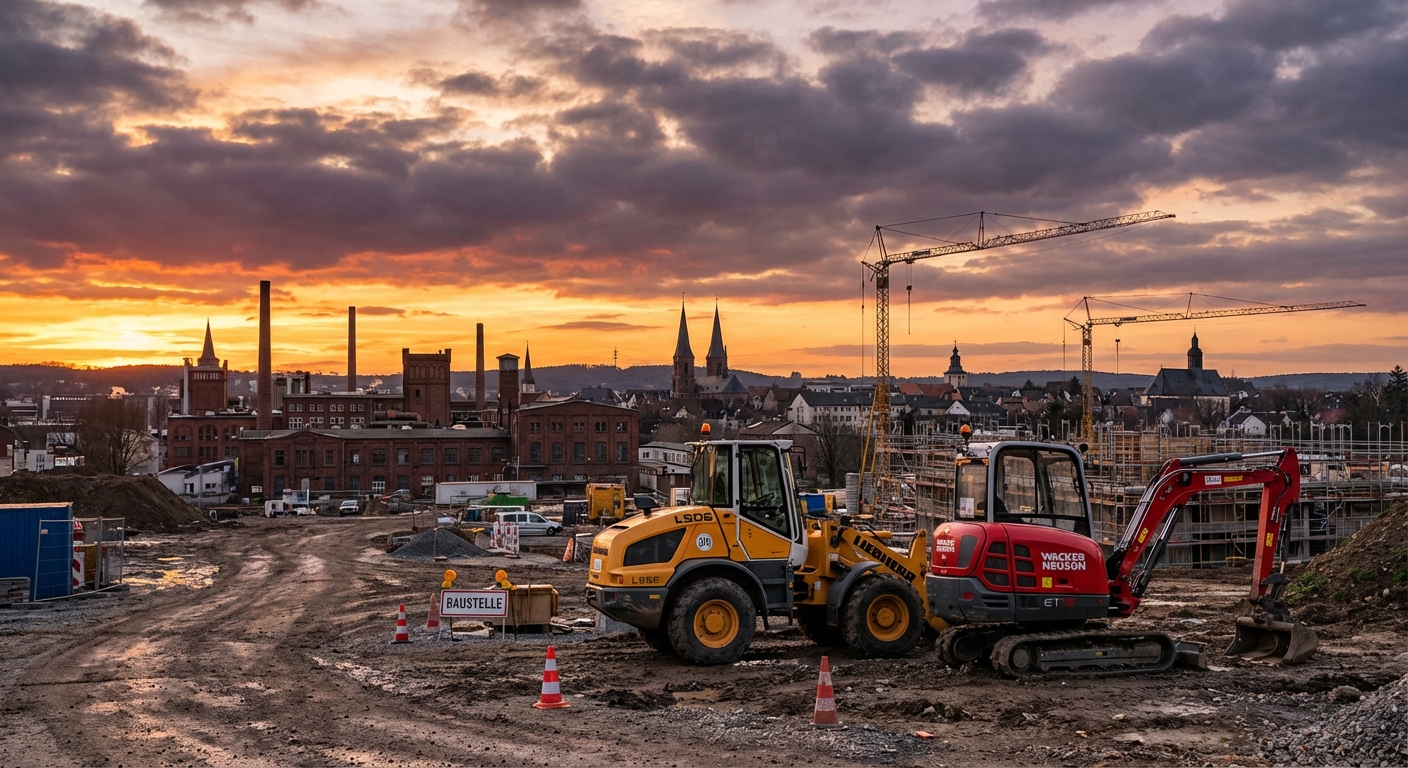
In a move that surprised industry analysts who had been tracking what appeared to be an imminent mega-deal, Germany’s Wacker Neuson SE announced in late January that acquisition talks with South Korea’s Doosan Bobcat would not proceed. The proposed $2.3 billion transaction would have reshaped the global compact equipment landscape—and its collapse tells us as much about the industry’s future as its completion would have.
The Wacker Neuson Group, headquartered in Munich, is one of the world’s leading manufacturers of light and compact construction equipment. From vibratory plates and rammers to wheel loaders and compact excavators, the company has built a reputation for German engineering excellence in the “small but essential” category of construction machinery.
Editor’s Note: Fleet Management in a Consolidating Market
Whether your operation runs Wacker Neuson compactors, Bobcat skid steers, or a mixed fleet of compact equipment, tracking maintenance and costs across multiple brands is critical. FieldFix helps contractors manage equipment from any manufacturer—logging service history, tracking expenses, and calculating true cost-per-hour. When the market shifts, knowing your numbers puts you ahead. Try FieldFix free at fieldfix.ai.
The Deal That Almost Was
In December 2025, news broke that Doosan Bobcat was in “advanced discussions” to acquire approximately 63% of Wacker Neuson’s shares from major shareholders, with plans to launch an all-cash public takeover offer for remaining shares. The transaction valued the German company at roughly €2.1 billion ($2.3 billion USD).
For Doosan Bobcat—already a global powerhouse in skid steers, compact track loaders, and mini excavators—the acquisition made strategic sense on paper. Wacker Neuson’s strength in light equipment (compaction, concrete, and handheld tools) would have complemented Bobcat’s compact machinery lineup, creating a formidable competitor to Caterpillar and other industry giants in the sub-10-ton equipment category.
According to Reuters reporting, Wacker Neuson announced on January 23, 2026, that the discussions would not continue. The company stated it “remains focused on its strategy to pursue sustainable growth.”
Doosan Bobcat, in a filing with Korean regulators, confirmed it had “reviewed the acquisition of Wacker Neuson, but decided not to proceed.” Neither party elaborated on specific reasons for the breakdown.
Why the Deal Collapsed
While official statements remain sparse, industry observers and financial analysts have identified several likely factors:
Capital Allocation Conflicts
According to KED Global, Doosan Group was simultaneously pursuing the acquisition of SK Siltron, the world’s third-largest semiconductor wafer manufacturer. Pursuing both transactions would have strained Doosan Group’s balance sheet significantly.
The semiconductor bet appears to have won. SK Siltron represents a diversification play into high-growth chip manufacturing—a strategic pivot away from construction equipment at a time when the Korean conglomerate is restructuring its portfolio.
Valuation Disagreements
Deal negotiations often collapse over price, and early 2026 brought challenging market conditions. European construction activity showed signs of softening, and Wacker Neuson’s stock had experienced volatility. The 63% stake acquisition at the proposed valuation may have seemed less attractive after further due diligence.
Integration Complexities
Merging a German light equipment manufacturer with a Korean-American compact machinery company presents significant integration challenges. Wacker Neuson operates primarily in European markets with different distribution networks, customer bases, and product positioning than Bobcat’s North American stronghold.
Shareholder Resistance
Major shareholders at Wacker Neuson may have developed cold feet as negotiations progressed. The founding families—the Wacker and Neunteufel families—maintain significant influence, and selling to a Korean conglomerate represents a dramatic cultural shift for the 176-year-old company.
Wacker Neuson: A Company Profile
Understanding why this deal matters requires understanding what Wacker Neuson brings to the table.
The company traces its roots to 1848, when Johann Christian Wacker founded an iron forge in Dresden, Germany. Over nearly two centuries, the company evolved through industrial revolutions, world wars, and market transformations to become a €2.5 billion revenue enterprise.
The modern Wacker Neuson Group formed in 2007 through the merger of Wacker Construction Equipment and Neuson Kramer Baumaschinen. This combination united Wacker’s expertise in light handheld equipment—vibratory plates, rammers, concrete vibrators—with Neuson’s compact wheel loaders and excavators.
Today, Wacker Neuson operates manufacturing facilities across Germany, Austria, the United States (Menomonee Falls, Wisconsin), and China. The company employs approximately 6,000 people worldwide and sells through a network of over 4,500 dealers and rental partners.
Product Portfolio
Wacker Neuson’s product lineup spans several categories:
Light Equipment: Vibratory plates, rammers, internal vibrators, and screeds for concrete compaction and placement
Compact Equipment: Wheel loaders, skid steers, compact track loaders, and excavators in the 1-14 ton range
Generators and Pumps: Portable power and water handling equipment for jobsites
Services: Rental, financing, and aftermarket parts
The company has positioned itself as a leader in sustainability within the compact equipment space, investing heavily in battery-electric alternatives. Wacker Neuson’s zero-emission lineup includes electric excavators, wheel loaders, and numerous battery-powered light equipment options.
Market Implications
The failed acquisition leaves several important dynamics in play:
Compact Equipment Consolidation Continues—Just Not This Deal
The compact and light equipment segment remains attractive for consolidation. With construction labor shortages driving demand for smaller, more maneuverable machines that require less specialized operators, manufacturers with strong compact equipment portfolios hold valuable market positions.
Wacker Neuson remaining independent doesn’t mean they’re off the market permanently. Other suitors—European competitors, Asian manufacturers seeking Western market access, or private equity firms—may emerge.
Doosan Bobcat’s Strategic Pivot
Doosan Bobcat’s decision to prioritize semiconductors over construction equipment expansion signals interesting strategic thinking. The Korean conglomerate appears to be betting that technology manufacturing offers better long-term returns than construction machinery consolidation.
This could create opportunities for other compact equipment manufacturers to pursue growth strategies that Doosan Bobcat has now deprioritized.
Independent Wacker Neuson’s Growth Path
With no acquisition on the horizon, Wacker Neuson must execute its independent growth strategy. The company’s strengths in European markets and its early investments in electrification position it well for regional construction trends emphasizing sustainability.
However, remaining independent also means competing against increasingly well-capitalized competitors. The company will need continued investment in product development, dealer network expansion, and market share defense.
The Electrification Angle
One underappreciated aspect of this story involves electric equipment. Wacker Neuson has been a leader in compact equipment electrification, launching battery-electric excavators, wheel loaders, and light equipment before many larger competitors.
European regulations increasingly favor zero-emission construction equipment, particularly for urban jobsites. Wacker Neuson’s head start in electric compact machinery could prove more valuable as an independent company than as a division of a larger conglomerate where electrification investments might compete with other priorities.
The company’s electric mini excavator lineup and battery-powered compaction equipment are already finding traction with European contractors facing urban noise and emissions restrictions.
What This Means for Equipment Operators
For contractors and equipment owners, the Wacker Neuson story offers practical takeaways:
Brand Independence Has Value: Equipment from manufacturers who control their own destiny—rather than being shuffled through corporate portfolios—often maintains better parts availability and dealer support long-term.
Electrification Is Real: Wacker Neuson’s electric investments signal where compact equipment is heading. Contractors should factor charging infrastructure and electric equipment options into long-term fleet planning.
European Equipment Quality: German engineering standards remain highly regarded. For operations requiring precision and durability in light and compact equipment, European manufacturers often deliver premium quality—though sometimes at premium prices.
Market Volatility Creates Opportunity: When major deals collapse, manufacturers often increase marketing and sales efforts to demonstrate independent strength. This can mean better financing, promotional pricing, or enhanced dealer support.
Looking Ahead
The compact and light equipment market in 2026 continues evolving rapidly. Electric equipment adoption is accelerating, labor shortages are driving automation investments, and consolidation pressures remain despite this deal’s collapse.
Wacker Neuson’s decision to remain independent—or the failure to complete this acquisition, depending on perspective—positions the company as a significant player shaping market dynamics. Their next moves in product development, market expansion, and potential future M&A conversations will be worth watching.
For now, the global compact equipment landscape remains more fragmented than it might have been. And for contractors who value equipment choice and manufacturer competition, that fragmentation may ultimately serve their interests well.
Equipment Insider delivers daily analysis of the heavy equipment industry. For the latest on market trends, company profiles, and equipment technology, follow us on X @equipinsiderhq and LinkedIn.