
Avant's Compact Forestry Mulcher Is a Market Signal, Not Just a Product Release
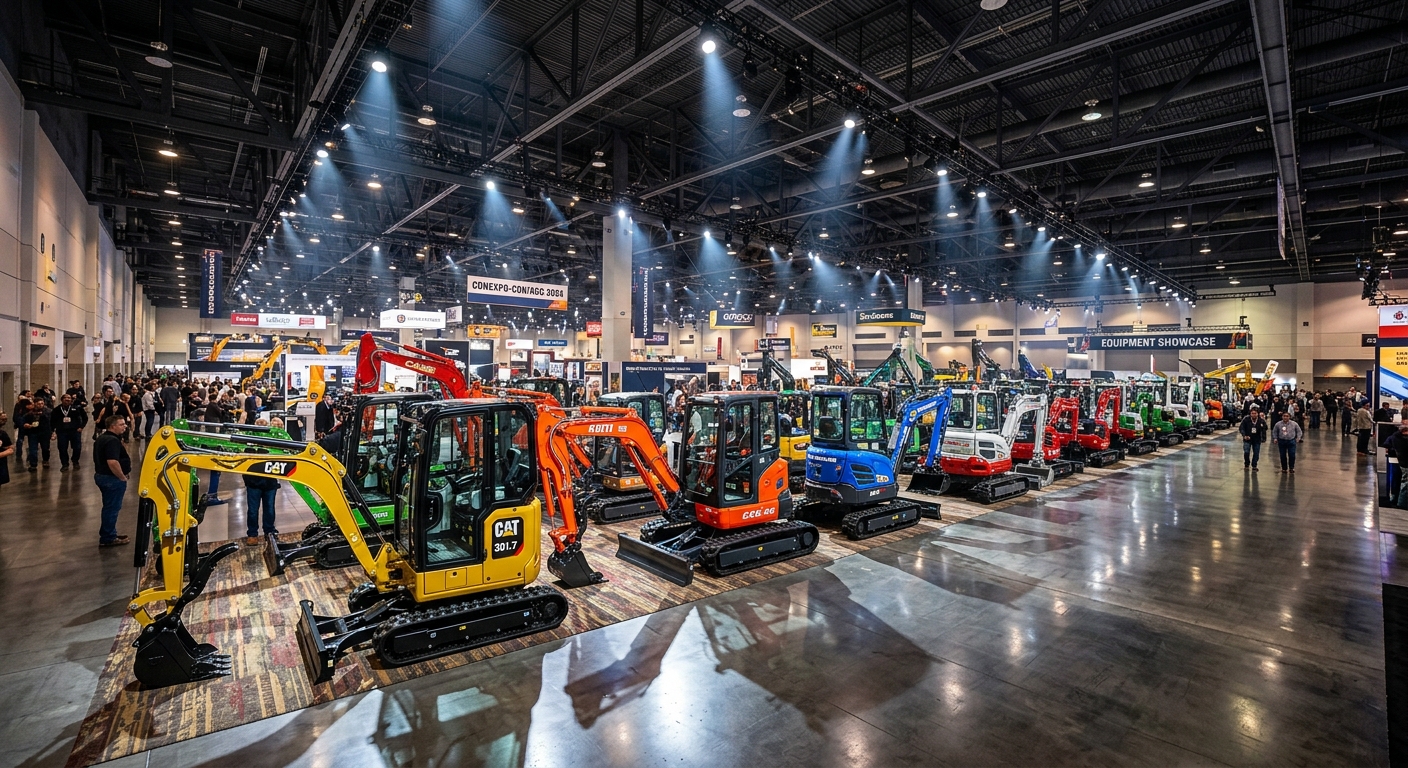
Avant Tecno just rolled out a forestry mulcher and an updated timber grab for its articulating compact wheel loaders at ConExpo 2026. The release matters less as a product story and more as a signal: forestry mulching is moving down-market into smaller carriers, and the contractors doing this work are no longer waiting for a 30,000-pound dedicated machine.
Avant Tecno does not usually drive headlines on the same news cycle as Caterpillar, Komatsu, or John Deere. That is part of why this release is worth paying attention to.
At ConExpo 2026, the Finnish articulated-loader maker rolled out a new Forestry Mulcher and an updated Timber Grab for its compact articulating wheel loaders, as reported by Equipment World and Total Landscape Care. The mulcher is built to clear bushes, brushwood, and light vegetation, and to cut and crush small trees and grind small tree stumps above ground level. The company also rerouted hose paths and reinforced the lower frame on the new Timber Grab to better protect both from the rough handling that comes with the work.
That sounds like a brochure update. The better read is that the segment beneath the brochure is changing.
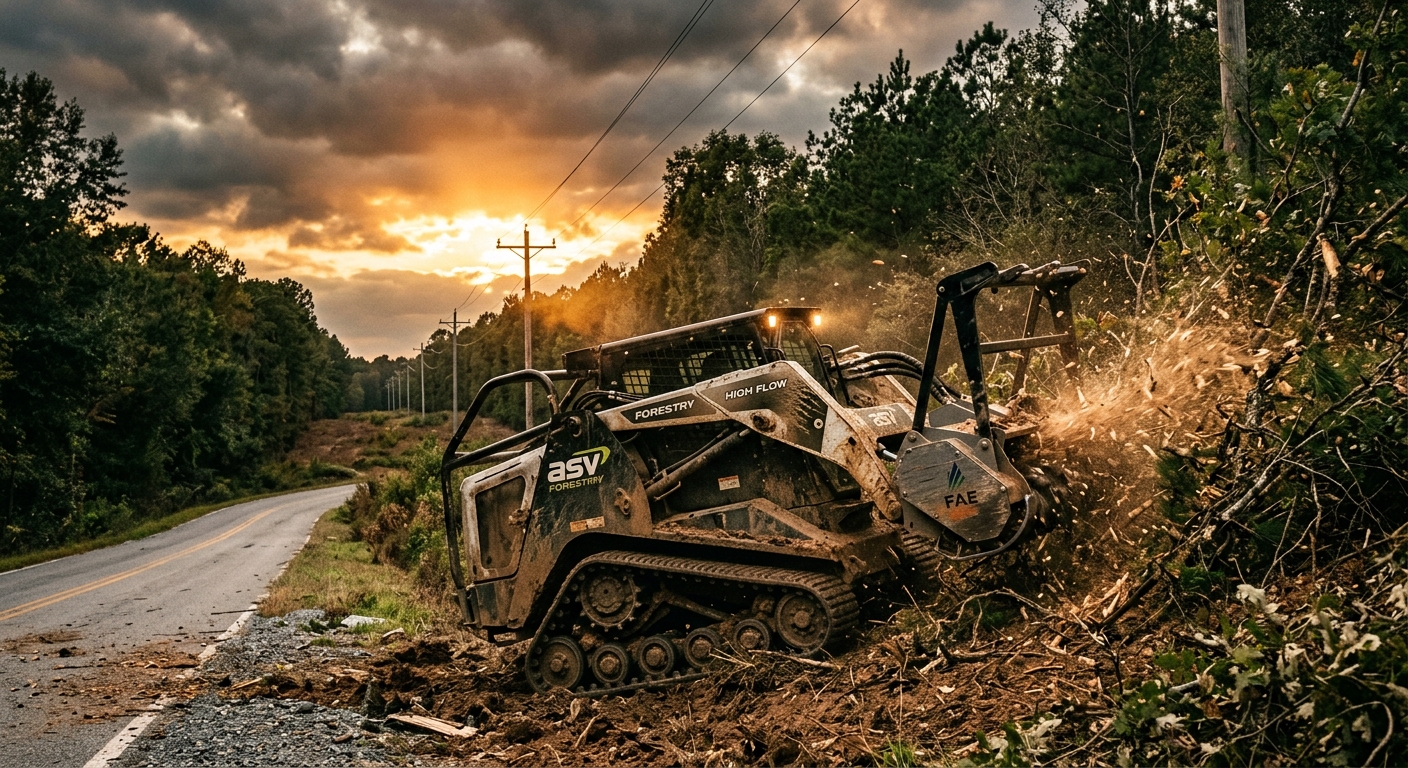
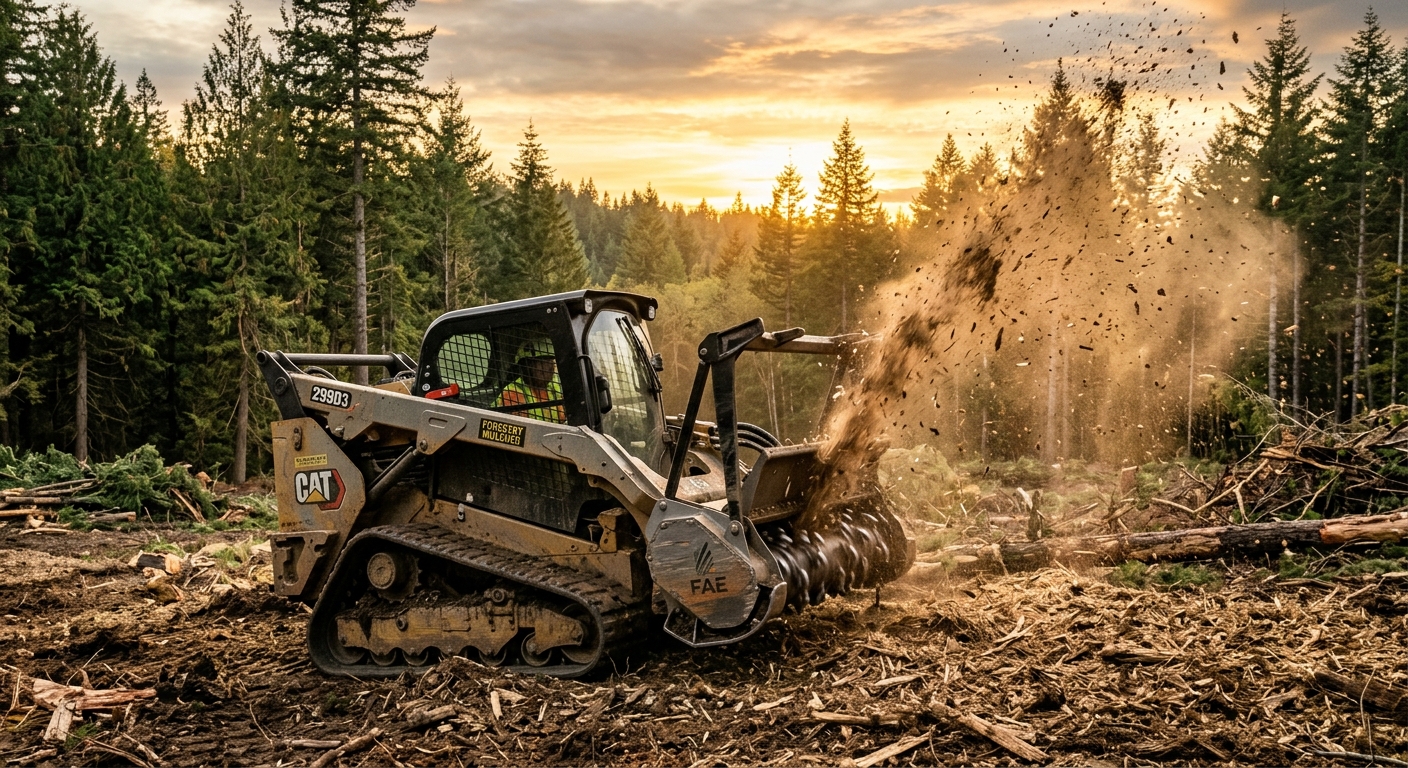
Forestry mulching has spent the last decade defined by big iron — track-mounted carriers, high-flow skid steers, dedicated drum-mulcher rigs, and purpose-built carriers from companies like Fecon, Loftness, and FAE. That part of the market is not going anywhere. But Avant pointing one of its compact articulating loaders at the forestry mulcher segment is the kind of signal that quietly tells you where adoption is moving.
FieldFix Editor’s Note: Forestry mulching is hard on iron, hard on hydraulics, and hard on operating costs. The owners who stay in this work long enough to scale it are the ones who actually know their cost per hour. FieldFix helps equipment owners track machine hours, service history, repair spend, and downtime so a mulcher decision can be tied back to real numbers, not vendor pitch decks.
What Avant actually announced
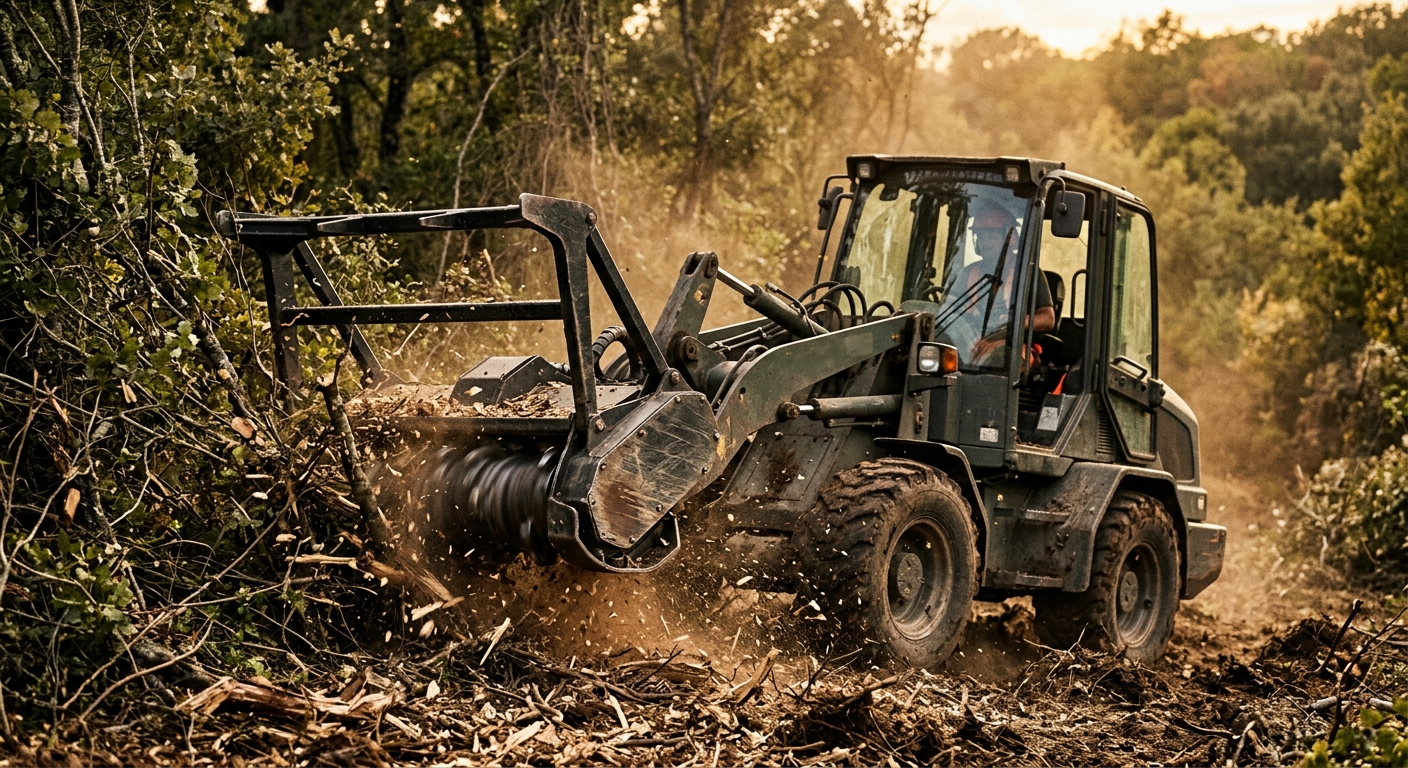
The new Forestry Mulcher is compatible with the Avant 645i, 650i, 755i, 760i, 855i, and 860i. A hydraulic-drive motor sits on the rotor, which is fitted with standard crushing- and mulching-type carbide teeth. The hood in front of the rotor is hydraulically operated and can be opened up so the operator can take down standing brush and small trees, letting the wood feed cleanly into the rotor instead of bending under the head.
A horizontal push bar on the front guides cut material and lets the operator move and turn fallen trees and limbs. Avant is also flagging the obvious safety point: an enclosed cab is required, because mulchers throw material.
The Timber Grab update is less dramatic but more telling. Avant rerouted the hydraulic hoses to keep them out of the parts of the cycle where a load can pinch or snag a line, and reinforced the bottom of the grab so it survives being dragged, dropped, and twisted across uneven ground. They also widened compatibility up through the 700-series machines.
That is not a redesign. It is the kind of revision a company does after a few years of warranty claims and dealer feedback. It tells you Avant is taking this part of the catalog seriously enough to harden it.
Why a compact carrier even gets a mulcher
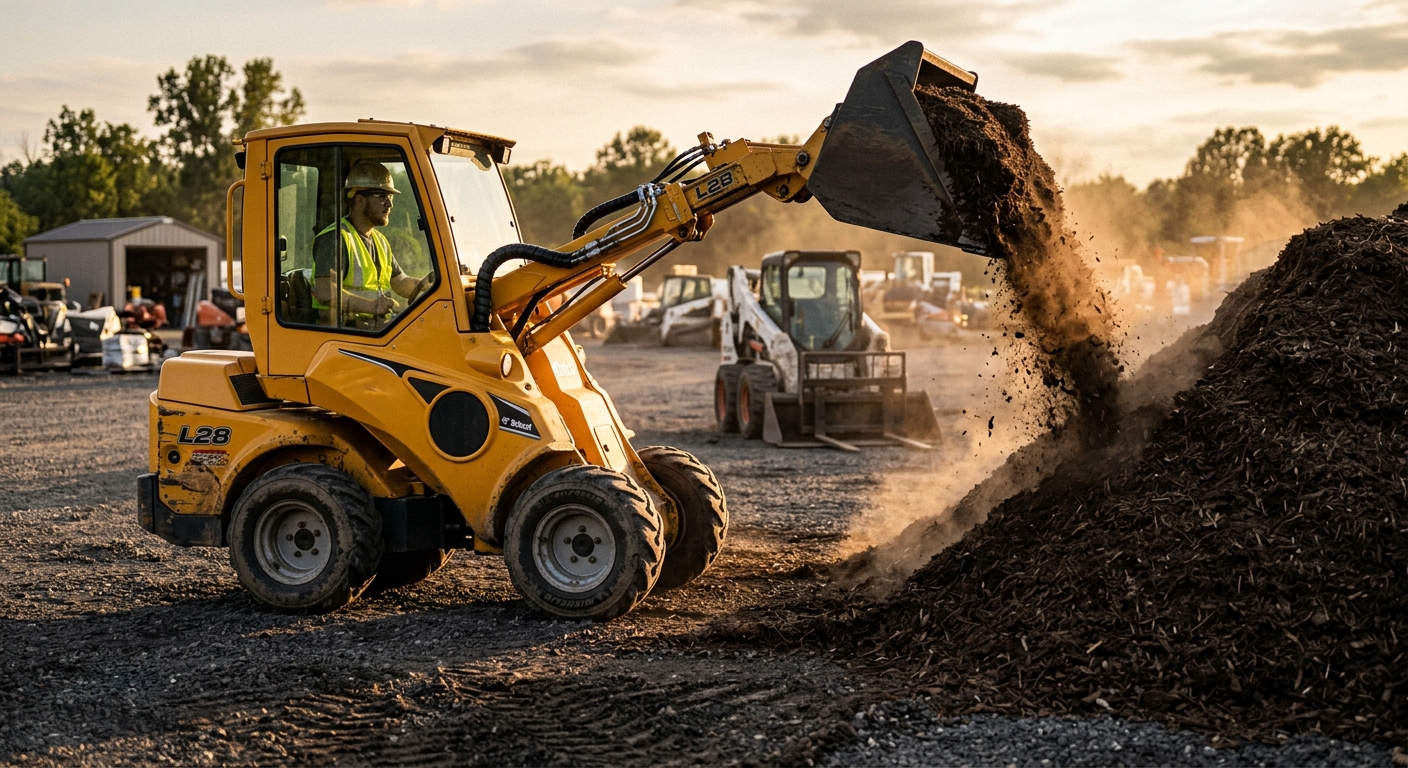
A 5,000-pound articulating wheel loader is not going to replace a 12,000-pound forestry-spec compact track loader running a high-flow drum mulcher. That is not the play.
The play is the work that does not justify a dedicated mulcher rig.
A lot of vegetation management is in awkward places. Backyards. Fence lines. Easements. Drainage ditches. Around trail systems, parks, and HOA-managed common areas. Behind houses where a tracked machine churns up sod the homeowner just paid to install. Storm cleanup where the customer wants the brush gone but does not want their lawn turned into a moonscape. Light-duty land clearing at the edge of a developed lot where the contractor needs to clean up scrub and saplings, not level mature timber.
That work has historically been split between three uncomfortable options:
The contractor brings in a heavy mulcher, charges for it, and tries to manage the ground damage and turf restoration on the back end. The contractor hand-clears with chainsaws and pole saws, eating labor hours and dealing with disposal. Or the contractor turns the job down because the machine they have for it does not exist.
A compact articulating wheel loader with a real mulcher head is aimed at that gap. It is light. It pivots in tight space. It rolls on tires that do not gut a residential lawn the way a track machine can. It can run a mulcher head sized to the job, not to the machine. And the same carrier already pulls a timber grab, a bucket, a fork, a sweeper, and the rest of the attachment library a property-services or landscape-construction outfit already owns.
That is not a forestry mulcher in the Fecon sense. It is a vegetation-management mulcher. The distinction matters.
The market math behind compact land clearing
Compact equipment buyers do not need a market report to tell them this segment is busy. They are living it. But the report numbers point in the same direction.
The global compact-loader market is projected to grow from roughly $10.3 billion in 2026 to $15.3 billion by 2034, a compound annual growth rate of about 5%, according to Fortune Business Insights. The compact wheel loader category specifically is forecast to move from about $6.0 billion in 2026 to roughly $7.1 billion by 2030, per Future Market Insights. Forestry, landscape, and vegetation management keep showing up as named growth drivers in those reports.
The driver is not glamour. It is the steady, recurring nature of the work. Roadside maintenance does not cancel because the broader equipment cycle cools off. Utility-corridor clearing, fire mitigation, fence-line reclamation, storm cleanup, pasture restoration, and small-lot site prep all keep coming. The crews that handle those jobs do not generally want one $300,000 dedicated forestry rig sitting idle six months a year. They want a fleet of compact carriers that can shift between attachments and stay billable across multiple revenue streams.
That is exactly the buyer Avant has been quietly courting for years, and it is the buyer most likely to put a mulcher head on a small wheel loader and use it more than the spec sheet implies.
What the Timber Grab update tells you
The Timber Grab story is more interesting than it looks because it points at how this work actually wears equipment.
The hose routing change is a tell. Hydraulic hoses on tree-handling attachments fail in a few specific ways: pinched between a log and the grab body, snagged on stubs and broken limbs, abraded against bark, or torn off when the operator drags the grab through a slash pile. None of that is unusual. All of it is expensive.
When a manufacturer reroutes hoses on an existing attachment, it usually means warranty data, dealer service tickets, or owner complaints have made the case that the old routing was costing somebody money. That is not a marketing decision. It is a maintenance decision dressed up as a product update.
The reinforced bottom is the same kind of move. Anyone who has actually grappled small trees and limbs in real conditions knows the bottom of a timber grab takes hits the spec sheet does not show. The grab gets used as a battering ram. It scrapes the ground. It catches rocks. Reinforcing it is the kind of change a company makes when it wants the attachment to survive a second and third life with secondary owners, not just look good in the first 200 hours.
For buyers, the lesson is the lesson it has always been with attachments: the brochure tells you what it is supposed to do, the warranty data tells you what it actually does, and the reroutes and reinforcements in the second-generation product tell you where the first generation broke.
Where this fits next to dedicated forestry rigs
Nothing about Avant’s release threatens the dedicated forestry mulcher market. A 600-horsepower carrier with a heavy fixed-tooth drum is not in the same conversation as a compact articulated loader with a small carbide-toothed mulcher head. The big iron is solving a different problem.
What Avant’s move does is put real pressure on the bottom edge of that market.
Contractors used to buy the smallest dedicated forestry rig they could justify because anything compact felt like a toy. That stops being true the moment compact carriers carry serious enough hydraulics, structural integrity, and attachment options to actually do the light-duty work. Once that threshold is crossed, the dedicated forestry rig has to justify itself on jobs that genuinely need it — heavy mature timber, dense slash, big stumps, real production clearing — instead of getting dragged out for a half-day of brush cleanup behind someone’s pool fence.
That is healthier for the buyer. It is also harder for the rep selling the dedicated rig, because the conversation shifts from “every clearing job needs a forestry machine” to “you should buy this for the jobs that actually pay for it.” Honest sizing.
What contractors should actually take from this
A few things, depending on where the buyer sits.
For property-services, landscape, and grounds-maintenance crews already running compact articulating wheel loaders or skid steers, the lesson is that the attachment library for vegetation work keeps deepening. The cost of saying yes to brush clearing, fence-line cleanup, and small-tree work is dropping. The carrier already exists. The attachment is now real. The question becomes whether the operator and the insurance side are ready, not whether the iron can do the job.
For dedicated forestry mulching contractors, the takeaway is the opposite. The lower end of the work is going to get more competitive as compact carriers eat into it. The right response is not to fight on the small jobs. It is to make sure the production-class jobs are priced for what they actually are — heavy, fast, brutal work that a 5,000-pound carrier will never replace — and to stop writing bids that effectively subsidize light brush cleanup with the rate from real production clearing.
For municipalities, utility cooperatives, and right-of-way contractors, the signal is broader. Compact carriers running real attachments expand the supplier pool. Smaller operators with versatile fleets can credibly bid more of this maintenance work. That should put some discipline back into pricing on the routine pieces of the contract, even if the heavy-duty corridor work remains the territory of dedicated mulching specialists.
For dealers and rental houses, the question is whether the attachment side of the inventory is actually keeping up with the carrier side. A compact wheel loader with no realistic forestry attachment behind it is a less complete sale than it was twelve months ago.
The quiet shift
The last several years of compact-equipment news have been dominated by the same themes: more electric options, more telematics, more autonomy, bigger touchscreens, and bigger price tags. Most contractors processing those headlines have a short, honest reaction: that is interesting, but does it help me get the work done.
Avant’s release is not flashy by that standard. There is no AI badge. There is no electrification announcement. There is no autonomy story. There is just a small mulcher head, a hardened timber grab, and a clear statement that compact articulated carriers are now expected to do the kind of vegetation work that used to require something twice the size.
That is the part of the market that actually moves money for working contractors. Watch it more carefully than the keynote videos.
Sources:
- Equipment World — Avant Tecno Debuts Forestry Mulcher, Updates Timber Grab
- Total Landscape Care — Avant Tecno releases new forestry mulcher, Timber Grab for Compact Wheel Loaders
- For Construction Pros — Avant to Introduce Forestry Mulcher and Timber Grab at CONEXPO-CON/AGG
- Fortune Business Insights — Compact Loader Market Size, Share | Growth Report
- Future Market Insights — Compact Wheel Loaders Market | Global Market Analysis Report