The Telematics Revolution: How Connected Equipment Is Reshaping Construction Fleet Management
From reactive maintenance to predictive insights, telematics adoption is accelerating across the construction industry as contractors seek competitive advantages through data-driven fleet management.
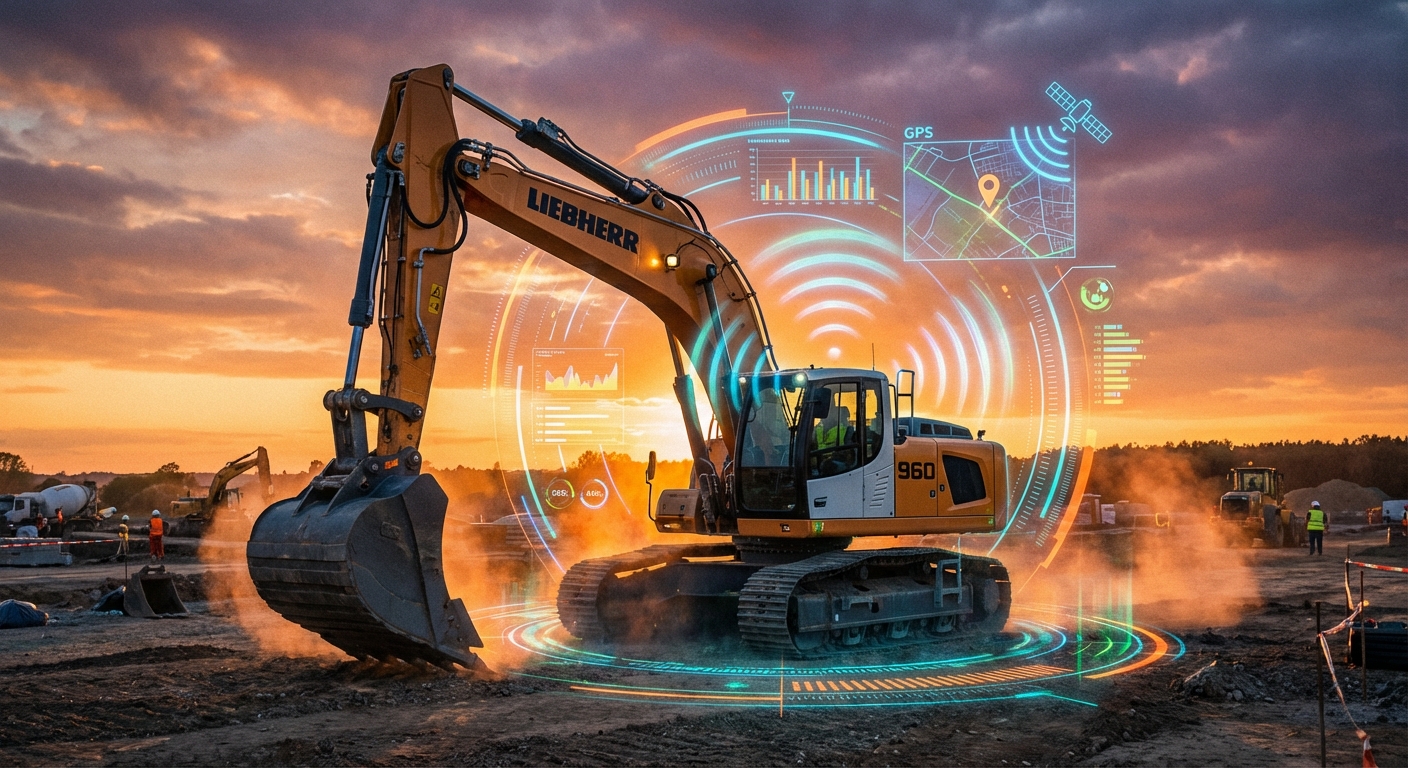
The construction equipment industry is in the midst of a quiet revolution. While autonomous machines and electric powertrains capture headlines, a more fundamental transformation is reshaping how contractors manage their fleets: the widespread adoption of telematics and connected equipment technology.
What began as simple GPS tracking has evolved into sophisticated ecosystems of sensors, analytics, and machine learning that promise to fundamentally change the economics of equipment ownership. And in 2026, the data suggests this transformation is accelerating faster than ever.
Editor’s Note: Managing fleet maintenance and tracking equipment costs remains one of the biggest operational challenges for contractors. FieldFix offers AI-powered fleet management specifically designed for heavy equipment operators, helping you track maintenance schedules, monitor costs per hour, and make data-driven decisions about your machines.
The Current State of Telematics Adoption
Industry research consistently shows that telematics adoption has crossed a critical threshold. According to data from the Association of Equipment Manufacturers (AEM), approximately 60% of new construction equipment shipped in North America now includes factory-installed telematics capability, up from less than 30% just five years ago.
But capability and utilization tell different stories. While most new machines arrive connected, studies suggest that only about 40% of fleet managers actively use telematics data for operational decision-making. The gap between having connected equipment and leveraging that connectivity represents both a challenge and an opportunity for the industry.
The reasons for this utilization gap are familiar to anyone who’s tried to implement new technology in a construction environment: fragmented data systems, lack of training, and the persistent challenge of getting field personnel to adopt new workflows.
Why 2026 Is Different
Several converging factors are driving accelerated telematics adoption this year. First, the labor shortage that has plagued construction for the past decade shows no signs of abating. With experienced operators and mechanics in short supply, contractors are turning to technology to extend the productivity of their existing workforce.
Second, insurance and financing costs have created new incentives for data-driven fleet management. Equipment insurers increasingly offer premium discounts for fleets with active telematics monitoring, recognizing that connected equipment enables faster theft recovery and provides data that supports loss prevention.
Third, and perhaps most importantly, the technology itself has matured to the point where the value proposition is undeniable. Early telematics systems were notorious for generating data without providing actionable insights. Modern platforms increasingly incorporate machine learning and AI to filter the noise and surface information that actually helps managers make better decisions.
The Business Case for Connected Fleet Management
The economic argument for telematics has evolved significantly. Early adopters focused primarily on theft prevention and basic utilization tracking. While these remain important use cases, the most compelling ROI now comes from maintenance optimization.
Unplanned downtime remains one of the most expensive problems in construction. A single day of downtime for a large excavator can cost a contractor thousands of dollars in lost productivity, not counting the direct costs of emergency repairs. Telematics systems that can predict maintenance needs before failures occur have demonstrated the ability to reduce unplanned downtime by 25-40% in well-implemented deployments.
Consider a typical mid-size civil contractor running 50 machines. If improved maintenance visibility prevents just two major failures per year per machine, the savings in avoided downtime and reduced emergency repair premiums can easily exceed $100,000 annually. That’s before accounting for improved fuel efficiency from monitoring idle time, better utilization of underused equipment, and more accurate job costing.
The Interoperability Challenge
One of the most significant barriers to telematics adoption has been the fragmented nature of the market. Major OEMs have developed their own telematics platforms—John Deere’s JDLink, Caterpillar’s VisionLink, Komatsu’s KOMTRAX, and similar systems from every major manufacturer—each with its own interface, data format, and capabilities.
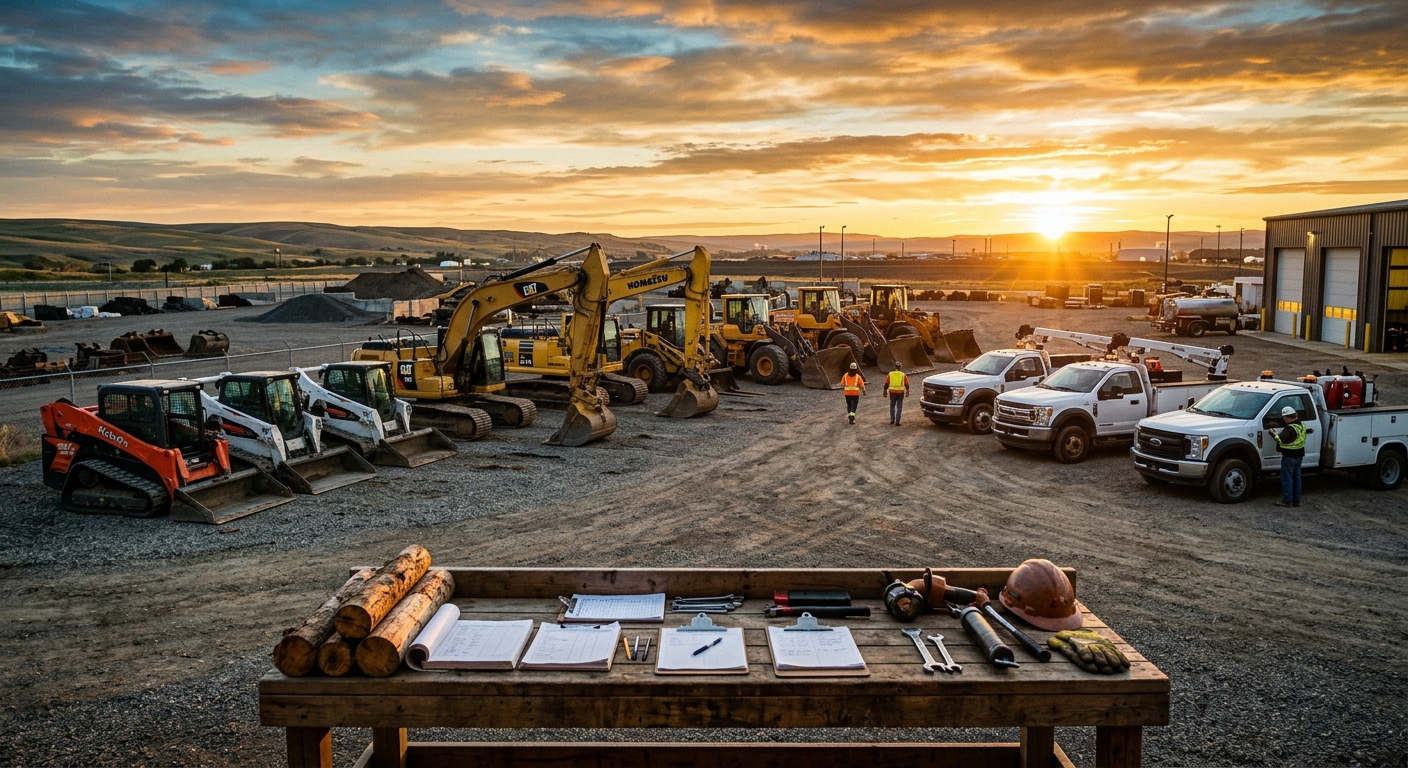
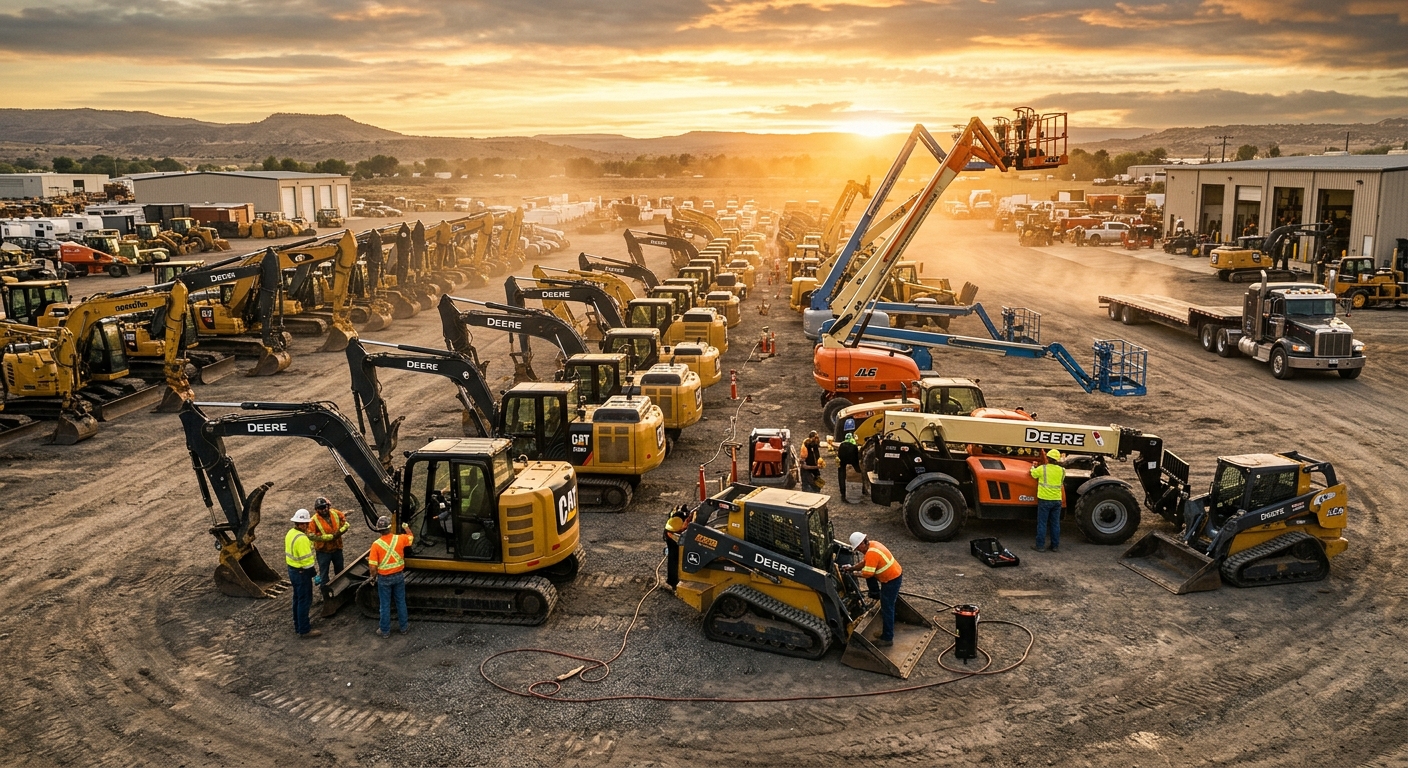
For contractors running mixed fleets, this creates a practical nightmare. A fleet manager might need to check four or five different platforms just to get a complete picture of equipment status across the operation.
The industry has recognized this problem. The Association of Equipment Manufacturers developed the AEMP 2.0 Telematics Standard specifically to address interoperability, and most major manufacturers now support it. But implementation remains inconsistent, and many older machines with aftermarket telematics solutions don’t conform to the standard at all.
The result has been growing demand for fleet management platforms that can aggregate data from multiple sources—both OEM telematics systems and aftermarket devices—into unified dashboards. This “telematics of telematics” approach represents one of the fastest-growing segments of the market.
Beyond Location and Hours: Advanced Analytics
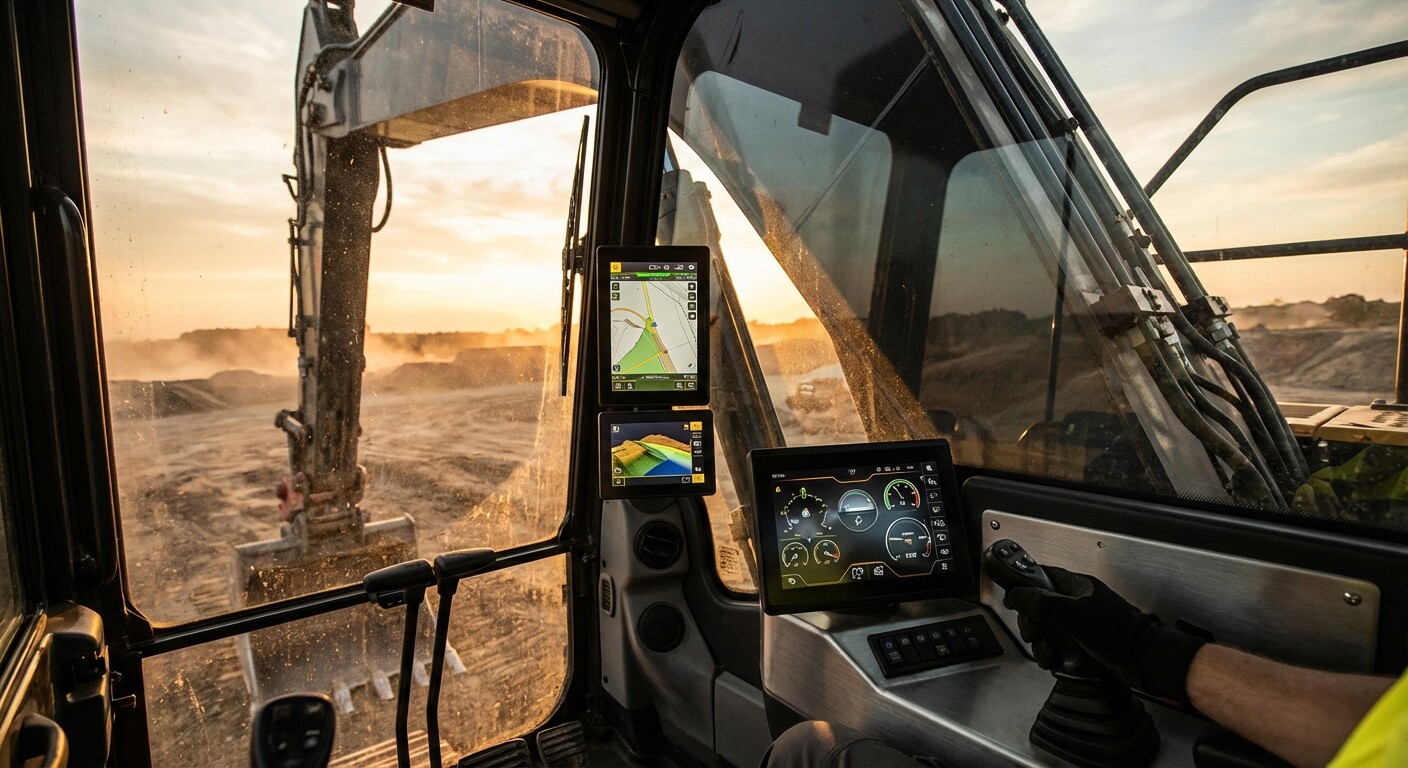
The most sophisticated telematics implementations have moved far beyond basic location tracking and hour meters. Modern systems can monitor hundreds of parameters from machine sensors in real time, from hydraulic pressure and fluid temperatures to engine load patterns and operator input characteristics.
This wealth of data enables analytical approaches that weren’t possible even a few years ago. Predictive maintenance algorithms can identify component degradation patterns weeks before failure, giving fleet managers time to schedule repairs during planned downtime. Operator behavior analysis can identify training opportunities or equipment misuse that accelerates wear.
Fuel consumption analytics have become particularly valuable as diesel prices remain volatile. Systems that track fuel use at the machine and operator level can identify inefficiencies—excessive idling, suboptimal operating techniques—that might otherwise go unnoticed. Contractors who’ve implemented fuel monitoring consistently report savings of 10-15% once visibility creates accountability.
Integration with Business Systems
Perhaps the most important trend in telematics is the integration of equipment data with broader business systems. Standalone telematics dashboards provide value, but the real power emerges when machine data flows into accounting, project management, and maintenance planning systems.
Consider job costing. Accurate equipment costs have always been challenging to calculate. Traditional approaches relied on estimated hourly rates that might or might not reflect actual utilization. With integrated telematics, contractors can assign machine hours and fuel consumption to specific projects automatically, producing cost data that’s both more accurate and more timely.
Similarly, telematics integration with maintenance management systems enables truly condition-based maintenance strategies. Rather than servicing machines on fixed schedules that may or may not match actual needs, integrated systems can trigger maintenance activities based on actual operating conditions and component wear indicators.
The Small Fleet Challenge
While telematics technology has become increasingly sophisticated, a significant portion of the construction equipment market remains underserved. Small contractors running fewer than 20 machines face a challenging value proposition. The subscription costs for enterprise telematics platforms can be difficult to justify, and the complexity of implementation often exceeds the IT capabilities of small operations.
This has created an opportunity for simplified, purpose-built solutions designed specifically for smaller fleets. Platforms that focus on the highest-value use cases—maintenance tracking, basic utilization visibility, and cost-per-hour calculations—without the complexity of enterprise systems are gaining traction with owner-operators and small contractors.
The smartphone has also democratized aspects of fleet management that once required expensive dedicated hardware. Mobile apps that leverage smartphone cameras and GPS can provide basic tracking and documentation capabilities at a fraction of the cost of traditional telematics systems.
Security and Data Privacy Concerns
As equipment becomes more connected, security concerns have moved from theoretical to practical. The construction industry has seen high-profile examples of connected equipment being compromised, from ransomware attacks on fleet management systems to GPS spoofing used in equipment theft.
Equipment manufacturers and telematics providers have responded with improved security practices, but the construction industry’s cybersecurity maturity generally lags other sectors. Many contractors lack formal security policies for connected equipment, and the proliferation of IoT devices has expanded the attack surface faster than security practices have evolved.
Data privacy presents another evolving challenge. Telematics systems collect detailed information about equipment operation, including precise location data and operator behavior. As privacy regulations tighten—particularly in jurisdictions influenced by GDPR-style frameworks—contractors must increasingly consider how this data is collected, stored, and used.
The Road Ahead: Autonomous Equipment and Digital Twins
Telematics represents a stepping stone to more transformative technologies. The data infrastructure being built to support connected fleet management will eventually enable autonomous and semi-autonomous equipment operation at scale.
Several OEMs have demonstrated autonomous haul trucks, dozers, and compactors in controlled environments. While truly autonomous operation remains years away for most construction applications, semi-autonomous features—automatic blade control, collision avoidance, geofenced operation—are appearing in production equipment today.
The concept of “digital twins”—detailed virtual models of physical equipment that update in real time based on sensor data—is also emerging in construction. Digital twins enable more sophisticated predictive maintenance, can support remote troubleshooting, and provide training environments that don’t require access to actual equipment.
Recommendations for Contractors
For contractors evaluating telematics investments, several principles emerge from successful implementations:
Start with clear objectives. The most successful telematics deployments begin with specific, measurable goals—reduce fuel costs by 10%, cut unplanned downtime by 25%, improve job costing accuracy. These objectives guide technology selection and implementation priorities.
Prioritize data integration. The value of telematics multiplies when data flows into existing business systems. Evaluate not just telematics platform capabilities, but integration options with your accounting, project management, and maintenance systems.
Plan for mixed fleets. Unless you’re committed to a single OEM for all equipment, choose solutions that can aggregate data from multiple sources. The interoperability challenge is real, and platform lock-in can be expensive.
Invest in training. Technology delivers value only when people use it. Budget for training—not just initial implementation, but ongoing education as capabilities evolve.
Start small, scale quickly. Pilot implementations on a subset of the fleet allow for learning and refinement. But be prepared to scale successful pilots quickly—the competitive advantages of connected equipment compound over time.
Market Outlook
The telematics and fleet management market for construction equipment is projected to continue growing at double-digit rates through the decade. Continued labor shortages, rising insurance costs, and increasing customer expectations for project transparency are all driving demand for better equipment visibility.
For contractors, the question is no longer whether to adopt connected fleet management, but how quickly and comprehensively to implement it. Those who treat telematics as a core operational capability rather than an optional technology add-on are positioning themselves for competitive advantage in an industry where margins remain tight and efficiency gains are increasingly difficult to find.
The machines are talking. The question is whether anyone is listening.