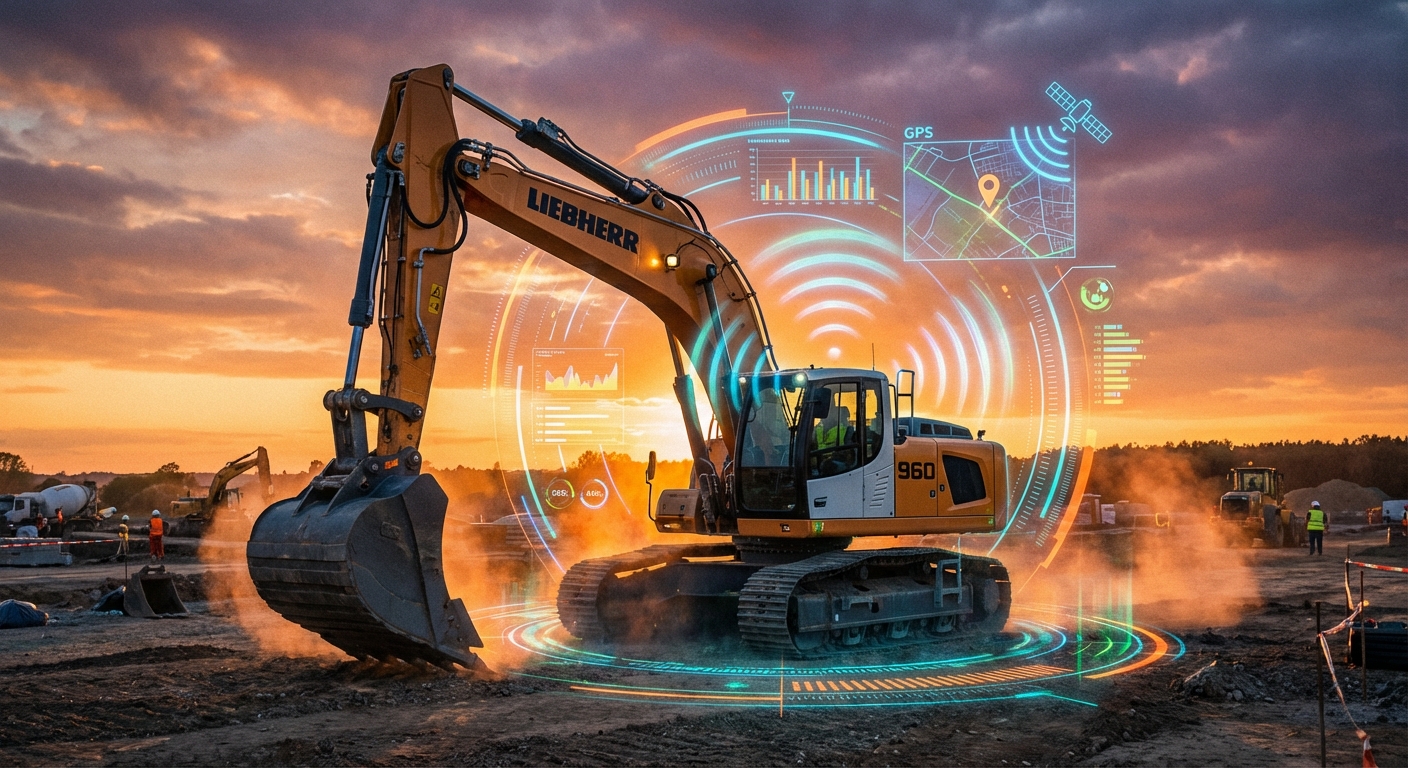
Construction Telematics Hits $1.2 Billion: What's Driving the 16% Growth Surge
The construction equipment telematics market is projected to reach $1.22 billion in 2026, with AI-powered analytics, 5G connectivity, and fleet optimization leading the charge toward a $9 billion industry by 2032.
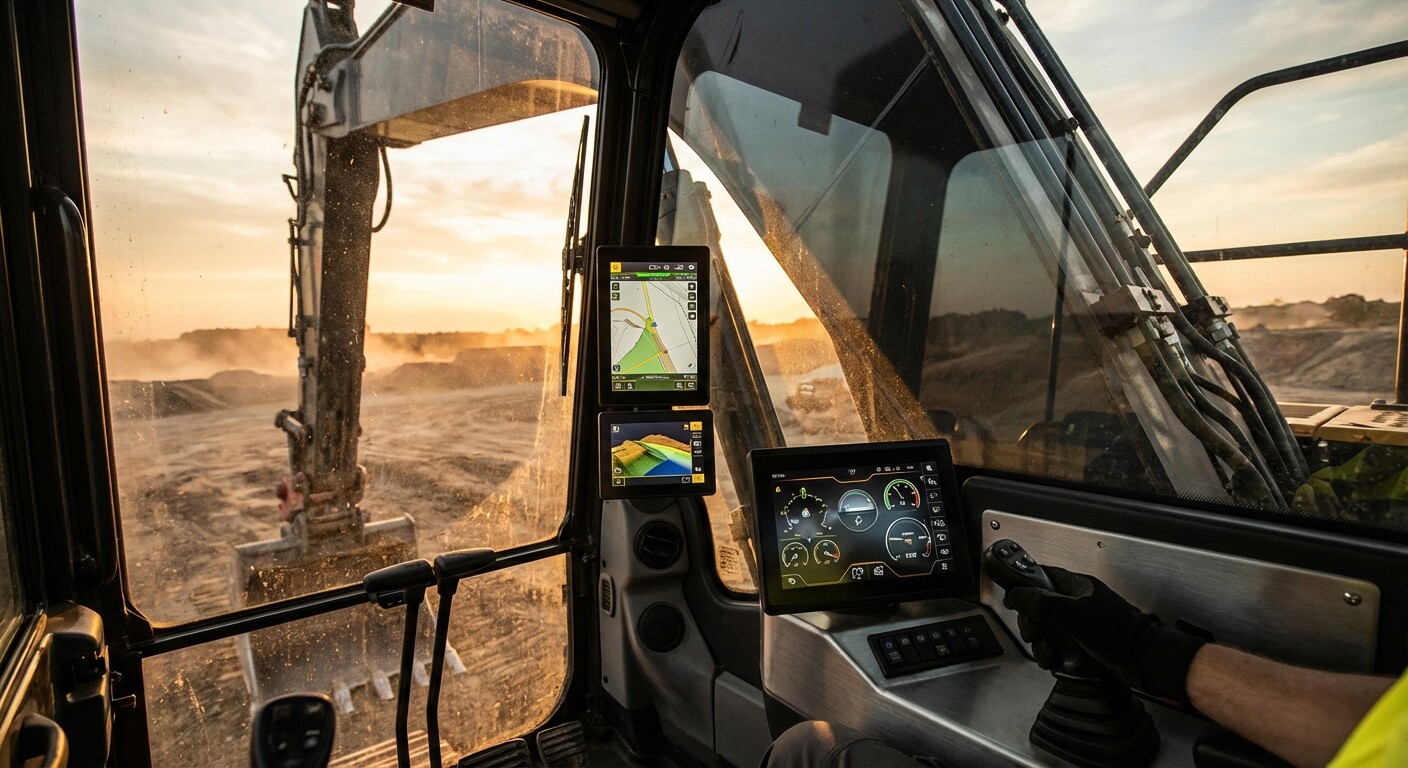
The numbers don’t lie: construction equipment telematics has officially crossed into billion-dollar territory, and it’s not slowing down. According to recent market research, the global construction and heavy equipment telematics market is projected to surge from $1.05 billion in 2025 to $1.22 billion in 2026—a 16% compound annual growth rate that signals a fundamental shift in how the industry manages its iron.
But here’s what makes this story even more compelling: projections show the market reaching $9.13 billion by 2032. That’s not incremental growth. That’s a complete transformation of how equipment owners track, maintain, and optimize their fleets.
Editor’s Note: Tracking equipment costs shouldn’t require a billion-dollar budget. FieldFix gives contractors the fleet management essentials—maintenance logs, cost-per-hour tracking, and AI-powered diagnostics—starting free for up to three machines. Because every operator deserves to know what their iron actually costs to run.
The $9 Billion Question: Why Now?
For years, telematics was the technology that fleet managers knew they should adopt but often couldn’t justify. The hardware was expensive, the data was overwhelming, and the ROI felt theoretical. That calculus has changed dramatically.
Three converging forces are accelerating adoption in 2026:
1. The Data Finally Makes Sense
Early telematics systems were data firehoses—they could tell you everything about your machine except what you actually needed to know. Modern platforms have solved this problem through AI-powered analytics that translate raw telemetry into actionable intelligence.
Instead of wading through fault code logs, fleet managers now receive proactive alerts: “Unit 47’s hydraulic pressure trend suggests pump wear—schedule inspection within 200 hours.” Instead of guessing at utilization rates, they get optimization recommendations: “Relocating excavator from Site A to Site B would reduce idle time by 23% based on current project schedules.”
This shift from data collection to decision support has been the missing piece. When telematics actively improves outcomes rather than just recording them, the value proposition becomes obvious.
2. Insurance and Compliance Are Forcing the Issue
The days of optional telematics are numbered for many contractors. Insurance carriers have discovered that telematics-equipped fleets file fewer claims and recover stolen equipment faster. The result? Premium discounts of 10-15% for tracked equipment are becoming standard, with some carriers making telematics a condition of coverage for high-value assets.
Simultaneously, low-emission zones (LEZs) and zero-emission zones (ZEZs) are spreading across urban markets. Contractors bidding on projects in these areas increasingly need verified emissions data that only telematics can provide. The alternative—being locked out of urban work—makes the technology investment look trivial.
3. The Mixed Fleet Reality
Here’s the dirty secret of heavy equipment operations: almost nobody runs a single-brand fleet anymore. Economic pressure, equipment availability, and specialized application needs mean most contractors operate a menagerie of yellow, orange, green, and red iron.
OEM-specific telematics platforms were designed for brand loyalty, not operational reality. The market is responding with brand-agnostic solutions that unify data across manufacturers, providing the single-pane-of-glass visibility that mixed fleet operators actually need.
What Modern Telematics Actually Tracks
The capabilities of current-generation systems extend far beyond GPS dots on a map. Here’s what the technology stack looks like in 2026:
Core Telemetry
- Real-time location via GNSS with geofencing and theft alerts
- Engine hours and utilization rates broken down by operating mode
- Fuel consumption with idle-time analysis
- Fault codes and diagnostic data from the machine’s CAN bus
Advanced Analytics
- Predictive maintenance scoring using machine learning models trained on failure patterns
- Operator behavior analysis including harsh operation events and efficiency metrics
- Carbon footprint tracking for sustainability reporting and compliance
- Asset lifecycle optimization predicting optimal replacement timing
Integration Capabilities
- ERP and accounting system connections for automated cost allocation
- Project management platform syncing for resource planning
- Maintenance management integration triggering work orders from diagnostic data
- Payroll system links validating equipment operator hours
The 5G Factor
Much of the market’s growth projection hinges on 5G connectivity reaching construction sites. Current cellular telematics systems work well enough for periodic data uploads, but they struggle with real-time applications that demand consistent, high-bandwidth connections.
5G changes the equation in several ways:
Latency drops from seconds to milliseconds. This enables applications like remote equipment operation and real-time video streaming from cab cameras—capabilities that were technically possible but practically unreliable on 4G networks.
Edge computing becomes viable. Instead of transmitting raw data to cloud servers for processing, 5G-connected equipment can run analytics locally and transmit only insights. This reduces data costs and enables faster response times for safety-critical alerts.
Site-wide mesh networks emerge. When every piece of equipment maintains a 5G connection, they can share data directly with each other. An excavator can automatically detect a haul truck approaching its swing radius and issue a proximity alert before the collision trajectory develops.
The infrastructure buildout remains uneven—rural job sites won’t see robust 5G for years—but urban and suburban construction is already benefiting from enhanced connectivity.
Agentic AI: The Next Frontier
The telematics industry is watching the broader AI revolution closely, and the concept of “agentic AI” has particular relevance for fleet management.
Traditional analytics tell you what happened and maybe predict what will happen. Agentic AI systems can actually do something about it—autonomously taking actions within defined parameters.
Imagine a telematics platform that doesn’t just alert you to a coolant temperature spike but automatically throttles the engine to prevent damage, notifies the operator, schedules a service appointment, checks parts availability, and adjusts the project timeline to account for the downtime. All without human intervention.
These capabilities are emerging in 2026, though most implementations keep humans in the loop for final approval. The technology works; the trust isn’t quite there yet. But as fleet managers see agentic systems make consistently good decisions, the automation envelope will expand.
Market Segmentation: Where the Money Flows
Not all telematics dollars are created equal. The market breaks down roughly as follows:
Hardware (35% of market): On-board telematics devices, sensors, and connectivity modules. This segment faces the most pricing pressure as commodity hardware components drop in cost. Differentiation increasingly comes from ruggedization, power management, and ease of installation rather than raw capability.
Connectivity (20% of market): Cellular data plans, satellite backup connections, and network infrastructure. The shift toward 5G is reshuffling competitive dynamics here, with traditional telematics-focused MVNOs competing against major carriers building construction-specific offerings.
Software and Analytics (45% of market): The platform layer where data becomes insight. This is where margins are highest and differentiation is strongest. AI capabilities, user experience, and integration ecosystems determine market share.
The software segment is growing fastest, reflecting the industry’s recognition that telematics value comes from what you do with data, not from collecting it.
Adoption Patterns by Fleet Size
Telematics penetration varies dramatically by operation size:
Enterprise fleets (100+ units): Near-universal adoption. Large contractors have dedicated fleet management staff who can extract full value from comprehensive telematics platforms. For these operators, the question isn’t whether to use telematics but which platform provides the best ROI.
Mid-size fleets (20-100 units): Rapid adoption phase. These operations have enough equipment to justify dedicated tracking but may lack the IT resources for complex implementations. They’re driving demand for simpler, more automated solutions that deliver value out of the box.
Small fleets (under 20 units): Mixed adoption, accelerating. Owner-operators and small contractors have historically been cost-sensitive about telematics, but smartphone-based solutions and affordable hardware have lowered barriers. The rise of pay-per-asset pricing models has been particularly impactful here.
Single-machine operators: Emerging market. Even one-truck operations are finding value in basic telematics for theft protection and maintenance tracking. Mobile-first solutions designed for this segment are gaining traction.
The Rental Equation
Equipment rental companies have been telematics pioneers out of necessity—when you’re putting assets in customers’ hands, visibility becomes non-negotiable. But their adoption is evolving beyond basic tracking.
Rental telematics now powers usage-based billing models that benefit both parties: customers pay for actual utilization rather than calendar time, while rental companies optimize fleet allocation based on real-time availability data.
The data also flows into remarketing decisions. Telematics histories documenting hours, maintenance records, and operating conditions are becoming standard disclosure in used equipment sales, commanding premium prices for well-documented machines.
Security Concerns and Data Governance
As telematics systems become more sophisticated, they collect increasingly sensitive data. Machine locations reveal project schedules and client relationships. Operator behavior data has labor relations implications. Fuel consumption patterns expose cost structures to potential competitors.
The industry is grappling with questions that have no easy answers:
- Who owns telematics data when equipment is rented or leased?
- What are contractors’ obligations to inform operators they’re being monitored?
- How should telematics data be handled when equipment is sold?
- What cybersecurity standards should telematics platforms meet?
Regulatory frameworks are lagging behind technology capabilities, creating both risk and opportunity. Vendors who proactively address privacy and security concerns are winning deals with enterprise customers who can’t afford data governance failures.
What’s Next: 2026 to 2032
The path from $1.22 billion to $9.13 billion isn’t a straight line. Here’s what industry observers expect:
2026-2027: Consolidation among telematics vendors as larger players acquire innovative startups. Increased standardization around data formats and APIs makes multi-platform integration easier.
2028-2029: Autonomous and semi-autonomous equipment creates new telematics requirements. Vehicle-to-everything (V2X) communication becomes standard on new machines. Insurance carriers begin requiring telematics for all equipment coverage.
2030-2032: Telematics becomes invisible—embedded into every piece of equipment at the factory, with connectivity as standard as a fuel gauge. The focus shifts entirely to analytics and automation rather than data collection.
The Bottom Line
Construction equipment telematics has crossed the credibility threshold. The technology works, the ROI is proven, and the infrastructure is mature enough for widespread deployment. The remaining question isn’t whether to adopt telematics but how aggressively to invest in capabilities that will become table stakes within five years.
For contractors still evaluating their options, the math has never been clearer: the cost of telematics adoption is measured in thousands; the cost of operational inefficiency, theft losses, and missed maintenance is measured in hundreds of thousands. The market is voting with its dollars, and the verdict is $9 billion of confidence in connected equipment.
Have insights on telematics adoption in your operation? Equipment Insider covers the technology transforming heavy equipment. Reach us at editor@equipmentinsiderhq.com.