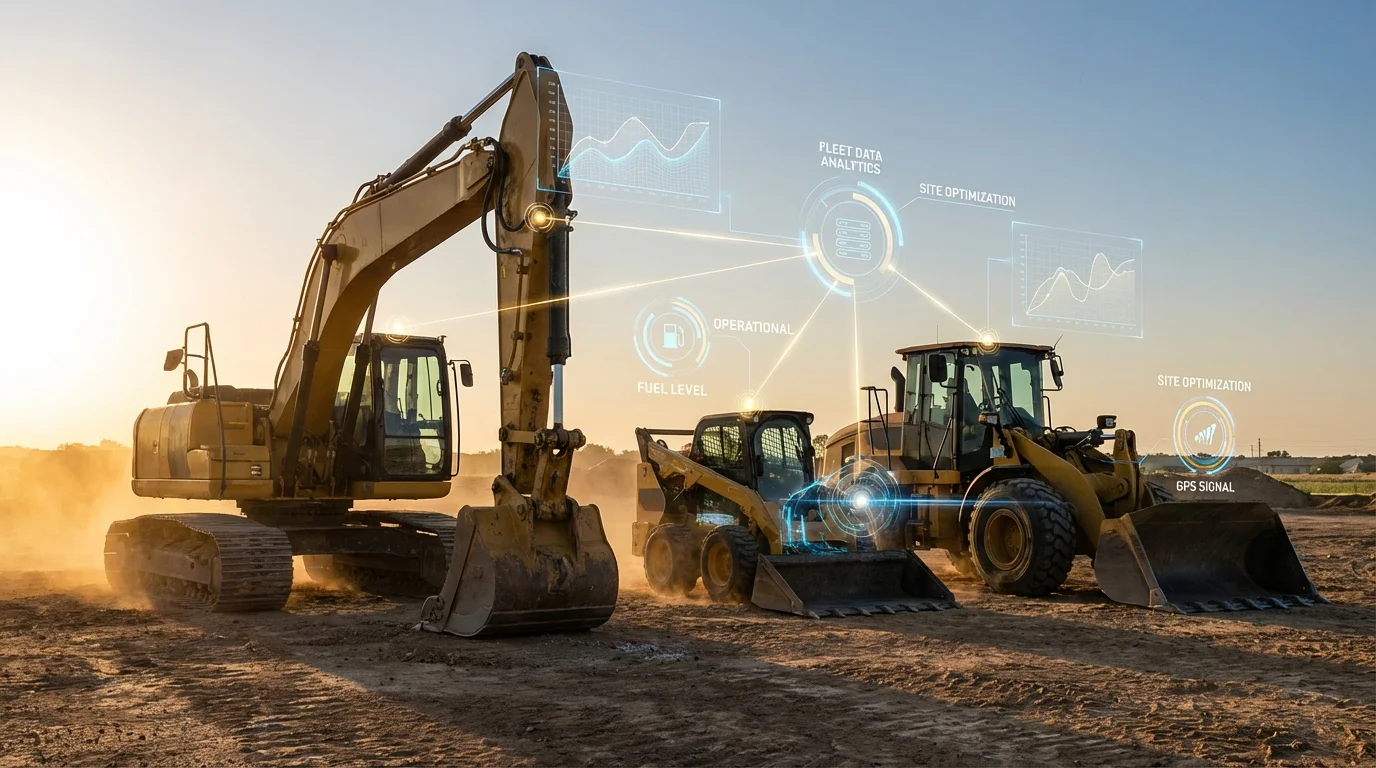
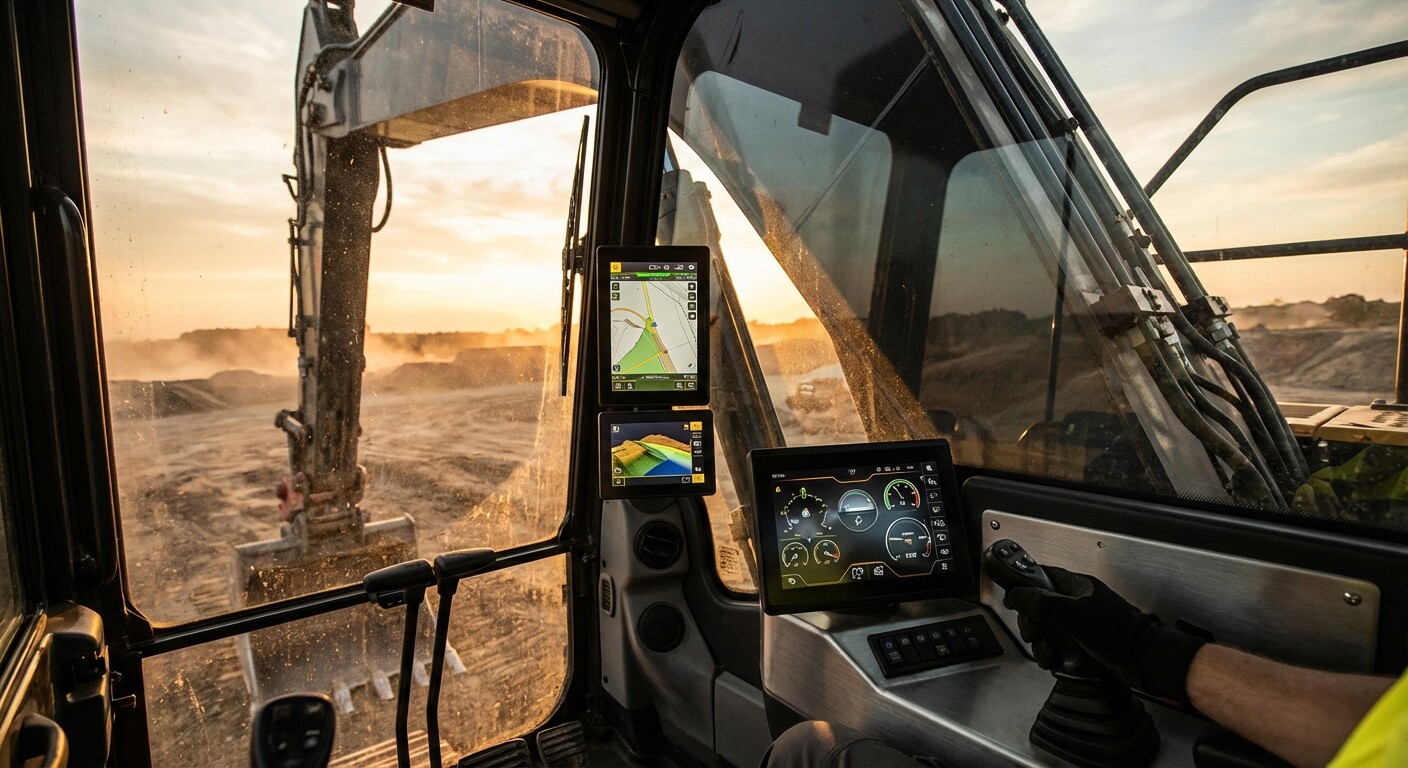
Telematics Adoption Hits Tipping Point: Fleet Management in the Data Age
With 73% of new equipment shipping with telematics, the industry has crossed a threshold. Here's how contractors are leveraging connected equipment data.
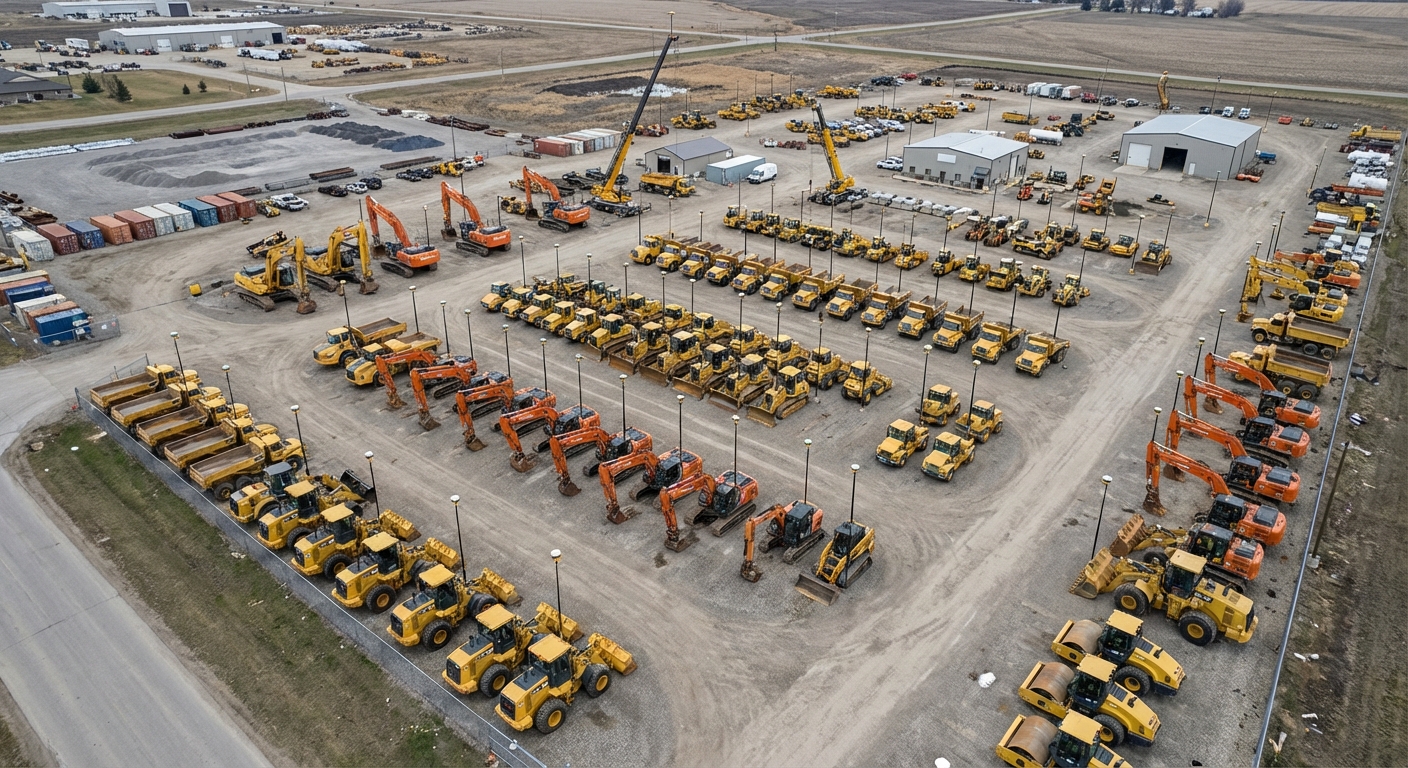
The construction industry has officially entered the connected equipment era. According to recent industry surveys, 73% of new heavy equipment now ships with factory-installed telematics capability—up from just 34% five years ago. This adoption curve has reached a tipping point where connected equipment is becoming the norm rather than the exception.
For fleet operators, this transition creates both opportunities and challenges. The data is available; the question is how to transform raw telemetry into actionable insights that improve operations and profitability.
The Telematics Revolution
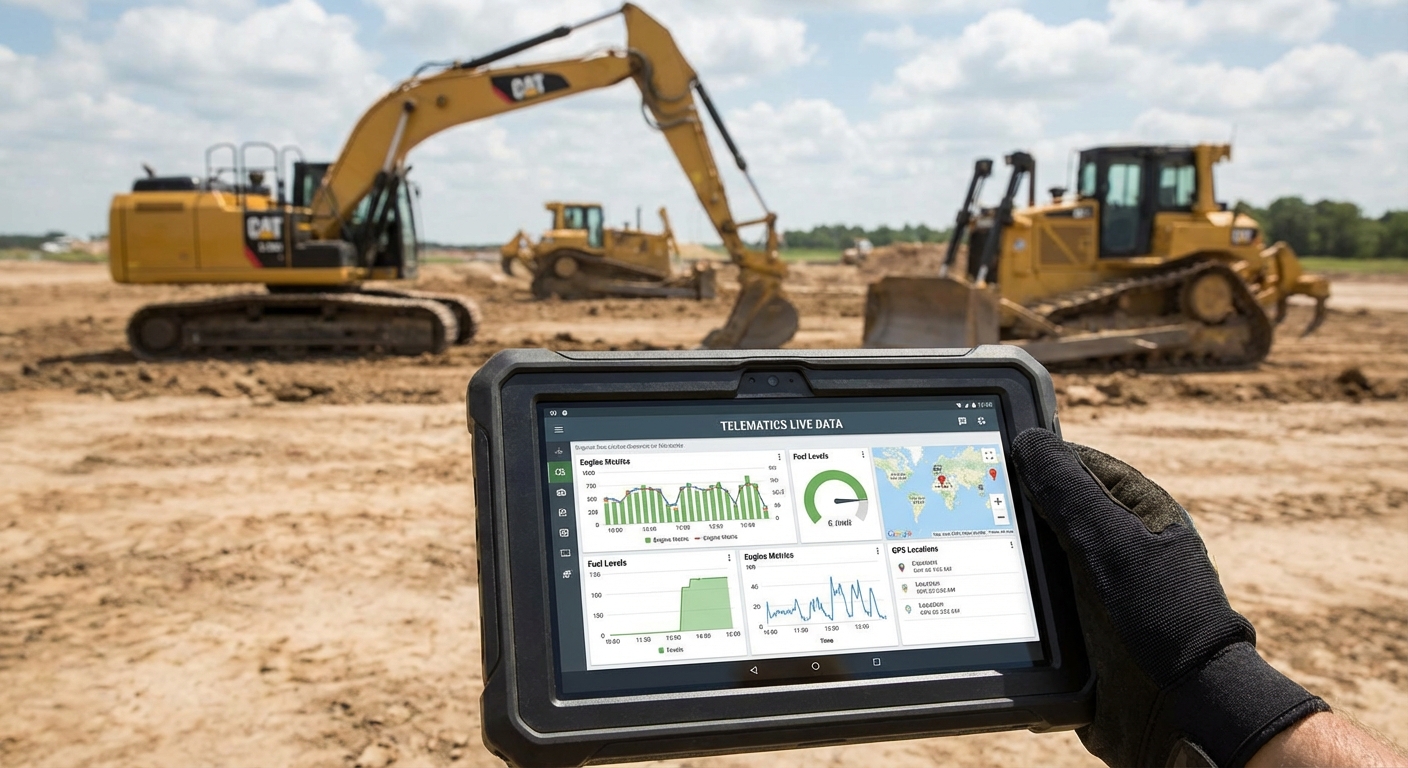
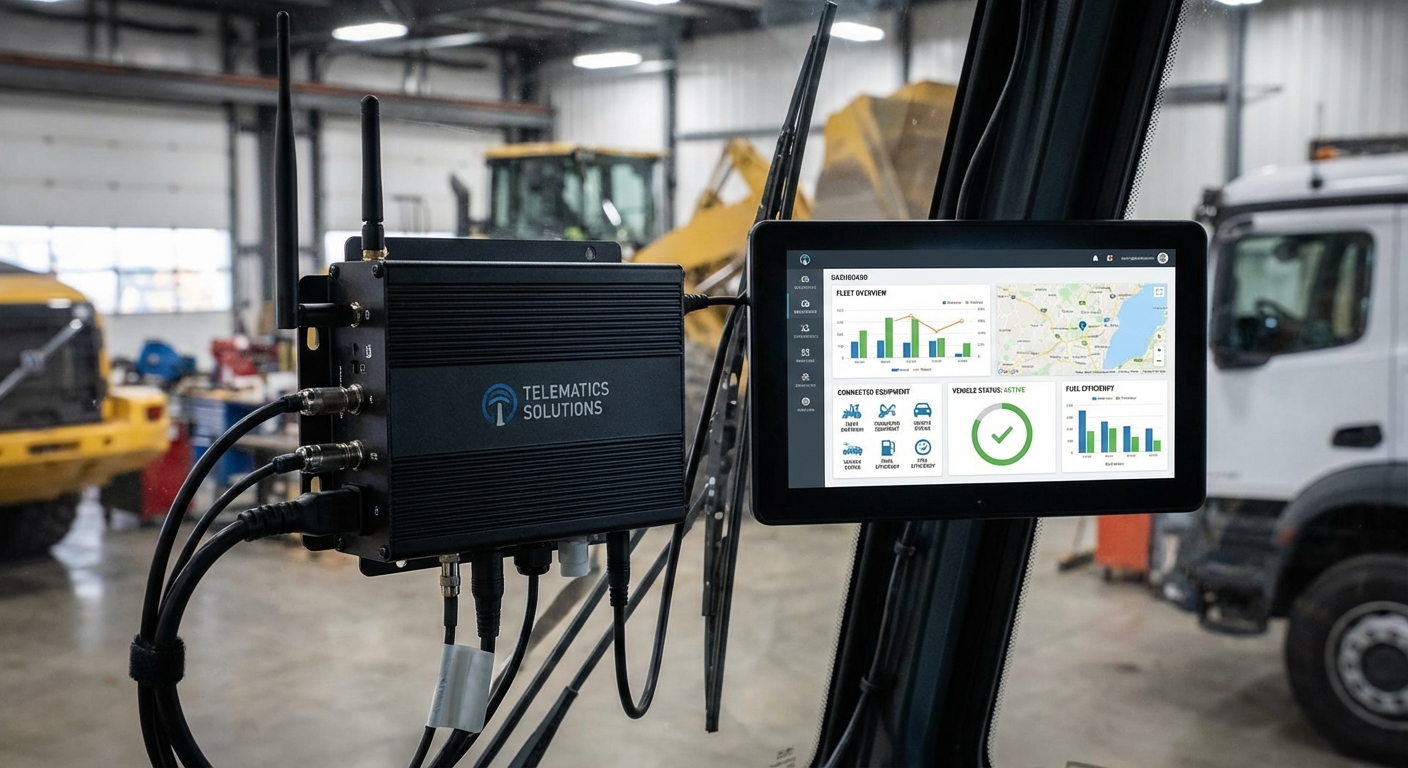
Telematics systems combine GPS positioning with onboard diagnostics to transmit real-time equipment data to cloud-based platforms. Modern systems capture dozens of data points:
- Location and movement — Where equipment is and where it’s been
- Operating hours — Engine runtime and productive work time
- Fuel consumption — Usage rates and efficiency metrics
- Fault codes — Diagnostic information from equipment systems
- Idle time — Non-productive engine runtime
- Utilization patterns — When and how equipment is being used
- Operating parameters — RPM, temperatures, pressures, and other performance data
This information flows continuously from equipment to cloud platforms, where it can be analyzed, visualized, and acted upon.
Why Now?
Several factors have converged to drive telematics adoption past the tipping point:
Falling Technology Costs
The hardware required for telematics—cellular modems, GPS receivers, processing units—has become dramatically cheaper. Factory-installed systems that once added thousands to equipment costs now add hundreds, making inclusion economically practical across equipment categories.
Connectivity Improvements
Cellular network coverage has expanded significantly, reducing the “coverage gaps” that once plagued construction site connectivity. LTE networks now reach most work sites, and emerging satellite-based backup systems promise connectivity in truly remote locations.
Data Platform Maturation
Early telematics offerings provided data without context—raw numbers that required significant interpretation. Modern platforms transform telemetry into actionable insights, with alerts, benchmarking, and recommendations that non-technical users can immediately understand and apply.
OEM Standardization
Major manufacturers have standardized their telematics offerings and embraced data-sharing initiatives like AEMP and ISO telematics standards. This interoperability reduces the integration challenges that once made mixed-fleet telematics impractical.
Making Data Actionable
Having data is useless without the ability to act on it. Successful telematics implementations share several characteristics:
Clear Objectives
Organizations that achieve telematics ROI typically start with specific, measurable objectives:
- Reduce fuel costs by 10%
- Decrease unauthorized equipment use
- Improve preventive maintenance compliance
- Reduce equipment idle time below 25%
- Verify equipment location for theft recovery
Starting with clear goals focuses implementation efforts and provides benchmarks for measuring success.
Workflow Integration
Telematics data becomes powerful when integrated into daily operations. This means:
- Automatic work order generation based on hour-based service intervals
- Real-time alerts to maintenance staff when fault codes appear
- Utilization reports informing equipment deployment decisions
- Fuel consumption data feeding into project cost accounting
The most effective implementations connect telematics platforms with other business systems rather than treating them as standalone tools.
Operator Engagement
Equipment operators can become either telematics allies or adversaries. Smart contractors engage operators in the telematics initiative:
- Sharing individual performance data with operators
- Using telematics data for positive recognition, not just criticism
- Explaining how telematics data improves safety and job security
- Involving operators in efficiency improvement discussions
Operators who understand and support telematics initiatives often become the most valuable sources of improvement ideas.
The Multi-Fleet Challenge
One persistent challenge for contractors is managing telematics data from mixed equipment fleets. A typical contractor might operate Caterpillar, John Deere, and Komatsu equipment—each with its own telematics platform and data format.
Several solutions have emerged to address this challenge:
Unified Platforms
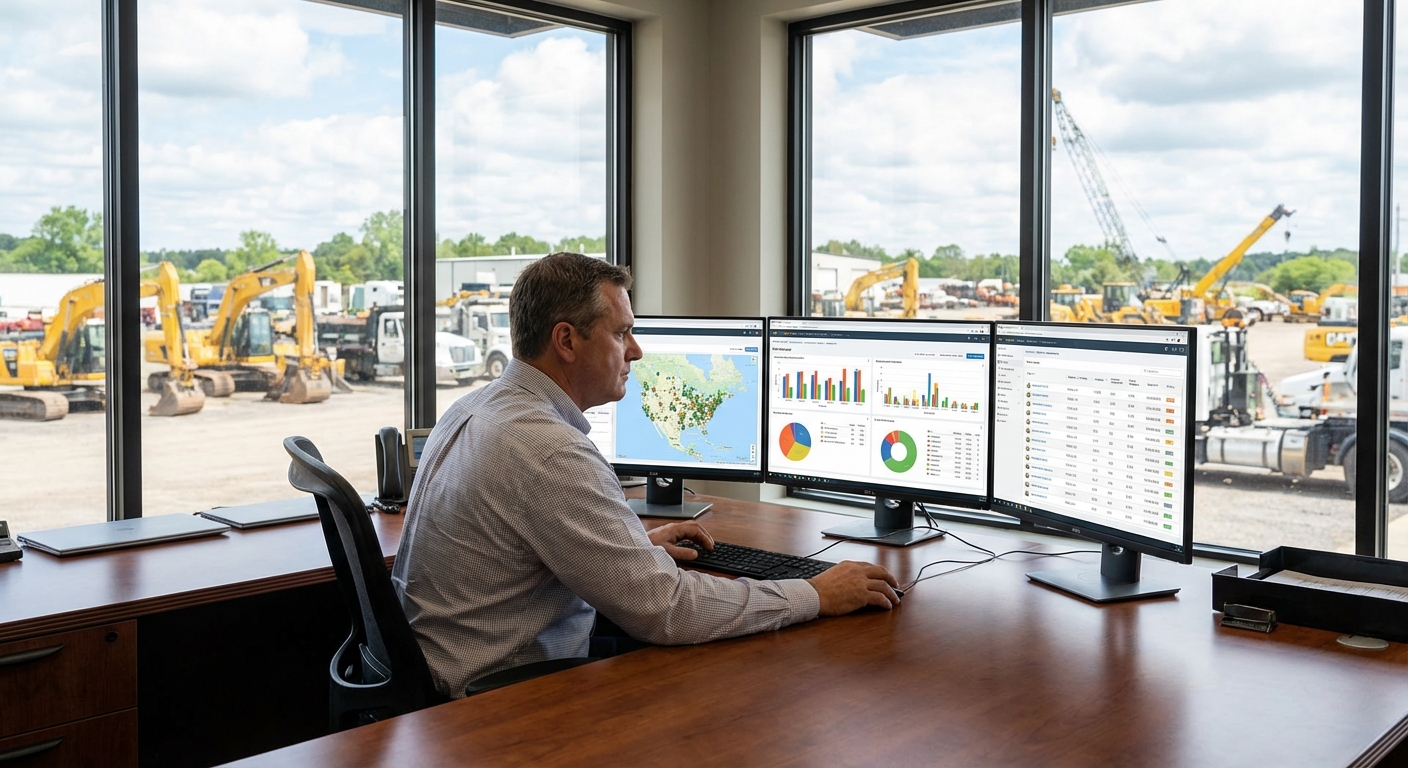
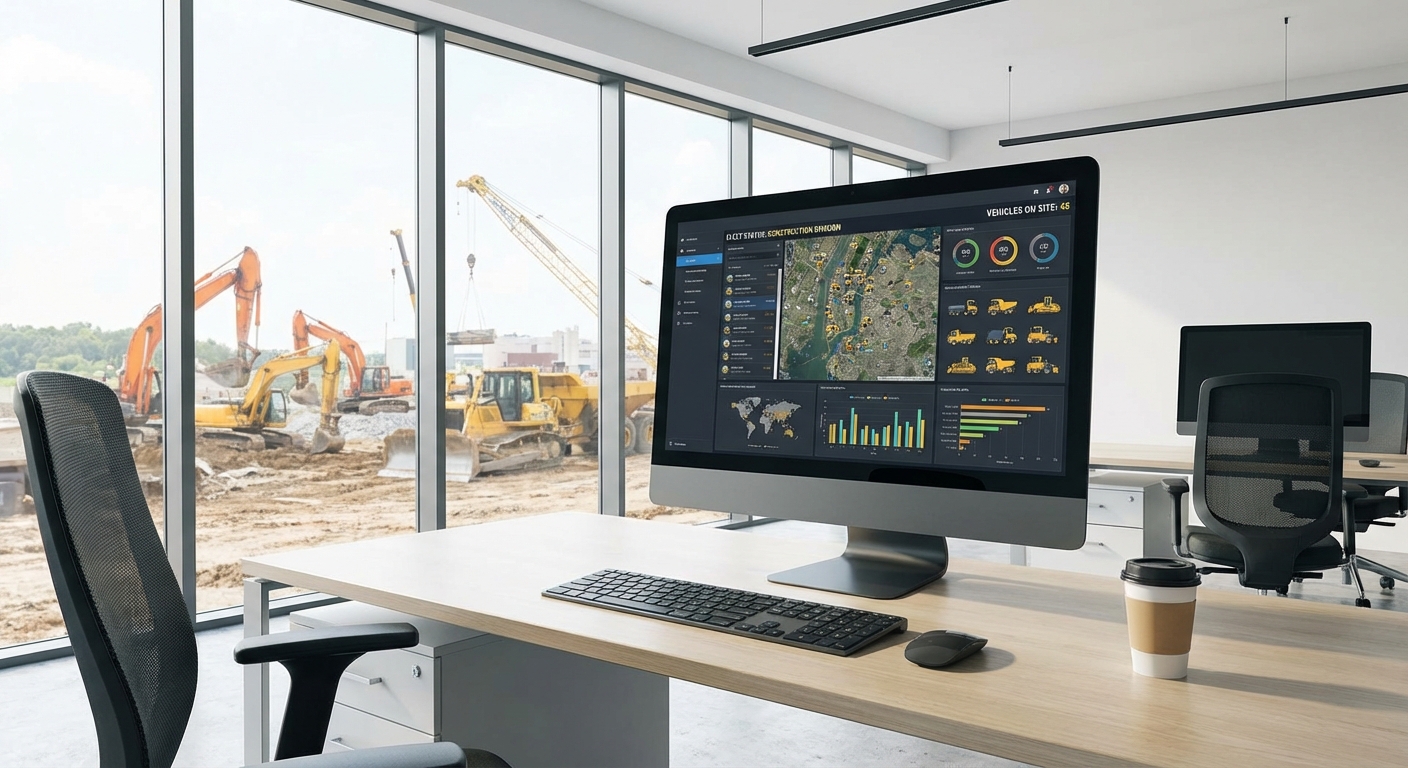
Third-party telematics aggregators like Trackunit, Tenna, and Geotab provide single-dashboard visibility across equipment brands. These platforms pull data from OEM systems and present unified views that simplify mixed-fleet management.
John Deere’s recent acquisition of Tenna represents OEM recognition that customers need cross-brand visibility.
Data Standards
The Association of Equipment Management Professionals (AEMP) telematics standard has enabled data interoperability across manufacturers. Platforms supporting AEMP standards can ingest equipment data regardless of OEM origin.
API Integration
Modern telematics platforms offer API access that enables custom integrations. Larger contractors are building internal dashboards that pull data from multiple sources for truly unified fleet visibility.
ROI Reality Check
Telematics providers make compelling ROI claims, but actual returns depend on implementation quality and organizational commitment.
Fuel savings of 5-15% are achievable through idle reduction, efficient routing, and identification of fuel theft. A 1,000-hour-per-year excavator burning 6 gallons per hour at $3.50 per gallon presents $21,000 in annual fuel cost—even 10% savings represents meaningful returns.
Maintenance cost reduction comes from both preventive maintenance optimization and early problem detection. Catching a cooling system issue before engine damage occurs can prevent repairs costing tens of thousands of dollars.
Utilization improvements help contractors right-size their fleets. Many discover that equipment they thought was fully utilized actually has significant idle capacity, potentially reducing fleet sizes and ownership costs.
Theft prevention and recovery provides insurance against equipment loss. GPS location data enables rapid recovery when equipment is stolen, and geofencing alerts can detect unauthorized movement immediately.
Implementation Challenges
Telematics adoption isn’t without difficulties:
Data Overload
The volume of data generated by connected fleets can overwhelm organizations lacking systems for processing and prioritizing information. Successful implementations filter data to highlight actionable items rather than burying users in dashboards.
Change Management
Introducing telematics often requires cultural changes—particularly regarding data transparency and accountability. Organizations must navigate the transition thoughtfully, addressing concerns while building buy-in.
Integration Complexity
Connecting telematics with existing business systems (ERP, maintenance management, accounting) requires technical expertise and often custom development. Underestimating integration requirements is a common implementation pitfall.
Cellular Costs
While hardware costs have decreased, ongoing cellular data costs can be significant for large fleets. Contractors should factor recurring costs into telematics economics.
Looking Ahead
The telematics landscape continues to evolve:
AI and Predictive Analytics
Machine learning algorithms are beginning to extract deeper insights from telematics data. Predictive maintenance systems can forecast equipment failures before they occur, while optimization algorithms can recommend equipment deployment strategies that maximize utilization.
5G and Edge Computing
Emerging 5G networks will enable higher-bandwidth data transmission, supporting applications like real-time video streaming from equipment. Edge computing capabilities allow more sophisticated onboard processing, reducing cellular data requirements.
Integration with Autonomous Systems
As autonomous and semi-autonomous equipment features mature, telematics systems will provide the connectivity backbone for remote monitoring and intervention. The boundaries between telematics and machine control are blurring.
Insurance and Financing Applications
Insurers and equipment financers are increasingly interested in telematics data. Usage-based insurance and dynamic financing terms based on telematics-verified utilization may become common.
Recommendations for Contractors
For contractors evaluating or expanding telematics initiatives:
Start with objectives. Define what you want to achieve before selecting platforms or implementing systems.
Standardize where possible. When specifying new equipment, consider telematics platform consistency to simplify management.
Invest in integration. Standalone telematics provides some value, but integration with other business systems multiplies returns.
Engage operators. Make operators partners in telematics success rather than subjects of surveillance.
Monitor and adjust. Telematics implementation is ongoing, not a one-time project. Regular review of metrics and objectives keeps programs on track.
The connected equipment era is here. Contractors who harness telematics data effectively will gain competitive advantages in efficiency, cost control, and decision-making quality. Those who ignore or mishandle the transition risk falling behind increasingly sophisticated competitors.
For related technology coverage, see our analysis of GPS grade control and fleet management software platforms.