Remote Diagnostics: How Connected Equipment Is Changing Maintenance
Equipment that reports its own problems before they cause downtime? It's here. Understanding remote diagnostics helps you leverage this capability.
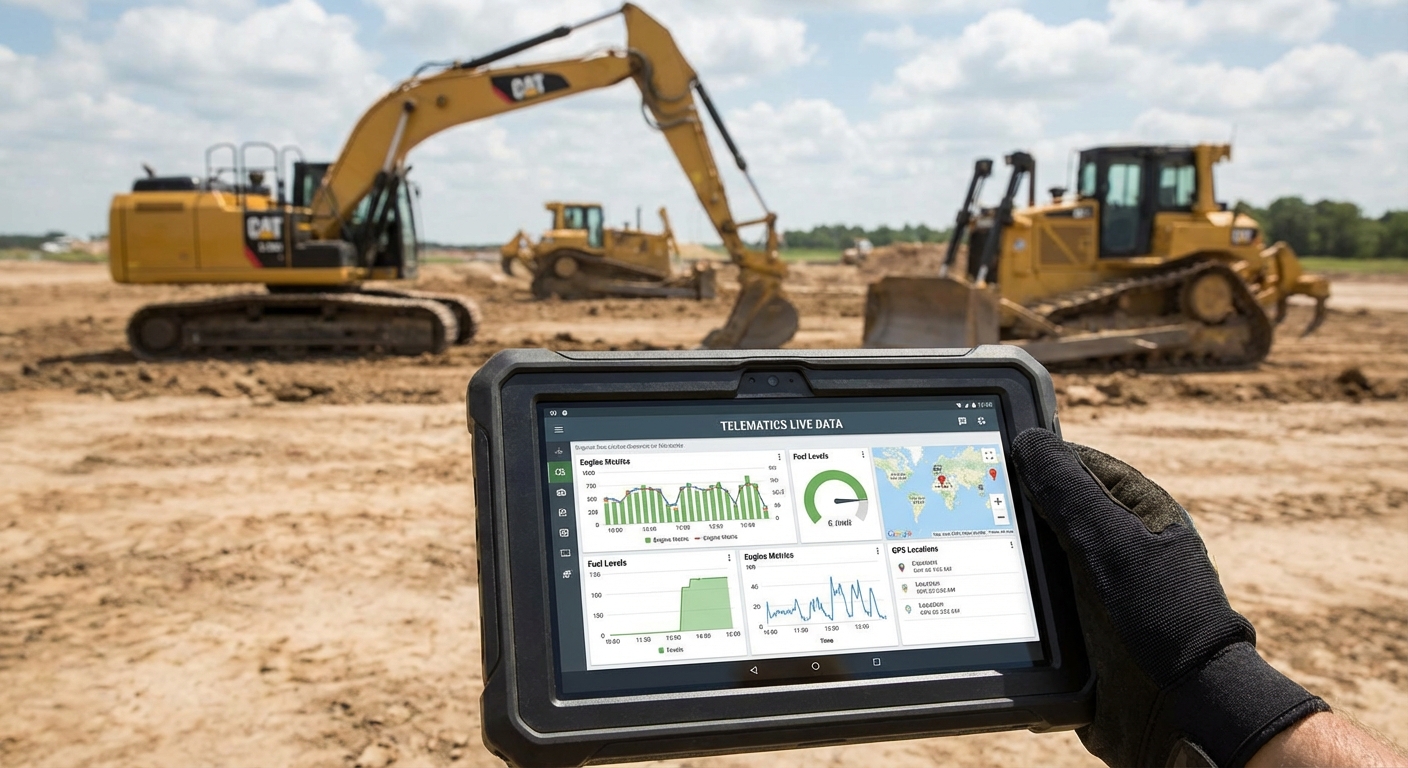
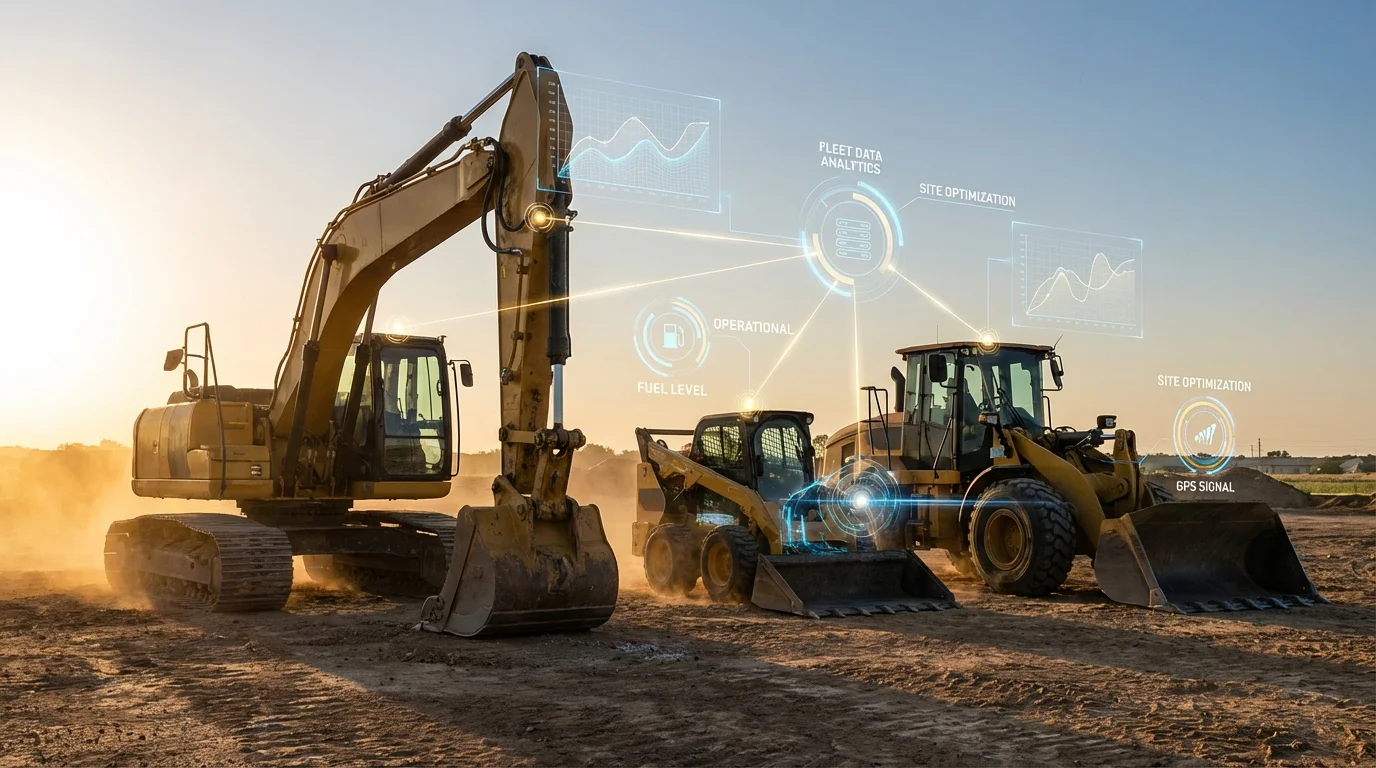
Modern construction equipment can tell you when something is wrong—sometimes before operators notice any problem. Remote diagnostic capabilities, enabled by telematics systems, are transforming how contractors and dealers approach equipment maintenance. Understanding these capabilities helps fleet managers leverage technology for improved uptime and reduced maintenance costs.
The Evolution of Equipment Diagnostics
Equipment diagnostics have evolved through several generations:
Mechanical era: Operators and mechanics used sight, sound, smell, and feel to assess equipment condition. Experienced hands could detect developing problems through subtle changes in machine behavior.
Early electronic era: Onboard computers captured fault codes requiring dealer diagnostic tools to read. Information existed but wasn’t easily accessible.
Telematics era: Connected equipment transmits diagnostic information continuously. Fault codes, operating parameters, and trend data flow to cloud platforms for analysis.
Predictive era (emerging): Machine learning algorithms analyze patterns in operational data to predict failures before they occur, moving from reactive to anticipatory maintenance.
Today’s equipment operates somewhere between telematics and predictive capabilities, with systems becoming more sophisticated annually.
How Remote Diagnostics Work
Remote diagnostic systems combine onboard sensors, communication hardware, and cloud-based analysis:
Onboard Data Collection
Modern equipment monitors extensive parameters:
Engine systems:
- Fuel injection timing and pressure
- Intake and exhaust temperatures
- Turbocharger operation
- Emission system status
- Coolant temperature and pressure
Hydraulic systems:
- Pump pressure and flow
- Valve operation
- Fluid temperature
- Filter condition indicators
Drivetrain:
- Transmission temperatures and pressures
- Final drive temperatures
- Torque converter operation
Electrical systems:
- Battery condition
- Charging system performance
- Circuit status and loads
These parameters are sampled continuously—typically every few seconds—with values compared against normal operating ranges.
Fault Code Generation
When parameters exceed normal ranges, equipment control systems generate fault codes:
Active faults: Current problems requiring attention. May trigger warning lights, derate engine power, or initiate protective shutdowns.
Logged faults: Historical problems that occurred and cleared. Provide diagnostic history for troubleshooting.
Pending faults: Developing conditions that haven’t yet triggered active faults. Early warning indicators.
Fault code systems use standardized protocols (like J1939 for diesel engines) plus manufacturer-specific codes for proprietary systems.
Data Transmission
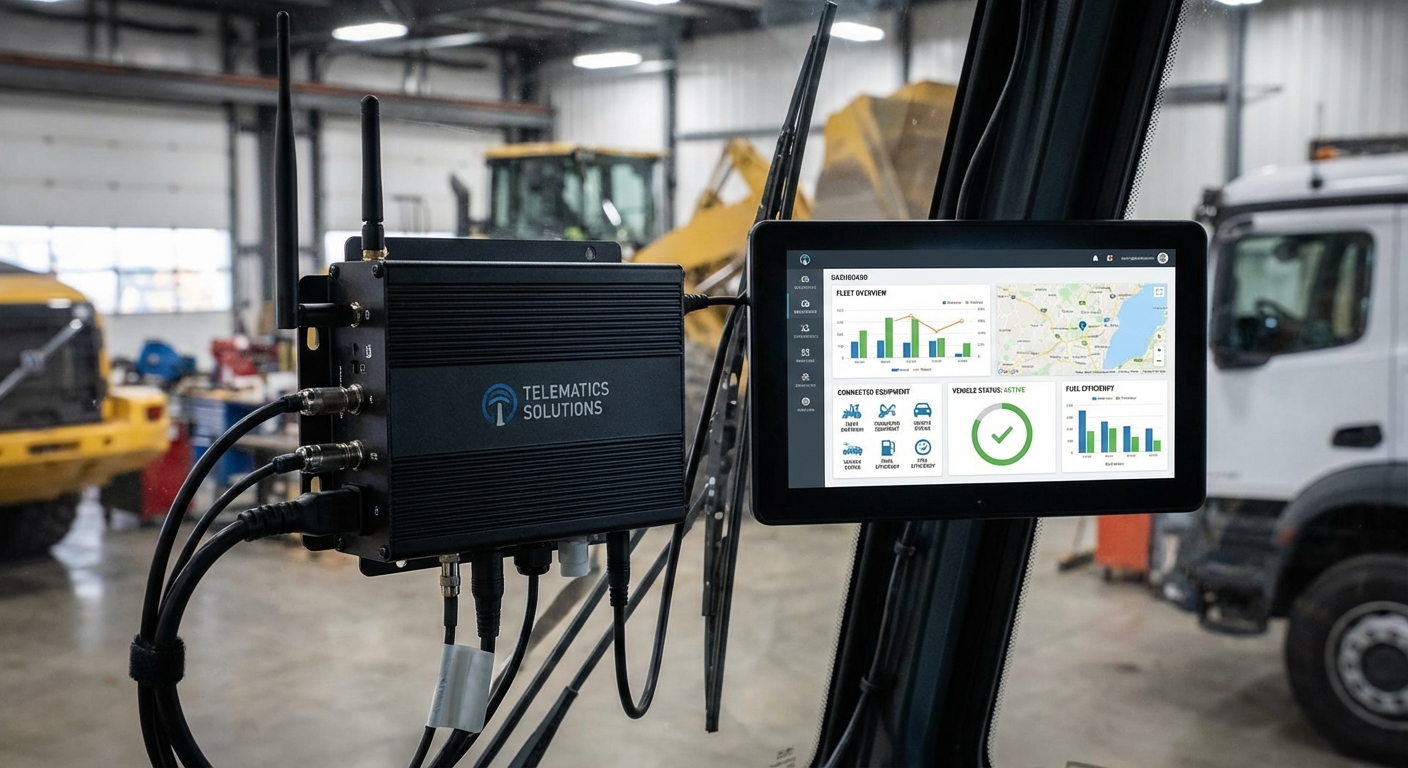
Telematics hardware transmits diagnostic data:
Cellular networks: Primary transmission path for most systems. LTE provides bandwidth for detailed data transmission.
Satellite backup: Some systems include satellite communication for areas without cellular coverage.
Transmission frequency: Ranges from real-time streaming to hourly batch uploads depending on system configuration and data criticality.
Cloud Analysis
Manufacturer or third-party platforms receive and process diagnostic data:
Threshold alerting: Compare incoming data against defined limits, generating alerts when thresholds are exceeded.
Trend analysis: Track parameter trends over time, identifying gradual deterioration before fault thresholds are reached.
Pattern recognition: Machine learning algorithms identify patterns associated with specific failure modes.
Fleet benchmarking: Compare individual machine behavior against fleet averages to identify outliers.
Diagnostic Capabilities by Manufacturer
Major manufacturers offer varying diagnostic capabilities:
Caterpillar
Cat Product Link provides comprehensive diagnostics:
- Real-time fault code transmission
- Component-specific health indicators
- Condition Monitoring Services for detailed analysis
- Integration with dealer service systems
Cat’s S·O·S fluid analysis program supplements electronic diagnostics with laboratory analysis of oil, coolant, and fuel samples.
Komatsu
Komtrax system includes:
- Real-time operating data transmission
- Fault code monitoring and notification
- Machine utilization tracking
- Remote service meter reading
Komatsu CARE programs combine telematics data with scheduled maintenance for predictive service.
John Deere
JDLink system provides:
- Machine health alerts and diagnostics
- Operating data collection
- Integration with dealer service platforms
- Over-the-air software update capability
Expert Alerts service combines telematics data with dealer expertise for proactive service recommendations.
Volvo
ActiveCare Direct offers:
- 24/7 machine monitoring
- Proactive dealer notification for developing issues
- Service planning based on machine data
- Utilization and fuel efficiency tracking
Third-Party Platforms
Independent telematics providers offer multi-brand solutions:
- Mix Fleet and comparable platforms aggregate data from multiple OEM systems
- Aftermarket telematics hardware enables diagnostics on older equipment
- Standardized interfaces provide consistent experience across brands
Practical Applications
Remote diagnostics enable several maintenance approaches:
Reactive Response Enhancement
Even for unplanned repairs, diagnostics improve response:
Faster troubleshooting: Service technicians arrive with diagnostic data, reducing on-site diagnosis time.
Parts preparation: Fault codes indicate likely parts needs, enabling pre-staging before service calls.
Appropriate expertise: Diagnostic information routes problems to technicians with relevant skills.
Preventive Maintenance Optimization
Diagnostics enhance scheduled maintenance:
Condition-based intervals: Replace components based on actual condition rather than fixed schedules.
Service preparation: Know exactly what each machine needs before it arrives for service.
Resource planning: Aggregate diagnostic data across fleets to predict service workload.
Predictive Maintenance
Emerging capabilities move maintenance earlier:
Pattern detection: Identify signatures preceding specific failures—unusual hydraulic temperatures preceding pump failure, for example.
Remaining life estimation: Calculate expected component life based on usage patterns and condition indicators.
Failure avoidance: Schedule component replacement before failure occurs, avoiding unplanned downtime.
Implementation Considerations
Effective use of remote diagnostics requires attention to several factors:
Connectivity
Diagnostic value depends on reliable data transmission:
Cellular coverage: Verify coverage at typical work locations. Gap areas may require alternative solutions.
Data plans: Understand data consumption and costs. Detailed diagnostics generate significant data volume.
Latency tolerance: Some applications need real-time data; others tolerate batch transmission.
Alert Management
Managing diagnostic alerts requires balanced approach:
Prioritization: Not all alerts require immediate response. Establish severity levels and response protocols.
Notification routing: Route alerts to appropriate personnel—operators for immediate concerns, maintenance staff for service needs.
Escalation: Define escalation paths for unaddressed alerts.
False positive management: Some alerts don’t indicate real problems. Refine alert thresholds based on experience.
Integration
Maximum value comes from system integration:
Maintenance management: Connect diagnostic alerts to maintenance scheduling systems.
Parts ordering: Link fault codes to parts requirements for inventory or ordering.
Service history: Correlate diagnostic data with maintenance records for comprehensive equipment history.
Staff Development
Personnel need skills to use diagnostic information:
Interpretation: Understanding what diagnostic data means and doesn’t mean.
Response protocols: Knowing how to respond to various diagnostic situations.
System operation: Using diagnostic platforms effectively.
Dealer vs. Self-Managed Diagnostics
Fleet managers can access diagnostics directly or through dealer relationships:
Dealer-Managed
Many dealers offer monitoring services:
Advantages:
- Expert interpretation of diagnostic data
- Integration with dealer service resources
- Reduced internal workload
- Access to manufacturer expertise
Considerations:
- Service costs for monitoring programs
- Potential for unnecessary service recommendations
- Dependency on dealer responsiveness
Self-Managed
Direct diagnostic access gives fleet managers control:
Advantages:
- Immediate visibility to equipment status
- Control over response decisions
- Data ownership and accessibility
- Independence from dealer programs
Considerations:
- Required internal expertise
- Platform costs and complexity
- Maintenance of skills and systems
Many fleets use hybrid approaches—managing routine monitoring internally while leveraging dealer expertise for complex diagnostics.
Future Developments
Remote diagnostics continue evolving:
Enhanced prediction: Machine learning improvements enable earlier and more accurate failure prediction.
Automated response: Systems that automatically schedule service or order parts based on diagnostic triggers.
Fleet optimization: Diagnostics informing equipment deployment, utilization, and replacement decisions.
Digital twins: Virtual equipment models updated with real-time diagnostic data for sophisticated analysis.
Remote diagnostics represent significant opportunity for maintenance improvement. Contractors who effectively leverage these capabilities achieve better uptime, lower maintenance costs, and improved equipment lifecycle management.
For related technology coverage, see our fleet management software comparison and telematics adoption analysis.