The Future of Autonomous Heavy Equipment
The race to autonomy is reshaping heavy equipment operations. Here's what fleet managers need to know about the technology, economics, and workforce implications of self-driving machinery.
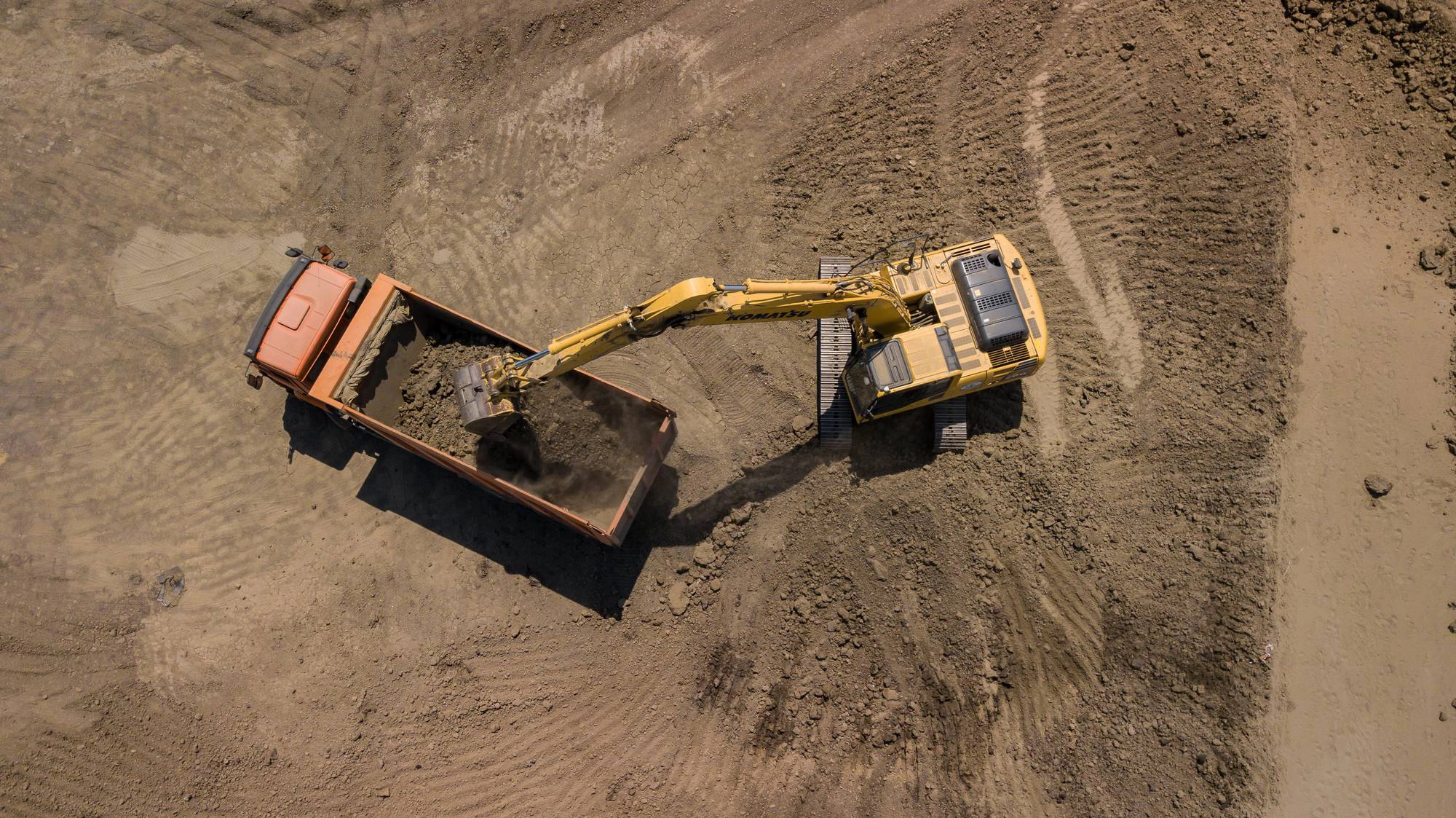
The heavy equipment industry stands at an inflection point. After decades of incremental improvements in power, efficiency, and operator comfort, we’re witnessing the emergence of truly autonomous systems that promise to reshape how construction, mining, and agricultural operations function.
The Current Landscape
Major OEMs including Caterpillar, Komatsu, and John Deere have invested billions in autonomous technology development. These aren’t experimental prototypes—they’re production systems operating in real-world conditions, from mining sites in Australia to agricultural fields in the American Midwest.
The technology stack combines several critical components:
- LiDAR and Radar Systems: Providing 360-degree environmental awareness
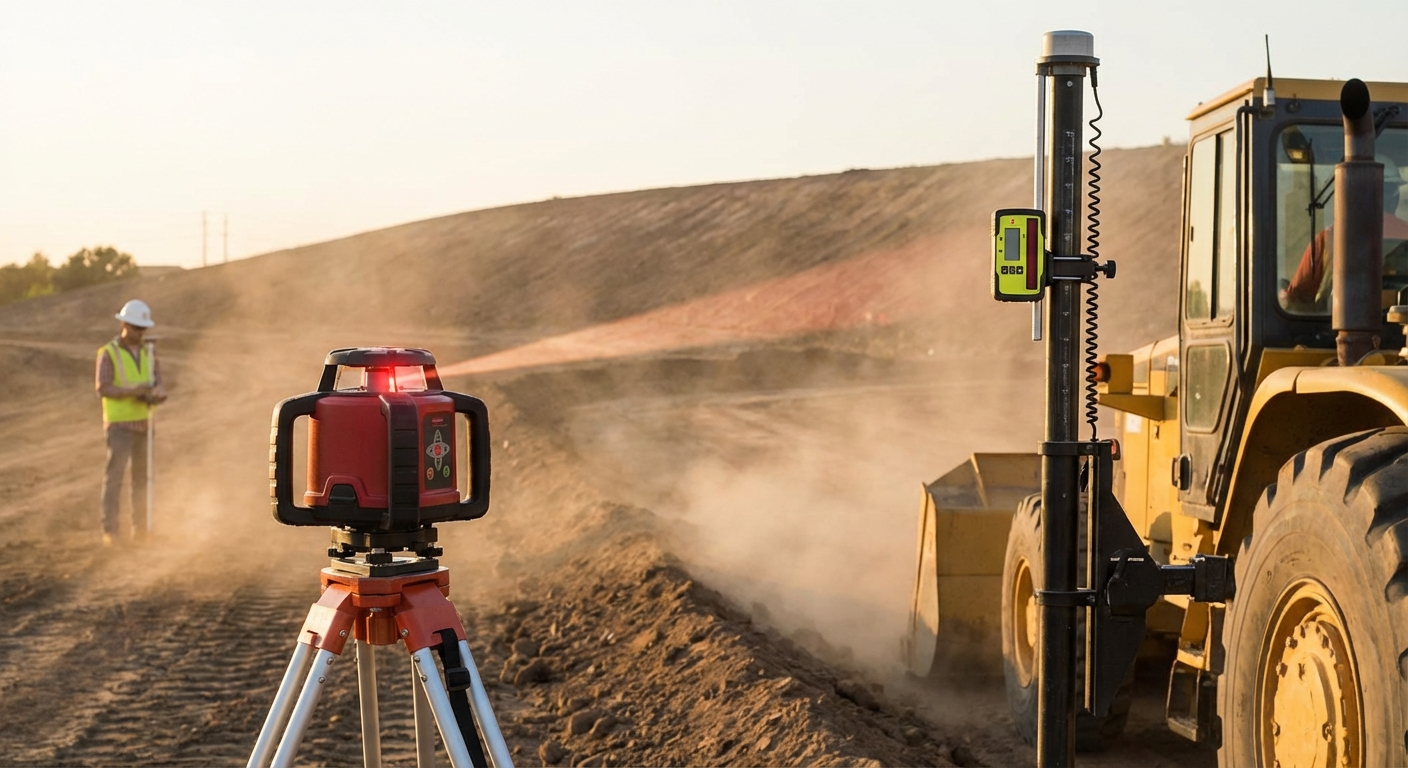
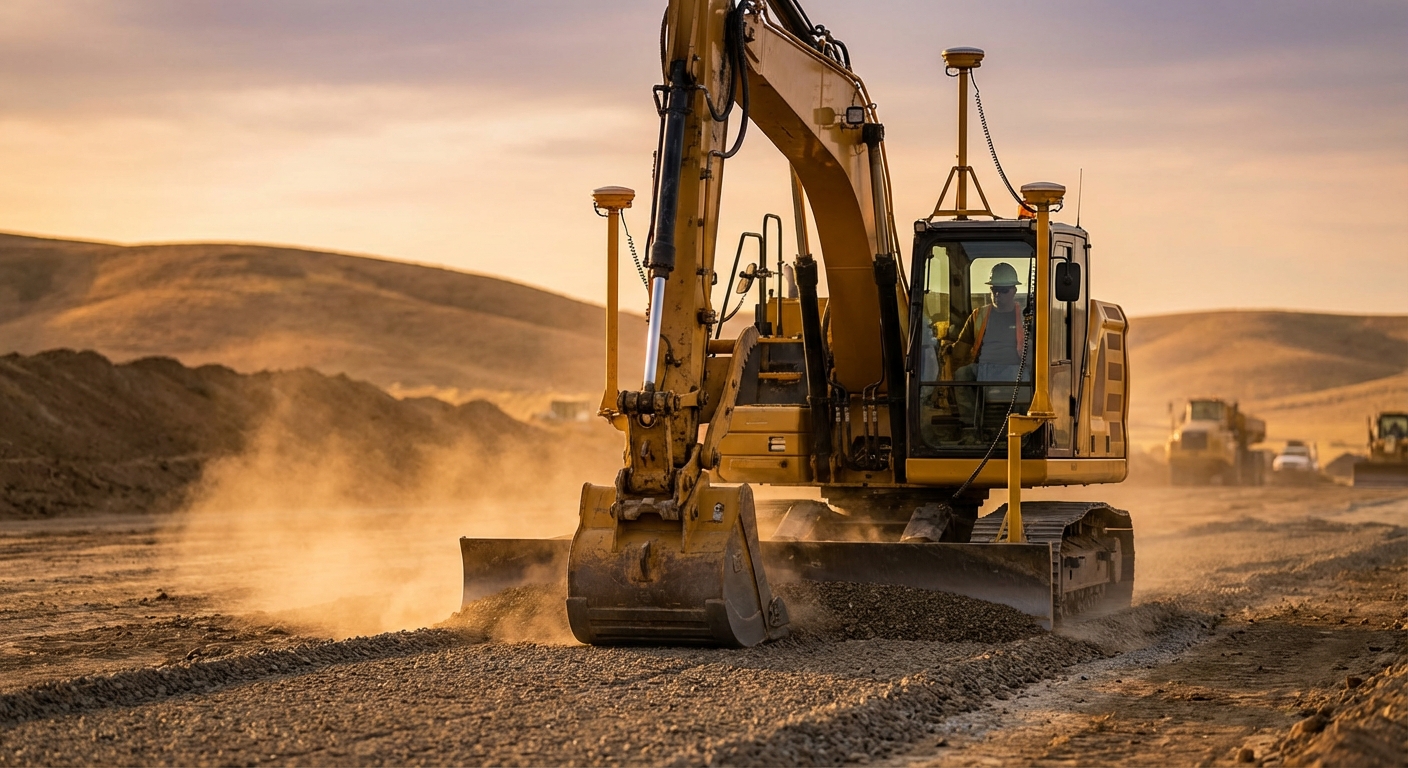
- GPS and RTK Positioning: Centimeter-accurate location data
- Machine Learning Algorithms: Processing sensor data to make real-time decisions
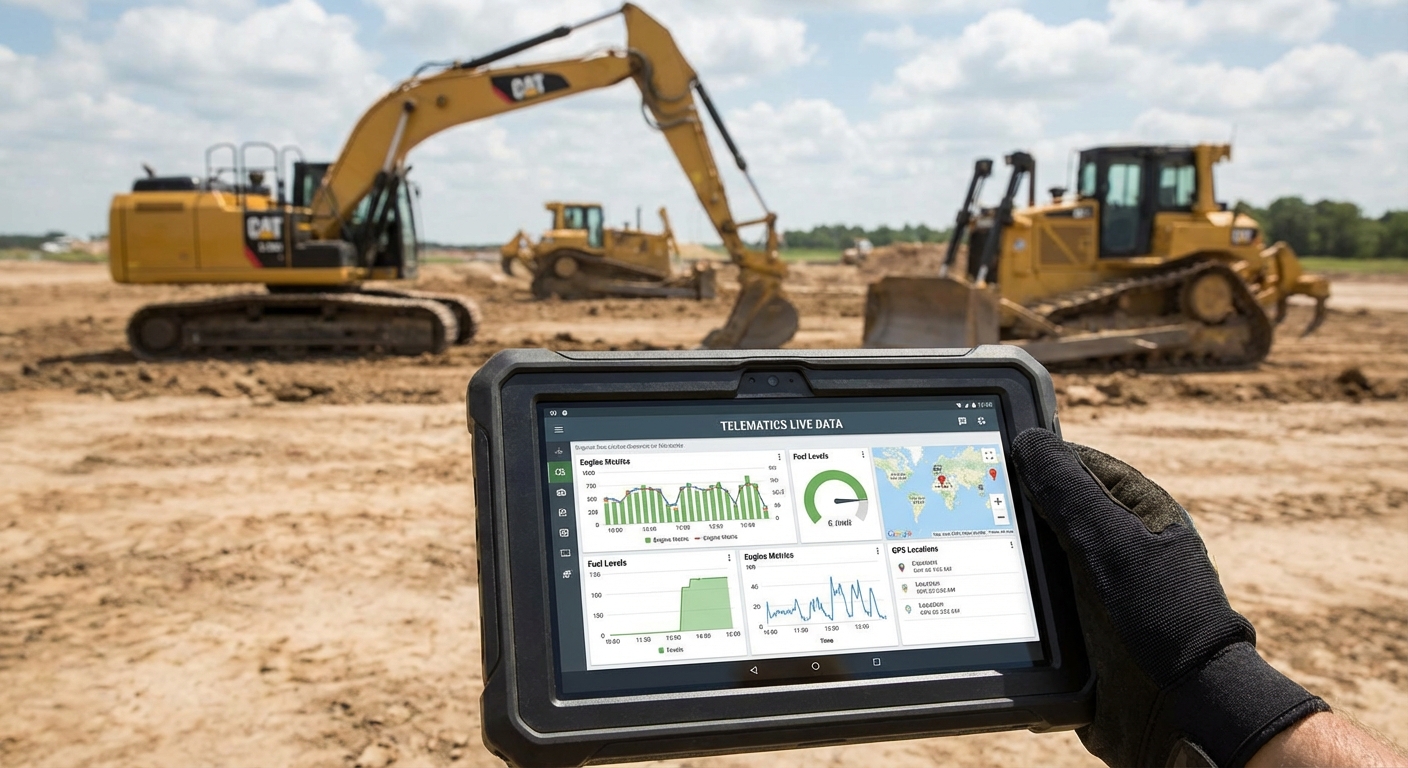
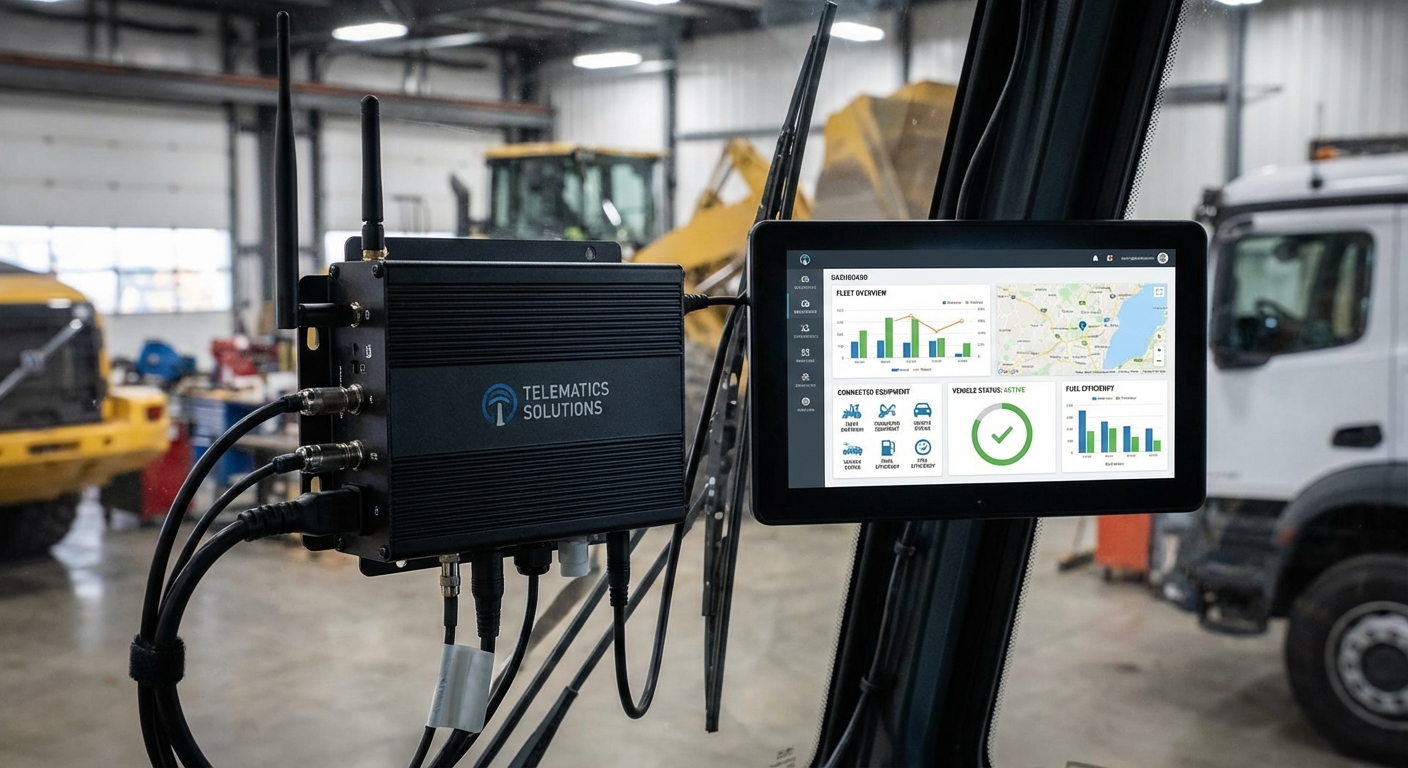
- Fleet Management Software: Coordinating multiple autonomous units
Operational Benefits
For fleet operators, the advantages are compelling. Autonomous equipment can operate 24/7 without breaks, reducing project timelines significantly. In mining applications, autonomous haul trucks have demonstrated 15-20% productivity improvements while reducing fuel consumption and maintenance costs.
Safety improvements are equally significant. Removing operators from hazardous environments—whether that’s a deep pit mine or a construction site with unstable terrain—reduces workplace injuries and fatalities. The data supports this: autonomous mining operations report near-zero incidents compared to traditional manned operations.
The Human Factor
However, the transition isn’t without challenges. Workforce concerns about job displacement are valid, though the reality is more nuanced. While some operator roles may diminish, new positions are emerging in remote operations centers, system maintenance, and fleet coordination. The industry needs a thoughtful approach to retraining and workforce development.
Regulatory Considerations
Regulatory frameworks are still catching up with the technology. Different jurisdictions have varying requirements for autonomous vehicle operation, and heavy equipment often falls into gray areas between vehicle regulations and workplace safety standards. Industry leaders are working with regulators to establish clear guidelines.
Looking Ahead
The next five years will be critical. We expect to see:
- Expanded Applications: Beyond mining and agriculture, autonomous systems will move into construction, road building, and material handling
- Improved Interoperability: Equipment from different manufacturers will communicate and coordinate more effectively
- Cost Reductions: As technology scales, the premium for autonomous systems will decrease, making them accessible to smaller operations
The future of heavy equipment is autonomous. The question isn’t whether this transition will happen, but how quickly and how smoothly the industry can adapt. Fleet operators who begin planning now—investing in training, evaluating technology options, and understanding the operational changes required—will be best positioned to capitalize on these advances.
For OEMs, the race is on. Those who can deliver reliable, cost-effective autonomous solutions will capture significant market share. Those who lag behind risk being left in the dust of their competitors’ autonomous fleets.