2D Machine Control Systems: The Entry Point for Precision Earthmoving
Not ready for full GPS? 2D laser and slope control systems deliver meaningful productivity gains at fraction of the cost. Here's what you need to know.
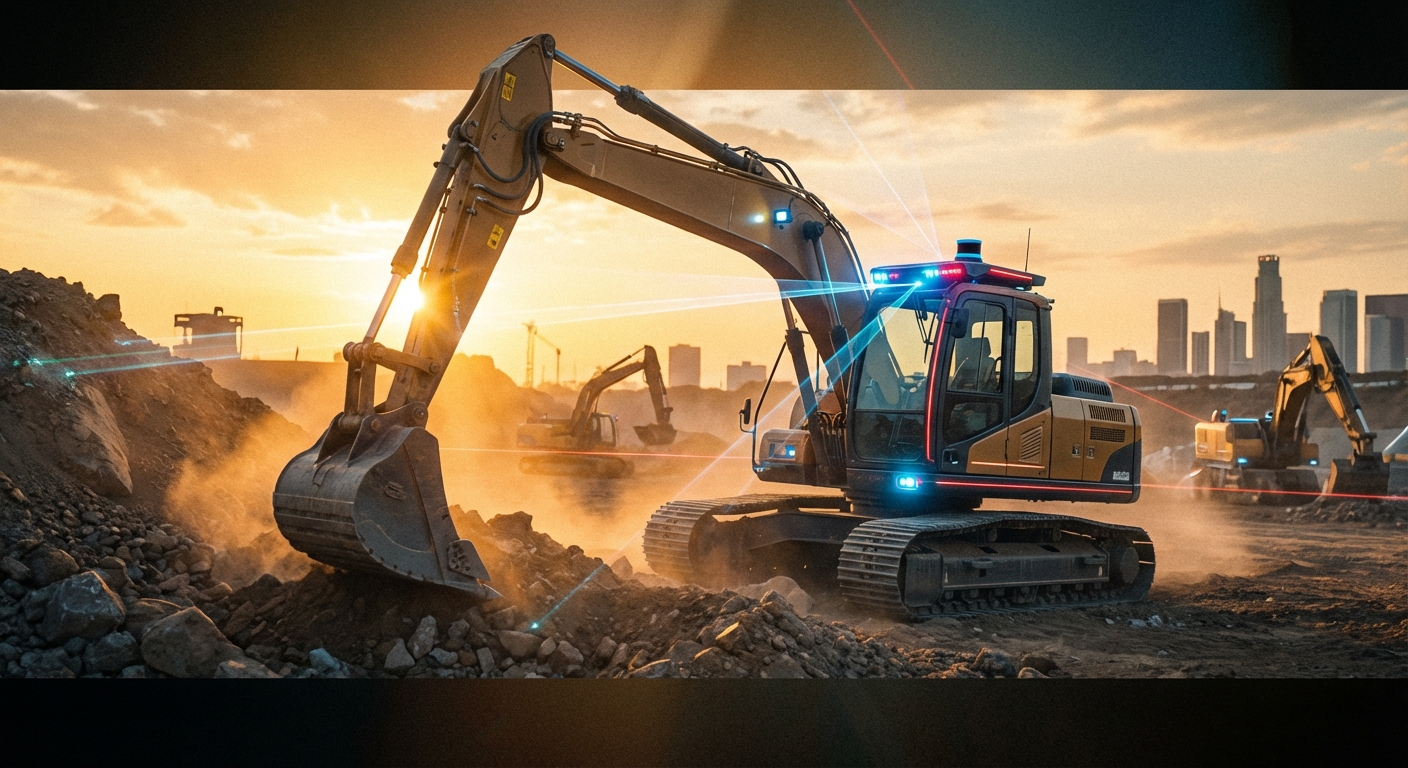
While GPS-based 3D machine control captures industry attention, simpler 2D systems remain highly relevant for many contractors. Two-dimensional machine control—using lasers, sonic sensors, or slope sensors—delivers substantial productivity benefits at a fraction of the cost and complexity of full 3D systems.
This guide examines 2D machine control technology, applications, and implementation considerations for contractors evaluating precision earthmoving options.
What is 2D Machine Control?
Two-dimensional machine control systems provide grade information in a single plane (typically horizontal or at a fixed slope), as opposed to 3D systems that work from complete surface models. The “2D” designation refers to the reference information, not the working dimensions.
Common 2D system types:
Laser-Based Systems
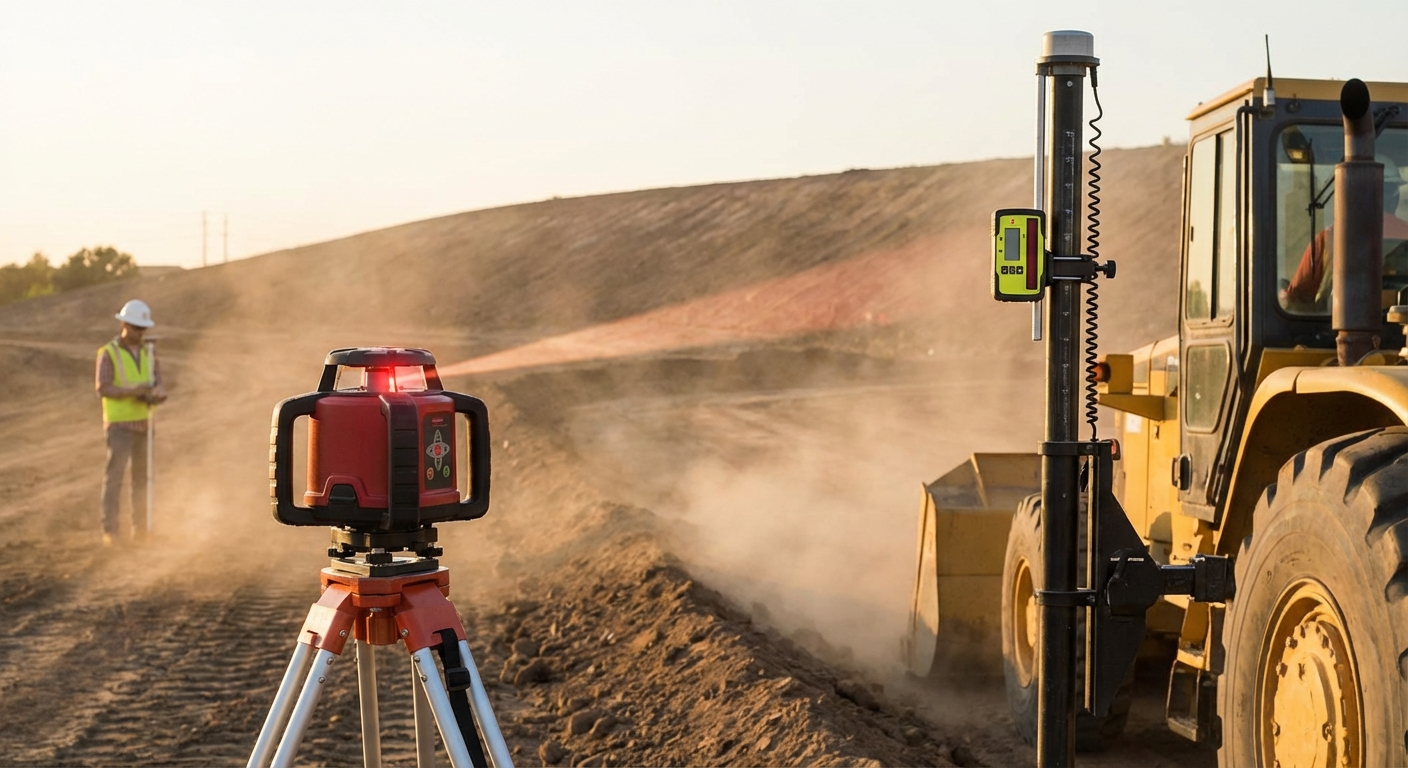
Rotating laser transmitters establish reference planes that receivers on equipment detect:
Grade lasers: Transmit a rotating horizontal or sloped beam. Receivers on equipment detect the beam position and indicate whether the work tool is above, below, or on grade.
Pipe lasers: Project a beam along a fixed alignment for pipe and trench work. Provide both grade and alignment reference.
Laser systems work well in controlled environments where a single reference plane serves the work—parking lots, building pads, drainage slopes.
Sonic Systems
Sonic (ultrasonic) sensors measure distance to reference surfaces:
Stringline following: Sensors follow a stringline or curb edge, maintaining consistent offset distance.
Surface following: Sensors measure distance to existing surfaces, maintaining consistent depth or thickness.
Sonic systems excel at following existing references—maintaining consistent asphalt thickness, for example.
Slope Control
Slope sensors (digital levels) measure machine or implement orientation:
Cross-slope: Maintains consistent slope perpendicular to travel direction.
Mainfall: Maintains consistent slope in direction of travel.
Slope control enables consistent grading without external references, using gravity as the reference.
Combination Systems
Many applications combine multiple references:
- Laser for elevation plus slope for cross-slope
- Sonic for one axis plus laser for another
- Multiple sensor types for redundancy and flexibility
Applications by Equipment Type
Excavators
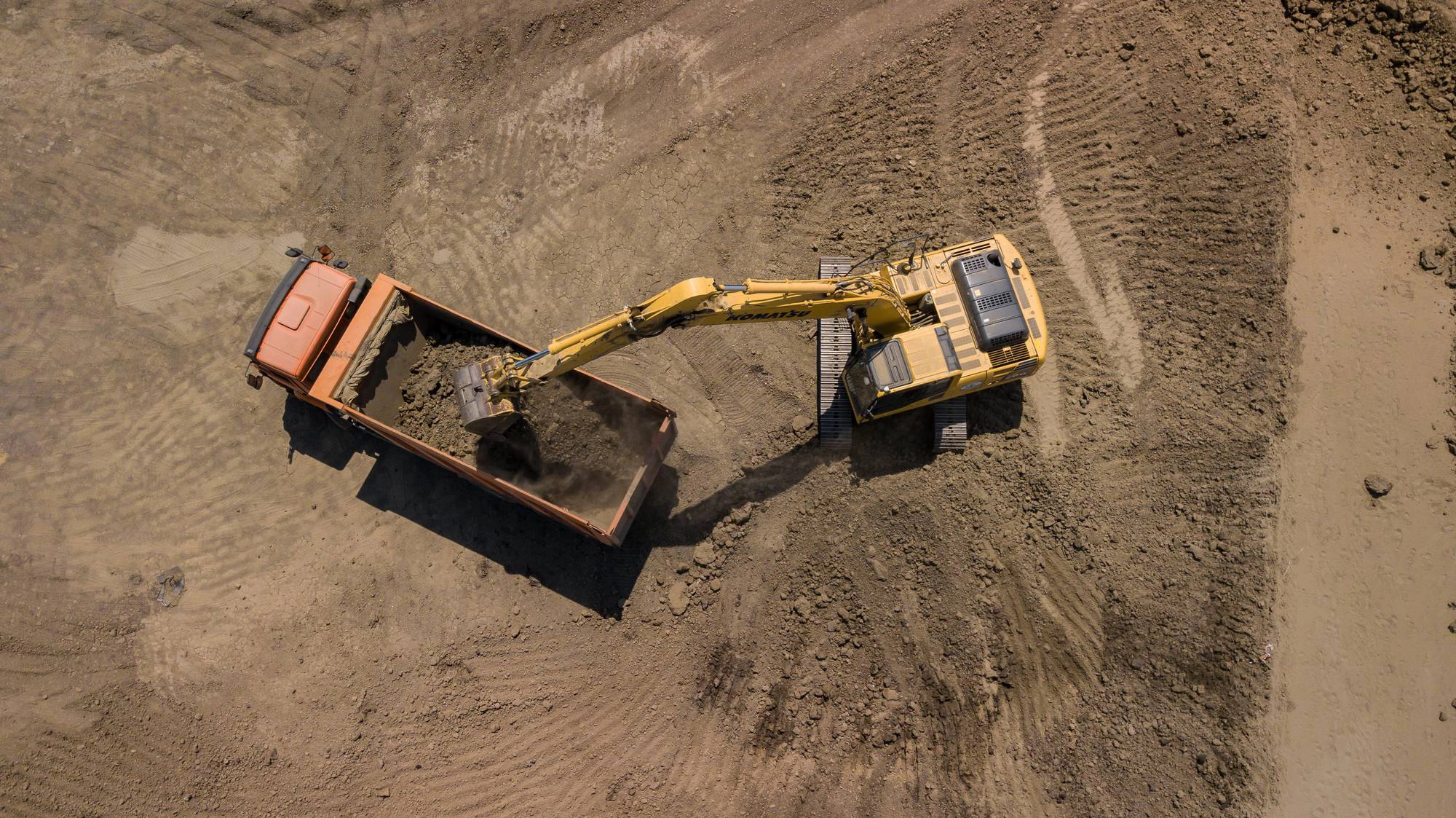
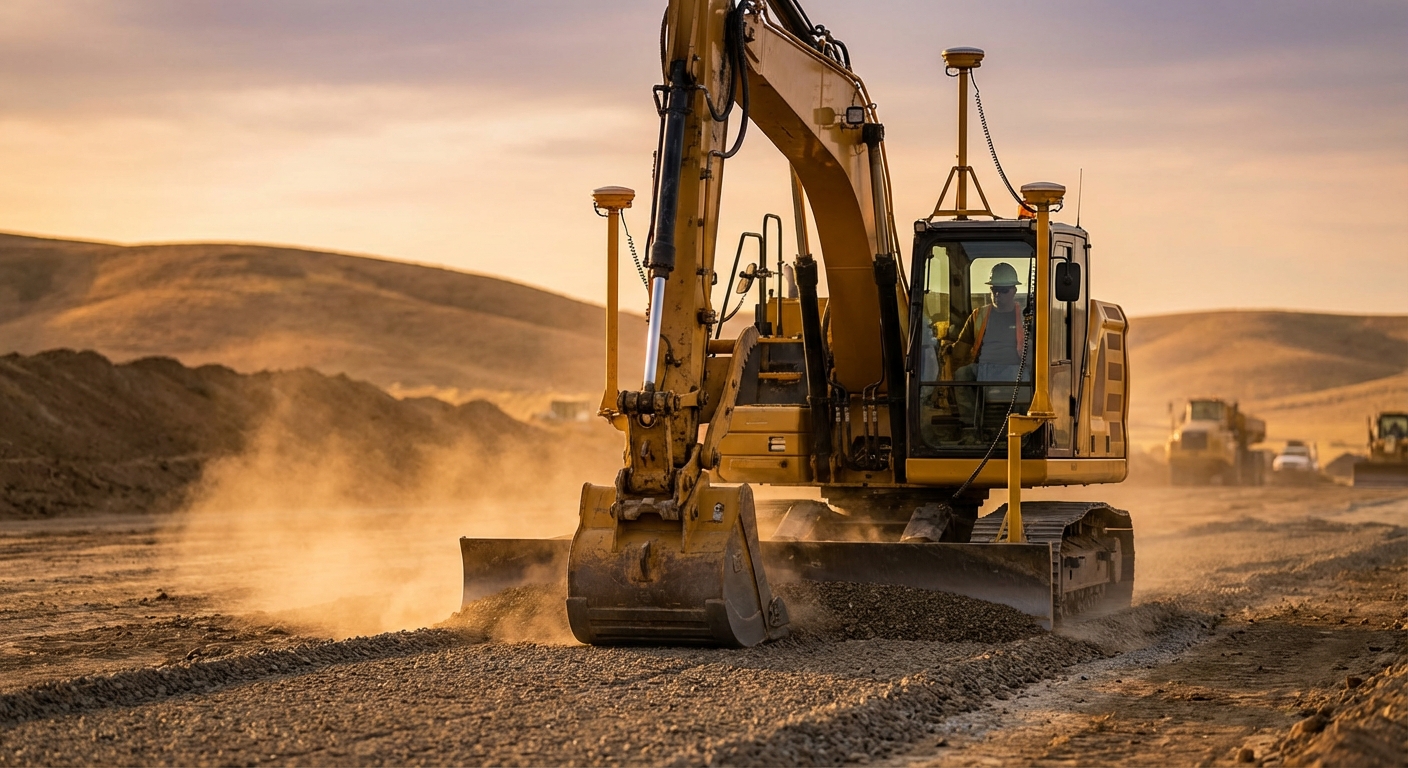
Excavator 2D applications include:
Depth indication: Laser or sonic reference indicates dig depth, reducing overdig and enabling consistent subgrade preparation.
Slope indication: Displays bucket angle relative to horizontal or specified slope, helping operators maintain consistent trench bottoms or slopes.
Grade guidance: Combined systems indicate both depth and slope, guiding operators to desired grades.
Modern excavator 2D systems integrate with machine displays, providing visual and audible guidance without requiring operators to watch external indicators.
Dozers
Dozer 2D applications include:
Laser receiving: Blade-mounted receivers detect laser reference plane, with automatic blade control maintaining elevation.
Slope control: Cross-slope sensors maintain consistent blade angle, creating uniform slopes without constant manual adjustment.
Combined systems: Laser for one axis, slope for another—enables flat pad creation with consistent slope without full 3D positioning.
Dozer 2D systems can be fully automatic (machine controls blade) or indicate-only (operator responds to guidance displays).
Motor Graders
Graders benefit significantly from 2D control:
Laser/sonic receiving: Maintains consistent blade elevation relative to laser plane or existing surface.
Cross-slope: Automatic cross-slope control maintains crown or drainage slope across multiple passes.
Stringline following: Sonic sensors follow stringlines for curb and gutter work.
Grader 2D systems often combine multiple reference types for different applications on the same machine.
Compactors
Compaction 2D applications:
Pass counting: Track compactor passes over work area to ensure specified compaction.
Coverage mapping: Document compaction coverage for quality assurance.
Grade indication: Indicate surface elevation for thickness verification.
Compaction monitoring often combines with 2D grade reference for comprehensive quality control.
Productivity Benefits
2D systems deliver measurable productivity improvements:
Reduced Staking
Traditional grade construction requires frequent survey staking. 2D systems reduce staking requirements:
- Fewer grade stakes needed when machines reference lasers
- Reduced surveyor costs and waiting time
- Faster response to grade changes
Improved Accuracy
Consistent machine reference improves grade accuracy:
- Reduced overdig in excavation
- More consistent surface tolerances
- Less rework and material waste
Faster Learning
Operator learning curve shortens:
- Less experienced operators achieve acceptable results faster
- Guidance systems provide continuous feedback
- Reduced operator-to-operator variation
Night Work Capability
Laser systems enable effective night operations:
- Visual grade indicators work regardless of light conditions
- Night shifts achieve daytime productivity
- Extended working hours for time-critical projects
Implementation Considerations
System Selection
Choosing appropriate 2D systems requires matching technology to applications:
Work type: Excavation, grading, paving applications have different optimal solutions.
Precision requirements: Some applications need +/- 0.1” accuracy; others accept +/- 0.5”.
Environment: Laser range, weather sensitivity, and site conditions affect technology choice.
Equipment integration: OEM-integrated systems versus aftermarket installations have different tradeoffs.
Cost Analysis
2D system costs vary widely:
Basic indicate-only systems: $3,000-$8,000 for excavator depth indication or dozer slope display.
Automatic 2D systems: $15,000-$35,000 for dozer or grader with automatic blade control on one or two axes.
Complete laser setup: $5,000-$15,000 for quality grade laser with receivers and accessories.
ROI calculations should consider:
- Labor productivity improvement (typically 20-40% for grade operations)
- Material savings from reduced overdig
- Rework reduction from improved accuracy
- Surveying cost reduction
Training Requirements
Effective 2D implementation requires operator training:
System operation: Understanding displays, calibration, and controls.
Grade concepts: Operators need grade awareness to use guidance effectively.
Troubleshooting: Recognizing and addressing common issues.
Equipment dealers and system manufacturers offer training programs. Investment in thorough training maximizes system value.
Maintenance
2D systems require ongoing attention:
Calibration: Regular calibration maintains accuracy. Most systems include calibration procedures.
Component care: Receivers, sensors, and displays need protection and maintenance.
Laser maintenance: Transmitters require periodic certification to ensure accuracy.
Maintenance requirements are modest compared to 3D systems but shouldn’t be neglected.
2D vs. 3D Decision
Many contractors face choices between 2D and 3D systems. Considerations:
When 2D Makes Sense
- Simple grading to flat or single-slope surfaces
- Budget constraints preclude 3D investment
- Limited technical support capability
- Applications don’t require complex surface modeling
- Supplementing 3D-equipped machines with simpler units
When 3D is Preferred
- Complex surfaces with multiple grades and transitions
- Model-based construction with digital design data
- High-accuracy requirements throughout project
- Large projects justifying technology investment
- Integration with survey and design workflows
Many contractors operate both 2D and 3D systems, using each where appropriate:
- 3D for primary grading to complex designs
- 2D for trim work, subgrade, and simpler areas
- 2D as entry point before 3D investment
Manufacturer Options
Major equipment manufacturers offer 2D options:
Caterpillar: AccuGrade 2D systems for dozers and motor graders. Integrated with Cat displays and controls.
John Deere: SmartGrade-compatible 2D solutions. Integration with Deere precision agriculture heritage.
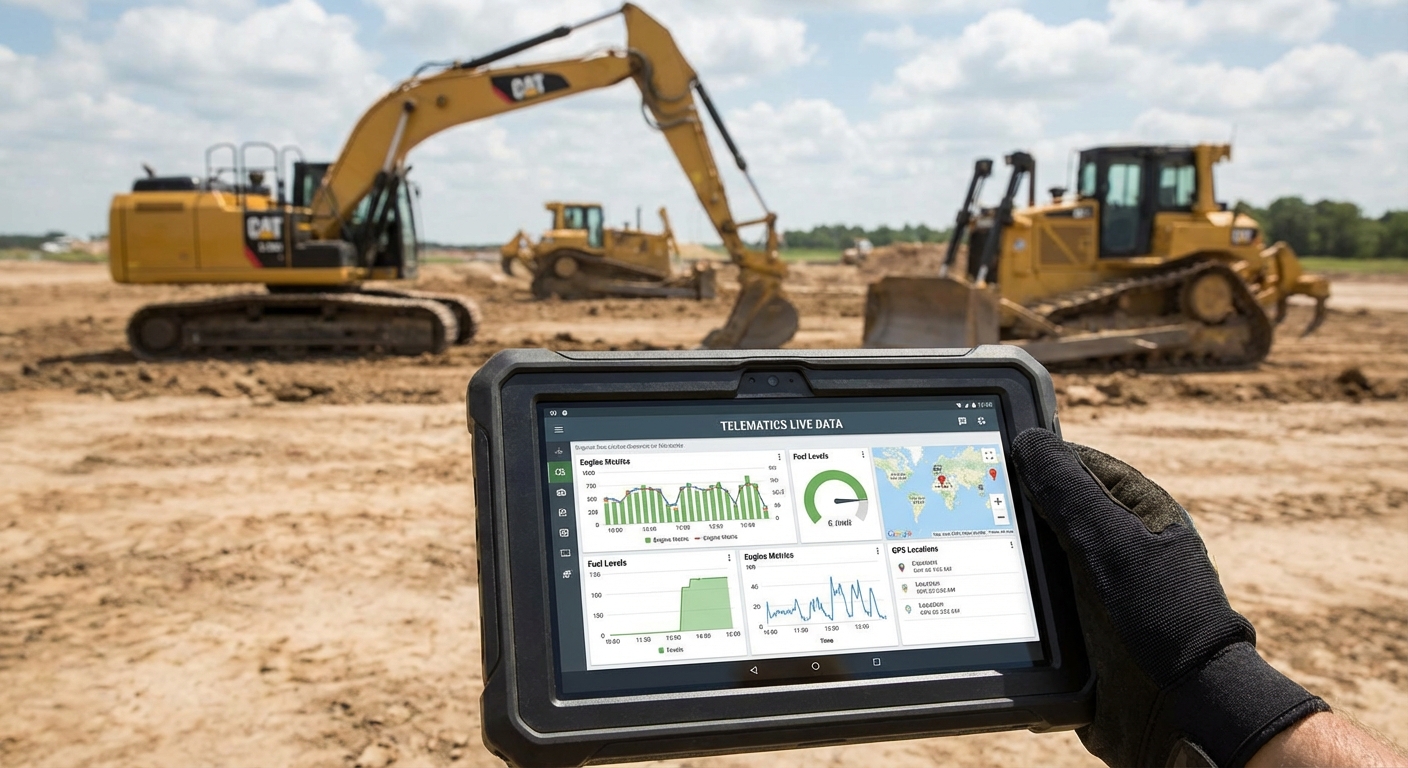
Komatsu: Intelligent Machine Control includes 2D options. Integration with Komtrax telematics.
Topcon: Aftermarket systems compatible with multiple equipment brands. Comprehensive product line.
Trimble: Earthworks platform supports 2D applications. Strong integration capabilities.
Leica: iCON products include 2D options. Premium accuracy specifications.
Aftermarket systems offer flexibility to equip mixed fleets with consistent technology regardless of equipment brand.
Getting Started
For contractors considering 2D implementation:
-
Assess applications: Identify operations that would benefit from grade assistance.
-
Evaluate options: Research systems appropriate for your equipment and applications.
-
Calculate ROI: Quantify productivity benefits against system and training costs.
-
Start simple: Begin with straightforward applications to build experience.
-
Train thoroughly: Invest in operator and manager training for effective use.
-
Build expertise: Develop internal capability to support and optimize systems.
2D machine control represents accessible precision technology that delivers real productivity benefits. For many contractors, 2D provides an excellent entry point to technology-enhanced earthmoving—with or without eventual progression to more sophisticated systems.
For 3D system coverage, see our analysis of GPS grade control revolution. For broader technology trends, see our telematics adoption report.