Equipment Connectivity Standards: Making Sense of ISO, AEMP, and Telematics Interoperability
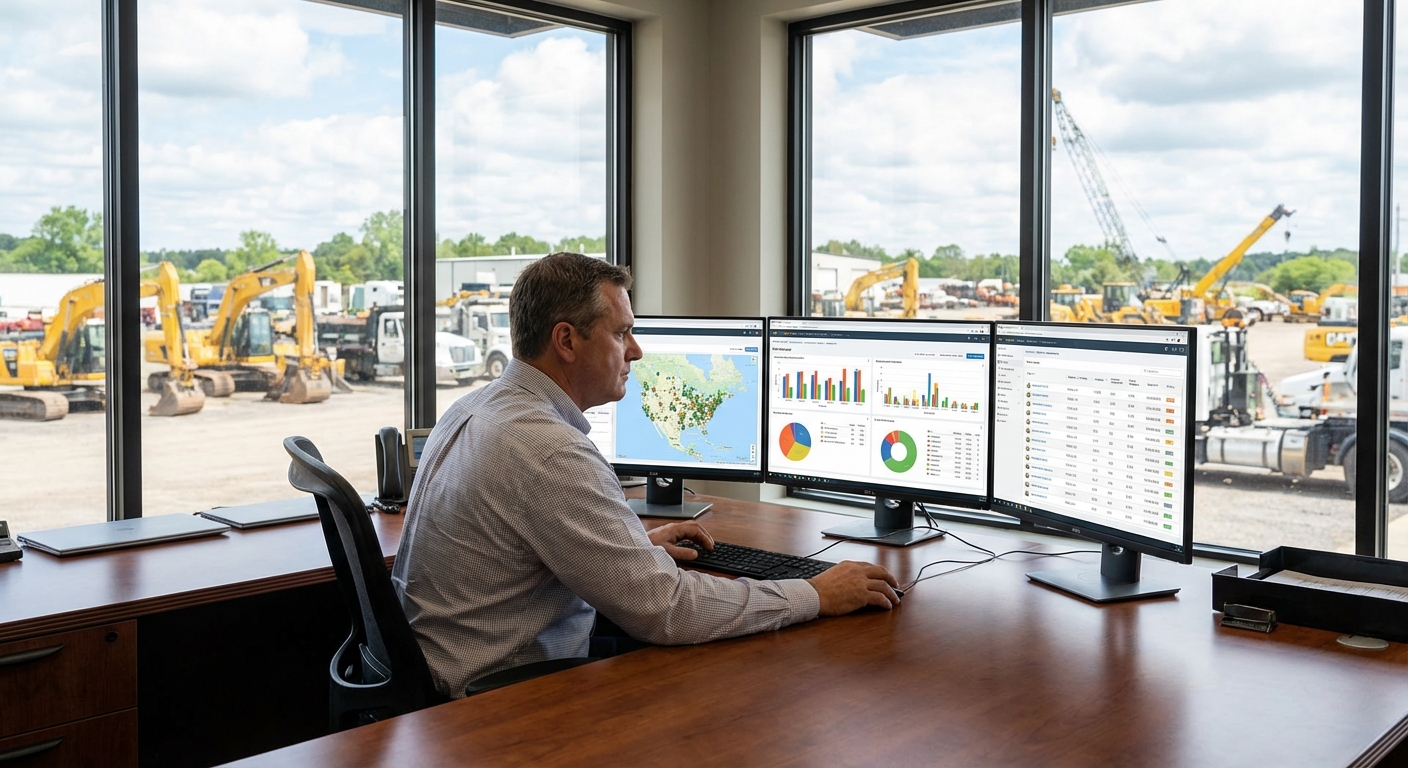
Your mixed fleet shouldn't mean multiple dashboards. Understanding connectivity standards helps you integrate equipment data effectively.
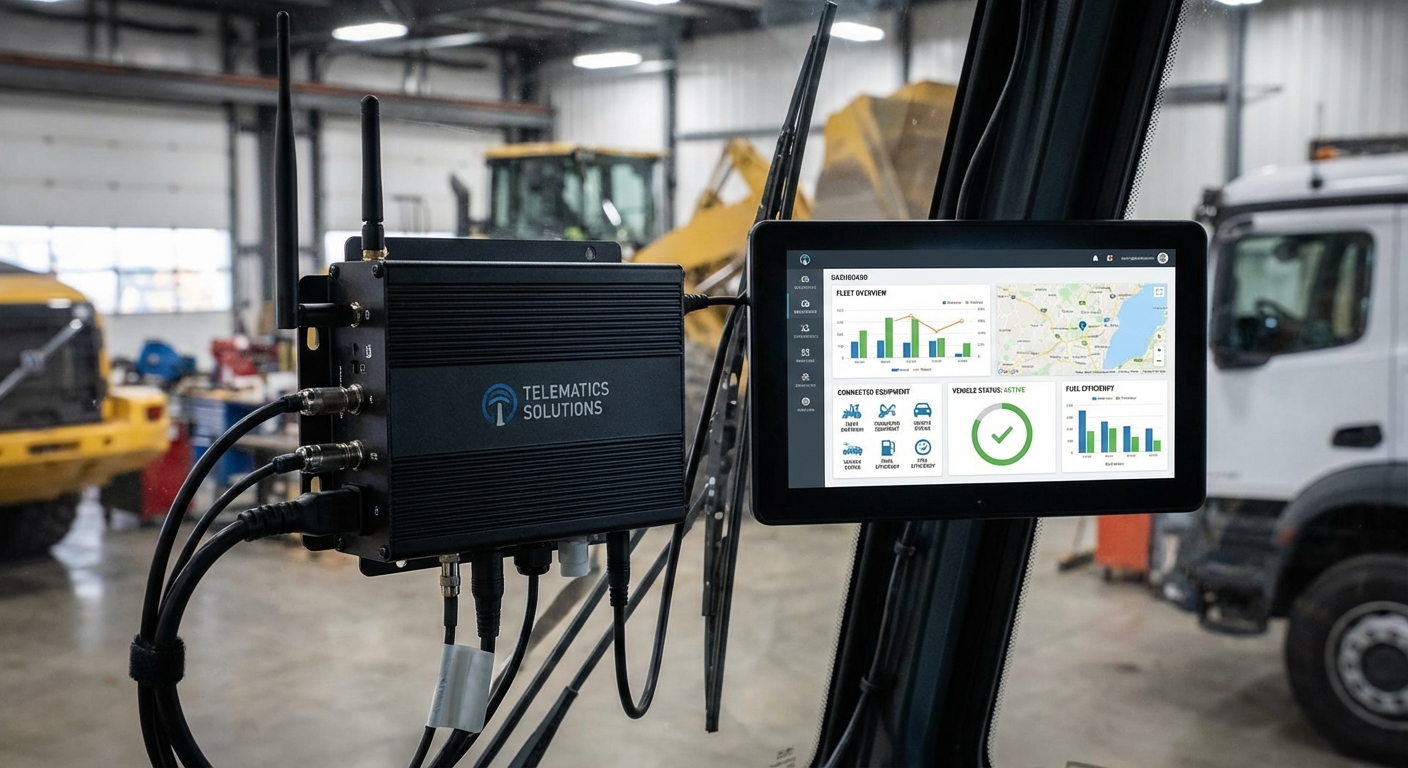
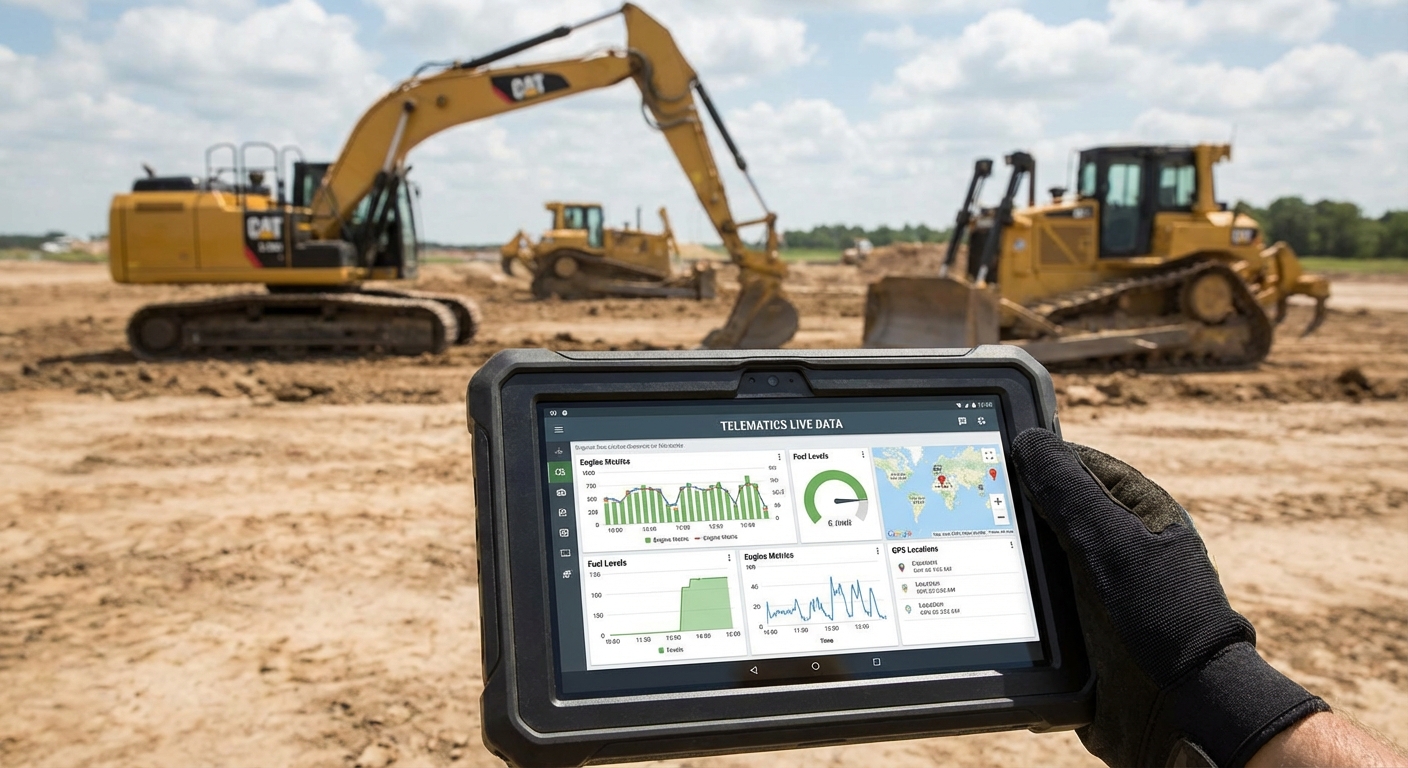
Construction contractors operating mixed equipment fleets face a common frustration: every manufacturer’s telematics system speaks a different language. Caterpillar equipment reports to Cat Product Link, Komatsu to Komtrax, Deere to JDLink—each with different data formats, different user interfaces, and different integration requirements.
Industry connectivity standards aim to solve this problem by establishing common data formats and communication protocols. Understanding these standards helps fleet managers integrate equipment data and achieve the visibility that connected equipment promises.
The Interoperability Problem
Before examining solutions, understand the problem:
Proprietary Systems
Each major manufacturer developed telematics systems independently:
Different data models: How manufacturers structure and label data varies. “Fuel consumption” might be instantaneous rate, cumulative total, or average over a period—with different units and calculation methods.
Different platforms: Each manufacturer operates cloud platforms with unique user interfaces, APIs, and integration options.
Different business models: Some manufacturers include telematics in equipment price; others charge subscription fees. Data access policies vary.
Fleet Reality
Most contractors operate mixed fleets:
- Multiple brands based on application fit, dealer relationships, and acquisition history
- Rental equipment from various sources
- Subcontractor equipment on projects
- Attachments and support equipment from numerous manufacturers
Managing this diversity through multiple proprietary systems is impractical. Contractors need unified visibility regardless of equipment source.
Integration Costs
Custom integration between proprietary systems is expensive:
- Development costs for each integration
- Ongoing maintenance as systems change
- Testing and validation for each combination
- Limited scalability as fleets and systems evolve
Standards address these costs by defining common approaches that reduce integration complexity.
AEMP Telematics Standard
The Association of Equipment Management Professionals (AEMP) developed the first widely adopted telematics interoperability standard.
Standard Overview
The AEMP Telematics Standard defines:
Data elements: Standardized definitions for common telematics data—hours, location, fuel consumption, fault codes, and other parameters.
Data format: XML-based format for data exchange between systems.
API structure: Standard interfaces for requesting and receiving equipment data.
Current Version
AEMP Telematics Standard Version 2.0 includes:
- Equipment identification and basic information
- Operating hours and utilization data
- Location and movement information
- Fuel consumption (total and rate)
- Fault code reporting
- Cumulative operating data
The standard enables requesting data through standard APIs, regardless of manufacturer.
Industry Adoption
Major manufacturers support AEMP standard data export:
- Caterpillar, John Deere, Komatsu, Hitachi, Volvo, and others provide AEMP-compliant data feeds
- Fleet management platforms can consume AEMP data from multiple manufacturers
- Rental companies use AEMP standard for fleet visibility across brands
Adoption isn’t universal—some manufacturers support limited data elements, and implementation details vary—but AEMP established the foundation for telematics interoperability.
Limitations
AEMP standard limitations include:
Batch orientation: Designed primarily for periodic data synchronization rather than real-time streaming.
Limited scope: Covers basic telematics data; advanced diagnostics and manufacturer-specific features may not be included.
Implementation variation: “AEMP compliant” implementations differ in completeness and data quality.
ISO 15143 Standard
The International Organization for Standardization (ISO) developed broader standards for construction equipment data exchange.
ISO 15143-1: Worksite Data Exchange
Defines general requirements for construction equipment data exchange:
- Framework for data communication
- General principles and requirements
- Reference to related standards
This part establishes context for specific data exchange standards.
ISO 15143-3: Telematics Data
Specifically addresses telematics data exchange, building on and extending AEMP concepts:
Expanded data elements: More comprehensive data element definitions including advanced diagnostics and operational parameters.
Modern protocols: Support for contemporary data exchange approaches including RESTful APIs and JSON formatting.
Security provisions: Requirements for authentication and data protection.
Adoption Status
ISO 15143-3 is gaining adoption as the next-generation standard:
- Manufacturers are implementing ISO 15143-3 alongside or replacing AEMP implementations
- Fleet management platforms are adding ISO 15143-3 support
- New equipment increasingly designed for ISO 15143-3 compliance
The transition from AEMP to ISO 15143-3 is gradual; both standards will coexist for years.
Practical Application
Understanding standards helps fleet managers make practical decisions:
Evaluating Telematics Platforms
When selecting fleet management platforms, consider:
Standard support: Does the platform consume AEMP and/or ISO 15143-3 data? Which manufacturers are supported?
Data coverage: What data elements are available from each manufacturer? Are critical parameters (hours, location, fuel, faults) reliably populated?
Update frequency: How often does data synchronize? Is near-real-time available?
Integration alternatives: Beyond standards, what manufacturer-specific integrations are available for deeper data access?
Working with Manufacturers
Questions for equipment vendors:
Standard compliance: What telematics standards does the equipment support? AEMP? ISO 15143-3?
Data access options: How can we access equipment data? Through your portal? Via API? Through fleet management platforms?
Data ownership: What are the terms for data access? Subscription requirements? Data portability?
Future roadmap: How is connectivity evolving? What standards will future equipment support?
Building Integration Strategy
For contractors developing data integration approaches:
Start with standards: Build around standard data formats and APIs where possible. Standard-based integrations are more maintainable than custom work.
Accept limitations: Standards don’t cover everything. Plan for manufacturer-specific integrations where unique features justify complexity.
Choose platforms strategically: Select fleet management platforms based on their integration capabilities across your equipment brands.
Budget for maintenance: Any integration requires ongoing attention as systems evolve. Plan for maintenance costs.
Beyond Equipment Telematics
Connectivity standards extend beyond equipment:
BIM and Construction Data
Building Information Modeling (BIM) standards enable equipment data integration with project information:
IFC (Industry Foundation Classes): Standard format for building and infrastructure data. Equipment positions can reference IFC models.
BCF (BIM Collaboration Format): Standard for communicating issues in BIM context.
Equipment location and activity data integrated with project models enables new visibility and analysis possibilities.
Jobsite Safety
Emerging standards address safety system integration:
Proximity detection: Standards for communication between equipment proximity warning systems from different manufacturers.
Personnel tracking: Integration standards for worker location and equipment awareness systems.
Attachments
Attachment data exchange is developing:
Attachment identification: Standards enabling equipment to recognize attached implements and adjust operation accordingly.
Usage tracking: Capturing attachment utilization alongside equipment data.
Future Direction
Equipment connectivity standards continue evolving:
Enhanced Data Scope
Standards will expand to cover:
- More detailed diagnostic and predictive maintenance data
- Productivity and performance metrics
- Operator and shift identification
- Environmental and sustainability data
Real-Time Capabilities
Shift toward real-time data streaming:
- Event-driven notifications replacing polling
- Streaming telemetry for advanced applications
- Lower latency for time-sensitive use cases
Machine-to-Machine Communication
Standards enabling direct equipment communication:
- Automated equipment coordination
- Safety system integration
- Site orchestration capabilities
Contractor Recommendations
For contractors navigating equipment connectivity:
-
Require standards compliance in equipment procurement. Add AEMP/ISO 15143-3 support to bid specifications.
-
Select platforms carefully. Fleet management platforms are long-term investments. Prioritize integration capabilities.
-
Plan for mixed environments. Standards reduce but don’t eliminate integration complexity. Budget accordingly.
-
Engage with standards development. Organizations like AEMP welcome contractor input on standard development.
-
Start using what’s available. Perfect integration isn’t required to gain value from connected equipment data.
Connectivity standards make multi-brand fleet management practical. Contractors who understand and leverage these standards can achieve visibility across their entire fleet—not just individual brands.
For related coverage, see our telematics adoption report and fleet management software comparison.