
The Attachment Rack Is Becoming the Real Fleet Constraint
Contractors keep comparing skid steers, excavators, and loaders by horsepower and lift charts. The harder question in 2026 may be whether the right attachment is available, maintained, and matched to the work.
Contractors love talking about machines. Horsepower, lift capacity, hydraulic flow, breakout force, cab comfort, payments, warranty, resale. Those specs matter. A weak carrier will make a good attachment look bad.
But on a lot of jobs in 2026, the carrier is no longer the limiting factor.
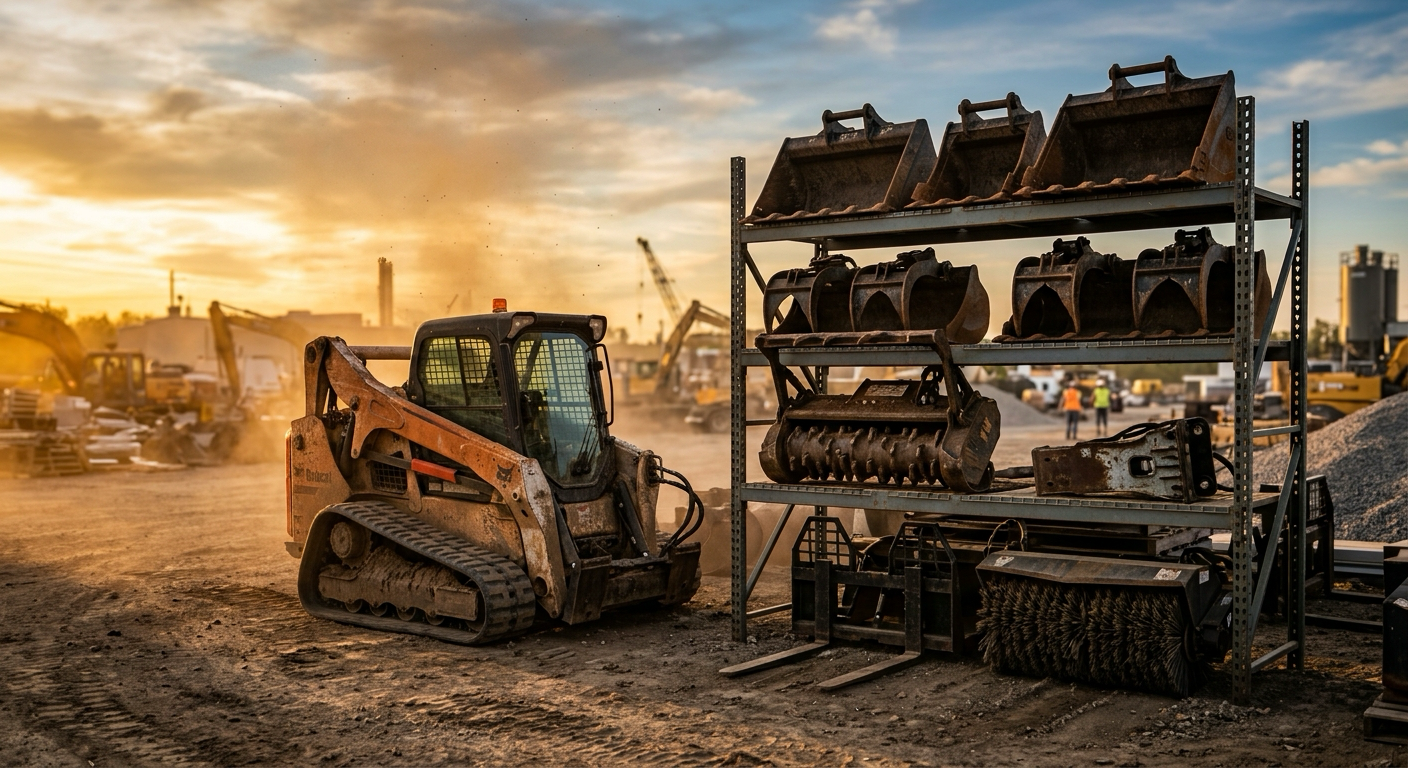
The bottleneck is the attachment rack.
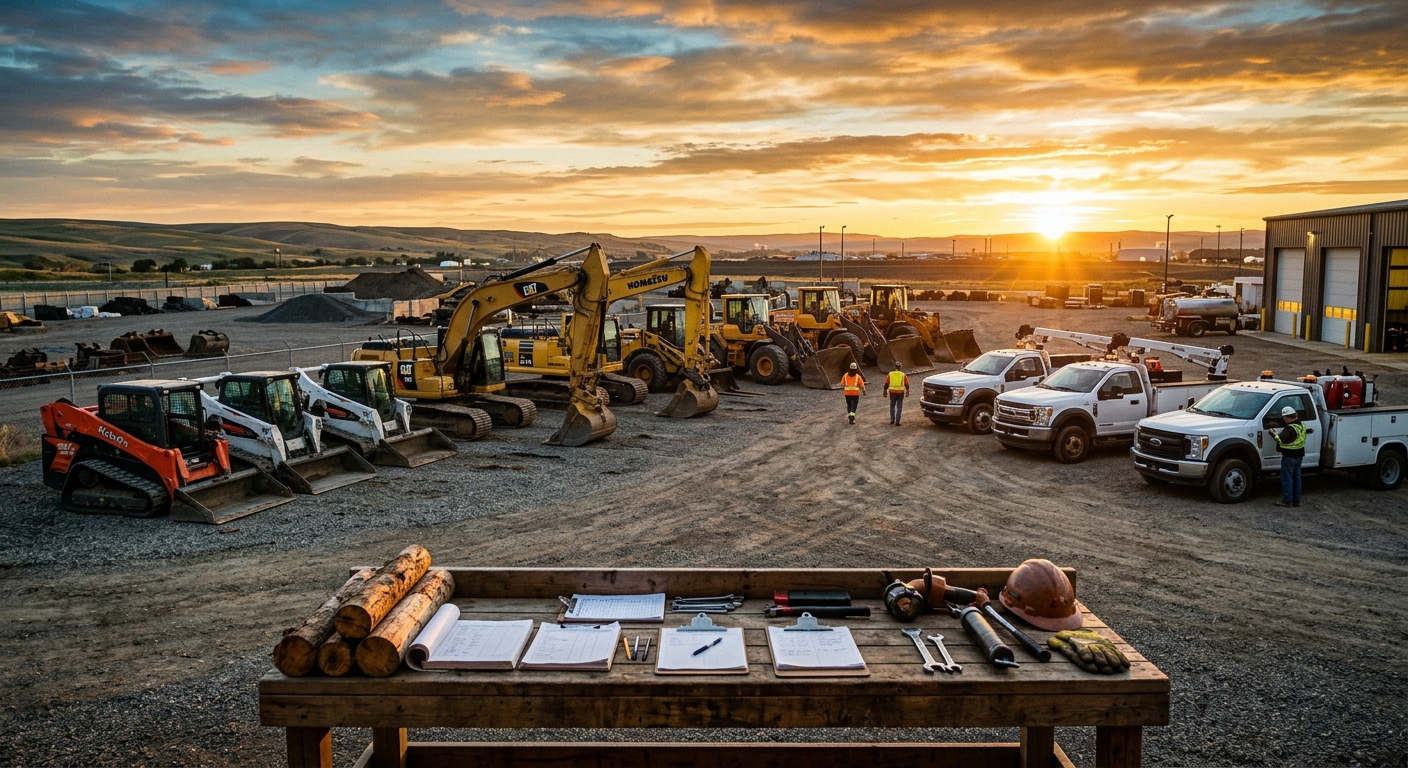
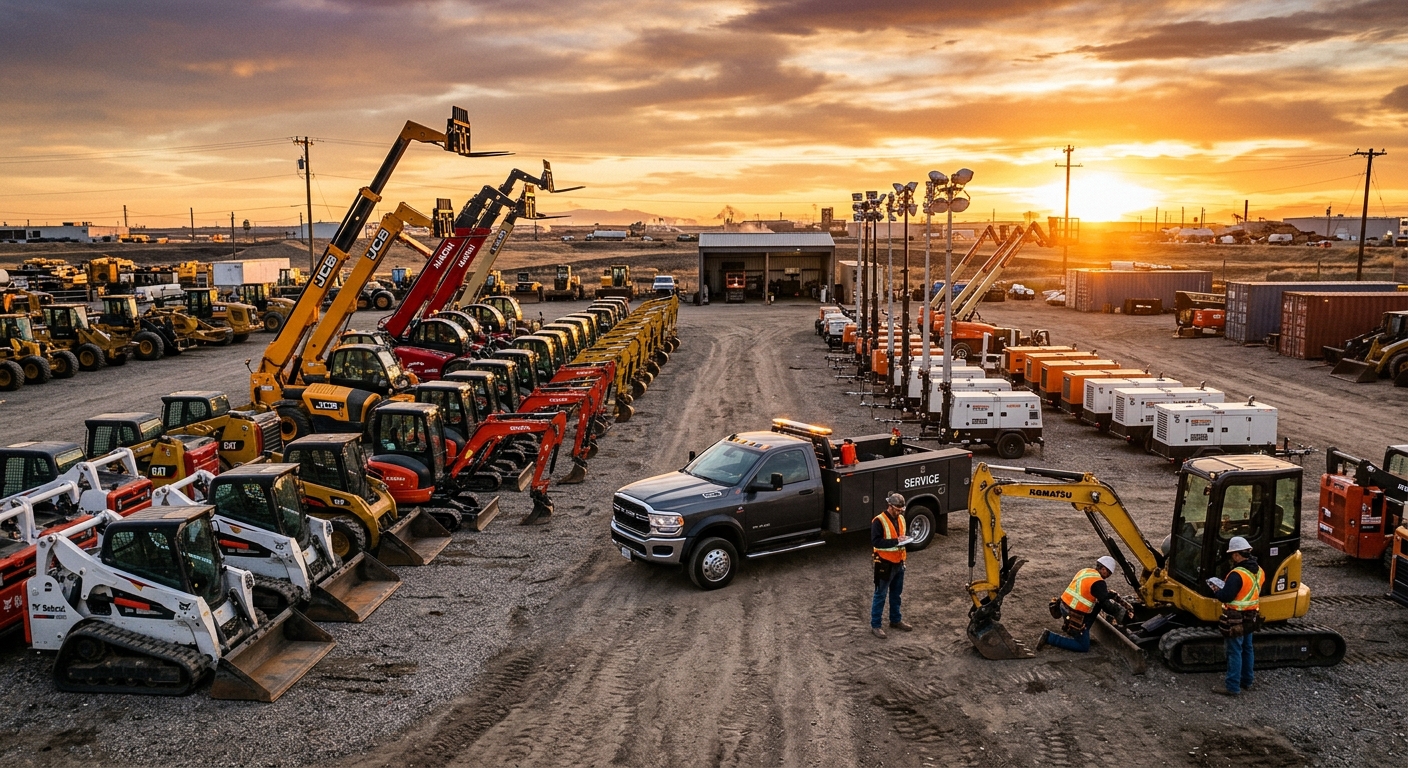
A compact track loader without the right cutter is just a loader. A mini excavator without the right bucket, thumb, compactor, or coupler setup is a machine waiting on a workaround. A wheel loader without the right forks, bucket, broom, or snow setup has fewer billable days than the owner thinks. The attachment is what turns one machine into five possible revenue streams. It is also what turns a clean schedule into a mess when the tool is missing, worn out, stuck at another site, or paired with the wrong machine.
That changes how owners should think about fleet capacity. The question is not only, “Do we have enough machines?” The better question is, “Do we have enough complete setups ready to work?”
FieldFix Editor’s Note: Attachments deserve the same cost discipline as machines. Track hours, repairs, wear parts, downtime, and which carrier they run on. If a $9,000 attachment opens a profitable job type, prove it. If it sits in the yard for ten months, prove that too. FieldFix helps equipment owners track the real cost per hour instead of guessing from memory.
Construction spending is steady enough to expose the small bottlenecks
The macro picture is not screaming boom, but it is not dead either. The U.S. Census Bureau reported that construction spending in April 2026 was running at a seasonally adjusted annual rate of $2.172 trillion, up 0.4 percent from March and 0.9 percent from April 2025. Public construction was $532.7 billion, with highway construction at $149.6 billion.
That kind of market rewards contractors who can say yes to more specific work without buying a whole new machine for every job. Site prep, utility repair, drainage, demo cleanup, brush removal, snow, storm response, concrete removal, grading, trench backfill, and material handling all lean on attachments.
This is where the old fleet math gets thin. A contractor may own three compact track loaders and feel covered. Then one job needs a forestry cutter, another needs a soil conditioner, and a third needs forks and a bucket moving constantly. Suddenly the machine count is less important than attachment availability, truck capacity, operator familiarity, and maintenance status.
The machine is available. The setup is not.
That is the gap owners need to see before the busy season finds it for them.
Attachments are not accessories anymore
Caterpillar says its attachments and work tools tailor machines to specific job requirements and turn them toward a wide range of tasks. Strip out the manufacturer language and the point is simple: the carrier is the platform, but the attachment sells the work.
Werk-Brau’s own site makes a similar case from the attachment-maker side. The company says it focuses on dependable, purpose-built solutions because attachment failure or late delivery can mean missed deadlines and downtime. Its product categories cover excavator, wheel loader, skid steer, compact excavator, and backhoe attachments.
That is not a niche anymore. It is how modern compact and mid-size fleets get utilized.
A small excavation contractor may use the same compact excavator for trenching, grading, demolition, drainage, and site cleanup depending on the bucket, thumb, coupler, or compaction attachment. A land-clearing crew may swing from mowing to mulching to debris handling depending on cutter size, hydraulic flow, material, and terrain. A rental yard may earn more from the right attachment mix than from simply adding another base machine that sits idle between peak weeks.
The problem is that many owners still manage attachments like loose tools. They know the excavator hours. They know the truck payment. They probably know where the skid steer is. But the attachment history lives in someone’s head: when the teeth were changed, which hoses are sketchy, which cutter vibrates, which bucket has a cracked ear, which coupler needs pins, which operator hates which setup.
That is fine until the company grows past one person remembering everything.
Hydraulic flow is becoming a scheduling issue
The attachment decision used to sound simple: will it fit? Now it is more like: will it fit, will it flow, will it cool, will it lift, will it balance, will the operator use it correctly, and will the job pay enough to justify the wear?
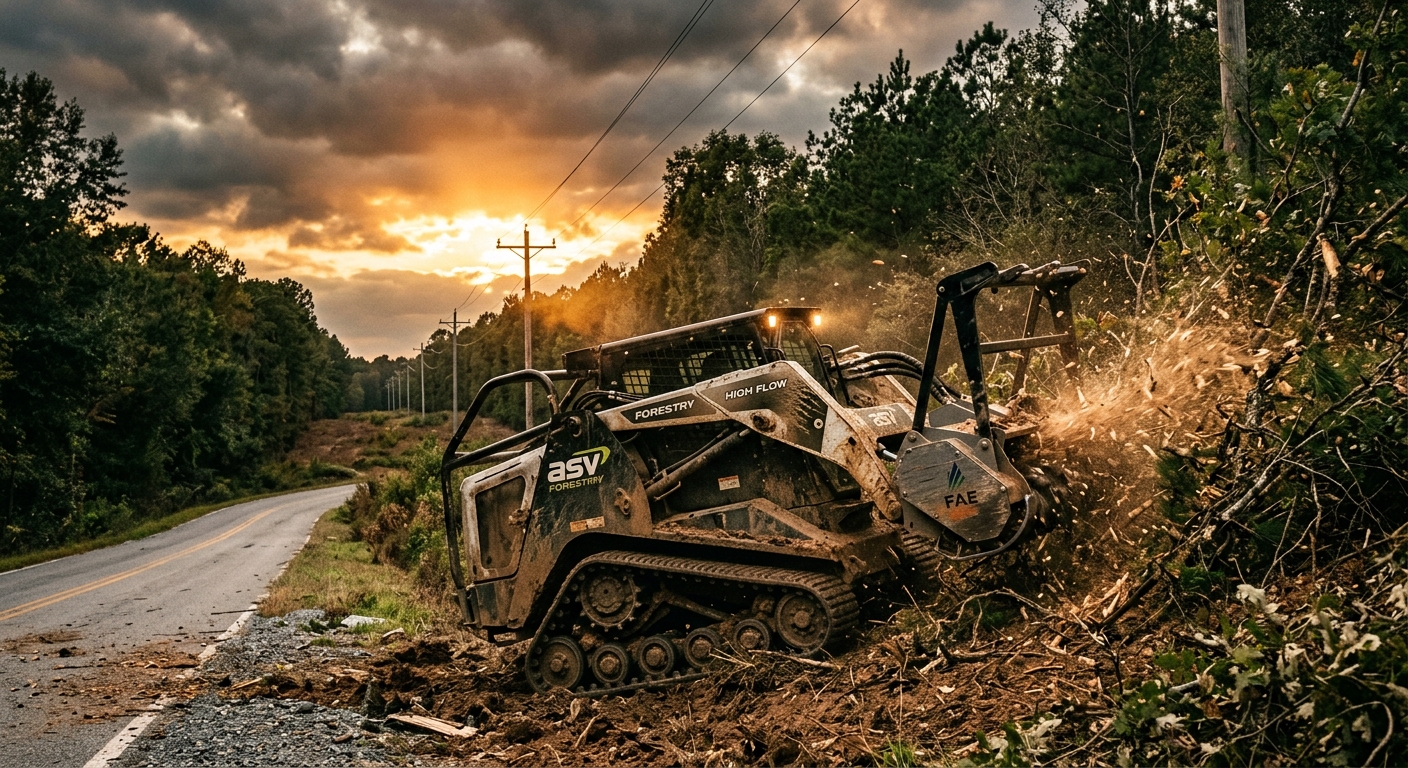
High-flow compact track loaders opened up serious work for mulchers, cold planers, trenchers, grinders, and other hungry tools. That is good for contractors. It also creates a quiet scheduling problem.
Not every loader can run every attachment. Not every operator should be handed a high-flow cutter on a tight site. Not every truck and trailer setup can move the carrier, tool, fuel, and support gear efficiently. When the attachment becomes more specialized, the available fleet shrinks from “three loaders” to “one loader, one attachment, one operator, and one transport setup that actually works.”
That is the real capacity number.
Owners who ignore it end up double-booking the same tool. Or worse, they send the wrong setup and burn half a day making it work. A job that looked profitable on the calendar gets eaten by mobilization, troubleshooting, and lower production.
This is especially true for contractors who rent attachments to stretch into new work. Renting is smart when the work is uncertain. It is also risky if the rental attachment is treated as plug-and-play. Couplers, hydraulic fittings, case drains, electrical connectors, flow settings, weight, transport, and operator training all matter. So does return timing. If the job slips two days, the rental bill may not.
The rental market makes the attachment question more important
Rental has become the pressure valve for contractors who do not want to own every possible tool. That helps. It also means attachment availability can shape which work gets done and when.
A contractor may not need to own a trencher, breaker, brush cutter, sweeper, or compaction wheel all year. But if ten companies in the same region need the same tool after a storm, during spring sitework, or before winter closeout, the rental counter becomes part of the production plan.
This is where owners should get more disciplined. Renting an attachment should not be a panic move made after the job is sold. It should be part of the estimate. Who has the tool? What carrier does it need? What hoses and fittings are required? How long is the job likely to take? What happens if weather pushes the start? Can the operator run it safely? Is there enough margin after rental, transport, fuel, teeth, knives, bits, or cleanup?
A rental attachment can be a great way to test demand. It can also hide a bad job if the cost is not tracked cleanly.
The best use of rental is learning. If a contractor rents the same attachment five times, that is a signal. Maybe it is time to buy. Maybe the rented tool keeps exposing that the company does not have enough trained operators or carrier capacity. Either way, the answer is in the records, not in a gut feeling at the end of a long week.
Wear parts are the part everyone underestimates
Attachments do not fail only when something dramatic breaks. They quietly lose money through teeth, knives, bits, edges, bearings, hoses, pins, bushings, motors, seals, and sloppy storage.
That matters because the attachment is often where the ground, concrete, brush, rock, asphalt, debris, and operator mistakes meet the machine. A base machine may be maintained on a schedule. The attachment may get attention only when it stops working.
That is backwards.
A dull cutter reduces production and burns more fuel. A worn bucket edge slows grading. A loose thumb or coupler creates slop that makes good operators look average. A weak hose can turn a normal morning into a leak, cleanup, parts run, and missed appointment. None of that shows up clearly if attachments are not tracked as assets.
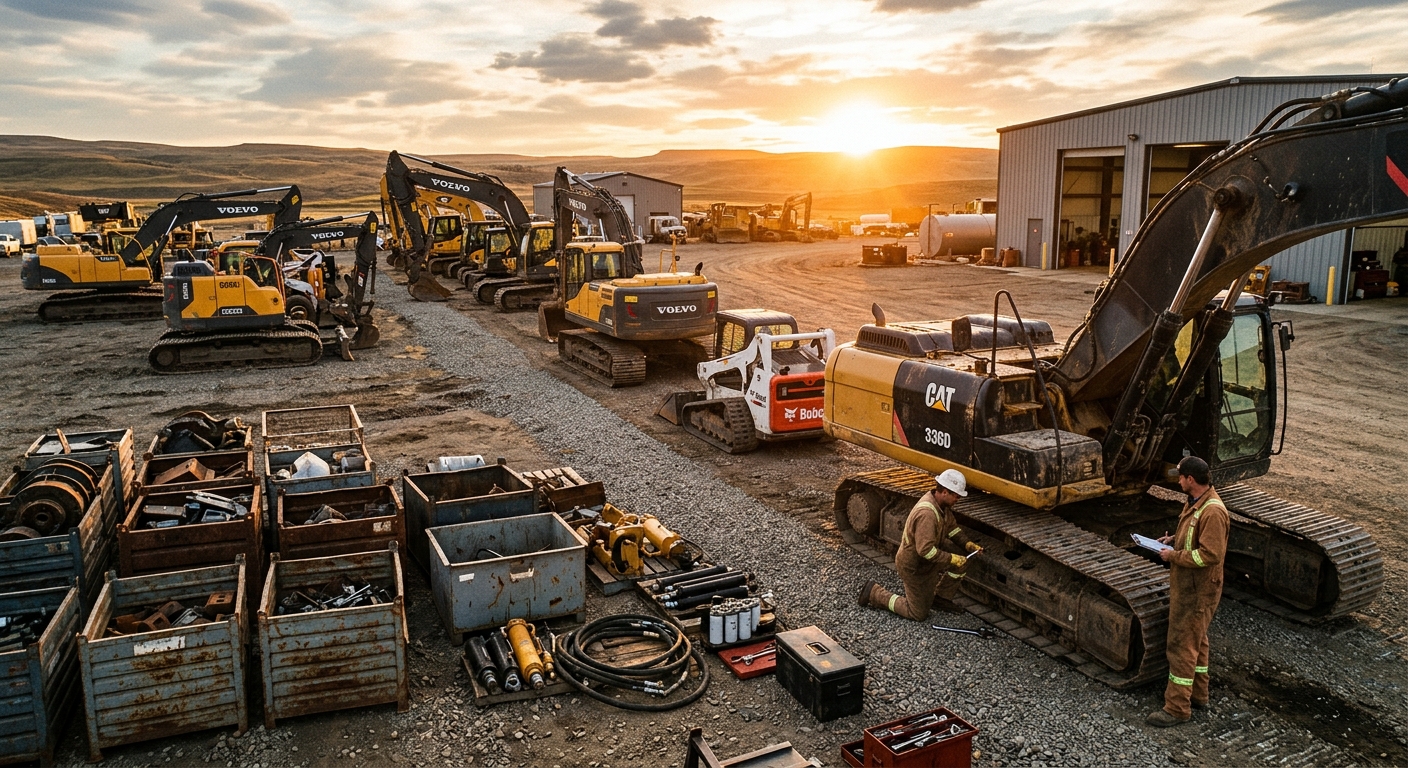
Owners should treat high-use attachments like mini machines. Give them asset numbers. Log repairs. Track wear parts. Assign them to jobs. Note which carrier they ran on. Record failures, not just purchases. Over time, the attachment rack starts telling the truth: which tools make money, which ones are abused, and which job types cost more than expected.
This is not paperwork for paperwork’s sake. It is how a contractor avoids buying the wrong second attachment because the first one “seems busy.”
The buying decision should start with sold work
There is a dangerous way to buy attachments: watch a demo, imagine three new services, buy the tool, then hope the work appears.
Sometimes that works. Usually it just creates an expensive object in the corner of the yard.
The better sequence is boring but reliable. Start with sold or recurring work. Look at jobs the company already wins, jobs it keeps turning down, and jobs where renting the same tool keeps showing up. Then decide whether an attachment will increase margin, reduce rental leakage, cut labor, open a repeatable service line, or protect the schedule.
That last point matters. Attachments do not need to create a new business line to pay. Some pay because they keep a crew moving. A compaction attachment may reduce waiting. A better bucket may cut grading time. A grapple may speed cleanup. A broom may get a crew off site faster. A coupler may turn one machine into a more flexible machine without adding another payment.
The return may be less flashy than a new service line, but it can be more dependable.
The owner should still be honest. If the attachment needs a rare operator, a specific carrier, extra transport, constant maintenance, or work that the company does not sell well, the purchase may be a distraction. The wrong attachment does not create capacity. It creates another thing to store, insure, maintain, and explain.
Dealers and manufacturers can help, but owners need their own numbers
Dealers and manufacturers know the equipment. They can help match tools to carriers, hydraulic requirements, job types, and maintenance needs. That advice is useful. But it is not a substitute for company-specific data.
A tool that makes sense for one contractor may be wrong for another company using the same machine. Soil, material, operator skill, job size, mobilization distance, support trucks, rental alternatives, and customer pricing all change the math.
That is why attachment decisions should be tied to job history. How many hours did the tool run? What did it earn? What did it cost to maintain? How often did it sit? Which operator produced with it? Which job type beat it up? Which carrier handled it best?
The owner who can answer those questions has leverage. They can negotiate better, buy with more confidence, and avoid getting talked into the shiniest tool on the lot.
The attachment rack is where fleet strategy gets practical
There is nothing wrong with wanting the bigger machine. Sometimes the bigger machine is the answer.
But for many contractors, the next fleet improvement may not be another carrier. It may be the right attachment, the right spare wear parts, the right coupler setup, the right storage system, or the right tracking process.
That is less exciting than a new machine delivery. It may also be more profitable.
The contractors who win this part of the market will not think of attachments as add-ons. They will think in complete working setups: carrier, attachment, operator, transport, parts, maintenance, and job type. They will know which setups make money and which ones only look busy.
The machine still matters. But more often than owners want to admit, the real constraint is hanging on the rack.