The $2.5 Billion Bet on Mulching: Why the Forestry Mulching Market Is Exploding
Forestry mulching is projected to hit $2.5 billion in 2025 with 7% annual growth through 2033. Here's what's driving the boom — and what it means for operators on the ground.
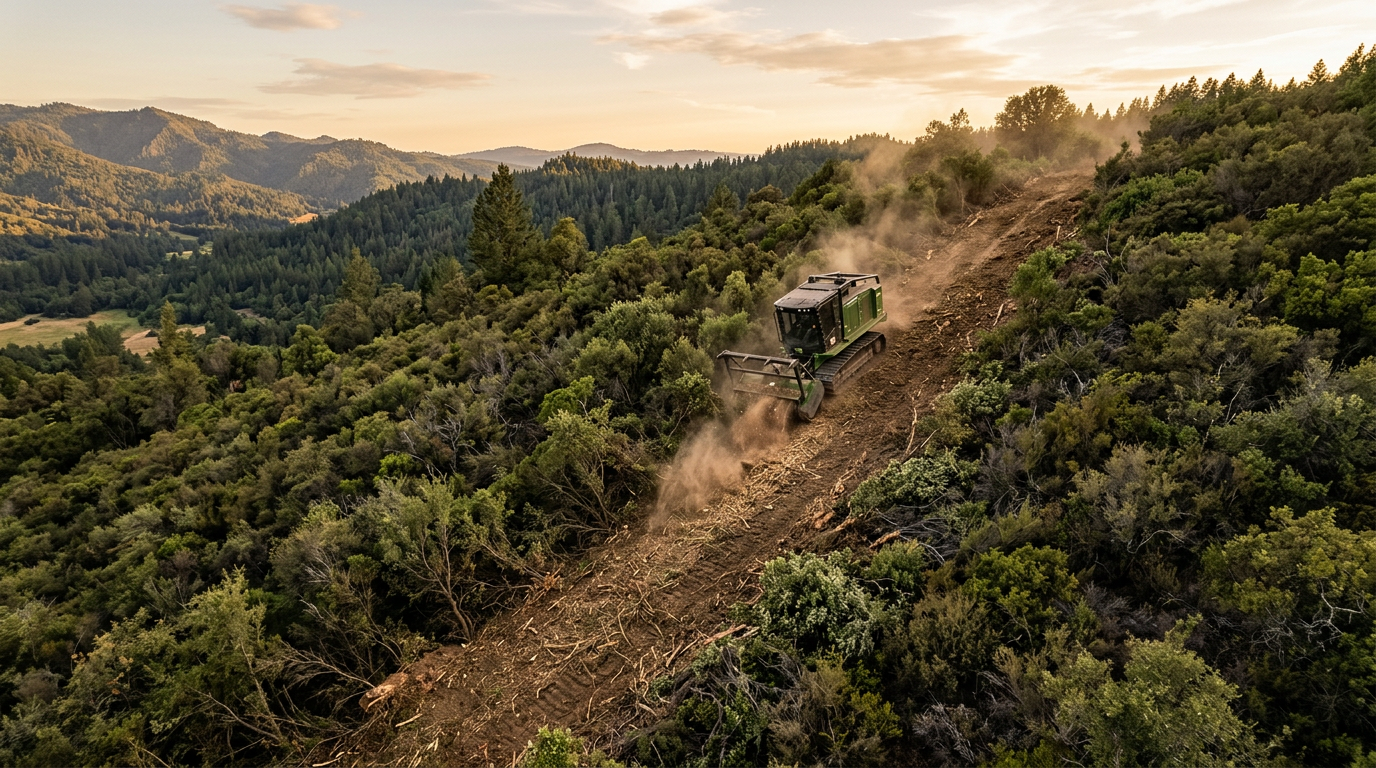
If you’re running a forestry mulching operation right now, you’re not imagining things. Business is good. The phones are ringing. The backlog is growing. And the data backs up what you’re feeling on the ground.
The global forestry mulching market is projected to hit $2.5 billion in 2025. That’s not a misprint. And it’s growing at roughly 7% annually through 2033, which puts it on track to clear $4 billion before the decade is out.
For context, that growth rate means the market roughly doubles in ten years. Not many industries in the dirt world are doubling. Most are fighting for single-digit gains. Forestry mulching is in a different lane entirely.
What’s actually driving this
It’s not one thing. It’s a pile of tailwinds all hitting at the same time.
Wildfire mitigation is real money now. After consecutive years of devastating fire seasons across the western US, Canada, and Southern Europe, governments are spending serious dollars on fuel load reduction. Forestry mulching is the fastest, most cost-effective way to create defensible space and firebreaks. California, Colorado, Oregon, and several Canadian provinces have all expanded their vegetation management budgets. That’s not temporary spending — it’s structural.
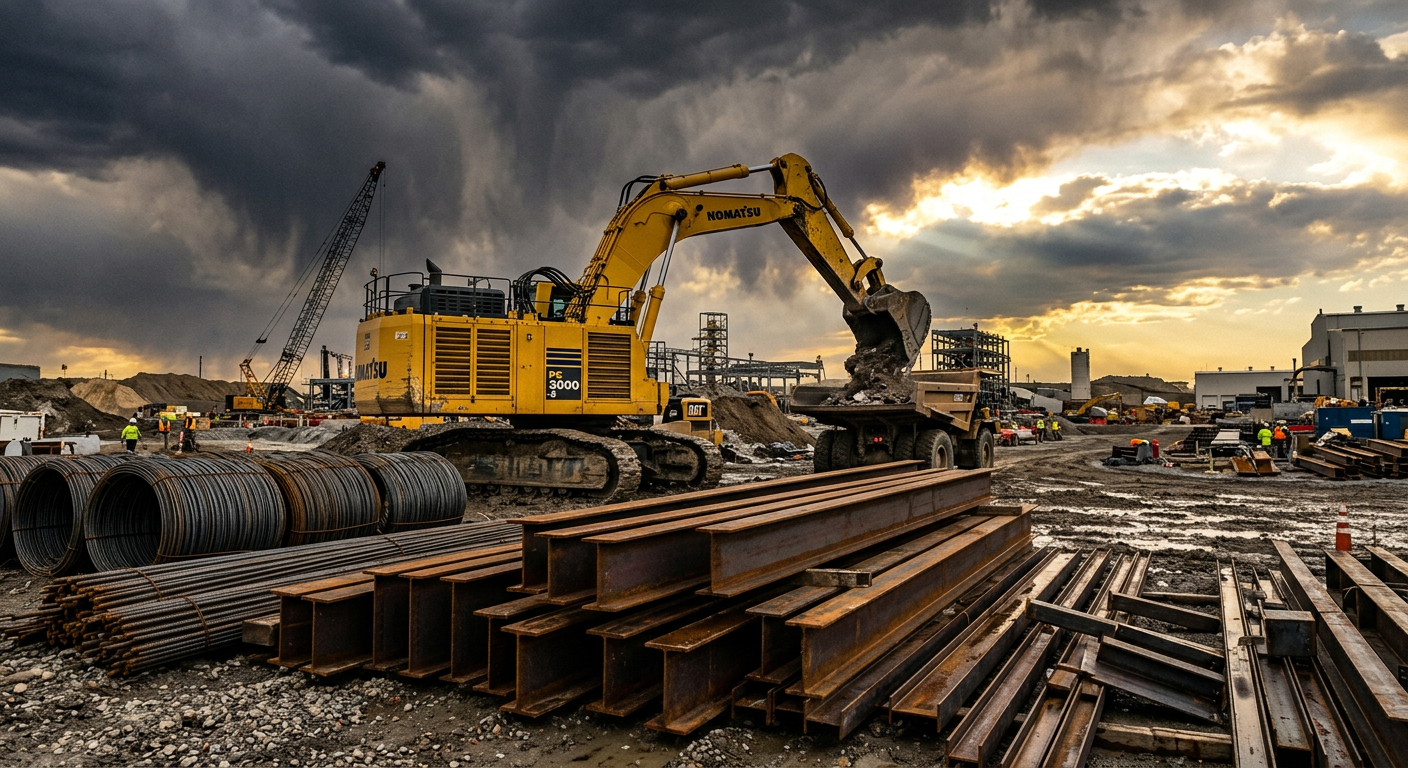
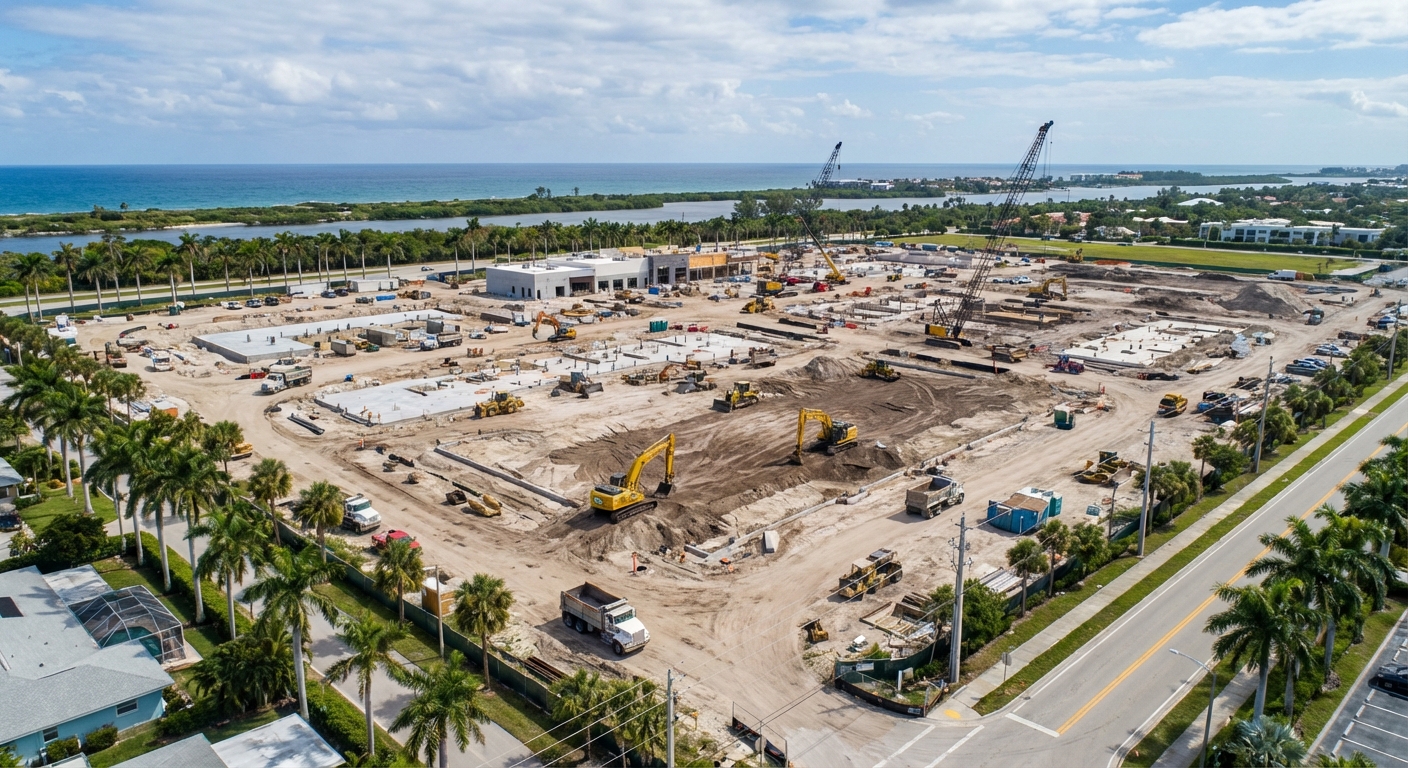
Infrastructure is booming. The Infrastructure Investment and Jobs Act is still pumping billions into road construction, utilities corridors, and pipeline right-of-way clearing. Every new highway interchange, every cell tower, every solar farm installation starts with clearing the land. And increasingly, the clearing method of choice is mulching — not dozing, not burning, not hand-cutting.
Sustainability isn’t just marketing anymore. Mulching leaves root systems intact, prevents erosion, returns organic material to the soil, and eliminates the need for burn piles or hauling debris. In a regulatory environment that’s tightening by the year, that matters. Permits that would take months for traditional clearing methods sometimes take weeks when the method is mulching. Municipalities and developers are catching on.
Residential land clearing is exploding — and YouTube built the funnel. Five years ago, most homeowners with overgrown acreage didn’t know forestry mulching existed. They’d call a dozer operator, get a burn pile, and deal with the mess. That changed when operators started posting transformation videos on YouTube and social media.
Nobody’s done more to put forestry mulching in front of everyday landowners than Brushworks Services Co. out of Ohio. Their YouTube channel has racked up millions of views showing dramatic before-and-after land clearing transformations — the kind of content that makes a homeowner with 10 overgrown acres pick up the phone. Their collaboration with Chris Koerner blew past 1 million views and introduced forestry mulching to an audience that had never heard the term before. That single video probably generated more residential leads for mulching operators nationwide than any trade show or ad campaign in the industry’s history.
This is the part the market reports miss. The $2.5 billion number isn’t just driven by infrastructure contracts and government wildfire budgets. A massive chunk of the growth is residential landowners who discovered mulching through a YouTube video, googled “forestry mulching near me,” and called a local operator. That demand channel didn’t exist five years ago. Now it’s one of the biggest drivers in the market.
Editor’s Note: If you’re tracking machine hours across multiple mulchers, FieldFix logs maintenance, fuel, and expenses against actual run time — so you know your real cost-per-hour before you quote the next job. Free for up to 3 machines.
The numbers beneath the numbers
The headline figure is impressive, but the segmentation is what tells the real story.
North America dominates. The US and Canada account for the largest share of global forestry mulching revenue, driven by extensive forested land, strong infrastructure spending, and a regulatory environment that favors low-impact clearing methods. If you’re running mulching equipment in North America right now, you’re in the largest and most mature market on the planet.
Equipment vs. services. The market splits into equipment sales (mulcher heads, dedicated machines, attachments) and services (contractors doing the actual clearing). Both are growing, but the services side is growing faster. That’s significant — it means the opportunity isn’t just in owning iron. It’s in running it.
Attachment mulchers are the growth story. While dedicated forestry mulching machines (like FAE prime movers) hold their own, the fastest-growing segment is attachment mulchers for excavators and skid steers. The reason is obvious: an excavator-mounted mulcher head lets you add mulching capability without buying a purpose-built machine. Lower barrier to entry, wider addressable market.
Asia Pacific is the sleeping giant. Massive infrastructure projects in India, China, and Southeast Asia are creating new demand for vegetation management. The growth rate in Asia-Pacific markets is outpacing North America, though from a much smaller base. Long term, this is where the equipment manufacturers are pointing their growth forecasts.
What 7% annual growth actually feels like
For an operator, 7% market growth doesn’t feel like a percentage. It feels like:
- Your phone rings more in January and February than it used to
- Customers are less price-sensitive because they’ve seen your work on YouTube and already want mulching specifically
- Commercial clients (utilities, pipeline companies, solar developers) are signing multi-job contracts instead of one-offs
- You can raise prices and still stay booked
The flip side is that more people see the opportunity. There are more mulching operators entering the market every year. The barrier to entry isn’t prohibitive — a decent skid steer and a mulcher head gets you started. That means the operators who will win the next decade aren’t just the ones with the best equipment. They’re the ones with the best systems: quoting fast, following up relentlessly, building a brand, and running their machines efficiently.
The headwinds nobody wants to talk about
It’s not all sunshine and wood chips.
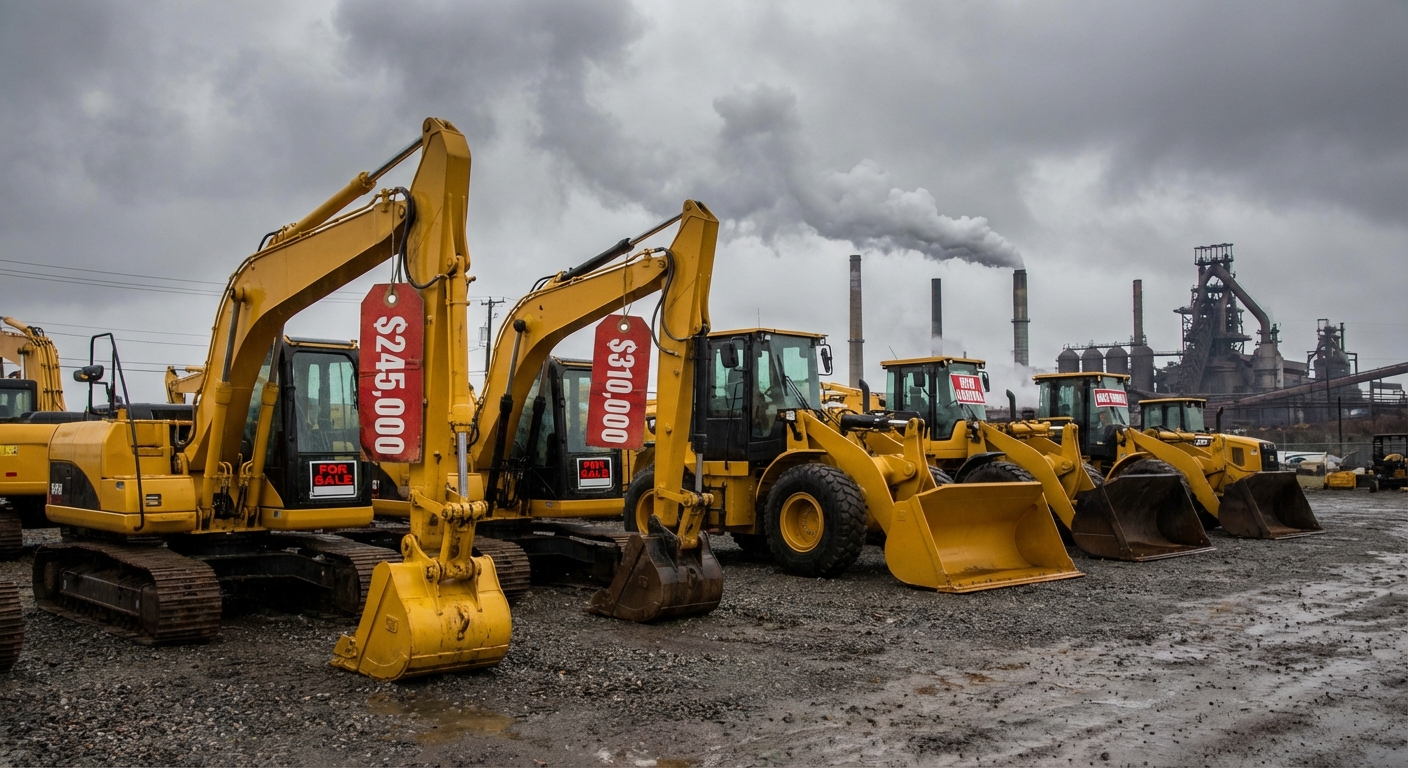
Equipment costs are brutal right now. Between steel tariffs, supply chain disruptions, and manufacturer pricing power, a new forestry mulcher head can run $30,000 to $80,000+. A purpose-built mulching tractor is $250,000 to $500,000. If you’re financing that at current interest rates, your monthly nut is significant. The market is growing, but so is the cost of participating in it.
Skilled operators are scarce. Running a forestry mulcher isn’t like running a mower. You need someone who can read terrain, manage material flow, avoid hidden obstacles, and not destroy a $60,000 mulcher head on a rock. Finding and keeping those people is the bottleneck for a lot of growing operations.
Seasonality hasn’t gone away. In northern markets, you still have a limited operating season. Some states have bat restrictions (Ohio’s runs April through September) that limit when you can clear certain sites. Growth in annual market size doesn’t eliminate the reality that most of your revenue comes in a six to eight month window.
Insurance and liability are climbing. As the industry grows and becomes more visible, insurance carriers are paying more attention. Rates are going up. Coverage requirements on commercial jobs are getting stricter. If you haven’t shopped your policy recently, you should.
What smart operators are doing right now
The operators positioned to capture the most growth from this expanding market aren’t just buying bigger machines. They’re:
Building recurring revenue. Vegetation management contracts with utilities, municipalities, and HOAs create predictable income that smooths out the feast-or-famine cycle. One multi-year maintenance contract can be worth more than a dozen one-time residential jobs.
Investing in marketing. The operators dominating their local markets are the ones showing up on YouTube, Google, and social media. Brushworks didn’t build a 13,000+ subscriber YouTube channel by accident — they did it by consistently posting real job footage that resonates with landowners. Content creators like Chris Koerner are proving that one viral video can drive more leads than a year of paid ads. If you’re not visible online, you don’t exist to the fastest-growing segment of the market.
Tracking their actual costs. Quoting by gut feel works until it doesn’t. The operators scaling successfully know their cost per hour, cost per acre, and margin on every job type. They’re adjusting pricing quarterly, not annually.
Adding capabilities without adding complexity. Excavator-mounted mulcher heads let you offer mulching without buying a dedicated machine. Brush mowing attachments let you take on maintenance contracts. The goal is more revenue streams from the same crew and trailer.
The bottom line
A $2.5 billion market growing at 7% is the kind of tailwind that lifts everyone — for now. But markets this attractive don’t stay easy forever. The window where demand exceeds supply, where customers are less price-sensitive, where you can grow just by showing up — that window has a shelf life.
The operators who use this growth phase to build systems, build brands, and build recurring revenue will be the ones still thriving when the market inevitably matures and competition tightens.
The gold rush doesn’t last forever. But the mines do — if you build them right.